
2027 Online Artificial Intelligence Degree Master's Programs with Monthly Start Dates & Financial Aid

Co-Founder and Chief Data Scientist
Choosing an online artificial intelligence master's program is not only a question of curriculum. For many working adults, the real barrier is timing: waiting months for a fall or spring intake can delay promotion plans, employer funding approvals, or a career change. Monthly start dates solve part of that problem by letting admitted students begin closer to the point when they are academically, financially, and professionally ready.
This guide explains how monthly start online AI master's programs work, what applicants should expect from admissions and deadlines, how costs compare with traditional formats, and which financial aid options may apply. It is designed for professionals evaluating flexible graduate study in artificial intelligence, including applicants who need FAFSA access, scholarships, employer tuition reimbursement, or payment plans. Online artificial intelligence master's program enrollment grew by over 35% between 2019 and 2023, and the growth reflects a practical reality: more students want advanced AI training without leaving the workforce or relocating.
Key Benefits of Online Artificial Intelligence Degree Master's Programs with Monthly Start Dates & Financial Aid
- Monthly start dates allow students to begin their master's in artificial intelligence immediately, bypassing traditional semester delays that can stall career transitions.
- Online formats offer essential flexibility, enabling working professionals to balance coursework with job responsibilities and family commitments efficiently.
- Financial aid options, including scholarships and loans, reduce barriers to entry, making graduate AI education more affordable and accessible for diverse learners.
What Are Online Artificial Intelligence Master's Programs With Monthly Start Dates?
Online artificial intelligence master's programs with monthly start dates are graduate programs that allow new cohorts to begin at the start of many months throughout the year rather than only in fall, spring, or summer. The academic content may be similar to a traditional online master's in AI, but the enrollment calendar is more flexible and usually better suited to working professionals.
This format matters when timing affects career plans. A student who receives employer approval in March, for example, may not want to wait until August to begin. Monthly starts can shorten that gap, but students still need to confirm admissions processing time, financial aid disbursement rules, and course availability before choosing a start month.
- Flexible enrollment cycles: Students may have several opportunities each year to begin, which reduces the waiting period between admission and coursework.
- Accelerated or focused course formats: Many programs use shorter terms where students take fewer courses at once. This can help with concentration, although the weekly workload may be intense.
- Streamlined admissions timelines: Schools with frequent start dates often review applications continuously, but applicants still need time to send transcripts, recommendations, and proof of prerequisites.
- Better fit for working professionals: Online delivery and flexible pacing can make it easier to study while employed, especially for students coordinating coursework with project cycles or family obligations.
- Location independence: Fully online study can remove relocation and commuting costs, though students should still check whether any residencies, proctored exams, or synchronous sessions are required.
Monthly start options do not automatically make a program easier or cheaper. They mainly change when students can begin and how they plan tuition, aid, and workload. Applicants comparing affordability across graduate fields may also review the cheapest SLP master's programs to understand how tuition structures vary in other online master's disciplines.
What Are the Admission Requirements for Monthly Start Online Artificial Intelligence Master's Students?
Admission requirements for monthly start online artificial intelligence master's programs are usually similar to those for semester-based AI graduate programs. The main difference is timing: applicants may have more entry points, but they still must prove academic readiness for advanced work in programming, mathematics, data science, and machine learning.
Most programs expect a bachelor's degree in a related technical field such as computer science, engineering, mathematics, statistics, or a closely aligned discipline. Some programs also consider applicants from other backgrounds if they have professional experience or complete prerequisite coursework before enrollment. Approximately 70% of students enrolled in online graduate programs make use of financial aid, so meeting admissions requirements on time can also affect aid packaging and disbursement.
- Minimum GPA: Many programs expect a minimum GPA of 3.0 on a 4.0 scale. Applicants below that level may still be considered at some schools if they show strong technical experience, recent coursework, or other evidence of readiness.
- Prerequisite coursework: Common prerequisites include programming, data structures, algorithms, linear algebra, and statistics. Applicants missing these foundations may need bridge courses before taking graduate-level AI courses.
- Standardized tests: GRE policies vary. Some programs waive the GRE for applicants with strong academic records or relevant professional experience, while others still require scores.
- Application materials: Typical materials include official transcripts, letters of recommendation, a resume, and a personal statement explaining career goals, technical preparation, and interest in artificial intelligence.
- Interviews and portfolios: Some programs ask for an interview, coding sample, GitHub portfolio, research work, or project examples. These requirements help admissions teams assess whether applicants can handle a rigorous online AI curriculum.
Applicants should not assume that a monthly start date means instant admission. The strongest approach is to identify a preferred start month, then work backward to allow enough time for transcripts, prerequisite review, recommendation letters, FAFSA processing, and employer tuition approval if applicable. Students comparing flexible online study outside AI may also find it useful to review a 2 year psychology degree online when evaluating how admissions models differ by field.
Are There Application Deadlines for Monthly Start Artificial Intelligence Master's Programs?
Yes. Monthly start artificial intelligence master's programs are more flexible than traditional programs, but they still have deadlines. Instead of one or two major annual deadlines, these programs usually use rolling admissions, priority dates, or start-date-specific cutoffs. Surveys show that about 65% of online graduate STEM programs now offer rolling admissions or multiple annual start dates to accommodate diverse learner needs.
The most common mistake is assuming “monthly start” means an applicant can submit materials a few days before classes begin. In practice, schools need time to verify transcripts, evaluate prerequisites, process financial aid, register students, and provide access to learning platforms.
- Rolling admissions: Applications may be reviewed as they arrive, and decisions are often issued within weeks. This can help motivated students move quickly, especially if all documents are ready.
- Start-date cutoffs: Even with rolling admissions, schools may require a completed application several weeks before the desired start month.
- Financial aid timing: FAFSA, verification, loan counseling, and disbursement schedules may affect whether aid is ready by the first course.
- Limited course availability: Some concentrations, labs, or specialized AI electives may not begin every month, even if the program as a whole offers monthly starts.
- Early application advantages: Applying early can help students secure a preferred start month, resolve prerequisite gaps, and avoid rushing important funding decisions.
A professional planning to enroll in an online artificial intelligence master's program with monthly starts described the process as “both freeing and a bit overwhelming.” He appreciated not being tied to one annual deadline, but he also found that each school had different document windows and prerequisite checks. His experience highlights the key planning lesson: monthly start dates reduce waiting time, but they do not eliminate the need for organized preparation.
Are Monthly Start Online Master's Programs More Expensive Than Traditional Ones?
Monthly start online master's programs in artificial intelligence are not automatically more expensive than traditional semester-based programs. The total cost depends on tuition per credit, required credits, fees, transfer credit policies, course load, and time to completion. Average tuition for these programs often ranges between $15,000 and $30,000 total, depending on credit requirements and the institution.
The main difference is usually the billing model. Traditional programs may charge by semester or term, while many flexible online programs charge by credit or course. That can help students control short-term cash flow, but it can also make fees less obvious if they are assessed repeatedly across multiple short terms.
- Per-credit pricing: Paying by credit can be useful for students who want to take one course at a time, but applicants should multiply the full credit requirement by the tuition rate to estimate total tuition.
- Administrative fees: Multiple starts and repeated registration periods may come with processing or student service fees that increase the full cost of attendance.
- Technology fees: Online programs often charge platform, digital resource, or technology fees. These should be included in comparisons, not treated as minor add-ons.
- Accelerated courses: Shorter courses may help students finish faster, but they can be demanding. A faster path is only cost-effective if the student can maintain progress without withdrawing or repeating courses.
- Workforce savings: Flexible scheduling may reduce opportunity costs by allowing students to keep working full time while studying.
Students comparing costs should request a full tuition and fee breakdown for the entire degree, not just the first term. They should also ask whether tuition is locked once enrolled, how financial aid is disbursed in short terms, and whether employer reimbursement is paid before or after course completion. For applicants still exploring affordable AI pathways before committing to graduate school, an online ai degree comparison can provide useful context on cost structures in the broader field. Students comparing business-oriented alternatives may also review best online business management degree programs.
What Payment Options Are Available for Online Master's Degrees With Flexible Enrollment?
Online master's degrees with flexible enrollment often give students several ways to manage tuition beyond paying one large semester bill. About 60% of graduate students use a mix of funding sources, combining employer aid, personal finance, and payment plans. For monthly start AI programs, the best payment approach is usually the one that matches the student's course pace and cash flow.
- Installment plans: Schools may allow monthly or quarterly payments instead of a single upfront payment. Students should confirm enrollment fees, late fees, and whether the plan covers tuition only or also includes required fees.
- Employer sponsorship: Some employers pay the school directly or reimburse the employee after successful course completion. The timing matters because reimbursement after grades are posted may require the student to cover tuition first.
- Personal financing: Savings, private loans, credit lines, and other personal funds may cover gaps. Borrowers should compare repayment terms carefully and avoid financing more than the degree is likely to justify.
- Pay-as-you-go tuition: Some programs let students pay only for the courses they take in a given term. This can help students slow down during demanding work periods without committing to a larger course load.
A student using a monthly start online AI master's program should build a payment calendar before enrolling. That calendar should include application fees, deposit dates, first tuition payment, FAFSA deadlines, employer reimbursement submissions, and the start of each course. This prevents a common problem: being academically admitted but financially unprepared for the preferred start month.
Do Monthly Start Artificial Intelligence Master's Programs Qualify for FAFSA?
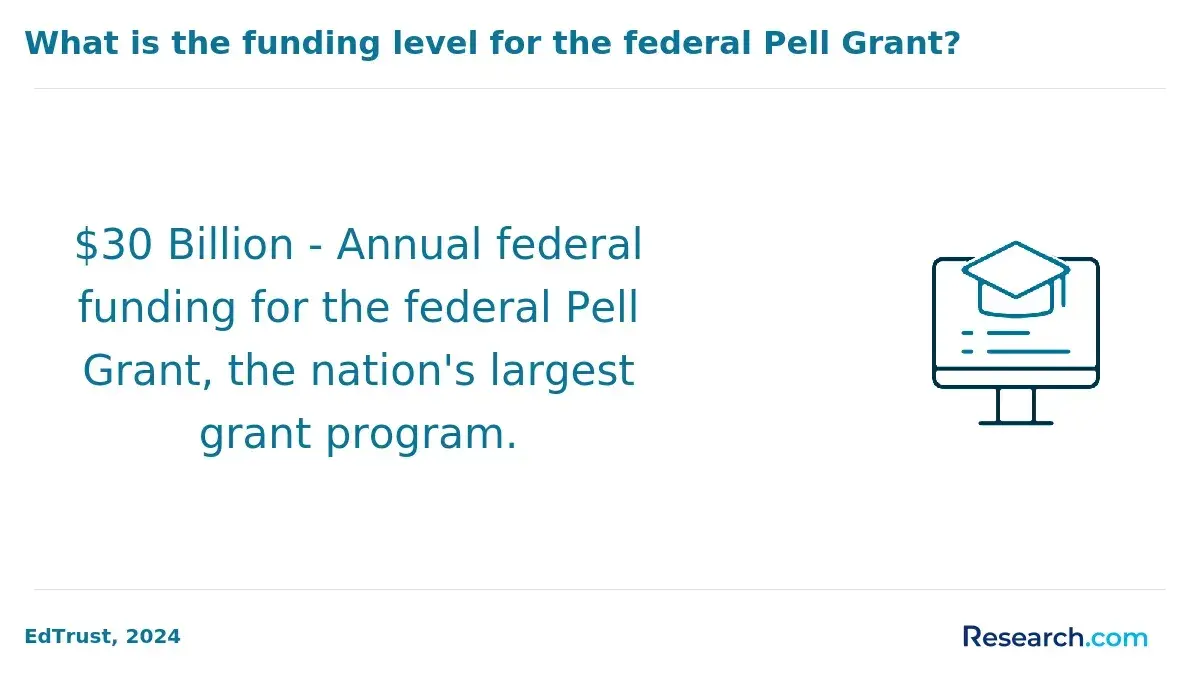
Monthly start artificial intelligence master's programs may qualify for FAFSA-based federal financial aid, but only if the school and program meet federal eligibility requirements. The start-date format alone does not determine eligibility. Around 62% of graduate students in the U.S. receive some form of federal aid, making FAFSA planning an important part of the enrollment decision.
- Institutional accreditation: The institution must be accredited by a U.S. Department of Education-recognized agency. Applicants should verify this before applying, especially when considering newer online or nontraditional programs.
- Eligible program status: Not every certificate, bootcamp, or short-format program qualifies for federal aid. Students should confirm that the specific AI master's degree is Title IV eligible.
- Enrollment status: Graduate students generally need to maintain at least half-time enrollment during the relevant financial aid payment period. Short terms can make this calculation less intuitive, so students should ask the financial aid office how half-time status is defined.
- FAFSA submission: Students must file a complete FAFSA annually and respond to any verification requests. Delays can affect when funds are available.
- Federal loan eligibility: Graduate students primarily qualify for federal loans, such as Direct Unsubsidized and Grad PLUS Loans, because grant options are limited at this level.
Before choosing a monthly start date, students should ask the financial aid office when aid will disburse, whether funds align with the first course, and what happens if they take only one course in a short term. These details can determine whether the program is financially workable from the first month.
What Scholarships Are Available to Students of Online Artificial Intelligence Master's Programs With Monthly Start Dates?
Students in online artificial intelligence master's programs with monthly start dates may be eligible for scholarships, but award timing can be more complicated than admission timing. Nationwide, about 35% of graduate students receive some form of scholarship or institutional aid. Applicants should ask whether scholarship review happens monthly, by term, or only during specific annual cycles.
- Merit-based scholarships: These awards may consider GPA, technical achievements, research experience, professional accomplishments, or strong admissions materials.
- Departmental scholarships: Computer science, engineering, data science, or AI departments may offer awards for students pursuing specialized study or research-aligned coursework.
- Professional association scholarships: Computing and technology organizations sometimes support graduate students in AI, machine learning, data science, cybersecurity, or related fields.
- Diversity scholarships: These awards support broader participation in STEM and AI, including students from underrepresented groups.
- Institutional awards: Universities may offer need-based, merit-based, or combined awards that apply to online students, including those in flexible enrollment formats.
Scholarship availability can depend on when the student starts. A program may admit students monthly but award major scholarships only once or twice per year. Applicants should ask three specific questions: whether online students are eligible, whether monthly start students are reviewed automatically, and whether an award can be deferred if the student changes start dates.
Does Employer Tuition Reimbursement Cover Monthly Start Online Artificial Intelligence Master's?
Employer tuition reimbursement can cover a monthly start online artificial intelligence master's program if the employer's policy allows graduate study, recognizes the institution, and considers the degree relevant to the employee's role or career path. Approximately 26% of graduate students use employer tuition benefits to help fund their degrees.
AI programs often align well with employer education benefits because they support skills in automation, analytics, software development, decision systems, and data-driven operations. However, reimbursement rules vary widely, and students should obtain written approval before enrolling.
- Employment status: Employees may need to be full time, in good standing, or employed for a minimum period before qualifying.
- Program accreditation: Employers often require the school to be accredited and may reject programs that do not meet internal education standards.
- Field relevance: The course of study usually must connect to the employee's current role, department needs, or approved career development plan.
- Reimbursement limits: Employers commonly set annual caps and may require minimum grades before payment is released.
- Application procedures: Employees may need manager approval, HR forms, invoices, syllabi, proof of enrollment, and final grades. Monthly starts can create short approval windows, so timing is important.
Students should ask whether reimbursement is paid directly to the school or after course completion. They should also confirm whether changing course load affects eligibility. Professionals comparing other flexible graduate options can also review a library sciences degree when evaluating how employer tuition policies apply across online master's programs.
What Industries Hire Graduates From Online Artificial Intelligence Master's Programs?
Graduates of online artificial intelligence master's programs may pursue roles in industries that use machine learning, automation, predictive modeling, data engineering, robotics, natural language processing, and decision support systems. Employment for AI professionals with master's degrees is expected to grow nearly 40% over the next decade, reflecting strong market demand.
Hiring outcomes depend on more than the degree name. Employers typically look for evidence of applied skill: model development, programming ability, cloud or data infrastructure experience, responsible AI awareness, and the capacity to explain technical work to business or policy stakeholders.
- Technology and software development: Graduates may work on AI applications, recommendation systems, natural language tools, computer vision, or intelligent software products.
- Healthcare: AI is used in diagnostics support, patient data analysis, operations, imaging, and personalized medicine. Roles in this sector may require careful attention to privacy, regulation, and clinical context.
- Finance and banking: Institutions use machine learning for fraud detection, risk modeling, compliance analytics, customer insights, and algorithmic trading.
- Manufacturing and automation: AI supports robotics, predictive maintenance, quality control, supply chain optimization, and smart production systems.
- Government and defense: AI skills are used in cybersecurity, intelligence analysis, logistics, autonomous systems, and public-sector data initiatives.
Students who want the strongest employment case should use the program to build a portfolio of applied projects, not only complete coursework. Interdisciplinary knowledge can also help. For example, graduates interested in AI for audit, fraud detection, or financial analytics may compare adjacent training options such as an accounting degree.
Is an Online Artificial Intelligence Master's Degree With Monthly Start Date Worth the Cost?
An online artificial intelligence master's degree with a monthly start date can be worth the cost for students who need graduate-level AI skills, can manage the workload, and choose an accredited program with a realistic total price. The monthly start format adds value when it helps a student begin sooner, use employer funding on schedule, or continue working while studying.
The financial case should be evaluated carefully. Data from the Georgetown University Center on Education and the Workforce highlights that graduates in computing-related fields with a master's degree earn about 20% more over their lifetimes compared to those holding just a bachelor's degree. That figure supports the potential value of advanced computing education, but individual outcomes depend on prior experience, location, specialization, portfolio quality, labor market conditions, and the student's ability to move into higher-value roles.
Monthly start programs may also improve the practical return on investment by reducing idle time. A student who starts sooner may be able to apply new skills at work earlier, qualify for new projects, or complete the degree on a schedule that fits promotion cycles. Still, flexibility should not outweigh academic quality. Students should verify accreditation, faculty expertise, curriculum depth, career support, total cost, aid eligibility, and employer recognition before committing.
The program is more likely to be worth it when the student has a clear career goal, a funding plan, and enough technical preparation to succeed without repeated withdrawals or delays. It may be less suitable for students who need extensive prerequisite work, are unsure about AI as a career direction, or would need to borrow heavily without a realistic plan for career advancement.
What Graduates Say About Online Artificial Intelligence Degree Master's Programs with Monthly Start Dates & Financial Aid
- : "Choosing an online artificial intelligence master's program with a monthly start date was a game changer for me because it fit perfectly with my unpredictable work schedule. The availability of financial aid options that aligned exactly with each start date made it manageable to plan my finances without stress. This program not only advanced my skills but also opened doors to roles I never thought possible in my career. — Callen"
- : "Reflecting on my journey, the flexibility of starting every month in an online artificial intelligence master's program was critical, allowing me to begin right when I was ready. The tailored financial aid packages eased the burden significantly, especially since I was transitioning from a different industry. This experience gave me the confidence and credentials to pivot professionally, which has been incredibly rewarding. — Koen"
- : "I approached the online artificial intelligence master's program with a focus on career growth and monthly intakes made it convenient to align my studies with work commitments. Opting for financial aid that supported my specific start date helped me avoid delays and maintain momentum throughout the course. The practical knowledge and network I built have already positively impacted my job prospects in the tech field. — Owen"
Other Things You Should Know About Artificial Intelligence Degrees
No. Many 2027 online AI master’s programs accept applicants from engineering, mathematics, data science, or related fields, but they usually require transcripts showing calculus, linear algebra, and programming coursework. Some programs also ask for GRE scores, though many waive them.
Yes, the flexible scheduling and asynchronous coursework typical of online artificial intelligence master's programs are designed to accommodate working professionals. Monthly start dates allow students to enroll at convenient times, while part-time study options enable learners to manage academic responsibilities alongside full-time employment.
Besides scholarships and FAFSA, students often access employer tuition reimbursement, income share agreements, and private student loans tailored for graduate education. Some programs also provide payment plans that break tuition into manageable monthly installments, aligning well with the frequent start dates and flexible pacing of online AI degrees.
Reputable online AI master's programs frequently update their curricula to incorporate developments such as machine learning frameworks, neural networks, and AI ethics. Faculty members often have active research roles or industry experience, ensuring course content remains relevant and aligned with current trends and tools in the artificial intelligence field.
References
- Online MSc Computer Science with Artificial Intelligence | Walbrook https://www.walbrook.ac.uk/degrees/postgraduate/msc-computer-science-with-artificial-intelligence/
- Top 10 Careers You Can Pursue With an Online Master’s in AI https://www.ucumberlands.edu/blog/careers-you-can-pursue-with-an-online-masters-in-ai
- International study programs: Artificial Intelligence https://www.mpowerfinancing.com/blog/artificial-intelligence
- MSc Artificial Intelligence https://www.kaplan.com.hk/higher-education/course/master/liverpool-master-artificial-intelligence-msc-online
- MSc ArtificiaI Intelligence for Business https://neoma-bs.com/programmes/msc-artificiai-intelligence-business
- London School of International Business https://www.lsib.co.uk/2022/searchcourse1.aspx
- Accelerated Artificial Intelligence (AI) Master's Degree Programs - AI Degrees Online https://aidegreesonline.com/degrees/masters/accelerated-ai-programs/
- Degree programmes https://www.thi.de/en/computer-science/degree-programmes/artificial-intelligence-msc/


