2027 Agriculture Degree Programs You Can Start Without Meeting All Requirements

Co-Founder and Chief Data Scientist
Many prospective students face barriers to enrolling in Agriculture degree programs due to incomplete prerequisites, insufficient GPAs, or nontraditional backgrounds. Yet, the demand for skilled professionals remains strong-median salaries in the agriculture sector reached $62,000 annually in recent years, with regional variations favoring rural and emerging markets. Institutions increasingly adopt conditional admission policies, offer bridge or foundational courses, and recognize alternative credentials to broaden access.
These pathways enable early enrollment while maintaining academic standards through clear benchmarks. This article details how students can leverage institutional support and flexible admissions to begin Agriculture degrees without meeting all standard requirements upfront.
Key Things to Know About Agriculture Degree Programs You Can Start Without Meeting All Requirements
- Conditional admission allows students who do not meet full criteria to enroll while completing prerequisite courses-many institutions require maintaining minimum grades to continue in Agriculture programs.
- Bridge and foundational courses help transfer or nontraditional students strengthen core knowledge-this pathway often reduces time to degree completion and improves academic success in Agriculture studies.
- Alternative credential reviews evaluate professional experience or certifications-these can substitute missing transcripts, supporting career changers or adult learners entering Agriculture fields without traditional academic records.
What Is the Minimum GPA Requirement for an Agriculture Degree Program?
The minimum GPA requirement for agriculture degree admission varies significantly by the institution's selectivity and tier. Highly selective programs usually demand GPAs around 3.0 to 3.5, reflecting strict academic standards. Moderately competitive schools may accept students with GPAs between 2.5 and 3.0, offering a balanced approach. Open-admission institutions often have lower minimums-sometimes as low as 2.0 or no formal threshold-prioritizing access and opportunity for growth.
Admissions committees look beyond the raw GPA number, considering several factors:
- Grade Trends: Positive improvement over time can weigh favorably in admissions decisions.
- Course Rigor: Success in demanding STEM and agriculture-related classes may offset a lower overall GPA.
- Grade Replacement Policies: Some schools allow retaking courses to replace low grades, improving the GPA used for admission.
Students falling short of published minimums should first:
- Consult Admissions Counselors: These conversations clarify options and illustrate student motivation.
- Request Holistic Review: Many programs evaluate work experience, recommendations, and personal statements beyond GPA.
- Explore Conditional Admission: Certain schools offer entry contingent on completing foundational or bridge coursework with required performance benchmarks.
This approach to flexible admission is a key pathway for high school graduates with lower GPAs, community college transfer students completing prerequisites, and adult learners re-entering education after a gap. Applicants can also consider professional credentials or work histories as part of alternative credential reviews. For those interested in further academic advancement, exploring the cheapest PhD programs can provide insight into long-term academic pathways.
Next, we will examine institutions with explicit policies supporting students carrying academic deficiencies-detailing how these programs offer structured support to help meet degree requirements despite initial hurdles.
Which Agriculture Programs Accept Applicants on Academic Probation or With Academic Deficiencies?
Applicants with academic probation records or transcript deficiencies may gain admission to select agriculture degree programs through conditional or provisional tracks. These options offer students a chance to prove their commitment and academic capability despite earlier challenges. Such conditional admission policies for agriculture programs with academic probation emphasize structured enrollment periods and clear performance targets.
- Eastern State University: This regionally accredited institution allows conditional enrollment for agriculture undergraduates with GPAs below standard thresholds. Students must earn a 2.0 GPA in their first 12 credit hours to continue beyond probation.
- Advisor oversight requires mandatory monthly check-ins and customized academic support to ensure steady progress.
- Midwest Community College Agriculture Transfer Program: Targeted at students transferring with incomplete prerequisites, this program permits probationary enrollment for one semester. Students are restricted to 9 credit hours and must maintain at least a 2.5 GPA to qualify for full admission.
- Southern Regional College of Agriculture: Offers provisional admission to applicants with transcript gaps, pairing foundational courses with a 2.0 term GPA requirement. Faculty advisor mentorship monitors progress closely.
- Biweekly progress reports are submitted and reviewed by advisors.
- Pacific Agricultural University Graduate Program: Admits graduate students conditionally when formal prerequisites are incomplete. Remedial coursework must be completed with a B average during the first semester.
- Semesterly advisor meetings evaluate academic milestones and research readiness.
- Northern Agricultural Institute: Focuses on adult learners and career changers, allowing conditional entry based on professional experience and limited academic qualifications. A six-credit-hour probation period with a required 2.3 GPA is enforced alongside mandatory academic coaching sessions.
Policies vary and update regularly-applicants should verify admissions criteria directly with each institution since standards may differ significantly between undergraduate and graduate agriculture tracks. Students applying with checkered academic histories are not automatically excluded; presenting a compelling personal statement and securing strong references remain critical to strengthening applications for agriculture degree programs admitting students with academic deficiencies.
Prospective students should note that conditional admission typically involves clear GPA benchmarks, credit limits during probation, and intensive advisor oversight. This transparent structure helps students understand their academic journey and facilitates success. For adult learners looking to expand qualifications, programs analogous to the online executive MBA offer flexible enrollment options, further underscoring the growing availability of adaptable academic pathways.
How Do Conditional Admission and Provisional Enrollment Work for Agriculture Degree Seekers?
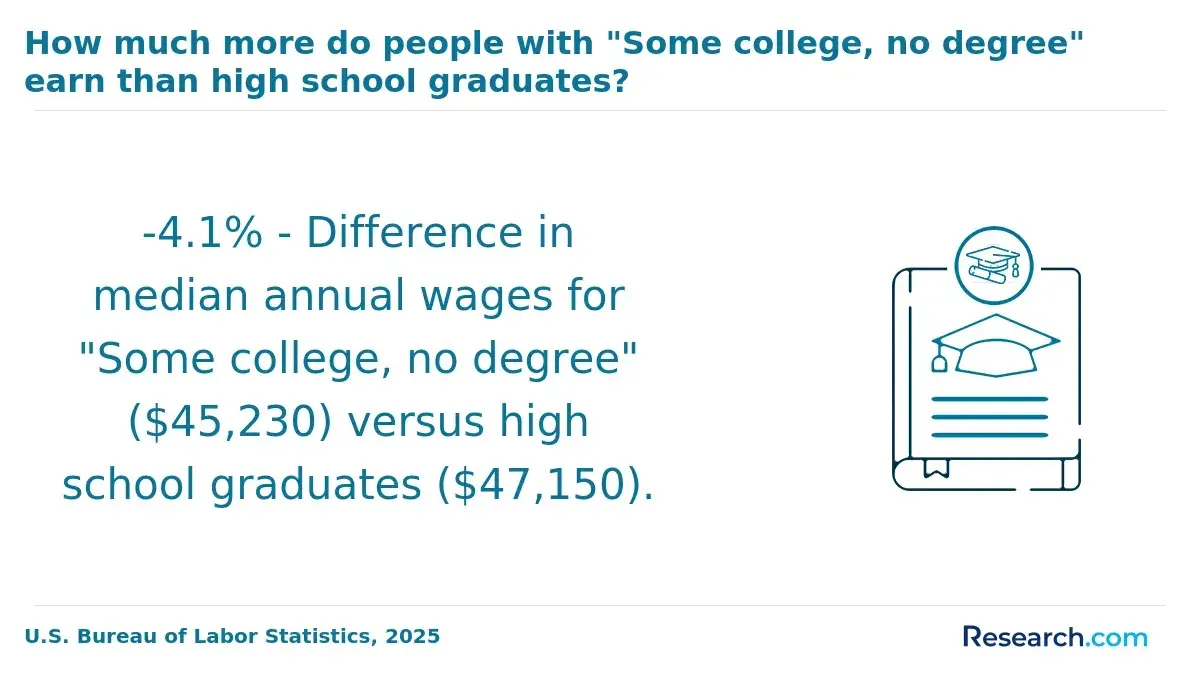
Conditional admission and provisional enrollment offer distinct pathways for agriculture degree candidates who have not yet met all standard entry requirements. Conditional admission involves acceptance with clear academic obligations-often maintaining a minimum GPA around 2.0 to 2.5 and completing foundational courses like soil science or biology within one or two semesters.
Success in these areas leads to full admission, while failure may result in probation or dismissal. Provisional enrollment, by contrast, is generally a short-term status allowing students to begin coursework while submitting missing documents such as transcripts or test scores. Students in this category usually cannot declare full degree candidacy until all paperwork is complete.
- Academic Performance: Candidates under conditional admission must meet GPA and course requirements tied to their provisional status.
- Documentation Submission: Provisional enrollees are expected to provide all required materials promptly.
- Review Process: Admissions officials or academic advisors evaluate progress and decide on full admission.
As an example, a career changer admitted conditionally into an agriculture program shared that completing prerequisite courses within the designated timeframe and raising his GPA was both challenging and motivating. He recalled, "I had to stay disciplined and focused to meet the benchmarks-they weren't just hoops to jump through but real stepping stones to full enrollment." His experience demonstrates that, while flexible, these pathways demand commitment and provide structured support for success.
What Alternative Admission Pathways Are Available for Agriculture Programs When Prerequisites Are Not Met?
When applicants fall short of standard entry requirements, several alternative pathways can provide access to agriculture degree programs. These routes offer flexibility for high school graduates with marginal GPAs, community college transfers still completing prerequisites, adult learners returning after a hiatus, and career changers with relevant experience but incomplete transcripts. Conditional enrollment options in agriculture programs allow students to begin their studies while fulfilling outstanding academic standards.
- Portfolio Review: This option enables candidates to present a collection of skills and achievements-such as project reports, work samples, or farm management records-to demonstrate preparedness.
- Programs Recognizing This: Often available in fields like sustainable farming, horticulture, and agricultural technology.
- Documentation Required: Detailed portfolios showcasing practical work and accomplishments.
- Institutional Support: Faculty committees or admissions staff trained to evaluate experience-based evidence.
- Demonstrated Professional Experience: Relevant employment in agriculture or related sectors can sometimes replace formal prerequisites.
- Programs Recognizing This: Vocational and technical agriculture programs emphasizing hands-on skills.
- Documentation Required: Letters from employers, job descriptions, certificates, or proof of specific project completion.
- Institutional Support: Advisors conducting interviews or assessments of professional background.
- Prior Learning Assessment Credit: Previously earned knowledge-via military service, certifications, or continuing education-may count toward degree credits.
- Programs Recognizing This: Various degree tracks, from agribusiness to animal science and crop management.
- Documentation Required: Transcripts from non-traditional education, standardized test results, or portfolios.
- Institutional Support: Specialized offices responsible for validating prior learning and accreditation compliance.
- Placement Testing: Competency exams in biology, chemistry, or math can substitute for missing prerequisite courses.
- Programs Recognizing This: Entry-level agriculture programs with foundational or bridge courses.
- Documentation Required: Official test scores proving subject mastery.
- Institutional Support: Testing centers and advisors managing conditional enrollments based on results.
Prospective students should take the initiative to contact agriculture department chairs or program directors directly-this approach often yields better results than relying solely on general admissions offices. Many institutions accommodate alternative admission pathways informally despite limited online presence of such options. Clear communication and well-prepared materials enhance chances of acceptance through these flexible routes. Navigating alternative admission pathways for agriculture degree programs requires understanding institutional expectations, including timelines and performance benchmarks tied to conditional enrollment.
For those exploring flexible educational options beyond traditional prerequisites, resources like the EdD program guide can illustrate how non-standard pathways function across different fields of study and underscore the value of proactive inquiry.
Which Agriculture Programs Allow Students to Begin While Completing Remaining Prerequisites Concurrently?
Some agriculture degree programs let students start their main coursework while still finishing outstanding prerequisite classes-a process called concurrent or co-requisite enrollment. This differs from conditional admission, which admits students based on minimum requirements but usually sets academic conditions to stay enrolled. Concurrent enrollment explicitly permits taking prerequisite and core agriculture courses simultaneously within a semester, helping students keep on track even if they're behind on initial requirements.
Typical co-requisite pairings involve foundational subjects like introductory statistics or research methods alongside early-semester agriculture courses such as Principles of Crop Science or Soil Science Fundamentals. This dual approach builds essential skills while immersing students in discipline-specific content. However, taking both kinds of courses at once increases the academic burden, demanding strong time management and solid study habits to balance diverse workload demands.
To find out if a program allows concurrent prerequisite enrollment, students should thoroughly check the course catalog for relevant policies, consult with academic advisors for clarity, and request degree audits that outline the prerequisite-core sequences. These informed steps enable realistic academic planning and minimize surprises during registration.
- Academic Workload: Managing concurrent courses heightens study hours and requires juggling different subjects and assignments.
- Conditional vs. Concurrent Admission: Conditional admission sets minimum entry standards with performance contingencies, while concurrent enrollment permits simultaneous coursework.
- Course Pairing: Commonly, statistics or research methods align with initial agriculture core classes in the first term.
- Program Verification: Use catalogs, advising sessions, and degree audits to confirm policies on concurrent course completion.
- Time Management: Employ planners, create study routines, and seek campus support to balance academics with jobs or family responsibilities.
A professional who built her career after graduating from an agriculture degree recalled how managing concurrent enrollment was both challenging and empowering. "Balancing the prerequisite statistics class with my core crop science course was tough at first-the workload felt overwhelming. But having academic advising and a clear course plan really helped me stay focused. I learned to prioritize my time carefully and use campus resources for tutoring, which made all the difference. Looking back, starting core classes early gave me confidence and accelerated my graduation timeline," she reflected.
How Do Community College Partnerships Help Students Enter Agriculture Programs Without Full Qualifications?
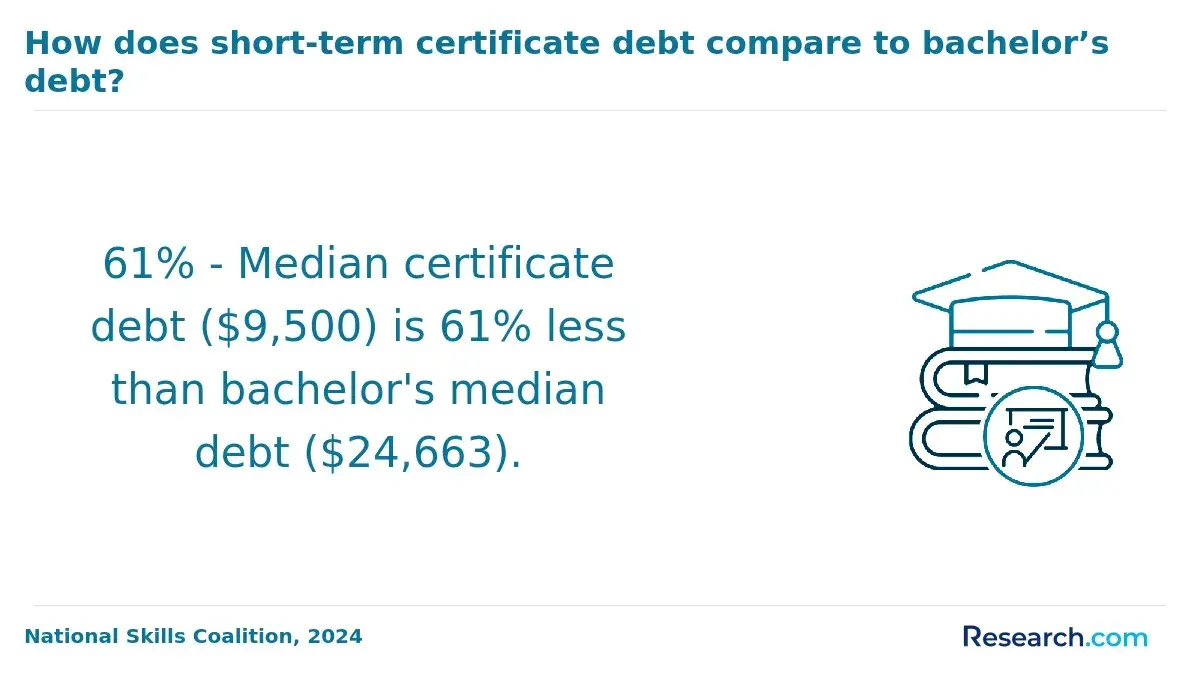
Partnerships between community colleges and four-year institutions open pathways for students who lack full admission credentials to start agriculture coursework early while preparing for a smooth transfer. These pathways often include 2+2 articulation agreements, dual-enrollment programs, and dedicated community college tracks that help build academic momentum before full admission to a bachelor's or graduate program.
- 2+2 Articulation Agreements: These formal agreements ensure that credits earned at community colleges transfer directly and fully to affiliated four-year agriculture programs, preventing credit loss and saving time.
- Dual-Enrollment Options: Students in high school or early college can take agriculture-related classes to earn college credit and foundational knowledge before official admission.
- Coursework Valued by Admissions: Transfer applicants benefit most from community college courses that focus on
- completing prerequisites like biology, chemistry, and math,
- improving GPA through demonstrated academic progress, and
- developing essential skills including scientific writing and data analysis.
- Locating Agreements: Prospective students should check their target agriculture school's admissions resources or speak with transfer advisors to identify formal articulation agreements. Without formal agreements, they can coordinate between both institutions to create a transfer plan ensuring credit acceptance.
- Flexible Transfer Admission: Community college coursework is typically reviewed with more leniency compared to freshman admissions, allowing conditional admits to demonstrate readiness through recent performance rather than only past records.
- Current Trends: Data from 2023 shows over 60% of agriculture bachelor's students began their studies at community colleges, underscoring the expanding role of these pathways.
What Role Do Personal Statements and Letters of Recommendation Play in Gaining Agriculture Program Access Without Meeting All Requirements?
When applicants do not meet standard quantitative criteria-such as GPA, test scores, or prerequisite coursework-for agriculture degree programs, personal statements and letters of recommendation become essential tools to strengthen their applications. These elements allow applicants to present a deeper, more human story beyond numbers.
A compelling personal statement for a conditionally admitted agriculture applicant should include:
- Candid Reflection: Openly address academic setbacks by explaining challenges without excuses while emphasizing lessons learned and plans for future improvement.
- Relevant Experience: Detail practical experiences such as hands-on work, internships, or volunteer roles that demonstrate readiness for challenging study in agriculture.
- Program Fit: Clearly explain why the specific agriculture program aligns with your career goals and how its unique offerings support your academic and professional growth.
Letters of recommendation carry significant weight when authored by individuals who have directly observed the applicant's intellectual abilities or professional achievements-such as supervisors, research mentors, or professors familiar with the applicant's work. These endorsements allow admissions committees to assess potential beyond incomplete transcripts or missing prerequisites. Generic character references, by contrast, tend to hold less influence.
This is the primary vehicle through which a conditionally admitted applicant controls their own narrative-highlighting motivation, resilience, and a clear path forward despite earlier challenges. Thoughtful crafting of this statement can tip the balance toward acceptance.
Which Agriculture Programs Offer Bridge or Foundational Courses That Replace Unmet Admission Requirements?
Many academic programs offer bridge or foundational courses designed to help students meet admission requirements or strengthen essential skills before entering a specialized field of study. Understanding how these preparatory options work can help prospective students identify flexible pathways toward qualification and long term educational goals.
- Non-Credit Boot Camps: Typically offered by community colleges or university extension programs, these intensive short-term courses focus on foundational skills like basic biology or agricultural science principles that students may lack. Completion usually results in a certificate of attendance rather than college credit-serving as a participation credential recorded on the academic record without transferable coursework. Their low cost and duration from a few days to several weeks make them attractive pathways for students in need of a rapid skills boost without significantly delaying degree progress. This option can be especially useful at top agriculture institutions with conditional admission and foundation course options for incomplete applications.
- Post-Baccalaureate Preparatory Sequences: Mainly found at research universities and large state schools, these sequences serve students holding bachelor's degrees in other fields who need to complete prerequisite classes for agriculture programs. These credit-bearing courses appear formally on transcripts and must be finished prior to full admission. Completion often adds one or two semesters before full enrollment and typically carries tuition rates similar to undergraduate credits. Such structured pathways help bridge gaps for career changers or those with incomplete transcripts aiming for agricultural studies.
- Certificate-Level Prerequisite Bundles: Technical schools or smaller universities often bundle essential foundational courses into certificates designed to meet admission requirements. These credit-earning certificates count toward degree progress once admitted. Usually documented on academic records, they serve as tangible milestones. Costs generally align with per-credit fees, and completing these can extend enrollment timelines by at least one semester. Community college transfer students and adult learners benefit from these packaged options aimed at clearing prerequisite hurdles.
- Self-Paced Online Remediation Modules: Available increasingly across public and private institutions, these remote modules target specific skill deficiencies-such as writing or math proficiency-and may not always carry credit but must often be passed before advancing to core agriculture courses. Their flexible pacing lets students move as quickly or slowly as needed, influencing degree timelines variably. Costs are moderate and typically scaled by module completion instead of credit hours. This format supports students with unique scheduling needs and those balancing education with other commitments.
Because bridge and foundational courses frequently do not feature prominently in a school's published materials, prospective students-including those exploring which agriculture programs offer bridge or foundational courses to replace unmet admission requirements in the United States-should explicitly ask about these options during admissions consultations.
Certain institutions offering conditional admission and foundation course options may provide flexible pathways not easily found online. Meanwhile, learners seeking alternatives to traditional degree timelines might consider complementary programs like a cheap project management degree online that combine affordability with flexibility to support their academic and career goals.
How Does Work Experience or Professional Background Substitute for Academic Requirements in Agriculture Programs?
Many agriculture degree programs acknowledge that relevant professional experience can substitute for unmet academic requirements, especially in admissions processes that take a holistic view. Work experience related directly to agriculture is concrete proof of a candidate's practical knowledge and readiness, which can offset gaps in traditional prerequisites. This approach benefits applicants such as high school graduates below GPA thresholds, community college transfers finishing required courses, adult learners returning after career breaks, and career changers with strong work history but incomplete transcripts.
Key types of experience often accepted include:
- Industry Certifications: Credentials earned through recognized agriculture bodies demonstrate specialized skills and commitment to the field.
- Field-Specific Employment: Several years of hands-on work in farming, agribusiness, or agricultural research show familiarity with real-world challenges.
- Management or Leadership Roles: Supervising teams or leading projects illustrates responsibility and problem-solving abilities relevant to academic success.
- Published or Presented Work: Articles, reports, or talks at conferences reflect expertise and engagement with current industry issues.
- Volunteer or Community Service: Activities tied to agricultural development highlight dedication beyond paid employment.
Applicants should document this experience clearly in a professionally formatted resume targeted at academic admissions-highlighting measurable results, relevant skills, and timelines. Admissions committees may request letters of reference that specifically address professional competence rather than academic performance, so candidates must secure mentors or supervisors familiar with their agricultural expertise. Since policies vary, it is essential to confirm with programs whether non-academic credentials are formally considered to avoid wasted effort.
This flexibility underscores how work experience as admission criteria in agriculture degree programs can open doors for those lacking traditional academic credentials. Some institutions also offer conditional admission paths or foundational courses that help bridge gaps while students prove their capabilities.
For those exploring flexible enrollment policies or alternative routes into agriculture studies, researching related fields can offer insight-such as affordable online degrees in other disciplines like mechanical engineering. For instance, exploring an online mechanical engineering degree program can provide examples of structured options for nontraditional students balancing experience and academics.
What Financial Aid and Scholarship Options Are Available to Conditionally Admitted Agriculture Students?
Students admitted provisionally to agriculture degree programs still have access to various financial aid opportunities that help offset educational costs while they work toward full admission requirements. These options enable early academic momentum without sacrificing support eligibility.
- Federal Aid Eligibility: Conditionally admitted students usually qualify to submit the Free Application for Federal Student Aid (FAFSA) as long as they register at least half-time. Maintaining satisfactory academic progress, as defined by the school-such as GPA minimums or course completion-is essential for continued federal aid during conditional enrollment.
- Institutional Scholarships: Many institutions award scholarships tailored to students who have not fully met admission standards. These often target those enrolled in foundational or bridge courses in agriculture programs and emphasize potential and commitment over prior academic records.
- Private Scholarships for Non-Traditional Students: Several private organizations offer scholarships aimed at adult learners, returning students, or those with interrupted academic histories. This funding values life experience and dedication to education, supporting career changers and community college transfers.
- Academic Progress Requirements: Conditional admission typically includes defined timelines and performance benchmarks-like finishing prerequisite courses or sustaining specified GPA levels-to maintain enrollment and eligibility for aid.
- Advisory Consultation: Prospective students should engage both financial aid offices and academic advisors before enrolling conditionally. This collaborative approach ensures aid packaging corresponds correctly with enrollment status, helping avoid unanticipated financial challenges or loss of aid.
How Do Online Agriculture Programs Compare to Campus-Based Programs in Admission Flexibility?
Admission flexibility can vary between online and campus based programs depending on scheduling options, prerequisite requirements, and application policies. Understanding how different learning formats compare can help prospective students choose educational pathways that best fit their academic background, personal responsibilities, and career goals.
- Admission Flexibility: Many online agriculture programs-especially those linked to large public universities or for-profit schools-provide more accessible admissions pathways than traditional campus programs. These institutions often allow conditional acceptance or waive certain prerequisite standards to accommodate applicants with lower GPAs, incomplete coursework, or career gaps, enabling earlier enrollment without compromising accreditation or degree quality.
- Prerequisite Waivers and Conditional Enrollment: Instead of requiring full prerequisite completion before admission, online programs frequently embed bridge or foundational courses within the curriculum. This structure helps students meet necessary knowledge benchmarks after enrolling, contrasting with the stricter upfront demands typical of campus-based options. Conditional enrollees must meet specific academic milestones during their studies to maintain good standing and progress toward graduation.
- Support Infrastructure: Prospective online agriculture students should compare key support services that affect their success:
- Academic Advising: Reliable, tailored advising for conditionally admitted students is often more consistent in established online programs.
- Tutoring Services: Virtual tutoring availability varies widely by school and can impact academic performance.
- Disability Accommodations: Compliance with accessibility requirements differs between online and on-campus formats and must be verified.
- Mental Health Resources: Remote counseling and support options may be less comprehensive online, so confirming availability is important.
Flexible admissions do not imply reduced academic rigor. Applicants should confirm regional accreditation status and review graduation and retention statistics to ensure that more lenient entry options do not affect long-term career or educational outcomes.
What Graduates Say About Agriculture Degree Programs You Can Start Without Meeting All Requirements
- Lennon: "Starting an agriculture degree without meeting all the requirements felt daunting, but the program's clear academic obligations gave me confidence. I learned that staying on top of coursework within the first semester is crucial-fall behind and the conditional status could jeopardize your progress. The timeline expectations motivated me to manage my time effectively and set realistic goals, which really helped me maintain good standing throughout the degree."
- Forest: "Reflecting on my journey in agriculture, I realize how important performance benchmarks were-they weren't just hurdles but milestones that kept me accountable and focused. Being conditionally admitted meant I had to regularly check in on my academic progress and meet certain GPA standards to continue. The program's structure eased my transition and helped me understand that the timeline and benchmarks were designed not to restrict me, but to support my success."
- Leo: "The conditional admission process in the agriculture degree was a professional challenge I welcomed-mainly because the academic obligations were transparent from day one. The timeline set firm expectations, pushing me to accelerate my learning pace without sacrificing quality. In meeting performance benchmarks consistently, I gained not just knowledge but the discipline essential for a career in agriculture."
Other Things You Should Know About Agriculture Degrees
Some 2027 agriculture degree programs use alternative assessments like professional experience evaluations or accomplishment portfolios to admit students who lack traditional qualifications. These assessments help demonstrate competency and readiness for the program, offering a pathway for non-traditional applicants.
Typical entry requirements that might be waived include standard test scores, a minimum GPA, and prerequisite coursework in conditional agriculture programs for 2027. These programs may focus on personal statements, interviews, or alternative assessments to evaluate candidates.
Agriculture programs in 2027 often provide bridging courses, tutoring, and mentorship opportunities to support students who start without meeting all standard entry requirements. These services aim to help students acquire necessary foundational skills and succeed academically.
Transfer students often undergo a detailed credit evaluation to determine which previously earned courses meet Agriculture program prerequisites. Institutions may require completion of prerequisite courses through bridge programs or summer sessions, enabling students to align their academic background with Agriculture specialization requirements before full admission.
References
- Agriculture Transfer Program https://jjc.edu/agriculture-transfer-program
- Using Rural University-School-Partnerships for the Higher Education We Need — Community-Based Global Learning Collaborative https://www.cbglcollab.org/blog/1lruiljvi9a9v01xyfpd9hisk5v6lc
- College and Career Possibilities Rooted in Place: How Rural Community College and Industry Partnerships Help People, Communities, and Business Thrive - National Skills Coalition https://nationalskillscoalition.org/resource/publications/college-and-career-possibilities-rooted-in-place-how-rural-community-college-and-industry-partnerships-help-people-communities-and-business-thrive/
- Start a career in agribusiness without agriculture background https://learning.agribusiness.academy/start-career-agribusiness-no-agriculture-background/
- Cultivating Your Future: The Benefits of Work Experience https://explorecareers.com.au/career-advice/cultivating-your-future-the-benefits-of-work-experience/
- How rural colleges can address regional challenges - Aspen CSG https://www.aspencsg.org/opinion-rural-community-colleges-are-uniquely-positioned-to-tackle-complex-regional-challenges-and-drive-community-transformation/
- Vocational training and career changes towards agriculture | Ministère de l’Agriculture, de l’Agro-alimentaire et de la Souveraineté alimentaire https://agriculture.gouv.fr/vocational-training-and-career-changes-towards-agriculture
- 5 Ways Community Colleges Drive Workforce Development - Center for American Progress https://www.americanprogress.org/article/5-ways-community-colleges-drive-workforce-development/
- How Online Degrees Are Reshaping Competition in Higher Education - ProMarket https://www.promarket.org/2026/02/09/how-online-degrees-are-reshaping-competition-in-higher-education/
- Double Master’s Degree in Organic Agriculture and Integrated Sustainability of Agricultural Systems https://unigreen-alliance.eu/double-masters-degree-in-organic-agriculture-and-in-integrated-sustainability-of-agricultural-systems/