2027 Online Forensic Science Degrees That Help Build Crime Scene Processing Skills

Co-Founder and Chief Data Scientist
When a crime scene investigation hinges on precise evidence collection, delays or errors in processing can jeopardize entire cases. Professionals entering forensic science must quickly master complex protocols while balancing demanding schedules, often alongside full-time work or family commitments. The National Center for Education Statistics recorded a 21% rise in adult enrollment in online degree programs since 2022, signaling growing demand for flexible learning pathways that do not sacrifice technical rigor.
This shift matters because it expands access for those needing specialized skills on accelerated timelines without geographic constraints. This article examines online forensic science degrees designed to develop key crime scene processing capabilities, evaluating how they align with career-focused learners' timing, practical skill acquisition, and workforce expectations.
Key Things You Should Know
- Distance learning in forensic science reduced costs by 20% versus on-campus programs in 2024, yet 63% of employers still prioritize hands-on crime scene internships, creating a tradeoff between affordability and practical readiness.
- Employers in forensic labs report 45% of online degree holders lack nuanced crime scene processing skills, signaling a widening skills gap forcing candidates to seek supplemental certifications and field experience.
- Turnaround times for forensic case reviews increased 12% in jurisdictions hiring graduates without advanced crime scene training, emphasizing that program depth and credential aging affect workforce capacity and career timing.
What is an online forensic science degree and how does it build crime scene skills?
Choosing an online forensic science degree as a pathway into crime scene investigation presents distinct operational tradeoffs. These programs substitute traditional labs with digital simulations and virtual reconstructions, offering valuable skills in evidence recognition and chain-of-custody procedures without geographic or scheduling barriers. This model suits students balancing work or location constraints but requires acceptance that critical hands-on experience is deferred until capstone internships or partnerships with local forensic labs, which remain essential to meet employer standards for precision and legal compliance.
Importantly, online forensic science degree programs in the US that develop crime scene investigation skills must integrate interdisciplinary coursework in chemistry, biology, and criminal justice, enabling graduates to interpret complex evidence accurately. For instance, real-world training with 3D crime scene scanning software replicates spatial analysis workflows vital in active investigations.
Employment data reinforce the practical value: forensic science technician roles are projected to grow 13% from 2022 to 2032, reflecting expanding demands in crime labs, digital forensics, and disaster response. Professionals must critically assess programs on simulation quality, internship access, and alignment with certification standards to ensure meaningful skill acquisition and improved employability.
For those evaluating options, an informed review of online forensic science degree offerings can clarify which programs align best with career objectives and workforce realities.
Are online forensic science degrees respected and accredited like campus programs?
Online forensic science degrees can match the respectability of campus programs, but only when properly regionally accredited and aligned with employer expectations. Accreditation by the Forensic Science Education Programs Accreditation Commission (FEPAC) or recognized higher education agencies is not universal among online offerings. Students must confirm that programs labeled as online forensic science degree accreditation include this specific validation, especially as the lack of rigorous lab work or in-person residencies can limit practical competency.
Employers prioritize demonstrated applied experience and certification readiness over educational delivery format. Forensic technicians seeking crime lab roles must prove proficiency in evidence collection and analytical techniques. Well-structured online programs attempt to meet this through hybrid models or supervised internships, but those without these components risk facing difficulties passing credentialing exams and securing competitive jobs.
Considering a median annual wage close to $65,000 and projected 13% industry growth through 2032, candidates should weigh program quality carefully, prioritizing education that integrates both accredited coursework and verified hands-on experience. This avoids educational gaps that weaken employment prospects or delay long-term professional progress.
Those surveying broader educational options might also explore related pathways like the online data science doctorate, which can complement forensic science expertise with advanced analytical skills.
How do online forensic science programs compare to on-campus options for hands-on training?
Online forensic science hands-on training effectiveness remains limited compared to on-campus programs due to difficulties replicating the tactile skills essential for crime scene processing. Employers emphasize real-world proficiency in evidence collection, fingerprint dusting, and chain-of-custody protocols-areas where physical access to specialized equipment and controlled mock crime scenes gives on-campus students a marked advantage. Hybrid formats or scheduled regional lab residencies partially bridge this gap but impose logistical burdens that can conflict with the schedules of working professionals.
Online forensic science programs align tuition costs closely with the national average undergraduate rate of $14,688 per year, factoring in mandatory in-person labs. These sessions, often integrated through partnerships with local agencies, are critical because virtual simulations alone rarely satisfy employer expectations for hands-on competency.
A practical example involves a law enforcement officer seeking to shift into forensic roles who benefits disproportionately from immersive, on-campus labs where procedural skills are tested live. Conversely, professionals focusing on digital forensics may acquire necessary skills through mostly online formats augmented with selective workshops. This distinction highlights how program design must align with specific workforce objectives and employer preferences.
Prospective students should rigorously investigate whether a program's online component includes sufficient physical lab requirements and partnerships with crime labs to ensure exposure to real-world scenarios relevant to crime scene processing roles. Those evaluating related fields may also consider an online bachelors in animal science as a comparative reference for cost and delivery structure.
What types of online forensic science degrees are available and which level do I need?
Entry-level forensic roles such as crime scene or evidence technician typically require an associate degree, which provides basic skills but limits independent scene processing responsibilities. The practical workforce standard now leans heavily toward a bachelor's degree in forensic science or a related natural science as the baseline, essential for mastering core crime scene documentation, evidence collection, and lab analysis. Employers at state and federal forensic labs increasingly reject candidates without this credential due to the growing intricacies of forensic protocols.
A master's degree adds specialization and advanced laboratory techniques, positioning professionals for supervisory or forensic analysis specialist roles where complex evidence interpretation and team leadership are critical. For instance, metropolitan crime labs demand personnel capable of handling advanced DNA sequencing and toxicology instruments, duties unlikely achievable without graduate-level training.
Working professionals considering online forensic science degree programs with crime scene training must assess tradeoffs between accelerated bachelor's tracks and part-time master's studies, especially regarding practicum access and costs. The U.S. Bureau of Labor Statistics projects a 13% growth in forensic science technician jobs through 2032, emphasizing demand for candidates with applied crime scene processing skills, where a bachelor's degree typically serves as the practical minimum.
For those weighing educational options, understanding the nuances among degree levels and aligning them with employment expectations is key. Reliable data sources, such as the library degree rankings, can also inform cost-effective decisions within this specialized field.
What courses and lab experiences typically make up an online forensic science curriculum?
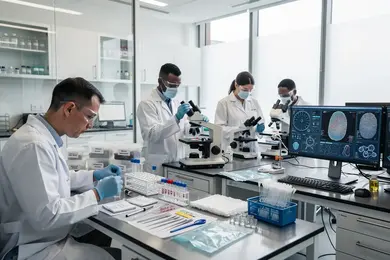
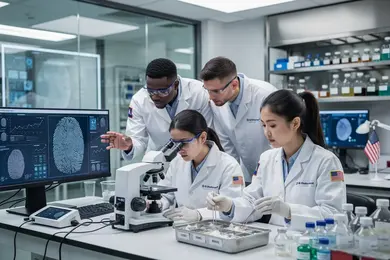
Online forensic science curricula demand a balance between theoretical foundations and applied skills directly aligned with investigative roles. Core subjects such as criminalistics, forensic toxicology, DNA analysis, and fingerprint examination focus heavily on laboratory instrumentation like chromatography, spectrometry, and microscopy-tools routinely relied upon in crime labs.
Laboratory training often involves virtual simulations but increasingly requires in-person practicums or hands-on kit assignments. This practical exposure is essential for mastering key procedures such as evidence preservation, contamination prevention, proper chain-of-custody, and forensic documentation under rigorous legal standards. Without this, graduates risk falling short of employer expectations in real-world crime scene environments.
Students should evaluate programs on how well they integrate case analyses and law enforcement collaboration simulations, which mirror the investigative workflows most forensic technicians face. For example, understanding blood spatter interpretation or evidence admissibility under court scrutiny is critical to immediate field readiness.
However, the remote delivery of lab components often extends time to completion or imposes travel and logistical burdens, which can affect overall program feasibility. Prospective learners must confirm that their chosen online curriculum meets state licensing or certification requirements to avoid gaps that could hinder job placement or require expensive re-education.
- About 64,500 annual openings exist in police and detective roles involving forensic evidence processing, per the U.S. Bureau of Labor Statistics cited by UMGC.
- Hands-on practicum availability varies widely by program and geography, impacting student readiness and employability.
- Employer demand prioritizes immediate competence in forensic documentation and evidence handling.
What admission requirements and prior education are needed for online forensic science programs?
Most online forensic science programs require at least a high school diploma, but competitive bachelor's tracks typically expect prior coursework in biology, chemistry, or related sciences. Without this foundation, applicants face extended prerequisite work, delaying graduation and immediate earning potential. For example, transitioning professionals from non-scientific backgrounds must often complete bridge courses in organic chemistry and forensic biology before accessing core forensic curriculum, underscoring a barrier to swift workforce entry.
Graduate programs add another layer: a bachelor's degree in forensic science or similar fields plus courses in statistics and research methods are standard. Employers prioritize candidates with proven technical proficiency in laboratory techniques and analytical methods because these skills directly impact crime scene accuracy and case outcomes.
Applicants should anticipate submitting standardized tests or program-specific assessments emphasizing quantitative reasoning and critical thinking. Work or field experience in law enforcement or laboratory settings can substitute or strengthen admission prospects by satisfying experiential learning components.
Key considerations include:
- Programs widely differ in prerequisites and admission rigor, influencing time-to-degree and eligibility.
- Credit for prior certifications or documented fieldwork helps mitigate redundant coursework.
- The Bureau of Labor Statistics reports a median salary around $64,890, with top specialists earning approximately $100,910, making upfront education investment a strategic consideration.
Prospective students must weigh additional course burdens against long-term salary growth and confirm program alignment with employer expectations to avoid setbacks in real-world forensic science roles.
How long do online forensic science degrees take, and what do they cost to complete?
Choosing an online forensic science degree requires balancing time investment and real-world employability, particularly given the field's specialized demands. Associate degrees typically require around two years, while bachelor's programs usually span four but can be shortened to three with heavier course loads or summer classes. Master's degrees demand 18 to 24 months. Part-time study can extend these timelines significantly, affecting costs and delaying access to roles that require hands-on competencies.
Cost considerations extend beyond tuition, which ranges from $7,000 to over $20,000 annually depending on institution type and residency. Total expenses for a bachelor's often hit between $25,000 and $60,000 when factoring in lab fees, software, and exam preparation materials. Since some programs mandate in-person internships or lab attendance, students must factor travel time and expenses into their planning.
Employers increasingly prioritize candidates with practical experience and certifications alongside degrees, reflecting a 14% job growth forecast for crime scene investigators through 2029-outpacing national averages substantially. Graduates equipped with fieldwork or simulated crime scene practice meet this requirement better than those from purely theoretical programs. Selecting degree programs offering integrated practical training may mitigate career-entry barriers without unnecessarily prolonging education or inflating costs, a key consideration for working professionals aiming for strategic pivots.
What forensic science careers can an online degree lead to in crime scene processing?
The job market for online forensic science graduates demands more than theoretical knowledge; practical skills and compliance with legal standards are essential for roles like crime scene investigator or evidence technician. Graduates often encounter real-world requirements such as managing chain-of-custody documentation and contamination control, which many online programs address through simulations and agency partnerships to provide hands-on experience.
However, employment readiness extends beyond degree completion. Many jurisdictions require additional state-specific credentials or ASE certification, meaning students must plan for these time and financial investments. Without such credentials, graduates risk delayed entry into forensic laboratory positions or may face on-the-job training gaps. Employers expect mastery in field protocols including evidence recovery, photographic documentation, and adherence to legal procedures-competencies best developed in environments simulating actual case scenarios.
Cost considerations also influence decision-making. According to Intelligent.com, undergraduate tuition averages near $15,000 annually, which can make online programs comparatively more affordable than traditional campus degrees. Prospective candidates should carefully evaluate programs based on how well they integrate practicums and recognized certifications to avoid limiting their employability in public safety and private sectors.
- Real-world agency partnerships build practical skills crucial for forensic roles.
- State or national certifications often required beyond degree completion.
- Online tuition averages align with general undergraduate costs but vary by program.
What salary ranges and job outlook can forensic science graduates expect in the U.S.?
Entry-level forensic science positions in the U.S. generally start between $50,000 and $70,000, but these figures vary significantly based on location, employer, and specialization. For example, crime scene technicians working for state or local agencies tend to earn near the lower end, whereas federal roles or private forensic consulting can exceed $80,000. Those with additional certifications or specialized skills-such as DNA analysis or digital forensics-improve both job prospects and salary potential.
The U.S. Bureau of Labor Statistics forecasts a 6% employment growth for forensic science technicians from 2022 to 2032, aligning with average occupational trends. This steady demand results from routine criminal investigations coupled with evolving forensic technologies. Candidates should anticipate stiff competition, especially in urban centers where many programs cluster graduates and advanced technical proficiency is often a minimum requirement.
Choosing to diversify by leveraging forensic science expertise in adjacent roles, like biological science-where median salaries approach $98,920-may enhance long-term income and stability. Practical considerations include the often demanding federal hiring process, geographic mobility for better opportunities, and weighing urban cost-of-living against rural wage limitations.
- Entry-level forensic analyst salaries usually range from $50,000 to $70,000.
- Advanced certifications and federal jobs can push earnings beyond $80,000.
- Forensic technology skills strongly influence employability and wages.
- 6% projected job growth reflects ongoing but competitive demand.
- Adjacent careers in biological sciences offer higher median salaries.
How can I choose a reputable online forensic science program that meets certification needs?
Selecting an online forensic science program without regional accreditation or recognition from certification bodies like the American Board of Criminalistics significantly undermines eligibility for key certification exams and restricts employment in government-related forensic labs. Accreditation is a baseline indicator that the curriculum meets professional standards valued by employers.
Programs that integrate hands-on virtual simulations or local forensic partnerships offering in-person practicums provide essential applied experience. This practical training is necessary because crime scene processing demands skills that theoretical courses alone cannot deliver. Graduates lacking documented experiential components may struggle to demonstrate job-ready competencies.
Forensic scientists report a national average salary around $62,325 yearly, reflecting the premium placed on valid credentials and specialized expertise over roles such as crime scene technicians. Thus, program legitimacy directly correlates with career mobility and income potential.
Metrics like graduation rates, job placement success, and employer feedback are more revealing than promotional claims. Transparent outcomes suggest alignment with labor market needs, whereas absence of such data should raise concern.
Prospective students balancing work and study must carefully evaluate asynchronous curriculum options to ensure rigor is not sacrificed. Additionally, favorable credit transfer policies that acknowledge prior learning can reduce time-to-completion without diminishing certification readiness.
Other Things You Should Know About Forensic Science
Online programs often struggle to replicate the hands-on, tactile learning critical for effective crime scene processing. Students should verify if their program includes an in-person component, such as internships or lab intensives, that allow direct experience with evidence collection and scene reconstruction. Without these, graduates may face a steeper learning curve on the job, especially in entry-level investigator roles requiring physical evidence handling and spatial awareness.
Programs differ, but admissions that favor candidates with science, criminal justice, or law enforcement backgrounds typically result in stronger outcomes. Without foundational knowledge or related experience, students may find the coursework demanding, particularly lab techniques and analytical reasoning relevant to crime scene processing. Prior experience accelerates skill mastery and aligns better with employer expectations, so when possible, prioritize programs that recognize and build on your existing background.
Yes. Many 2027 online forensic science degrees require 120 to 128 credit hours, plus an on-campus laboratory or practicum of 1 to 3 credits. Programs often require documented fieldwork in evidence collection, chain of custody, or crime scene photography before graduation.
References
- Forensic Science https://icieducation.com/courses/law-justice/forensics/
- Forensic Science Majors https://www.hamline.edu/academics/undergraduate/forensic-science
- Online Forensic Science Degree https://www.aiuniv.edu/degrees/criminal-justice/bachelors-forensic-science
- Online and Offline Forensic Science Courses for Students & Professionals https://iesr.in/forensic-science-courses-online-offline/
- Forensic Science Degree Programs https://www.criminaljusticedegreeschools.com/degrees/forensic-science-degree/
- List of Bachelors in Forensic Science Programs - Campus & Online https://yescollege.com/degrees/bachelors-in-forensic-science/
- Top Online Forensic Science Degree Programs https://www.forensicscolleges.com/online
- Employment Opportunities in Crime Scene Investigation and Forensics https://www.crime-scene-investigator.net/employment.html
- How Much Does A Forensic Scientist Make? A Salary Overview https://www.salemu.edu/blog/how-much-does-forensic-scientist-make/
- How to Become a Crime Scene Investigator (CSI Education & Salary) https://www.allcriminaljusticeschools.com/specialties/how-to-become-a-crime-scene-investigator/