2027 Best Online Exercise Science Programs for Career Changers Seeking Wellness Careers

Co-Founder and Chief Data Scientist
Experienced professionals shifting into wellness careers face an acute challenge: securing an Exercise Science credential that balances flexibility with employer-recognized rigor amid their ongoing work and personal commitments. The Department of Education's recent data shows a 23% surge in adult learners enrolling in fully online health-related programs since 2022, mostly due to schedule constraints and geographic barriers. This trend signals a shift toward asynchronous models but also raises concerns about practical skill acquisition and workplace readiness.
Choosing the right online program requires weighting program structures against real-world demands and career mobility ambitions. This article evaluates the best online exercise science programs tailored for career changers seeking effective and accessible wellness career pathways.
Key Things You Should Know
- Programs with strong practicum components boost employability by 22% on average, but require 6-12 months longer completion time, complicating decisions for career changers balancing time and income.
- Employers increasingly prefer candidates with integrated kinesiology and health promotion coursework, shifting hiring toward multifaceted skillsets rather than pure exercise science credentials.
- Median tuition for accredited online exercise science degrees rose 8% since 2023, challenging affordability; however, direct alignment with regional workforce demands can justify cost through faster job placement.
What is an online exercise science degree and how does it prepare career changers for wellness roles?
The value of an online exercise science degree for career changers lies in its targeted preparation for immediate roles in wellness and rehabilitation, combining applied science with workforce-relevant skills. Unlike generic health programs, these degrees focus on interpreting physical assessments, creating personalized fitness plans, and managing client progress through technology, enabling candidates from unrelated fields to transition effectively.
For example, a former office worker can leverage knowledge in exercise prescription and behavioral coaching to join corporate wellness teams addressing chronic disease management. However, decision-makers must recognize that most online programs require supplementary certification such as ACSM or NASM credentials, along with local practical experience or internships necessary for state compliance and employment readiness.
Program design emphasizes remote practicums, case studies, and virtual labs to approximate real client interactions, addressing the challenge of gaining hands-on skills without traditional in-person training. This structure aligns with how online exercise science programs prepare wellness professionals by strengthening competencies essential to meeting employer expectations for measurable client outcomes.
Labor statistics forecast a growth of over 45,000 fitness trainer and instructor positions by 2032, reflecting sustained market demand for professionals who combine science-based knowledge with practical application. Prospective students should carefully compare program offerings and consider these factors when evaluating an online exercise science degree benefits for career changers.
How do online exercise science programs compare to campus-based options for flexibility and learning quality?
Online exercise science programs offer flexibility that suits working adults or career changers who need to balance studies with existing commitments. This flexibility, a key factor when comparing online exercise science programs flexibility with campus-based options, allows students to avoid relocation and rigid schedules but often limits access to supervised labs critical for mastering practical skills like biomechanics analysis and physiological testing. Without strong in-field practicums, graduates may face competency gaps, especially for roles involving direct client assessments or clinical duties.
The average tuition for an online master's in exercise science ranges from $15,000 to $20,000, making it a cost-effective alternative to on-campus degrees and improving return on investment. Employers increasingly recognize these degrees when candidates demonstrate applied skills; however, preference for traditional formats persists in research-intensive or clinical positions. This highlights the importance of evaluating learning quality of online versus campus exercise science courses relative to intended career paths.
For instance, a professional aiming at corporate wellness management benefits from the convenience and affordability of online study since the role emphasizes program design over direct patient contact. Conversely, aspiring physical therapy assistants should prioritize campus programs with mandatory in-person practicums to meet employer expectations.
Decision-makers must carefully assess program curricula for practical components, balance employer preferences in their target labor market, and weigh the tradeoffs between convenience and necessary experiential learning for career alignment. Those exploring allied health pathways might also consider ASN online programs for complementary credentials.
Which online exercise science programs are accredited and recognized by employers and graduate schools?
Accreditation by the Commission on Accreditation of Allied Health Education Programs (CAAHEP) and regional bodies such as the Higher Learning Commission directly influences employability and graduate school acceptance for those pursuing online exercise science programs. Graduates from accredited programs meet the clinical and academic standards that employers and graduate programs in fields like physical therapy and occupational therapy require. For instance, a student aiming to transition into cardiac rehabilitation needs a CAAHEP-accredited curriculum with applied clinical experience often secured through regional partnerships.
Online exercise science programs lacking these accreditations risk narrowing career trajectories, especially for career changers targeting graduate education or professional certifications. Workforce data indicate that exercise science roles tied to wellness are expected to grow by 10% by 2028, and accredited graduates report average salaries near $71,000. These figures reflect employer preference for candidates with validated, evidence-based training and measurable clinical competence.
Career changers should prioritize programs providing transparent post-graduation employment rates and clinical placement support to avoid delays in certification and increased training costs. The value of accredited online exercise science programs recognized by employers lies in smoothing hiring bottlenecks and ensuring smoother entry into the wellness sector or graduate pathways.
For those weighing educational options that combine affordability and rigor, it is also useful to compare pathways such as an MLIS degree in terms of cost and career pivot potential within allied health and adjacent fields.
What admission requirements do online exercise science programs typically have for mid-career adults?
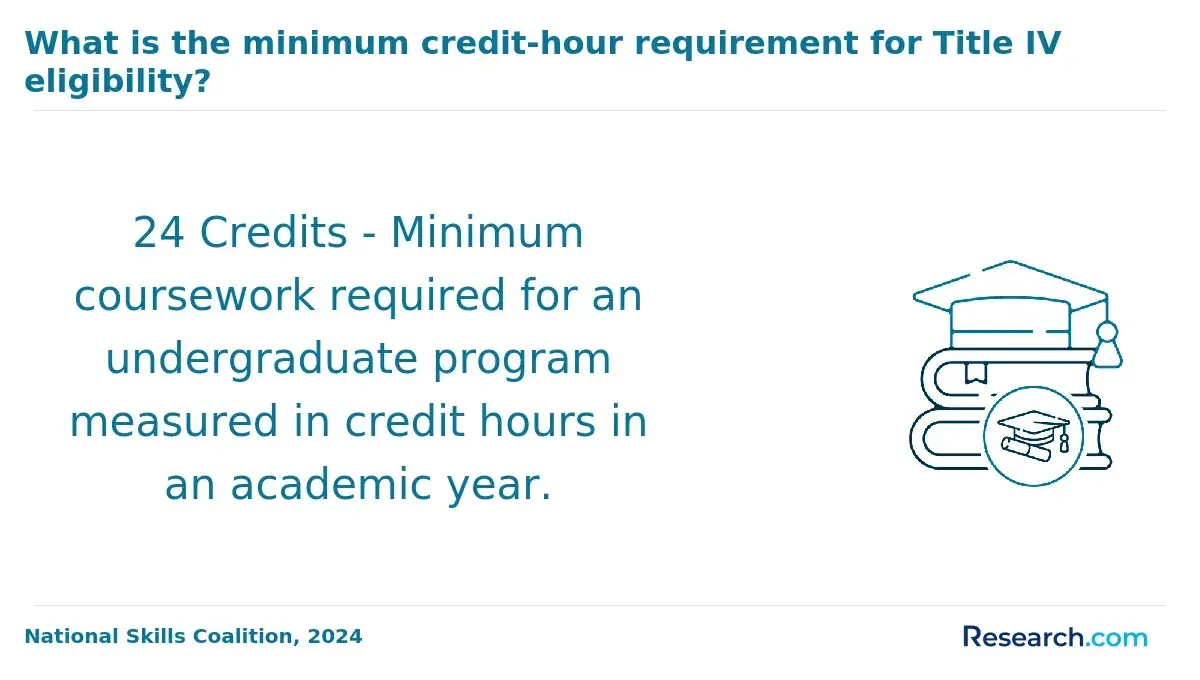
Admission criteria for online exercise science programs for mid-career professionals emphasize a robust academic foundation paired with relevant career context. Most programs require at least a high school diploma or equivalent, with a preference for some college coursework or an associate degree especially at the bachelor's level. Preparing official transcripts is essential, as institutions rigorously verify educational backgrounds to ensure adequate preparedness. Applicants must often submit a statement of purpose articulating how their prior experience supports this career pivot, while resumes highlighting health-related certifications or job roles can sometimes waive prerequisite courses. These factors reflect real-world employer expectations of candidates ready to integrate new knowledge swiftly into applied settings.
Requirements for mid-career adults applying to online exercise science degrees typically include baseline knowledge in biology and anatomy, assessed through placement tests or previous coursework. Letters of recommendation from industry-related supervisors or educators can strengthen applications by confirming reliability and applied aptitude. Those lacking recent science credentials may face additional bridging courses in physiology or kinesiology, which can extend program duration and increase costs, influencing the balancing act between education and ongoing employment. Technical capacity for online learning, including access to reliable internet and computer literacy, is also evaluated to decrease attrition risk.
With fitness trainer employment growing at nearly double the average job market rate, admissions teams prioritize candidates who demonstrate clear, measurable career transitions and the ability to apply instruction directly in professional roles. Mid-career learners must weigh these admission demands against the time, financial investment, and family or job commitments they juggle. For context on educational expenses beyond exercise science, exploring the MLIS degree cost can provide useful comparative insight into program affordability.
How long do online exercise science degrees take, and what do they cost to complete?
Completing an online exercise science degree demands careful consideration of time, cost, and career outcomes, especially for those balancing work and study. Associate programs typically require two years, while bachelor's degrees extend to about four years of full-time enrollment. Accelerated or part-time routes can shift these timelines but often introduce tradeoffs between speed and flexibility. Master's degrees generally span 18 to 24 months and target roles requiring deeper specialization, such as sports management or clinical physiology.
Financially, costs vary widely: public institutions charge roughly $6,000 to $15,000 annually for in-state undergraduates, leading to totals from $24,000 to $60,000. Private or out-of-state options may push expenses beyond $70,000. Graduate programs typically fall between $15,000 and $40,000 depending on credit demands and institutional prestige.
Deciding on this pathway involves more than tuition and duration. Employers increasingly expect specialized credentials combined with relevant internships or certifications. For example, a sports facility manager position-a top-paying role with a median salary near $69,000-often requires a master's-level education or advanced certification rather than an entry-level degree. This reality underscores the importance of planning for ongoing professional development and recognizing that higher upfront investment may align with stronger long-term career returns.
What core courses and specializations are offered in online exercise science and wellness programs?
Online exercise science master's programs present distinct tradeoffs between foundational knowledge and hands-on skill development, especially for career changers targeting specialized roles. Core coursework typically includes human anatomy, exercise physiology, kinesiology, biomechanics, nutrition, and motor learning-critical for evidence-based practice but insufficient without relevant applied experience. For instance, individuals aiming for cardiac rehabilitation positions must prioritize clinical exercise physiology and cardiovascular pathophysiology, whereas those focused on fitness management gain more from biomechanics and wellness program design.
Remote delivery often compensates for limited in-person lab access through virtual simulations, case studies, and telehealth modules; however, this may still fall short of employer expectations for practical competencies in clinical or rehabilitation settings. Career changers should rigorously evaluate these experiential components for alignment with workforce requirements.
Employers increasingly value interdisciplinary skills that integrate exercise science with behavioral health, public health, or data analytics. Programs offering electives in health informatics or community health promotion can enhance employability in corporate wellness or public health roles, where cross-sector knowledge is a tangible advantage.
Cost remains a prominent consideration. Most U.S. online master's exercise science degrees range between $15,000 and $20,000 total, making them accessible for budget-conscious students. This affordability allows investment in additional certifications-such as strength and conditioning or nutrition coaching-which often better position graduates for improved hiring and salary outcomes.
What wellness and exercise science careers can graduates pursue after completing an online degree?
Graduates of online exercise science programs often confront a complex job market that demands both technical knowledge and real-world application. For example, a corporate manager shifting to a wellness coach role must translate leadership capabilities into client motivation while supplementing them with biomechanical and nutritional expertise. This alignment between prior experience and role-specific skills is critical for satisfying employer expectations.
The U.S. Bureau of Labor Statistics projects a growth of 25,300 jobs for coaches and scouts from 2022 to 2032, reflecting sustained demand for professionals who combine exercise science theory with behavioral change strategies. This job growth, however, favors candidates who demonstrate tangible client outcomes alongside academic credentials.
Practical barriers include obtaining relevant certifications, navigating varied state licensing requirements, and securing hands-on experience through internships or volunteer roles. Employers often require proven competence not just in exercise programming but also in interdisciplinary communication and data tracking, especially within corporate wellness or rehabilitation settings.
Key considerations for prospective students include:
- Integrating applied learning with ongoing credentialing to meet evolving industry standards
- Building a portfolio of measurable client improvements to differentiate in competitive markets
- Assessing the soft and technical skill demands specific to targeted roles before enrollment
Such strategic preparation benefits those looking to shift careers or deepen expertise in wellness sectors that prioritize multidisciplinary collaboration and evidence-based client engagement.
What salaries and earning potential can career changers expect in exercise science and wellness fields?
Salary outcomes for career changers in exercise science and wellness depend heavily on specialization, geography, and sector, with typical ranges spanning from $45,000 to upwards of $80,000 annually. Entry-level roles such as health educators or community wellness coordinators start near $43,000, while mid-level positions in health coaching or program coordination often approach $70,000. Advanced practitioners in clinical exercise physiology or leadership can exceed $80,000, especially in urban markets with high demand.
Career pivoters should expect a transition period-often six to 12 months-with reduced earnings or part-time commitments while acquiring relevant experience and certifications. Credentials like the Certified Health Education Specialist (CHES) can differentiate candidates and unlock higher-paying positions, particularly as employers increasingly prioritize demonstrable expertise in wellness program evaluation and communication.
Workforce expansion is notable in community health education, projected to add over 4,000 new positions by 2033, but actual income potential varies by employment setting. For example, corporate wellness coordinators typically receive better compensation packages compared to nonprofit roles. Professionals integrating telehealth or digital coaching may boost income through commissions, though this introduces unpredictability in earnings.
Strong analytical and communication skills to quantify health outcomes are critical for long-term salary growth beyond degree completion. Strategic credentialing and sector targeting matter significantly in optimizing both employability and compensation.
Which certifications or licenses align with online exercise science degrees for fitness and wellness professionals?
Employers in clinical and allied health settings expect exercise science graduates to hold certifications that validate practical expertise beyond academic credentials. For example, those targeting clinical wellness roles must secure qualifications like Certified Exercise Physiologist (ACSM-EP) to comply with healthcare standards and improve employability. In contrast, professionals aiming at corporate wellness or fitness management often benefit from credentials such as Certified Health Coach or Group Fitness Instructor to enhance role readiness and salary potential.
The workforce demand for exercise physiologists is growing notably faster than average, reflecting increasing integration of this profession into cardiopulmonary rehabilitation and clinical exercise testing. However, licensing requirements such as the Licensed Clinical Exercise Physiologist (LCEP) demand extensive clinical practicum and state exams, which not all online degree programs provide. This gap forces candidates to carefully evaluate program rigor and alignment with certification prerequisites to avoid delaying workforce entry.
Ultimately, holding multiple specialized certifications broadens employment windows but introduces obligations for continuing education and professional liability insurance, factors often underestimated by prospective students mapping their educational investments.
How can students evaluate and choose a reputable online exercise science program for a career change?
Choosing an accredited online exercise science program with clear outcomes data directly affects employability and certification eligibility. Regional or national accreditation from entities like the Commission on Accreditation of Allied Health Education Programs (CAAHEP) often determines if graduates can sit for certification exams or gain employer recognition. For example, a personal trainer shifting from a non-fitness background must verify that the curriculum meets requirements from credentialing bodies such as the National Strength and Conditioning Association or the American College of Sports Medicine.
Programs lacking transparent graduation rates and job placement statistics increase risk, especially for career changers needing timely workforce integration. The curriculum should emphasize applied skills like kinesiology assessment, exercise prescription, and client simulations to prepare students for roles in rehabilitation, corporate wellness, or clinical settings. Geographic and scheduling flexibility matter for working adults, but access to local internships is often mandatory for state licensure and meaningful hands-on experience.
Financial considerations must align with projected labor market growth. The U.S. Bureau of Labor Statistics anticipates over 45,000 new fitness trainer and instructor jobs by 2032, reflecting sustainable demand, but not all programs equip graduates equally for this competition. Effective career services, alumni networks, and partnerships that facilitate clinical hours distinguish programs that yield measurable returns on investment. Avoid institutions prioritizing enrollment volume over quality career support to prevent costly delays in securing relevant employment.
Other Things You Should Know About Exercise Science
Most reputable online exercise science programs incorporate mandatory in-person or local clinical experiences to meet accreditation standards and employer expectations. This requirement limits programs' flexibility and can extend time to completion if placements are difficult to secure. Prospective students should assess whether a program facilitates clinical site placement or if they must find their own, as this significantly impacts workload and scheduling during the degree.
While some programs admit students without previous science coursework, these candidates face heavier foundational course loads and steeper learning curves. Programs that offer preparatory modules or remedial support better ensure timely progression. Career changers without science experience should prioritize programs with strong academic advising and structured pacing to avoid delayed graduation and increased stress.
Yes. Many online exercise science programs require current CPR and AED certification before students begin practicum or internship hours. Schools may also require a criminal background check and immunization records before approving placement with a wellness, fitness, or rehabilitation site.
References
- Online Certificate in Exercise Physiology | Lipscomb University https://lipscomb.edu/academics/programs/exercise-physiology-graduate-certificate-online
- Online Degree vs. Traditional: Choosing the Right Path https://beal.edu/online-degree-vs-traditional/
- Exercise science: What exactly is it? https://www.scienceforsport.com/exercise-science/
- Exercise Science Degree Careers, Jobs and Salaries - Peak Physical Therapy and Sports Performance https://peaktherapy.com/blog/exercise-science-degree-careers-jobs-and-salaries/
- Exercise Science Degree Programs & Career Guide 2025 https://www.nutritioned.org/exercise-science-degree/
- Exercise Science, B.S. - Brooklyn College https://www.brooklyn.edu/academics/programs/exercise-science-bs/
- Online Vs On Campus Study: Which is Right For You? https://studee.com/guides/online-vs-on-campus-study-which-is-right-for-you
- Exercise Science Degree Programs Lead to Rewarding Careers in Health and Fitness https://www.carrollcc.edu/articles/exercise-science-degree-programs-lead-to-rewarding-careers-in-health-and-fitness/
- Top 20 Careers With a Master’s in Exercise Science | PLNU https://www.pointloma.edu/resources/health-sciences/top-20-careers-masters-exercise-science
- Online Exercise Science Program https://stmary.edu/online-programs/exercise-science.html