2027 Highest-Paying Jobs You Can Get With an Agriculture Degree

Co-Founder and Chief Data Scientist
Choosing a career path with an agriculture degree often raises questions about salary potential compared to other fields and the tangible value of advanced credentials. Many wonder how much graduate degrees, professional licensure, and certifications increase earning power-especially when balancing tuition costs and time investment. Research shows agriculture graduates with licensure earn up to 25% more annually than those without, highlighting the importance of credentialing in this sector. Geographic location and industry specialization further influence income, complicating decisions. This article explores these variables-analyzing wage premiums, certification impacts, and return on investment-to guide readers toward financially sound career choices within agriculture.
Key Things to Know About the Highest-Paying Jobs You Can Get With a Agriculture Degree
- Graduate credentials in agriculture yield an average wage premium of 15%-25% compared to those with only a high school diploma, enhancing earning potential significantly.
- Professional licensure and certifications-such as Certified Crop Adviser-can increase salaries by up to 20%, reflecting employer demand for validated expertise.
- The return on investment for an agriculture degree outperforms many vocational routes, with median early-career salaries approximately 10% higher than non-degree alternatives.
What Exactly Does a Agriculture Degree Qualify You to Do in Today's Job Market?
An agriculture degree qualifies graduates for a broad spectrum of careers in farming, food production, environmental management, and agribusiness-fields defined by the U.S. Bureau of Labor Statistics and leading professional bodies. Employers value graduates for their foundation in biological sciences, soil science, crop and livestock management, and agricultural technology, setting them apart from those relying solely on on-the-job experience. Recent job posting data from Lightcast and LinkedIn Insights emphasize that technical, analytical, and interpersonal skills are essential for the most competitive candidates.
- Technical Proficiency: Graduates are skilled in modern farming equipment, biotechnology, data-driven decision tools, and sustainable agricultural practices.
- Analytical Capacity: The ability to interpret research, apply environmental science and economics, and manage resources enhances problem-solving within various agriculture sectors.
- Interpersonal Skills: Roles often demand leadership, negotiation, and collaboration with scientists, government agencies, and community stakeholders-traits nurtured through formal education.
- Credential-Gated Roles: Positions such as agricultural engineers, soil and plant scientists, or extension agents require a bachelor's degree at minimum-and sometimes additional licensure or certification.
- Misconceptions: An agriculture degree does not authorize graduates to practice veterinary medicine or to obtain all agricultural business licenses, which require specialized credentials.
Although many agriculture careers offer entry-level access, the highest-paying roles generally favor candidates possessing advanced degrees-master's or doctoral-especially in research, agribusiness leadership, and environmental consultancy. For those researching education options, exploring cheapest online SLP programs highlights how affordable advanced degrees can enhance career value. This analysis of career opportunities with an agriculture degree in today's job market will further examine salary ranges and geographic influences shaping income potential.
Which Agriculture Jobs Command the Highest Salaries Right Now?
The highest-paying agriculture jobs in the US span several specialized roles, demonstrating significant wage growth potential as professionals gain experience and additional credentials. According to the most recent BLS Occupational Employment and Wage Statistics and other compensation data, median annual salaries for top agriculture-related occupations begin near $70,000 and climb appreciably at the 75th percentile and top decile levels.
- Agricultural and Food Scientists: With median salaries around $75,000, earnings rise to approximately $95,000 at the 75th percentile and can exceed $120,000 for top earners.
- Advanced degrees like a master's or PhD substantially boost earning capacity.
- Specializations in biotechnology, crop science, or food safety command premium pay.
- Pharmaceutical and large agribusiness firms typically offer higher salaries than government or academic positions.
- Geographic markets such as California and the Midwest, known for high agricultural output, provide the best compensation.
- Agricultural Engineers: Median pay is about $77,000, with top-decile incomes surpassing $110,000.
- Holding a professional engineering license delivers a measurable salary advantage.
- Specializing in environmental impact assessment or precision agriculture technology drives higher earnings.
- Industries like machinery manufacturing and consulting firms tend to pay premiums.
- Urban and coastal areas with strong technology sectors also report elevated wages.
- Farm, Ranch, and Other Agricultural Managers: Median wages are near $70,000; nevertheless, leading producers or corporate farm managers may earn more than $130,000.
- Bachelor's degree holders with extensive operational experience can compete with peers holding business credentials.
- Income varies greatly depending on whether the employer is a family-owned or corporate agribusiness.
- Large-scale farms in the Western United States frequently offer the highest compensation.
- Animal Scientists and Specialists: Median salaries hover around $65,000, with substantial increases for those holding postgraduate education and relevant experience.
- Specialized certifications in veterinary science or animal nutrition enhance wage prospects.
- Employment in pharmaceutical research or commercial breeding sectors offers salary premiums.
- Soil and Plant Scientists: Median earnings are approximately $63,000, with higher pay in consulting or government research roles.
- Advanced degrees are often required for top-tier salaries.
- Public sector positions may trade off immediate pay for greater job stability compared to private industry.
Top agriculture careers with the highest salaries tend to reward those with graduate degrees, professional licensure, and specialized certifications-factors that unlock the most lucrative tiers of compensation. Geographic location plays a crucial role as well, with regional agricultural intensity and living costs influencing wage scales. Similarly, the sector of employment and chosen specialization-ranging from biotechnology to farm management-significantly affect earnings. These variables should be carefully considered by anyone exploring whether an agriculture degree is the best investment for their career goals and risk tolerance.
For individuals seeking the cheapest online bachelor's degree options in agriculture or related fields, weighing these factors alongside salary data will inform a more financially sound decision suitable for mid-career professionals, military veterans, career changers, and college-bound students alike.
How Does Degree Level-Bachelor's vs. Master's vs. Doctoral-Affect Agriculture Earning Potential?
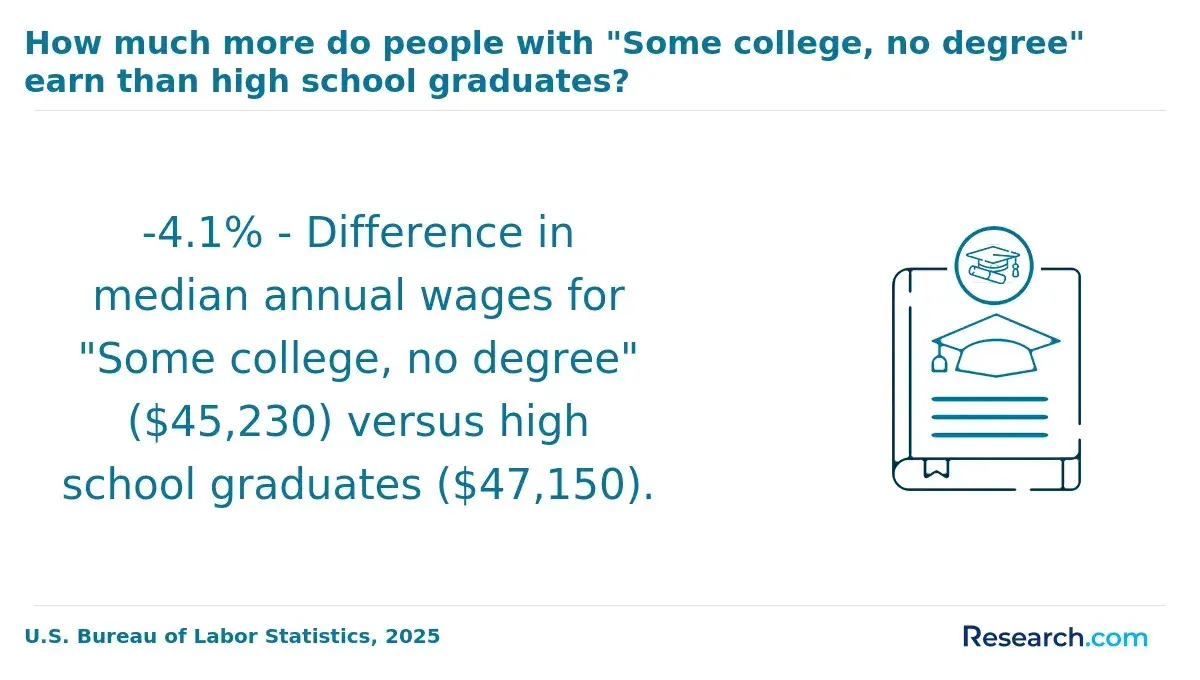
The degree level-bachelor's, master's, or doctoral-has a significant impact on earning power within agriculture careers, though the extent depends on specialization and role. Data from the U.S. Bureau of Labor Statistics and College Scorecard indicate that bachelor's degree holders typically earn median salaries between $50,000 and $70,000 annually. Those with a master's degree often see 20-30% higher wages, especially in fields like agricultural economics and environmental compliance. Doctoral degree holders, mainly working in research, academia, or consulting, can command salaries 40% or more above bachelor's graduates, although these positions represent a smaller workforce segment.
- Bachelor's Level: Common median salaries hover around $55,000 for jobs such as agricultural technicians, crop consultants, or farm managers.
- Master's Premium: Elevated earnings are typical in specialized roles requiring advanced skills, including policy analysis and agribusiness management.
- Doctoral Advantage: High-level research and faculty roles require Ph.D. credentials and offer salary gains reflecting advanced expertise and leadership demands.
Certain lucrative roles demand graduate credentials due to complexity and regulatory requirements. For instance, agronomists engaged in biotechnology or government policy analysts usually need a master's or doctoral degree. Licensed professions-veterinarians treating livestock, for example-mandate professional doctorates like the DVM to comply with licensing boards that ensure expertise and accountability.
The financial return of graduate education must be weighed against costs such as tuition and lost wages during study. Master's programs typically last two years full-time, requiring candidates to evaluate when boosted earnings surpass these expenses. Doctoral programs extend longer, making an understanding of sector demand and career trajectory critical for projecting payoffs.
For those starting with a related bachelor's degree, pursuing a master's is often the most efficient path to higher income. Mid-career professionals or career changers need to assess whether additional credentials align with targeted roles that specifically require advanced degrees or licensure, or if gaining experience with a bachelor's may suffice for competitive pay.
Reflecting on these factors, a professional who successfully graduated with an agriculture degree shared insights: "Completing my degree was a balancing act-juggling coursework, financial constraints, and career planning. The toughest part was deciding whether to stop at a bachelor's or push for a master's, knowing the time and money involved. I eventually chose the master's because I saw how specialized knowledge opened doors in my field. It wasn't just about more pay, but also about gaining confidence for leadership roles. At times, the uncertainty felt heavy, but the long-term benefits made it worthwhile."
Which Industries and Employers Pay Agriculture Graduates the Most?
Among the highest-paying industries for agriculture graduates, the private sector often leads-agribusiness firms, food manufacturers, and corporate agriculture enterprises reward specialized skills with strong salaries. These companies benefit from large revenues and international competition that drive demand for expertise in crop science, agricultural engineering, and management. Government employers also offer competitive pay, especially where advanced degrees and civil service experience raise salaries in roles like agricultural inspectors and research scientists. However, public sector salaries typically depend on budget cycles and policy priorities.
Nonprofit organizations present a mixed compensation picture. While most salaries trail corporate levels, leadership and scientific director roles within larger foundations involved in sustainable agriculture or rural development can approach market pay. Success in fundraising and organizational scale greatly influence wage potential here.
Self-employment and entrepreneurship offer a broad income spectrum for agriculture degree holders-farm owners, consultants, and technology startup founders may earn significant returns, though financial risk is considerable in early phases. Developing strong business skills alongside technical knowledge is crucial for maximizing earnings as an entrepreneur.
Industry and job title interaction creates even greater variation in wages. For example, holding a master's degree or professional certification such as Certified Crop Adviser can increase earnings by 20-40% depending on the sector and employer type. A master's holder in agricultural economics at a multinational agribusiness often out-earns a bachelor's graduate working for a state agricultural agency by this margin.
Market conditions also shape salary outcomes. Talent shortages in niche fields like precision agriculture, biotech, and sustainable farming push pay upward, with regions such as California and the Midwest offering premiums due to higher investment and export activity. Targeted skill development, certifications, and industry networking enhance prospects for securing these premium roles.
Those evaluating whether an agriculture degree fits their financial ambitions should consider these factors carefully. Aligning academic and internship experiences with lucrative sectors during the degree program increases chances of entering top-paying careers. For career changers, military veterans, or mid-career professionals, comparing these industry-specific compensation trends with alternative pathways helps in making a confident enrollment decision. Options like pursuing a psychology online degree might also be explored depending on personal goals and market demands.
What Geographic Markets Offer the Best-Paying Agriculture Jobs?
Examining agriculture wages by geography requires adjusting pay rates for local living costs to reveal true earning power. Regions with strong agricultural sectors and moderate expenses often emerge as top earners when real income is considered-not just nominal salary.
- California Central Valley: This prolific agricultural hub leads with high median wages for managers and specialists despite elevated living costs, resulting in substantial adjusted earnings.
- Iowa and Midwest Heartland: Known for extensive large-scale farms, this area benefits from lower living expenses that boost the real value of otherwise moderate salaries.
- Texas Rural Regions: Livestock, crop production, and agri-tech industries in rural Texas deliver competitive pay combined with below-average costs, enhancing take-home income for professionals in extension and production roles.
- Pacific Northwest: Washington and Oregon thrive with specialty crops and growing biotech fields, offering higher salaries for credentialed roles that maintain solid real income thanks to moderate living costs.
- North Dakota and Northern Plains: Grain farming and agronomic research dominate here, where affordable living improves the purchasing power for agriculture degree holders willing to work outside urban centers.
Remote and hybrid work models are changing salary patterns across geography-especially in data-driven, research, and agritech jobs that can be performed off-site. Yet many positions-such as farm management or extension agents-remain tied to specific locations due to licensing and hands-on responsibilities.
Deciding between relocating for a high-paying agriculture market or working remotely from a low-cost region involves balancing wage size against living expenses and career goals. Relocation may bring higher nominal pay but also steeper housing and daily costs, while remote work can protect net income but sometimes limits advancement in certain hands-on specialties.
When asked about geographic markets for agriculture opportunities, a graduate reflected on her early career. She shared how moving to the Midwest from a higher-cost area involved careful budgeting and adjusting to a different community culture. "It was challenging at first-finding affordable housing and building local networks took time," she explained, adding that her real income increased significantly despite the change. Later, she embraced hybrid roles, appreciating how remote work allowed her to stay connected to cutting-edge research without relocating again. "Knowing the specific demands of each role helped me decide where to settle and when to take advantage of remote possibilities," she concluded, emphasizing the importance of weighing lifestyle with financial rewards in career decisions.
How Do Professional Certifications and Licenses Boost Agriculture Salaries?
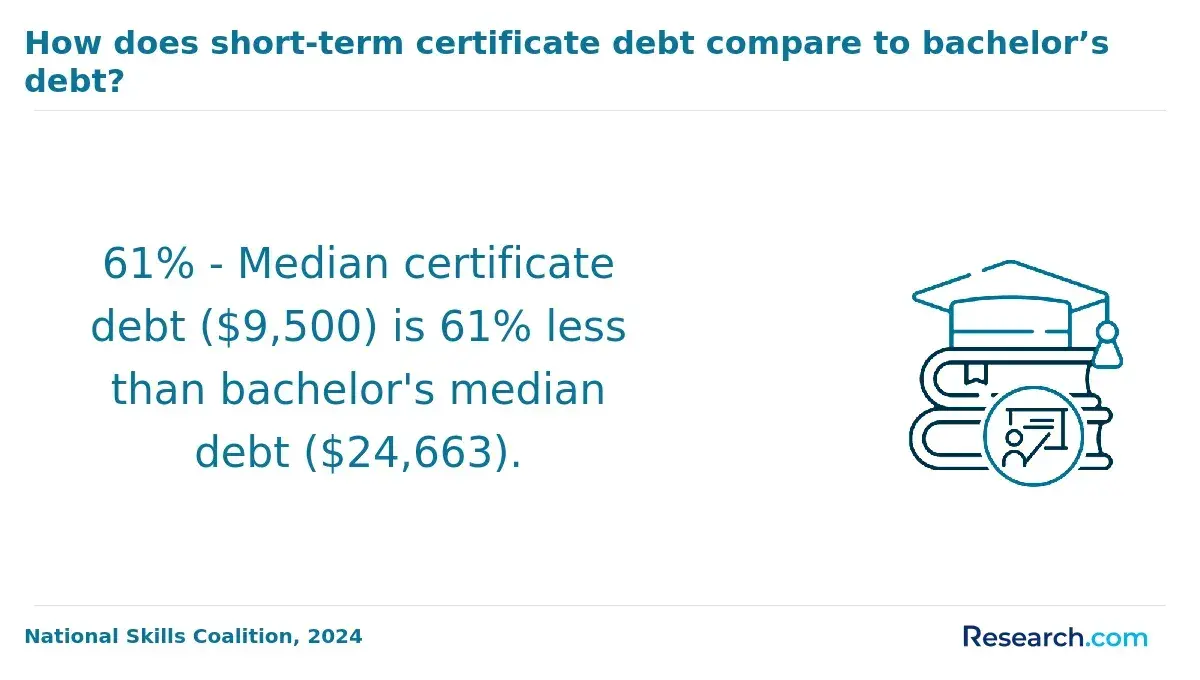
Obtaining professional certifications can substantially raise salaries for agriculture graduates by demonstrating specialized expertise valued by employers. Studies from reputable organizations show certified individuals often earn 10% to 25% more than non-certified counterparts.
Certified Crop Adviser (CCA): This credential demands a bachelor's degree in agriculture or a related field and success in a three-part exam covering nutrient, pest, and soil and water management. Continuing education credits must be earned every three years to maintain certification. Initial costs include a $350 exam fee and a $75 annual renewal. Salary data indicate a median increase of approximately 15% for those holding this certification.
Licensed Professional Agronomist: Licensure requirements vary by state but generally include a relevant degree, professional experience, and passing a state licensing exam. Ongoing education is often required to sustain licensure. This designation signals professional competence, resulting in salary premiums up to 20% in some locations.
Certified Agricultural Equipment Technician (CAET): Offered by trade organizations, eligibility requires practical experience and passing an exam focused on equipment repair. Recertification is typically required every five years. Median salary boosts range between 10% and 18%.
Investment and Accreditation: While certifications involve upfront fees and continuing education expenses, documented salary advantages usually outweigh these costs. Candidates should verify credential accreditation through recognized bodies like ANSI or NCCA and determine whether their target employers prefer or require specific certifications.
What Is the Salary Trajectory for Agriculture Professionals Over a Full Career?
The salary progression for agriculture professionals typically reflects steady growth aligned with experience and career milestones. At the entry level-around five years into their careers-professionals earn between $40,000 and $50,000 annually, reflecting foundational skills and industry exposure essential for advancement.
- Mid-Career Growth: Between five and ten years of experience, salaries rise to approximately $60,000-$80,000. This increase often results from promotions to management roles or specialization in fields like precision agriculture, crop consulting, or food safety. Obtaining advanced degrees or professional certification during this period can significantly accelerate compensation growth.
- Career Inflection Points: Salary jumps occur when professionals take on leadership positions-such as farm or agribusiness managers-obtain relevant licenses, or enter high-demand niche markets. These decisions allow them to leverage technical expertise and strategic responsibilities for higher pay.
- Peak Earnings: Senior-level or executive roles in agribusiness management and specialized consultancy frequently offer salaries exceeding $100,000-sometimes reaching $120,000 to $150,000 or more. Building a strong professional reputation, extensive business networks, and active business development efforts further propel earnings.
- Strategic Decisions: Pursuing graduate education, acquiring certifications, and developing leadership capabilities differentiate top earners from peers with similar academic qualifications. Additionally, targeting industries and geographic regions with greater growth opportunities enhances long-term salary potential.
These trends, grounded in BLS data and industry compensation studies, illustrate how specialization, leadership, and credential attainment combine to shape earnings over a full career. Agriculture degree holders aiming for financial success must prioritize continual skill development and strategic career planning to fully capitalize on opportunities within this evolving field.
Which Agriculture Specializations and Concentrations Lead to the Highest-Paying Roles?
Specializations within agriculture that lead to the highest-paying roles often align with technical depth, regulatory demands, and emerging market needs. Degrees focused on agribusiness and agricultural economics typically open pathways to senior financial and management roles in the food production sector-positions commanding premium salaries due to their impact on profitability and industry growth. Students specializing in precision agriculture benefit from expertise in advanced technologies like GPS-guided equipment and data analytics, skills highly sought after as farms modernize and efficiency becomes paramount. These concentrations represent some of the highest-paying agriculture specializations in the United States.
Another lucrative area is agricultural biotechnology, which applies genetic engineering and molecular biology to improve crop yields and disease resistance. The complexity and innovation in this field create talent scarcity that drives up compensation for experts. Natural resource management specialists who master sustainable practices and regulatory frameworks also find high-paying roles in government agencies and environmental consulting firms. For those choosing from agriculture degree concentrations with top salary potential, understanding labor market demand and growth projections is key-students should analyze regional employer preferences rather than rely solely on passion.
Students already enrolled in general agriculture programs can improve outcomes by seeking targeted internships or stacking certifications such as Certified Crop Adviser (CCA), avoiding extra degrees while signaling specialized skills to employers. Many top online agriculture programs offer competitive tuition and strong alumni salary results, making them efficient pathways to high-paying roles. Graduate credentials in agribusiness or biotechnology further boost earning potential in leadership or research positions, validating the wage premium graduate degrees often carry.
- Return on Investment: Top online agriculture programs often offer competitive tuition with strong alumni salary outcomes, making them an efficient route to high-paying roles.
- Certification Impact: Professional credentials-such as Certified Crop Adviser (CCA)-significantly increase earning potential by validating expertise in niche areas.
- Graduate Credentials: Advanced degrees in agribusiness or biotechnology boost salaries, particularly in leadership or research-driven roles.
To explore flexible education options that balance cost and earnings, consider researching online MFT programs-a model similar to many online agriculture degrees in offering accelerated paths to credentialing and career growth.
How Does the Agriculture Job Market's Growth Outlook Affect Long-Term Earning Stability?
The agriculture job market's growth outlook is a key factor in assessing long-term earning potential with an agriculture degree. According to the Bureau of Labor Statistics (BLS), many agriculture-related occupations are projected to experience steady expansion over the next decade due to rising global food demand, advances in sustainable farming practices, and increased emphasis on agribusiness technology. This steady growth supports salary stability across various roles.
High-paying positions such as agricultural managers and food scientists combine strong employment growth with a low risk of automation-offering stable, financially rewarding career paths. These roles benefit from human expertise required for overseeing complex operations, ensuring food safety, and complying with regulatory standards. They often require advanced credentials and professional licensure, which increase earning power and job security in a competitive market.
However, some segments of the agriculture job market face structural headwinds. Manual labor roles and certain technical jobs may experience outsourcing pressures and budget cuts, especially within government agricultural agencies. Additionally, credential inflation and cyclicality can limit the long-term financial upside of some high-paying positions despite attractive starting salaries.
- Growth Outlook: Steady expansion in agribusiness management, food science, and agricultural engineering supports stable career paths.
- Automation Risk: Jobs requiring decision-making, technical expertise, and regulatory compliance show lower vulnerability to automation.
- Demand Drivers: Sustainability trends and legislative reforms create ongoing need for highly qualified agriculture professionals.
- Headwinds: Manual labor roles and certain technical jobs face outsourcing and budget pressure, reducing job stability.
- Risk vs. Reward: Some high-paying roles have limited openings or cyclicality, meaning elevated earnings come with increased career risk.
- Skill Positioning: Graduates should pursue advanced credentials, embrace technology skills, and stay adaptable to maintain competitiveness and maximize earning potential.
Prospective students evaluating their options should also consider complementary education paths-such as pursuing an online math bachelor's degree-to enhance analytical skills critical to many technical agriculture roles. This strategic approach reinforces earning stability and builds resilience against market fluctuations.
Overall, understanding the agriculture job market growth and salary stability requires careful attention to credentialing, technological advances, and industry trends to make informed career decisions that align with individual income goals and risk tolerance.
What Leadership and Management Roles Are Available to High-Earning Agriculture Graduates?
Leadership and executive roles in agriculture represent the highest earning positions within the field, often carrying titles such as Agricultural Manager, Farm Operations Director, Agribusiness Executive, and Chief Agronomist. Occupying senior or executive levels, these professionals oversee diverse teams, manage substantial budgets, and direct company-wide strategies that impact profitability and sustainability.
- Salary Premium: Data from the Bureau of Labor Statistics shows that agricultural managers command median wages commonly ranging from $70,000 to over $100,000 annually-well above salaries earned by individual contributors-reflecting their responsibility for operational efficiency, regulatory compliance, and financial outcomes.
- Organizational Scope: These leaders typically coordinate multiple departments or entire operations, making strategic decisions that influence company direction and long-term viability.
- Experience and Credentials: Advancement to top-tier roles generally requires 7 to 15 years of relevant agriculture experience paired with advanced qualifications. Many combine technical agriculture degrees with MBAs or certifications in agricultural business, supply chain, or management to broaden their expertise.
- Career Pathways: Professionals often begin in technical or supervisory positions-such as agronomy specialists or farm supervisors-progressing by demonstrating leadership, operational success, and strategic insight. Continuing education and focused professional development play a pivotal role in accelerating this growth.
- Strategic Development: Aspiring executives should consider pursuing graduate education within the first five years of their career to enhance business acumen. Building networks through industry groups and gaining cross-functional experience significantly bolster candidacy for high-level roles.
Which Emerging Agriculture Career Paths Are Positioned to Become Tomorrow's Highest-Paying Jobs?
Shifts in technology, regulations, and consumer preferences are creating new high-paying roles in agriculture, driven by innovations like AI, biotechnology, and sustainable practices. Labor market forecasts and venture capital trends identify several emerging occupations expected to grow significantly over the next decade-many requiring skills beyond traditional agriculture.
- Data-Driven Farming Specialists: Professionals harnessing big data, remote sensing, and AI to enhance crop efficiency. Many agriculture programs are incorporating data science and geospatial analytics to prepare students.
- Biotech Crop Developers: Experts focusing on genetic engineering and plant molecular biology to create resilient, improved crops amid evolving regulatory environments.
- Sustainable Agriculture Advisors: Consultants guiding farms toward eco-friendly methods that comply with stricter environmental standards-programs now emphasize soil health and climate-smart strategies.
- Vertical Farming and Controlled Environment Technicians: Specialists working with indoor farming systems like hydroponics and energy-efficient greenhouses, supported by curricula on automation and controlled-environment agriculture.
- Agri-Food Supply Chain Innovators: Professionals applying blockchain and IoT to improve transparency and efficiency in food sourcing and distribution, meeting demands for ethical supply chains.
To remain competitive, degree holders should consider micro-credentials or boot camps in programming, data analytics, or environmental policy-areas increasingly valued across these emerging roles. Nonetheless, prospective professionals must weigh risks: some innovations may take longer to gain market traction or require more widespread credential recognition.
Monitoring specialized research, professional agricultural associations, and labor market platforms like Lightcast and Burning Glass can help identify opportunities with solid growth prospects. Evaluating ventures backed by strong funding and certifications recognized by industry bodies offers a prudent path to maximizing return on investment and aligning credentials with long-term income goals.
What Graduates Say About the Highest-Paying Jobs You Can Get With a Agriculture Degree
- Lennon: "Completing my agriculture degree truly opened my eyes to the substantial wage premium that comes with holding graduate credentials in this field. The boost in starting salary compared to associate-level degrees was noticeable-proving that investing in education pays off. Knowing this, I feel confident that my degree is not just paper, but a gateway to higher earning potential and career growth."
- Forest: "Reflecting on my journey, I found that professional licensure and certification significantly impact salary levels-and this made me prioritize obtaining both after graduation. The certifications not only enhanced my credibility but translated directly into better-paying opportunities. It's clear to me now that in agriculture, credentials and formal recognition are just as valuable as experience."
- Leo: "When I compared the return on investment between a full agriculture degree and alternative pathways, it was clear the degree offered a more reliable and lucrative long-term career. This was especially true when considering how industry type and geographic location affect salary ranges. I've learned that strategic choices about where to work and in which sector can amplify the benefits of my degree in remarkable ways."
Other Things You Should Know About Agriculture Degrees
Certifications like Certified Crop Advisor (CCA) and Agricultural Engineering Technician can enhance salaries for graduates. The CCA requires passing two exams conducted by the American Society of Agronomy, while the technician certification requires completion of a qualifying program and a skills exam.
Employer type strongly influences agriculture salaries. Private sector jobs-especially in agribusiness corporations and agricultural technology firms-typically offer higher pay and performance bonuses. Public sector roles may offer more stability and benefits but generally provide lower salaries. Nonprofit employers often offer the lowest compensation but may provide unique opportunities aligned with mission-driven work, such as sustainable agriculture or rural development.
In 2027, skills in precision agriculture technology, data analysis, and sustainable farming practices will be in demand for high-paying agriculture jobs. Proficiency in using remote sensing technology and understanding environmental regulations can also significantly enhance opportunities in this field.
References
- What are the highest paying jobs in agriculture? - My Learning Online https://www.mylearningonline.com.au/blog/what-are-the-highest-paying-jobs-in-agriculture/
- The effectiveness of agricultural certification in developing countries: A systematic review https://www.evidensia.eco/resources/1581/the-effectiveness-of-agricultural-certification-in-developing-countries-a-systematic-review/
- Top 5 Careers with a Master’s in Agribusiness https://luanar.ecampus.ac.mw/top-5-promising-careers-with-a-masters-in-agribusiness-management/
- Salaries in Agriculture, Food Industry, Poland - Pensjometr https://www.pensjometr.pl/en/salaryinfo/agriculture-food-industry
- Highest-Paying Jobs in Agriculture With Salaries | gpac https://gogpac.com/knowledge-center/highest-paying-jobs-in-agriculture/
- Effects of certification schemes for agricultural production on socio-economic outcomes in low- and middle-income countries – Campbell Collaboration https://www.campbellcollaboration.org/review/agricultural-commodity-production-certification-systems-outcomes/
- Top countries for Agriculture Employment https://www.nationmaster.com/nmx/ranking/agriculture-employment
- How Do Certifications Influence Salary Increases? https://certiprof.com/blogs/news/how-do-certifications-influence-salary-increases
- Seeding the Future: Top 5 In-Demand Ag Majors | Syngenta Thrive https://syngentathrive.com/infographics/community-culture/top-5-in-demand-ag-majors/
- Best Highest Paying Jobs in Agriculture https://www.mguindia.com/blogs/best-highest-paying-jobs-in-agriculture