2027 Agriculture Degree Completion Programs for Working Adults

Co-Founder and Chief Data Scientist
Working adults aiming to complete an agriculture degree often face challenges balancing job demands, financial commitments, and educational goals-making program structure and flexibility critical. High-quality agriculture degree completion programs stand out by offering streamlined credit transfer policies, regional accreditation, and schedules tailored for busy professionals. Data shows graduates can see a median salary increase of 15% within two years of program completion, emphasizing the ROI tied to credential relevance and industry recognition.
This article examines how to evaluate these programs-covering credit maximization, accreditation, financial aid access, and career outcomes-to help readers choose the best pathway for their unique circumstances.
Key Things to Know About Agriculture Degree Completion Programs for Working Adults
- Maximize credit for prior learning by submitting official transcripts and military training evaluations-Veterans often receive up to 30% credit toward their agriculture degree, accelerating program completion.
- Choose programs with employer partnerships and licensure recognition to increase job placement rates-74% of agriculture graduates from accredited programs secure relevant employment within six months.
- Accessing financial aid as a working adult includes federal grants, employer tuition reimbursement, and flexible payment plans-65% of agriculture degree completers report using at least one aid source in 2023.
What Are Agriculture Degree Completion Programs, and Who Are They Designed For?
Agriculture degree completion programs provide accelerated pathways for adults to finish a bachelor's degree in agriculture-related fields by leveraging previously earned college credits. These programs differ from traditional four-year or graduate degrees by emphasizing flexible scheduling and credit-for-prior-learning policies-ideal for working adults managing employment and family commitments. Many offer evening, weekend, or online courses, making them regionally tailored, flexible agriculture degree completion options for employed students.
Key program features include:
- Accelerated Pacing: Intensive courses and shortened terms enable students to complete their degree faster than typical programs.
- Credit-for-Prior Learning: Transfer of college credits, military training validated by the American Council on Education (ACE), and relevant professional experience helps reduce time and cost.
- Flexible Scheduling: Course formats accommodate adults balancing work, school, and family responsibilities.
These programs primarily serve adults who started college but did not finish, military veterans with ACE-credited training, mid-career professionals pursuing credential-gated promotions, and career changers entering the agriculture field seeking comprehensive credentials.
Grounded in research from the National Student Clearinghouse, the American Association of State Colleges and Universities (AASCU), and the Lumina Foundation, agriculture degree completion programs meet accreditation standards and employer expectations-helping students overcome barriers related to cost and time. Working adults should evaluate programs that maximize credit transfer, offer employer and licensure recognition, and provide access to financial aid.
For those comparing options, including considerations of cost and quality, exploring the cheapest doctorate degree online pathways may also prove informative for long-range educational planning.
How Do Agriculture Degree Completion Programs Differ From Traditional On-Campus Degree Programs?
Flexible agriculture degree completion programs for working adults are tailored fundamentally differently from traditional on-campus degrees, reflecting the realities faced by professionals balancing employment and family life. These programs offer diverse:
- Scheduling Formats: evening, weekend, online, or hybrid courses that allow students to maintain work commitments-unlike traditional ones that depend on weekday, daytime campus attendance.
- Pacing Options: Completion programs provide accelerated cohorts or self-paced enrollment, enabling students to advance according to their availability. Traditional programs, by contrast, are typically semester-based with a rigid full-time schedule.
- Residency Requirements: Many completion pathways eliminate or significantly reduce residency demands, with up to 75-90% of coursework completed asynchronously online. Traditional degrees require consistent, in-person presence over multiple semesters.
- Structural Accommodations: Features such as rolling or multiple start dates, streamlined advising specifically for adults returning to education, and broad credit transfer policies-covering prior learning including military experience-are hallmarks of completion programs. Traditional degrees enforce stricter credit residency and offer limited transfer options.
- Enrollment Trends: NCES and IPEDS data reveal substantial growth in degree completion enrollment over the past decade, underscoring rising demand by working adults for accredited agriculture degree completion versus traditional on-campus degrees.
While the awarded credential-a Bachelor of Science or Bachelor of Arts in Agriculture-remains consistent, the designed flexibility of completion programs minimizes disruption to careers and families, creating a distinct learning experience. This adaptability enhances support for mid-career professionals and military veterans with ACE-credited training seeking to maximize their prior learning and align their studies with career advancement.
Prospective students should also consider how these programs recognize employer and licensure requirements and provide access to financial aid for working adults. Comparing competing options objectively ensures alignment with professional goals and financial circumstances. Those interested in further educational advancement may explore related pathways such as executive MBA programs online, which share similar flexible design principles.
What Prior Credits and Experiences Count Toward a Agriculture Degree Completion Program?
Because transfer acceptance differs by institution and accreditation, applicants should request official transcripts and a pre-enrollment credit evaluation to clarify which prior learning will apply. This ensures informed choices and prevents unexpected credit denials.
Typically, these are the credits that count:
- Transfer Credits: Agriculture degree completion programs often accept credits from regionally accredited colleges and universities, though policies vary depending on the awarding school and how coursework aligns with program requirements.
- Military Training Credits: Many programs recognize military training credits endorsed by the American Council on Education (ACE), but students should confirm acceptance since some institutions limit these credits unjustifiably.
- Professional Certifications: Certifications tied to agriculture professions-like pesticide applicator licenses or ag technician credentials-may count for academic credit, especially through Prior Learning Assessment (PLA) pathways.
- Prior Learning Assessment (PLA): PLA allows students to earn credit by demonstrating job-related skills or producing portfolios that document workplace learning, significantly accelerating degree progress.
- Credit-by-Examination: Exams such as CLEP and DSST can convert specific knowledge into transfer credits recognized by select agriculture completion programs.
Research by the Council for Adult and Experiential Learning (CAEL) finds that students using PLA reduce their completion time by up to half, leading to major savings in tuition and living costs. Be cautious of programs that reject ACE military credits or impose arbitrary credit limits, and consult American Association of Collegiate Registrars and Admissions Officers (AACRAO) guidelines to identify fair credit policies.
A professional who completed an agriculture degree shared how navigating credit recognition was both challenging and rewarding. He recalled feeling anxious when submitting his military training documents and professional certifications, unsure if they would count. "The process was detailed-I had to compile extensive paperwork and meet with advisors multiple times to clarify what transferred," he said. Yet, once his portfolio was accepted through PLA, his timeline shortened dramatically, allowing him to focus on applying new knowledge rather than repeating familiar material. This experience reinforced the importance of persistence and thorough preparation when leveraging prior learning for degree completion."
What Is the Minimum GPA Requirement for Agriculture Degree Completion Programs?
Minimum GPA criteria for agriculture degree completion programs typically require a cumulative GPA ranging from 2.0 to 2.5 on a 4.0 scale based on prior collegiate coursework. This threshold helps ensure students demonstrate academic readiness for upper-division study, a vital consideration in GPA criteria for agriculture degree completion eligibility. Some institutions offer conditional admission for applicants below these benchmarks, mandating participation in academic support initiatives such as tutoring or mentorship to bolster success chances.
Alternatively, certain adult-focused programs implement open admission policies that prioritize relevant professional experience over academic records-especially valuable for veterans or mid-career changers with ACE-credited training. These schools acknowledge the significance of experiential learning within agriculture-related fields and often integrate it into admissions.
- Holistic Review: Many schools utilize comprehensive evaluations blending GPA with professional experience, recommendation letters, and personal statements, reflecting enrollment practices aligned with accreditors like the Higher Learning Commission.
- Academic Forgiveness: Returning adults with prior low GPAs may qualify for policies that exclude past low grades-commonly called "fresh start"-which recalculate cumulative GPA after a period away from college.
- Pre-Admission Evaluation: Prospective students should request formal academic assessments from programs before applying to gain clarity on their eligibility and admission requirements.
Understanding how GPA interacts with other admission factors helps applicants identify programs best suited to their backgrounds and goals. For those balancing work and study, it's essential to weigh flexible scheduling and financial aid availability when choosing a pathway toward agriculture credentials. For example, adult learners seeking technical career shifts might also explore an online cyber security degree as a complementary credential.
How Are Agriculture Degree Completion Programs Structured Around Full-Time Work Schedules?
Degree completion programs in agriculture designed for adults working full-time-often 40 or more hours weekly-provide flexible scheduling through evening classes, weekend intensives, fully asynchronous online courses, or hybrid models combining these formats. These options enable students to engage with coursework beyond typical business hours, facilitating balance between work, study, and family life. Most programs recommend a credit load of 6 to 9 credits per term, helping students maintain steady academic progress without overwhelming their busy schedules.
Many agriculture completion programs utilize a cohort learning model where students move through courses together as a group. This format enhances accountability, fosters peer support, and offers predictable scheduling well in advance-vital for adults managing professional and personal responsibilities. Research from the National Student Clearinghouse Research Center shows that students in cohort-based programs have higher retention and graduation rates compared to those in traditional enrollment structures, underscoring the effectiveness of this approach.
Prospective students should ask institutions about:
- Course Cancellation Policies: Frequency and clarity of cancellations to avoid disruptions.
- Make-Up Provisions: Flexibility to accommodate work conflicts without falling behind.
- Student Success Advisors: Access to dedicated staff who assist with scheduling and academic guidance.
A professional who advanced her career after completing an agriculture degree reflected on juggling full-time work and study: "Balancing evening classes with a demanding job was tough, but the cohort system helped me stay motivated because everyone progressed together. Having a success advisor to discuss scheduling challenges made a huge difference on weeks when unexpected work tasks arose. The ability to complete coursework online on my own time was critical, especially during busy seasons. Overall, the program's structure wasn't just accommodating-it actively supported me in finishing my degree while maintaining my career."
Is Online or Hybrid Delivery Available for Agriculture Degree Completion Programs?
Nearly 65% of adult learners pursuing agriculture-related degrees are enrolled in either fully online or hybrid completion programs, signaling a strong preference for flexible education pathways, according to the NCES Integrated Postsecondary Education Data System in 2023. The shift toward digital learning accelerated during the COVID-19 pandemic as institutions rapidly expanded online infrastructures and teaching methods, a trend noted by the Online Learning Consortium (OLC).
- Synchronous Sessions: These offer live, scheduled lectures and interactive discussions via video calls, ideal for students who benefit from real-time engagement but may challenge those with varying time zones or inconsistent work schedules.
- Asynchronous Learning: Recorded classes and assignments accessible anytime provide high flexibility but require self-discipline and effective time management, especially important for working adults balancing multiple responsibilities.
- Hybrid Models: Combining online coursework with mandatory in-person labs or intensives, these formats deliver practical experience and peer networking while reducing campus visits-suitable for those near campus or who prefer some face-to-face interaction.
- Faculty Credentials: Confirm instructors have relevant expertise and maintain active engagement in agriculture sectors to ensure program quality.
- Student-to-Faculty Ratios: Smaller online class sizes promote personalized guidance-a critical factor for online learners.
- Accreditation: Check that online programs share the same institutional accreditation as on-campus options, guaranteeing academic standards and credit transferability.
- Academic Support: Availability of virtual tutoring, advising, and career services can significantly enhance student success in remote settings.
Choosing between fully online, hybrid, or traditional formats depends on one's learning preferences, geography, and employer flexibility. When engaging enrollment advisors, prospective students should inquire about credit transfer policies, scheduling accommodations for synchronous components, remote support services, and program alignment with licensure or industry credentials-ensuring the chosen degree pathway supports their unique career and life goals.
How Long Does It Take to Complete a Agriculture Degree Completion Program?
Time to complete an agriculture degree completion program depends heavily on prior credits, enrollment intensity, and program design. Students entering with about 60 transfer credits typically need two to three years, balancing coursework with work and life. Those with around 90 credits often finish within one to two years if they maintain steady course loads and meet all requirements.
Those with significant prior learning assessment (PLA) credits-such as military training evaluated through ACE guidelines-may shorten their time-to-degree further. However, most programs impose minimum residency requirements and fixed durations for internships, fieldwork, or capstone projects that cannot be accelerated. These experiential components often set a hard limit on the shortest possible completion time.
- Credit Transfer: More credits for prior learning or transfer reduce remaining coursework, but acceptance policies vary-prospective students should verify transfer limits carefully.
- Enrollment Status: Full-time or accelerated schedules reduce time to completion but may increase workload; part-time enrollment extends the timeline.
- Program Constraints: Required field experiences or internships have fixed durations that cannot be compressed despite academic progress.
- Financial Impact: Faster completion lowers overall tuition, reduces lost income, and allows earlier access to salary increases tied to holding a degree.
- Realistic Estimates: Request written average completion times specific to your credits from each program instead of relying on minimum timelines often advertised for ideal candidates.
What Accreditation Should a Agriculture Degree Completion Program Hold?
Regional Accreditation: This is the most respected form of institutional accreditation for agriculture degree completion programs designed for working adults. Regional accreditors-such as the Higher Learning Commission (HLC), the Middle States Commission on Higher Education, and the Southern Association of Colleges and Schools Commission on Colleges (SACSCOC)-are broadly recognized by employers, graduate schools, and the federal government. Programs with regional accreditation typically allow easier credit transfer and access to federal student aid, which is critical for mid-career students or military veterans leveraging ACE-credited training.
National Accreditation: Bodies like the Distance Education Accrediting Commission (DEAC) offer national accreditation, which while legitimate, is often viewed as lower in prestige. Degrees from nationally accredited institutions may face limitations with credit transfers and acceptance by employers or graduate programs-constraining educational mobility and career advancement opportunities within fields needing recognized credentials.
Programmatic Accreditation: Specialized accreditors enhance the value of agriculture degree programs by assuring alignment with industry standards. For example, ABET accredits engineering and technology programs related to agriculture, while bodies like AACSB or ACBSP accredit business tracks. Although less common in agriculture, CSWE accreditation impacts social work programs. Such programmatic accreditation plays a vital role in licensure eligibility, hiring potential, and graduate admissions.
Risks of Unrecognized Accreditation: Many degree completion programs advertise accreditations that are not recognized by the U.S. Department of Education. Degrees from these programs may not be accepted by employers, licensing boards, or graduate schools-introducing significant reputational and financial risks. Prospective students should be cautious with programs lacking regional or recognized accreditation.
Verification: Students should independently confirm accreditation status through the U.S. Department of Education's Database of Accredited Postsecondary Institutions and Programs (DAPIP) rather than relying solely on institutional claims. Choosing regionally accredited agriculture degree programs for working adults ensures better career alignment and educational value. For those exploring credential pathways, reviewing options such as an accelerated paralegal program online can illustrate how accreditation impacts program quality and outcomes.
How Much Do Agriculture Degree Completion Programs Cost, and What Financial Aid Is Available?
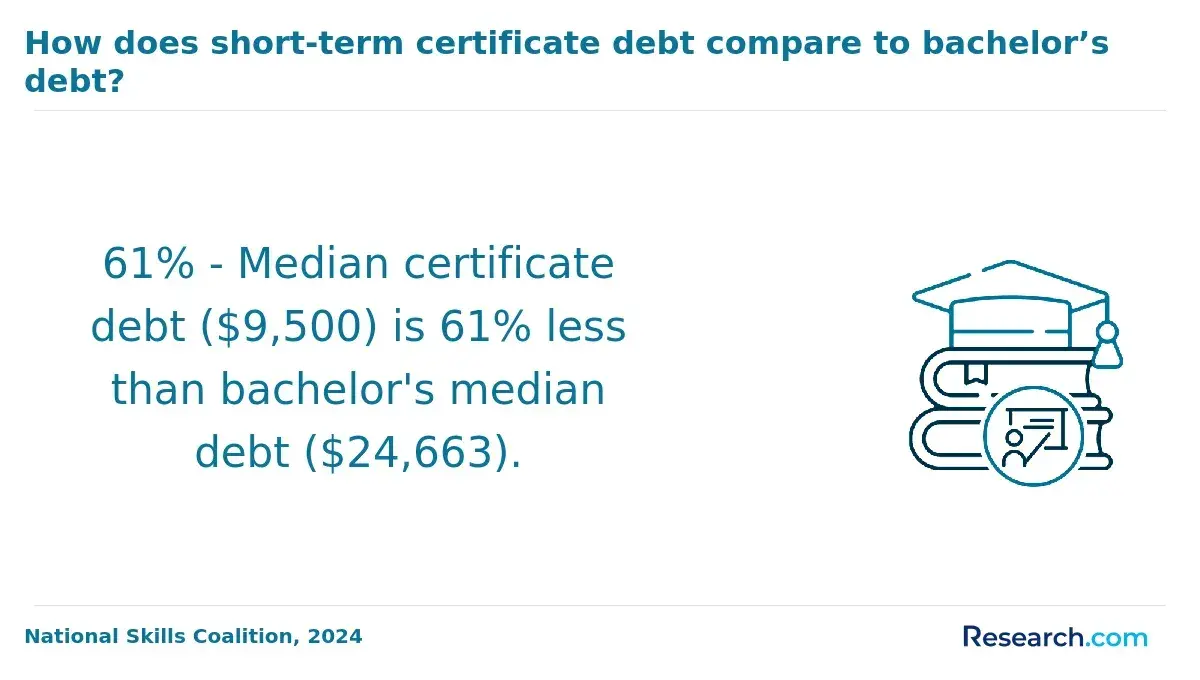
Costs for agriculture degree completion programs vary widely depending on institution type and program design. Public regional universities generally charge between $300 and $500 per credit hour for in-state students. Private nonprofit institutions usually range from $500 to $900 per credit, while for-profit schools tend to be the most expensive, averaging $600 to $1,200 per credit hour. Mandatory fees-such as technology and student services-typically add several hundred dollars per semester. Some programs require residencies or intensives that may incur additional travel or housing expenses. These combined factors give a realistic picture of agriculture degree completion program tuition costs beyond basic per-credit rates.
- Financial Aid: Working adult learners can access a variety of financial aid options designed for their needs. Pell Grants are often available even to part-time students if eligibility criteria are met, helping reduce net costs. Completing the FAFSA independently is essential for adults seeking aid.
- Military Benefits: Veterans and active-duty members may use GI Bill funding and MyCAA grants, especially valuable for students with ACE-credited military training that transfers toward degree credit.
- Employer Support: Tuition reimbursement programs offered by many employers can substantially lower out-of-pocket expenses when aligned with degree requirements.
- Scholarships: Some institutions provide scholarships specifically targeting non-traditional or adult learners enrolled in agriculture completion programs.
- Tax Advantages: Adults paying out-of-pocket can claim the Lifetime Learning Credit or utilize employer-provided educational assistance under IRS Section 127. Consulting a tax professional is advised for maximizing benefits based on individual circumstances.
- Cost Comparison: When evaluating programs, it is crucial to consider net tuition after aid, credit transfer opportunities, and employer reimbursement eligibility. Sticker prices often misrepresent total costs for working adults who bring prior credits and employment benefits to the table.
Professionals can improve their career prospects by choosing programs recognized by employers and licensure bodies while optimizing credit for prior learning. For those researching this pathway, reviewing the most valuable masters degrees provides insight into in-demand programs that align with workforce needs and emerging agricultural fields.
What Career Outcomes Can Working Adults Expect After Completing a Agriculture Degree?
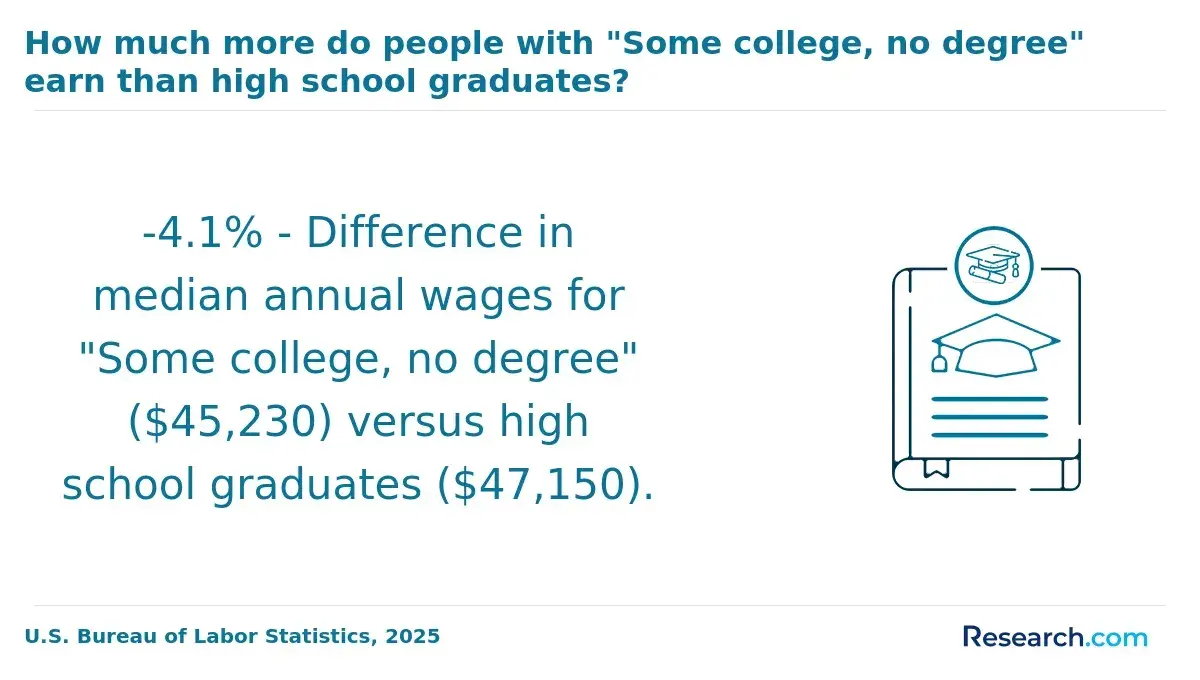
Completing a bachelor's degree in agriculture significantly enhances career prospects for working adults-combining formal credentials with existing professional experience leads to better job positioning than for new graduates alone. According to Georgetown University Center on Education and the Workforce, degree completers often enjoy a salary premium of 15% to 25% over peers with some college but no degree within five years. The U.S. Bureau of Labor Statistics data reinforce this trend, showing that agriculture-related roles such as agricultural managers, soil and plant scientists, and food technologists tend to offer stronger wage growth and promotion pathways for degree holders.
Working adults typically leverage their experience to pursue higher-level positions-avoiding entry-level roles-after earning an agriculture degree. Their combined expertise and education open opportunities for supervisory, management, or specialized jobs, often requiring a valid credential.
- Promotion Eligibility: Graduates report increased access to leadership or project oversight roles within existing organizations.
- Credential-Gated Job Titles: Certain agriculture jobs mandate a bachelor's degree, unlocking roles previously inaccessible.
- Salary Premium: Median earnings rise markedly for completers compared to those without a completed degree.
- Career Positioning: Experienced adults plus degree completion enable targeting strategic roles like farm production managers or extension agents that value both practical and academic qualifications.
Adults with focused goals-licensure, management advancement, or graduate study-should confirm their chosen program meets specific employer or accreditor requirements. Ensuring the degree is earned from an accredited institution with recognized curriculum standards is essential. Maximizing prior learning credit, accessing financial aid tailored to working adults, and carefully comparing program quality markers are key decisions for successful completion and optimal career outcomes.
How Do Employers View a Agriculture Degree Completed Through a Completion Program?
Employer surveys from groups like the Society for Human Resource Management (SHRM) and the National Association of Colleges and Employers (NACE) reveal that accreditation and program recognition weigh far more heavily in hiring decisions than how a degree was earned. Whether a student completed the degree traditionally, through accelerated courses, or via prior learning assessments (PLA) rarely influences employer evaluations.
- Diploma Uniformity: Degrees granted by accredited institutions in agriculture completion programs do not specify the completion method, allowing graduates to present a consistent credential on resumes and job applications.
- Presentation Strategy: Candidates may highlight the accelerated or adult-oriented nature of their studies during interviews as evidence of dedication and real-world experience but need not focus on the completion route itself.
- Scrutiny in Specific Sectors: These employers may require extra verification of degree legitimacy, making early confirmation with licensing bodies or HR departments essential.
- Federal roles governed by Office of Personnel Management (OPM) standards
- Licensed professions overseen by state regulatory boards
- Regulated Fields Advice: Students aiming for careers in regulated professions should confirm ahead of enrollment that their chosen program's credentials meet professional and licensing requirements.
- Private-Sector Trends: Most private-sector agriculture employers prioritize relevant work experience, demonstrated skills, and strong references over the degree's enrollment pathway-validating completion programs as credible alternatives to traditional bachelor's degrees.
What Graduates Say About Agriculture Degree Completion Programs for Working Adults
- Lennon: "Completing my agriculture degree online truly changed my perspective on continuing education as a working adult. The program's flexible scheduling formats allowed me to attend classes during evenings and weekends without sacrificing my job performance-this structural feature alone made the difference. Also, the accreditation standards reassured me that the degree held real value in the industry, which has opened many doors professionally."
- Aaron: "One of the things I appreciate most about the agriculture completion program is its generous credit transfer policies-transferring my earlier coursework saved me time and money, making the entire experience far more manageable. The cost considerations were transparent and fair, helping me budget effectively without unexpected fees. Reflecting on my journey, I now realize how crucial these factors are when choosing a program that truly supports working adults in balancing life's demands."
- Leo: "The career outcomes from my agriculture degree surpassed my expectations-employers really value the practical knowledge gained through high-quality completion programs tailored for working professionals. The structure of the program was designed to accommodate busy schedules without compromising depth or rigor, which I found uniquely beneficial. Accreditation was also a key factor for me-it guarantees the credential's recognition and credibility in the job market."
Other Things You Should Know About Agriculture Degrees
Many 2027 agriculture degree completion programs require applicants to have at least two years of relevant work experience in the agriculture field. This ensures students can directly apply their professional insights to the coursework and enhance their learning experience.
Credits earned in agriculture degree completion programs can typically transfer to graduate programs, especially if the undergraduate institution is regionally accredited. Students are advised to verify this with potential graduate schools before enrolling. Earning a bachelor's degree through these programs often fulfills prerequisite requirements, making the transition to a master's in agricultural sciences or related fields smoother.
Typical admission requirements for 2027 agriculture degree completion programs include a high school diploma or equivalent, completion of specific prerequisite courses, relevant work experience, and official transcripts. Some programs may require a minimum GPA or standardized test scores, depending on the institution.
Agriculture degree completion programs for working adults often provide support services such as flexible scheduling, online course options, academic advising, tutoring, career services, and access to library resources. These services are designed to help students balance education with their work and personal commitments.
References
- What w języku angielskim https://www.ang.pl/blog/slowo-what-w-angielskim
- What - Translation into Polish - examples English | Reverso Context https://context.reverso.net/translation/english-polish/What
- Climate Smart Agriculture https://www.hamk.fi/en/degree/bachelor-of-natural-resources-climate-smart-agriculture-full-time-studies/
- Accreditation Programs https://www.aginstitute.com.au/accreditation/programs/
- What can I do with a degree in agriculture? https://www.agrirs.co.uk/blog/2019/02/what-can-i-do-with-a-degree-in-agriculture
- Agricultural Courses: Your Guide to Kickstart Your Career https://basis-reg.co.uk/news/article/best-courses-in-agriculture
- Admission & Registration / University of Agriculture in Krakow https://urk.edu.pl/en/study/study-in-english/bachelor-studies/admission-registration
- Bachelor of Agriculture - Wikipedia https://en.wikipedia.org/wiki/Bachelor_of_Agriculture
- Agriculture and Forestry – ANAB https://anab.ansi.org/industry/agriculture-and-forestry/
- what - Tłumaczenie po polsku - Słownik angielsko-polski Diki https://www.diki.pl/slownik-angielskiego