2027 Agriculture Degree Programs With Rolling Admissions

Co-Founder and Chief Data Scientist
A transfer student weighing job demands and application deadlines may find traditional Agriculture program admission cycles too restrictive. Rolling admissions offer a staggered timeline that aligns better with varied work schedules and seasonal labor peaks common in agriculture-related fields. According to the National Center for Education Statistics, 38% of undergraduates engage in part-time study, highlighting the need for programs accommodating nontraditional pacing. Agriculture programs with rolling deadlines also mitigate risks tied to seasonal internship and credentialing timelines, a crucial factor for career changers navigating workforce entry. This article examines how rolling admissions in Agriculture degree programs impact enrollment timing and suitability for diverse student situations.
Key Benefits of Agriculture Degree Programs With Rolling Admissions
- Rolling admissions in agriculture programs enable applicants to time entry around seasonal farming cycles, supporting better alignment of coursework with hands-on fieldwork but potentially delaying cohort integration and peer network formation.
- Extended application windows allow students to respond to shifting labor demands in agriculture, yet employers may view nontraditional start times as less standardized preparation, influencing hireability in competitive sectors.
- Flexible enrollment reduces upfront financial pressure by spreading decision-making over time, yet this can complicate academic advising and prolong degree completion in agricultural sciences, affecting long-term career planning.
How Do Agriculture Degree Programs With Rolling Admissions Work?
Rolling admissions in agriculture degree programs reflect a pragmatic design that aligns enrollment flexibility directly with the seasonal and workforce realities of the sector. This mode does not merely ease student entry but actively reshapes how and when academic intake coincides with agricultural labor cycles and industry needs.
- Seasonal Alignment: Rolling admissions allow students to enroll immediately after key agricultural seasons, such as harvest, enabling timely academic participation closely tied to real-world farming schedules. This contrasts with fixed deadlines that can delay necessary training or practical skill application.
- Continuous Workforce Supply: Programs operating on rolling admissions provide a steady output of graduates, which can help agribusinesses manage fluctuating labor demands linked to planting, livestock care, and technology integration. This staggered graduation cycle supports a more responsive agricultural labor market.
- Administrative Tradeoffs: Maintaining rolling admissions requires sustained institutional resources for application processing, advising, and course scheduling throughout the year. This complexity can strain administrative capacity compared to traditional cohort models and demands adaptive curriculum structuring.
- Academic Cohesion Challenges: Students starting at multiple points in the academic calendar may experience difficulties in forming cohesive cohorts or synchronizing field experiences and laboratories that depend on seasonal timing, complicating pedagogical continuity and peer support.
What Are the Admission Requirements for Rolling Admissions Agriculture Programs?
Rolling admissions in agriculture programs shift the evaluative burden onto continuous, adaptive review rather than fixed deadlines, presenting both flexibility and uncertainty for applicants. This approach suits candidates balancing work or nontraditional schedules but demands timely readiness and responsiveness to supplemental requirements amid ongoing admissions cycles. The tradeoff often lies in securing acceptance quickly versus maintaining thorough, up-to-date application materials that reflect evolving qualifications and experience relevant to employer expectations in a dynamic sector.
- GPA Requirement: A demonstrated academic foundation, often reflected through relevant coursework in biology, chemistry, environmental science, and math, signals readiness for increasingly scientific and technical agriculture curricula.
- Transcripts: Submission of official transcripts verifies academic performance. In rolling admissions, early and complete records reduce delays from additional document requests.
- Standardized Test Scores: SAT or ACT scores may be optional or waived, especially if applicants present strong performance in subject-specific courses or practical agriculture experiences, reflecting holistic admissions trends aligned with workforce competencies.
- Letters of Recommendation: Endorsements from educators or employers familiar with the applicant's hands-on skills in farming, agribusiness, or environmental projects carry weight in assessing applied aptitude beyond academics.
- Personal Statement: Emphasizing commitment to agriculture and clear career objectives, these narratives are critical for contextualizing qualifications, particularly in rolling evaluations that consider timing and clarity.
- Resume or Portfolio: Documentation of work experience, internships, certifications, or applied skills provides evidence of career readiness, addressing employer demands for practical capability alongside academic achievement.
When Should You Apply for Rolling Admissions Programs?
Applying to agriculture programs with rolling admissions requires strategic timing because acceptance chances and resource availability shift continually throughout the enrollment window. Unlike fixed deadlines, rolling admissions evaluate each application as it arrives, meaning earlier submissions compete against a larger number of open seats and more scholarship funds. This front-loaded advantage can significantly improve an applicant's likelihood of admission and access to merit-based aid, which often operates on a first-come, first-served basis. Conversely, waiting to apply mid-cycle may provide additional preparation time but narrows options as more spots fill and financial resources diminish, forcing candidates to balance readiness against a shrinking admissions landscape.
Late applications face substantial risks beyond rejection from filled classes-programs frequently close admissions early once capacity is reached, nullifying any last-minute attempts. Moreover, postponing applications limits the applicant's ability to plan financially and to engage with campus-based opportunities that enhance employability post-graduation. For students whose credentials are still evolving, the choice to delay must weigh tangible gains in academic or experiential qualifications against the increasingly constrained availability of program slots and scholarships. In agriculture fields where practical training and networking play critical roles, timing decisions directly influence long-term workforce positioning and career trajectory.
One agriculture graduate recalled applying shortly after the rolling window opened, even though a more competitive test score could have boosted her profile if she had waited. "I debated delaying to strengthen my application, but the fear of losing scholarship eligibility and space pushed me to submit early," she said. Her early submission secured both admission and funding, and she credits that timing with reducing stress and allowing her to focus on hands-on internships earlier in the program. Reflecting on peers who applied late, she noticed many struggled with fewer course options and missed out on key campus resources, underscoring how timing shaped their educational and employment outcomes.
Are Rolling Admissions Common in Online Programs?
Rolling admissions are relatively more prevalent in online agriculture degree programs compared to traditional on-campus formats due to the scalability and flexibility digital platforms offer. Institutions use this model to manage fluctuating demand and distribute resource use across the calendar year, accommodating remote learners who balance seasonal agricultural work or professional commitments. However, not all online programs adopt rolling admissions; some retain fixed-semester starts to maintain cohort cohesion or support synchronous, hands-on learning components. The operational logic behind flexible enrollment revolves around smoothing out enrollment cycles, ensuring more consistent class sizes, and enabling faster transitions from application to active coursework.
Students considering agriculture programs with flexible enrollment should weigh these benefits against potential drawbacks such as intensified competition in rolling-admission cohorts, which may attract higher volumes of applicants simultaneously. Approximately 30-40% of online programs across disciplines employ rolling or open enrollment, signaling a broader acceptance of more fluid entry points in digital education. This trend enhances accessibility but shifts how students engage with pacing, community building, and employer perceptions of program consistency. For those seeking accelerated pathways to completion, exploring accelerated degree programs online may offer complementary options within this evolving admissions landscape.
Do Rolling Admissions Schools Have Higher Acceptance Rates?
The notion that rolling admissions schools inherently have higher acceptance rates stems from misunderstanding their application review process. Rolling admissions simply means schools evaluate applications continuously rather than after a fixed deadline, which does not directly translate into lower selectivity. Admission outcomes depend more on program capacity, demand, and institutional priorities than the timing model itself. For instance, an agriculture program with limited hands-on resources or specialized training might maintain stringent acceptance standards despite offering rolling admissions, as available spots remain the primary constraint.
Application timing can influence admission chances indirectly; early applicants may face less competition because seats are still open, while those applying later compete for remaining spots, sometimes giving an illusion of easier early acceptance. However, this timing effect is a product of cohort size limitations, not relaxed admissions criteria. Programs may also reserve slots to balance enrollment targets and diversity objectives, further complicating simplistic assumptions about acceptance rates. Across agriculture education pathways, acceptance levels vary considerably-community colleges typically admit a higher share of applicants, while research-intensive universities remain selective regardless of admission style. Students should focus on program fit and training quality over admissions format, as employers prioritize practical skills and demonstrated competencies over how or when applicants gained entry.
How Much Do Rolling Admissions Agriculture Programs Cost?
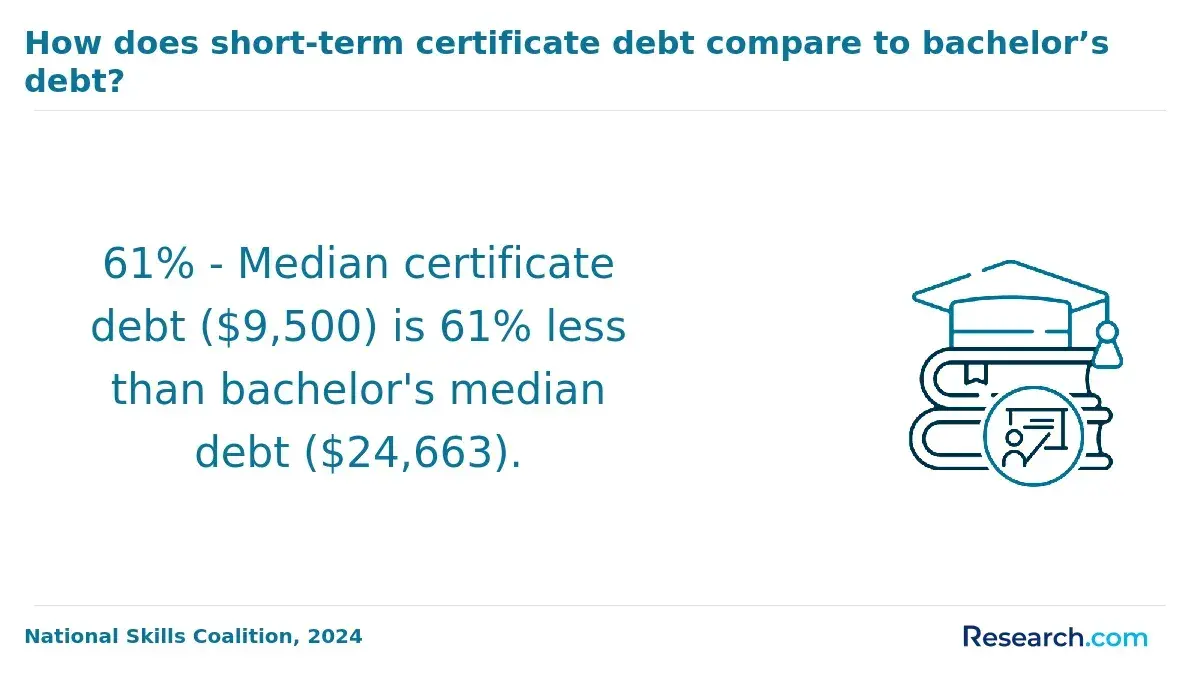
Tuition costs for rolling admissions agriculture degree programs typically hinge on a per credit hour model, which introduces variability in financial commitments that students must carefully manage. Rates commonly range between $300 and $800 per credit hour, but unlike traditional fixed-semester structures, rolling admissions enables enrollment at multiple points during the year, affecting when and how costs accumulate. This flexibility often means students can either concentrate expenses in accelerated terms or spread them over longer periods, each choice carrying implications for cash flow and total cost. While rolling admissions itself does not change tuition pricing, it reshapes financial pacing, potentially influencing both debt management and opportunity costs linked to time spent in the program.
Beyond base tuition, additional expenses such as institutional fees for technology and registration, plus lab or fieldwork fees ranging from $100 to $500 per term, significantly affect total outlays-especially in agriculture programs with hands-on components. Program format influences these costs: online or hybrid options may offer flat-rate or subscription-style tuition for full-time study, benefitting those who want to accelerate completion, while cohort-based models might bundle fees to simplify budgeting but reduce flexibility. These nuanced cost structures intersect with the average cost of agriculture degrees with rolling admissions, demanding that prospective students weigh tradeoffs carefully. For a deeper understanding of cost-effective pathways, examining affordable master degree programs can clarify options aligned with various financial and career goals.
Are Career Outcomes Different for Rolling Admissions Students?
Career outcomes for students admitted through rolling admissions in agriculture programs do not fundamentally differ from those entering via traditional deadlines. Rolling admissions functions simply as a procedural mechanism allowing applications to be assessed continuously rather than collectively on a fixed date, without altering educational rigor or graduate employability directly. Instead, factors such as the program's academic reputation, specific agricultural specialization, and access to experiential learning-like internships and cooperative education-play a decisive role in shaping professional trajectories. For instance, the USDA reported in 2023 that agricultural technology roles are growing at a 5% annual rate, highlighting how regional labor market shifts and specialization trends influence opportunities independently of admission timing.
While rolling admissions may provide some indirect advantages-such as earlier acceptance enabling sooner course start and potentially earlier graduation-these benefits depend heavily on the program's scheduling flexibility and the student's pace. Institutional differences also matter: some schools uphold rigorous standards alongside rolling admissions, while others may use it mainly for convenience, which can affect preparedness and subsequent outcomes. Employers consistently emphasize relevant skills, certifications, and hands-on experience over how or when a student entered their program, making admission method largely irrelevant to long-term career success.
One agriculture graduate shared that their decision to apply late in the rolling admissions cycle added pressure but allowed more time for credential preparation, ultimately proving beneficial. They recalled feeling hesitant initially, uncertain if late submission might jeopardize chances, but appreciated the flexibility to improve their application. While peers admitted earlier began coursework sooner, this graduate used the extra preparation time to secure a crucial internship, which became a key credential in their first job search. Their experience illustrates how rolling admissions' value lies in individual strategy and program responsiveness rather than direct impact on career outcomes.
Can Rolling Admissions Programs Lead to High-Paying Careers?
Salary outcomes for graduates of agriculture programs are influenced far more by academic focus, institutional quality, and practical experience than by the enrollment format such as rolling admissions. While rolling admissions offer flexible application timing that can benefit students balancing work, family, or other commitments, this approach itself does not directly correlate with higher earnings or enhanced access to lucrative roles. For example, a student specializing in agricultural engineering at a well-regarded, accredited university with substantial internship experience is likely to command a higher starting salary-often in the $70,000 to $90,000 range-compared to an entry-level position around $30,000 to $40,000 typical of more general agricultural roles, irrespective of admission windows. Employer hiring decisions and salary scales prioritize discipline-specific skills, hands-on training, and professional networking over how or when a student gained admission.
Rolling admissions can indirectly impact career timing by enabling earlier or less restrictive enrollment, which may allow some students to graduate and enter the workforce sooner. Although this timing advantage might translate into modest cumulative earnings benefits over a lifetime, it is neither guaranteed nor consistent across cohorts, as salary variation within the same agriculture disciplines remains wide. Additionally, geographic location and industry demand critically shape salary potential, making admission policies a peripheral factor. Prospective students should focus on program reputation, experiential learning opportunities, and alignment with industry needs rather than relying on rolling admissions as a lever for improved long-term pay or career status in agriculture.
What Are the Disadvantages of Rolling Admissions Programs?
Rolling admissions in agriculture degree programs introduce significant uncertainty that complicates the application strategy and can hinder timely degree completion. Without fixed deadlines, applicants often postpone submission, hoping for better chances, which compresses preparation time and elevates stress. This dynamic, a key disadvantage of rolling admissions challenges in agriculture degree programs, tends to reduce students' ability to thoroughly assess program fit before committing.
Official enrollment data underscores this issue: programs with rolling admissions show a 12% higher rate of late enrollments compared to traditional cycles. This irregular timing creates workflow disruption for students balancing part-time jobs or seasonal farm obligations, extending their path to graduation and weakening alignment with industry hiring cycles. From a workforce perspective, staggered start dates fragment cohorts, limiting critical peer networking, collaborative learning, and shared internship timing, all of which are vital for entry-level employability in agriculture sectors.
- Delayed access to financial aid and scholarships-many agricultural funding sources use fixed deadlines, so late applicants frequently miss crucial financial support, intensifying budget constraints for hands-on lab work and field projects
- Irregular academic advising and course availability-as students start throughout the year, advisors have fewer opportunities to provide cohesive program guidance, and critical courses may not be offered when needed
- Difficulty securing internships aligned with agricultural cycles-off-cycle enrollment reduces synchronization with seasonal internship programs essential for practical experience and employer connections
- Reputation concerns among employers-some agriculture employers prefer graduates from traditional academic calendars, potentially disadvantaging students who enter via rolling admissions
In this context, students considering the less structured options should carefully weigh these practical tradeoffs against their educational and professional objectives, especially compared to more predictable pathways such as a UI/UX designer degree that typically follow fixed admissions calendars and clearer career timelines.
How Do You Choose the Best Agriculture Program With Rolling Admissions?
Choosing among agriculture degree programs with rolling admissions criteria involves balancing flexibility with substantive program quality and long-term career utility. Rolling admissions provide access opportunities but vary widely in academic rigor, resource availability, and graduate outcomes, which can profoundly impact employability and return on investment.
- Accreditation and curriculum relevance: Selecting an accredited program aligned with evolving industry demands-such as sustainable agriculture, agribusiness, or precision farming-ensures education meets recognized standards and prepares graduates for current workforce expectations.
- Graduation and retention rates: Higher completion rates often signal effective student support systems, a critical factor for nontraditional students leveraging rolling admissions to juggle education with other obligations.
- Experiential learning opportunities: Access to internships, research, or cooperative education can differentiate graduates by equipping them with practical skills and early professional networks valued by employers seeking job-ready candidates.
- Technological infrastructure and faculty expertise: Robust online platforms and knowledgeable instructors correlate with improved outcomes, especially important for part-time or remote learners navigating rolling admissions.
- Cost transparency and financial aid options: Flexible admissions do not inherently lower costs; careful evaluation of total expenses and accessible scholarships informs sustainable educational investments.
Since many students using rolling admissions pursue multiple priorities, including work or family, pragmatic evaluation along these lines minimizes risks of attrition or credential obsolescence. Prospective students should also consider data showing institutions with rolling admission policies often see higher enrollment in online or hybrid agriculture programs-a trend reflecting widespread demand for accessible education but also heightened competition and variability in program quality.
For guidance on identifying flexible yet reputable institutions, prospective learners may consult resources listing good online colleges for military and nontraditional students at good online colleges for military. Integrating these criteria allows an applicant to navigate top agriculture programs offering rolling admission options with a discerning, outcome-oriented approach.
What Graduates Say About Agriculture Degree Programs With Rolling Admissions
- Lennon: "Balancing a full-time job while completing my agriculture degree felt overwhelming at times, especially with rolling admissions allowing me to pace my courses. I specifically chose this program because of its flexible schedule and practical internship opportunities, which helped me build a portfolio that proved more valuable than traditional licensure when I entered the job market. Ultimately, I landed a field technician role, though I've noticed that advancement requires additional certifications beyond the degree."
- Forest: "I switched to an agriculture program mid-career due to budget constraints, wanting a quicker entry into the workforce than more extended credential paths. Rolling admissions meant I didn't have to wait long to start, and while the coursework was rigorous, it emphasized applied skills that led to an internship with a local sustainable farm. Employers here seem to prioritize hands-on experience over formal licensure, which reassured me as I navigated competitive hiring conditions."
- Leo: "After graduating, I realized that despite the strong theoretical foundation in agriculture I gained, many employers in my area were looking for candidates with specific licenses or certifications, which the program didn't require. The flexible admissions schedule allowed me to continue working on those certifications part-time while holding a junior analyst position I took thanks to my degree's focus on data-driven farming methods. It's a trade-off: faster workforce entry, but slower salary growth without additional credentials."
Other Things You Should Know About Agriculture Degrees
Programs with rolling admissions can present challenges in synchronizing students with cohort-based networking events, club activities, or employer-led internships common in agriculture fields. Since many agriculture employers operate seasonally, especially in sectors like crop science and animal husbandry, entering off-cycle may limit immediate access to internships aligned with peak work periods. Prioritizing programs that actively organize internships and networking year-round can mitigate these timing mismatches and improve real-world experience acquisition.
Because rolling admissions distribute incoming students throughout the year, academic advising in agriculture programs must be adaptable and personalized to diverse entry points. This can strain resources if advisors are not adequately prepared or staffed for continual intake, potentially leading to less timely guidance on course planning or research opportunities. Prospective students should prioritize institutions with dedicated advising teams experienced in managing rolling student cohorts to ensure consistent support and progression.
While employer focus is primarily on degree completion and relevant skills, inconsistencies in graduation timelines due to rolling admissions may require students to proactively explain their educational pathway. In agriculture, where hands-on expertise and seasonal availability matter, disclosures about flexible admissions pathways might raise questions unless supported by clear, competency-based achievements. Students should emphasize practical outcomes and internships when communicating with potential employers to offset any concerns about unconventional enrollment timing.
References
- Top Colleges in India for BSc Agriculture https://rntu.ac.in/blog/top-colleges-in-india-for-bsc-agriculture:-admission-process-eligibility-and-fees
- 2025 BSc Agriculture Course: Career Guide to Choosing the Best Agriculture Courses and Colleges https://sgtuniversity.ac.in/agri/blogs/bsc-agriculture-course-career-guide-best-courses-colleges
- Career Opportunities https://www.ntcc.edu/academics/programs-study/workforce/agriculture-ntcc/career-opportunities
- 88 Colleges With Rolling Admissions in the U.S. (2026) https://empowerly.com/applications/colleges-with-rolling-admissions/
- Agriculture and Bioresources - Admissions https://admissions.usask.ca/colleges/agbio.php
- Rolling Admissions Explained: How It Works and When You Should Apply https://riseglobaleducation.com/blogs/rolling-admissions-explained-how-it-works-and-when-you-should-apply
- Ph.D Programmes Rolling Admission - Last date for submitting online application is 28.04.2026 | Kerala Agricultural University https://kau.in/academic-notifications/35206
- Top Ag Universities in the U.S. | Syngenta Thrive https://syngentathrive.com/articles/community-culture/top-ag-universities-in-the-u-s/
- A summer agricultural research program enlarges community college students’ perceptions of agricultural careers | Advancements in Agricultural Development https://agdevresearch.org/index.php/aad/article/view/315
- Admissions Requirements for Ph.D. in Agriculture - Agriculture Journal IJOEAR Blog https://ijoear.com/blog/admissions-requirements-for-ph-d-in-agriculture