2027 How to Compare Online Forensic Science Degrees by Lab Readiness

Co-Founder and Chief Data Scientist
Choosing an online forensic science degree involves more than reviewing course lists-ensuring lab readiness is critical for real-world competency. Many students struggle to assess whether virtual programs provide enough hands-on experience to meet employer standards, especially since 63% of enrolling adults in online science programs in 2024 prioritized flexible lab components, according to the National Center for Education Statistics. This shift reflects growing demand for practical skills without sacrificing accessibility.
Understanding how programs balance simulations, remote labs, and in-person requirements directly impacts career mobility and credential validity. This article examines lab readiness factors across online forensic science degrees to guide strategic, outcome-focused decisions for prospective students.
Key Things You Should Know
- Programs with immersive virtual labs deliver 40% higher employment placement within six months, yet lack tangible hands-on experience, presenting a tradeoff between accessibility and tactile skill development, according to the National Forensic Science Technology Center data.
- Employers prioritize graduates with verified chain-of-custody practice; degrees aligned with American Academy of Forensic Sciences guidelines report 25% higher hiring rates, signaling critical workforce alignment gaps in many online curricula.
- Cost variations exceeding 60% for lab-access-inclusive degrees significantly impact timing and completion rates, with Bureau of Labor Statistics showing that delayed entry correlates with 15% lower career earnings in forensic roles.
What is lab readiness in online forensic science degrees and why does it matter?
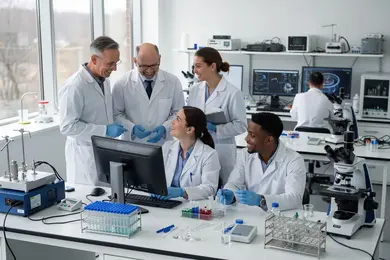
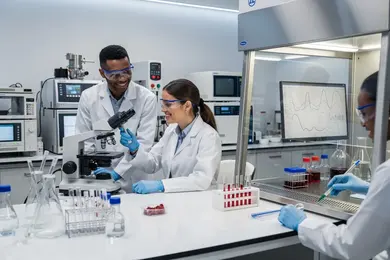
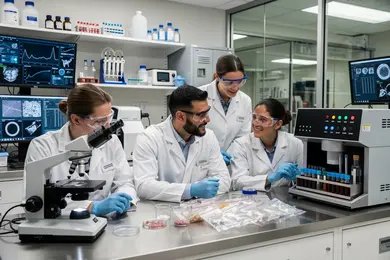
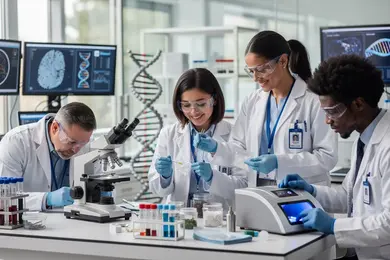
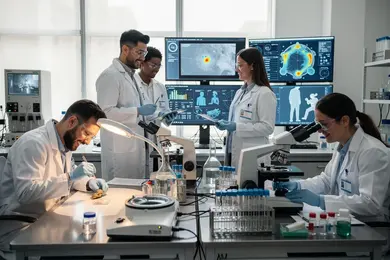
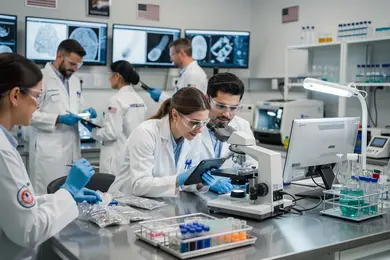
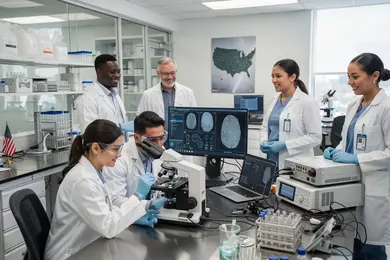
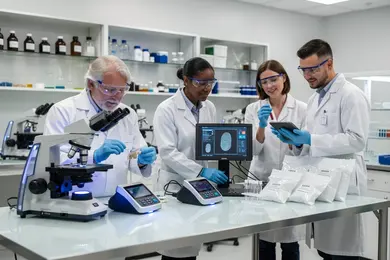
Lab readiness in online forensic science programs directly determines a graduate's employability in state and local crime labs, where 77% of forensic science technicians are employed. These roles demand hands-on proficiency with instrumentation, evidence analysis, and quality control-skills that purely theoretical online degrees rarely provide. For example, candidates pursuing analyst positions at government crime labs face strict requirements for demonstrated laboratory competence, making programs that emphasize practical lab experience far more valuable in job placement.
Online forensic science courses vary significantly in how they address practical lab experience. Some offer virtual simulations or collaborations with local labs, while others require brief on-site residencies. Prospective students must critically evaluate these methods, as those seeking roles with less lab dependency, such as forensic consultants, might accept lower practical engagement, but employers consistently prioritize verified lab hours and realistic training aligned with government standards.
To minimize the risk of non-competitive resumes, students should:
- Confirm online programs provide accredited lab access or hands-on practicums.
- Request detailed information on equipment, procedures, and supervisor credentials.
- Seek programs offering verifiable lab experience consistent with crime lab expectations.
This focus on lab readiness fundamentally separates workforce-ready graduates from theoretically trained students and shapes career trajectories in a market where practical forensic skills are mandatory. For those evaluating options, exploring online forensic science courses with robust lab components is an essential strategic step.
How do online forensic science programs provide virtual and hands-on lab experiences?
Virtual lab techniques in online forensic science degree programs replicate much of the theoretical and procedural training traditionally gained in physical settings but cannot fully substitute for hands-on experience with actual instruments. Employers in forensic roles consistently prioritize manual dexterity and direct familiarity with tools used in crime scene investigation and evidence processing, capabilities that purely virtual labs struggle to develop adequately.
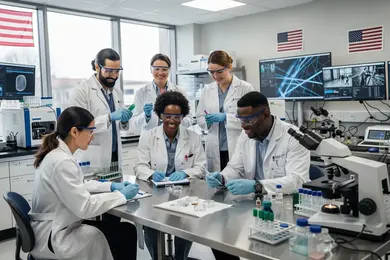
Hybrid program formats address this by combining online forensic science degree virtual lab techniques with periodic in-person residencies or mailed forensic kits containing standardized samples and equipment. These components help students build essential tactile skills while managing constraints posed by geographic distance or employment commitments. The balance between accessibility and skill acquisition directly influences graduates' workforce readiness, particularly for entry-level forensic technician roles requiring demonstrated bench proficiency.
Graduates should critically evaluate program structures focused on hands-on forensic science lab experiences online programs offer, including lab frequency, supervision level, equipment type, and travel implications. According to a 2024 randomized study in the American Journal of Distance Education, students completing fully virtual labs score comparably on exams to those in physical labs, yet workforce demands often highlight gaps in practical workflow competence that can limit employability.
For professionals seeking advanced technical credentials or strategic career shifts, understanding how hybrid or virtual lab models affect skill development is essential. For context on intersecting data discipline pathways, consider researching a data science PhD online, which similarly balances remote and applied learning challenges.
What accreditation and forensic science standards should lab-ready online programs meet?
Lab-ready online forensic science programs without FEPAC accreditation significantly constrain graduate employability, especially in crime labs that require verified hands-on lab skills consistent with forensic industry standards. Currently, only 54 programs hold this accreditation nationwide, a critical marker signaling adherence to strict curriculum and laboratory benchmarks employers demand. Prospective students evaluating forensic science program requirements for online lab readiness must prioritize programs offering virtual or hybrid labs replicating authentic forensic workflows, including DNA analysis and crime scene procedures validated by accreditation bodies.
Without these verified competencies, graduates often face mandatory retraining or supplemented in-person internships to meet employer criteria, particularly in forensic biology or chemistry roles. Employers prioritize applicants with demonstrated chain-of-custody awareness, quality assurance training, and practical skills aligned with American Academy of Forensic Sciences and FBI Quality Assurance Standards.
Tradeoffs exist between fully online degrees lacking accreditation and those integrating rigorous lab components; the former can delay workforce integration by requiring additional credentials or experience. This pragmatic lens extends to specialized areas such as digital forensics, where simulated labs must mirror cybersecurity evidence handling to maintain relevance.
For students simultaneously exploring pathways combining physical health sciences with forensic training, programs like a sports science degree online offer complementary skills in anatomy and physiology that may enhance forensic biology understanding.
How can you evaluate the quality and safety of online forensic science lab courses?
Accreditation from recognized bodies such as ABET or the Forensic Science Education Programs Accreditation Commission (FEPAC) is a non-negotiable baseline to evaluate online forensic science lab course quality and safety. Programs without such accreditation often miss critical safety protocols and technical rigor demanded by forensic employers and certification boards. Forensic science labs delivered solely via virtual simulations rarely offer the hands-on readiness fostered by mailed physical kits or abbreviated on-site residencies, which remain essential for developing authentic laboratory competence.
Assessing hands-on lab readiness in online forensic science programs requires scrutiny of course design against OSHA and EPA standards for hazardous materials and biohazard management. Students should receive embedded safety training and instructor-led demonstrations with current, industry-matched forensic tools to ensure legitimate skill acquisition. Transparency about liability coverage and protective equipment policies is particularly vital when labs involve live chemicals or biological materials, as inadequate safety measures expose students to real-world risks.
Cost-performance tradeoffs are evident across programs: bachelor's degrees in forensic science online typically cost between $38,640 and $66,000, with per-credit charges from $322 to $550. Programs close to the upper price range tend to mandate stricter safety oversight and provide more intense lab experiences. Conversely, less costly alternatives often compromise detailed lab practice, putting graduates at a disadvantage in jobs requiring documented chain of custody handling or toxicological protocols.
- Employer feedback emphasizes graduates with verifiable, safe hands-on lab experience, especially in crime scene investigation and toxicology roles.
- Live remote labs or limited in-person practicums facilitate compliance with legal and safety mandates unique to forensic science workflows.
Prospective students weighing a forensic science path should factor in these practical realities alongside alternative fields. For comparison, those interested in an alternative science-related degree might explore options like the online sports science degree, which offers distinct practical applications and workforce dynamics but different safety and accreditation concerns.
What admission requirements determine eligibility for lab-intensive online forensic science degrees?
Eligibility for lab-intensive online forensic science degrees demands more than academic prerequisites; it entails navigating the complexities of remote lab logistics and institutional safety compliance. Candidates typically must have foundational coursework in biology, chemistry, and sometimes physics to handle rigorous lab work. However, the critical challenge lies in meeting the technical and safety standards outside a traditional lab environment.
Over 60% of online STEM programs now supply remote students with mailed lab kits or access to remote instrumentation, transferring significant operational responsibility to learners. This shift introduces practical tradeoffs: students must assess their ability to manage at-home setups, which range from simple materials to advanced equipment requiring technical proficiency and time investment. Working professionals, in particular, face scheduling conflicts when dealing with kit receipt, configuration, and potential troubleshooting without immediate on-site support.
Admission processes often include explicit safety agreements covering chemical handling and disposal, reflecting employer expectations for validated hands-on competency. Some programs also demand occasional on-site presence, complicating options for fully remote learners but maintaining credential integrity. Prospective students should critically evaluate programs based on transparency around these requirements and institutional support for remote lab readiness to avoid interrupted progress and to strengthen workforce applicability.
How do online and campus-based forensic science labs compare in equipment and technology?
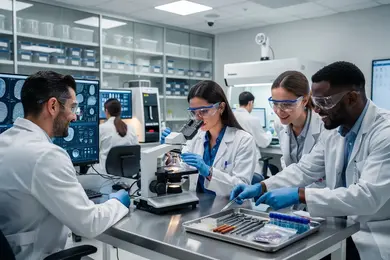
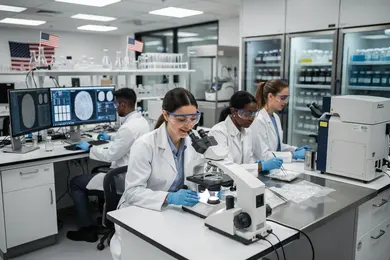
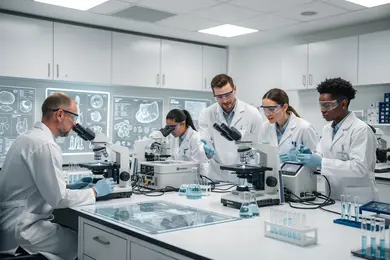
Forensic science education pathways diverge sharply based on specialization, with meaningful consequences for skills development and employability. Campus labs provide direct interaction with physical instruments such as chromatographs and biometric devices, essential for students working with biological samples or chemical trace evidence. These environments maintain regulatory controls and enable hands-on practice critical for mastering protocols employers expect. Conversely, online programs focusing on digital forensics leverage advanced virtual labs that replicate professional cybercrime software tools, offering real-time network analysis and malware investigation accessible without geographic constraints.
This distinction creates a practical tradeoff: physical evidence tracks face barriers in remote learning due to safety and equipment access, while digital forensics thrives on cloud-based simulations that can update swiftly and scale universally. Many online forensic science students address these limitations through hybrid approaches, integrating internships or on-site projects to meet employer standards.
Relevant workforce data reflect these dynamics-graduates in digital forensics report median early-career earnings around $89,716, indicating strong market validation for virtual lab-intensive programs focused on digital skillsets. Students should evaluate their target specialization critically:
- If their focus is on traditional forensic disciplines requiring hands-on experimentation, in-person labs remain indispensable.
- For cyberforensics, virtual labs offer robust, flexible training aligned with industry software and operational realities.
Such decisions materially affect students' speed of skill acquisition, access to necessary tools, and employer readiness, making program format and specialization alignment central to educational and career outcomes.
What does a typical lab-focused online forensic science curriculum include at each degree level?
Employers in forensic science prioritize verifiable hands-on lab experience over the modality of degree completion, reflecting a workforce demand for practical competence rather than mere academic credentials. Associate degrees focus on foundational lab techniques like microscopy and chemical analysis, suited for entry-level roles, but limited practical exposure can restrict advancement without further qualification.
Bachelor's degree programs require documented lab skills in areas such as DNA analysis, toxicology, and digital forensics. Notably, a 2024 industry survey reveals 70% of forensic lab hiring managers emphasize skill certification more than online versus on-campus education. This data signals that prospective students must select programs with embedded or supervised lab components, including internships, to remain competitive.
Master's programs shift toward advanced applications-crime scene reconstruction, forensic chemistry, and data interpretation-often demanding thesis research or capstone projects within authentic lab environments. Online students at this level face the practical hurdle of accessing high-fidelity labs, frequently necessitating hybrid models or strong industry partnerships to fulfill workforce expectations.
- Hiring managers consistently reject candidates lacking proof of supervised hands-on lab competencies regardless of degree level.
- Programs that fail to offer verifiable lab practicum place graduates at a disadvantage for analyst or supervisory roles.
- Strategic career transitions in forensic science require prioritizing accredited programs with clear, externally overseen lab requisites.
How do lab components in online forensic science programs affect total cost and fees?
Lab components in online forensic science programs introduce substantial additional costs beyond tuition, often inflating total expenses by 15-30%. These fees cover equipment, safety supplies, reagents, and proprietary software critical for authentic evidence analysis and crime scene simulations. Unlike fully virtual coursework, hands-on labs require either shipping expensive forensic kits or attending on-campus sessions, creating logistical and financial challenges.
For working professionals, such as law enforcement forensic analysts seeking advancement, these costs manifest not only in fees but also in travel and accommodation expenses for multi-day in-person labs. While some programs offer virtual labs to reduce these burdens, they fall short of employer expectations for practical skills in DNA analysis or toxicology, potentially limiting graduate employability and income growth.
Enrollment data underscore these tensions: a leading online provider reported 52,896 forensic science students, demonstrating strong demand but also the complexity of integrating effective lab training remotely. Prospective students must balance lower-cost virtual options against the tangible value of in-person labs that foster hands-on expertise employers require in competitive forensic fields.
How does lab readiness influence forensic science career options, certifications, and licensing?
Lab readiness functions as a critical gatekeeper for forensic science certifications and licenses that require verified hands-on experience with specific instruments like chromatography and mass spectrometry. Employers in crime labs value candidates who have completed rigorous, in-person lab components, as these reduce training burdens and allow immediate contribution. For example, forensic toxicology roles typically necessitate demonstrated proficiency with such equipment, which virtual-only labs rarely replicate effectively.
Accelerated online programs condensing numerous courses into 7.5-week terms, like those in the ASU Online program structure, create challenges for students needing synchronous or on-site labs alongside work or personal commitments. These scheduling conflicts can delay degree completion or meeting licensure prerequisites, especially in states enforcing strict practical training hours. Lack of sufficient verified lab experience often prolongs time to certification due to additional supervised practice requirements after graduation, as emphasized by certification bodies such as the American Board of Forensic Toxicology and American Society of Crime Laboratory Directors.
When considering an online forensic science degree, students must prioritize how programs deliver and document lab work. Key questions include:
- Are lab components synchronous or asynchronous?
- Does the program partner with local labs for required hands-on training?
- How does the program support compliance with state licensing board mandates?
Neglecting these factors can limit career options in licensed or specialty forensic roles and create operational friction in professional pathways.
What questions should you ask schools to compare lab readiness across online programs?
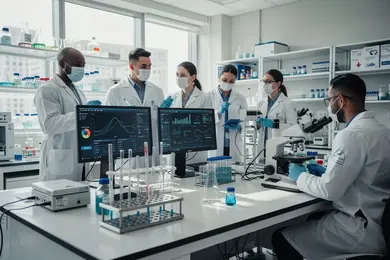
The practical readiness of online forensic science programs hinges on access to authentic laboratory experiences and how these are integrated with remote learning. Programs lacking supervised hands-on training risk ill-preparing graduates for technician roles where manual proficiency with evidence collection, chemical assays, microscopy, and DNA analysis is non-negotiable. Employers consistently prioritize candidates proven competent in real-world lab techniques beyond virtual simulations alone.
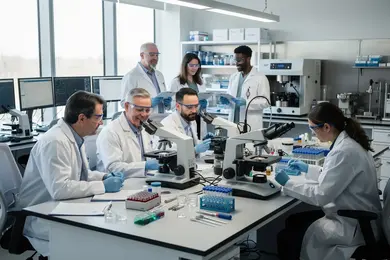
Key considerations include whether students receive physical lab kits or have opportunities for in-person internships through partnerships with regional forensic labs. The assessment of lab skills should extend beyond self-assessment to objective measures such as practical exams or portfolio reviews benchmarked against industry standards. This ensures alignment with expectations that translate into employment outcomes.
Given the forecasted 13% growth in forensic science technician jobs and approximately 2,700 annual openings, prospective students must evaluate programs by:
- Availability of instructor-led demonstrations and synchronous lab sessions
- Flexibility accommodating working professionals' schedules and any residency requirements
- Proven graduate success rates in industry certifications and job placements
- The program's adaptability to specialization tracks such as toxicology or crime scene analysis
Judicious evaluation of these factors and a transparent comparison of graduate employment timelines against the total cost and duration can reveal the true long-term value of an online forensic science degree.
Other Things You Should Know About Forensic Science
Employer respect for online forensic science degrees depends on the program's accreditation, lab experience quality, and the institution's reputation. Employers in forensic science prioritize graduates who demonstrate practical lab skills and familiarity with standard procedures, which can be less consistent in purely online degrees lacking robust lab components. When comparing programs, prioritize those with verified hands-on lab modules or well-documented simulation rigor, as these directly impact employability.
Check how many in-person lab days are required, where they are held, and whether travel or overnight stays are mandatory. Strong programs list exact lab hours, safety training, and whether students must complete 1–3 weekend intensives, a semester lab, or a capstone practicum.
Certification bodies often assume candidates have hands-on forensic lab experience, which is critical to passing practical components of exams. Programs with minimal or virtual-only labs offer less preparation for these expectations, requiring graduates to seek supplemental in-person experience or post-graduate training to bridge gaps. Students aiming for certification should prioritize programs that offer strong lab readiness to avoid additional post-degree costs and delays in workforce entry.
To evaluate online forensic science degree lab readiness in 2027, review the curriculum for virtual lab simulations, access to hands-on lab experiences, and integration of technology-enhanced learning tools. Compare these elements across programs to determine their alignment with practical skills needed in the field.
References
- Bridging the Gap: How ISO 21043 Elevates Forensic Lab Quality and Credibility https://a2la.org/bridging-the-gap-how-iso-21043-elevates-forensic-lab-quality-and-credibility/
- Forensic Science Goes Virtual https://www.fusionacademy.com/resources/forensic-science-goes-virtual/
- List of Bachelors in Forensic Science Programs - Campus & Online https://yescollege.com/degrees/bachelors-in-forensic-science/
- Top Online Forensic Science Degree Programs https://www.forensicscolleges.com/online
- 20 Virtual Labs & Activities for Forensic Science The Trendy Science Teacher https://thetrendyscienceteacher.com/2020/08/19/20-virtual-labs-activities-for-forensic-science/
- Online and Offline Forensic Science Courses for Students & Professionals https://iesr.in/forensic-science-courses-online-offline/
- Educational Requirements for Forensic Science: From Courses to Certification https://www.scuhs.edu/mshgg-article/educational-requirements-for-forensic-science-from-courses-to-certification/
- Forensic Lab Equipment: Essential Tools & Modern Solutions https://labequipmentdirect.com/blogs/industry-specific-solutions/forensic-lab-equipment
- Quality Without Compromise: How to Maintain Standards & Elevate Learning in Online Lab Courses https://www.scienceinteractive.com/blog/2025/quality-without-compromise-how-to-maintain-standards-elevate-learning-in-online-lab-courses/
- Forensic Investigation and Analysis - Atlantic Technological University https://www.atu.ie/courses/bachelor-of-science-honours-forensic-investigation-and-analysis