2027 RN to BSN Minors or Add-On Credentials That Make Sense

Co-Founder and Chief Data Scientist
Navigating RN to BSN programs often forces working nurses to weigh degree completion against immediate career enhancement amid limited time and shifting employer expectations. Even as the U.S. Department of Education reports a 15% rise in online RN to BSN enrollments since 2023, many candidates struggle to identify which minors or add-on credentials tangibly accelerate promotion or specialization. This signals a broader labor market demand for credentials that double as practical skill boosters rather than academic padding.
Selecting minors or add-ons without clear alignment to workforce needs risks wasted time and stalled career momentum. This article evaluates minors and add-on credentials that strategically complement RN to BSN paths, empowering informed, outcomes-driven decisions.
Key Things You Should Know
- Addon credentials like nursing informatics increase employability by 18%, per 2024 Bureau of Labor Statistics data, but lengthen program duration by 6-12 months, complicating timeline and cost decisions for working RNs.
- Employers prioritize minors tied to population health and leadership, as American Hospital Association surveys show 42% of healthcare organizations now require BSN-plus credentials for advancement roles, intensifying credential stacking pressure.
- Tradeoffs emerge as most minors lack direct clinical hours; according to 2024 American Association of Colleges of Nursing analysis, this limits immediate bedside impact despite enhancing strategic skills, affecting roles and salary negotiations.
What minors or add-on credentials pair best with an RN to BSN degree?
Minors or add-on credentials that best complement an RN to BSN degree focus heavily on clinical specialization, leadership, and healthcare technology, areas with clear impact on both patient outcomes and employability. For instance, Healthcare Management certificates equip RNs with budgeting, staffing, and compliance skills needed for unit leadership or administrative careers. Informatics credentials address the rising necessity to manage electronic health records and data analytics, a critical skill as healthcare digitizes. Public Health certificates broaden understanding of community health and preventive care, aligning with roles in population health and outpatient services.
Employers increasingly prefer BSN-prepared nurses with practical expertise; hospitals where over 75% of direct-care nurses hold a BSN or higher see nearly 10% lower 30-day inpatient surgical mortality rates. Choosing the right minor depends on career goals: a surgical unit nurse targeting leadership benefits more from Healthcare Management, while one in telehealth should prioritize Informatics. These are considerations central to analyzing the best minors to complement RN to BSN degree programs.
Adding these credentials typically requires 12-18 credit hours and should fit within online and part-time options to accommodate working nurses. To make informed decisions, prospective students must weigh these tradeoffs with workforce demands in mind. For those seeking flexibility, RN BSN online programs no clinicals offer pathways that align with balancing work, education, and meaningful credential attainment.
How do RN to BSN minors and certificates enhance nursing career options?
RN to BSN minors and certificates offer targeted expertise that directly impacts employability and job function, rather than merely expanding credentials. For instance, a leadership or management minor can qualify nurses for medical and health services manager roles, a sector projected to grow 28%, adding over 140,000 positions by 2031 according to the U.S. Bureau of Labor Statistics. Such specializations increase eligibility for administrative roles with higher responsibilities and salaries, matching employer expectations for proven management capabilities.
Adding a certificate in informatics addresses a practical gap in many BSN curricula by preparing nurses to manage electronic health records and advanced data systems-skills increasingly demanded in healthcare settings facing workforce shortages. Public health or healthcare policy minors align with nurses' ambitions in population health or advocacy positions, facilitating collaboration within interdisciplinary teams. These practical credentials expand nursing career advancement opportunities by making candidates more versatile and competitive.
However, pursuing these credentials requires balancing additional time and cost with current professional obligations. Employers typically expect documented evidence of such supplementary skills in hiring or promotion decisions. Nurses should weigh these factors carefully, as strategic investment in minors or certificates can accelerate career pivots but may demand employer support and clear application of new competencies.
For nurses exploring different educational pathways, especially those looking at accelerated timelines, reviewing vetted options such as the accelerated nursing programs can provide critical insight into managing these tradeoffs effectively.
Which RN to BSN add-on credentials can increase salary and leadership potential?
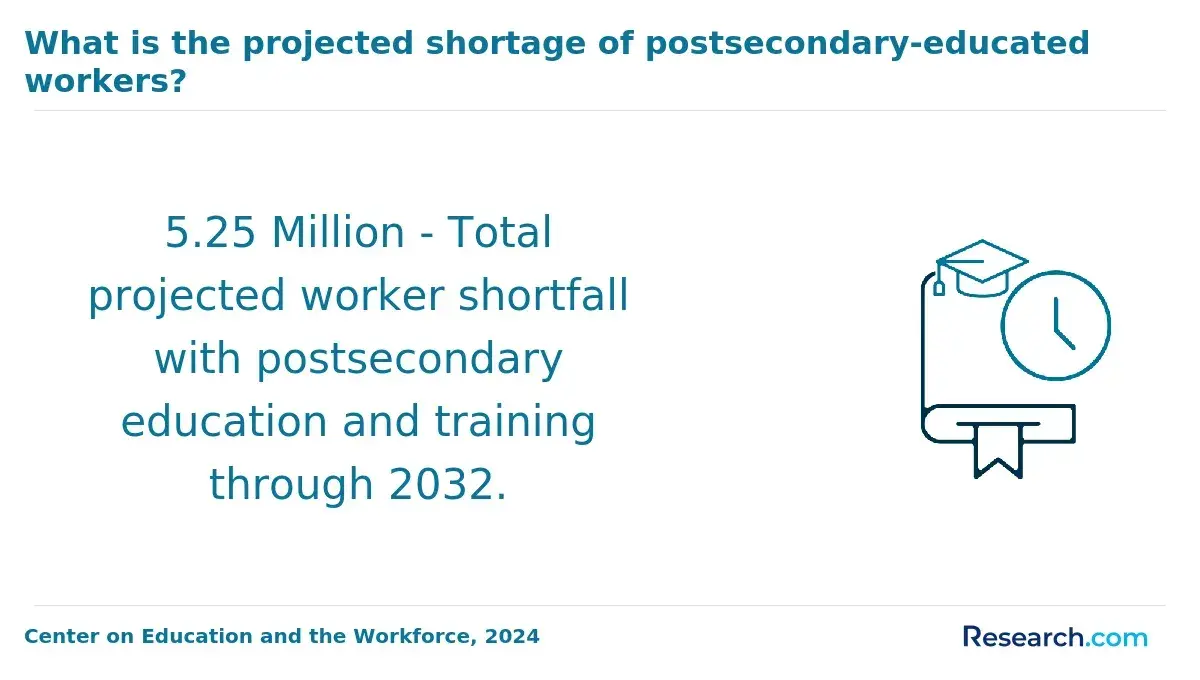
Nurses aiming to enhance salary and leadership opportunities through RN to BSN leadership certification programs face distinct tradeoffs between informatics and management credentials. Over 60% of new nurse informaticist positions require a BSN plus specialized training, underscoring how data analytics skills directly translate into higher pay and expedited advancement.
Certified nursing specialties that boost RN to BSN salary often revolve around informatics-credentials like RN-BC or post-BSN data analytics certificates equip nurses with practical expertise in electronic health records and predictive analytics. Employers in hospital systems increasingly value this blend of clinical insight and technological proficiency, particularly in data-driven healthcare environments, where pay differentials of 10-15% over clinical-only roles are common.
Alternatively, nurse leadership certificates and healthcare administration credentials improve advancement prospects in supervisory roles but tend to yield smaller immediate salary gains. For nurses working in smaller providers or integrated health networks, leadership certifications may better establish operational credibility.
Both pathways demand coursework balancing work commitments, with regional employer demand shaping the strategic choice of credentials. Nurses seeking clear guidance on program accessibility and fit should consider reviewing curated resources like nursing schools easy to get into.
What are the most common concentration areas offered in RN to BSN programs?
Choosing specialization options in RN to BSN programs significantly affects employability and day-to-day responsibilities, as workforce demand varies widely across concentration areas. Public health/population health stands out due to an acute shortage, with a projected 80,000 full-time worker deficit by 2025. This shortage drives strong demand for BSN nurses holding specialized public health credentials in government and nonprofit roles. Students focused here should anticipate internships with state agencies to build practical field experience.
Leadership and management concentrations align with real-world expectations for supervisory roles requiring skills beyond clinical care, such as budgeting and team coordination. Employers fill charge nurse or nurse manager positions preferentially with candidates carrying these credentials, reflecting an operational need for more than bedside expertise.
Gerontology responds to demographic shifts, preparing nurses to manage chronic conditions amid a growing elderly population, primarily in long-term and home care settings. Pediatric and community health nursing concentrations address institutions with distinct service needs, including federally qualified health centers or school-based programs where social determinants of health have tangible impact.
Evaluating RN to BSN program specialization options requires balancing workforce realities against program duration and cost, with practical tradeoffs for each track. Additionally, popular minors and add-on credentials can supplement core concentrations. For those interested in advancing further, the shortest MSN to DNP program pathways provide accelerated options that align well with strategic career pivots in nursing.
How do online RN to BSN minors compare with campus-based options in flexibility?
Choosing between online and campus-based RN to BSN minors involves weighing flexibility against experiential depth. Online minors excel in accommodating nontraditional schedules, allowing nurses to study asynchronously around demanding 12-hour shifts or caregiving duties. This flexibility supports continuous employment but limits direct mentorship and in-person networking opportunities.
In contrast, campus minors offer immersive experiences such as simulation labs and face-to-face collaboration. These can sharpen leadership and critical thinking skills-traits employers increasingly expect in BSN graduates-and facilitate meaningful professional connections. For instance, nurses pursuing roles in hospital quality improvement often benefit from the campus environment's hands-on integration, which aligns with documented outcomes like a 25-30% reduction in bloodstream infections driven by BSN-prepared clinical leadership (Agency for Healthcare Research and Quality).
Online programs demand strong digital literacy and reliable internet access, with the quality of virtual clinical scenarios varying widely. Campus attendance, however, may not be feasible due to geographic constraints and potential income loss from reduced work hours.
Prospective students should assess their clinical environment and career objectives: prioritizing uninterrupted work-life balance points to online minors, while seeking leadership immersion and workplace synergy favors campus-based options.
Which RN to BSN-related credentials require specialized or programmatic accreditation?
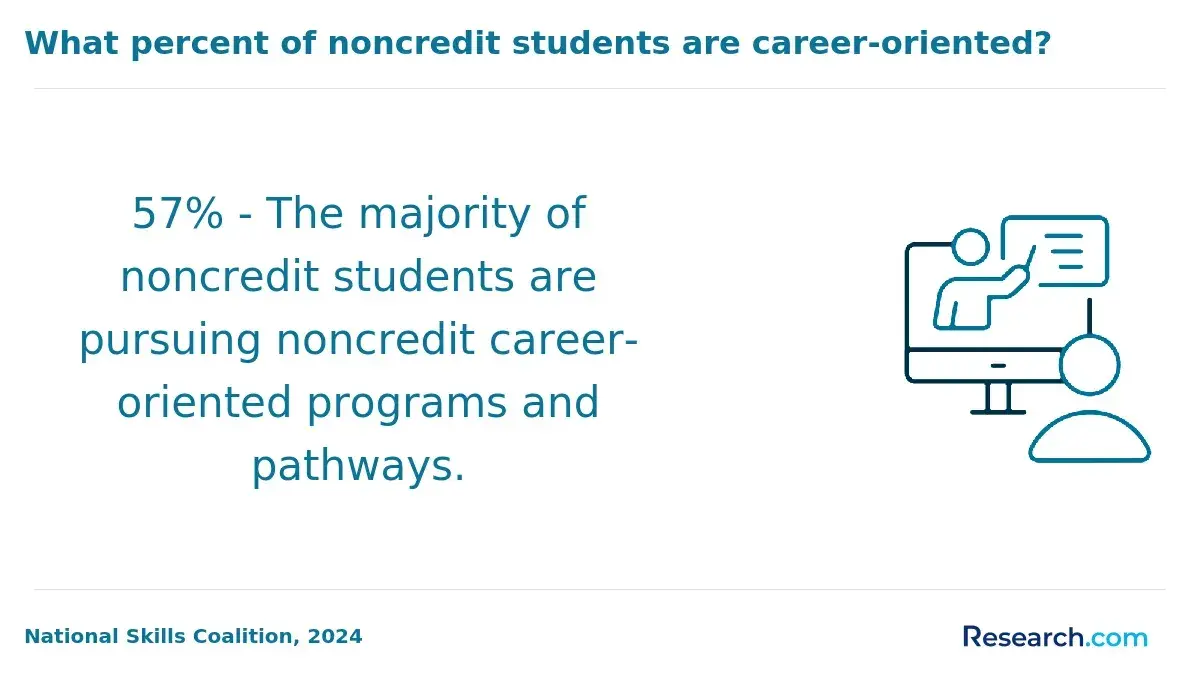
Credentials linked to RN to BSN programs that involve nursing education certificates or clinical teaching endorsements require specialized accreditation beyond regional institutional approval. Bodies such as the Commission on Collegiate Nursing Education (CCNE), Accreditation Commission for Education in Nursing (ACEN), and Council on Accreditation of Nurse Anesthesia Educational Programs (COA) assess these credentials to ensure they meet rigorous standards relevant to both pedagogy and clinical oversight. Without these programmatic accreditations, graduates frequently face a competitive disadvantage for faculty roles or clinical preceptor positions, which increasingly mandate documented teaching preparedness.
For example, a BSN nurse aiming to transition into academia must verify that their nursing education certificate aligns with accreditation criteria emphasizing curriculum design and effective clinical instruction methods. This is decisive because many institutions reject applicants regardless of clinical experience when programmatic approval is absent. The national nursing faculty shortage has driven demand for such specialized credentials, but concurrently, employers filter rigorously for formally accredited qualifications to maintain educational quality and patient safety.
Key operational considerations for candidates include:
- Verifying that chosen credentials carry recognized programmatic accreditation distinct from regional institutional recognition.
- Understanding that without these accreditations, access to faculty vacancies or clinical supervisor roles may be severely restricted.
- Recognizing the growing importance of such credentials to address nationwide nursing faculty vacancies exceeding 7% and the denial of over 80,000 qualified applicants annually.
Failure to navigate these accreditation nuances risks limiting long-term employability in academia and clinical instruction, despite holding an RN to BSN degree.
What admission and prerequisite requirements apply to popular RN to BSN minors?
Entry into RN to BSN minors often involves balancing professional experience with academic prerequisites, which substantially shapes student progression and workforce adaptability. Most programs mandate an active RN license, completed foundational nursing coursework-such as anatomy, physiology, and microbiology-and a minimum GPA typically around 2.5 to 3.0. Beyond these standards, specialized minors in areas like population health management or informatics require prior exposure to data systems or statistics, underscoring a growing emphasis on interdisciplinary skills within nursing roles.
For nurses targeting telehealth roles, additional technical requirements reflect real-world employer expectations. With over 80% of U.S. hospitals deploying telehealth solutions and more than half creating RN positions dedicated to remote monitoring, competence in IT and virtual care technologies is no longer optional. Failing to meet these prerequisites can delay integration into digital care environments, where skills gaps hinder both immediate application and long-term employability.
Employment connectivity also shapes access; many programs expect current healthcare affiliation to facilitate practicum integration and capstone projects. This often involves articulation agreements that smooth clinical placements, particularly for hybrid roles combining bedside and remote care responsibilities.
Prospective students should weigh prerequisites' opportunity costs, including extra coursework and scheduling challenges alongside 40+ hour workweeks, as these influence timeliness and return on investment. Planning around these barriers is essential to prevent credential delays that compromise the strategic edge these minors aim to provide.
How long do typical RN to BSN minors or certificates take and what do they cost?
Choosing minors or certificates within RN to BSN programs requires weighing completion time against practical value. Most programs demand 9 to 18 credit hours, translating to 3 to 6 months full-time or 6 to 12 months part-time study, with costs ranging from $1,500 to $5,000 depending on institutional and geographic factors. Nurses balancing unpredictable shifts often prefer asynchronous online formats, accepting longer durations for the agility to maintain work hours.
Employers increasingly expect post-BSN credentials to deliver specialized skills, especially in care coordination and case management. For example, nurse case managers command median salaries about 18% higher than staff RNs, at roughly $89,000 annually. This wage premium reflects both market demand and the tangible career benefit of targeted certificates built on the RN to BSN foundation.
Understanding employer tuition assistance policies is essential; hospital nurses may access reimbursement programs, while community-based practitioners often face more out-of-pocket expenses. This disparity can influence both program choice and pace, with many working nurses extending timelines to juggle coursework and clinical responsibilities.
- Accelerated certificates provide quicker workforce re-entry but may limit leadership preparation.
- Longer minors offer deeper expertise aligning with specialty practice roles.
- Budgeting and timeline discipline critically impact the net return on educational investment.
Nurses pursuing RN to BSN minors or certificates must align program demands with their career trajectory, balancing immediate affordability and employer expectations against long-term professional positioning.
Which RN to BSN add-on credentials align with advanced practice, public health, or education?
Behavioral health nursing add-on credentials remain the most immediate avenue for RN to BSN graduates seeking measurable job openings and employer demand, driven by a reported 30% rise in workforce needs from 2019 to 2024. Employers in large health systems face persistent psychiatric nursing vacancies, indicating a distinct labor market advantage for those certified in Psychiatric-Mental Health Nursing (PMHN-BC) or equivalent credentials.
Public health nursing certifications expand professional scope into epidemiology and community health roles often housed in local health departments or NGOs, but candidates encounter state-specific certification requirements and ongoing challenges securing funding for specialized training. These credentials provide operational flexibility but usually require long-term investment and may not yield immediate salary growth.
Nursing education certifications such as the Certified Nurse Educator (CNE) credential address systemic faculty shortages but frequently necessitate a master's degree for competitive hire, limiting immediate gains for BSN-prepared RNs. Those targeting academic or clinical instructor roles must weigh the demands of additional coursework and practicums against local employer preferences.
Key considerations for RN to BSN graduates evaluating add-on credentials include:
- Alignment with local and regional labor market demand
- Cost and availability of credentialing programs
- Requirement for graduate education in public health or education pathways
- Tradeoffs between near-term employability and long-term career flexibility
Given these factors, behavioral health credentials typically offer the strongest return on investment for candidates prioritizing immediate employment in the diversified RN to BSN career landscape.
How can students choose reputable RN to BSN programs offering high-value minors or credentials?
Over 40% of state-level health policy roles that explicitly seek nurses now mandate or prefer a BSN combined with specialized minors or certificates in health policy, advocacy, or leadership, doubling since 2015. This shift demands that students evaluate RN to BSN programs not only for accreditation by CCNE or ACEN but also for minors and add-on credentials demonstrably aligned with employer needs and market value.
For instance, a nurse targeting government advocacy should prioritize minors in health policy coupled with ethics or advocacy certificates rather than generic minors like psychology, which lack specific job market traction. Similarly, those aiming for hospital leadership benefit from healthcare administration minors paired with credentials in management or informatics to enhance promotion prospects.
- Rigorous accreditation assures employer trust and curriculum relevance
- Minors or certificates must correspond clearly with documented employer demand
- Verification of graduate employment outcomes in relevant roles substantiates practical program impact
- Program flexibility and credit transfer options reduce burden on working professionals
Neglecting these factors risks investing time and money into coursework that neither accelerates advancement nor matches evolving employer expectations in nursing and healthcare sectors. Prioritizing alignment between credential content and targeted job descriptions is vital for maximizing post-graduation employability and compensation gains.
Other Things You Should Know About RN to BSN Programs
Common options include a nurse educator certificate, public health certificate, and gerontology or population health minor. Many programs require 9 to 15 additional credit hours, and some credentials require specific prerequisite courses before enrollment. Schools usually list these add-ons in the curriculum or elective track section.
Clinical or practicum components in RN to BSN programs vary widely but often require 60 to 120 hours of supervised practice. For working nurses, this creates scheduling conflicts and may require time off or negotiation with employers. Programs that integrate flexible practicum options or allow clinical experiences within current employment settings reduce this burden. Selecting a program with adaptable clinical requirements is essential to balancing ongoing work responsibilities with degree completion.
Embedding minors or certificates within RN to BSN programs streamlines credential stacking, saving time over pursuing them separately. However, prioritization depends on alignment with your career goals. If a minor or certificate does not closely match your intended specialty or the employer's needs, it offers limited value despite convenience. In many cases, completing a strong core BSN program first and then adding targeted credentials after graduation offers more flexibility and precision in career planning.
Fully online RN to BSN programs offer maximum scheduling flexibility but often limit hands-on engagement with instructors and peers, which can affect learning depth and networking. Hybrid or campus-based formats demand more commuting or time on-site but facilitate stronger clinical guidance, professional connections, and immediate feedback. Nurses balancing heavy workloads should prioritize programs that match their capacity for in-person participation while maintaining quality clinical training important for downstream employability.
References
- How to Choose a Nursing Program | All Nursing Schools https://www.allnursingschools.com/how-to-get-into-nursing-school/choose-the-right-school/
- How to Advance Your Nursing Career Path & Create Long-Lasting Job Satisfaction https://nightingale.edu/blog/advance-nursing-career.html
- Choosing the Best Nursing Program: 6 Essential Factors https://nursingcecentral.com/best-nursing-program-factors/
- What Can You Do With a BSN? | University of Phoenix https://www.phoenix.edu/articles/nursing/what-can-you-do-with-a-BSN.html
- RN to BSN Program Length | University of Bridgeport https://www.bridgeport.edu/news/rn-to-BSN-program-length/
- How to Become an Advanced Public Health Nurse (APHN) https://nursinglicensemap.com/nursing-specialties/registered-nurse/public-health-nurse/
- How Long Does BSN Nursing Degree Take? 8-48 Months | West Coast University https://westcoastuniversity.edu/blog/how-long-does-BSN-take-timeline-guide
- The Impact of Education on Nursing Practice https://www.aacnnursing.org/news-data/fact-sheets/impact-of-education-on-nursing-practice
- Top Online Accredited RN-BSN Programs - Better Nurse https://betternurse.org/BSN-degrees/
- Top Minors to Add to Nursing: Program Overview https://credenzahealth.com/career-advice/top-minors-to-add-to-nursing-program-overview