2027 Best RN to BSN Paths for ICU Nurses Seeking Leadership Growth

Co-Founder and Chief Data Scientist
ICU nurses aiming to transition into leadership roles face a critical barrier: selecting an RN to BSN program that fits around demanding schedules without sacrificing educational rigor or career momentum. Workforce data from the U.S. Bureau of Labor Statistics shows a sustained 9% growth in advanced nursing roles, yet many programs still hinge on traditional timelines and limited online options, restricting access for working adults. This inflexibility often delays credential completion, slowing advancement into management positions.
Understanding which RN to BSN paths combine scheduling flexibility, relevant leadership training, and employer recognition is essential to expedited professional growth. This article evaluates top RN to BSN options tailored to ICU nurses targeting leadership development and guides informed enrollment decisions to bridge this gap effectively.
Key Things You Should Know
- Hybrid RN to BSN programs with clinical components reduce time-to-completion by 20% but may restrict ICU nurses' work schedules during peak hospital demand, affecting income continuity amid staffing shortages.
- Employers prioritize applicants with BSN credentials accredited by regional bodies, associating them with 15% higher retention in ICU leadership roles, shaping hiring and promotion trends.
- Public university RN to BSN tracks average $8,500 lower total cost than private counterparts in 2024 data, impacting ROI for ICU nurses seeking midcareer advancement under tight financial constraints.
What are the best RN to BSN options for ICU nurses seeking leadership roles?
ICU nurses aiming for leadership growth must weigh program content and structure carefully when selecting the best RN to BSN programs for ICU nurses seeking leadership roles. A pathway focused solely on clinical skills misses the expanding demand for healthcare leadership, quality improvement, and informatics expertise critical to advancing into supervisory roles. For example, a nurse managing critical patients who plans to become a unit manager benefits from programs incorporating leadership practicums tied to measurable quality improvements, aligning with employer priorities in Magnet and Joint Commission-accredited hospitals.
The workforce outlook confirms this strategic focus. According to the U.S. Bureau of Labor Statistics, registered nurse employment grows 5% from 2024 to 2034, with BSN-prepared nurses best positioned for leadership tiers and specialized practice areas. Top RN to BSN pathways for critical care nurses aiming for leadership growth emphasize comprehensive leadership tracks rather than just clinical credentials.
Practical decisions hinge on tradeoffs such as program length versus depth of leadership training. Programs with accelerated timelines may lack extensive leadership content, while longer tracks could delay role transitions. Key considerations include credit transfer policies, graduate employment rates in leadership roles, and employer engagement to maximize return on investment and minimize redundant coursework.
Flexible online or hybrid options can accommodate ICU nurses' unpredictable schedules, reducing career disruption while accelerating credential attainment. For those comparing pathways, consulting the easiest RN to BSN online program options could offer practical starting points.
How does an RN to BSN degree prepare ICU nurses for clinical leadership and management?
ICU nurses seeking to transition into leadership roles must develop skills beyond bedside care, including clinical decision-making, staff management, and resource allocation. RN to BSN programs for advancing clinical leadership in ICU nursing specifically address these competencies by incorporating leadership theories and management challenges tailored to high-pressure ICU environments. For instance, charge nurses or unit coordinators refine their ability to evaluate staffing needs and patient acuity levels-tasks not typically covered in traditional bedside RN training.
These programs also stress evidence-based practice and healthcare informatics, key for driving quality improvement initiatives and regulatory compliance within critical care. This expertise correlates with workforce data showing that BSN-prepared nurses in ICU settings earn median annual wages exceeding $90,000, reflecting a tangible financial incentive tied to their advanced skills. However, nurses must balance continuing education with demanding ICU schedules, a challenge eased by flexible delivery options like online accelerated nursing programs that allow nurses to maintain clinical roles while gaining administrative and communication expertise.
Beyond clinical leadership, the degree covers budgeting, legal, and ethical considerations-essential for staff development and navigating complex healthcare systems. Employers increasingly expect these administrative competencies alongside clinical qualifications, marking the best RN to BSN Programs as strategic for those pursuing unit management roles in critical care.

What admission requirements do RN to BSN programs have for experienced ICU nurses?
Experienced ICU nurses considering RN to BSN programs face rigorous admission requirements that reflect the complexity of their clinical roles. Eligibility criteria for RN to BSN programs for critical care nurses typically include holding an active, unencumbered RN license alongside documented critical care experience, often one year or more. Applicants must submit transcripts evidencing an accredited nursing diploma or associate degree with a minimum GPA generally between 2.5 and 3.0. Completion of foundational general education courses-English, anatomy, physiology, microbiology-is frequently necessary unless fulfilled in previous studies.
Beyond academic prerequisites, programs expect proof of specialized expertise through certifications, such as the CCRN, alongside professional recommendations that highlight leadership and clinical decision-making under ICU demands. A well-crafted personal statement outlining focused objectives on leadership development and patient outcomes improvement can differentiate candidates in competitive admissions. Some programs weigh experience with advanced care technologies like ventilator and hemodynamic monitoring more heavily, reflecting employer demand for highly proficient critical care nurses.
Logistical considerations are significant: many ICU nurses require RN to BSN programs offering flexible online or hybrid formats to accommodate shift variability. Transfer credit policies vary and influence both duration and cost. For those weighing how much does online nursing school cost, these factors can materially affect financial and time investment. National workforce data indicate that ICU nurses with BSN plus CCRN credentials command median salaries above $90,000, underscoring tangible economic returns tied to advanced credentials combined with ICU experience.
How do online RN to BSN programs compare to campus-based options for ICU nurses?
ICU nurses face a critical choice between online RN to BSN programs versus campus-based options for ICU nurses, with distinct tradeoffs affecting career and life balance. Online programs offer greater flexibility, essential for shift-based ICU professionals, as asynchronous coursework accommodates erratic schedules and reduces commuting costs. Tuition typically ranges from $5,000 to $30,000, with public universities or community colleges often providing lower-cost options facilitating strategic budgeting.
However, campus-based programs provide immersive clinical leadership experiences and stronger networking opportunities, beneficial for nurses aiming for leadership roles in high-acuity environments. Employers frequently look beyond the BSN credential itself, emphasizing hands-on leadership and communication skills-elements often better developed through in-person interaction. A metropolitan ICU nurse might blend an online BSN with on-site leadership shadowing to balance convenience with critical practical exposure.
Financial impact extends beyond tuition. Campus attendance incurs relocation or lost wages, while online learning demands disciplined time management and reliable technology access, which can be barriers for some students. These factors make hybrid or blended program formats increasingly relevant for those pursuing the best RN to BSN program formats for ICU nurse leadership development.
For nurses also considering advanced degrees, understanding how these RN to BSN pathways align with further education is key. Exploring options like the fastest DNP program online can inform longer-term career planning and specialization.
What courses and specializations in RN to BSN programs benefit ICU nurses pursuing leadership?
Focusing on leadership roles within critical care demands RN to BSN programs that extend beyond clinical fundamentals to develop administrative and analytical competencies. Essential coursework includes nursing leadership, healthcare policy, and quality improvement, equipping ICU nurses to manage complex interdisciplinary teams and comply with shifting regulatory frameworks. Specializing in critical care or informatics strengthens decision-making grounded in clinical data, which is indispensable for optimizing patient outcomes in high-acuity settings.
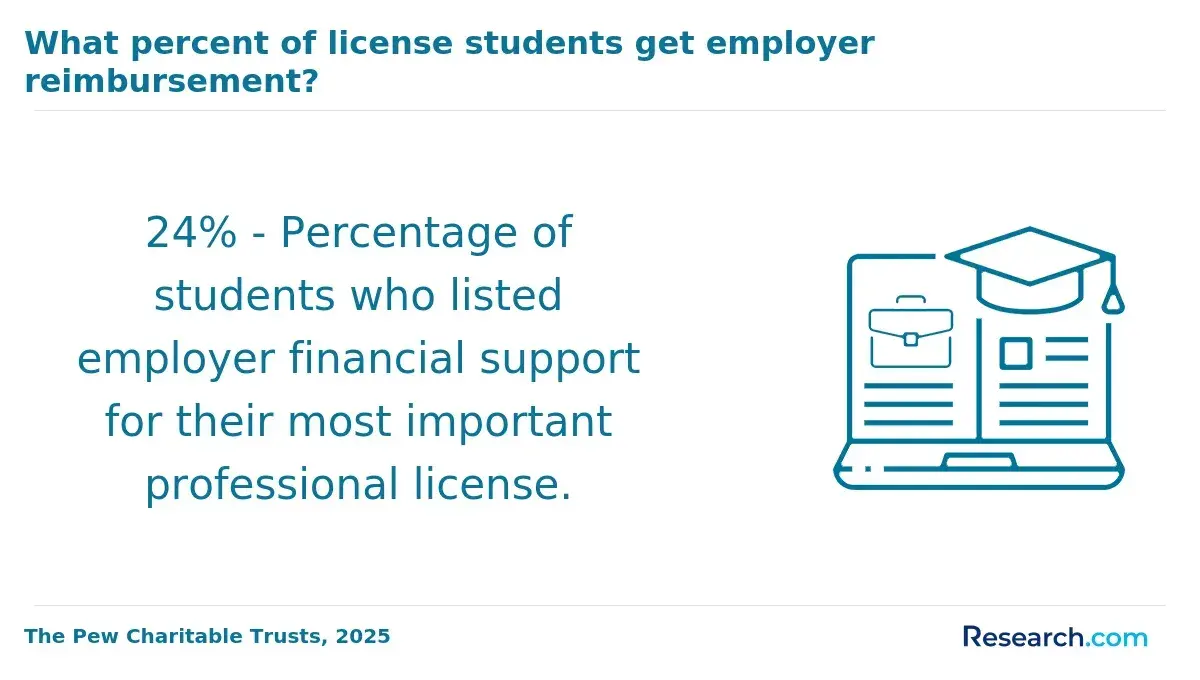
Financially, employer tuition reimbursement frequently offsets most costs when nurses pursue leadership-oriented BSN degrees, making advanced education more accessible without substantial personal expense. This tuition support aligns with workforce development priorities favoring candidates prepared for management positions within critical care environments.
Real-world application highlights that knowledge in advanced pathophysiology and pharmacology enhances ICU nurses' ability to interpret dynamic patient data and coordinate rapid care adjustments. Additionally, training in healthcare ethics and legal considerations prepares nurses to address the nuanced advocacy challenges inherent in critical care contexts.
Practical tradeoffs emerge when evaluating program curricula that lack project management or healthcare economics elements-key skills necessary to manage budgets, resources, and operational logistics effectively. Without these, nurses risk plateauing despite clinical expertise.
Candidates should also weigh program delivery methods carefully: rigid class schedules can conflict with variable shift work typical in ICUs. Online or hybrid formats with competency-based progress provide the needed flexibility to integrate learning with demanding clinical roles.
How long do RN to BSN programs typically take and what schedules suit ICU nurses?
Navigating timelines for RN to BSN programs requires strategic consideration of workload, clinical demands, and career positioning. ICU nurses working irregular shifts face unique challenges: accelerated tracks demanding 15+ credit hours per semester rarely fit alongside intensive clinical responsibilities. Instead, part-time options offering 6-9 credits per semester enable steady progress without compromising patient care or personal well-being.
Flexible scheduling, especially asynchronous online coursework, is essential for ICU nurses managing rotating or weekend shifts. Programs that structure modular study periods during off-shift windows help mitigate burnout risk while maintaining clinical proficiency.
Career impact hinges on completing the degree in under two years, balancing immediate role applicability with longer-term leadership opportunities. Employers increasingly expect BSN credentials in ICU leadership, making timeline choices critical. Financially, BSN-prepared nurses earn $3,000 to $8,000 more annually than ADN counterparts, enhancing cumulative career earnings.
Key practical factors include:
- Prior credits and transfer policies affecting duration and cost
- Program accreditation ensuring clinical credit recognition and employer acceptance
- Support services offering tailored advising for shift-working nurses
- Alignment with professional goals such as specialist certification or management roles
The interplay between schedule flexibility, program rigor, and employer expectations shapes viable RN to BSN pathways for ICU nurses seeking to advance without sacrificing clinical engagement or income trajectory.
What accreditation and state board approvals should ICU nurses verify for RN to BSN programs?
Choosing RN to BSN programs without both national accreditation and state board approval presents tangible risks that directly influence nurses' career trajectories. Most importantly, programs lacking CCNE or ACEN accreditation-recognized by the U.S. Department of Education-may disqualify graduates from federal financial aid and often trigger employer skepticism, particularly in Magnet hospitals where academic rigor correlates with leadership trustworthiness.
State board approval is equally consequential. Take New York's "BSN in 10" mandate as an example: ICU nurses licensed after 2017 must complete a BSN within ten years. Selecting programs not approved by New York's nursing board risks delayed or denied credit transfer, complicating licensure compliance and restricting eligibility for promotion within hospital systems bound to state standards.
Beyond regulatory compliance, program verification shapes clinical placement prospects. Hands-on experience gained through approved curricula directly impacts preparedness for management roles in high-acuity environments. Employers prioritize candidates from accredited and state-approved programs as these credentials serve as proxies for validated knowledge and leadership readiness.
Prospective students should consult state nurse board databases alongside CCNE and ACEN directories to confirm program legitimacy. This dual verification process ensures alignment with evolving licensure requirements and optimizes access to nurse manager and director positions in competitive metropolitan health systems.
What are the tuition costs, financial aid options, and employer tuition benefits for RN to BSN students?
Tuition for RN to BSN programs varies significantly, typically between $5,000 and $25,000 depending on the institution's public or private status. Community colleges and state schools often fall between $5,000 and $10,000, while private or out-of-state options hike costs closer to $20,000-$25,000. For experienced ICU nurses, the optimal choice often balances cost with the ability to complete the degree rapidly-many accelerated RN to BSN pathways enable finishing upper-division courses in as little as 12 months, reducing time away from work and lost earnings.
Financial aid options exist but rarely cover full costs, requiring proactive and diversified planning. Common sources include Federal Pell Grants, Direct Loans, and state-specific scholarships targeting BSN students, though Pell Grants typically apply only to part-time or initial undergrad enrollment. Merit-based scholarships aimed at clinical expertise or accelerated progress may be available but are limited.
Employer tuition reimbursement typically offers the largest financial relief. Hospitals and healthcare systems often cover 50-100% of tuition contingent on continued employment and performance benchmarks post-graduation. For ICU nurses in urban centers, this can reduce out-of-pocket expenses to under $3,000, markedly improving value. Nurses in smaller or rural facilities may find fewer employer benefits, emphasizing the need to verify partnerships and reimbursement agreements before committing.
- Prioritize programs aligned with regional healthcare employers or documented tuition partnerships
- Consider the tradeoff between program speed, cost, and employer benefit eligibility
- Plan funding strategies with multiple sources due to limited full tuition coverage
What leadership-focused career paths and job titles can RN to BSN ICU nurses pursue?
Pursuing leadership roles after completing an RN to BSN program in ICU nursing requires balancing clinical expertise with administrative capability. Positions such as ICU nurse manager, clinical nurse leader (CNL), and nurse educator demand not only hands-on intensive care experience but also skills in management, communication, and project oversight. For example, ICU nurse managers spend significant time on staffing and budgeting, which can reduce direct patient care time-a tradeoff some nurses find challenging.
Certification like CCRN after one to two years in ICU significantly enhances leadership prospects. Data shows CCRN-certified critical care nurses are 25% more likely to attain leadership roles within three years, emphasizing that academic credentials alone are insufficient without demonstrated specialized competence.
Effective leadership from an RN to BSN graduate also depends on targeted coursework and practicum experiences that develop skills in evidence-based practice and quality improvement. Employers expect BSN-prepared nurses to produce measurable outcomes, such as improved patient safety or team efficiency, which often requires real project management exposure within critical care units.
Those without formal leadership experience should strategically select programs offering leadership-focused capstones aligned with ICU practice, while preparing to manage educational demands alongside unpredictable shift schedules. Combining CCRN certification with a BSN credential builds credibility and opens a clearer pathway toward roles where clinical insight must directly inform unit-wide performance improvements.
What salary increases and long-term job outlook can ICU nurses expect after earning an RN to BSN?
ICU nurses with a BSN credential can expect a tangible financial uplift of 10% to 20% above the salary of RN-only counterparts, with median annual wages ranging from $85,000 to $95,000 versus $75,000 to $85,000 for those without this degree. This salary advantage is not uniform; it varies based on regional labor demand and employer size, emphasizing how geographic and institutional context shapes compensation.
From a workforce perspective, BSN-prepared ICU nurses gain access to roles beyond bedside care, such as nurse managers and clinical leaders. Projected registered nurse employment growth of 12% through 2032 predominantly benefits those with advanced preparation, given ICU units' preference for BSN holders in leadership and quality improvement positions.
Tuition costs for online RN to BSN programs range widely, from $4,000 to $25,000, affecting the speed at which salary increases offset educational investments. For example, a public program priced at $5,000 paired with an annual $12,000 salary jump yields a quicker break-even point than expensive private options. This tradeoff requires nurses to evaluate tuition carefully against long-term salary gain and career trajectory.
Employers increasingly favor BSN nurses who combine clinical expertise with management skills, especially in complex ICU environments where accountability and compliance drive hiring and promotion decisions. Thus, programs emphasizing both clinical and leadership development align better with employer priorities and career mobility.
Other Things You Should Know About RN to BSN Programs
Yes. Some RN to BSN programs grant prior-learning or portfolio credit for recognized certifications like CCRN, but the policy varies by school. Many programs cap transfer and prior-learning credit at 30 to 45 semester hours, and the final degree still usually requires 120 total credits.
Some RN to BSN programs waive or reduce practicum hours for nurses with verified experience, while others require updated clinical practice regardless of prior ICU experience. This can affect program length and scheduling flexibility. Nurses should prioritize programs that recognize their clinical background to avoid redundant practicum requirements that add time without corresponding benefit to leadership skill acquisition.
Accelerated and competency-based RN to BSN programs are gaining acceptance but employer recognition varies depending on program accreditation and reputation. Employers often scrutinize how well these programs integrate leadership and evidence-based practice, which influence perceived preparedness for management roles. Choosing a program with solid clinical leadership content and respected accreditation improves outcomes; otherwise, accelerated paths risk being seen as less thorough despite faster completion.
RN to BSN degrees increase eligibility for leadership roles by meeting employer educational requirements but do not guarantee promotion without demonstrated leadership skills and clinical competence. Programs that emphasize practical leadership projects and decision-making simulations provide better preparation for advancement. Nurses should prioritize RN to BSN paths that incorporate applied leadership development over purely theoretical curricula to maximize promotion potential.
References
- Nursing Career Paths: From Entry-Level to Leadership (Complete Guide) https://www.bosmedicalstaffing.com/2025/05/12/nursing-career-paths-from-entry-level-to-leadership-complete-guide/
- How to Get Into Nursing School: Requirements for Prospective Students https://credenzahealth.com/career-advice/nursing-school-requirements-for-prospective-students
- RN to BSN Guide | Take the Next Big Step in Your Career https://www.sumnercollege.edu/blog/rn-BSN-guide-career/
- How to Fund Your RN to BSN: A Guide to Financial Aid, Scholarships, & Costs https://www.chamberlain.edu/blog/how-to-fund-your-rn-to-BSN
- Nursing Workforce Fact Sheet https://www.aacnnursing.org/news-data/fact-sheets/nursing-workforce-fact-sheet
- ICU Nurse Salary: Earnings, Factors, and Job Benefits https://betternurse.org/icu-nurse-salary/
- How Much Can I Earn With a BSN? https://www.allnursingschools.com/BSN/salary/
- What’s the Deal with Accreditation? https://nursingcas.org/resources-for-current-schools/whats-the-deal-with-accreditation
- Alternative jobs for nurses: 11 derivative nursing jobs in 2026 https://www.sermo.com/resources/nurse-alternative-careers/
- Top 30 Best Online RN to BSN Programs - Healthcare Management Degree Guide https://www.healthcare-management-degree.net/best/online-rn-to-BSN-programs/