2027 Best Online RN to BSN Programs With Strong Career Services

Co-Founder and Chief Data Scientist
Registered nurses aiming to advance their careers often face a tough dilemma: balancing demanding work schedules with the need for accessible, credible education that enhances employability. The National Center for Education Statistics reports a 22% increase in adult enrollment in online nursing programs since 2023, emphasizing a shift toward flexible learning models tailored for working professionals. This trend signals growing employer expectations for BSN credentials delivered without career disruption, yet many programs lack robust career services critical for navigating hiring complexities and maximizing post-graduation opportunities. This article evaluates top online RN to BSN programs emphasizing strong career support to help candidates make informed choices aligned with their professional goals.
Key Things You Should Know
- Employers increasingly prioritize RN to BSN graduates with integrated career services, as BLS 2024 data shows 18% faster wage growth for nurses leveraging such programs versus non-service graduates, amplifying placement impact.
- A critical tradeoff exists between program duration and career advancement speed, with 68% of surveyed RNs citing extended time-to-degree as a barrier, yet faster completions often compromise clinical practicum depth, per CCNE findings.
- State licensing boards' rising BSN-preferred mandates, seen in 35+ states by mid-2025 via NCSBN reports, intensify access and cost pressures, as students must weigh expedited BSN attainment against tuition inflation averaging 5.3% annually nationwide.
What makes the best online RN to BSN programs with strong career services?
Programs offering the best online RN to BSN programs with career development support differentiate themselves by tailoring job placement services to specific healthcare employment niches. For instance, graduates aiming for leadership roles in hospitals must receive coaching on articulating management competencies and networking with nursing administrators, whereas those targeting community health roles require focused support on public health credentials and localized outreach. The absence of these nuanced career services can leave graduates ill-prepared for competitive hiring processes, increasing the risk of underemployment or extended job searches.
The tangible workforce impact is clear: median salaries for online RN to BSN graduates reach approximately $97,743, significantly outpacing median tuition costs near $8,658. Effective career services thus represent a strategic investment, facilitating compliance with licensure updates and integration of BSN credentials into continuing education pathways. Beyond advising, strong programs leverage alumni networks and partnerships with healthcare employers to provide exclusive internships and job leads.
Addressing geographical and logistical challenges, top online RN to BSN programs offering strong job placement services often incorporate virtual career fairs and telehealth staffing resources. They also monitor graduate employment outcomes over time, enabling continuous refinement of career supports to maintain relevance and maximize return on investment for different student profiles. For detailed comparisons, see WGU vs Chamberlain.
How do online RN to BSN programs compare with campus-based options for working RNs?
Choosing between online and campus-based RN to BSN programs hinges on balancing schedule flexibility against localized career networking opportunities. For working nurses, online RN to BSN programs flexibility for working nurses often means managing coursework amid irregular shifts and clinical demands, which lessens financial strain by allowing continued employment. However, this flexibility can come at the expense of direct, in-person interactions that provide tangible employer connections through clinical placements and career fairs on campus.
Both delivery methods require proactive engagement with career services to optimize employment prospects post-graduation. For instance, nurses in rural hospitals may gain greater advantage from virtual career counseling tailored to their regional labor market, while those near metropolitan centers might better leverage face-to-face networking events. A significant metric to consider is a reported 369% return on investment (ROI) from a leading online program, illustrating how integrated career services effectively enhance financial outcomes for graduates.
Prospective students should thoroughly assess career service offerings, job placement statistics, and employer partnerships that directly influence long-term employability and advancement. Additionally, evaluating accelerated options can be beneficial; resources on accelerated nursing programs near me provide insight into faster pathways without sacrificing rigor.
Ultimately, the decision must weigh the tangible career services benefits of online versus campus-based RN to BSN programs within the context of personal work demands, geographic location, and workforce dynamics.
What accreditation and state licensure requirements must RN to BSN programs meet?
RN to BSN program accreditation standards in the United States shape licensure and employment outcomes more than tuition costs alone. The Commission on Collegiate Nursing Education (CCNE) and the Accreditation Commission for Education in Nursing (ACEN) serve as the two main bodies validating program quality, with state nursing boards typically requiring one of these accreditations for licensure eligibility. Nurses who pursue online RN to BSN programs must carefully verify accreditation status and align with their state's specific licensure demands to avoid career setbacks.
For instance, California mandates that programs meet standards set by its Board of Registered Nursing, often including verified clinical practicum hours within the state. This requirement exemplifies how localized criteria can restrict the portability of credentials acquired from out-of-state or less rigorous programs. Such nuances in state licensure requirements for online RN to BSN programs demand a strategic approach from students, especially those targeting specialized roles or geographic relocation.
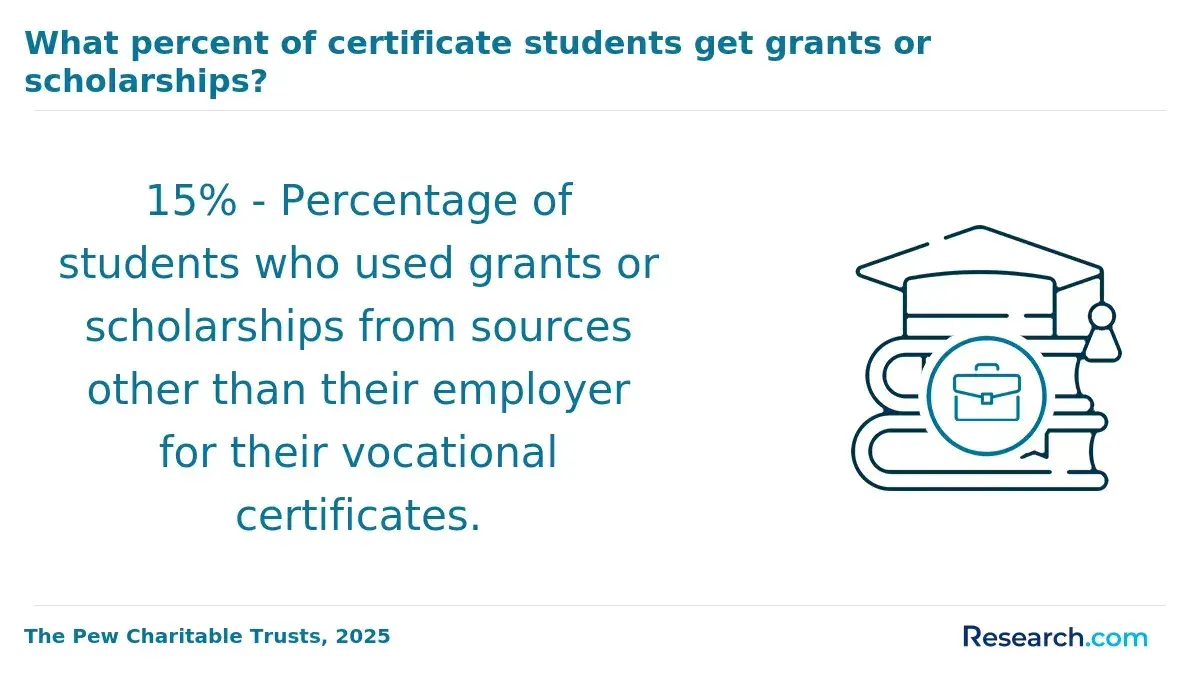
Cost disparities among online RN to BSN offerings are significant, ranging broadly from $6,480 to $37,890. Evaluating programs solely by price misses critical factors like federal financial aid eligibility, career services support, and alignment with state licensure compliance, all of which influence long-term career momentum. Employers favor BSN-prepared nurses from fully accredited programs, particularly when quality assurance correlates with patient outcomes and licensure legitimacy.
Prospective students should consult state nursing board resources and consider program specifics before enrolling to minimize retraining or licensure delays. Those assessing pathways may also explore easy nursing programs to get into as part of broader research on accessible and compliant educational options.
What are the typical admission requirements for online RN to BSN programs?
Eligibility criteria for enrolling in accredited online RN to BSN programs in the United States hinge predominantly on verifying an active, unrestricted RN license issued by a state board of nursing. Candidates must also present an associate degree in nursing (ADN) or a nursing diploma from an accredited source, supported by transcripts demonstrating a cumulative GPA generally between 2.5 and 3.0. This threshold signals readiness for upper-division coursework and filters out candidates less likely to succeed academically.
Programs increasingly require evidence of clinical experience or employment endorsements to assess applied competencies alongside academic qualifications. This reflects employers' prioritization of practical skills, which can differentiate candidates in a competitive job market.
Applicants should anticipate completing prerequisite general education credits-such as English composition and statistics-critical for the analytical and communication demands of nursing roles. International students face additional steps including English proficiency testing and credential evaluation, potentially extending application timelines.
Financial planning is vital given tuition ranges from $7,000 to $25,000 across programs. Navigating admissions concurrently with FAFSA filings and employer tuition reimbursement paperwork adds complexity, often necessitating early submission of transcripts, background checks, and technology competency verifications inherent to remote learning.
Prospective students evaluating these programs must weigh institutional requirements alongside workforce implications like varying salaries by geography, for instance through research on DNP salary by state, thereby aligning educational investment with career mobility and earning potential.
How long do online RN to BSN programs take and what do they cost?
The timeline for online RN to BSN programs typically ranges from 12 to 18 months full-time, though extending to 24 months part-time is common for working nurses balancing professional demands. This compressed curriculum leverages prior nursing credentials and clinical experience, focusing heavily on upper-division coursework tailored to bridge practical skills with academic foundations. Cost variability is significant, with tuition spanning roughly $6,000 to over $25,000 depending on public versus private status, residency considerations, and ancillary fees.
Decisions around program choice hinge on multiple factors beyond price: opportunity cost from reduced work hours, availability of employer tuition assistance, and the strength of career services integrated into the program. Nurses within hospital systems pursuing leadership roles often prioritize accelerated options that align with shift work, while those in rural or outpatient roles may benefit more from cost-effective public institutions complemented by virtual job placement support.
Labor market data signals a steady 6% growth in the RN workforce over a decade, translating to approximately 193,100 openings yearly. Completing a program efficiently is pivotal to capitalizing on this demand, particularly as employers weigh program duration as a proxy for commitment and readiness. Graduates with shorter completion times paired with targeted career resources tend to experience quicker employment transitions and enhanced wage prospects in competitive healthcare environments.
What core courses and clinical experiences are included in RN to BSN curricula?
RN to BSN programs shift the nursing skillset toward systemic healthcare challenges beyond traditional bedside care, emphasizing clinical judgment, leadership, and population health management. Coursework typically covers nursing research, healthcare policy, ethics, and public health, aligning with employer demands for nurses competent in evidence-based practice and interdisciplinary roles.
Clinical practicums, often requiring 30-45 hours, occur in varied community settings rather than acute care, reflecting the sector's move toward outpatient and preventive models. For example, nurses in primary care utilize knowledge from community health courses to design chronic disease monitoring initiatives, a skillset critical for care coordination and patient education roles prioritized by employers.
Securing clinical placements presents logistical challenges, especially for fully online students, as programs must meet state board and employer standards. Large online providers with substantial virtual career services demonstrate how institutional investment in career support can offset this barrier, facilitating networking and supervised clinical experiences essential for job readiness.
Prospective students must evaluate whether a program's practicum flexibility and clinical relevance align with their career intentions and regulatory recognition. Strong institutional partnerships and accessible online career resources significantly influence employment outcomes and sustainable career trajectories in nursing.
How do RN to BSN career services support internships, networking, and job placement?
Career services within RN to BSN programs significantly influence employment outcomes by connecting students with healthcare settings tailored to their specialization goals, such as oncology or community health. This targeted clinical placement is critical, as generic rotations rarely meet employer expectations for focused experience.
For example, a nurse transitioning into oncology leverages advisors to secure internships specifically in oncology departments, a distinction that can differentiate candidates in competitive job markets.
Career counseling also harnesses alumni networks and industry relationships to enable purposeful networking through virtual events and conferences, particularly within expanding sectors like outpatient care. Such access is vital for timely job offers and relevant professional connections.
Job placement support goes beyond listings, including resume optimization and interview preparation aligned with leadership roles in nursing. Data show that BSN-prepared nurses earn a median income of approximately $68,602, reflecting the value of strategic career positioning that these services help facilitate.
Additional guidance addresses the practical challenge of balancing work, study, and licensure maintenance, reducing risks of income loss or regression to entry-level roles. Notably, integrated career services correlate with up to a 30% decrease in time-to-employment, offering a measurable advantage in workforce transitions according to governmental workforce research.
What nursing roles and advancement opportunities can a BSN open for registered nurses?
Employers in healthcare increasingly require a BSN for roles that extend beyond bedside care into management, policy, and quality assurance. For instance, hospitals hiring nurse managers prioritize candidates with proven leadership and analytical skills cultivated through BSN curricula. Without this degree, registered nurses face limited upward mobility into positions that command higher responsibility and compensation. In practical terms, an RN aiming to become a clinical nurse leader or public health nurse will find career pathways effectively gated by the BSN credential.
The move from associate to bachelor's level education also unlocks access to specialized sectors such as informatics, nurse education, and research, with a labor market premium typically ranging between 15% and 30% in salaries. However, pursuing an RN to BSN program involves balancing ongoing professional duties with academic demands, a challenge that underscores the value of flexible, online program designs offering robust career support and mentorship networks.
Programs with high retention and graduation rates also provide graduates with access to professional connections that expedite placement in advanced nursing roles. Recruiters favor BSN-prepared nurses for their enhanced critical thinking and communication capabilities, making this degree a practical threshold for those targeting leadership or specialty positions rather than purely clinical bedside roles.
What salary increases and earning potential can RNs expect after completing a BSN?
Nurses holding a BSN see a measurable salary advantage, with immediate increases averaging 10% to 15%, equating to roughly $6,000 to $9,000 more annually. This uplift varies by geographic location and the complexity of the clinical environment; metropolitan hospitals and specialty units such as ICUs prioritize BSN credentials, resulting in higher pay premiums.
Long-term financial gains arise as BSN-prepared nurses access roles such as clinical supervisors, case managers, or community health leaders, often earning 20%-30% above those without a BSN. For instance, clinical nurse supervisors with a BSN typically make between $85,000 and $95,000, while counterparts lacking a BSN average around $70,000, reflecting employer investment tied directly to advanced qualifications.
The cost of online rn to bsn programs, averaging $5,325 per six-month term, presents a practical investment if balanced carefully against work obligations. These programs support nurses continuing employment while progressing academically, boosting chances for promotions or lateral moves mid-program.
Candidates must weigh non-tuition expenses-textbooks, technology fees-and institutional policies that might delay salary adjustments until degree completion, which can temporarily limit financial returns despite enhanced skills.
How can nurses evaluate and choose a reputable online RN to BSN program?
Earning a BSN after RN licensure only holds measurable value when it translates into quantifiable improvements in employability and pay. Programs tied to at least a 10% salary increase within 12 months post-graduation warrant serious consideration, as they reflect employer valuation of the degree. Graduates must access transparent salary and outcome data from reliable sources such as the National Center for Education Statistics to avoid investing time and money into programs with unclear returns.
Career services offered by RN to BSN programs materially influence job market transitions. Services that include clinical placement support, employer networking events, personalized career counseling, and resume critique reduce friction in securing advanced nursing roles. These resources often integrate tutoring and digital library access to bridge academic demands with workforce expectations.
Practical tradeoffs exist based on geography and career goals. For example, nurses in rural areas may prioritize robust virtual support and extensive internship networks over brand recognition. In contrast, urban nurses aiming for competitive hospital systems benefit more from programs with corporate partnerships and demonstrated alumni placement success.
Students should assess the longevity and scope of career support, including post-degree certification and specialty tracking, as sustained professional development impacts long-term advancement opportunities.
Other Things You Should Know About RN to BSN Programs
Employer recognition varies widely and tends to favor programs with strong regional or national accreditation and established networks within healthcare systems. Reputation can impact hiring and internal promotion opportunities; graduates of less recognized programs might face more skepticism or limited networking. Candidates should weigh program reputation alongside curriculum relevance and career services, prioritizing schools with proven employer engagement and documented graduate employment rates.
Online RN to BSN programs typically demand 12 to 15 hours per week, including reading, assignments, and clinical components. Balancing this with full-time work requires disciplined time management and prioritizing programs that offer realistic pacing without extensive sudden deadlines. Nurses working overtime or multiple jobs should consider part-time enrollment options or programs with rolling submissions to mitigate burnout and ensure steady progress.
Remote programs often arrange local clinical placements, but quality varies based on the school's network and regional healthcare resources. Limited or poorly supervised clinical sites could reduce hands-on learning and professional connections. When selecting a program, prioritize those with established local clinical partners and transparent support for placement coordination to ensure clinical experiences meet employer expectations and enrich practical skills.
References
- Sign Up for the Journal of Nursing. https://www.asrn.org/journal-nursing/2269-the-most-lucrative-jobs-for-nurses-with-bsns.html
- Top-Rated Online RN to BSN Program | NMU Global Campus https://online.nmu.edu/top-rated-online-rn-to-bsn-in-michigan/
- Nursing School Accreditation https://nursinglicensemap.com/nursing-degrees/nursing-accreditation/
- Why RN to BSN Programs Online Could Be Your Next Best Career Move – FRESHRN https://www.freshrn.com/rn-to-bsn-programs-online/
- Getting Your BSN: Between Online, On-Campus and Hybrid Programs, What Is the Right Option For You? https://nightingale.edu/blog/online-or-on-campus-bsn.html
- What Can You Do With a BSN? Careers, Salary, and Next Steps https://stmary.edu/nursing-accelerated/what-can-you-do-with-a-bsn.html
- Registered Nurse Salary Guide | University of Bridgeport https://www.bridgeport.edu/news/registered-nurse-salary-guide/
- How Much Can I Earn With a BSN? https://www.allnursingschools.com/bsn/salary/
- Best Online RN-to-BSN Programs - Better Nurse https://betternurse.org/rn-to-bsn-online-programs/
- The 30 Best Online RN to BSN Programs - RNtoMSN.org https://www.rntomsn.org/rn-to-bsn-online/