2027 Online Forensic Science Degrees for Students Who Want Crime Scene Investigator Roles

Co-Founder and Chief Data Scientist
Crime scene investigators often face the urgent need to update their qualifications amid erratic work hours and location constraints. This challenge is intensified by employers prioritizing candidates with accredited degrees and practical lab experience, yet many traditional programs lack flexibility for working professionals. Recent data from the National Center for Education Statistics reveals a 15% increase in adult enrollment in online STEM-related degrees since 2022, signaling a shift toward accessible education paths that accommodate career demands without sacrificing rigor.
Such trends fundamentally reshape how prospective crime scene investigators approach credentialing and skill acquisition. This article examines online forensic science degrees that align with these realities, offering strategic guidance for students seeking effective, career-relevant education that supports entry or advancement as crime scene investigators.
Key Things You Should Know
- Online forensic science degrees show a 12% higher graduation delay rate compared to on-campus programs due to limited lab access, forcing students to balance extended completion time against practical skill gaps, per 2024 National Center for Education Statistics data.
- Employers increasingly demand forensic graduates with verified hands-on lab experience, with 68% of crime labs prioritizing candidates from hybrid or in-person programs, signaling remote-only degrees may reduce initial employment competitiveness, according to the 2024 FBI workforce report.
- Cost disparities are significant: online forensic science programs average 18% lower tuition but often omit crucial supplementary fees for virtual simulation software and certification prep, influencing net affordability and candidate preparedness in a tightening forensic job market, as analyzed by the Bureau of Labor Statistics in 2024.
What is an online forensic science degree and how does it prepare crime scene investigators?
An online forensic science degree programs for crime scene investigators must go beyond theory to incorporate realistic, scenario-based training that mirrors time-sensitive, diverse evidence processing challenges. Crime scene investigators routinely face complex decisions under pressure; online programs that integrate virtual labs with procedural rigor help build the critical skills needed for legally sound evidence handling.
Graduates who lack direct field experience risk falling short despite comprehensive virtual coursework. This gap underscores the necessity to supplement studies with internships or in-person training to master hands-on techniques and investigative workflows. Employers prioritize candidates who demonstrate both analytical mastery and applied competence, especially in contamination prevention, chain of custody protocols, and multidisciplinary evidence analysis.
- Proficiency in laboratory methods for analyzing biological fluids, fibers, and digital data
- Accurate documentation and testimony preparation reflecting legal standards
- Adaptability to varied forensic environments, from urban crime scenes to remote disaster sites
The field's growth is reflected in the nearly 2,900 annual openings for forensic science technicians projected from 2024 to 2034 by the U.S. Bureau of Labor Statistics, indicating sustained demand across public and private sectors. Individuals evaluating how an online forensic science degree prepares students for crime scene investigation careers should weigh program affiliations with practicum opportunities carefully to ensure workforce readiness. Students can also research forensic science career pathways for additional insights.
What education level and major do you need to become a crime scene investigator?
A bachelor's degree remains the baseline educational requirement for crime scene investigator education requirements in the United States, reflecting the technical demands of the profession. Majors in forensic science, criminal justice with forensic coursework, or related STEM fields are best aligned with employer expectations. Candidates relying on associate degrees or certificates often find themselves limited to entry-level tasks, delaying full CSI integration.
A forensic science degree combines biology, chemistry, physics, and legal training essential for crime scene analysis and courtroom testimony. Employers clearly differentiate between degrees offering supervised fieldwork and lab components versus theory-only programs, often discounting the latter. Criminal justice degrees without forensic emphasis usually require supplemental certifications or practical experience to meet hiring standards.
The growing availability of online and hybrid forensic science programs offers options for working professionals, but these must include hands-on practicums to maintain credibility. More than 200 colleges now provide these pathways, reflecting the profession's evolving acceptance of nontraditional formats. Practical tradeoffs include regional certification mandates and whether departments require candidates to be sworn officers, further influencing the choice of educational route.
Understanding the best majors for becoming a crime scene investigator in the US involves weighing employer priorities for scientific rigor against logistical constraints like time and cost. For instance, federal roles often prefer advanced degrees or forensic certifications beyond a bachelor's.
Consider broader workforce implications, such as comparing salary expectations across forensic roles; resources clarifying how much do autopsy techs make offer useful benchmarks to frame compensation in relation to required education and training.
How do online forensic science programs compare to campus-based programs for CSI careers?
The practical gap between online and campus forensic science programs centers on the acquisition of hands-on skills essential for crime scene investigator (CSI) careers. While online forensic science degree benefits for crime scene investigator training include flexible access to core theoretical content, they fall short in delivering the mandatory laboratory and fieldwork experiences that underlie courtroom credibility and evidence integrity. The U.S. Bureau of Labor Statistics projects 13% growth in forensic science roles from 2024 to 2034, emphasizing the importance of tangible practice within these programs.
Campus degrees routinely integrate controlled lab environments and crime scene simulations, enabling students to develop mastery over evidence collection, analysis, and chain-of-custody procedures under expert supervision. By contrast, online students must actively secure local internships or partnerships with law enforcement or forensic labs-a challenging prospect in underserved or rural regions-and this practical shortfall can influence employer hiring preferences and salary offers.
Students weighing differences between online and campus forensic science programs for CSI careers should:
- Confirm if the online program requires and verifies local internships versus optional externships
- Explore hybrid models featuring structured lab residencies or intensive on-campus sessions
- Assess regional forensic employment conditions, as employer expectations vary by location
These factors highlight the operational tradeoff: online programs increase accessibility but demand greater self-driven coordination for hands-on work vital to forensic technician readiness. Prospective students can review specialized degree options, including accelerated pathways, by consulting resources such as the best online computer science degree listings, which inform strategic educational choices in related STEM fields.
What accreditation should online forensic science degrees have for CSI roles?
Accreditation is a decisive factor for online forensic science degrees targeted at crime scene investigator careers. Employers and forensic agencies frequently prioritize graduates from programs accredited by the Forensic Science Education Programs Accreditation Commission (FEPAC), as this certification verifies a curriculum rigorously designed to meet operational demands including evidence handling and legal protocols. Without this specialized accreditation, applicants often face restricted access to advanced roles and state certification boards, regardless of broader regional accreditation of their institutions.
Forensic science candidates should weigh the tradeoffs of program selection where employer recognition shapes job prospects and wage potential. Public forensic laboratories commonly require FEPAC-accredited credentials for specialized tasks, reflecting market competition and a median forensic science technician salary of $67,440 with top earners exceeding $107,490. This gap highlights the premium placed on applied knowledge and formal validation in hiring decisions.
In practical terms, accredited programs tend to integrate internships or law enforcement partnerships that provide essential hands-on experience. This real-world exposure is a critical differentiator in hiring and advancement, especially for professionals pivoting into pivotal CSI roles. Candidates seeking robust educational pathways should also consider parallel options such as an online degree in exercise science if practical, multidisciplinary expertise aligns with their broader career strategy.
Regional university accreditation alone does not guarantee quality aligned with forensic science employment standards. Prospective students must confirm that their chosen program explicitly cites FEPAC or an equivalent forensic science accreditation to meet evolving workforce criteria and optimize employability.
What core courses and labs are included in online forensic science curricula?
Online forensic science programs must address a key practical challenge: replicating hands-on skill development crucial for crime scene roles. Core courses focus on forensic biology, chemistry, toxicology, criminalistics, and crime scene investigation techniques, emphasizing analysis of DNA, trace evidence, and chemical substances. The practical labs-covering fingerprint analysis, blood spatter interpretation, and digital forensics-are mostly virtual or coordinated with local partnerships to offset distance learning's inherent physical limitations.
Employers demand graduates who can rigorously follow chain-of-custody procedures, properly document evidence, and prepare courtroom-ready reports. For example, a forensic chemistry lab assignment might involve a virtual analysis of substance samples followed by detailed legal-format documentation. These hybrid approaches balance cost-saving benefits with maintaining forensic rigor, essential since Intelligent.com's 2025 data shows online programs typically reduce annual tuition by about $9,000 compared to traditional schools.
However, prospective students must critically evaluate how each program delivers or substitutes lab components, as deficiencies could hinder eligibility for state certification or weaken employability prospects. Understanding how legal standards and evidence handling are taught alongside technical training will impact workforce readiness and alignment with employer expectations.
- Core curriculum includes forensic biology, chemistry, toxicology, criminalistics, and crime scene techniques
- Programs emphasize chain-of-custody, evidence documentation, and courtroom testimony preparation
- Hybrid labs combine virtual simulations with local collaborations to develop practical skills
- Online tuition savings average $9,000 annually versus brick-and-mortar programs
- Verification of lab delivery methods and legal standards instruction is critical for certification and job market success
How long do online forensic science programs take and what do they cost?
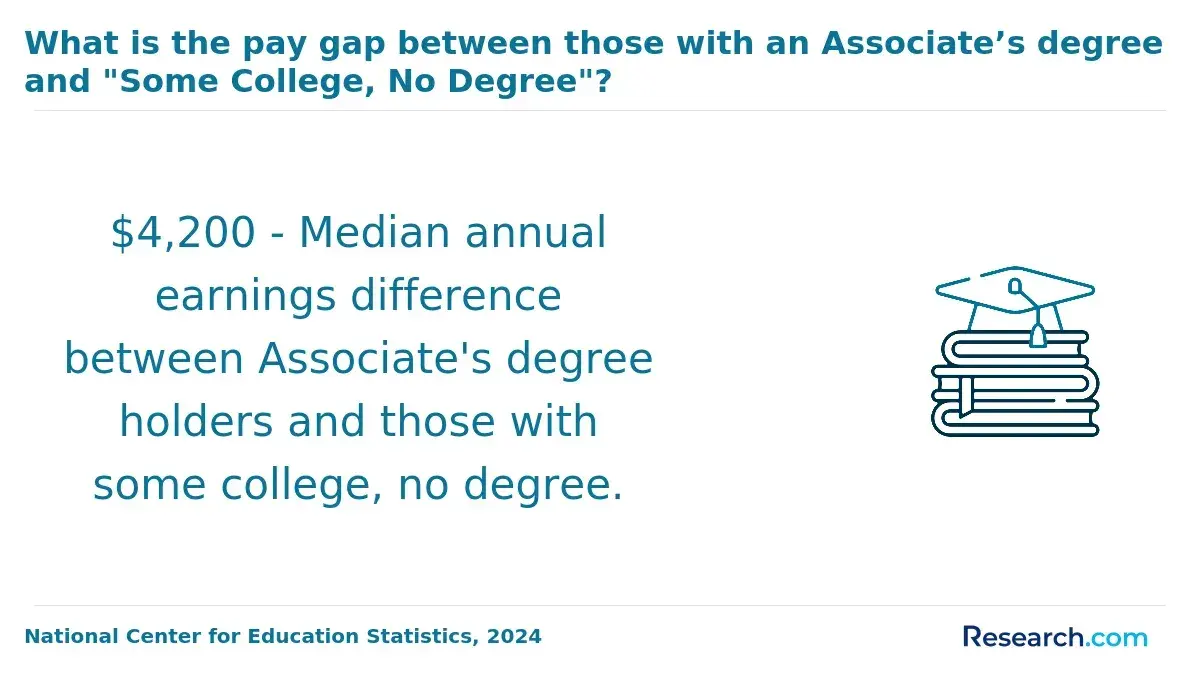
Choosing between associate, bachelor's, or master's online forensic science programs requires weighing duration, cost, and workforce relevance. Associate degrees typically take about two years and cost $10,000 to $25,000, but they often limit students to technician-level roles with less lucrative salary prospects. Bachelor's programs, around four years and costing $30,000 to $70,000, and master's degrees ($20,000 to $50,000) better position students for emerging digital forensic roles that emphasize legal standards, data integrity, and advanced technical skills.
Given the projected 29% job growth for digital forensics careers such as information security analysts-with median salaries near $125,000-investing in a bachelor's or master's degree focused on cyber forensic competencies offers measurable long-term returns compared to shorter programs. However, costs rarely include additional expenses like specialized software, lab kits, or textbooks, which can add hundreds of dollars per course.
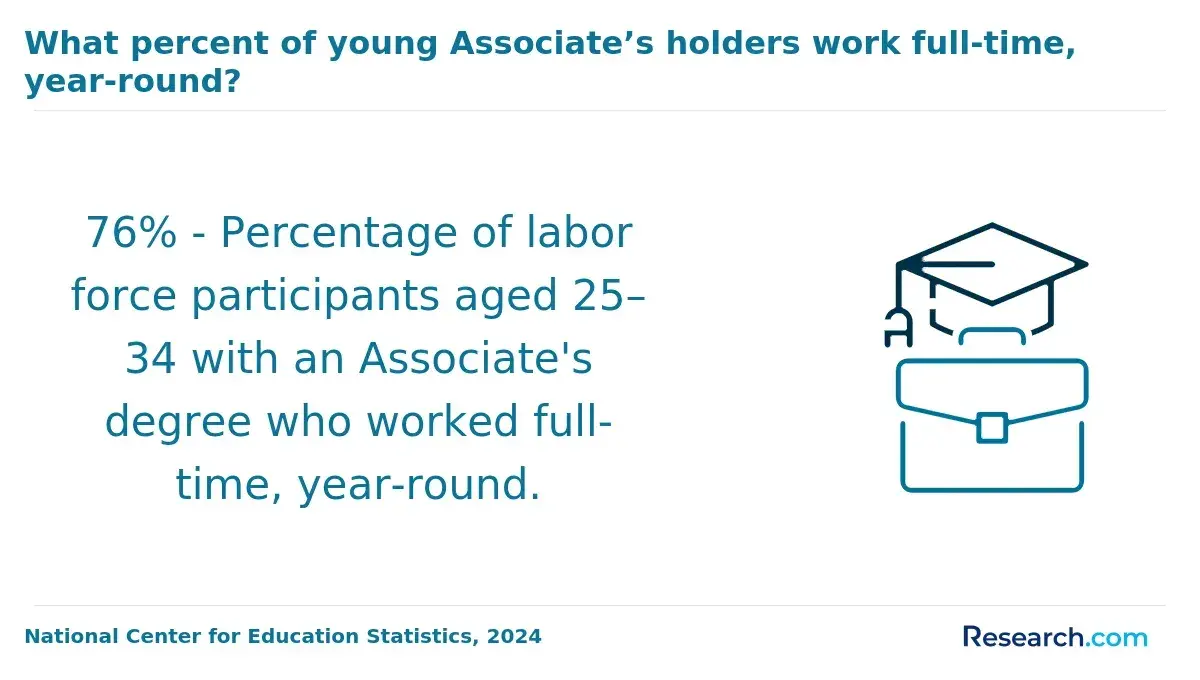
Practical challenges also influence completion timelines: securing remote access to forensic tools, completing supervised internships, and meeting certification requirements often extend study duration. For working professionals, part-time or competency-based online formats allow balancing employment and education but demand disciplined time management to avoid delayed graduation.
- Associate degrees favor quicker entry but limit advancement opportunities.
- Bachelor's and master's degrees align with employer expectations for technical rigor and legal knowledge.
- Additional costs beyond tuition and program pacing merit close attention when planning.
What are typical admissions requirements for online forensic science bachelor's and master's programs?
Forensic science degree requirements reflect a clear divide between entry-level and advanced workforce expectations, with practical competency often outweighing mere credential accumulation. Bachelor's programs tend to admit candidates with a high school diploma or equivalent, a GPA near 2.5 to 3.0, and completion of key science courses like biology and chemistry. However, candidates should note that standardized tests such as the SAT or ACT remain common prerequisites, except in select cases where relevant professional experience substitutes for exam scores. Core science courses remain non-negotiable since employers prioritize candidates with strong foundational knowledge.
Transitioning to a master's level demands significantly higher qualifications and often equals the baseline for competitive roles in crime labs. Typically, applicants need a bachelor's degree in forensic science or a closely related STEM field, a GPA of at least 3.0, GRE scores (depending on the institution), and verifiable lab experience or internships. For example, a candidate without fieldwork must emphasize strong academic research aligned with forensic applications, since hands-on skills are critical in hiring evaluations.
Applicants must also consider how well program curricula align with local and federal credentialing standards, as employers routinely analyze transcripts and syllabi. Missing practical lab skills often require bridging courses prior to degree completion. Admission committees actively seek evidence of analytical rigor, ethical awareness, and articulation of career goals that meet real forensic workforce demands.
What crime scene investigator job titles, duties, and work settings can graduates expect?
Choosing a career as a crime scene investigator (CSI) involves balancing specialized forensic tasks against varied operational demands. Job titles encompass Crime Scene Investigator, Forensic Technician, Evidence Technician, or Latent Print Examiner, with responsibilities ranging from evidence collection and processing to scene reconstruction under strict procedural protocols to maintain legal integrity.
Work environments differ dramatically: a CSI employed by a rural sheriff's office often combines evidence work with investigative support, while urban CSIs tend to focus narrowly on technical duties within larger teams. Federal agencies, medical examiners, and police departments offer distinct resource levels and specialization, influencing required skill sets and daily workflows.
Alternatives within forensic science include digital forensics analysts and laboratory specialists, whose roles align more closely with information security. The projected 29% growth in information security analyst positions between 2024 and 2034, adding over 52,100 jobs reports, indicates stronger labor market expansion in cybercrime-related fields than in traditional CSI roles.
Candidates must also consider the emotional and physical demands of crime scene exposure and irregular hours, which contrast with digital forensic roles offering greater professional mobility. Certification and practical experience via internships or law enforcement collaborations remain essential across the board but weigh differently depending on the chosen forensic pathway.
What salary ranges and job outlook exist for crime scene investigators in the U.S.?
Crime scene investigators (CSIs) face a notably uneven salary landscape shaped by jurisdiction, expertise, and technology adoption. Entry-level roles typically start near $45,000 annually, especially in smaller or resource-limited agencies, while metropolitan or federal positions can exceed $90,000. This disparity often reflects access to specialized digital forensics skills, which increasingly differentiate candidates as agencies invest in advanced evidence analysis tools.
Employment growth for CSIs is projected at approximately 7% over the next decade, mirroring the average for all occupations. Yet this steady demand is coupled with a critical expectation: continual skill upgrades to handle rapidly evolving digital evidence methodologies. Candidates without proficiency in cybercrime investigation or digital forensics risk stagnating in salary and opportunity.
Key practical considerations for aspirants include:
- Commitment to lengthy background checks and irregular hours common in law enforcement roles
- Balancing foundational forensic knowledge with adaptability to technological change
- Understanding that superior technical skills command better pay and career prospects
Market analyses indicate a robust 12.9% annual growth in the global digital forensics sector, suggesting strong demand for tech-savvy professionals. For students evaluating forensic science pathways, programs focused on technical competency may offer more tangible returns, but they must weigh this against the operational realities of the workforce environment.
How can students evaluate and choose a reputable online forensic science program?
Accreditation alignment with recognized regional bodies is a critical gatekeeper for legitimacy and employer acceptance in forensic science education. Programs lacking direct faculty experience in forensic practice or active research often fail to equip students with relevant skills or professional networks. In particular, thorough curricula must include hands-on exposure across core areas like crime scene investigation, toxicology, DNA analysis, and evidence management, avoiding overly theoretical or generic content that hinders job readiness in law enforcement roles.
The forensic science technician labor market, with approximately 17,000 positions and 11-14% projected growth, demands careful consideration of the cost-to-value ratio of programs. Median salaries near $67,440-but exceeding $108,000 for top earners-underscore the necessity for applicants to prioritize programs offering tangible career placement services and employer partnerships. For example, programs that combine virtual lab simulations with real-world internships markedly increase readiness beyond solely academic coursework.
Applicants must also evaluate the presence of employer-recognized certifications like those from the American Board of Criminalistics integrated into curricula or prep offerings. Flexibility in online delivery-balancing asynchronous and synchronous modalities-further impacts feasibility for working students.
Critical metrics such as graduate employment rates and alumni outcomes in forensic roles provide indispensable insight into the return on investment. Tuition transparency and realistic assessment of debt and time-to-degree are essential to mitigate the risks posed by a competitive job market with limited forensic science technician roles nationwide.
Other Things You Should Know About Forensic Science
While biology and chemistry are foundational for many forensic science roles, you can still enter the field with other relevant backgrounds if the online program offers interdisciplinary training. Prioritize programs that provide strong hands-on lab components and allow you to build core competencies in sample analysis and evidence handling. Without a solid science foundation, employers often expect you to complete additional on-the-job training or certifications to ensure technical proficiency.
Internships and practical experiences carry significant weight with employers since crime scene investigation involves applied skills not easily mastered through online study alone. When comparing programs, choose those that require or facilitate internships with local agencies or labs, as this real-world exposure can differentiate you in hiring. Programs lacking these options limit your ability to demonstrate readiness for fieldwork and can extend the timeline before you qualify for full CSI responsibilities.
Yes, many 2027 online forensic science degrees incorporate practical components such as virtual labs, simulations, and case study analyses, allowing aspiring crime scene investigators to gain hands-on experience. Additionally, some programs offer partnerships with local agencies for in-person internships or fieldwork opportunities.
An online forensic science degree should come from a regionally accredited college, and the forensic science program should ideally be aligned with a recognized body such as the Forensic Science Education Programs Accreditation Commission. Many CSI employers also require a bachelor’s degree from an accredited institution before hiring.
References
- Crime Scene Investigator Careers - CSI Salary & Job Outlook https://www.forensicscolleges.com/careers/crime-scene-investigator
- Online Forensic Science Degree https://www.aiuniv.edu/degrees/criminal-justice/bachelors-forensic-science
- European Forensic Institute Bachelor's and Masters programmes https://eufor.eu/programmes/
- Online Degree Programs from GMC Online https://online.gmc.edu/programs/forensic-laboratory-technology/
- Crime Scene Investigator Job Description (Updated 2026 With Examples) | ACTE https://careers.acteonline.org/career/crime-scene-investigator/job-descriptions
- Crime Scene Investigator Salary: How Much Do CSIs Make in 2026? https://policeofficer.org/crime-scene-investigator-salary/
- How to Become a Crime Scene Investigator (CSI Education & Salary) https://www.allcriminaljusticeschools.com/specialties/how-to-become-a-crime-scene-investigator/
- Becoming a Crime Scene Investigator https://www.crime-scene-investigator.net/becomeone.html
- Forensic Science https://icieducation.com/courses/law-justice/forensics/
- International Crime Scene Investigators Association https://www.icsia.org/How-to-become-a-CSI