2027 RN to BSN vs Nurse Educator Path: Which Route Makes More Sense?

Co-Founder and Chief Data Scientist
Balancing full-time nursing responsibilities with advancing credentials creates a high-stakes dilemma for many RNs considering further education. The Bureau of Labor Statistics projects a 6% growth in nurse educator roles through 2032, yet nearly 60% of registered nurses aiming for a BSN seek online or hybrid rn to bsn programs to accommodate their demanding schedules, according to the National Center for Education Statistics.
This trend highlights a growing need to weigh program flexibility against long-term career goals, especially as workforce shortages pressure nurses to choose paths that maximize job stability and leadership opportunities. This article evaluates rn to bsn versus nurse educator paths, guiding readers to a decision aligned with their professional realities and advancement ambitions.
Key Things You Should Know
- Nurses selecting RN to BSN programs face a median 18-month timeline with average tuition exceeding $20,000, creating a substantial upfront cost barrier versus the typically faster, grant-subsidized educator certification tracks, influencing affordability and career timing.
- Healthcare employers increasingly require BSN credentials for frontline roles, citing a 15% patient mortality reduction tied to BSN staffing per a 2024 National Council of State Boards of Nursing report, whereas nurse educator roles depend more on advanced degrees but offer narrower hiring markets.
- Transitioning to nurse educator roles demands advanced education beyond BSN-often requiring master's or doctorate degrees-posing a tradeoff: longer academic investment for prestige versus broader clinical job availability with a BSN alone, shaping strategic career planning.
What are the key differences between the RN to BSN and nurse educator career paths?
Choosing between an RN to BSN program and pursuing nurse educator roles reflects fundamentally different career trajectories and practical outcomes. RN to BSN programs primarily enhance clinical registered nurses by expanding their skills in leadership, research literacy, and evidence-based practice, which broadens employability in acute care, community health, and administrative settings. However, these programs do not inherently direct graduates toward teaching roles. In contrast, nurse educator positions require graduate education-typically a master's in nursing education-aimed at preparing nurses for curriculum design and clinical training leadership within academic or healthcare institutions.
The workforce implications reveal key contrasts: while 46.8% of RNs have a BSN as their highest credential, only 2.7% hold a master's focusing on nursing education. This disparity highlights a larger market demand for BSN-qualified nurses in expanded clinical roles, compared to a more selective, niche market for nurse educators focused on academic and staff development.
For instance, a hospital introducing nurse residency programs will hire nurse educators to develop these initiatives, requiring specific teaching expertise and graduate credentials. Conversely, nurses seeking upward mobility in clinical departments-such as becoming charge nurses or quality improvement leaders-will find immediate benefit in completing an RN to BSN program. The time and cost differ significantly: RN to BSN programs typically take 1 to 2 years part-time, whereas nurse educator pathways require at least 2 additional years for a master's, with fewer job openings mainly in academia or specialized clinical education. Those exploring RN to BSN program career progression differences can evaluate options through resources like RN to BSN online programs that minimize clinical requirements and reduce barriers to degree completion.
Who should pursue an RN to BSN degree versus becoming a nurse educator?
Registered nurses pursuing an RN to BSN degree position themselves for expanded clinical autonomy and leadership roles, meeting rising employer demand in diverse healthcare settings. BSN-prepared RNs earn an average annual salary of $99,000, surpassing many peers, a relevant factor as hospitals increasingly prioritize BSN credentials to meet regulatory and quality benchmarks. This pathway favors those aiming for direct patient care advancement, healthcare management, or integrating research literacy and evidence-based practice into clinical decision-making. For working nurses, flexible RN to BSN programs with shorter completion times offer a practical balance between study and employment.
In contrast, nurses assessing nurse educator career suitability criteria should consider the role's distinct vocation focusing on teaching, curriculum development, and mentorship within academic or healthcare training institutions. Nurse educators earn a median salary of $87,090, lower than BSN nurses, reflecting a more competitive academic labor market and slower wage trajectories. This path suits professionals committed to shaping future nursing workforces rather than immediate clinical advancement.
Decision-making involves tradeoffs such as workforce demand and credentialing trends: metropolitan areas with multiple medical centers often reward BSN-upgraded nurses with more openings and better pay compared to the limited positions for educators. Choosing either route depends on weighing market conditions, personal vocation, and flexibility of educational programs. For nurses looking to continue beyond a BSN, exploring MSN programs online can inform the next strategic credential step.
What education and licensing are required to move from RN to BSN or nurse educator roles?
Advancing from an RN to BSN role generally involves completing a 1-2 year bachelor's degree program designed for practicing nurses, while maintaining an active RN license secured by passing the NCLEX-RN exam. This pathway upgrades clinical skills, leadership abilities, and community health knowledge to meet employer demands, especially given the projected 23% job growth for BSN-prepared nurses from 2024 to 2034. Admission requirements for RN to BSN programs focus on verifying active RN licensure and prior nursing coursework.
The pathway to becoming a nurse educator is more specialized, requiring at least a master's degree in nursing education or a clinical specialty, entailing additional years beyond the BSN. Candidates must navigate nurse educator licensing and certification criteria, which often emphasize teaching proficiency, curriculum design, and relevant clinical teaching credentials. Faculty roles increasingly favor candidates with a Doctor of Nursing Practice (DNP) or PhD, reflecting the academic sector's emphasis on research and leadership.
The practical differences include time investment and role focus: RN to BSN programs allow quicker clinical advancement within about two years, while nurse educator tracks demand longer graduate study and faculty development. For example, an RN aiming for bedside leadership in a hospital will prioritize RN to BSN Programs, whereas those pursuing university faculty positions must commit to graduate education aligned with nurse educator licensing and certification criteria. Those considering a further academic trajectory can explore nursing PhD programs designed to bridge clinical expertise and scholarly research, but should weigh the extended timelines and specialization involved.
How do RN to BSN and nurse educator programs differ in curriculum, clinicals, and skill development?
Choosing between RN to BSN and nurse educator tracks requires weighing distinct professional trajectories defined by curriculum, clinical emphasis, and skill outcomes. RN to BSN programs address broad clinical nursing expansion, emphasizing leadership, community health, and evidence-based practice, translating into roughly 200-300 clinical hours over 6-12 months focused on diverse health settings. In contrast, nurse educator programs reduce direct patient care in favor of teaching practicums, typically requiring 100-150 supervised instructional hours designed to develop curriculum design and educational assessment skills.
Curriculum differences reflect this divergence: RN to BSN coursework deepens knowledge in advanced pathophysiology, healthcare policy, and population health management, supporting roles demanding coordination and interdisciplinary collaboration. Meanwhile, nurse educator programs prioritize adult learning theory and instructional strategies, aligning with accreditation for future academic faculty and staff development roles. This distinction impacts skill development: RN to BSN graduates sharpen critical clinical reasoning and system-level health promotion, whereas nurse educators cultivate mentoring and learner management expertise.
Financially, tuition remains a significant barrier for many prospective students of RN to BSN programs, with 56.5% of directors citing cost as a major enrollment deterrent. RNs often must decide if the broader clinical focus justifies this expense or if investing in educator preparation and potentially graduate-level study better suits their career goals and market prospects. Employers expect BSN-prepared nurses to integrate research into practice effectively, highlighting the practical value of research literacy in RN to BSN curriculum differences and clinical requirements.
For those considering further advancement with reduced clinical hours, exploring MSN to DNP online no clinicals can represent a strategic pivot. This option complements the skill development in nurse educator versus RN to BSN programs by offering a pathway oriented toward leadership and scholarship rather than bedside care.
What are the typical admission requirements for RN to BSN and nurse educator programs?
Choosing between RN to BSN programs and nurse educator pathways involves weighing markedly different commitments and career implications. RN to BSN programs cater to licensed RNs with diplomas or associate degrees seeking faster progression-typically 9 to 24 months-by building on prerequisite coursework in anatomy, microbiology, and statistics plus a 2.5 to 3.0 GPA minimum. This route suits nurses aiming for expanded clinical roles and leadership without extended academic detours.
Contrast this with nurse educator programs, which expect candidates to hold a BSN plus several years of nursing experience. Admissions require deeper documentation, including letters of recommendation and personal statements, due to the program's orientation toward academic teaching roles. Completion spans master's or doctoral degrees plus clinical teaching practicums, often stretching over 6 to 10 years of combined study and practice.
For example, a nurse wanting rapid advancement within hospital settings will find RN to BSN programs align better with employer expectations for licensure and clinical skills, supporting near-term salary gains. Conversely, nurses pursuing faculty or research positions must prepare for lengthy graduate education and teaching experience requirements, which may delay workforce reentry but open distinct academic or leadership opportunities.
How do online RN to BSN and nurse educator programs compare with campus-based options?
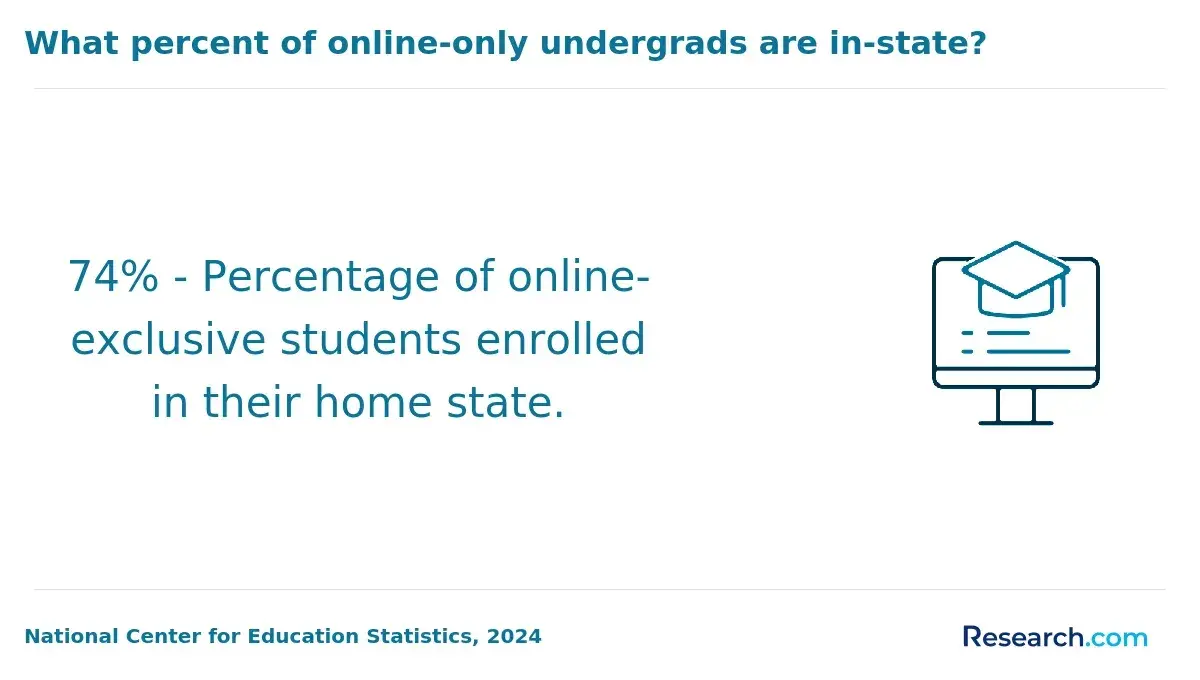
Choosing between online and campus-based RN to BSN programs involves a tradeoff between flexibility and hands-on clinical training that shapes career readiness and employability. Nurses working full-time in hospitals benefit from online programs by maintaining employment while studying remotely, yet this model often reduces direct faculty engagement and clinical mentoring.
Campus-based programs provide structured access to labs and immediate clinical instructor feedback, which better suits learners needing immersive skill development and networking opportunities. This is especially relevant for nurse educator tracks, where face-to-face pedagogical mentorship is critical to mastering instructional methods.
Employers increasingly favor BSN-prepared nurses, correlating a 10% rise in BSN credentials with improved patient safety outcomes like lower mortality and failure-to-rescue rates, as cited in the 2024 National Healthcare Workforce Report. Online programs attempt to bridge clinical hour verification gaps through community health projects and evidence-based coursework, but the lack of onsite practicum oversight remains a limiting factor.
Prospective students should weigh immediate operational convenience against the potential long-term impact on clinical competence and academic preparation, particularly if targeting education roles. Those seeking academic positions often find campus RN to BSN programs better equip them for teaching complexities.
How long do RN to BSN and nurse educator programs take, and what do they cost?
Advancing from RN to BSN programs is often the pragmatic choice for working nurses seeking a balance of speed, cost, and employer expectations. These programs typically require 12 to 18 months full-time, with part-time options extending to 24 months, accommodating those who cannot pause clinical work. Tuition ranges from about $15,000 to $40,000 depending on institution, residency, and delivery format, making this path a relatively accessible investment to meet the growing baseline standard many healthcare employers now require for bedside nursing roles.
In comparison, nurse educator pathways demand substantially longer and more expensive commitments. Pursuing a Master of Science in Nursing with a focus on education generally takes two years full-time and costs $30,000 to $60,000. Doctoral options, such as Doctor of Nursing Practice (DNP) or PhD programs, extend from three to five years and commonly surpass $70,000 in tuition, reflecting the higher specialization in clinical mastery, pedagogy, and research necessary for academic leadership or tenure-track roles.
This tradeoff between time, cost, and career outcome is critical. Consider that roughly 55% of RNs in academic roles report higher job satisfaction than their hospital inpatient counterparts. The nurse educator trajectory offers meaningful qualitative benefits but demands readiness for significant time and financial burdens, plus a pivot away from direct clinical work.
For nurses targeting immediate clinical advancement with efficient return on investment, RN to BSN remains the foundational step. For those aiming to influence nursing education or institutional training, the heavier investment may align with long-term professional goals but requires careful planning of timelines and finances.
What are the salary expectations and earning potential for BSN-prepared nurses and nurse educators?
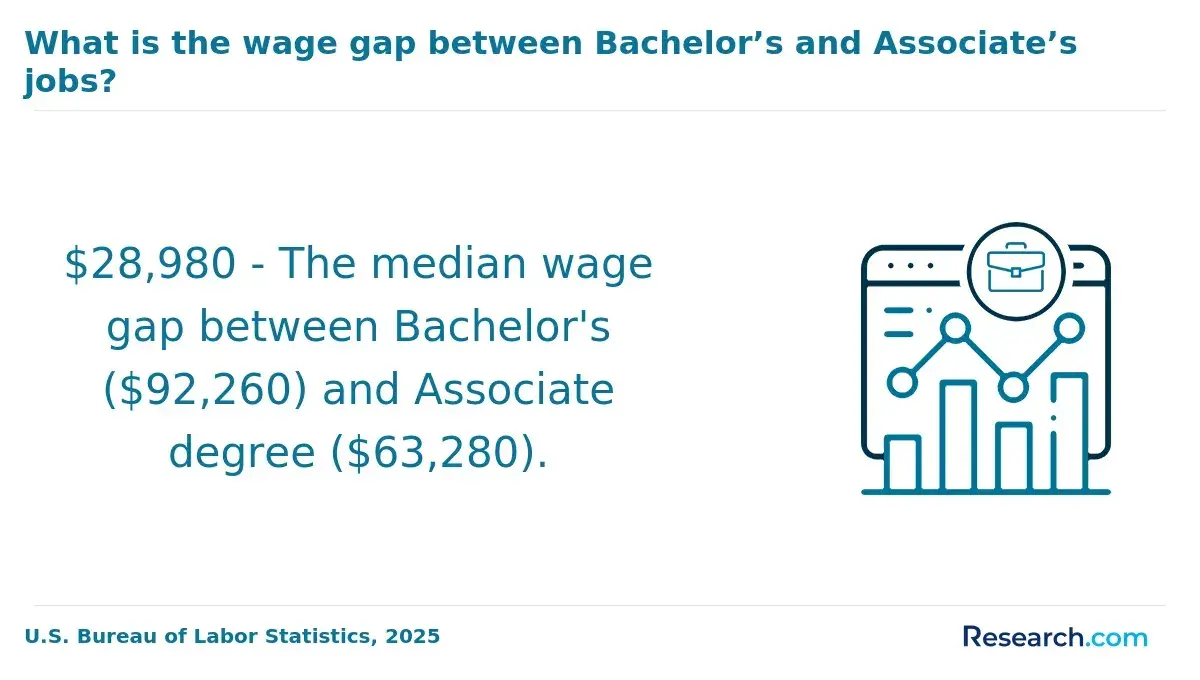
BSN-prepared nurses earn roughly 15-20% more than associate-degree RNs, with median salaries ranging from $75,000 to $85,000 depending on geography and facility type. This wage premium aligns with employer preferences for candidates demonstrating broader clinical skills and leadership readiness. In practical terms, obtaining a BSN opens access to over 70% of nurse manager and leadership positions in major health systems, a critical gateway to higher salaries beyond staff nurse roles. For example, a BSN nurse in a metropolitan hospital may earn $82,000 annually and pursue leadership tracks that associate-degree nurses typically cannot access.
By contrast, nurse educators often start with salaries near $65,000 but may exceed $90,000 with advanced academic ranks or specialized certifications, particularly within universities or specialized training programs. The educator path demands additional degrees (master's or doctorate) and offers slower salary growth than the clinical leadership route but compensates with greater schedule predictability and influence over nursing education and practice. Nurse educator income also depends heavily on institutional type and external grant funding involvement.
Employers prioritize BSN credentials for clinical leadership, making RN to BSN Programs an essential step for nurses aiming at administrative or specialized clinical positions. Those focused on academic or consulting roles within nursing may consider educator tracks despite slower financial returns.
What is the job outlook and demand for BSN nurses versus nurse educators in the U.S.?
The employment outlook for BSN-prepared registered nurses and nurse educators reflects distinct workforce dynamics that affect long-term career considerations. BSN nurses face widespread demand across clinical settings due to ongoing healthcare expansion, with projected RN job growth of 6% from 2024 to 2034. This demand spans hospitals, outpatient centers, and community health organizations, where BSN credentials often serve as a baseline for clinical and leadership positions tied to improved patient outcomes and institutional quality targets.
Conversely, nurse educators fill a specialized but limited role, primarily within academic and large healthcare systems offering training programs. The shortage of qualified faculty ensures strong job security but confines opportunities compared to direct care nursing paths. Regional salary differences-such as higher educator pay in Oregon, the District of Columbia, and Texas-demonstrate geographic variables that can influence financial and professional returns for those pursuing this route. Evaluating local labor market nuances and institutional support for nursing education is essential for maximizing the investment in RN to BSN Programs and aligning career strategy with real-world workforce conditions.
How can prospective students evaluate and choose an accredited, reputable RN to BSN or nurse educator program?
Choosing an accredited rn to bsn program requires critical evaluation of program quality and market relevance beyond mere credentialing. Regional accreditation combined with specialized nursing accreditation like CCNE or ACEN remains foundational, signaling employer recognition and often enabling licensure mobility. Programs incorporating competency-based education alongside hybrid or fully online delivery are increasingly viable options for working professionals, typically reducing time-to-degree by allowing accelerated pacing without compromising skill acquisition.
Those prioritizing clinical leadership should select rn to bsn pathways with substantial practicum components and clear advancement trajectories into acute care settings. In contrast, nurse educator programs demand rigorous pedagogical training and must meet state teaching certification requirements to remain competitive for academic or staff development roles.
Employers prioritize graduations that reflect both updated clinical competencies and measurable readiness for hospital or academic employment; thus, program outcomes data should weigh heavily. Cost and duration considerations are pragmatic barriers: online/hybrid rn to bsn tracks frequently offer compressed timelines and lower total costs, unlike nurse educator routes, which may involve lengthier curricula and higher expenses.
Labor market dynamics vary regionally-for example, acute nursing shortages amplify demand for rn to bsn graduates, while metropolitan areas with robust higher education sectors sustain nurse educator roles. A strategic choice balances accreditation credentials, flexible delivery modes, demonstrated graduate outcomes, and regional workforce needs to optimize the educational investment.
Other Things You Should Know About RN to BSN Programs
Most rn to bsn programs offer part-time and online formats specifically designed for working nurses, but not all provide true flexibility. Evening or weekend classes and asynchronous coursework can reduce scheduling conflicts, but accelerated timelines or mandatory clinical hours may still impose tight demands. Nurses with heavy clinical shifts should prioritize programs that allow extended completion times and have minimal on-site requirements to avoid burnout and ensure steady progress.
RN to BSN completion increasingly acts as a minimum benchmark for competitive hiring and advancement in many hospitals, especially Magnet-recognized facilities. Nurses with BSNs are often favored for roles that involve leadership, care coordination, and quality improvement. However, the degree alone does not guarantee promotions; clinical experience combined with BSN-level competencies usually drives advancement, so nurses should ensure their program curriculum aligns with employer expectations.
RN to BSN and nurse educator programs should hold accreditation from the Commission on Collegiate Nursing Education (CCNE) or the Accreditation Commission for Education in Nursing (ACEN). For nurse educator roles, the nursing program should also meet state board of nursing requirements and prepare graduates for faculty or educator certification where required.
References
- How Do I Transition From a Clinical Nurse to a Nurse Educator? | NursingEducation https://nursingeducation.org/insights/clinical-nurse-to-nurse-educator/
- How to Level Up Nursing Education This 2021 https://www.allnursingschools.com/articles/upgrading-nursing-education/
- BSN Salary Guide: Average Salary of a BSN Nurse by State, Entry-Level Salaries, and Highest Paying BSN Jobs in 2024 https://nightingale.edu/blog/bsn-salary.html
- How Long is Nursing School? What to Expect https://www.carerev.com/blog/how-long-is-nursing-school
- Nursing Career Paths [Infographic] https://nursinglicensemap.com/blog/nursing-career-pathways/
- Difference Between RN vs BSN: Salary, Career, Skill | Maryville Nursing https://nursing.maryville.edu/blog/rn-vs-bsn-differences
- RN vs BSN Degree: What are the Key Differences? https://www.chamberlain.edu/blog/rn-vs-bsn-whats-the-difference-between-rn-and-bsn
- Was it worth continuing education for nurses to get their BSN vs the ADN/ASN? https://www.incrediblehealth.com/nurse-advice/questions/608b6494/was-it-worth-continuing-education-for-nurses-to
- What's the Difference Between a BSN and a Nursing Diploma? https://blog.methodistcollege.edu/difference-between-bsn-and-nursing-diploma
- The Impact of Education on Nursing Practice https://www.aacnnursing.org/news-data/fact-sheets/impact-of-education-on-nursing-practice