2027 What to Know Before Applying to Rasmussen University Online Programs

Co-Founder and Chief Data Scientist
Applying to an online program at Rasmussen University requires more than meeting basic admission criteria. Prospective students should consider how the university's curriculum aligns with their career goals and the time commitment online courses demand. Around 45% of online learners report balancing work and study challenges, highlighting the need for clear expectations and strong time management before applying.
Understanding Rasmussen University's admission requirements, program structure, and the practical demands of online learning can help candidates make informed decisions. This article breaks down these factors to guide potential applicants through the steps and realities involved in pursuing an online program at Rasmussen University.
Key Points About Rasmussen University Online Programs
- Rasmussen University requires no prior academic credentials for admission, allowing open entry but demanding self-discipline to navigate coursework, as reflected in its 53% graduation rate, which signals potential persistence challenges for some students.
- The total tuition of $26,622 represents a substantial financial commitment; applicants should evaluate this cost against career goals and realistic post-graduation outcomes before enrollment.
- Expect a diverse online student body with wide-ranging academic preparedness, necessitating proactive engagement to build effective peer support and optimize learning within the virtual environment.
How competitive is the overall admission process at Rasmussen University?
Rasmussen University's admission process is notably noncompetitive, with an acceptance rate reflecting their open admission policy. Unlike many online programs that face large and selective applicant pools, Rasmussen generally admits most applicants who meet basic criteria, creating easier entry compared to traditional institutions with more rigorous standards or limited seats.
Admission requirements at Rasmussen vary slightly by program but often omit standardized test scores or demanding prerequisites. This is a distinct contrast to many online institutions that emphasize GPA thresholds, essays, or entrance exams, especially for competitive fields like nursing or business. Rasmussen's approach prioritizes accessibility, which may serve different student types but requires careful evaluation of program rigor for career preparation.
Nationally, a 2024 study shows increasing selectivity among four-year colleges as demand rises, pushing many to tighten admissions. Rasmussen's steady open admission model diverges from this trend. For applicants weighing practical outcomes, this means admission ease does not necessarily equate to program quality or employer recognition, especially in sectors where reputation and accreditation influence hiring decisions.
Choosing Rasmussen requires understanding this tradeoff: easier acceptance may speed entry but demands independent scrutiny of program content and its alignment with professional expectations. Those seeking competitive filtering as a quality proxy should consider how this fits with their long-term goals versus immediate accessibility.
One graduate from Rasmussen's online healthcare management program recalls hesitation during application, uncertain if the straightforward entry meant the credential lacked value. She appreciated the lack of hoops to jump through but realized her success depended on supplementing learning with real-world experience. The open admission allowed her to start quickly but ultimately, she felt her career growth hinged on driving practical skills beyond admission hurdles.
What are the admissions requirements at Rasmussen University?
Rasmussen University's admissions requirements reflect a deliberate shift away from standardized testing to promote wider accessibility. Traditional SAT, ACT, or GMAT scores are not required for admission into their online programs. This policy removes common barriers faced by non-traditional students or those reentering education after workforce experience.
For instance, an adult learner balancing employment and family commitments can apply without the pressure or delay of preparing for exams, instead focusing on providing concrete proof of prior education and readiness through other documents. Admissions requirements for Rasmussen University online programs emphasize authentic academic and personal documentation. Below is a summary of the key components that applicants must submit.
- High School Diploma or GED: This establishes a foundational level of education required for college entry. It provides the institution with a baseline credential to confirm academic preparedness.
- Official Transcripts: Applicants need to submit transcripts from previous institutions to document completed coursework and grades. These serve as critical indicators of academic performance and consistency.
- Proof of Identity: Identification is required to verify the applicant's legal identity and to prevent fraud in the admissions process.
- Application Form: A comprehensive form collects personal, educational, and contact information to initiate the evaluation process.
- Letters of Recommendation or Personal Statement: While not always mandatory, these documents provide insights into the applicant's motivation, character, and potential to succeed in the program.
Applicants must prepare these materials carefully to avoid application delays and strengthen their case for admission. This approach prioritizes verified credentials over exam performance but demands precise documentation and honest self-representation. How to qualify for Rasmussen University online admission involves demonstrating college-level readiness through this collection of credentials rather than standardized testing.
Nationally, open admission policies like Rasmussen's correspond with a 20% rise in enrollment diversity and retention, underscoring the practical impact of removing test score requirements. However, such policies shift the emphasis toward academic history and personal preparedness, requiring applicants to be deliberate in presenting a complete and credible academic profile.
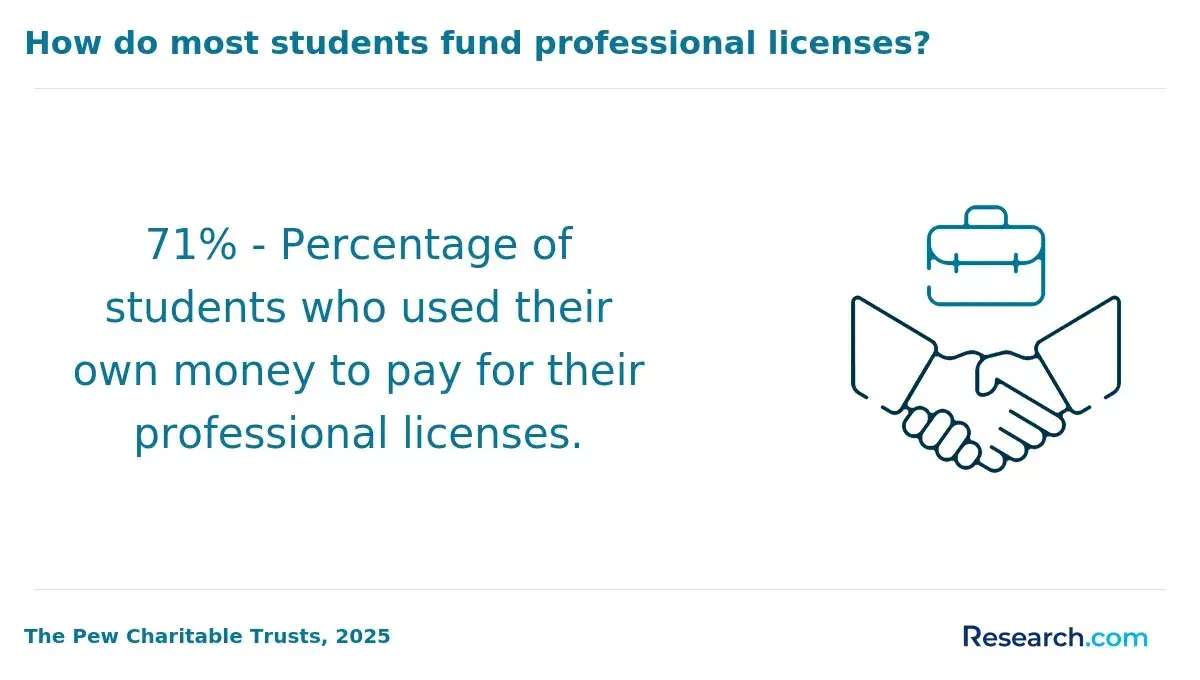
Prospective students seeking flexible credentials may also explore FAFSA-approved online certificate programs as complementary pathways, enhancing employability within certain fields.
What online programs are Rasmussen University known for?
Rasmussen University's online accredited degree programs stand out for their focus on practical skills and clear ties to local workforce needs, especially in healthcare, business, education, and technology. For instance, the Bachelor of Science in Nursing (BSN) program uniquely integrates clinical simulations and partnerships with regional hospitals, addressing a 12.5% regional growth in demand for qualified nurses in underserved areas. This real-world emphasis allows students to develop competencies that employers actively seek. The MBA program's application of Midwestern market case studies helps students grasp operational strategy and leadership within tangible business contexts rather than theoretical models. Below are key programs that define Rasmussen's online portfolio and reflect its career-driven approach:
- Bachelor of Science in Nursing (BSN): Combines clinical simulations with hospital partnerships to prepare nurses for in-demand roles in rural and underserved regions, emphasizing applied skills over purely academic knowledge.
- Master of Business Administration (MBA): Features modules tailored to leadership and operational strategy anchored in real business case studies from Midwestern markets, equipping students for managerial roles.
- Bachelor of Science in Criminal Justice: Provides foundational knowledge with practical applications relevant to law enforcement and corrections careers, leveraging experiential learning opportunities.
- Associate Degree in Health Information Technology: Focuses on data management within healthcare settings, critical in today's telehealth growth, which aligns with increased remote service demands.
Data from labor market studies highlights significant regional growth in telehealth and remote business services, trends well matched by Rasmussen's program portfolio. Students aiming to enter fields that make the most money should carefully weigh Rasmussen's strengths in applied learning against its limited emphasis on academic research pathways.
Choosing Rasmussen's best online healthcare programs at Rasmussen University means understanding program outcomes in practical contexts and regional employment realities to ensure alignment with career goals.
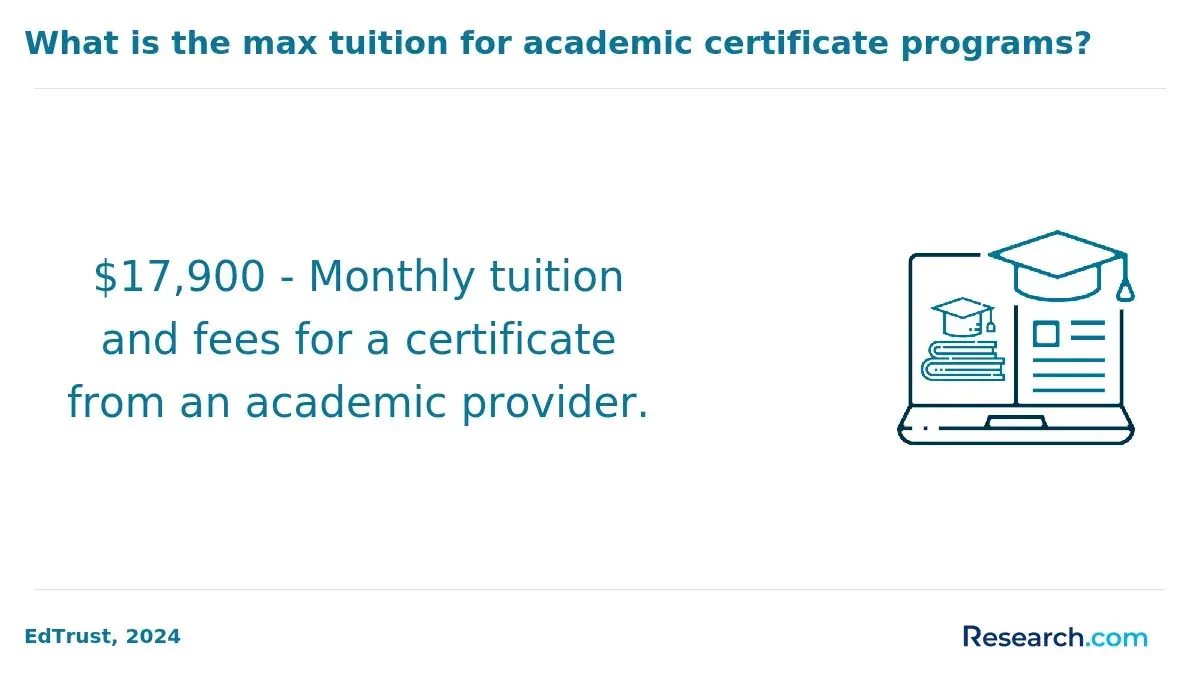
Attending an online program at Rasmussen University typically involves a total tuition cost of around $26,622, which includes $10,899 for tuition and $360 for books and supplies. This figure provides a baseline but does not capture the full scope of expenses students will encounter.
Beyond tuition, students must plan for hidden costs like technology fees, proctored exam charges, identity verification, and software licensing. These fees have risen in recent years, reflecting a national trend where administrative and distance education costs now significantly impact overall expenses. These factors can push the cost higher than advertised, influencing financial planning and loan needs.
The total cost varies by program type. Undergraduate courses have different per-credit rates than graduate courses, with each program also potentially imposing unique fees. This variability means prospective students should carefully analyze the tuition fees specific to their intended program. Those seeking the easiest associate degree to get might find more predictable costs compared to advanced degrees with complex fee structures.
Understanding these financial commitments is vital before enrolling. Realistic budgeting, including all mandatory fees, ensures better alignment with career goals and employer expectations in a competitive job market that increasingly values cost-effective education credentials.
Rasmussen University's academic year is organized into accelerated 8-week terms with rolling admissions and multiple start dates annually. This setup minimizes delays between application and course start, which benefits students needing flexible scheduling, such as working parents returning to school. Deadlines align with term starts rather than fixed semesters.
Online learners should anticipate a rigorous pace, often completing courses faster than in traditional semester formats. This compressed timeline demands consistent time management to balance coursework, work, and personal obligations. A student balancing a full-time job may find the quick turnaround demanding but rewarding for faster credential completion.
The university offers fully asynchronous options, allowing learners to access materials anytime without live sessions, a format aligned with employer preferences for self-directed learning. However, Rasmussen does not generally provide executive programs or cohort-based tracks that offer peer collaboration and structured progression, which can limit networking opportunities.
Studies indicate over 60% of US colleges expanded asynchronous offerings to boost non-traditional student retention. This trend highlights Rasmussen's responsiveness to workforce needs but also signals the importance of strong self-motivation when opting for such flexible delivery modes.
Rasmussen University's online programs have an average graduation rate of 53% among 8,823 enrolled students, reflecting a completion outcome just above half of their population. This rate is slightly below the national average for traditional colleges but fits within typical online education challenges.
Completion milestones vary widely depending on factors such as student support availability, the specific degree pathway, and whether courses are online or on-site. For instance, students balancing full-time jobs and family may extend their study timeline beyond the standard six years, reducing timely graduation statistics.
A recent study on remote undergraduate persistence finds that online learning often lags in engagement and consistent progress due to life demands, which matters because employers value degrees completed within expected timeframes. This impacts employability perceptions more than simply holding a credential.
Prospective students need to weigh these realities carefully. Success in Rasmussen University's online programs requires rigorous time management and resilience, especially since completion rates point to common barriers faced by adult learners rather than academic inadequacy alone.
The online student culture at Rasmussen University offers foundational tools for engagement but demands proactive effort from students to create meaningful connections. The university's culture is good in providing structured digital resources that support academic interaction, yet it remains less effective in fostering spontaneous peer-to-peer networking seen in traditional campus settings. Practical factors influencing this culture include several features and student behavior elements essential for building community in a remote environment. Below are key aspects that shape the student culture at Rasmussen University:
- MyRasmussen Portal:This central platform organizes course materials, announcements, and communication, ensuring students have consistent academic access. It streamlines official interactions but provides limited informal social engagement opportunities, affecting community vibrancy.
- Virtual Student Organizations:Clubs and interest groups operate online to encourage participation beyond coursework. These groups vary widely in activity level and participation, depending heavily on student initiative and scheduling flexibility.
- Asynchronous Forums:Discussion boards facilitate peer support and knowledge sharing at students' convenience. Their effectiveness hinges on active moderation and student willingness to contribute regularly, which is uneven.
- Live Video Sessions:These synchronous meetings replicate classroom interaction and enable richer communication cues. Their scheduling constraints may pose challenges for students balancing work and personal commitments.
- Self-Driven Networking:Because spontaneous encounters are scarce, students must intentionally seek collaboration through message boards or social media, emphasizing personal responsibility in building professional networks.
- Limited Informal Spaces:The absence of physical gathering places means serendipitous conversations are replaced by planned online events. This tradeoff limits forming casual peer connections crucial for some learning styles and emotional support.
- Student Engagement Rates:A recent study found only 38.2% of online students feel highly connected to peers, signaling a gap between institutional tools and actual social integration. This highlights the challenge Rasmussen's remote culture faces in replicating on-campus community energy.
One graduate from a Rasmussen online program recalled hesitating initially because of concerns over feeling isolated. Over time, they found reaching out through scheduled video groups and consistent discussion forum involvement critical. "It wasn't automatic. I had to push myself to connect," they said, reflecting how the student culture, while engineered, required deliberate personal effort to become truly engaging and supportive in everyday learning.
Rasmussen University stands out as an option for online students by offering a practical mix of affordability, flexibility, and support that aligns with varied professional ambitions and personal circumstances. For example, a working parent pursuing advancement without pausing income benefits from asynchronous courses that fit around a demanding schedule. The most compelling reasons for choosing Rasmussen University online degree programs are outlined below.
- Financial Accessibility: The total cost of attendance is approximately $24,056, and about 96% of students receive financial aid, making education attainable for many who might otherwise face barriers. This cost structure helps position graduates for manageable debt levels relative to median entry-level salaries.
- Flexible Scheduling: Programs offer asynchronous coursework designed for working adults and non-traditional learners who juggle employment or family obligations. This flexibility requires self-motivation but enables sustained progress without compromising current responsibilities.
- Dedicated Student Resources: Rasmussen provides tailored academic advising, tutoring, and career services for online learners. These resources address common challenges of remote education, such as feelings of isolation, by fostering engagement and retention critical for degree completion.
- Market Perception and Employer Acceptance: Research from a 2024 workforce study shows an increasing employer acceptance of online credentials, especially in remote work sectors. However, these attitudes vary by industry, so potential students need to weigh their field's view on online qualifications carefully.
In evaluating the benefits of choosing Rasmussen University for online learning, considering these factors alongside personal goals can clarify whether the institutional offerings match career expectations. The university's recognized standing among self-paced online colleges further underscores its commitment to accessible, adaptable education pathways.
Online students at Rasmussen University must actively engage with academic and career resources to fully benefit from the university's digital support system. A typical scenario might involve a student in a healthcare program needing immediate tutoring help while juggling clinical hours. Limited virtual tutoring hours could delay assistance, impacting timely comprehension of complex material. Below is an overview of key Rasmussen University online student support services essential for academic and career success.
- Virtual Tutoring Services: Offers support in critical subject areas through scheduled sessions. While not as flexible as in-person tutoring, it helps maintain academic performance when students plan ahead.
- Remote Library Access: Provides 24/7 entry to extensive databases and research materials, which is vital for students managing irregular schedules and those who rely on self-directed study.
- Technical Support: Available around the clock to troubleshoot issues, though response times vary, so it may not always resolve urgent technical problems immediately.
- Career Development Resources: Includes virtual job boards and resume coaching tailored for online learners. Students should proactively leverage these to stand out in a competitive job market increasingly favoring hands-on experience and digital networking.
- Mental Health and Advising Services: Specialized counseling and academic advising for distance students support emotional well-being and academic guidance but require students to self-initiate contact, limiting proactive outreach.
Financial counseling helps online students manage aid and budgeting, crucial for minimizing debt and ensuring stability during study. Institutions that integrate multi-channel digital support see a 37% increase in online learner retention, revealing how timely, comprehensive services substantially influence success in distant learning environments. Prospective applicants interested in degrees for seniors will find these support structures particularly relevant when balancing education with other life responsibilities.
Choosing Rasmussen University requires more than comparing program names or tuition fees. For example, a working adult seeking a healthcare degree while balancing family responsibilities will need to assess whether the school's online format and support systems align with such demands. This decision depends heavily on academic readiness, financial outcomes, and career market appropriateness. Prospective students should carefully evaluate multiple factors to avoid costly mismatches that affect time, money, and job prospects. Consider these key elements when assessing whether Rasmussen University fits your education and career objectives:
- Admission Accessibility: Rasmussen operates with an open admission policy, allowing broad entry but resulting in cohorts with mixed academic preparedness. This can influence peer learning dynamics and may require greater self-motivation and support seeking from students.
- Debt and Financial Impact: The median debt of $20,899 should be measured against expected earnings after graduation to gauge the return on investment. Understanding this ratio is critical for managing long-term financial stability.
- Program Relevance and Demand: Focused mainly on health sciences, business, and technology, programs differ in local employer recognition and workforce needs. Verifying demand in your target job market reduces the risk of unemployment or underemployment.
- Online Learning Suitability: Success in remote courses requires discipline and strong time management. Candidates must honestly assess their ability to study independently without the structure of in-person classes.
- Student Support Services: Availability of tutoring, advising, and tech help affects retention and completion rates. Adequate support mitigates challenges unique to online students.
- Transfer Credit Policies: Clear policies can shorten degree timelines and reduce costs. Students transferring previous credits benefit from minimal credit loss and faster progression.
- Applicant Priorities Trend: A recent study found 65% of remote learners prioritize transparent outcomes and affordable costs over brand prestige. This highlights the importance of practical program information when deciding.
What Graduates Say About Rasmussen University Online Programs
- Andrew: "Before applying to Rasmussen University, I carefully reviewed their admission requirements and tuition costs to ensure it fit my career goals and budget. The online orientation was thorough, setting clear expectations about the self-discipline and technical skills I would need, which helped me stay focused during the program. After graduating, the degree made a tangible difference in my job search, opening doors where my previous experience alone had fallen short."
- Bradley: "Choosing Rasmussen University's online program was a practical decision driven by my work schedule and the need for flexibility. The application process was straightforward, but I underestimated how critical it was to be self-motivated without the structure of a traditional classroom. That said, the resources and academic support available through the online platform helped me adapt quickly, and earning the degree boosted my confidence and credibility in a competitive field."
- Trevor: "Initially, I was cautious about enrolling at Rasmussen University online because I wanted to be sure the program met rigorous academic standards. Their detailed admissions process and preliminary tech checks reassured me, and the orientation laid out the expectations clearly. Completing the program demanded consistent time management, but it ultimately prepared me well to handle workplace challenges, particularly in remote environments where self-direction is key."
Other Things You Should Know About Rasmussen University Degrees
Rasmussen University's online programs often use a compressed term format, typically 8 weeks per course rather than a traditional semester. This intensifies the pace and demands consistent weekly effort to keep up. Prospective students should realistically assess their ability to balance this workload with existing commitments, as falling behind early can make it difficult to recover given the fast turnaround.
Applicants should have reliable high-speed internet and a computer that meets the school’s technical requirements for online coursework. Rasmussen also uses browser-based learning systems and may require Microsoft Office access, so students should confirm device compatibility before starting classes.
Instructor accessibility and personalized feedback can vary significantly across online courses at Rasmussen University. Prospective students who benefit from frequent, real-time interaction should prioritize programs known for active instructor engagement. Otherwise, students may encounter challenges in staying motivated or clarifying complex topics, which can affect overall learning outcomes and satisfaction.
Yes, transfer credit acceptance at Rasmussen University can differ by program and affects how quickly a student can complete their degree. Applicants with existing college credits should directly inquire about credit evaluation processes for their specific program to avoid redundant coursework. Prioritizing programs with generous transfer policies can save time and money, but it's crucial to verify these details before applying to ensure alignment with one's academic history.
- Rasmussen College Announces More Affordable, Flexible Options for Business and Nursing Degrees https://www.prnewswire.com/news-releases/rasmussen-college-announces-more-affordable-flexible-options-for-business-and-nursing-degrees-300027040.html
- Rasmussen College | College Degrees, Courses & Education Online https://www.academicinfo.net/online-schools/rasmussen-college/
- Online College Review: Should I Go to Rasmussen University? https://www.collegetransitions.com/blog/rasmussen-university-online-college-review/
- Rasmussen University Moorhead Acceptance Rate | CollegeData https://www.collegedata.com/college-search/Rasmussen-University-Moorhead/admission
- Rasmussen University Online MSN Programs https://www.mhaonline.com/school-profiles/rasmussen-university-online-msn
- Rasmussen University Offers Accelerated BSN Program With New Hybrid Schedule Option https://www.businesswire.com/news/home/20211005006013/en/Rasmussen-University-Offers-Accelerated-BSN-Program-With-New-Hybrid-Schedule-Option
- 2024-2025 Catalog https://rasmussen.dcatalog.com/v/2024-2025-Catalog/
- Rasmussen University Partnership https://www.straighterline.com/colleges/rasmussen-university/
- Rasmussen University-Illinois — Completion, Transfer & Outcomes 2026 | Trade Schools Directory https://tradecolleges.org/colleges/rasmussen-university-illinois/outcomes
- Rasmussen Transfer Courses from Sophia | Sophia Learning https://rasmussenuniversity.sophia.org/