2027 Fastest Online Healthcare Administration Master's Degree Programs You Can Finish in Under 2 Years

Co-Founder and Chief Data Scientist
Choosing a fast online master’s degree in healthcare administration is mainly a question of pace, credibility, and fit. The right program can help working professionals move toward management or executive-track roles without stepping away from their current jobs, but an accelerated schedule can also create a heavy workload if the format is not realistic for a student’s life.
Accelerated online programs are designed for learners who want a shorter path to a graduate credential. In these formats, 65% of students complete their master's degrees in under two years, showing why they appeal to professionals who want timely career movement in a changing healthcare environment. This guide explains how fast online healthcare administration master’s programs are structured, what they typically require, how much time and money students should expect to invest, and what risks to consider before enrolling.
Key Benefits of the Fastest Online Healthcare Administration Master's Degree Programs You Can Finish in Under 2 Years
- Accelerated programs allow completion in as little as 12 to 18 months, supporting quicker entry or advancement in healthcare administration roles amid a projected 32% job growth through 2030.
- Flexible online formats accommodate working professionals by offering asynchronous coursework, enabling study without interrupting career or personal commitments.
- Graduates often experience a strong return on investment, with median healthcare administration salaries exceeding $100,000, making fast programs financially and professionally advantageous.
What Online Healthcare Administration Master's Degree Programs Can Be Completed in Under 2 Years?
Online healthcare administration master’s programs that can be completed in under two years usually use accelerated calendars, full-time course sequencing, or competency-based models. They are built for students who can handle a faster pace and want to finish sooner than they would in a traditional graduate schedule. National data indicates about 30% of all online master's degree students complete their studies within two years, which reflects the growing availability of shorter online pathways.
The main formats include:
- Accelerated tracks: These programs use compressed terms, heavier course loads, or streamlined degree plans so students can move through required coursework more quickly. They are best for learners who can reserve consistent study time each week.
- Competency-based programs: Students progress by proving mastery of required skills rather than sitting through a fixed number of weeks. This can benefit experienced healthcare workers who already understand parts of the curriculum.
- Full-time online formats: These programs keep the convenience of online learning but expect students to take a demanding course load. They can be practical for professionals with flexible work schedules, employer support, or strong time-management systems.
Speed should not be the only factor. Students should compare accreditation, faculty experience, student support, course sequencing, capstone or practicum expectations, and whether the curriculum matches their career goal, such as hospital administration, long-term care leadership, health policy, operations, or finance. Professionals comparing flexible healthcare education options may also review RN to BSN no practicum programs to understand how other online healthcare pathways structure convenience and pace.
How Do Fast Online Healthcare Administration Master's Degree Programs Work?
Fast online healthcare administration master’s programs shorten the calendar by changing how courses are scheduled, not by removing essential graduate-level expectations. Most are designed so students can finish in under two years instead of the traditional two to three years, but the academic work is often concentrated into shorter terms and more continuous enrollment.
- Condensed terms: Courses may run in shorter sessions, which means assignments, readings, exams, and projects arrive quickly. Students often focus on fewer courses at once, but each course moves at a faster pace.
- Year-round scheduling: Many accelerated programs reduce long breaks between terms. This helps students maintain momentum and accumulate credits faster, but it also leaves less recovery time between courses.
- Competency-based progression: Some programs allow students to advance after demonstrating mastery of defined outcomes. This structure can be efficient for learners with healthcare management experience, but it requires self-direction and consistent progress.
- Applied assignments: Fast programs often rely on case studies, healthcare finance exercises, policy analysis, quality improvement projects, and leadership simulations. These assignments help students connect theory to real administrative decisions.
Before enrolling, students should ask whether courses are asynchronous, whether live sessions are required, how many start dates are available, and whether the program offers academic advising for accelerated learners. Those comparing cost and flexibility can also review healthcare administration courses while evaluating whether a faster timeline is financially realistic.
How Many Credits Are Required to Finish an Online Healthcare Administration Master's Degrees in Under 2 Years?
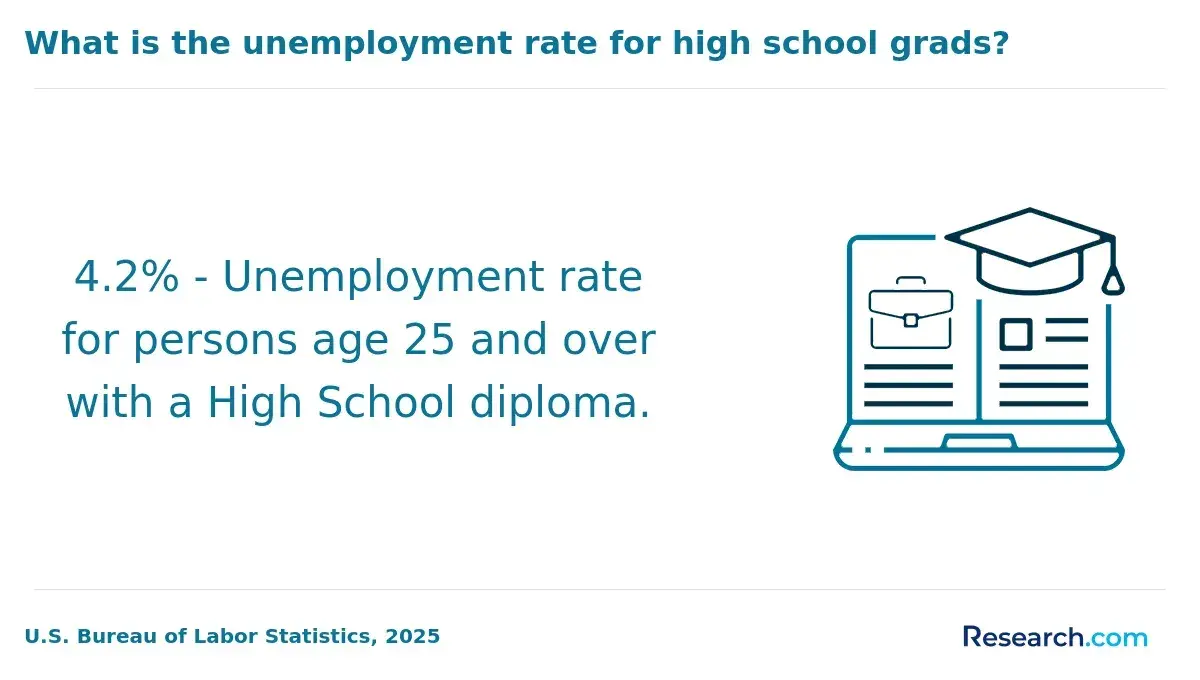
Online healthcare administration master’s programs that can be completed in less than two years generally require between 30 and 45 credits. Many accelerated programs average around 36 credits, though the exact total depends on the school, degree type, transfer policy, concentration options, and whether a capstone, practicum, or thesis is required.
Credit count matters because it affects both cost and workload. A 30-credit program may be faster and less expensive, but students should confirm that it still covers the core areas employers expect from a graduate healthcare administration credential. A 45-credit program may take more time and cost more, but it may provide broader preparation, specialized electives, or more applied learning.
Students focused on the credits needed for accelerated healthcare administration master's program completion should review three details before applying:
- Total credits required for graduation: Confirm whether the published number includes all core courses, electives, capstone work, and any prerequisite requirements.
- Credits allowed per term: A program may advertise fast completion, but students need to know how many credits they must take at once to finish in the stated timeline.
- Transfer or waiver policies: Some schools may allow eligible graduate transfer credits or prerequisite waivers, while others require all credits to be completed in residence.
Accelerated credit plans can be efficient, but they require careful planning. Students comparing healthcare-related graduate pathways with cost in mind may also find the cheapest DNP programs useful for understanding how affordability and online graduate study intersect in healthcare fields.
What Are the Admission Requirements for the Fastest Online Healthcare Administration Master's Program?
Admission requirements for the fastest online healthcare administration master’s programs are designed to identify applicants who can handle a compressed graduate schedule. Acceptance rates typically hover around 40%, so applicants should present clear evidence of academic readiness, professional focus, and time-management capacity.
- Educational background: A bachelor's degree from an accredited institution is usually required. Applicants may come from healthcare, business, public health, nursing, social science, or other fields, but some programs may require prerequisite knowledge in statistics, accounting, management, or healthcare systems.
- Work experience: Many programs prefer candidates with 1 to 3 years of relevant healthcare or administrative experience. Work experience can help students connect coursework to real operational, financial, and leadership problems.
- Standardized tests: Most accelerated programs have waived GRE or similar test requirements. Instead, admissions committees often place more weight on undergraduate GPA, professional experience, recommendations, and the applicant’s statement of purpose. A GPA above 3.0 often strengthens an application but is not always mandatory.
- Application materials: Applicants typically submit official transcripts, a resume or CV, letters of recommendation, and a personal statement. Some programs may also request an interview or writing sample.
A strong application does more than list qualifications. It explains why the applicant is ready for a fast program, how the degree supports a specific career goal, and what support systems will make completion possible. Applicants should avoid vague statements about “wanting leadership roles” and instead describe the type of healthcare setting, administrative function, or population they hope to serve.
When discussing requirements with a graduate who completed an accelerated online healthcare administration master's in less than two years, he described the process as demanding but useful. “Balancing work while submitting detailed application materials felt intense, but highlighting my hands-on experience really helped,” he explained. He also said that a focused statement of purpose was critical because it showed both career direction and readiness for the fast-track format.
What Courses Are Covered in the Fastest Online Healthcare Administration Master's Program?
The fastest online healthcare administration master’s programs usually cover the same major subject areas as traditional programs, but the courses are delivered in a tighter sequence. The goal is to build practical administrative judgment in finance, policy, operations, ethics, information systems, and leadership while keeping students on track for completion in less than two years.
Common courses include:
- Healthcare Systems and Policy: Students examine how healthcare is organized, financed, regulated, and delivered in the U.S. This course helps future administrators understand policy decisions, payer structures, access issues, and compliance pressures.
- Healthcare Finance and Accounting: This course covers budgeting, financial reporting, reimbursement, cost control, and resource allocation. It is especially important for students pursuing roles that involve department budgets, revenue cycles, or strategic planning.
- Healthcare Operations Management: Students learn how to improve workflows, staffing models, service delivery, quality measures, and patient-centered processes. The course often uses case studies drawn from hospitals, clinics, long-term care organizations, or integrated systems.
- Health Information Systems: This course focuses on healthcare data, electronic records, privacy, cybersecurity, reporting tools, and technology adoption. Administrators need this knowledge to work effectively with clinical, compliance, and IT teams.
- Healthcare Leadership and Ethics: Students study leadership models, organizational behavior, communication, ethical decision-making, and stakeholder management. This course is valuable for professionals moving from technical or clinical roles into management.
Students should also check whether the curriculum includes a capstone, practicum, internship, portfolio, or applied consulting project. These components can add time, but they often give students evidence of practical skills to discuss with employers after graduation.
How Many Hours Per Week Do Fast Healthcare Administration Master's Programs Require?
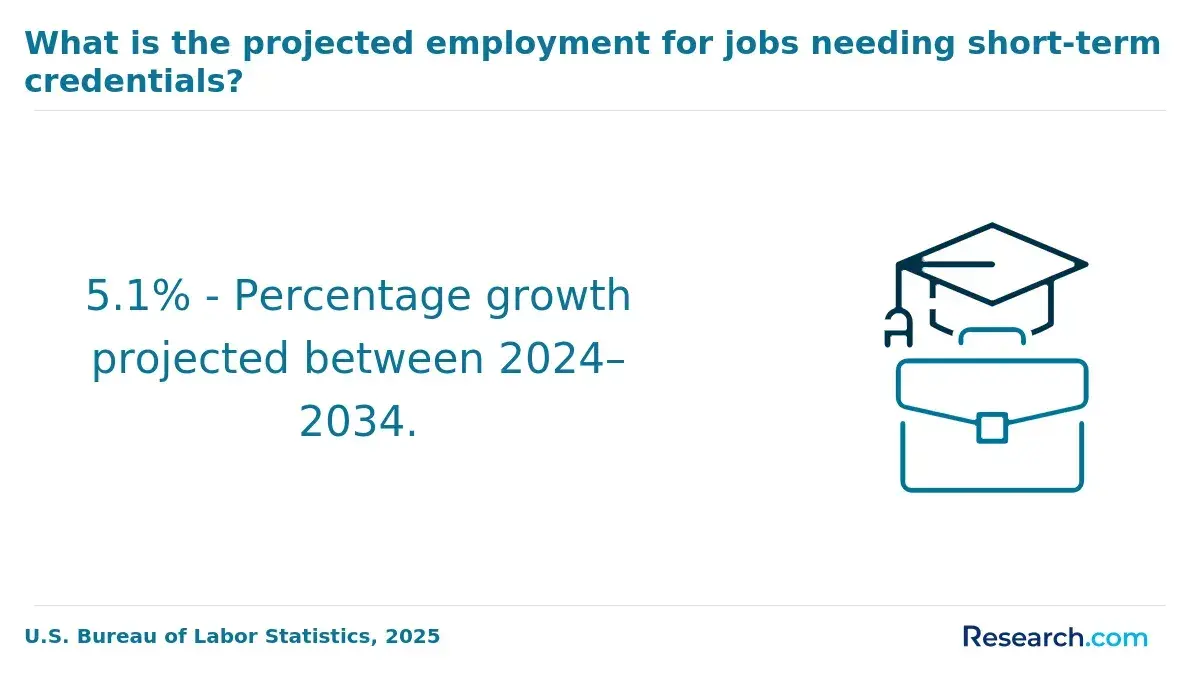
Fast healthcare administration master’s programs require a serious weekly commitment. Students typically spend around 17 hours per week on coursework in programs designed to be completed in under two years, though the actual workload can rise during exams, group projects, research papers, and capstone deadlines.
- Course load: Accelerated programs compress graduate material into shorter terms. Students should expect steady reading, recorded lectures, assignments, and discussion participation.
- Assignments and projects: Case studies, policy briefs, financial analyses, operational improvement plans, and group projects can require focused blocks of time rather than quick study sessions.
- Exam preparation: Frequent quizzes or exams may require weekly review instead of occasional cramming. Healthcare law, finance, and data-focused courses can be especially time-intensive.
- Discussion boards and interaction: Online programs often require structured participation. Meaningful posts and peer responses take time, particularly when students must cite course material or apply concepts to professional scenarios.
- Time management skills: Students balancing work, family, and graduate school need a realistic weekly schedule before the term begins. Waiting to “find time” usually does not work in accelerated programs.
A practical planning method is to identify fixed weekly study blocks, protect them like work meetings, and add extra time before major deadlines. Students should also ask admissions advisers whether the program’s 17 hours per week estimate assumes one course at a time, full-time enrollment, or a specific term length.
One professional who completed an online healthcare administration master's degree in less than two years said discipline mattered more than motivation alone. “It was challenging at times to juggle work, family, and full-time study, but setting firm priorities helped me stay on track,” she said. She also noted that breaking assignments into smaller tasks and communicating early with instructors made the accelerated workload more manageable.
Are Fast Online Healthcare Administration Master's Degrees Accredited?
Fast online healthcare administration master’s degrees can be accredited, but students must verify accreditation before enrolling. Accreditation is tied to the institution and, in some cases, the specific healthcare management program; it is not guaranteed simply because a program is offered by a recognizable school or advertised as online.
Regional accreditation and approvals from agencies like the Commission on Accreditation of Healthcare Management Education (CAHME) can apply to accelerated and online options. According to the National Center for Education Statistics, over 70% of graduate-level online programs hold some form of accreditation, which shows that online delivery and quality review can coexist.
Accreditation matters for several reasons:
- Employer recognition: Many employers prefer or require degrees from accredited institutions, especially for leadership roles.
- Federal financial aid: Students generally need to attend an eligible accredited institution to access federal aid.
- Credit transfer and doctoral study: Accreditation can affect whether credits are recognized by other schools.
- Professional credibility: Accreditation signals that the school or program has gone through an external quality review process.
Students should confirm accreditation directly through the school’s website and the accreditor’s official database. They should also distinguish institutional accreditation from programmatic accreditation. Both can be valuable, but they are not the same. Learners comparing other rapid healthcare training pathways, such as the fastest LPN program, should apply the same caution: speed should never replace legitimacy.
How Much Do Fast Online Healthcare Administration Master's Degrees Cost?
The cost of a fast online healthcare administration master’s degree depends on tuition per credit, required credits, fees, residency status, and available aid. Completing the degree in under 2 years may reduce some semester-based costs, but it does not automatically make a program inexpensive.
The average tuition per credit for online graduate programs is approximately $700. Fast online healthcare administration master's degree tuition costs can range between $500 and $1,200 per credit. Because many programs require 30 to 45 credits, students should calculate the full program cost rather than comparing tuition rates alone.
- Tuition per credit: This is the largest cost driver. Public, private, nonprofit, and for-profit institutions may charge very different rates.
- Total program cost: Students should multiply tuition by required credits and then add mandatory fees. A lower per-credit rate may not be cheaper if the program requires more credits.
- Additional fees: Technology fees, graduation fees, assessment fees, and course materials can add to the total. Accelerated completion may reduce repeated semester-based fees.
- Program length: A shorter timeline can limit the number of terms billed, but students may need to pay for more credits at once, which can affect cash flow.
- Financial aid options: Scholarships, grants, employer tuition assistance, military benefits, and federal aid can reduce out-of-pocket costs. Students should confirm whether accelerated enrollment affects aid eligibility or disbursement timing.
Students trying to lower upfront expenses may also compare online colleges no application fee while building a shortlist of accredited programs.
Does Finishing a Healthcare Administration Master's Degree Faster Affect Salary?
Finishing a healthcare administration master’s degree faster does not automatically raise or lower salary. Employers usually care more about accreditation, job experience, leadership ability, technical skills, and whether the degree matches the responsibilities of the role. However, graduating sooner can help a professional qualify earlier for promotions or new opportunities.
The U.S. Bureau of Labor Statistics reports that master's degree holders in healthcare administration earn a median annual wage of about $104,000. That figure should be viewed as a broad labor-market reference, not a guaranteed salary for every graduate. Compensation varies by employer, location, years of experience, organization size, and job function.
- Employer perception: Some employers may ask about program quality, especially if the degree was completed quickly. Accreditation, curriculum rigor, and relevant projects can help demonstrate credibility.
- Career timing: Completing an accelerated program allows graduates to pursue advancement sooner. Earlier eligibility for management roles can influence long-term earnings if the graduate also has the experience employers want.
- Experience level: A fast degree alone may not lead to an immediate salary increase. Students with healthcare operations, finance, compliance, project management, or supervisory experience may be better positioned to translate the degree into higher compensation.
- Networking opportunities: Accelerated programs can leave less time for relationship-building. Students should intentionally use faculty office hours, alumni networks, professional associations, and group projects to build contacts.
The best salary strategy is to choose a credible program, keep a record of applied projects, align electives with target roles, and pursue advancement while the degree is still in progress rather than waiting until graduation.
What Are the Risks of Completing an Online Healthcare Administration Master's Degree in Under 2 Years?
Completing an online healthcare administration master’s degree in under two years can be efficient, but it also raises the risk of overload. Research shows that around 60% of students in accelerated master's programs experience increased stress due to the intense demands of compressed coursework.
- Burnout: A fast pace can create physical and mental exhaustion, especially for students working full time or managing family responsibilities.
- Reduced learning depth: Moving quickly through complex subjects such as healthcare finance, law, policy, data systems, and operations may leave less time for reflection and practice.
- Diminished networking: Shorter programs may offer fewer opportunities to build relationships with classmates, faculty, alumni, and healthcare leaders.
- Work-life imbalance: The combination of employment, school, and personal obligations can affect job performance, relationships, and health if expectations are not realistic.
- Higher dropout rates: Increased intensity can make it harder for some students to continue, which may delay career plans and increase total cost if credits do not transfer easily.
Students can reduce these risks by choosing a program with strong advising, realistic pacing options, clear course calendars, accessible faculty, and the ability to slow down if necessary. A fast program is most likely to work when the student has protected study time, employer flexibility, financial planning, and a clear reason for finishing quickly.
What Graduates Say About the Fastest Online Healthcare Administration Master's Degree Programs
- : "Choosing an accelerated online healthcare administration master's degree was a game changer for me. The cost was surprisingly affordable compared to traditional programs, which made it easier to commit financially. Finishing in under two years also meant I could apply new skills to my job sooner, which improved my confidence and helped me pursue career growth. —Scott"
- : "The flexibility of the online healthcare administration master's program helped me balance work, family, and school. Completing the degree in less than two years kept me focused because every course felt connected to my professional goals. Looking back, the streamlined structure made the experience intense but worthwhile. —Devon"
- : "From a professional standpoint, completing my online healthcare administration master's degree in under two years was valuable. The accelerated pace forced me to stay disciplined, and the convenience of online classes fit my schedule. The fast-track option strengthened my credentials and helped me move toward leadership opportunities sooner than I expected. —Georgia"
Other Things You Should Know About Healthcare Administration Degrees
Yes, many online healthcare administration master's programs accept transfer credits from accredited institutions. This can reduce the total number of courses you need to complete, helping you finish faster. However, transfer policies vary by school, so it's important to verify which credits qualify and how they apply toward degree requirements.
To enroll in 2027's fastest online healthcare administration master's programs, applicants typically need a bachelor's degree in a related field. Some programs may also require relevant work experience or a minimum undergraduate GPA of 3.0 for admission consideration.
In 2027, accelerated online healthcare administration master's programs combine condensed coursework, intensive modules, and continuous enrollment options. Many programs offer overlapping terms or shorter modules to eliminate traditional semester breaks, facilitating completion within 18-24 months.
In 2027, universities like the University of Southern California and George Washington University offer some of the fastest online healthcare administration master's programs, enabling completion in under two years through intensive coursework and flexible scheduling. These programs are designed specifically for swift, efficient learning without compromising quality.
References
- The Pros and Cons of MHA Online Vs. Classroom Instruction http://www.healthcareadministration.com/mha-online-degree/
- Online Healthcare Administration Program Benefits and Student Guide https://online.aurora.edu/program-resources/bs-healthcare-administration-degree-guide/
- Master's Degree in Healthcare Administration https://www.clarksoncollege.edu/health-care-business/degree-options/masters-degree-in-health-care-administration/
- Is It Worth Getting a Master of Science in Healthcare Administration? | UMGC https://www.umgc.edu/blog/worth-getting-masters-healthcare-administration
- 5 Prerequisites for Entrance to a Master's in Healthcare Administration Program - Healthcare Administration Degree Programs https://www.healthcare-administration-degree.net/lists/5-prerequisites-for-entrance-to-a-masters-in-healthcare-administration-program/
- Master of Health Administration https://sps.wfu.edu/programs/masters-health-administration-online/
- What are the Pros and Cons to a Traditional v. Online Master's Degree in Healthcare Management? - Healthcare Management Degree Guide https://www.healthcare-management-degree.net/faq/what-are-the-pros-and-cons-to-a-traditional-v-online-masters-degree-in-healthcare-management/
- Salary Outlook with a MHA Degree | Business Student.com https://www.businessstudent.com/careers/salary-outlook-with-a-mha-degree/
- Master of Health Administration - Graduate School of Public Policy https://www.schoolofpublicpolicy.sk.ca/programs/masters-programs/master-of-health-administration.php
- Online MHA Degree Programs: Finding the Right School https://www.edumed.org/online-schools/healthcare-administration-degrees/masters-mha-programs/