2027 Online Healthcare Administration Degree Master's Programs That Accept Transfer Credits

Co-Founder and Chief Data Scientist
Choosing an online master’s in healthcare administration is not only a program decision; for many applicants, it is also a transfer-credit decision. If you have already completed graduate coursework, the right program can help you avoid retaking similar classes, reduce tuition, and finish sooner. The wrong program can leave you with unused credits, a longer timeline, and a higher bill than expected.
This guide explains how transfer credits typically work in online healthcare administration master’s programs, including GPA expectations, credit caps, accreditation rules, eligible coursework, evaluation steps, completion timelines, cost considerations, financial aid, and admissions requirements. It is designed for working professionals, career changers, and graduate students comparing programs before they enroll.
The most important takeaway: do not assume credits will transfer just because they appear related. Schools usually review accreditation, course level, grade earned, course content, credit age, and fit with the degree plan before approving transfer credit. Getting that review in writing before committing to a program can prevent delays and unnecessary expense.
Key Benefits of Online Healthcare Administration Degree Master's Programs that Accept Transfer Credits
- Online healthcare administration master's programs accepting transfer credits allow students to shorten degree completion time, saving months or even an entire academic year.
- Transfer credits reduce overall tuition costs by decreasing the number of required courses, making graduate education more affordable for budget-conscious students.
- These programs offer flexibility, supporting working professionals, career changers, and those returning to school by accommodating varied schedules and professional backgrounds.
Why Should You Pursue an Online Healthcare Administration Master's Degree With Transfer Credits?
An online healthcare administration master’s degree that accepts transfer credits can be a practical option if you already have relevant graduate coursework and want to move into healthcare leadership without starting over. These programs may let you apply prior credits toward requirements in areas such as healthcare finance, policy, management, informatics, or research methods, depending on institutional rules.
The value is not automatic, however. A transfer-friendly program should offer both flexibility and clear academic standards. The goal is to reduce duplication while still ensuring that graduates meet the competencies expected in healthcare administration roles.
Key reasons transfer credits can matter
- Shorter time to completion: Approved transfer credits reduce the number of courses you still need to take, which may help you graduate sooner and move more quickly toward advancement or a career change.
- Lower tuition exposure: Because many online master’s programs charge by the credit hour, each accepted transfer credit can reduce the total number of credits you pay for at the new institution.
- Better fit for working adults: Transfer-friendly online programs can be especially useful for professionals balancing coursework with employment, caregiving, military service, or relocation.
- Less repeated coursework: If your previous graduate courses closely match the new curriculum, transfer credit can help you avoid retaking material you have already mastered.
- More informed enrollment decisions: Programs with transparent transfer policies make it easier to compare likely cost, timeline, and remaining requirements before enrolling.
When transfer credit is most useful
Transfer credit is usually most valuable when your prior coursework is recent, graduate-level, completed with strong grades, and earned at an appropriately accredited institution. It is less likely to help if courses are outdated, too specialized, vocational rather than graduate-level, or unrelated to the required healthcare administration curriculum.
Students comparing transfer-friendly healthcare pathways may also benefit from reviewing related academic models, such as RN to BSN programs with no clinicals, which often highlight how credit evaluation and flexible completion formats can affect degree planning.
What Is the Minimum GPA Requirement for a Healthcare Administration Master's Program?
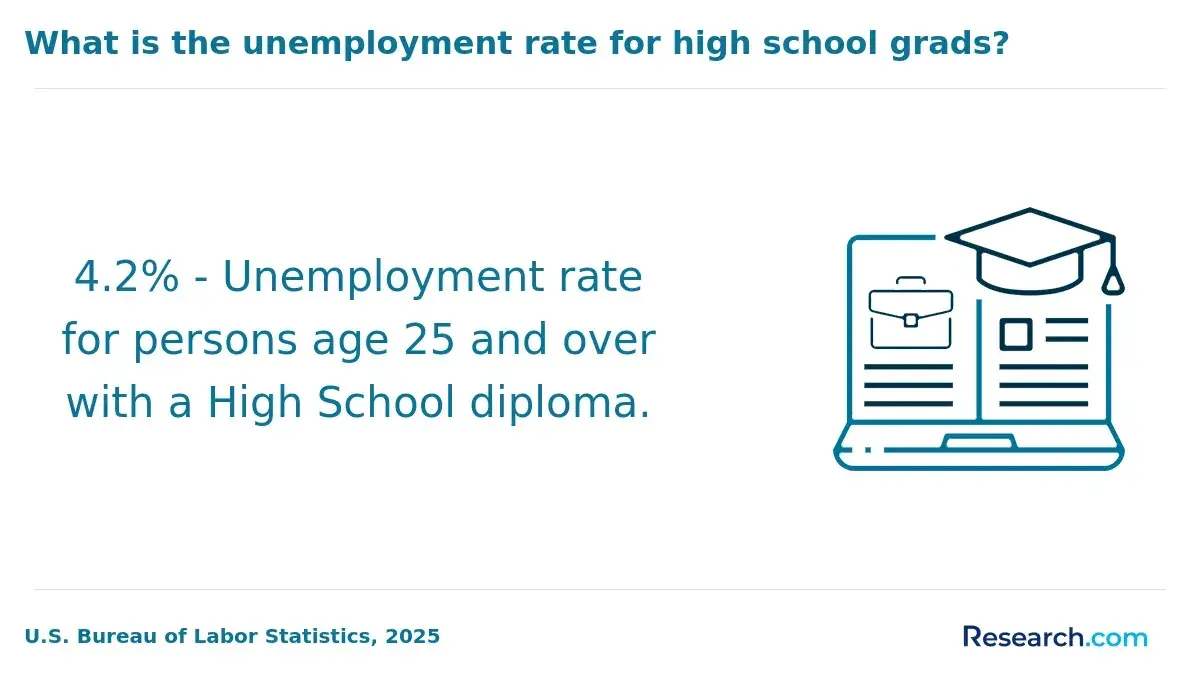
The minimum GPA for admission to an online healthcare administration master’s program commonly falls between 2.5 and 3.0 on a 4.0 scale. Transfer credit standards may be stricter than general admission standards, with many programs requiring a minimum 3.0 GPA for courses considered for transfer. This distinction matters because being admitted to a program does not guarantee that prior credits will be accepted.
Programs use GPA requirements to assess whether applicants are prepared for graduate-level work. They also use grades in individual transfer courses to determine whether previous coursework meets the academic quality expected in the receiving program.
How GPA affects admission and transfer credit
| GPA factor | What it usually means for applicants |
| Standard minimum GPA | Most online healthcare administration master’s programs require a minimum GPA of 2.5 to 3.0 for admission consideration. |
| Transfer credit GPA | Courses submitted for transfer often need a stronger grade record, commonly around a 3.0 GPA, to show graduate-level mastery. |
| Conditional acceptance | Applicants below the stated GPA threshold may still be considered through probationary or conditional admission, depending on the school. |
| Application context | Relevant healthcare, business, military, nonprofit, or management experience may strengthen an application with a borderline GPA. |
Recent data suggests that around 65% of master's programs provide some flexibility by allowing probationary or conditional admissions to support students with marginal GPAs. Applicants in this situation should not rely on GPA flexibility alone. A stronger application usually includes a focused personal statement, well-chosen recommenders, an explanation of academic improvement, and evidence of professional readiness.
How to strengthen an application with a lower GPA
- Address the record directly: Use the personal statement to explain patterns in your transcript, especially if your more recent performance is stronger.
- Highlight relevant work: Healthcare operations, compliance, finance, project management, human resources, or supervisory experience can demonstrate readiness for administration coursework.
- Choose recommenders carefully: Supervisors, faculty members, or professional mentors who can speak to analytical ability and leadership potential are more useful than generic references.
- Ask about conditional pathways: Some schools may admit students conditionally and require strong performance in initial graduate courses before granting full standing.
Applicants also considering adjacent healthcare education options can review nursing programs that are easier to get into to compare admissions expectations across related fields.
How Many Transfer Credits Can You Apply to an Online Healthcare Administration Master's Program?
Most online healthcare administration master’s programs allow students to transfer between 6 and 12 semester hours, though exact limits depend on the school, degree structure, accreditation expectations, and whether the prior courses match required competencies. Nearly 70% of students leverage transfer credits to accelerate their programs, so understanding the cap before enrolling can directly affect your timeline and cost.
Transfer limits exist because the degree-granting institution must ensure that students complete enough coursework through its own curriculum. Even when a course is academically strong, it may not transfer if it duplicates only part of a required course, does not align with program outcomes, or exceeds the institution’s transfer maximum.
Common factors that determine how many credits transfer
- Institutional credit cap: Many programs set a maximum number of transferable graduate credits, often between 6 and 12 semester hours.
- Accreditation of the previous school: Credits from regionally accredited institutions are generally more widely accepted than credits from nationally accredited schools.
- Course equivalency: The receiving program usually compares syllabi, course descriptions, learning outcomes, assignments, and credit hours before approving a course.
- Grade earned: Courses must typically meet a minimum graduate-level grade standard; a course may be denied even if the topic appears relevant.
- Residency rules: Schools often require students to complete a minimum portion of the degree through the institution awarding the master’s.
- Program fit: Electives may be easier to transfer than core courses if the program wants all students to complete the same leadership, finance, policy, or capstone sequence.
What to ask before you enroll
- What is the maximum number of graduate credits I can transfer?
- Are transfer credits applied to core courses, electives, or both?
- Do transfer credits need to be approved before admission, after admission, or after enrollment?
- Will I receive a written degree plan showing exactly how accepted credits apply?
- Can denied credits be appealed with additional documentation?
- : "Submitting transcripts and waiting for the evaluation felt uncertain, but the staff's detailed feedback made a difference."
That experience reflects a common reality: the evaluation process can feel slow, but a detailed review can prevent greater problems later. Students should wait for a formal transfer decision before assuming they can skip courses or reduce their program length.
Which Accreditation Standards Govern Transfer Credits in Online Healthcare Administration Programs?
Accreditation is one of the most important factors in transfer credit decisions for online healthcare administration programs. Nearly 68% of healthcare administration master's programs rank accreditation status as the most critical factor when evaluating transfer credits. In practice, this means a course that looks relevant on paper may still be denied if it was taken at an institution whose accreditation does not meet the receiving school’s standards.
Accreditation matters for more than transfer credit. It can also affect federal financial aid eligibility, employer recognition, graduate school options, and the credibility of the credential. Applicants should verify both the institution they previously attended and the program they plan to enter.
Accreditation bodies and standards to understand
- Regional Accreditation Bodies: Agencies such as the Middle States Commission on Higher Education (MSCHE) and the Higher Learning Commission (HLC) evaluate institutional quality across broad academic programs. Credits from regionally accredited institutions are usually more transferable among graduate programs.
- National Accreditation Agencies: National accreditation is valid but often associated with vocational, technical, or career-focused institutions. Credits from nationally accredited schools may face more restrictions when transferred into regionally accredited healthcare administration master’s programs.
- Programmatic Accreditation by CAHME: The Commission on Accreditation of Healthcare Management Education (CAHME) accredits healthcare management education programs. CAHME standards can influence how programs define required competencies, which affects whether prior coursework is considered equivalent.
- State Authorization and Approval Offices: State authorization affects whether an institution may offer online education to students in particular states. Students should confirm that the program is authorized to serve them where they live.
How accreditation affects your transfer strategy
If your previous credits come from a regionally accredited institution and align closely with the new curriculum, your odds of approval are usually stronger. If credits come from a nationally accredited institution, an international institution, or a specialized training provider, ask the admissions or registrar’s office for a written review before you apply or enroll.
Students comparing healthcare graduate credentials should also examine accreditation standards in related pathways, including MSN to DNP programs online, where institutional and programmatic accreditation can also shape transfer and progression rules.
What Types of Courses Are Eligible for Transfer Credit in a Healthcare Administration Master's Program?
Courses most likely to transfer into an online healthcare administration master’s program are graduate-level classes that closely match the receiving program’s curriculum, were completed at an accredited institution, earned an acceptable grade, and remain current. Recent data shows that about 60% of graduate students use transfer credits to speed up their programs, but transfer approval depends on course fit rather than course title alone.
Programs typically evaluate whether prior coursework supports the knowledge expected of healthcare administrators, including leadership, finance, compliance, policy, operations, data use, and evidence-based decision-making.
Courses that commonly receive transfer consideration
- Core Healthcare Administration Courses: Courses in healthcare finance, healthcare policy, strategic management, organizational behavior, and health services administration may transfer if they match required learning outcomes.
- Health Information Systems: Coursework in health informatics, electronic health records, data analytics, and information governance may qualify when it includes graduate-level analysis and healthcare-specific application.
- Research Methods and Statistics: Courses covering research design, quantitative analysis, qualitative analysis, biostatistics, or applied statistics are often considered if they prepare students for evidence-based administrative decision-making.
- Compliance and Ethics: Coursework in healthcare law, ethics, regulation, risk management, privacy, or compliance may transfer when it aligns with the program’s legal and policy requirements.
- Leadership and Organizational Management: Graduate courses in leadership, human resources, change management, quality improvement, or operations may be accepted, especially when they are healthcare-focused.
- Elective Coursework: Specialized courses may be easier to transfer as electives if they do not directly replace core requirements but still support the degree plan.
Reasons a relevant course may still be denied
- The course is too old: Most schools require transferred credits to have been earned within the past five to seven years to ensure the content is current.
- The course was undergraduate-level: Graduate programs generally do not accept undergraduate coursework toward master’s degree requirements.
- The syllabus is not detailed enough: Schools may need assignments, weekly topics, textbooks, and learning outcomes to determine equivalency.
- The content only partially overlaps: A course with a similar title may not cover enough of the required competencies to replace a required class.
- The course was already used differently: Some institutions limit whether credits used toward a completed degree can be reused in another degree.
Applicants should collect official transcripts, detailed syllabi, course descriptions, and, when possible, major assignments or reading lists. One graduate who changed careers noted that gathering documentation was time-consuming but essential: without thorough syllabi and clear descriptions, her credits might not have been accepted. Her experience shows why students should start early and communicate proactively with admissions and registrar staff.
How Do You Apply for Transfer Credit Evaluation in an Online Healthcare Administration Program?
To apply for transfer credit evaluation, you typically submit official transcripts, course descriptions, syllabi, and any required transfer request forms to the admissions office, registrar, or graduate program office. Recent data shows that around 65% of these programs now accept transfer credits, but each school controls its own review process and timeline.
The best approach is to request evaluation as early as possible, ideally before enrollment. Waiting until after classes begin can lead to poor course selection, missed prerequisites, or unexpected costs.
Step-by-step transfer credit evaluation process
- Review the published transfer policy: Confirm the maximum number of credits allowed, minimum grade required, course age limits, accreditation rules, and whether transfer credit can apply to core courses.
- Request official transcripts: Send transcripts from every institution where you completed graduate coursework. Unofficial transcripts may help with early advising, but official transcripts are usually required for final approval.
- Gather course documentation: Collect syllabi, catalog descriptions, course objectives, textbooks, assignment summaries, and credit-hour information for each course you want reviewed.
- Submit the transfer request: Follow the program’s process exactly. Some schools require a separate form for each course; others review credits automatically after admission.
- Stay in contact: Confirm that documents were received and ask when the review will be completed. Keep records of emails, forms, and decisions.
- Request a written degree plan: After credits are approved, ask how they apply to your program requirements and which courses remain.
- Appeal carefully if needed: If a course is denied, ask whether additional documentation could change the decision. Do not assume an appeal will succeed.
Common mistakes to avoid
- Enrolling before receiving a formal transfer decision.
- Submitting only course titles instead of complete syllabi.
- Assuming all credits from an accredited school will transfer automatically.
- Ignoring residency requirements that limit how many credits can apply.
- Planning a graduation timeline based on hoped-for credits rather than approved credits.
How Long Does It Take to Complete an Online Healthcare Administration Master's Program With Transfer Credits?
Transfer credits can shorten the time needed to finish an online healthcare administration master’s program, but the actual timeline depends on the number of credits accepted, course sequencing, enrollment status, residency rules, and how often required classes are offered. Data from the National Center for Education Statistics shows that utilizing transfer credits can reduce time to degree by up to 30%, depending on institutional policies.
Students should treat advertised completion timelines as estimates, not guarantees. A formal degree plan from the school is the most reliable way to understand how long the program will take with your specific credits applied.
Timeline factors to compare
- Impact of Transfer Credits: Approved transfer credits reduce the number of required courses. The more credits accepted, the more potential time savings, within the school’s credit cap.
- Part-Time vs. Full-Time: Full-time students may finish within 12 to 18 months when many transfer credits are accepted. Part-time enrollment typically extends completion time to 24 to 36 months, depending on course load and credit evaluation.
- Credit Cap Limits: Most programs limit transfer credits to between 6 and 12 credits, which can restrict how much prior coursework shortens the degree.
- Sequential Course Requirements: Some curricula require courses to be taken in a specific order. If a prerequisite does not transfer, your timeline may be longer.
- Residency Minimums: Institutions often require students to earn a minimum number of credits directly through their program to preserve degree integrity.
- Capstone or practicum requirements: Even with transfer credits, students may need to complete final projects, applied research, or integrative coursework at the degree-granting institution.
- Course availability: If required courses are offered only during certain terms, accepted transfer credits may not fully eliminate scheduling constraints.
How to estimate your completion time
Ask each program for a personalized plan that shows accepted transfer credits, remaining course requirements, term-by-term sequencing, and the earliest possible graduation date. If you plan to study part time, confirm whether the program allows consistent part-time progression or whether some terms require a heavier course load.
What Are the Top Online Healthcare Administration Master's Programs That Accept Transfer Credits?
The top online healthcare administration master’s programs that accept transfer credits are usually not defined only by how many credits they accept. A strong program combines transfer flexibility with recognized accreditation, transparent policies, responsive advising, relevant curriculum, and career-aligned outcomes. A program that accepts more credits is not necessarily better if it lacks academic quality or leaves students without strong support.
When comparing options, look for programs that can tell you exactly how previous coursework will apply before you commit. Students evaluating broader healthcare management pathways may also compare health administration degrees online to understand how affordability, accreditation, and flexibility differ across degree levels.
Features of transfer-friendly programs
- Generous Credit Limits: Leading accredited online healthcare administration master’s programs often allow transfer of a substantial portion of credits from previous graduate coursework, sometimes up to half. This can help students avoid redundant classes when prior coursework is closely aligned.
- Clear Evaluation Processes: Strong programs publish transfer policies, identify required documents, explain grade and accreditation requirements, and provide timely written evaluations.
- Strong Student Support: Transfer students benefit from dedicated advising that helps them understand degree plans, course sequencing, registration, and online learning expectations.
- Accredited and Respected Institutions: Accreditation affects transferability, financial aid eligibility, and how employers or future graduate programs may view the credential.
- Commitment to Accessibility: Transfer-friendly programs often support career changers, working adults, military-affiliated students, and international applicants through flexible scheduling and clear admissions communication.
How to compare programs before applying
| Comparison point | What to verify |
| Transfer credit maximum | Ask how many credits can transfer and whether the limit applies differently to core courses and electives. |
| Accreditation | Confirm institutional accreditation and whether programmatic standards affect the curriculum. |
| Evaluation timing | Find out whether credits are reviewed before admission, after admission, or only after enrollment. |
| Cost after transfer | Request a net cost estimate based on the credits likely to be accepted. |
| Student support | Ask whether transfer students receive a dedicated advisor and a written degree completion plan. |
Prospective students should consult institutional rankings, alumni feedback, accreditation databases, and direct admissions guidance. Since transfer credit policies may change, direct confirmation with each admissions office remains essential. Students interested in accelerated healthcare education models can also review fast-track medical programs for a related perspective on flexible completion options.
How Much Does an Online Healthcare Administration Master's Program Cost With Transfer Credits Applied?
The cost of an online healthcare administration master’s program with transfer credits applied depends on per-credit tuition, the number of credits accepted, remaining program requirements, mandatory fees, and financial aid eligibility. Transfer credits can reduce tuition because you take fewer courses, but they do not always reduce every fee or guarantee the lowest net price.
With master's degree holders in healthcare administration earning an average annual salary exceeding $90,000, applicants should still evaluate return on investment carefully. Salary outcomes vary by role, employer, location, experience, and prior background, so the best financial decision is based on realistic cost and career planning rather than tuition alone.
Cost factors affected by transfer credits
- Per-Credit Tuition: Online healthcare administration master’s programs often charge by the credit hour. Approved transfer credits reduce the total number of credits you must complete at the new school.
- Residency Requirements: Some schools require students to complete a minimum number of credits through the degree-granting institution, limiting the cost savings from transfer credit.
- Mandatory Fees: Technology, registration, graduation, course material, and student service fees may apply even if you transfer credits.
- Financial Aid Impact: If transfer credits reduce your course load, your enrollment status may change, which can affect aid eligibility or disbursement amounts.
- Books and Materials: Remaining courses may still require textbooks, software, exam fees, or case-study materials.
- Time Costs: A shorter program can reduce opportunity costs, but part-time students may still pay term-based fees over several enrollment periods.
How to calculate the likely net cost
- Ask the program how many credits are required for the degree.
- Request a preliminary transfer evaluation for your prior graduate coursework.
- Subtract approved transfer credits from total required credits.
- Multiply remaining credits by the program’s per-credit tuition.
- Add mandatory fees and estimated materials costs.
- Ask the financial aid office how your remaining credit load affects loans, scholarships, or employer reimbursement.
For comparison, students may also review medical billing and coding online schools that accept financial aid, which can illustrate how tuition, transfer rules, and aid policies vary across healthcare education options.
Are There Financial Aid Options Available for Online Healthcare Administration Master's Students With Transfer Credits?
Yes. Online healthcare administration master’s students with transfer credits may still qualify for financial aid, but eligibility depends on the school, enrollment status, degree requirements, and remaining credits. Nearly 55% of graduate students rely on federal aid, so applicants should understand how transferred credits may change the number of credits they take each term.
Transfer credits can reduce total tuition, but they may also reduce the course load needed to finish the degree. If that lowers a student from full-time to part-time enrollment, it can affect federal loan amounts, scholarship requirements, or employer tuition reimbursement rules.
Common financial aid and funding options
- Federal Aid Impact: Graduate students may use federal aid if they meet eligibility requirements and attend an eligible institution. Enrollment intensity can affect aid amounts, especially if transfer credits reduce remaining coursework.
- Institutional Scholarships: Some schools offer scholarships for healthcare administration graduate students, working professionals, transfer students, or career changers. Availability and criteria vary by institution.
- Employer Tuition Assistance: Healthcare systems, insurers, government agencies, and other employers may provide tuition reimbursement or education benefits for employees pursuing management-related degrees.
- FAFSA Submission: Filing the Free Application for Federal Student Aid (FAFSA) is essential for accessing federal, state, and institutional aid. Students should update financial aid offices if transfer credits change enrollment plans.
- Graduate Assistantships: Some programs offer assistantships with tuition waivers, stipends, research work, or administrative responsibilities, though online students should confirm whether remote participation is allowed.
- Payment Plans: Monthly payment options may help students manage out-of-pocket balances after aid and transfer credits are applied.
Questions to ask the financial aid office
- Will my accepted transfer credits change my enrollment status?
- How many credits must I take each term to remain eligible for aid?
- Are scholarships prorated for part-time students?
- Can employer reimbursement be combined with federal aid?
- Will transfer credits affect satisfactory academic progress calculations?
What Are the Admission Requirements for Online Healthcare Administration Master's Programs That Accept Transfer Credit Policies?
Admission requirements for online healthcare administration master’s programs that accept transfer credits usually include a completed application, official transcripts, a minimum GPA, a personal statement, letters of recommendation, and documentation for any credits submitted for review. Nearly 60% of these programs request supplementary materials such as letters of recommendation and personal statements, which can be especially important for applicants changing careers or returning to school after time away.
Transfer credit does not replace the admissions process. A school may admit you but approve only some, or none, of your prior credits. Applicants should treat admission and transfer evaluation as related but separate decisions.
Typical admission requirements
- Completed Graduate Application: Applicants generally submit an online application with academic, professional, and personal information.
- Official Transcripts: Schools usually require transcripts from all previously attended colleges and universities, including any graduate institutions.
- Minimum GPA: Many programs require a minimum GPA within the 2.5 to 3.0 range, though individual transfer courses may need stronger grades.
- Letters of Recommendation: Recommenders should be able to discuss your leadership potential, analytical ability, work ethic, and readiness for graduate study.
- Personal Statement: A strong statement explains why healthcare administration fits your goals and how your prior academic or professional experience prepares you for the program.
- Resume or CV: Programs may ask for work history, leadership experience, healthcare exposure, military background, certifications, or management responsibilities.
- Transfer Credit Documentation: Applicants seeking transfer credit should submit syllabi, course descriptions, credit-hour details, and any required transfer forms.
- Standardized Test Policies: Some programs waive GRE or other standardized test requirements, while others may require them depending on applicant background and institutional policy.
How to present previous graduate coursework
If you have prior graduate credits, explain them clearly rather than assuming admissions staff will infer their relevance. Identify how your completed coursework connects to healthcare leadership, operations, policy, finance, compliance, or analytics. If your background is outside healthcare, show how your previous field developed transferable skills such as budgeting, team leadership, process improvement, data analysis, or regulatory awareness.
Applicants should also verify start dates. Many online programs offer rolling admissions or multiple start dates annually, which can help students move quickly once transfer credits are evaluated.
What Graduates Say About Online Healthcare Administration Degree Master's Programs That Accept Transfer Credits
- : "I chose an online healthcare administration master's degree because I needed the flexibility to balance my family life while preparing for a career switch. The program's affordability was a major plus, allowing me to invest in my future without overwhelming debt. Since graduating, I've confidently stepped into a leadership role in healthcare, which has truly transformed my professional path. — Elliot"
- : "Reflecting on my decision, the online healthcare administration master's program offered the perfect combination of convenience and comprehensive curriculum. The cost was reasonable compared to traditional programs, making it accessible as I transitioned from an unrelated industry. This degree equipped me with the skills to navigate healthcare systems effectively, opening doors I never thought possible. — Justine"
- : "From a professional standpoint, pursuing an online healthcare administration master's degree was a strategic move to pivot careers efficiently. I appreciated how affordable the program was, which allowed me to continue working while studying. Now, I apply the leadership and management techniques I learned every day, and it's been instrumental in accelerating my new career trajectory. — Kirsten"
Other Things You Should Know About Healthcare Administration Degrees
Online Healthcare Administration master's programs typically require official transcripts and detailed course descriptions to evaluate transfer credits. Admissions offices assess course content, credit hours, and accreditation of the previous institution to ensure alignment with program standards. Some programs also consider the grade earned and the recency of coursework before accepting transfer credits.
Most online Healthcare Administration master's programs do not award transfer credits for professional certifications or work experience alone. However, some programs may offer credit through prior learning assessments or portfolio reviews if the experience demonstrates equivalent graduate-level knowledge. Policies vary by institution, so applicants should consult specific program guidelines.
In 2027, online Healthcare Administration master's programs assess transfer credits by reviewing accreditation, course content, and grade earned at the original institution. Students should provide syllabi and transcripts to facilitate evaluation and ensure credits align with program requirements.
References
- How to Transfer Credits Between Human Services Programs https://www.allpsychologyschools.com/blog/your-guide-to-transferring-credits-to-a-human-services-program/
- Master of Healthcare Administration | Rasmussen University https://www.rasmussen.edu/degrees/health-sciences/master-healthcare-administration/
- Top 20 Master’s in Healthcare Management Online/Online MBA Healthcare Administration https://www.healthcare-management-degree.net/best/online-masters-programs/
- Master of Healthcare Administration | ACE https://ace.edu/degree-programs/masters-degrees/masters-healthcare/master-of-healthcare-administration/
- The Importance of CAHIIM Accreditation for Health Informatics Programs https://www.usfhealthonline.com/resources/health-informatics/the-importance-of-cahiim-accreditation-for-health-informatics-programs/
- Master of Healthcare Administration https://www.umassglobal.edu/academic-programs/master-healthcare-administration
- Online Healthcare Administration Program Benefits and Student Guide https://online.aurora.edu/program-resources/bs-healthcare-administration-degree-guide/
- 6 Key Benefits of a Masters in Health Care Management | UNF https://www.unfc.ca/blog/6-benefits-of-a-masters-in-health-care-management
- Master of Health Administration Admissions | Icahn School of Medicine https://icahn.mssm.edu/education/admissions/graduate-education/ms-healthcare-administration
- Master of Science in Healthcare Administration | UMGC Europe https://europe.umgc.edu/online-degrees/masters/health-care-administration