
2027 Digital Media vs. Marketing Degree: Explaining the Difference

Co-Founder and Chief Data Scientist
Choosing between a Digital Media degree and a Marketing degree is really a choice between two ways of influencing audiences. Digital media programs train students to create the assets people see, watch, hear, and interact with online. Marketing programs train students to understand customers, position products or services, and plan campaigns that support business goals.
The overlap can make the decision confusing. Both fields use social platforms, analytics, branding, storytelling, and digital tools. The difference is the center of gravity: Digital Media is more production-focused, while Marketing is more strategy- and consumer-focused. This guide explains what each degree covers, how the coursework and skills compare, what careers each can lead to, and how to choose the better fit for your goals, strengths, and budget.
Key Points About Pursuing a Digital Media vs. Marketing Degree
- Digital Media degrees focus on content creation, multimedia skills, and technology, while Marketing degrees emphasize consumer behavior, strategy, and analytics for business growth.
- Average tuition for Digital Media programs is around $25,000 annually, slightly lower than Marketing programs, which average $28,000; both typically take four years to complete.
- Career paths diverge: Digital Media graduates enter roles in video production and digital design, whereas Marketing graduates pursue brand management, market research, and advertising positions.
What are Digital Media Degree Programs?
A Digital Media degree program prepares students to create, edit, publish, and manage digital content across websites, social platforms, streaming channels, mobile experiences, and other online environments. The degree is a strong fit for students who want to work with visual communication, multimedia production, digital storytelling, design, and interactive media.
Coursework commonly includes graphic and web design, animation, video production, social media content, visual communication, user experience concepts, and digital storytelling. Many programs also introduce media law, ethics, accessibility, copyright, privacy, and the social impact of digital technologies, because media professionals often make decisions that affect audiences, brands, and public trust.
These bachelor's degrees usually require about 120 credits and are designed to be completed in approximately four years of full-time study. Admission criteria commonly include a high school diploma or its equivalent. Some programs, especially those with design, animation, or production tracks, may ask applicants to submit a portfolio or samples of creative work.
The strongest Digital Media programs emphasize practice. Students should expect studio projects, production assignments, critiques, collaborative work, and portfolio development. A good portfolio matters because employers often want evidence that a graduate can produce usable content, work with feedback, and understand how media choices affect audience experience.
Digital Media is a good fit if you want to:
- Create videos, graphics, animations, websites, social content, or interactive media.
- Build a portfolio of finished work before graduation.
- Use creative software and production tools regularly.
- Work in roles where visual quality, storytelling, usability, and technical execution matter.
What are Marketing Degree Programs?
A Marketing degree program teaches students how organizations identify customers, understand demand, build brands, communicate value, and measure the success of promotional strategies. The degree is a strong fit for students who like business, consumer psychology, communication, data, and strategic decision-making.
The curriculum often includes branding, integrated marketing communications, global marketing, digital marketing, sales, market research, consumer behavior, advertising, analytics, and campaign planning. This mix helps students understand both the creative and business sides of promotion: what message to send, who should receive it, where it should appear, and how results should be measured.
Typically, bachelor's degrees in marketing take four years of full-time study to complete. Admission into these programs usually requires a high school diploma, competitive GPA, and standardized test scores. Some institutions also ask for prior coursework in business-related subjects.
Students can expect applied learning through case studies, simulations, campaign projects, internships, cooperative education, and research assignments. These experiences help connect classroom concepts to real business problems, such as entering a new market, improving brand perception, increasing sales, or evaluating customer data.
Marketing is a good fit if you want to:
- Study why people buy, subscribe, donate, click, or engage.
- Plan campaigns and evaluate performance using data.
- Work across business functions such as sales, product, communications, and analytics.
- Help organizations grow audiences, revenue, loyalty, or brand recognition.
What are the similarities between Digital Media Degree Programs and Marketing Degree Programs?
Digital Media and Marketing degrees overlap because both prepare students to reach audiences through digital channels. A digital media student may learn how to produce the content used in a campaign, while a marketing student may learn how to plan, target, launch, and measure that campaign. In many workplaces, these functions are closely connected.
The shared value of both programs is that they combine communication, creativity, technology, and audience awareness. Students in either field should expect to learn how messages are shaped, how platforms influence engagement, and how digital content supports organizational goals.
- Audience-centered communication: Both programs teach students to think about who the audience is, what the audience needs, and how messages should change by platform or context.
- Content creation and messaging: Both fields involve writing, visual communication, storytelling, and platform-specific content. The difference is that Digital Media usually goes deeper into production, while Marketing usually connects content to campaign goals.
- Digital tools and platforms: Students may work with content management systems, social media platforms, analytics dashboards, design tools, web tools, or emerging technologies such as artificial intelligence.
- Data-informed decision-making: Both programs increasingly use performance data. Digital media students may analyze engagement and usability; marketing students may study customer segments, conversion behavior, and campaign results.
- Project-based learning: Both degrees often include applied assignments, group projects, capstones, internships, or portfolio-style work that demonstrates practical ability.
- Four-year bachelor’s structure: Bachelor's degrees typically span four years, balancing general education, electives, and major coursework.
- Similar entry requirements: Programs usually require a high school diploma or equivalent. Some institutions may also look for communication ability, creative potential, business interest, or a portfolio, depending on the major and concentration.
Career paths can also intersect. A social media role, content strategy position, or digital campaign role may accept graduates from either background if they can show the right mix of writing, design awareness, analytics, and platform knowledge. Students considering a shorter starting point before transferring may also compare options such as a quick online associate degree pathway in a related field.
What are the differences between Digital Media Degree Programs and Marketing Degree Programs?
The main difference is the primary question each degree teaches students to answer. Digital Media asks, “How do we create effective digital content or experiences?” Marketing asks, “How do we understand customers and use strategy to promote value?” Both questions matter, but they lead to different coursework, assignments, and career preparation.
- Core focus: Digital Media centers on producing multimedia content such as video, graphics, animation, web experiences, and interactive stories. Marketing centers on customer insight, branding, positioning, promotion, market research, and campaign strategy.
- Typical coursework: Digital Media programs are more likely to include production studios, design principles, editing, animation, web design, media ethics, and portfolio courses. Marketing programs are more likely to include consumer behavior, market research, advertising, sales, branding, analytics, and business strategy.
- Primary outputs: Digital Media students often graduate with a portfolio of creative and technical projects. Marketing students often graduate with campaign plans, research projects, case analyses, presentations, and internship experience.
- Tools used: Digital Media students may spend more time with creative software, cameras, editing platforms, design tools, web tools, and publishing systems. Marketing students may spend more time with analytics platforms, customer research methods, CRM concepts, advertising platforms, and campaign planning tools.
- Career direction: Digital Media graduates often pursue content creation, multimedia production, web design, social content, and visual communication roles. Marketing graduates often pursue marketing coordination, brand support, market research, digital marketing, sales enablement, analytics, and campaign management roles.
- Assessment style: Digital Media courses often rely on critiques, production projects, revisions, and portfolios. Marketing courses often rely on case studies, research papers, presentations, data analysis, and campaign proposals.
- Best-fit student profile: Digital Media may suit students who enjoy making things and improving them through feedback. Marketing may suit students who enjoy solving business problems, interpreting customer behavior, and connecting creative ideas to measurable goals.
A practical way to decide is to look at the work you want to do every week. If you want to spend more time designing, editing, producing, and publishing, Digital Media may fit better. If you want to spend more time researching, planning, positioning, analyzing, and presenting strategy, Marketing may be the stronger choice.
What skills do you gain from Digital Media Degree Programs vs Marketing Degree Programs?
Both degrees build communication skills, but they develop different kinds of professional evidence. Digital Media students usually prove their readiness through a portfolio of content and production work. Marketing students usually prove their readiness through campaign plans, research, analytics projects, internships, and measurable business thinking.
Skill Outcomes for Digital Media Degree Programs
- Graphic design: Students learn to use design principles such as typography, hierarchy, color, layout, and composition to create digital assets for websites, social platforms, campaigns, and media products.
- Audio and video production: Programs often include hands-on experience with cameras, lighting, sound, scripting, editing, and post-production so students can produce polished multimedia content.
- Web design and development: Training may include HTML, CSS, JavaScript, content management systems, responsive design, and usability principles for creating accessible and user-friendly digital experiences.
- Animation and motion media: Students may learn how movement, timing, sequencing, and visual effects can improve storytelling and audience engagement.
- Digital storytelling: Students practice combining visuals, text, sound, pacing, and platform conventions to communicate a clear message.
- Portfolio development: Students learn how to present work professionally, explain creative choices, and revise projects based on critique.
Skill Outcomes for Marketing Degree Programs
- Market research: Students learn to collect, interpret, and present information about customers, competitors, demand, and market conditions.
- Consumer behavior analysis: Coursework helps students understand why audiences respond to certain messages, brands, prices, channels, or offers.
- Digital marketing: Common skill areas include SEO, SEM, content marketing, email marketing, social media advertising, and performance measurement.
- Campaign management: Students learn to plan objectives, choose channels, set budgets, coordinate creative work, and evaluate campaign performance.
- Brand strategy: Students study how organizations build recognition, trust, differentiation, and loyalty over time.
- Analytics and reporting: Marketing students learn to use data to support recommendations, measure ROI, and communicate findings to stakeholders.
In career terms, Digital Media graduates are often strongest when a job requires visible creative output, production ability, and technical media skills. Marketing graduates are often strongest when a job requires customer insight, campaign planning, analysis, and business communication. Students looking for broader access points can also research colleges with open admissions that offer related digital media, communications, or business pathways.
Which is more difficult, Digital Media Degree Programs or Marketing Degree Programs?
Neither degree is automatically harder. The more difficult option depends on the student’s strengths. Digital Media can feel harder for students who are uncomfortable with creative critique, production deadlines, technical tools, or open-ended projects. Marketing can feel harder for students who dislike research, quantitative analysis, business cases, or strategic writing.
Digital Media programs are often demanding because students must repeatedly produce work, receive feedback, revise, and improve. A video, website, animation, or design project can take many hours outside class, and the quality of the final product is visible. Students must also keep learning new tools as platforms and software change.
Marketing programs can be demanding in a different way. Students may need to analyze customer data, interpret research, write persuasive recommendations, understand business constraints, and defend campaign decisions. Courses may involve statistics, market research, finance-related concepts, case studies, and presentations.
Digital Media may feel harder if you struggle with:
- Learning creative or production software independently.
- Accepting critique and revising work multiple times.
- Managing long project timelines and technical troubleshooting.
- Building a portfolio that meets professional expectations.
Marketing may feel harder if you struggle with:
- Interpreting data, research, or customer behavior.
- Connecting creative ideas to measurable business goals.
- Writing structured recommendations and presenting strategy.
- Balancing creativity with budgets, competition, and performance metrics.
The best question is not “Which major is easier?” but “Which type of difficulty am I more willing to practice?” Students who are comparing commitment, opportunity, and long-term value may also want to review high-paying bachelor’s degree options as part of a broader education plan.
What are the career outcomes for Digital Media Degree Programs vs Marketing Degree Programs?
Both degrees can lead to digital, creative, communications, and business roles, but employers usually evaluate candidates by evidence of skill. For Digital Media graduates, that evidence is often a portfolio. For Marketing graduates, it may be internship experience, campaign results, analytics ability, writing samples, and business recommendations.
Career Outcomes for Digital Media Degree Programs
Digital Media graduates often enter creative and technical roles where they produce content, manage digital assets, improve online experiences, or support brand communication. Demand can vary by industry, location, portfolio quality, and technical specialization.
- Content Marketing Specialist: Develops and manages digital content to engage target audiences and support brand awareness.
- Web Designer: Creates visually appealing, user-friendly websites that combine design principles with web production skills.
- Social Media Specialist: Plans, creates, schedules, and evaluates social media content to improve engagement and brand consistency.
- Multimedia Designer: Produces graphics, video, motion assets, and interactive content for digital platforms.
- UX-focused content or design assistant: Supports user-friendly digital experiences through layout, content structure, usability testing, or visual design.
When considering digital media degree career outcomes in the United States, many graduates look for roles in media, entertainment, agencies, corporate communications, education, nonprofits, technology, and ecommerce. Salaries vary but can range from $50,000 to over $150,000 depending on experience and specialization. That range should be treated as a broad possibility, not a guarantee for entry-level graduates.
Career Outcomes for Marketing Degree Programs
Marketing graduates can work across many sectors because most organizations need to understand customers, communicate value, and grow demand. Roles may be more business-oriented than digital media roles, though many marketing jobs still require creativity and digital fluency.
- Marketing Manager: Oversees marketing campaigns, budgeting, planning, and strategy to increase sales, visibility, or customer engagement.
- Brand Associate: Supports brand development initiatives, market research, product messaging, and promotional activities.
- Data Analyst: Interprets market and consumer data to improve marketing decisions and campaign performance.
- Digital Marketing Specialist: Manages SEO, paid search, email, social ads, content campaigns, or performance reporting.
- Market Research Analyst: Studies customer needs, competitors, pricing, and demand to guide business decisions.
According to the Bureau of Labor Statistics, advertising and marketing managers earn a median salary of $138,730, with a job growth rate projected at 6% through 2032. Manager-level salaries generally reflect experience and responsibility; new graduates usually start in coordinator, assistant, specialist, analyst, or associate roles before moving into management.
Students who need flexible or lower-cost options can compare affordable online schools that accept FAFSA while evaluating program quality, accreditation, internship access, and career support.
How much does it cost to pursue Digital Media Degree Programs vs Marketing Degree Programs?
The cost of a Digital Media or Marketing degree depends on school type, residency status, delivery format, transfer credits, fees, supplies, housing, and financial aid. Public in-state programs are usually less expensive than private colleges, while online programs may reduce costs related to commuting or housing. However, online tuition is not always cheaper, so students should compare the full cost of attendance rather than tuition alone.
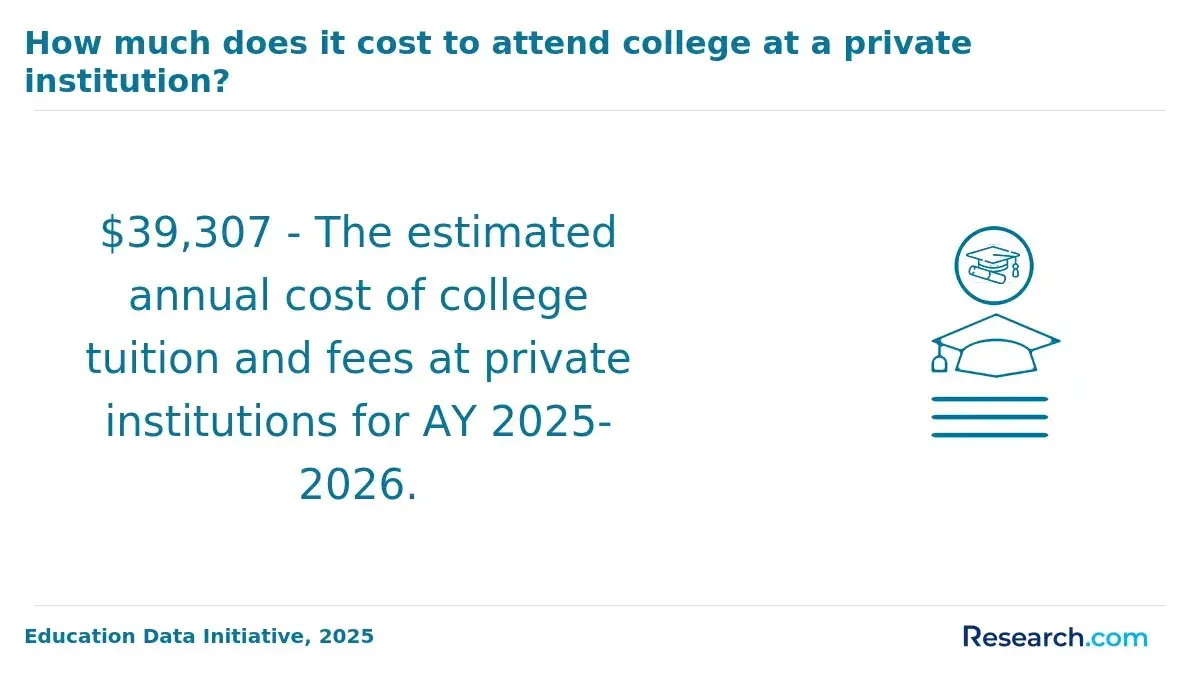
For Digital Media degrees, in-state students at public universities usually pay between $8,000 and $20,000 annually. Private universities often charge $30,000 or more per year in tuition and fees. Students should also budget for technology-related costs, which may include a capable computer, software subscriptions, storage, cameras, audio equipment, or production materials, depending on the program.
Online Digital Media degrees, when offered, may reduce costs by eliminating the need for housing and transportation. Students should still check whether the program requires special software, studio visits, proctored exams, or specific hardware.
Marketing degree programs show a similar pricing pattern. Online bachelor's degrees in Marketing can cost anywhere from $4,770 up to $11,700 annually at accredited institutions. Traditional programs at public universities generally range from $8,000 to $12,000 per year for in-state tuition, while private schools commonly exceed $30,000 annually.
Graduate-level marketing degrees can have total tuition fees between $20,000 and $40,000 at public universities, with private school fees often being higher. Doctoral programs, although less frequent, tend to be the most expensive.
Cost factors to compare before enrolling
- Accreditation: Choose an accredited institution so your degree is more likely to be recognized by employers and eligible for federal financial aid.
- Total cost of attendance: Include tuition, fees, books, technology, housing, transportation, and required supplies.
- Program format: Online, hybrid, and on-campus programs can differ in cost, flexibility, networking, and access to equipment.
- Transfer credit: Community college credits, prior learning, or associate degree pathways may reduce the number of credits you must pay for.
- Internship access: A cheaper program may not be the best value if it has weak employer connections or limited career support.
- Portfolio or project resources: Digital Media students should confirm access to labs, software, equipment, and production support.
Financial assistance is widely available for both Digital Media and Marketing students. Certain schools, like Champlain College, provide average aid packages exceeding $26,000 yearly, and many institutions offer support to nearly all qualified applicants. Compare aid offers carefully because the largest scholarship does not always produce the lowest final cost. Look at net price, loan amounts, renewal requirements, and whether aid continues after the first year.
How to choose between Digital Media Degree Programs and Marketing Degree Programs?
Choose Digital Media if you want your education to revolve around creating digital content and experiences. Choose Marketing if you want your education to revolve around understanding customers and planning strategies that help organizations grow. If you enjoy both, look for programs with concentrations, minors, electives, or certificates that let you combine production and strategy.
Use these questions to decide
- Do you want to make the content or plan the campaign? Digital Media leans toward making, editing, designing, and publishing. Marketing leans toward researching, targeting, positioning, and measuring.
- What kind of assignments motivate you? Digital Media students often complete videos, websites, designs, animations, and portfolio projects. Marketing students often complete campaign plans, market research, analytics reports, case studies, and presentations.
- How comfortable are you with data? Marketing usually requires more sustained work with consumer research, analytics, and performance metrics. Digital Media also uses data, but production quality and design execution are often more central.
- How important is a creative portfolio? If you want employers to see finished media work, Digital Media may be stronger. If you want employers to see strategic thinking and business impact, Marketing may be stronger.
- What industries interest you? Digital Media can fit media production, agencies, entertainment, education, corporate communications, and digital content teams. Marketing can fit nearly any sector, including retail, finance, healthcare, technology, nonprofits, and consumer brands.
- Do you want broader business preparation? Marketing usually sits closer to business operations, sales, product strategy, and management. Digital Media usually sits closer to creative production, design, and digital communication.
- Can you combine both? A Digital Media major with marketing electives can prepare for content strategy. A Marketing major with design, video, or web electives can prepare for digital marketing roles that require hands-on content skills.
Common mistakes to avoid
- Choosing Digital Media only because you like social media, without checking whether you enjoy production, critique, and technical tools.
- Choosing Marketing only because it sounds broad, without checking whether you enjoy analytics, research, and business strategy.
- Ignoring internship access, career services, alumni outcomes, and portfolio support.
- Assuming either degree automatically leads to a high salary without building experience and demonstrable skills.
- Overlooking accreditation, transfer policies, financial aid terms, and total cost.
If you want a marketing career and enjoy analytics, strategy, consumer behavior, and business communication, Marketing is likely the better fit. If you want a career built around creativity, digital production, visual storytelling, and hands-on media projects, Digital Media is likely the better fit. Students comparing college with more direct employment pathways may also want to review trade programs that pay well.
What Graduates Say About Their Degrees in Digital Media Degree Programs and Marketing Degree Programs
Graduate experiences can help illustrate how these degrees feel in practice, but individual outcomes vary by school, location, internship access, portfolio quality, work experience, and job market conditions. Use testimonials as perspective, not as a guarantee of salary or employment.
- Leonard: "The Digital Media program challenged me with its rigorous coursework, but it truly prepared me for the fast-paced creative industry. The hands-on projects and collaboration with industry professionals gave me a competitive edge in my career. I now work at a leading agency, earning significantly more than I expected."
- Jairo: "Reflecting on my Marketing Degree, I appreciate how the curriculum integrated real-world case studies and internships that built my confidence and strategic thinking. The diverse learning opportunities expanded my perspective beyond textbooks and lectures, making me adaptable across various business settings. This program was a turning point in my professional journey."
- Charles: "Enrolling in the Marketing program was a smart investment. The focus on digital strategies and data analytics aligned perfectly with market demands, and the career services helped me land a role at a top firm shortly after graduation. The income uplift and job satisfaction I've experienced confirm the value of this degree."
Other Things You Should Know About Digital Media Degree Programs & Marketing Degree Programs
In 2027, digital media degrees emphasize design, multimedia content creation, and visual communication. In contrast, marketing degrees focus on consumer behavior, market research, and strategic planning to build brand value and drive sales. Both programs introduce specialized software tools relevant to their fields.
In 2027, foundational skills for both digital media and marketing degrees include strong analytical abilities, creative thinking, and proficiency in digital tools. However, strong communication skills remain crucial, as they enable clear idea presentation, collaboration, and effective audience engagement across various platforms.
Admission requirements for these programs typically include a high school diploma, standardized test scores like the SAT or ACT, and a personal statement. Some schools may require portfolios or interviews for digital media tracks to assess creative potential and skills.
References
- Digital Media Program | Endicott College https://www.endicott.edu/academics/schools/social-sciences-communication-humanities/undergraduate-programs/digital-media-program
- Digital Marketing Courses in USA: Universities, Fees, Salaries https://theworldgrad.com/study-resources/digital-marketing-courses-in-usa/
- Digital Marketing Course vs Digital Marketing Degree: Which Has Better ROI? https://www.dypatilonline.com/blogs/digital-marketing-course-vs-degree
- What Can You Do with a Digital Media Degree? | Maryville Online https://online.maryville.edu/online-bachelors-degrees/digital-media/careers/what-can-you-do-with-a-digital-media-degree/
- Digital Marketing: College Degree vs. Certificate Program https://www.nobledesktop.com/blog/digital-marketing-college-degree-vs-certificate-program
- Is the Marketing Job Outlook Strong in 2025? https://imcprofessional.medill.northwestern.edu/blog/marketing-job-outlook
- 5 Things to Look for in a Digital Media Degree Program https://graduate.northeastern.edu/knowledge-hub/digital-media-degree-programs/
- What is a Marketing Degree? https://www.wgu.edu/blog/marketing-degree2104.html
- Why study a Marketing and Media degree? https://www.kaplanpathways.com/blog/why-study-a-marketing-and-media-degree/
- What can I do with a media studies degree? | Prospects.ac.uk https://www.prospects.ac.uk/careers-advice/what-can-i-do-with-my-degree/media-studies


