2027 How to Become a News Anchor: Education, Salary, and Job Outlook

Co-Founder and Chief Data Scientist
Becoming a news anchor is a career decision about more than appearing on camera. It means choosing a public-facing journalism role where accuracy, judgment, delivery, and credibility are tested every day. Anchors help audiences understand breaking developments, local issues, elections, emergencies, investigations, and human-interest stories across television, streaming, radio, and digital platforms.
The path is competitive. Most candidates build their careers through journalism or communications education, newsroom internships, reporting experience, strong writing, and repeated on-camera practice. The job also keeps changing: anchors are now expected to work across live broadcasts, social media, video clips, podcasts, and web-based news coverage.
This guide explains the credentials, skills, career stages, salary factors, internship options, workplaces, challenges, and self-assessment questions that can help you decide whether news anchoring is the right professional path for you.
What are the benefits of becoming a news anchor?
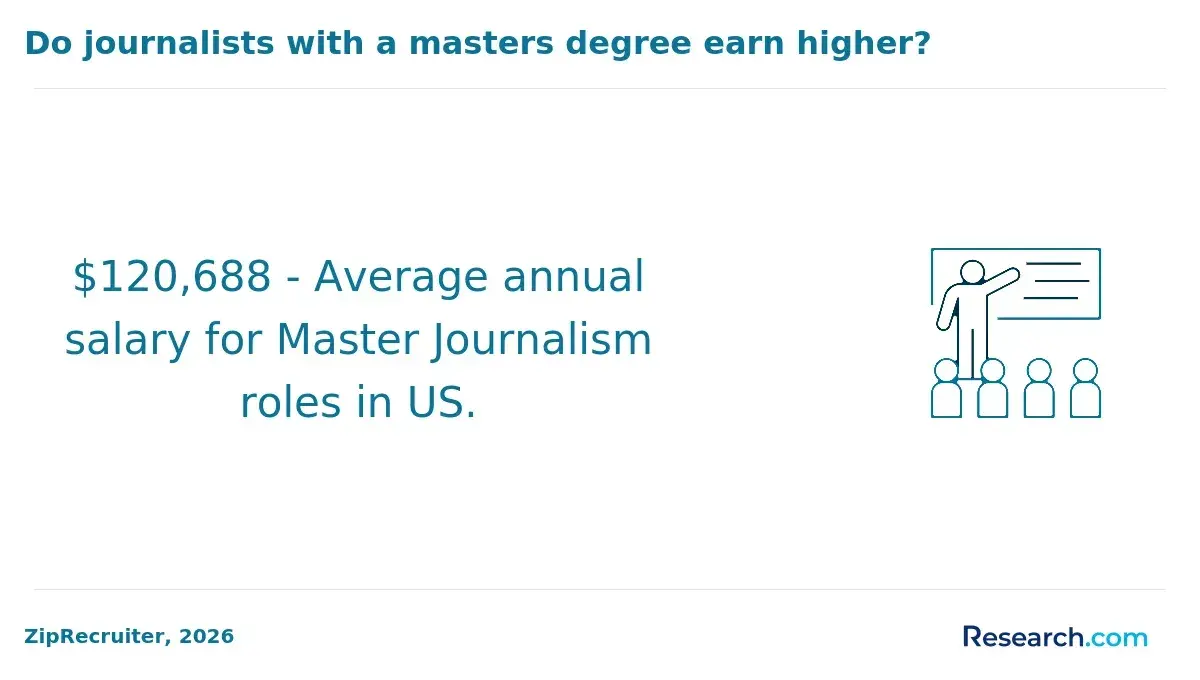
- The news anchor profession offers an average salary of around $60,000 annually, with top earners reaching over $120,000, reflecting rewarding financial potential.
- Job outlook for news anchors is stable, with a projected growth rate of 4% through 2025, driven by continuing demand for reliable news sources.
- Pursuing this career cultivates strong communication and critical thinking skills, providing opportunities to influence public discourse and engage diverse audiences.
What credentials do you need to become a news anchor?
Most news anchors need a mix of formal education, newsroom experience, and strong communication ability. A degree alone is rarely enough; employers usually want proof that you can report accurately, write clearly, handle live situations, and connect with an audience.
Key news anchor qualifications for 2025 include:
- Bachelor's degree: Most anchors hold a degree in journalism, communications, broadcast journalism, or a related field such as political science or English. These programs help students build reporting, interviewing, media ethics, news writing, editing, and presentation skills.
- Hands-on newsroom experience: Internships, campus television, student radio, local newspapers, podcasts, digital newsrooms, and entry-level reporting jobs help you build a reel and portfolio. Many anchors start in smaller markets before moving to larger stations or networks.
- Certificate programs: Broadcasting or journalism certificates that last six months to a year can help candidates who want practical training, a career change, or focused preparation in video production, media writing, or on-camera performance. They are useful, but they usually do not replace experience.
- Continued education: Workshops, seminars, and graduate study can strengthen specialized knowledge, especially for anchors who cover politics, business, health, science, or public affairs. If you want an accelerated graduate option, you can compare one year graduate programs while weighing cost, accreditation, workload, and career relevance.
- Communication and presentation strength: Anchors need clear spoken and written English, confident delivery, strong listening skills, and the ability to explain complicated stories without oversimplifying them. Debate, theater, public speaking, and student media can all help develop these abilities.
The strongest candidates can show both training and proof of performance: published clips, video packages, live-shot samples, interview work, scripts, and references from editors or producers.
What skills do you need to have as a news anchor?
A news anchor is not just a presenter. The role combines reporting judgment, writing speed, editorial discipline, live performance, and audience trust. The most successful anchors are reliable under pressure and careful with facts, especially when information is still developing.
- Clear verbal and written communication: You must explain stories in plain language, write tight scripts, ask focused questions, and adjust your tone for serious, urgent, or lighter segments.
- Research and fact verification: Anchors need to understand sources, verify claims, avoid speculation, and know when information is not yet confirmed. Accuracy matters more than being first.
- Digital and social media fluency: Modern anchors often promote stories, respond to audiences, post video clips, and participate in live digital coverage. Platforms such as Twitter and Facebook remain part of audience engagement, but professionalism and verification are essential.
- On-camera confidence: Strong posture, natural eye contact, controlled facial expression, and steady vocal delivery help viewers trust the broadcast. Confidence should not come across as performance without substance.
- Quick decision-making and multitasking: During breaking news, anchors may listen to producers, read updated copy, handle live interviews, manage timing, and respond to technical issues at the same time.
- Scriptwriting and editing: Anchors often revise copy quickly to improve accuracy, pacing, and clarity. Strong writing helps a broadcast sound informed rather than mechanical.
- Ethics and objectivity: The job requires fairness, transparency, sensitivity, and discipline. Anchors must avoid conflicts of interest, misleading framing, and unsupported commentary.
- Adaptability: News formats, viewer habits, and newsroom tools change often. Anchors who can shift between studio segments, field reporting, digital video, and live streaming have broader career options.
Common weaknesses that hold candidates back include reading scripts without understanding them, relying too heavily on personality, neglecting writing skills, and treating social media as separate from journalistic credibility.
What is the typical career progression for a news anchor?
News anchor careers usually develop in stages. Many people do not begin at the anchor desk; they first work as reporters, production assistants, multimedia journalists, editors, or weekend anchors. Career movement depends on performance, market size, audience trust, newsroom needs, and the quality of your reel.
- Junior News Anchor: In the first couple of years, you may anchor less visible time slots, assist with short updates, learn teleprompter pacing, improve vocal control, and develop composure during live segments.
- News Anchor: After two to five years, anchors may handle regular broadcasts independently, conduct live interviews, contribute to editorial meetings, and become more visible to the station's audience.
- Senior News Anchor: With five to ten years of experience, anchors may lead major programs, cover high-profile stories, mentor junior staff, and influence the station's public image and editorial direction.
- Lead News Anchor: Between ten and fifteen years, anchors may take on leadership responsibilities, guide teams, shape content strategy, and represent the newsroom during major coverage events.
- Chief News Anchor: At fifteen or more years, anchors may become the principal editorial authority within a division, leading major broadcasts and serving as a key public face of the organization.
Specialization can change this path. Anchors who build recognized expertise in investigative journalism, political reporting, business news, weather-related coverage, or community affairs may advance faster or move into more desirable markets. Others transition into executive production, newsroom leadership, podcast hosting, documentary work, or digital-first journalism.
Progression is rarely automatic. Strong storytelling, reliability, audience connection, ethical judgment, and the ability to break or clarify important stories often matter as much as years of experience.
How much can you earn as a news anchor?
News anchor pay varies widely because the job market is shaped by experience, geography, employer type, audience size, and whether the role is local, regional, national, or digital-first. A national network anchor in a major market can earn far more than an early-career local anchor, even when both have similar job titles.
The average news anchor salary in the United States ranges broadly, with median figures around $66,880 to $70,314 annually. Entry-level anchors usually earn between $27,370 and $43,423, while seasoned professionals can reach salaries as high as $200,180. Local television news anchors average approximately $48,077 per year, showing how much market size can affect compensation.
Location also matters. For news anchor salary by state in 2025, Washington D.C. has an average salary of $93,890, followed closely by Kentucky and Washington state, which earn respectively $93,630 and $92,220. In contrast, states like New Jersey offer averages near $30,510. Experience level plays a major role as well: those with 1-4 years typically earn around $51,407, while more experienced anchors can far exceed the national average.
Salary decisions should be realistic. Higher-paying markets usually come with stronger competition, higher performance expectations, and less room for on-air mistakes. Specialized skills such as investigative reporting, political analysis, meteorology, data journalism, bilingual reporting, or multimedia production can improve marketability. For candidates considering advanced credentials, reviewing easiest doctorate programs may be useful, but a doctorate is not a standard requirement for most anchor roles and should be evaluated against cost, time, and career goals.
What internships can you apply for to gain experience as a news anchor?
Internships are one of the most practical ways to test whether news anchoring fits you. They expose you to deadlines, editorial meetings, production workflows, field reporting, scriptwriting, video editing, and live broadcast pressure. Even if an internship is not labeled as an anchor internship, it can still help you build the skills needed to become one.
- ABC News: Internships may involve editorial research, digital content support, production tasks, and exposure to live broadcast operations.
- CBS News: Paid summer internships in New York, Los Angeles, and Washington, D.C., are open to college juniors and seniors who want real-world experience in reporting, producing, and newsroom operations.
- NBCUniversal: Structured programs can introduce interns to reporting, producing, digital workflows, and on-air responsibilities across different media environments.
- Local TV Stations (e.g., WYNC Radio, Nexstar affiliates): Local internships often provide broad experience because smaller newsrooms may let interns observe or assist with production, editing, assignment desk work, interviews, and field coverage.
- Corporate and Nonprofit Communications: Communications internships with companies or health advocacy groups can strengthen message development, audience awareness, and media production skills, although they are not a substitute for newsroom experience.
- Government Agencies: Public policy internships can help aspiring anchors understand complex civic issues and translate them for general audiences.
When applying for journalism internships for aspiring news anchors, prepare a concise resume, writing samples, a short video reel if available, and examples of social media, video production, or public speaking work. Disney and FOX, among other media employers, often value candidates who can communicate across platforms.
Choose internships that offer feedback, not just name recognition. A smaller newsroom where you get coaching, clips, and deadline practice may be more valuable than a prestigious placement with limited hands-on work. If you are still deciding on an academic path, reviewing what 4 year degree makes the most money can help you compare financial outcomes, though your major should also fit the skills required for journalism.
How can you advance your career as a news anchor?
Career advancement as a news anchor depends on visible performance and behind-the-scenes professionalism. Stations and networks look for anchors who can earn audience trust, write and think clearly, handle breaking news, work well with producers, and strengthen the overall news brand.
- Continuing Education: Take workshops, seminars, or online classes in journalism, media law, ethics, investigative techniques, data journalism, video production, and digital audience strategy. The goal is to stay useful as newsroom expectations evolve.
- Certification Programs: Certificates from journalism organizations or universities can support specialization in areas such as investigative reporting, multimedia production, public affairs coverage, or broadcast writing. Focus on programs that produce portfolio work or practical skills.
- Networking: Join professional organizations, attend media conferences, stay in contact with former internship supervisors, and build relationships with producers, assignment editors, reporters, and news directors. Many opportunities are discovered through trusted recommendations.
- Mentorship: Seek guidance from experienced anchors, editors, or producers who can critique your reel, improve your delivery, and explain newsroom politics. Mentoring others can also demonstrate leadership and prepare you for senior roles.
To move into larger markets or more prominent roles, keep an updated reel, track your strongest stories, document audience engagement when relevant, and be ready to explain your editorial strengths. Advancement is not only about being polished on camera; it is also about being dependable when the story is difficult, sensitive, or fast-moving.
Where can you work as a news anchor?
News anchors work across traditional broadcast outlets and digital media platforms. The right setting depends on your goals, preferred audience, technical skills, and tolerance for competition. Local stations can offer broad reporting experience, while national networks and digital organizations may provide larger audiences and more specialized roles.
- Television and radio broadcasting stations: Anchors deliver local, regional, or national news through live and recorded programming. Major networks like ABC, NBC, CBS, CNN, and Fox News employ anchors in cities across the US.
- Local TV affiliates in Illinois and Chicago: Stations such as WABC, KTLA, and WGN hire anchors to cover regional politics, weather, public safety, education, and community stories. Local news anchor jobs in Illinois and TV anchor positions in Chicago news stations can serve as stepping stones to larger markets.
- Public broadcasting entities: PBS and NPR offer journalism roles with a public service focus, often emphasizing depth, context, policy, culture, and community impact.
- Digital media organizations and news websites: HuffPost, Politico, and Vox operate digital-first newsrooms where anchors and hosts may lead streamed segments, interviews, explainers, and social video.
- Magazine publishers and multimedia newspaper arms: TIME, The Atlantic, The New York Times, and The Washington Post maintain video divisions that use anchors, hosts, reporters, and producers for expanded multimedia coverage.
- Self-employed anchors: Independent creators can produce news content through YouTube, podcasts, newsletters, or streaming services. This path offers creative control but requires audience development, revenue planning, legal awareness, and strict editorial standards.
Each workplace has trade-offs. Broadcast stations provide structured newsroom training but may involve irregular schedules and market moves. Digital outlets may offer format flexibility but require strong multimedia skills. Independent work gives freedom but less institutional support. If you need to strengthen your educational background before applying, you can compare accredited schools online with no fee to apply, paying close attention to accreditation, program quality, and journalism-related coursework.
What challenges will you encounter as a news anchor?
News anchoring can be rewarding, but it is also demanding. The work is public, deadline-driven, and vulnerable to rapid changes in the media industry. Understanding the challenges early can help you prepare realistically.
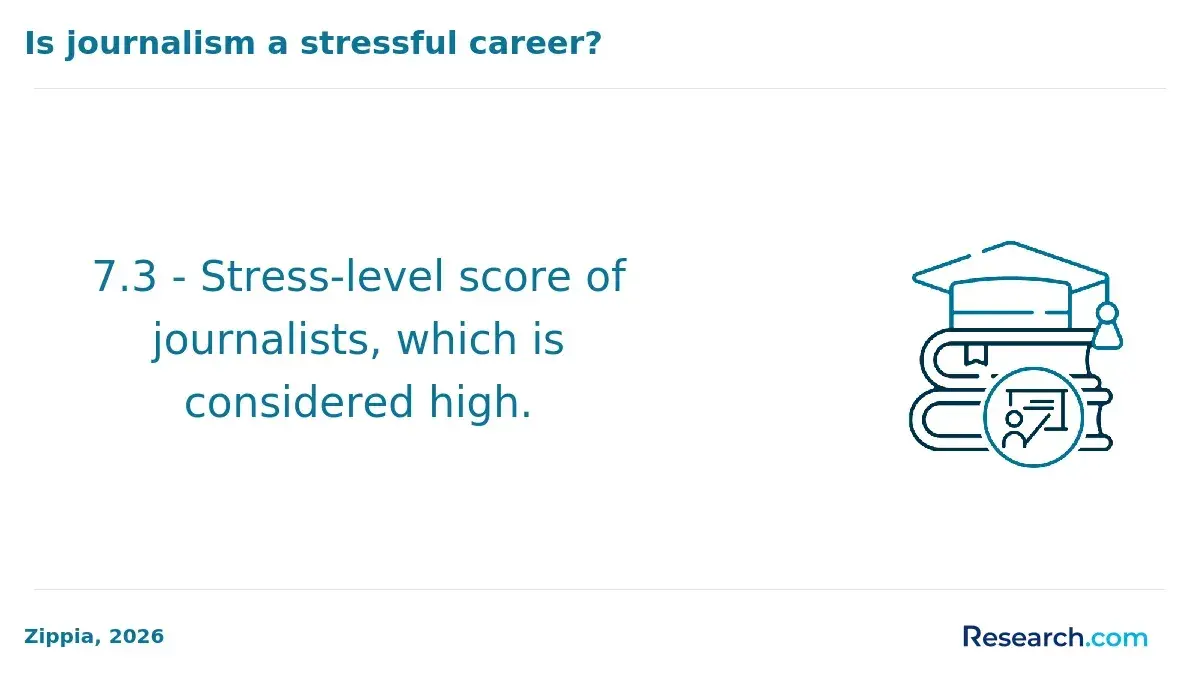
- High-pressure environment: Anchors must deliver accurate updates quickly while remaining calm during live, unpredictable situations such as breaking news, elections, severe weather, public safety events, and technical failures.
- Emotional endurance: Coverage may involve tragedy, conflict, disasters, violence, or community loss. Anchors must show empathy without losing professionalism or accuracy.
- Intense competition: Anchor roles are limited, and top positions attract many qualified candidates. Building a strong reel, professional reputation, and specialized expertise is essential.
- Digital media proficiency: Anchors must understand how audiences consume news across websites, clips, live streams, mobile alerts, and social platforms. They also need to avoid amplifying misinformation.
- Strict ethical standards: Errors can damage an anchor's reputation and the credibility of the newsroom. Verification, fairness, attribution, and transparency are nonnegotiable.
- Job instability: Industry cutbacks, ownership changes, audience shifts, and changing revenue models can affect job security. Flexibility and transferable skills can reduce career risk.
The best preparation is to develop skills that remain valuable across formats: reporting, writing, interviewing, research, live communication, production awareness, and ethical judgment.
What tips do you need to know to excel as a news anchor?
To excel as a news anchor, you need disciplined preparation, not just a strong voice or camera presence. Viewers notice confidence, but newsrooms also value accuracy, consistency, teamwork, and editorial maturity.
- Practice communication deliberately: Train through public speaking, debate, creative writing, voice coaching, and repeated on-camera recording. Review your work for pacing, clarity, filler words, posture, and tone.
- Build newsroom relationships: Connect with reporters, producers, editors, photographers, and news directors. Anchors depend on teams, and a reputation for professionalism can open doors.
- Stay informed every day: Read widely across local, national, and international news. Strong anchors understand context before they read a script.
- Improve interviewing skills: Learn how to ask short, precise questions, listen actively, follow up, and handle evasive or emotional guests without losing control of the segment.
- Protect your credibility: Avoid unsupported claims, partisan presentation, careless posting, and conflicts of interest. Your public trust is one of your most important career assets.
- Keep updating your reel: Save examples of breaking news, interviews, field reporting, studio delivery, and difficult live moments. Your reel should show range, not just your most polished clip.
- Be coachable: Feedback from producers, editors, and mentors can be uncomfortable, but it is essential for improving delivery, judgment, and newsroom fit.
How do you know if becoming a news anchor is the right career choice for you?
A news anchoring career may be right for you if you enjoy public communication, care about verified information, and can stay composed when events change quickly. It may be less suitable if you need predictable hours, dislike public scrutiny, or prefer work that is not deadline-driven.
Ask yourself these questions when considering, is a career in news anchoring right for me:
- Do you communicate clearly under pressure? Anchors must speak with precision, listen to producers, and adapt when scripts or facts change live.
- Can you stay calm during uncertainty? Breaking news often involves incomplete information. You need restraint, not guesswork.
- Do you enjoy both public speaking and writing? Strong delivery matters, but strong writing and research are equally important.
- Can you handle an irregular lifestyle? News anchors may work early mornings, nights, weekends, holidays, and extended hours during major events.
- Are you genuinely interested in current events? The work requires daily attention to civic issues, public affairs, local communities, and national developments.
- Have you tested the field? Student media, internships, podcasts, campus broadcasts, or local reporting projects can show whether you enjoy the real work behind the anchor desk.
- Are you willing to adapt digitally? Anchors increasingly need a responsible online presence and the ability to work across video, social, streaming, and web formats.
The qualities needed to be a successful news anchor include curiosity, discipline, ethical judgment, resilience, and comfort with public accountability. If you are comparing credentials that could strengthen your broader career options, learning about what certifications pay the most can help you evaluate additional training, though certifications should support—not replace—journalism experience.
What Professionals Who Work as a News Anchor Say About Their Careers
- Joe: "Working as a news anchor has given me incredible job stability in an ever-evolving media landscape. The steady demand for reliable news means consistent employment opportunities, which is reassuring in today's market. The salary growth potential also makes it a rewarding career path."
- Brody: "The industry offers unique challenges, from tight deadlines to live broadcasts that require quick thinking and adaptability. These high-pressure situations have sharpened my storytelling skills and deepened my passion for journalism in ways I never expected. Every day brings a new experience."
- Emmanuel: "There are numerous professional development programs designed to help news anchors enhance their on-camera presence and reporting skills. Continuous learning and networking have opened doors for my career growth, allowing me to transition into producing and mentoring roles within my station."
Other Things You Should Know About Becoming a News Anchor
In 2027, the job outlook for news anchors remains competitive, with digital media continuing to transform the broadcasting industry. While traditional roles may see slow growth, opportunities are emerging in digital platforms, requiring anchors to possess multimedia skills and adaptability.
In 2027, aspiring news anchors typically need a bachelor's degree in journalism, communications, or a related field. Programs often offer specialized courses in media ethics, public speaking, and digital broadcasting to equip candidates with the skills needed for the evolving industry.
In 2027, a news anchor's salary is influenced by factors like market size, network affiliation, years of experience, and professional reputation. Experienced anchors in major markets tend to earn higher salaries, while those in smaller markets may earn less. Additional skills, such as bilingualism, can also enhance earning potential.
In 2027, becoming a news anchor typically does not require specific certifications or licenses. However, earning a degree in journalism or communications is essential. Some states may mandate media-related certifications, so checking local requirements is advisable. Networking and experience are crucial for career advancement.
References
- Boston Globe Media. (n.d.). Internship, co-op & fellowship programs.
- Forbes Advisor. (n.d.). How to become a news anchor: Steps, skills and career data.
- Himalayas. (n.d.). How to become a news anchor: Career path & guide.
- International Journal of Arts, Film & Photography (IJAFP). (n.d.). News anchor career longevity: Staying relevant in changing media.
- Journalism University. (n.d.). Navigating the challenges of TV news anchoring.
- National Careers Service. (n.d.). Broadcast journalist | Explore careers.
- RaiseMe. (n.d.). Reporters and correspondents: Salary, career path, job outlook, education and more.
- The Economist Educational Foundation. (2026). Challenges to journalists.
- U.S. Bureau of Labor Statistics. (2026). News analysts, reporters, and journalists: Occupational outlook handbook.
- Yellowbrick. (n.d.). Mastering news anchor training: Tips and techniques for success.