2027 Online Animal Science Bachelor's Degree Program Costs: Tuition & Fees

Co-Founder and Chief Data Scientist
Choosing an online animal science bachelor’s degree is not just an academic decision; it is a budgeting decision. The advertised tuition rate rarely tells the full story because students may also pay technology fees, course material charges, virtual lab costs, proctoring fees, and other required expenses. The real question is whether the total cost fits your career goals, timeline, transfer credits, and financial aid eligibility.
This guide explains what students can reasonably expect to pay for an online animal science bachelor’s degree, what drives costs up or down, and how online pricing compares with traditional campus-based programs. It also covers common hidden fees, textbook costs, technology charges, financial aid options, and practical ways to reduce the total bill before enrolling.
Recent data indicates that 62% of students enrolled in online bachelor's programs seek financial aid, which makes early cost planning especially important. Before committing to a program, students should compare total tuition, required credits, fee schedules, transfer policies, and aid options—not just the per-credit price on the school website.
Key Things to Know About Online Animal Science Bachelor's Degree Program Costs
- Tuition for online animal science bachelor's degrees often varies by credit hour, with some programs charging flat rates while others use tiered pricing based on course level or residency status.
- Additional fees may include technology access, lab equipment, and course materials, which can significantly add to total costs beyond base tuition.
- Prospective students should factor in financial aid options, employer tuition assistance, and potential transfer credits to manage overall expenses effectively over the program's duration.
What Is the Average Cost of an Online Animal Science Bachelor's Degree?
The average tuition for online animal science bachelor’s degrees in the US typically ranges between $300 and $600 per credit hour. Most programs require 120 to 130 credits, which places estimated tuition-only costs between $36,000 and $78,000 before fees, textbooks, equipment, and possible travel requirements.
A useful planning benchmark is the average tuition per credit hour for online undergraduate programs in this field, which is approximately $450. At that rate, students can create a rough estimate by multiplying the school’s required credit total by the per-credit tuition rate, then adding mandatory fees and supplies.
Most online animal science bachelor’s programs combine general education requirements, core animal science courses, electives, and sometimes applied or lab-based components. Because tuition is usually tied to credit hours, the number of accepted transfer credits can have a major impact on the final cost. A student who transfers in general education credits from a community college may pay far less than a student who completes all credits at one university.
When comparing programs, ask each school for a full cost-of-attendance estimate rather than relying only on advertised tuition. The estimate should include tuition, online fees, lab or simulation fees, textbooks, technology requirements, and any residency-based price differences. Students comparing multiple career pathways may also find it useful to look at costs in other online professional programs, such as a PharmD online, to understand how degree level, clinical requirements, and program structure affect affordability.
What Factors Affect the Cost of an Online Animal Science Bachelor's Degree?
The cost of an online animal science bachelor’s degree depends on more than the school’s tuition rate. Program length, credit requirements, residency status, transfer policies, and mandatory fees can all change the final amount a student pays. Two programs with similar tuition can have very different total costs once fees and credit requirements are included.
- Credit Hours Required: Programs typically require between 120 and 150 credit hours. Since many schools charge by the credit, every additional required course increases the total tuition bill. Students should check whether electives, internships, labs, or prerequisite courses add credits beyond the standard degree plan.
- Program Length and Format: Many bachelor’s degrees are designed for completion in four years, but online students often enroll part time. Part-time study can make payments easier to manage, but it may also extend the period in which students pay recurring semester, technology, or registration fees. Accelerated options may reduce time in school but can be difficult for students working full time.
- Tuition Pricing Model: Some institutions charge per credit hour, while others use a flat-rate term or semester structure. Per-credit pricing is straightforward for part-time students. Flat-rate pricing may benefit full-time students who can take heavier course loads without paying more per class, but it is less useful if a student can only take one or two courses per term.
- Residency or In-State Versus Out-of-State Tuition: Public universities may charge different rates for in-state and out-of-state students. Some online programs extend the same rate to all online learners, while others still use residency-based pricing. Students should confirm their exact tuition category before applying.
- Transfer Credit Policies: Generous transfer policies can substantially reduce costs. However, not all animal science, biology, chemistry, or lab courses transfer equally. Students should request a transfer evaluation early, especially if they have credits from a community college or another four-year institution.
- Additional Fees: Technology fees, lab fees, course material costs, remote proctoring fees, graduation fees, and application charges can add to the total cost. These fees may be listed separately from tuition, so students should review the full fee schedule rather than assuming tuition is all-inclusive.
Similar cost drivers appear in other online degrees as well. For example, students comparing healthcare or nursing advancement pathways, including MSN to DNP programs, should also pay close attention to pricing model, fees, credit requirements, and residency rules.
Is an Online Animal Science Bachelor's Degree Cheaper Than a Traditional Degree?
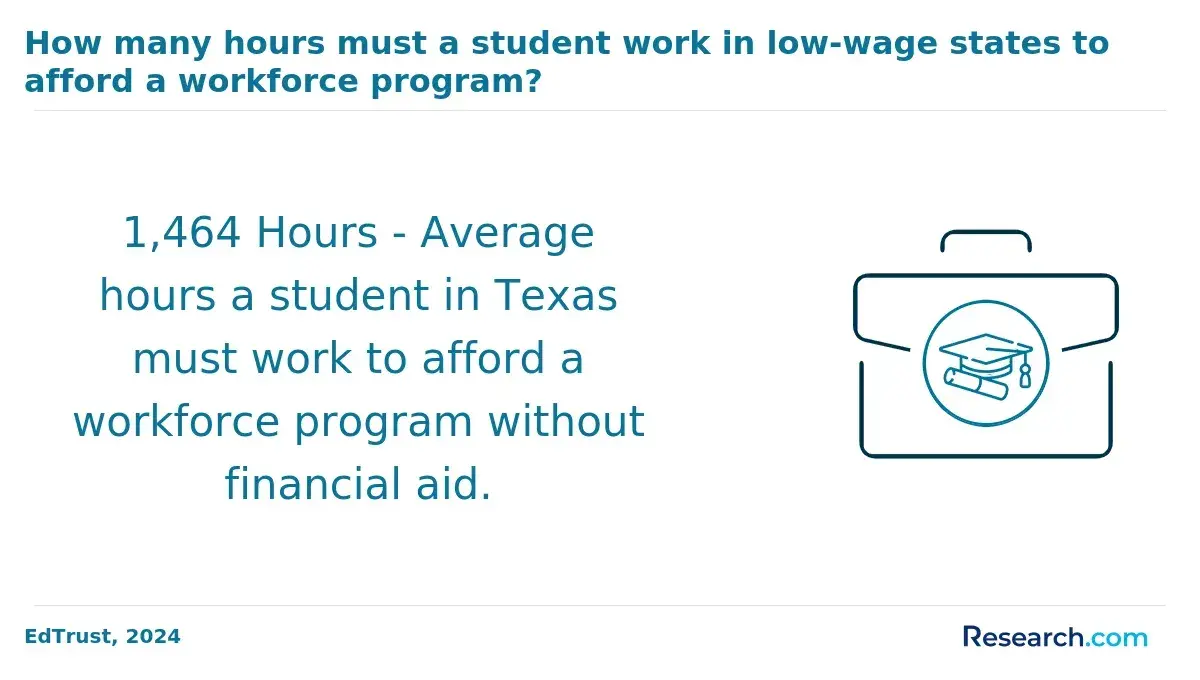
An online animal science bachelor’s degree can be cheaper than a traditional on-campus degree, but it is not automatically cheaper in every case. The National Center for Education Statistics reports that average tuition and fees for in-state students at public four-year universities hover around $10,900 annually, while online tuition rates commonly run 15-30% lower per credit. The largest savings often come from avoiding campus housing, commuting, parking, and some in-person student fees.
However, students should compare total cost, not just tuition. Some online programs charge technology, proctoring, course material, or virtual lab fees that narrow the price difference. Animal science can also involve applied coursework, simulations, field experiences, or occasional in-person requirements, depending on the program.
- Reduced Campus Fees: Online students may avoid some fees tied to campus facilities, student activities, recreation centers, and on-site services. These savings vary by school because some institutions still charge online learners broad service fees.
- Commuting Savings: Studying remotely can eliminate regular transportation costs, including gas, parking, public transit, and vehicle wear. For students far from campus, this can be one of the most meaningful financial advantages.
- Flexible Course Load: Online programs often make it easier to study while working. This flexibility can help students maintain income and reduce borrowing, although taking fewer courses per term may extend the time to graduation.
- Variable Tuition Rates: Some schools offer the same online tuition rate to all students, while others charge based on residency. Students comparing online and campus options should check whether an online out-of-state student receives a lower, higher, or identical rate.
- Living Expense Advantages: Many online learners continue living at home or in their current community, avoiding the cost of residence halls and meal plans. This can make a major difference in the total cost of earning the degree.
One graduate described the trade-off clearly: “Budgeting was a challenge at first because I wasn't sure how much I'd save without the typical campus fees.” He said avoiding daily commutes saved money and gave him more study time, while the online schedule allowed him to work part time and borrow less. His conclusion was practical: the degree was not inexpensive, but the online format made it financially manageable in a way a traditional program had not been.
Are Tuition Rates Fixed for an Online Animal Science Bachelor's Degree?
Tuition rates for an online animal science bachelor’s degree are not always fixed. Some schools use predictable flat-rate pricing for a term or semester, while others bill students by the credit hour. Even when a school publishes a clear tuition rate, that rate may change in future academic years because institutions can adjust tuition and fees over time.
Surveys indicate that roughly 30% of online bachelor's programs nationwide use fixed-rate tuition, which can help students estimate costs more easily. Fixed-rate pricing is often most valuable for students who can enroll full time and complete more credits within the same term price. Per-credit pricing may be better for students who need a slower pace.
- Per-Credit Billing: Many institutions charge for each credit hour. This model is transparent and works well for part-time students because they pay only for the courses they take. The downside is that additional credits, repeated courses, or late-added prerequisites increase the total cost.
- Flat-Rate Term Pricing: Some universities charge a set amount per term or semester. This can lower the effective cost per credit for students taking heavier course loads. Students should confirm whether the flat rate has minimum or maximum credit limits.
- Residency Rates: Public schools often distinguish between in-state and out-of-state tuition. Several online animal science bachelor's degree programs waive these distinctions to attract a broader student base, but students should verify this before assuming they qualify for the lowest rate.
- Tuition Adjustments Over Time: Tuition and fees may increase because of inflation, budget changes, or institutional policy updates. A student enrolling part time over several years may experience more rate changes than a student who completes the program quickly.
- Program-Specific Charges: Even if tuition is fixed, fees may not be. Lab simulations, course platforms, digital resources, and proctored exams can vary by course or term.
Before enrolling, ask whether the program offers a tuition guarantee, whether fees are locked in, and how often rates are reviewed. Students comparing affordability across fields may also want to examine pricing structures in related online options, such as cheap MHA programs, because the same distinction between flat-rate and per-credit billing can affect total value.
What Hidden Fees Come With an Online Animal Science Bachelor's Degree?
Hidden fees are one of the most common reasons students underestimate the cost of an online animal science bachelor’s degree. Tuition is usually the largest expense, but nearly 30% of online learners pay additional charges beyond standard tuition. These costs may be mandatory even if they are not emphasized in marketing materials.
Students should request a complete fee schedule and review it by course, term, and academic year. Animal science programs may carry more course-specific expenses than some general online degrees because science coursework often requires simulations, specialized software, lab manuals, databases, or applied learning tools.
- Technology Fees: These charges support online learning platforms, software licenses, digital access, cybersecurity systems, and technical support. They may be billed per credit, per course, or per term.
- Course Material Fees: Some courses require digital textbooks, lab manuals, online homework platforms, databases, or access codes. These fees can be difficult to avoid if the materials are tied to assignments or grading.
- Lab or Simulation Fees: Online animal science courses may use virtual labs, simulations, or interactive tools for topics such as biology, genetics, nutrition, physiology, or animal management. These tools can improve learning but add to the total cost.
- Registration and Application Fees: Students may pay nonrefundable application fees, enrollment deposits, registration charges, graduation fees, transcript fees, or term-based administrative fees.
- Proctoring Fees: Some online courses require monitored exams. Remote proctoring fees may be charged per exam or per course, depending on the school and testing provider.
- Equipment and Internet Costs: Schools may require a reliable computer, webcam, microphone, updated browser, high-speed internet, or specific software. These expenses may not appear on the tuition bill but still affect affordability.
One online student said unexpected technology fees were the first major surprise: “I thought tuition was all-inclusive, but there were extra charges for accessing certain software tools each semester.” She still found the tools useful because they simulated real-world scenarios that textbooks could not fully capture. Her advice was simple: review the fee schedule before enrolling and build those charges into the first-year budget.
What Are the Technology Fees Included in Online Animal Science Bachelor's Degree Programs?
Technology fees in online animal science bachelor’s degree programs pay for the digital systems that make remote learning possible. Students in the U.S. typically pay between $50 and $150 per credit hour in these fees, so the total can become significant over a full bachelor’s program. Schools may list these charges as technology fees, online learning fees, digital access fees, or course platform fees.
These fees are not always optional. If a course uses a required learning platform, virtual lab, proctored exam system, or specialized software, students generally must pay the associated charge to complete assignments and exams.
- Learning Management Systems: Platforms like Blackboard and Canvas host lectures, assignments, grades, discussion boards, quizzes, and instructor communication. The fee may support licensing, maintenance, upgrades, and student access.
- Virtual Labs: Animal science programs may use virtual labs to simulate experiments and processes related to biology, genetics, nutrition, physiology, and animal systems. These tools help online students complete applied coursework without relying entirely on campus lab access.
- Specialized Software: Some courses require software for data analysis, statistical evaluation, animal records, production systems, or research-related assignments. Licensing costs may be included in the technology fee or charged separately.
- Video Conferencing Tools: Applications such as Zoom and Microsoft Teams support live lectures, advising, group projects, presentations, and faculty meetings. Fees may help fund institutional licenses and technical support.
- Digital Library and Research Access: Online learners often rely on remote access to academic journals, databases, streaming media, and research guides. These services are essential for upper-level science coursework.
- Technical Support: Technology fees may also fund help desks, troubleshooting, password support, online orientation, and accessibility tools. Students who study outside normal business hours should check whether support is available when they are most likely to need it.
Before choosing a program, ask whether technology fees are charged per credit, per course, or per term; whether they apply during summer terms; and whether software access continues between semesters. Small differences in fee structure can affect the total cost over 120 to 130 credits.
How Much Do Textbooks Cost for an Online Animal Science Bachelor's Degree?
Textbooks and course materials can add a substantial amount to the cost of an online animal science bachelor’s degree. On average, college students spend about $1,200 annually on textbooks and supplies, and animal science students may face additional costs for lab manuals, scientific references, digital platforms, or course-specific access codes.
Costs vary by course level. General education courses may use lower-cost or widely available materials, while upper-level animal science courses may require specialized texts in nutrition, anatomy, physiology, genetics, reproduction, production systems, or animal health. Some materials may also be bundled with graded homework platforms, which limits a student’s ability to buy used copies.
- Required Course Materials: Specialized animal science textbooks and lab manuals can cost more than general education books because they include scientific data, technical illustrations, and discipline-specific content.
- Digital Versus Print Formats: Digital textbooks are often less expensive than print versions and may include interactive quizzes, videos, or embedded assignments. Print books may be easier for long reading sessions or annotation, but they can cost more and may not include required access codes.
- Bundled Resources: Some courses require packages that include an e-book, homework platform, simulation access, lab modules, or software. These bundles can raise costs but may be necessary for submitting assignments.
- Supplemental Learning Tools: Workbooks, study guides, reference manuals, species-specific materials, and online practice tools can improve learning but should be separated into required and optional purchases when budgeting.
- Used, Rental, and Open Resources: Students can often save by renting books, buying used copies, choosing digital versions, or using library reserves. However, they should verify whether the course requires a new access code before purchasing a used book.
To avoid overpaying, students should wait for the official syllabus when possible, compare bookstore prices with reputable alternatives, and ask instructors whether older editions are acceptable. The best approach is to budget for textbooks each term rather than treating them as a one-time expense.
Can I Get Financial Aid for an Online Animal Science Bachelor's Degree?
Yes. Students pursuing an online animal science bachelor’s degree in the US may qualify for federal, state, institutional, and private financial aid, provided the school and program meet eligibility requirements. About 85% of undergraduate online students benefit from some form of financial aid, but aid availability depends on enrollment status, accreditation, citizenship or eligible noncitizen status, academic progress, and the school’s participation in aid programs.
The most important first step is completing the Free Application for Federal Student Aid (FAFSA). Students should also contact the financial aid office before enrolling to confirm that the specific online animal science program is aid-eligible, not just the university as a whole.
- Federal Aid: Students who complete the FAFSA may qualify for grants, loans, and work-study programs. Federal Pell Grants do not require repayment, while federal student loans have fixed interest rates and repayment protections. Loan eligibility and grant amounts vary by student circumstances.
- State Programs: Many states offer grants, tuition assistance, or waiver programs for eligible residents. Some state aid can be used for online programs at in-state public institutions, while other programs have stricter rules. Students should verify state residency and enrollment requirements.
- Institutional Support: Colleges may offer scholarships, grants, tuition discounts, payment plans, or transfer-student awards for online learners. These awards may require separate applications, priority deadlines, minimum GPA standards, or full-time enrollment.
- Eligibility Requirements: Students generally must maintain at least half-time enrollment and satisfactory academic progress to keep aid. Dropping courses, withdrawing, or failing classes can affect future aid and may create repayment obligations.
- Scholarships and Industry Awards: Students interested in animal agriculture, veterinary pathways, livestock production, food systems, or biological science careers should search for scholarships from professional associations, agricultural organizations, local foundations, and employers.
- Additional Resources: Students considering future graduate study in related fields can also explore dietetic masters programs, where financial aid structures may differ by degree level and program format.
Before accepting loans, compare the total amount borrowed with expected career goals and likely income. Grants and scholarships should be prioritized first, followed by payment plans, employer assistance, and then loans if needed.
How Can I Reduce the Cost of an Online Animal Science Bachelor's Degree?
Students can reduce the cost of an online animal science bachelor’s degree by lowering the number of credits they must pay for, choosing programs with transparent fees, using financial aid strategically, and controlling textbook and technology expenses. Research indicates that students can save up to 25% on tuition by using various financial tactics.
The best cost-reduction plan starts before enrollment. Once a student has committed to a program, options may become more limited, especially if transfer credits are capped or major courses must be completed through the degree-granting institution.
- Transferring Prior Credits: Applying previously earned college credits from community colleges or AP exams can shorten the time to graduation and reduce tuition. Students should request a written transfer evaluation and confirm which credits apply to the major, not just the overall credit total.
- Starting With Lower-Cost General Education Courses: If allowed, completing transferable general education courses at a community college can reduce costs before entering the animal science major. Students should verify equivalencies in advance to avoid taking courses that do not transfer.
- Choosing Digital Textbooks: Digital textbooks are often less expensive than physical copies and may include interactive features. Students should still check whether access codes are required, since used books may not include valid codes.
- Managing Course Loads: A steady course load can help students avoid overload fees, repeated courses, and extra-term costs. Students using financial aid should also remain aware of half-time or full-time enrollment requirements.
- Utilizing Free Resources: Open-access journals, library databases, tutoring services, online tutorials, and instructor-provided materials can reduce spending on supplemental study aids.
- Minimizing Additional Fees: Compare technology fees, lab fees, proctoring charges, graduation fees, and software subscriptions across programs. A school with slightly higher tuition but fewer mandatory fees may be cheaper overall.
- Using Employer or Military Benefits: Some students may qualify for employer tuition assistance, military education benefits, or workforce-related funding. These options should be coordinated with the financial aid office to understand how they interact with other aid.
Students researching ways to lower tuition for U.S. online animal science degrees may also benefit from reviewing cost strategies in similar online science programs. For example, an online bachelor's degree in exercise science often involves comparable decisions about transfer credits, lab-related fees, digital materials, and financial aid planning.
Is an Online Animal Science Bachelor's Degree Worth the Cost?
An online animal science bachelor’s degree can be worth the cost when it supports a clear career plan, comes from a reputable institution, fits the student’s budget, and provides enough applied learning for the student’s goals. The degree may be especially valuable for learners who need flexibility to keep working, live far from campus, or manage family and personal responsibilities while studying.
The financial case depends on total cost and expected career use. Employment prospects in agriculture and biological sciences related to this degree are promising, with the U.S. Bureau of Labor Statistics projecting a 7% growth in these fields over the next decade. Graduates can expect median annual salaries typically between $50,000 and $70,000, although actual outcomes vary by role, employer, location, experience, and whether the graduate pursues additional education or certification.
Students should consider the degree most worthwhile if they plan to pursue careers related to animal management, agricultural consulting, animal nutrition, livestock production, research support, food systems, extension services, or related biological science work. It may also be a foundation for graduate study or specialized credentials, depending on the student’s long-term goals.
The degree may be less cost-effective for students who choose a high-priced program without transfer credit, borrow heavily without a career plan, or need extensive hands-on training that the online format does not provide. Before enrolling, students should ask about internships, labs, field experiences, faculty support, career services, and graduate outcomes. A lower-cost program is not automatically the best option if it lacks the academic or practical preparation needed for the student’s intended career.
What Graduates Say About Online Animal Science Bachelor's Degree Program Costs
- : "Choosing to pursue an online animal science bachelor's degree was a big financial consideration for me. I compared the tuition costs with traditional programs and found that the online option provided solid value without compromising quality. The flexibility also saved me money on commuting and accommodation, which made the overall cost manageable. — Megan"
- : "Reflecting on my time in the online animal science program, I recognize both the benefits and challenges of learning remotely. The course fees were competitive, but I had to invest in good technology to stay connected, which added to the upfront expenses. Still, the ability to balance my studies with a part-time job helped offset these costs, making it a worthwhile experience. — Ryan"
- : "Pursuing an online animal science bachelor's degree significantly impacted my career trajectory. The program's affordability was attractive, especially with available scholarships, allowing me to graduate debt-free. Since completing the degree, I've noticed a clear boost in professional opportunities, proving the return on investment made the decision to study online practical and rewarding. — Mya"
Other Things You Should Know About Animal Science Degrees
Yes, financial aid options specifically for online animal science bachelor's programs in 2027 include federal grants, scholarships, and student loans. These aid packages often consider program-specific costs and are available through government programs and educational institutions.
In 2027, additional fees for online animal science bachelor's degrees may include technology fees, laboratory fees, and registration fees. These fees vary by institution and are charged in addition to tuition. It's essential to check with specific programs for a detailed fee breakdown.
Students should budget for a distance-learning or online service fee, usually charged per credit hour or per semester, plus costs for proctored exams and required software. Some programs also charge laboratory supply or virtual course fees, with total added costs often ranging from $50 to $300 per term.
References
- Veterinary Technology Bachelor's Degree https://www.pennfoster.edu/programs/veterinary/veterinary-technology-bachelors-degree
- Is Online College More Affordable? | UT San Antonio Online https://online.utsa.edu/blog-content/cost-of-an-online-degree-vs-traditional-education/
- Costs - Animal Science https://www.mtsac.edu/animal/costs.html
- Home https://www.husson.edu/online/online-degrees/bachelor-of-science-in-animal-care-and-behavior
- Cost of Bachelor of Science (Animal Science) at UOA | Uni Costs https://unicosts.com/course/1719391411561x766989785701322100
- Warsaw University of Life Sciences - Study fees https://www.sggw.edu.pl/en/studies/study-fees/
- Factors Influencing Distance Education Costs: Key Insights - Distance Learning Institute https://distancelearning.institute/economic-perspective/distance-education-costs-factors-insights/
- Cost of Online Education vs. Traditional Education [2025]: Comparison https://educationdata.org/cost-of-online-education-vs-traditional-education
- Veterinary Technology Tuition and fees https://online.missouri.edu/degrees-programs/mu/veterinary-medicine/veterinary-technology/bs/financial
- Online Option for Animal Science Degrees - Peterson's https://www.petersons.com/blog/online-option-for-animal-science-degrees/