2027 Part-Time vs Full-Time Online Animal Science Bachelor's Degree Programs

Co-Founder and Chief Data Scientist
Balancing a full-time job with family responsibilities, a working professional contemplates pursuing an online bachelor's degree in animal science to advance their career in agricultural management. The dilemma arises: should they commit to a full-time program offering faster completion or opt for a part-time study plan that better accommodates their schedule?
With online animal science degrees seeing a 25% enrollment increase over the last five years, the decision carries significant weight for career trajectory and personal well-being. This article explores the distinctions between part-time and full-time online animal science bachelor's programs to guide prospective students toward the best academic path.
Key Benefits of Part-Time vs Full-Time Online Animal Science Bachelor's Degree Programs
- Part-time online animal science programs offer greater scheduling flexibility, allowing students to balance coursework with jobs or family, whereas full-time programs require a more consistent weekly commitment.
- Full-time students typically complete their degree in about four years, while part-time learners often extend completion to six years or more due to reduced course loads.
- Part-time study supports career advancement alongside education by accommodating work hours, but full-time enrollment may enable faster entry into animal science professions after graduation.
What is the difference between part-time and full-time online animal science bachelor's degree programs?
Part-time and full-time online animal science bachelor's degree programs differ primarily in workload, pacing, and the overall time commitment required. Approximately 60% of online undergraduate students prefer part-time enrollment, valuing its flexibility and adaptability. These factors significantly influence how students schedule their courses and manage their study routines. Below is a breakdown of key structural and practical differences between these enrollment options.
Part-Time Online Programs
- Course Load: Part-time students typically take fewer credit hours per term, generally between 6 and 9, allowing them to spread their coursework over a longer period.
- Scheduling Flexibility: These programs offer highly customizable schedules, enabling students to balance their studies with work, family, or other obligations more easily.
- Study Intensity: The pace is usually slower, which reduces immediate pressure and provides students with the option to absorb learning in manageable segments.
- Time Management: Part-time students often exercise greater control over when they study, adapting their academic commitments to fit their lifestyle.
Full-Time Online Programs
- Course Load: Full-time enrollment generally involves taking 12 to 15 credit hours each semester, requiring consistent and concentrated effort across multiple courses.
- Scheduling Structure: These programs tend to follow a more standardized academic calendar, with less room for adjusting course timelines or changing semesters.
- Study Intensity: Full-time students usually experience a more immersive and continuous learning environment, demanding focused attention to coursework.
- Progression Speed: The heavier course load facilitates quicker advancement through the degree compared to part-time options.
Students interested in related fields may also explore online pharmacy programs, which often present similar flexibility and workload considerations. When assessing part-time vs full-time online animal science bachelor's degree programs, recognizing these differences in structure and pacing helps align choices with personal circumstances and academic goals, especially within the context of flexible and workload-focused online animal science degree options.
How long does it take to complete part-time vs full-time online animal science bachelor's degrees?
The duration to complete an online animal science bachelor's degree depends largely on whether students enroll full-time or part-time and their individual pacing. The National Center for Education Statistics reports that the average time for a bachelor's degree completion at four-year institutions is about 5.1 years, reflecting a blend of enrollment intensities and study rhythms.
This flexibility allows students to adapt their education timeline to fit personal and professional obligations. Below is a comparison of part-time vs full-time online animal science bachelor degree duration factors.
Part-Time Online Programs
- Course Load: Typically 6 to 9 credit hours per semester, which enables students to balance work, family, and studies, but extends the total time for degree completion.
- Flexible Scheduling: Many part-time students benefit from asynchronous courses that allow studying at any time, supporting diverse schedules and responsibilities.
- Extended Duration: Because of reduced credit loads, part-time learners may take six years or more to graduate, depending on their pacing and course availability.
- Work-Life Balance: A lighter semester load helps manage personal commitments but requires a longer commitment to reach degree requirements.
Full-Time Online Programs
- Credit Intensity: Full-time students usually enroll in 12 to 15 credit hours each semester, accelerating progress by covering more coursework in a shorter time.
- Structured Semesters: These programs often utilize defined start and end dates to maintain steady pacing toward graduation within about four years.
- Consistent Momentum: A rigorous schedule demands discipline but supports continuous advancement and degree completion on a traditional timeline.
- Focused Study: Full-time enrollment suits those who prioritize education as a major commitment, often leading to earlier graduation.
For prospective students seeking flexibility combined with a recognized degree, exploring options such as a healthcare administration degree online accredited program may provide similar adaptable pacing benefits.
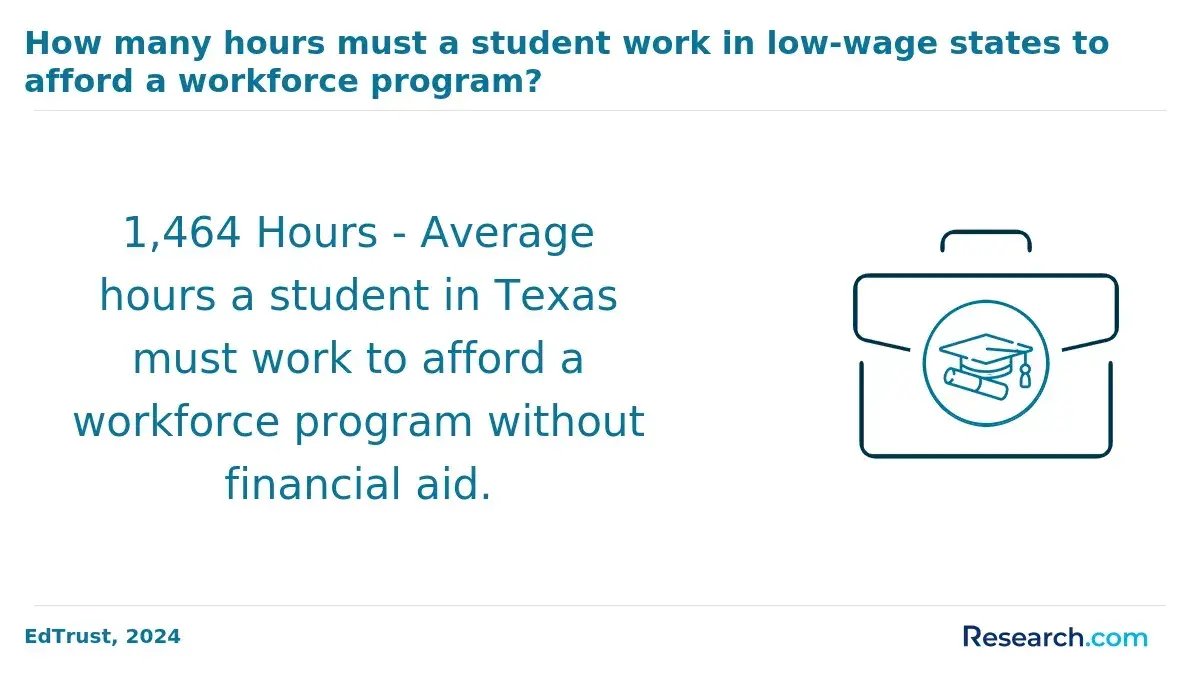
What is the workload for a part-time vs. a full-time online animal science bachelor's degree?
The workload for part-time versus full-time online animal science bachelor's degree students mainly varies in course load, weekly study time, and pacing demands. Full-time students usually take 12 to 15 credit hours per semester, which requires about 36 to 45 hours of study each week.
This includes attending virtual lectures, completing assignments, preparing for exams, and engaging in discussions or lab work. Part-time students typically enroll in 6 to 9 credit hours per term, dedicating roughly 18 to 27 hours weekly to their studies. The lighter course load allows for balancing academic responsibilities with work or family commitments but extends the time needed to finish the degree.
The academic intensity between full-time and part-time formats also differs significantly. Full-time students face a quicker pace with more frequent assignments, shorter deadlines, and an integrated curriculum that demands careful time management.
This often means juggling overlapping projects and steady progress across multiple courses. Conversely, part-time learners experience a slower rhythm with widely spaced deadlines, offering greater flexibility to focus deeply on individual classes. This arrangement supports adult learners in managing external responsibilities but still requires consistent effort to maintain academic momentum.
Which option is better for working adults in an online animal science bachelor's degree?
Both part-time and full-time online animal science bachelor's degree programs can suit working adults, depending on individual work hours, personal responsibilities, and ability to manage coursework. Nearly 70% of online students hold jobs, indicating the importance of flexible learning options. Here are some key factors that differentiate the two study paths.
- Scheduling Flexibility: Part-time enrollment generally allows students to take fewer classes per term, providing greater adaptability to fit study around work and family. Full-time programs usually have a more rigid, fixed schedule requiring consistent weekly commitment.
- Workload Intensity: Full-time students often face a heavy course load each term, which accelerates degree progress but demands managing multiple assignments concurrently. Part-time students experience a lighter but more prolonged workload.
- Time Management: Full-time study means focused, often daily dedication to coursework, while part-time learners balance steady progress over months or years. Both require discipline, though the urgency differs.
- Pace of Completion: Full-time programs typically lead to faster graduation timelines, whereas part-time routes extend the overall duration, offering reduced immediate pressure at the expense of total time invested.
A working professional who recently enrolled in an online animal science bachelor's degree shared her perspective: balancing work and school was initially overwhelming, especially when deadlines coincided with busy periods at her job. She described how switching between course topics required mental adjustment, but appreciated that online resources helped her study efficiently on her own schedule.
Over time, she learned to anticipate workload spikes and organize tasks ahead, finding the experience challenging but ultimately rewarding as it gave her control over her education while maintaining employment.
Can I switch from part-time to full-time in an online animal science bachelor's degree?
Many online bachelor's degree programs, including those in animal science, offer students the option to switch between part-time and full-time enrollment in response to academic progress, scheduling needs, or personal circumstances. This flexibility reflects the growing trend among nontraditional learners pursuing adaptable study pathways, with studies showing that about 40% of online undergraduates modify their enrollment status at least once during their degree.
Such options allow students to better balance their education with work and life demands, making it easier to stay on track despite changing situations. Students considering changing from part-time to full-time study should carefully evaluate how the shift aligns with their overall goals and capacity. Those interested in accelerated options might also explore fast-track LPN programs online, which demonstrate similar enrollment flexibility.
Switching from part-time to full-time study usually entails a significant increase in academic workload, requiring more hours dedicated to classes, assignments, and exams each term. Additionally, differences in pacing and course availability between enrollment types can affect how quickly students complete their degrees, as some programs operate on fixed schedules or cohort formats.
Institutional policies often mandate that students notify advisors or registrar offices and may require formal approval before changing enrollment status. Understanding these procedural requirements is crucial to avoid delays or complications during the transition. When planning to change enrollment from part-time to full-time animal science degree online, students should weigh these factors to ensure a manageable and successful academic experience.
How does tuition differ for part-time vs full-time online animal science bachelor's degrees?
Tuition costs for online animal science bachelor's degree programs vary significantly depending on whether a student enrolls part-time or full-time. Many universities charge based on credit hours, and this approach affects the overall expenses and payment timelines.
According to recent data, the average total tuition for these programs can range between $15,000 and $40,000, influenced by the student's pace and payment method. Below is a comparison of how tuition is generally structured for different enrollment choices.
Part-Time Online Programs
- Per-Credit Pricing: Tuition is typically assessed by the number of credits taken each term, letting students spread costs over multiple semesters.
- Extended Timeframe: Part-time students often take longer to complete the degree, which can increase total tuition and fees associated with prolonged enrollment.
- Frequent Payments: Smaller, more regular payments tend to be made in alignment with course registration each term, easing immediate financial burden.
- Flexibility: This model allows learners to match their coursework with other responsibilities, potentially reducing stress related to managing tuition costs all at once.
Full-Time Online Programs
- Flat-Rate Tuition: Many institutions offer a fixed tuition rate per semester covering a range of credit hours, benefiting those taking a heavier course load.
- Upfront Payments: Full-time students generally make larger lump sum payments earlier in the semester, which can reduce the average cost per credit.
- Faster Completion: Accelerated timelines mean the degree is finished sooner, potentially lowering the overall expenses related to extended study.
- Cost Efficiency: Flat rates might make budgeting more predictable but less flexible if fewer credits are taken than the standard full-time load.
When I spoke with a graduate from an online animal science bachelor's program, he shared that managing tuition payments as a part-time student was a balancing act. He recalled feeling a mix of relief and anxiety each term-relief because he could adjust his course load and payments to fit his schedule, but anxiety over the cumulative cost growing over time. The flexibility helped him avoid overwhelming upfront costs but required careful financial planning over several years. This experience highlights how tuition structures profoundly affect student choices and challenges.
Which option offers better financial aid for an online animal science bachelor's degree?
Financial aid availability for online animal science bachelor's degree programs varies significantly based on enrollment status, eligibility, and institutional policies. Data from the National Center for Education Statistics indicates that only about 29% of part-time online students receive financial aid, compared to 58% of their full-time counterparts.
These differences highlight how enrollment level impacts access to funding. Below is an overview of how common financial aid options generally apply to part-time versus full-time online animal science students.
- Pell Grants: Both part-time and full-time students may qualify for these federal grants, but the award amounts are prorated. Full-time students receive higher grants due to full enrollment, while part-time learners get reduced funding proportional to their course load.
- Federal Student Loans: These loans are available to all eligible students, though full-time enrollment usually allows for greater annual borrowing limits. Part-time students can still access loans but often with lower maximum amounts.
- Work-Study Programs: Eligibility for work-study typically requires at least half-time enrollment, favoring full-time students in animal science programs. Part-time students may find fewer opportunities through this federal aid source.
- Institutional Scholarships: Colleges often reserve the most substantial scholarships for full-time students, but some institutions provide specific awards tailored to part-time animal science students balancing work and study.
- Employer Tuition Assistance: Many part-time students rely on employer tuition benefits, which support flexible scheduling. This aid varies widely but can be a critical resource for working adults pursuing their degree part-time.
What are the pros and cons of part-time vs full-time online animal science bachelor's degrees?
Online animal science bachelor's degrees offer flexibility and varied pacing to accommodate different student needs. Many students balance coursework with employment or family, making schedule and study structure important factors. Here's a comparison of the advantages and challenges of part-time versus full-time study.
Pros
- Flexibility for Working Adults: Part-time programs allow students to study at their own pace, ideal for those juggling jobs or family commitments.
- Gradual Financial Commitment: Part-time study usually spreads tuition costs over a longer period, easing economic pressure.
- Accelerated Completion: Full-time online animal science degree benefits include finishing faster, helping students enter the workforce or graduate study sooner.
- Increased Engagement: Full-time students often experience more consistent interaction with faculty and peers, enhancing learning and academic success.
Cons
- Extended Graduation Time: Part-time enrollment can delay degree completion, potentially postponing advanced career opportunities.
- Limited Networking: Part-time students may miss out on peer engagement, which can affect academic support and connection-building.
- High Time Demand: Full-time programs require a substantial time commitment, which may be difficult to balance with work or personal life.
- Financial Burden: Full-time tuition payments come in larger sums over shorter periods, necessitating careful budget planning.
For prospective students assessing the advantages of part-time online animal science degrees and the full-time online animal science degree benefits and challenges, understanding these factors is key. Exploring options like accelerated courses or specialized tracks can also help; for those interested in related fields, resources such as biology degree online programs offer additional insights for planning academic paths.
Does part-time vs full-time affect career outcomes in an online animal science bachelor's degree?
When weighing part-time vs full-time online animal science degree career impact, employers often emphasize practical skills and relevant experience over enrollment status. A recent survey found that 70% of employers prioritize skills and work experience above traditional educational timelines, underscoring a shift toward skills-based hiring. This trend reflects the need to focus on factors beyond study pace when assessing career outcomes for online animal science bachelors students.
Several essential elements influence employment prospects regardless of enrollment format:
- Skill Development: Both part-time and full-time programs can deliver comprehensive technical knowledge and foundational skills if the curriculum is well-structured, ensuring graduates are workplace-ready.
- Work Experience Integration: Part-time students often juggle jobs or internships alongside studies, gaining valuable real-world experience simultaneously, which can boost employability.
- Degree Credibility: Accreditation and program reputation outweigh whether a degree was earned part-time or full-time, shaping how employers recognize qualifications.
- Progression Opportunities: Full-time learners may enter the workforce sooner, facilitating earlier advancement, while part-time learners build credentials steadily without pausing employment.
- Networking and Engagement: Active involvement in professional groups or research activities available in both formats plays a key role in career development within animal science fields.
Prospective students might also explore specialized fields through kinesiology online programs to complement their animal science background and expand career options.
What mistakes should I avoid in part-time vs full-time study?
Deciding between part-time and full-time study for an online animal science bachelor's degree demands thoughtful preparation to navigate common challenges. Nearly 40% of online students leave their programs early, often overwhelmed by workload and time pressures. Recognizing these pitfalls can improve persistence and success.
Consider these key mistakes to avoid:
- Underestimating Workload: Full-time students might expect fewer demands online and fall behind, while part-time learners often face drawn-out schedules that can erode motivation. Both must evaluate course intensity honestly before enrolling.
- Poor Time Management: Juggling multiple classes full-time requires disciplined scheduling, whereas part-time students risk delay without a consistent study routine. Creating a weekly plan helps prevent last-minute stress and missed assignments.
- Misaligned Schedules: Fixed sessions or labs can conflict with jobs or family commitments for full-time students. Part-time learners may struggle coordinating course availability across longer semesters.
- Unrealistic Flexibility Expectations: Some expect online study to be entirely flexible. However, full-time tracks often have strict timelines, and part-time options can still involve intensive periods. Understanding pacing is crucial to avoid surprises.
What Graduates Say About Part-Time vs Full-Time Online Animal Science Bachelor's Degree Programs
- Ryker: "Choosing a full-time online animal science program allowed me to fully immerse myself without sacrificing my job. The flexible schedule was a lifesaver when balancing lab simulations and work shifts, and the virtual community felt surprisingly supportive. Now, as a veterinary technician, the depth of knowledge I gained has truly accelerated my professional growth."
- Eden: "Opting for a part-time online animal science degree was the best decision I made to juggle family responsibilities alongside my education. Although managing deadlines alongside daily life was challenging, the program's well-structured coursework made it manageable. This degree opened doors to new opportunities in wildlife conservation that I never thought possible."
- Benjamin: "Enrolling full-time in an online animal science bachelor's taught me discipline and time management in ways a traditional program wouldn't. The variety of specialized electives helped me narrow my focus into animal nutrition, significantly enhancing my expertise. Thanks to the degree, I now work in research with greater confidence and credentials."
Other Things You Should Know About Animal Science Degrees
In 2027, enrollment status can impact eligibility for internships in online animal science programs. Full-time students often have priority and better access due to time commitments. However, many programs strive to offer equal opportunities, encouraging part-time students to explore internships through flexible arrangements.
Online animal science programs typically include lab and practical components that are accessible to both part-time and full-time students. These may be conducted through local partner institutions, intensive on-campus sessions, or virtual simulations. Both enrollment options usually provide equivalent practical experiences to meet program requirements.
In 2027, part-time students typically pay per credit, which may result in higher overall costs due to extended degree completion time. Full-time students often benefit from flat-rate tuition, potentially offering savings. Specific costs vary by institution, so it’s essential to compare tuition models when considering enrollment options.
References
- Can I Study Animal Science Courses Online? https://www.stonebridge.uk.com/blog/veterinary/animal-science-courses-online-or/
- What are the benefits of e-learning for veterinary science students? https://www.umu.com/ask/a11122301573854454293
- Undergraduate Degree Programs https://shorelight.com/universities/undergraduate
- edmov https://edmov.com/programs/bsc-animal-science
- Animal Course vs University Degree: Which is Right for Your Career? https://www.aawacademy.com.au/blog/animal-course-vs-university-degree/
- 2025 Animal Sciences Tuition - Online https://www.collegetuitioncompare.com/majors/01.0901/animal-sciences/
- What Can You Do With A Bachelors In Animal Science https://beta.centralseminary.edu/uploaded-files/Kv7sdc/5FE108/WhatCanYouDoWithABachelorsInAnimalScience.pdf
- Online Option for Animal Science Degrees - Peterson's https://www.petersons.com/blog/online-option-for-animal-science-degrees/
- Bachelor's Degree Livestock & Animal Science https://www.bircham.edu/bachelor-s-degree-livestock-animal-science.html
- Online Animal Science Level 4 Certificate of Higher Education https://www.csgcc.ac.uk/en/programme-courses/university-course/animal-science-equine/online-animal-science-level-4-certificate