2027 Online Animal Science Bachelor's Degree Programs for Adult Learners Returning to School

Co-Founder and Chief Data Scientist
Many adult learners face challenges balancing work, family, and education when pursuing an online animal science bachelor's degree. According to the National Center for Education Statistics, 40% of online students in the U. S. are over 30, highlighting the growing demand for flexible learning options. These students often require programs that accommodate busy schedules while providing practical skills to advance their careers. This article addresses those needs by examining online animal science bachelor's degree options tailored for adult learners. It helps prospective students identify the right programs that offer flexibility, relevant coursework, and support for career advancement in this specialized field.
Key Benefits of Online Animal Science Bachelor's Degree Programs for Adult Learners Returning to School
- Flexible scheduling allows working adults to balance coursework with professional and personal responsibilities, improving retention rates by up to 40% among online adult learners.
- Programs emphasize practical skill development such as livestock management and biotechnology, enhancing career advancement opportunities in agriculture and related industries.
- Online cohorts foster professional and peer networking, which 72% of graduates cite as valuable for job placement and knowledge exchange within the animal science field.
Who Qualifies as an Adult Learner in an Online Animal Science Bachelor's Degree?
Adult learners pursuing an online animal science bachelor's degree often juggle education alongside work, family, or other commitments. According to the National Center for Education Statistics, about 40% of postsecondary students in the U.S. are nontraditional learners, many choosing online programs for their flexibility. These programs cater well to diverse adult learners, making the learning experience manageable and targeted.
Below are common profiles of adult learners qualified for online animal science bachelor's programs, highlighting the variety of circumstances and motivations behind their return to education.
- Working Professionals: Individuals employed in agriculture, veterinary services, or animal care advancing their expertise or seeking new career paths often enroll to build practical skills aligned with their goals.
- Career Changers: Those shifting from other industries into animal science look for foundational knowledge combined with career-oriented training to transition effectively into this field.
- Military Veterans: Veterans or learners returning after educational breaks appreciate flexible, accessible online formats tailored to their varying schedules and life demands.
- Parents and Caregivers: Balancing family responsibilities, these learners benefit from asynchronous courses and supports that accommodate home life while pursuing their degrees.
- Degree Completers: Adults seeking to finish previously started degrees or earn a bachelor's credential to improve employment prospects often find online programs well suited to meet their needs.
Understanding the requirements for nontraditional students in online animal science degrees is essential for prospective learners to find the right program fit. For those considering accelerated paths, programs similar to a medical assistant program illustrate how focused online study can lead to faster credentialing and career advancement.
What Are the Admission Requirements for an Online Animal Science Bachelor's Degree for Adult Learners?
Admission requirements for online animal science bachelor's degree programs for adult learners aim to accommodate nontraditional educational backgrounds while maintaining rigorous academic standards. These programs focus on verifying readiness for higher education and the unique demands of online learning. Key admission criteria typically include several foundational documents and assessments as outlined below.
- Proof of Prior Education: Most programs require applicants to submit a high school diploma or equivalent, such as a GED certificate. This verifies that adult learners meet the basic educational foundation necessary for college study in an online animal science degree admission criteria for adult students.
- Application Form: A formal application gathers essential personal and educational background details. This helps admissions teams evaluate each applicant's qualifications and identify support services tailored to adult learners returning to school.
- Academic Transcripts: Official transcripts from any previous postsecondary institutions are usually required. These documents confirm completed coursework and grades, helping admissions verify preparedness, especially in relevant science prerequisites.
- Assessment of Online Learning Readiness: Many programs request a statement of purpose, questionnaire, or brief essay to assess familiarity with digital learning tools and self-directed study skills. Some may also conduct interviews to gauge motivation and commitment to completing the degree remotely.
- References or Recommendations: While less common, some programs ask for letters from academic or professional contacts. These references demonstrate the applicant's ability to manage rigorous study and independent work.
Understanding these requirements helps prospective students navigate the admission process more smoothly. Additionally, for those exploring related fields, this article clarifies is the TEAS test required for all nursing programs, a common consideration. Adult learners should also explore transfer credit policies for animal science bachelor's programs to maximize previously earned credits and advance efficiently.
2026 Update: Planning Hands-On Requirements in Online Animal Science Programs
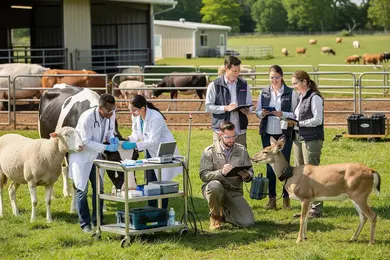
For this 2026 refresh, we focused on the practical learning components adult learners should review before enrolling, especially because animal science programs often include labs, animal handling, fieldwork, or supervised experiences that may not be fully online.
- Whether required labs are completed on campus, through local sites, or using approved at-home lab kits
- How the program verifies animal handling, livestock, companion animal, or agricultural experience
- Whether internships, practicums, or field placements can be arranged near your home or workplace
- How much advance notice is given for in-person sessions, weekend labs, or intensive campus visits
- Whether your current job in veterinary, farm, shelter, or animal care settings can support required experiences
- What equipment, transportation, insurance, or background checks may be needed for placements
Checking these details early helps returning students avoid schedule conflicts and choose an online animal science degree that fits both academic goals and real-life responsibilities.
Do Adult Learners Need SAT or ACT for an Online Animal Science Bachelor's Degree?
Most online bachelor's degree programs in animal science designed for adult learners do not require SAT or ACT scores as part of the application process. Instead, admissions typically focus on applicants' previous academic achievements, relevant work experience, and overall preparedness for college-level study.
By 2023, over 80% of four-year colleges nationwide had adopted test-optional or test-free policies, recognizing that standardized exams often fail to reflect the skills and potential of nontraditional students. Waiving these requirements helps remove barriers like test-related anxiety, time constraints, and financial burdens while valuing alternative credentials and life experience that better illustrate an applicant's readiness.
When asked about his admissions experience, an adult learner currently enrolled in an online animal science bachelor's program shared that the absence of SAT or ACT requirements eased his concerns considerably. He described feeling relieved not having to revisit standardized tests taken years ago, especially since his focus had shifted toward gaining practical knowledge rather than exam scores. The application process emphasized his work history and prior college credits, which he said made the transition back to education less intimidating and more aligned with his current goals.
How Flexible Are Online Animal Science Bachelor's Degree Programs for Adult Learners?
Flexibility is a crucial advantage of online education, especially for nontraditional adult students balancing school, work, and family. A 2023 NCES report found that 63% of online learners choose this format primarily for its adaptable scheduling, which supports work-life balance and fits diverse commitments. These flexible online animal science degrees provide several features tailored to adult learners returning to school.
- Asynchronous Learning: Learners access lectures and course materials anytime, making it easier to study around work hours and family obligations without missing vital content.
- Part-Time Enrollment: This option allows students to take fewer classes each term, reducing pressure and helping maintain employment and personal responsibilities.
- Self-Paced Coursework: Students control their own progress through modules, adjusting study time to fit their unique schedules and learning speeds.
- Accelerated Pacing Options: For adults with more availability, some programs offer faster course completion paths, speeding up graduation timelines.
- 24/7 Resource Access: Course materials, discussion boards, and support services are available around the clock, enabling study during peak personal productivity periods.
Adult learners seeking flexible online animal science degrees might also explore programs like the cheapest DNP programs online as a resource for related flexible online education options.
Can I Transfer Previous College Credits to an Online Animal Science Bachelor's Degree?
Many online bachelor's degree programs in animal science accept transfer credits, allowing adult learners to save time and avoid repeating coursework. This practice is common, with about one-third of U.S. undergraduates transferring credits during their studies, according to recent research. Several important factors affect how these credits are evaluated and applied.
- Evaluation of Prior Coursework: Schools assess transcripts to verify that previous classes match the academic standards and content of the animal science curriculum.
- Credit Limits: Programs often cap the number of transferable credits, commonly between 60 and 90, ensuring students complete a meaningful portion of their degree at the enrolling institution.
- Relevance to Animal Science: Courses in biology, agriculture, environmental science, or veterinary-related subjects are more likely to transfer than unrelated classes.
- Adult Learner Benefits: Transfer credits shorten time to degree and reduce redundant work, which is crucial for learners balancing education with careers or family.
- Accreditation and Institution Quality: Credits from regionally accredited colleges typically have a higher acceptance rate.
An adult learner who recently completed an online animal science bachelor's degree shared that transferring credits was a "relieving but sometimes challenging" process. She appreciated how her prior studies helped accelerate her path but found that communicating clearly with admissions and academic advisors was key to understanding which credits counted. "It made me feel that my past efforts were valued, and that encouragement kept me motivated," she reflected. This experience highlights how thoughtful credit evaluation can support adult students returning to school.
Does Work Experience Count Toward an Online Animal Science Bachelor's Degree?
Many online bachelor's degree programs accept professional experience and prior learning as part of the credit evaluation process. According to the Council for Adult and Experiential Learning, nearly 70% of colleges and universities provide opportunities for prior learning assessment (PLA), helping adult learners translate work history into academic credits. Below are some common ways programs evaluate and credit prior experience.
- Prior Learning Assessments: These assessments formally measure knowledge gained through work, military service, or other experiential learning. They can replace traditional coursework by validating college-level competencies demonstrated outside the classroom.
- Portfolio Reviews: Students compile documentation of skills, projects, and achievements for faculty to review. This process helps determine whether practical experience meets specific course or program requirements.
- Competency-Based Evaluations: Instead of counting credit hours, some programs focus on proven mastery of specific skills related to animal science. This method offers flexibility by recognizing practical abilities over seat time.
- Licenses and Certifications: Relevant industry certifications may be accepted as evidence of expertise and applied toward degree credit, supporting a faster path to completion.
- Standardized Exams: Exams such as CLEP or DSST can provide validated academic credit for knowledge gained outside formal education, giving students another option to leverage their experience.
Incorporating work experience into degree requirements allows adult learners to progress more efficiently, making online animal science programs adaptable to busy schedules and diverse backgrounds.
How Much Does an Online Animal Science Bachelor's Degree Cost for Adult Learners?
The overall cost of earning an online animal science bachelor's degree varies significantly, influenced by program format, pacing, and credit requirements. On average, tuition rates for online bachelor's programs in the U.S. fall between $300 and $600 per credit hour, although some programs may charge less or more depending on their structure and institution type. These variations mean the total tuition cost can be highly individual, especially for adult learners balancing credits transferred and their course load.
Several key expenses combine to create the full financial picture for adult learners pursuing this degree online:
- Tuition Per Credit: This is typically the largest expense. Rates fluctuate based on whether the program is self-paced, accelerated, or semester-based, with some schools charging premium fees for faster paths.
- Technology and Online Fees: Many programs include extra charges to support digital learning platforms, virtual labs, and tech support, which are essential for a smooth online experience.
- Course Materials: These include textbooks, specialized lab kits, or software licenses needed for practical components, adding to overall costs especially in science-heavy disciplines like animal science.
- Assessment Fees: Proctored exams or specialized testing might incur additional fees, ensuring academic integrity and compliance with program standards.
- Additional Expenses: Other smaller costs can include graduation fees, access to online libraries, and career services, which support the student journey but generally have minimal financial impact.
Considering these costs carefully helps adult learners plan their budgets wisely when selecting the best online animal science bachelor's degree program to fit their personal and professional goals.
Are There Financial Aid Options for Adult Learners in Online Animal Science Bachelor's Degrees?
Adult learners pursuing an online animal science bachelor's degree often have access to financial aid options to help manage tuition and related costs. Nearly 85% of undergraduate students receive some form of financial support, highlighting its widespread availability for those balancing education with other responsibilities. Several options exist to ease the financial burden, especially for returning students exploring scholarships and grants for returning students in animal science programs.
- Grants: These are typically need-based and do not require repayment. Federal Pell Grants and various state-specific grants can significantly reduce overall expenses without adding debt for adult learners.
- Loans: Federal student loans often provide lower interest rates and flexible repayment plans compared to private loans. Many adult learners use loans to spread tuition payments over time while maintaining affordability.
- Employer Tuition Assistance: Working professionals may receive partial or full reimbursement for tuition costs if their degree relates to their current job or career path. This form of aid makes online animal science degrees more accessible during ongoing employment.
- Payment Plans: Many institutions offer payment plans that allow students to divide their tuition into manageable monthly installments, improving budgeting flexibility and reducing financial strain.
Adult learners interested in flexible online education might also explore related programs like a medical assistant to LPN bridge program online for additional career options while leveraging financial support opportunities tailored to nontraditional students.
Do Employers Value Online Animal Science Bachelor's Degrees for Adult Learners?
Employer perceptions of online bachelor's degrees have evolved significantly, particularly as adult learners return to school seeking flexible options. Over the past decade, the stigma around online degrees has diminished, with a 2023 survey by the Society for Human Resource Management revealing that 74% of employers now regard online degrees as equivalent to traditional degrees from accredited institutions. This shift coincides with an increased focus on skills-based hiring, where practical competencies often outweigh the mode of education, highlighting the value of online animal science degrees for career advancement.
Key factors affecting employer perceptions include program accreditation, curriculum relevance, and the combination of formal education with prior work experience. Employers appreciate graduates who can demonstrate real-world skills alongside academic credentials, making adult learner animal science graduates particularly competitive.
Many programs now incorporate interactive labs and internships to ensure practical skills align with industry demands. For those exploring flexible educational paths, resources on online pharmacy schools provide parallel insights into accredited and reputable online learning options.
How Do I Choose the Best Online Animal Science Bachelor's Degree Program for Adult Learners?
Balancing education with work and family requires adult learners to carefully select an online animal science bachelor's program that supports their unique needs. Studies show that nearly 70% of adult online students consider program flexibility and accreditation as top priorities when choosing a degree path. The following criteria are essential to evaluate before enrolling.
- Accreditation: Ensure the program is accredited by a recognized agency to guarantee academic rigor and industry recognition. This validation impacts both employer acceptance and eligibility for graduate studies.
- Program Flexibility: Look for options like asynchronous courses, part-time enrollment, and multiple start dates to accommodate a busy lifestyle and unpredictable schedules.
- Curriculum Relevance: The coursework should cover core areas such as animal biology, nutrition, and husbandry, while integrating modern topics like biotechnology and sustainable agriculture to prepare students for evolving job markets.
- Student Support Services: Accessible academic advising, tutoring, and career guidance tailored to adults can provide valuable assistance and improve educational outcomes.
- Tuition and Affordability: Review the total cost and available financial aid programs to minimize debt and ensure the program fits your budgetary constraints.
What Graduates Say About Online Animal Science Bachelor's Degree Programs for Adult Learners Returning to School
- Ryker: "Returning to school as an adult was a daunting but necessary step for me to shift my career toward something I'm truly passionate about. Choosing an online animal science bachelor's degree allowed me to balance my work and family commitments without compromising the depth of my education. Since graduating, I've found my job satisfaction and professional opportunities have vastly improved."
- Eden: "After years in a completely different field, I realized I wanted to make a difference in animal welfare. The flexibility and accessibility of the online animal science program were essential because I could study while managing my busy schedule. This degree has given me the confidence and credentials to step into roles that align with my values and long-term goals."
- Benjamin: "As a professional seeking advancement, I needed a program that offered both rigorous coursework and practical applications. The online animal science bachelor's degree provided specialized knowledge that I could immediately apply to my current job in agriculture technology. This investment in my education has opened doors for leadership roles I once thought were out of reach."
Other Things You Should Know About Animal Science Degrees
Online animal science bachelor's degree programs for adult learners in 2027 usually take about four years to complete. However, many schools offer accelerated options or credit for prior learning, which can shorten the duration to about two to three years, depending on individual circumstances.
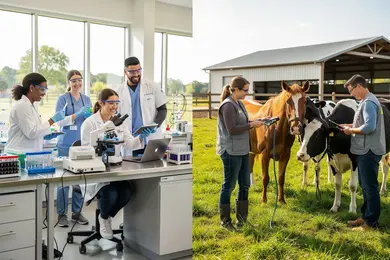
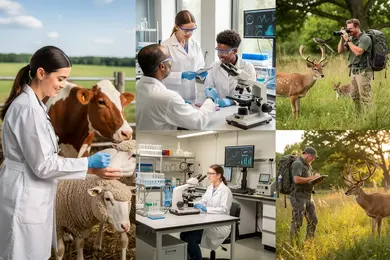
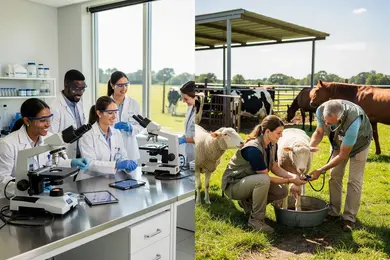
Online animal science bachelor's programs often incorporate hands-on experience through virtual simulations, local internships, and partnerships with nearby labs or farms. Some universities coordinate practical sessions during school breaks to provide direct experience. These practical components are crucial to complement the theoretical knowledge gained online.
Many online animal science bachelor's programs are accredited by regional accrediting bodies, ensuring quality and academic standards. Accreditation is crucial for employer recognition and eligibility for professional certifications. Prospective students should verify a program's accreditation status before enrolling to ensure it meets industry and educational requirements.
References
- Bachelor's Degree Livestock & Animal Science https://www.bircham.edu/bachelor-s-degree-livestock-animal-science.html
- edmov https://edmov.com/programs/bsc-animal-science
- Flexible Degree Programs for Working Professionals Who Love Animals - PNMMedia https://www.pnmmedia.com/flexible-degree-programs-for-working-professionals-who-love-animals/
- What are the benefits of e-learning for veterinary science students? https://www.umu.com/ask/a11122301573854454293
- Can I Study Animal Science Courses Online? https://www.stonebridge.uk.com/blog/veterinary/animal-science-courses-online-or/
- Online Animal Science Level 4 Certificate of Higher Education https://www.csgcc.ac.uk/en/programme-courses/university-course/animal-science-equine/online-animal-science-level-4-certificate
- What are the benefits of e-learning for veterinary science students? https://m.umu.com/ask/q11122301573854160777
- Online Option for Animal Science Degrees - Peterson's https://www.petersons.com/blog/online-option-for-animal-science-degrees/
- Bachelor's Degree (BS) in Animal Sciences https://academics.uky.edu/programs/bachelors/animal-sciences
- Animals and Veterinary Science Online Courses for Moravian College Students | College Parent Central https://www.collegeparentcentral.com/moravian/online-courses-animals-and-veterinary-science