2027 Online Animal Science Bachelor's Degree Programs With Weekly Start Dates

Co-Founder and Chief Data Scientist
Many working professionals with unrelated undergraduate degrees find it difficult to enter the animal science field due to rigid academic schedules and limited enrollment periods. This obstacle delays career transitions and reduces workforce responsiveness to industry demands. Research shows that over 40% of students pursuing online animal science bachelor's degrees prefer programs with weekly start dates, citing increased flexibility and faster enrollment as key benefits.
These programs accommodate shifting personal and professional commitments-enabling timely progression toward credentials. This article explores online animal science bachelor's degree programs offering weekly start dates and aims to guide readers toward flexible, accredited pathways that support efficient career pivots.
Key Benefits of Online Animal Science Bachelor's Degree Programs With Weekly Start Dates
- Weekly start dates offer unparalleled flexibility, perfect for working professionals and career changers balancing jobs and family responsibilities without long enrollment delays.
- Students can begin coursework within days of acceptance, removing typical semester wait times that often discourage returning adult learners and boost timely degree completion.
- These programs enable earning a regionally accredited animal science bachelor's degree while managing personal commitments, supporting career advancement in a growing agricultural and life sciences job market.
What Are Weekly Start Dates in Online Animal Science Bachelor's Programs, and How Do They Differ From Traditional Term-Based Enrollment?
Weekly or rolling start dates in higher education offer a flexible enrollment structure where new courses or modules begin every week instead of adhering to traditional semester schedules with fixed start dates. Unlike term-based programs that typically admit students once every few months, this model allows continuous enrollment. As a result, students gain greater control over their academic timeline, making it easier to start when ready.
Institutions such as Western Governors University and Purdue Global exemplify this approach through competency-based and modular formats. These flexible programs let students progress at a pace suited to their individual goals and availability. For many, this means the ability to apply and begin classes almost immediately after acceptance, avoiding delays often encountered in semester-based systems.
A continual enrollment model aligns well with online animal science degree weekly start enrollment options that accommodate busy adults balancing work, family, and other responsibilities. The difference between weekly start dates and semesters in animal science programs can be summarized in key points:
- Enrollment Frequency: Weekly start models open new sessions every week, whereas traditional semesters offer limited start dates per year.
- Wait Times: Rolling enrollment eliminates the long gaps between application and start of classes typical of semester systems.
- Learning Pace: Students can progress more quickly or take additional time depending on personal circumstances, unlike fixed semester timelines.
- Student Control: This structure empowers learners to customize their academic journey, enhancing flexibility over standard semester calendars.
This enrollment approach resonates especially with career-focused, nontraditional students seeking to efficiently earn an accredited Animal Science degree online. Moreover, students can maximize speed and savings through transfer credit policies and prior learning assessments offered by many programs. For those exploring flexible doctoral options in other fields, resources on easy DNP programs may provide useful insights into alternative accelerated learning paths.
Which Accredited Institutions Offer Online Animal Science Bachelor's Degree Programs With Weekly or Rolling Start Dates?
Several regionally accredited institutions offer online animal science bachelor's programs designed with flexible start dates, including weekly or rolling enrollment options. These programs are ideal for working adults, first-time college students, and returning learners seeking timely enrollment outside traditional semester schedules. Weekly or near-continuous starts allow students to begin coursework almost any week.
- Fort Hays State University: Their Bachelor of Science in Animal Science features rolling admissions with weekly start dates year-round. Tuition is approximately $226 per credit. The program supports generous transfer credit policies and includes prior learning assessments to accelerate degree completion.
- American Public University System: The online Bachelor of Science in Agriculture with an animal science focus offers monthly or more frequent enrollment, effectively enabling weekly starts via rolling admissions. Tuition runs about $285 per credit. The university holds regional accreditation and offers notable financial aid options.
- Colorado State University Global: Offers a Bachelor of Science in Animal Science with continuous enrollment, letting students start nearly any week. Tuition costs about $350 per credit. CSU Global emphasizes practical application and accepts substantial transfer credits to reduce time and expense.
- Mississippi State University: While traditionally on a semester system, their online bachelor's in Animal and Dairy Science includes multiple terms and accelerated courses that function similarly to weekly starts. In-state tuition is around $334 per credit. MSU maintains strong transfer credit policies and prioritizes accessible learning for adult students.
- Western Illinois University: Their animal science bachelor's program provides multiple monthly start dates, closely approximating weekly availability. Tuition is about $384 per credit. Regionally accredited, it features asynchronous coursework tailored to working professionals.
Each of these accredited online animal science bachelor's programs with rolling start dates meets rigorous regional standards, ensuring quality education recognized by employers and graduate schools. Compared to traditional semester-based formats, weekly enrollment windows provide more flexible pacing and often allow degree completion at a faster rate.
Students can maximize savings and accelerate progress through prior learning assessments and transfer credit acceptance. Prospective students should always verify up-to-date enrollment schedules and tuition directly with universities. For students considering financial aspects alongside flexible starts, exploring options such as the most affordable nursing programs may provide additional insights into cost-effective online degree paths.
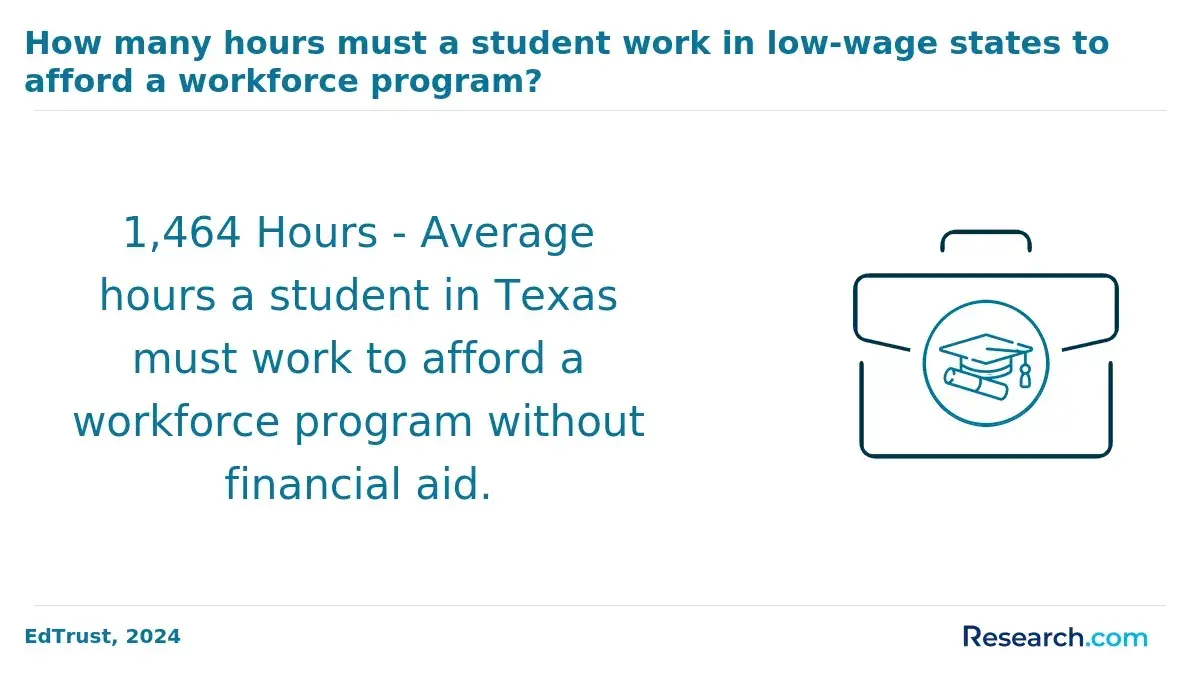
How Do Weekly Start Dates in Online Animal Science Programs Benefit Working Adults and Non-Traditional Students?
Weekly start dates let students begin their coursework right after acceptance-no need to wait months for a new semester. This prompt starts to narrow the gap between decision and action, maintaining motivation and lowering the risk of dropping out before classes even begin.
Adults balancing jobs, families, and other priorities can start when ready and often progress at their own speed. This adaptable structure fits diverse life situations better than rigid, semester-based calendars that often force scheduling conflicts.
Studies from the NCES and Lumina Foundation reveal that flexible enrollment times contribute to higher persistence and graduation rates. When learners control when and how they engage with their studies, they're more inclined to complete their programs successfully.
Beginning sooner accelerates career advancement in animal science, enabling earlier entry into higher-paying roles. Waiting for fixed start dates can delay earning potential. Weekly starts reduce this financial setback by promoting continuous educational progress.
One professional who enrolled in an online animal science bachelor's program with rolling start dates shared that managing work and family made traditional semester deadlines impossible to meet. He explained, "Having the option to start any week removed so much pressure. I didn't have to rearrange my schedule around fixed semesters or lose months waiting to begin."
He appreciated the ability to customize his pacing, stating it felt like "a program built around my life, not the other way around." This flexibility helped him stay engaged during challenging periods and steadily move toward his goal of establishing a career in animal science.
What Is the Total Tuition Cost for Online Animal Science Bachelor's Programs That Allow Weekly Enrollment?
Online animal science bachelor's programs with rolling start dates typically charge between $300 and $600 per credit. For the usual 120-credit degree, this results in total tuition costs ranging approximately from $36,000 to $72,000. Some schools, however, use flat-rate or block tuition models that let students enroll in unlimited courses during set periods for a fixed fee, potentially lowering the overall expense for motivated learners.
A few universities offer in-state tuition to all online learners, regardless of where they reside. This approach makes these programs particularly affordable and attractive when compared to traditional models that bill out-of-state students at higher rates, presenting a valuable option for those comparing average tuition rates for online animal science degrees with rolling start dates.
Remember to include fees beyond tuition, such as technology fees supporting online learning platforms and costs for textbooks or materials, which can add 10%-20% to the total program cost. These are important factors when evaluating the cost comparison of weekly enrollment in animal science bachelor's programs.
Taking advantage of prior learning assessments and generous transfer credit policies may reduce the number of credits needed, speeding completion and lowering expenses. More details on managing costs and educational pathways can be found through resources like the healthcare administration master's guide, which offers insight into similar tuition strategies and financial planning.
How Quickly Can Students Complete an Online Animal Science Bachelor's Degree When Enrolling Through a Weekly Start Option?
Many programs let students enroll in numerous courses per term without rigid scheduling, allowing those with time and motivation to speed up their progress. Full-time learners taking maximum credits often finish more quickly than those balancing outside obligations.
Acceptance of up to 90 transfer credits or credit for professional experience and exams can drastically reduce the time needed to graduate. This benefits adult learners leveraging previous education or work history.
Some schools use competency frameworks where advancement depends on demonstrated knowledge rather than fixed class hours. This approach benefits students who master material swiftly and prefer to move through content independently.
Programs offering rolling start dates eliminate wait times associated with traditional semesters, enabling students to begin any week of the year. This continual enrollment option supports steady progress without interruption.
Typically, full-time students using these strategies complete an online animal science bachelor's degree in 2.5 to 3 years. Part-time students often take 4 to 6 years, depending on course load. Those with significant transfer credits and consistent weekly starts may finish in under two years, highlighting the model's appeal for working adults.
A professional who completed a self-paced online animal science bachelor's degree shared that balancing work and studies was initially challenging, but the flexibility to accelerate through courses when her schedule allowed was invaluable. She appreciated the ability to jump into classes immediately on weekly start dates, which kept her motivated and prevented downtime.
By utilizing prior learning credits, she shortened her path significantly and found the competency-based approach rewarding, allowing her to focus deeply on subjects while advancing swiftly. Reflecting on the journey, she remarked, "It wasn't always easy managing time, but the freedom to control my pace made all the difference in turning my career goals into reality."
What Admission Requirements Must Students Meet to Enroll in an Online Animal Science Bachelor's Program With a Weekly Start Date?
Online bachelor's programs in animal science with weekly or rolling start dates generally have more accommodating admission criteria than traditional semester-based options. Many institutions use open or rolling admissions, allowing students to begin soon after application approval. Applicants typically must have a high school diploma or GED, while minimum GPA requirements-often around 2.0 on a 4.0 scale-are less stringent than those of selective schools.
Standardized testing is usually optional for these programs, reflecting a shift toward inclusive admissions that consider diverse learner backgrounds. This flexibility helps adult learners or those returning to education after time away to access opportunities without the barrier of SAT or ACT scores.
This ease of entry can mean varying levels of academic demand. Programs without selective admissions tend to offer stronger support services, including tutoring and personalized advising, to help students navigate coursework successfully. Conversely, more selective programs may have tougher academic expectations but rely less on remedial support, expecting students to arrive prepared.
For applicants with non-traditional records or gaps since their last schooling, articulating relevant experience, personal motivation, and recent training can boost the strength of the application and admission chances.
According to the National Center for Education Statistics, institutions with rolling admissions have seen a 12% enrollment increase over the past five years, underscoring the growing preference for flexible enrollment options.
- High School Diploma or GED Required: Admission usually requires proof of secondary education completion as a minimum entry credential.
- Open or Rolling Admissions: These policies reduce wait times and simplify the enrollment process, especially benefiting working adults and non-traditional students.
- Standardized Tests Often Optional: Many programs waive SAT/ACT requirements to welcome varied educational and professional backgrounds.
- Varied Rigor and Support: Open-entry programs typically provide comprehensive academic aid, whereas selective programs expect stronger prior preparation but offer less direct support.
- Effective Application Strategies: Emphasizing practical experience, goals, and readiness can enhance admission success for students with unconventional academic histories.
How Do Online Animal Science Programs With Weekly Starts Handle Transfer Credits From Previous College Coursework?
Weekly-start online animal science bachelor's degree programs emphasize flexible transfer credit policies to help students accelerate their degrees and reduce costs. These programs often accept transfer credits from regionally accredited institutions such as community colleges, military training, and employer-based learning. By recognizing prior learning, students, especially adult learners and working professionals, can avoid repeating coursework and save both time and money.
Colorado State University Global and Purdue University Global are notable for accepting up to 90 transfer credits, among the most generous in the field. Both schools require official transcripts and use detailed course equivalency evaluations to determine credit eligibility. The American Council on Education (ACE) credit recommendation system plays a vital role by converting military service, professional certificates, and other non-traditional learning into academic credit, further expanding transfer options.
Prospective students are advised to request an official transcript evaluation before enrollment. This evaluation clarifies how many credits will transfer and which animal science degree requirements remain. Rolling start dates enable students to plan more efficiently and maximize cost savings. According to the National Center for Education Statistics, nearly 40% of online bachelor's degree students transfer credits from previous studies, underscoring the growing importance of generous transfer policies in distance education.
- Generous Credit Acceptance: Weekly-start programs often accept a high number of transfer credits from diverse learning sources, accelerating degree completion and reducing tuition costs.
- ACE Credit System: The American Council on Education helps translate military and professional learning into academic credits, broadening transfer opportunities beyond traditional coursework.
- Transcript Evaluation Crucial: Students should obtain an official credit review to understand exactly how prior learning applies to their animal science degree requirements.
- Top Programs' Limits: Institutions like Colorado State University Global allow up to 90 transfer credits, offering some of the most flexible policies available.
- Growing Transfer Trend: Nearly 40% of online bachelor's students utilize transfer credits, making generous transfer acceptance essential for adult learners.
What Financial Aid and Scholarship Options Are Available for Students Enrolling in Weekly-Start Online Animal Science Programs?
Students enrolling in weekly-start online animal science bachelor's degree programs have access to a variety of federal financial aid options comparable to traditional semester-based schedules, though timing requires special attention. Federal Pell Grants support eligible students with demonstrated financial need, subject to enrollment status and lifetime limits.
Subsidized and unsubsidized Stafford loans offer flexible, low-interest borrowing options, with eligibility determined by grade level and dependency status. Work-study programs are less common for online learners due to their in-person employment requirements, but some schools provide virtual or local community placements. Because weekly start dates enable continuous enrollment, careful FAFSA submission and institutional aid planning are essential to align with each session's disbursement cycle.
According to the College Board's Trends in Student Aid data, the average student aid package, combining grants, loans, and work-study, covers roughly 60-70% of typical tuition costs. This helps students estimate likely financial support when searching for financial aid options for weekly start online animal science degrees.
Many public and private institutions also offer scholarships targeted specifically for animal science students in rolling start animal science programs. These scholarships often come from professional associations, nonprofits, or the institutions themselves and can substantially supplement aid.
Completing the Free Application for Federal Student Aid (FAFSA) early is critical, as many grants and scholarships award funds on a first-come, first-served basis. Students should be aware of deadlines, prepare tax and income documents promptly, and update their FAFSA annually to maximize eligibility.
- Federal Grants: Pell Grants offer need-based support that reduces out-of-pocket costs particularly for low-income online animal science students.
- Stafford Loans: Subsidized and unsubsidized loans provide flexible borrowing with favorable interest rates, easing financial strain during weekly-start course completion.
- Scholarship Opportunities: Targeted scholarships from associations, nonprofits, and institutions can significantly boost funding for students in rolling start animal science programs.
- FAFSA Process: Timely and accurate FAFSA submission ensures access to federal aid and institutional scholarships aligned with the unique enrollment cycles of weekly start programs.
- Work-Study Limitations: While federally funded work-study is limited for online learners, exploring virtual or local community employment options may offer additional income during degree progression.
For those curious about career options related to this field, reviewing resources like 'Is medical coding a good job' may provide helpful professional insights.
What Accreditation Standards Should a Weekly-Start Online Animal Science Bachelor's Program Meet to Ensure Employer and Transfer Recognition?
When choosing an online animal science bachelor's degree program with weekly start dates, accreditation standards for online animal science bachelor's degrees in the US play a pivotal role in ensuring your degree is respected by employers and academic institutions. Regional accreditation remains the gold standard because it confirms a program meets high academic quality benchmarks, which is especially important for those aiming to transfer credits or pursue graduate studies.
The seven regional accrediting bodies recognized by the U.S. Department of Education are: Middle States Commission on Higher Education (MSCHE), New England Commission of Higher Education (NECHE), Higher Learning Commission (HLC), Northwest Commission on Colleges and Universities (NWCCU), Southern Association of Colleges and Schools Commission on Colleges (SACSCOC), Western Association of Schools and Colleges Senior College and University Commission (WSCUC), and the Accrediting Commission for Community and Junior Colleges (ACCJC). Among these, HLC and SACSCOC most frequently accredit weekly-start online programs due to their focus on institutions with flexible scheduling.
National accreditation often applies to career-focused or vocational schools but usually lacks broad acceptance for credit transfer or graduate admission within animal science fields. Enrolling in only nationally accredited programs can limit your options for transferring credits to a regionally accredited institution or pursuing advanced degrees, potentially reducing the long-term value of your education.
Before enrolling, always verify a program's accreditation status through the U.S. Department of Education's accreditation database to protect your educational investment. Understanding these distinctions ensures your online animal science degree supports your career and academic goals effectively.
- Regional vs. National: Regional accreditation is preferred for academic rigor and recognition, whereas national accreditation is less widely accepted in animal science fields.
- Seven Regional Bodies: These include MSCHE, NECHE, HLC, NWCCU, SACSCOC, WSCUC, and ACCJC, with HLC and SACSCOC frequently accrediting weekly-start online programs.
- Credit Transfer Risks: Nationally accredited schools may limit your ability to transfer credits or pursue graduate education within regionally accredited institutions.
- Verification Needed: Always confirm accreditation through the U.S. Department of Education's database before enrollment to ensure program legitimacy.
- Employer Recognition: Degrees from regionally accredited programs are generally more respected by employers within animal science industries.
Students interested in flexible enrollment options should also explore how weekly start dates differ from traditional semester formats by enabling continuous enrollment and potentially accelerating completion time. To maximize speed and savings, look into programs that offer generous transfer credit policies and prior learning assessments.
For more information about related flexible programs, consider reviewing online FNP programs as an example of how weekly start formats can support working professionals.
How Is Coursework Structured in Online Animal Science Bachelor's Programs With Weekly Starts Compared to Semester-Based Formats?
Weekly-start animal science bachelor's programs typically deliver coursework through asynchronous video lectures, enabling students to study on their own schedule within each week. Digital discussion boards and collaboration tools foster interaction with peers and instructors despite the lack of real-time classes.
Assignments are set with weekly deadlines, promoting steady progress and immediate engagement with the material. This accelerated format contrasts with traditional semester-based courses that often last around 15 weeks, condensing the same content into five to eight weeks. Such pacing demands strong self-discipline and effective time management as students must absorb information quickly and meet frequent deadlines.
Core competencies like animal biology, nutrition, and management practices are well-suited to this focused, fast-paced approach. However, mastering complex laboratory techniques and extensive fieldwork may be limited due to the shortened timeframe. Students aiming to succeed should organize clear weekly study schedules, minimize distractions, and utilize university support services promptly to keep up with the fast pace.
According to the National Center for Education Statistics, enrollment in accelerated online STEM programs-including animal science-has increased by 12% annually, reflecting growing demand for flexible career-oriented degrees among adult learners.
- Flexible Content Delivery: Asynchronous lectures and online forums give students continuous access to learning materials, making it easier to balance education with work and personal life.
- Accelerated Timelines: Five-to-eight-week course lengths require disciplined time management and rapid comprehension compared to standard 15-week semesters.
- Skill Development Focus: Fundamental animal science topics like biology and nutrition are effectively covered, though hands-on skills may need additional practice outside the program.
- Mental Preparation Strategies: Planning dedicated weekly study blocks and engaging actively with instructors and peers helps maintain pace and understanding.
- Growing Popularity: Rising enrollment trends demonstrate increasing interest in flexible, accelerated online animal science degrees for career advancement.
Can Students Earn Credit Through CLEP, DSST, or Prior Learning Assessment in Weekly-Start Online Animal Science Programs?
Credit by Examination programs like CLEP (College-Level Examination Program) and DSST (DANTES Subject Standardized Tests) offer students the chance to earn college credit by demonstrating mastery of foundational subjects. These exams, endorsed by the American Council on Education (ACE), help reduce tuition costs and shorten the time needed to complete an animal science bachelor's degree. Students can bypass introductory courses by passing these standardized tests, which cover general education and specialized topics.
Prior learning assessment (PLA) processes further enable students to earn credit for skills and knowledge gained outside the classroom. Many online animal science programs with weekly start dates accept portfolio submissions, military training transcripts, and professional certifications for evaluation. Institutions such as Thomas Edison State University and Excelsior College are noted for their flexible PLA policies, often allowing up to 30%-50% of degree credits through prior learning.
Applicants should compile detailed documentation, such as certificates, military records, and job descriptions, and submit these to their school's registrar or PLA office for formal credit evaluation. Early consultation with academic advisors is crucial to understanding institution-specific credit limits and ensuring that credit-by-exam and PLA strategies align with degree requirements.
- Standardized Exam Credit: CLEP and DSST exams cover key subjects, enabling students to bypass certain courses and reduce educational costs and duration.
- Flexible Prior Learning Assessment: Portfolio reviews and military transcript evaluations allow adult learners and veterans to convert experience into academic credits.
- Institutional Credit Caps: Programs typically limit credit from exams and PLA to between 30% and 50% of the degree, requiring complementary coursework.
- Documentation Essentials: Maintaining organized records like certificates and training transcripts is critical to support the PLA or exam credit process.
- Advisor Support: Early discussions with academic advisors help students plan exams and credit submissions effectively in line with program goals.
What Graduates Say About Online Animal Science Bachelor's Degree Programs With Weekly Start Dates
- Ryker: "Choosing an online animal science bachelor's degree program with weekly start dates was a game-changer for me-I needed flexibility to balance work and study. The affordability of the program allowed me to invest in my education without overwhelming debt. Since graduating, I've noticed a significant boost in my career opportunities within the veterinary field."
- Eden: "Reflecting on my decision to pursue an online animal science degree, the weekly start dates made it easier to begin exactly when I was ready, which kept my motivation high. The cost was surprisingly manageable compared to traditional programs, allowing me to focus solely on learning. It truly paved the way for me to specialize in wildlife conservation and enhanced my professional credibility."
- Benjamin: "Professionally, enrolling in an animal science bachelor's program with weekly start dates was strategic-I wanted to advance quickly without waiting for semester intakes. The reasonable tuition fees were a key factor since I funded my studies independently. Completing the program online sharpened my skills and helped me secure a role in agricultural research much sooner than I anticipated."
Other Things You Should Know About Animal Science Degrees
Weekly-start online animal science programs typically use learning management systems (LMS) such as Blackboard, Canvas, or Brightspace. These platforms facilitate course content delivery, assignments, discussions, and assessments. Students need a reliable internet connection, a modern computer or tablet, and up-to-date browsers; some courses may also require software specific to animal science data analysis or virtual lab simulations.
Graduates with an online animal science bachelor's degree often pursue careers in livestock management, animal nutrition, veterinary technician roles, and agricultural business. Entry-level positions generally offer salaries ranging from $35,000 to $50,000 annually, with potential growth into management or research roles bringing higher pay. Industry experience and certifications can significantly influence earnings and advancement opportunities.
2027 online animal science bachelor’s programs with weekly starts leverage technologies like Learning Management Systems (LMS), virtual labs, and simulation software to provide interactive and flexible learning experiences. These platforms allow students to access materials, submit assignments, and engage in discussions with peers and instructors efficiently.
Institutions often provide robust support services tailored to online learners, including academic advising, tutoring, and career counseling. Weekly-start programs usually feature orientation sessions and technical assistance to help students adapt quickly. Many schools also offer virtual libraries, peer discussion forums, and dedicated faculty mentors to ensure continuous progress and engagement.
References
- Animal Science Pathway | Enterprise State Community College https://escc.edu/programs/animal-science-pathway/
- animal science bachelor degree https://checkout.columbiacollege.edu/scholarship/79noa8/0FE014/animal-science-bachelor__degree.pdf
- Online Option for Animal Science Degrees - Peterson's https://www.petersons.com/blog/online-option-for-animal-science-degrees/
- What are the benefits of e-learning for veterinary science students? https://m.umu.com/ask/a11122301573854454282
- Academic Catalog https://academic-catalog.uscupstate.edu/academic-regulations/credit-prior-learning/
- Jessup Playbooks: Transitioning to a 7-Week Course Schedule: Why 7-Week Courses? https://libguides.pvcc.edu/7-week-course-schedule/why-7-week-courses
- CLEP/DSST Exams - NECC https://necc.edu/academics/beyond-the-classroom/credit-prior-learning/clepdsst-exams/
- Veterinary Biomedical and Clinical Sciences https://www.fastweb.com/directory/scholarships-for-veterinary-biomedical-and-clinical-sciences-majors
- View of Modifications to an introductory animal science course to meet the demands of COVID-19 restrictions improved student engagement https://nactajournal.org/index.php/nactaj/article/view/124/67
- CLEP & DSST Exams - https://www.cctech.edu/service-and-support/campus-life/testing-center/clep-dsst-exams/