2027 Online Animal Science Bachelor's Degree Programs With No SAT or ACT Requirements

Co-Founder and Chief Data Scientist
Many prospective students interested in pursuing an online animal science bachelor's degree face barriers due to standardized test requirements like the SAT or ACT. For nontraditional learners balancing work or family, mandatory testing can delay or derail educational goals.
Recent studies show that over 60% of online animal science programs now waive these exams, reflecting a shift toward inclusive admissions. This change improves access for individuals with varied academic backgrounds and life circumstances. This article explores online animal science bachelor's degree programs that do not require SAT or ACT scores, providing guidance to help applicants find flexible, accessible options tailored to their needs.
Key Benefits of Online Animal Science Bachelor's Degree Programs With No SAT or ACT
- Removing SAT/ACT requirements broadens access for diverse applicants, including adult learners and those from underserved communities, enhancing representation in animal science fields.
- Online programs offer flexible schedules that accommodate working students balancing employment and family commitments, supporting continuous education without relocating.
- A streamlined admissions process reduces administrative barriers and accelerates enrollment, helping more candidates enter the workforce amid growing demand for animal science professionals.
Who Should Consider an Online Animal Science Bachelor's Degree With No SAT or ACT?
Online animal science bachelor's degree programs that do not require SAT or ACT scores offer a flexible, accessible option for a broad spectrum of students. Nearly 40% of U.S. colleges had adopted test-optional policies by 2023, reflecting a growing trend to emphasize academic achievements beyond standardized tests.
These programs appeal especially to learners seeking convenience and inclusivity in their education. Below are some groups who often thrive in the best online animal science degree programs without standardized tests.
- Working Adults: These programs fit well for professionals balancing a career with their studies. The ability to earn a degree remotely allows working adults to advance in animal science without interrupting their employment or personal responsibilities.
- Nontraditional Students: Returning students who took breaks from education benefit from the flexibility and reduced barriers of test-optional admissions. This eases their reentry into academia while accommodating diverse life situations.
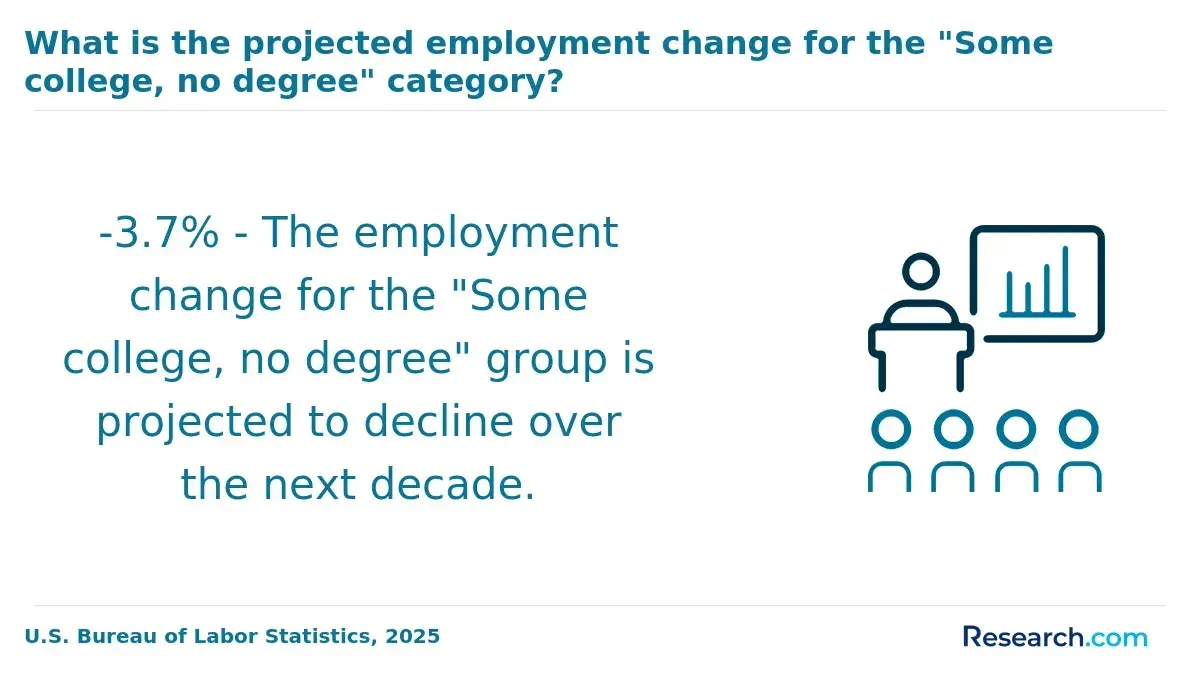
- Prior College Credit Holders: Individuals with some college coursework but no degree often find streamlined admissions appealing. Programs recognize prior learning and focus on current potential rather than standardized testing scores, helping these students complete their degree efficiently.
- Applicants Needing Flexibility: Those facing geographic, economic, or personal challenges appreciate accessible admissions that do not rely on standardized tests. This inclusivity widens opportunities for many seeking animal science education online.
Prospective students exploring options may also be interested in nursing schools with high acceptance rates, which similarly emphasize flexible admission standards. Understanding who benefits from no SAT ACT animal science degrees can guide applicants toward programs best aligned with their needs and goals.
What Is the Difference Between Test-Optional and Test-Free Online Animal Science Bachelor's Degrees?
The terms test-optional and test-free are often confused when discussing admissions criteria for online animal science bachelor's degree programs without SAT or ACT requirements. While both avoid mandating standardized test scores, they signify different levels of consideration for these results.
Notably, enrollment in test-free undergraduate programs has grown by over 15% nationally from 2019 to 2022, highlighting increasing demand for more accessible admissions options. Below is a comparison to clarify these distinctions.
Test-Optional Online Program
- Applicants may submit SAT or ACT scores if they believe it strengthens their application; scores are not mandatory.
- Admissions review standardized test scores alongside GPA, recommendation letters, personal statements, and extracurriculars.
- Offers flexibility for students who performed well on tests to showcase strengths without penalizing those who opt not to submit scores.
- Maintains some traditional admissions expectations while adapting to a more test-inclusive but flexible process.
Test-Free Online Program
- Standardized test scores like SAT or ACT are not considered at all, even if submitted.
- Admissions focus exclusively on academic records, work experience, personal essays, and other qualitative factors.
- Widely accessible for nontraditional students or those challenged by test anxiety, removing barriers tied to standardized testing.
- Redefines admissions criteria by entirely excluding standardized tests, fostering a more inclusive and diverse applicant pool.
Students seeking flexible options may find test-optional policies suit those wanting to highlight strong test results, while test-free programs offer a route focused purely on holistic evaluations. For those exploring related health professions, programs like DNP online also reflect growing trends toward flexible, non-test-based admissions.
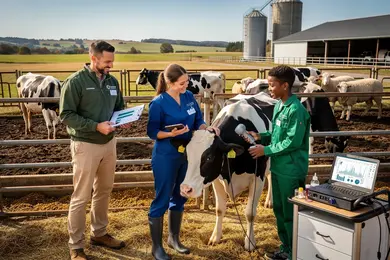
2026 Update: Checking Hands-On Learning Requirements in Online Animal Science Programs
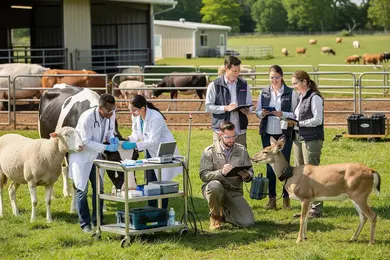
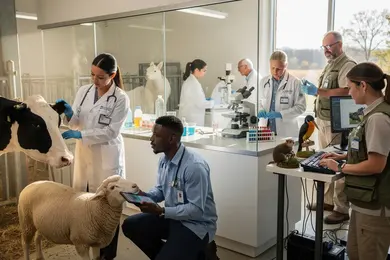
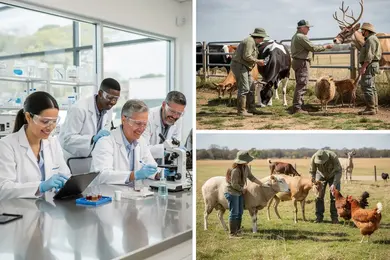
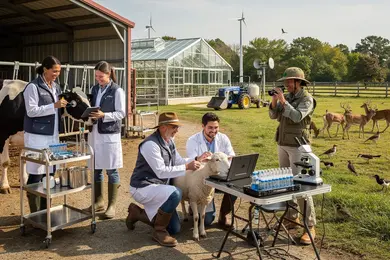
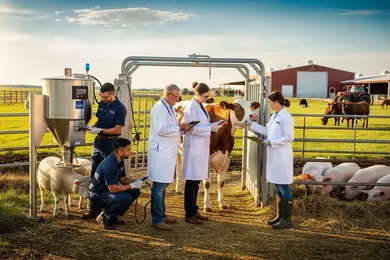
For 2026, this article was refreshed to help students look beyond test-free admission and evaluate how online animal science programs deliver required labs, animal handling, and field-based learning.
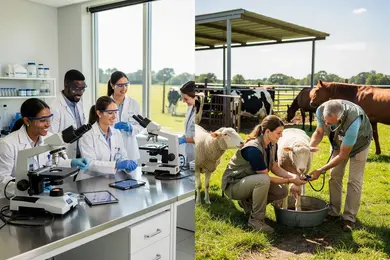
- Whether biology, anatomy, nutrition, or production courses include virtual labs, home lab kits, or campus visits.
- If the program requires internships, practicums, or supervised experiences with farms, clinics, shelters, or animal facilities.
- Whether students can complete hands-on requirements locally or must travel to an approved site.
- Any extra costs for lab materials, safety equipment, animal care supplies, background checks, or transportation.
- How the school verifies animal handling hours, supervisor credentials, and completed fieldwork.
- Whether hands-on experiences align with your goals in livestock management, veterinary support, research, or animal welfare.
Reviewing these details helps students choose an online animal science degree that is flexible but still provides the practical experience needed for future study or animal-related work.
What Are the Admission Requirements for an Online Animal Science Bachelor's Degree Without SAT or ACT?
Many online animal science bachelor's degree programs that waive SAT or ACT requirements evaluate applicants through a more holistic review process. Recent trends show that nearly 70% of four-year colleges have adopted test-optional policies, allowing admissions officers to focus on a wider range of academic and personal qualities.
Below are some typical elements these programs consider in place of standardized test scores.
- Academic Transcripts: Applicants must submit official records from high school or previous college coursework to confirm their educational background and readiness for university-level study.
- Personal Statement: A well-crafted essay provides insight into the applicant's interest in animal science, career goals, and ability to succeed in an online learning environment.
- Letters of Recommendation: References from educators, supervisors, or mentors help attest to the candidate's work ethic, character, and academic potential.
- Proof of College Readiness: This may include evidence of completing essential foundational courses or placement test results demonstrating preparedness for rigorous study.
When speaking with a graduate of such a program, he reflected on the admission process as more personal yet demanding. He said, "Without the SAT or ACT, they really wanted to see that I understood the material and was committed."
He recalled feeling pressure to write a meaningful personal statement and gather strong recommendations that showcased not just academic ability but also his passion for animal science. Despite initial apprehension about proving himself without test scores, the process ultimately allowed him to highlight qualities that traditional standardized tests might overlook.
Do Online Animal Science Bachelor's Degrees Require a Minimum GPA?
Requirements for a minimum GPA in online animal science bachelor's degree programs vary significantly among schools. Many institutions emphasize a holistic admissions approach, assessing applicants beyond just their academic records. Recent data shows about 62% of online colleges provide flexible GPA expectations to welcome a wider range of students.
Here are some common considerations regarding GPA criteria:
- Flexible GPA Thresholds: Programs often allow applicants with varying academic backgrounds to qualify, recognizing that a strict GPA requirement might exclude capable candidates.
- Holistic Academic Review: Admissions committees may evaluate trends in coursework rigor and performance over time, rather than focusing solely on cumulative GPA.
- Non-Academic Experience: Relevant work, internships, volunteer activities, and other practical experiences in animal-related fields can weigh heavily in admission decisions.
- Alternative Pathways: Students with lower GPAs might gain conditional acceptance or the chance to demonstrate readiness through additional coursework or assessments.
- Personal Motivation: Emphasis on statements of purpose helps assess commitment and passion for the animal science field beyond numeric indicators.
These flexible frameworks support nontraditional students and those pursuing online animal science bachelor's degree minimum GPA requirements without submitting SAT or ACT scores. For students interested in accelerated options, exploring fast track programs can offer valuable pathways toward degree completion.
Is It Easier to Get Into an Online Animal Science Bachelor's Degree Without SAT or ACT?
Eliminating SAT or ACT requirements from online animal science bachelor's degree admissions can expand access for many applicants but doesn't necessarily make acceptance easier. Approximately 60% of these programs apply flexible admissions policies while remaining selective, often reviewing candidates holistically.
Factors such as GPA, prior coursework, work experience related to animal science, letters of recommendation, and personal statements typically influence decisions. The difficulty of admission varies by program and depends on the competitiveness of the applicant pool along with institutional admissions criteria.
A current student in one of these no-test-score-required online animal science programs shared that although the lack of standardized testing reduced one barrier, the application process still demanded thorough preparation. "I appreciated not having to stress over test scores," she said, "but the detailed personal statement and securing strong recommendations took a lot of effort."
She reflected on how the focus shifted from a single exam to presenting a well-rounded profile, which felt both challenging and rewarding. Her experience highlights that even without SAT or ACT scores, gaining admission involves demonstrating academic and personal strengths in multiple ways.
Which Online Animal Science Bachelor's Degree Programs Do Not Require SAT or ACT?
Many online bachelor's degree programs across various fields have adopted test-optional or test-free admissions, allowing applicants to show their strengths beyond standardized exams. Over 60% of these programs report growth in applicants under such policies, reflecting a broader move to holistic evaluation.
This trend is evident in online animal science degrees as well, which often offer specialized focus areas.
Common concentrations in online animal science programs without SAT or ACT requirements include:
- Animal Nutrition and Feed Science: This focus explores the dietary needs and feeding practices essential for animal health and production. Admissions prioritize relevant coursework and experience in biology or agricultural science over test scores.
- Animal Behavior and Welfare: Emphasizing the study of animal habits and well-being, this specialization is suited for students interested in ethical treatment and behavioral research of animals. Applicants demonstrate preparedness through letters of recommendation and related academic background.
- Livestock Production and Management: Concentrating on efficient animal agriculture and farm operations, this track prepares students for roles in managing livestock systems. Admissions often look at applicants' hands-on experience and commitment to the field as key criteria.
- Equine Science: Dedicated to horse biology, health, and management, this option appeals to those pursuing careers in equestrian industries. Evaluation centers on prior relevant studies and practical involvement rather than standardized testing.
- Wildlife and Conservation Biology: This path focuses on preserving natural habitats and animal populations. Prospective students typically submit evidence of their passion and academic readiness through portfolios and references, not SAT or ACT scores.
These programs emphasize prior academic achievement, professional experience, and motivation within animal science fields. This admissions approach supports diverse learners, particularly those balancing other obligations, by valuing real-world skills and dedication above test performance.
How Do I Apply to an Online Animal Science Bachelor's Degree Without SAT or ACT?
Applying to an online animal science bachelor's degree program without SAT or ACT scores is straightforward, with most steps completed through a dedicated online portal. The process focuses on submitting necessary information and documents digitally, making it convenient and accessible.
Here is a typical sequence of actions applicants follow:
- Create an Account: Start by registering for an applicant profile on the school's application website. This account lets you save your progress, upload materials, and communicate directly with admissions personnel.
- Complete the Application Form: Fill out the basic application, providing personal details, contact information, and your educational history. This step sets the foundation for your submission.
- Upload Documents: Submit required files such as identification, educational records, and sometimes a personal essay. The platform often guides you on which documents are mandatory versus optional.
- Review Additional Steps: You may need to answer supplemental questions or agree to terms related to enrollment and privacy. Some programs also allow optional inputs like recommendations to enhance your application.
- Submit and Monitor: After reviewing your application package thoroughly, submit it officially. Then, track your application status using the school's online dashboard or email notifications for updates or follow-up requests.
How Can I Improve My Online Animal Science Bachelor's Degree Application Without SAT Scores?
Applicants aiming for an online animal science bachelor's degree without submitting SAT or ACT scores can enhance their applications by emphasizing academic achievements, relevant experience, and personal motivation. Approximately 90% of colleges use holistic review processes, considering an applicant's full profile rather than relying solely on test scores.
Embracing this broader evaluation approach allows candidates to highlight multiple strengths.
Consider these strategies to improve your application:
- Academic Performance: Maintain strong grades in biology, chemistry, and math courses to show preparedness for animal science studies. Highlighting coursework relevant to the field strengthens your profile for online animal science bachelor admissions without ACT scores.
- Compelling Personal Statement: Write a clear, engaging essay that expresses your passion for animal science, related experiences, and career goals. A thoughtful personal statement helps admissions officers see your dedication beyond test scores.
- Relevant Experience: Showcase internships, volunteer work, or employment involving animal care or agricultural settings. Detailing practical skills and responsibilities communicates readiness for rigorous program demands.
- Supporting Materials: Submit strong letters of recommendation from teachers, mentors, or employers familiar with your character and work ethic. These endorsements add credible insight that test scores cannot provide.
- Extracurricular Involvement: Highlight leadership roles, science-related clubs, or community service to reflect a well-rounded, disciplined profile valued in test-optional admissions.
Students interested in flexible pathways to this field may also explore programs like the online ASN program for additional options in related sciences.
What Mistakes Should I Avoid When Applying Without SAT or ACT?
Test-optional online animal science bachelor's degree programs without SAT or ACT requirements increase access to higher education, yet many applicants weaken their chances by missing crucial application elements. A recent survey found that nearly 30% of applications submitted through test-optional processes are harmed by incomplete or overlooked materials, highlighting the need for careful preparation.
Below are common mistakes applicants should avoid when applying to these programs.
- Incomplete Materials: Submitting an application missing key documents like transcripts or recommendation letters delays or risks rejection. Ensuring every required form and attachment is included helps maintain a smooth review process.
- Weak Personal Statements: Generic or unfocused essays fail to convey genuine passion or qualifications in animal science. Applicants should use this opportunity to highlight specific interests and experiences that set them apart beyond test scores.
- Neglecting Relevant Experience: Failing to showcase internships, volunteer work with animals, or coursework in biology and chemistry overlooks critical evidence of preparedness. Admissions committees look for demonstrated commitment and background knowledge when test results are not submitted.
- Insufficient Application Review: Overlooking mistakes or omissions before submitting an application can lead to easily avoidable errors that harm candidacy. Careful proofreading and double-checking all components are essential.
Those seeking flexible education options might also explore pathways like the cheapest online MBA healthcare programs for broader career development opportunities.
Will Not Taking the SAT or ACT Affect My Career After an Online Animal Science Bachelor's Degree?
Standardized test scores like the SAT or ACT rarely influence career outcomes for graduates holding an online animal science bachelor's degree. Employers in agriculture and related sectors tend to prioritize practical skills and relevant experience over test results when hiring.
Studies indicate that nearly 78% of employers favor skills-based hiring, focusing on candidates' competencies rather than traditional academic metrics. This trend is especially evident in fields like animal science, where hands-on knowledge and problem-solving are essential.
Career success in animal science depends more on strong academic performance within the program, as well as developing key professional skills such as communication, teamwork, and data analysis. Gaining real-world experience through internships, research, or cooperative education significantly enhances employability.
Building connections through faculty and industry events also plays a critical role. Ultimately, practical abilities and meaningful experience gained during the degree far outweigh the impact of any standardized test scores on long-term career prospects.
What Graduates Say About Online Animal Science Bachelor's Degree Programs With No SAT or ACT
- Ryker: "Choosing an online animal science bachelor's degree with no SAT or ACT requirement was a game changer for me, especially because I needed a flexible schedule that fit my full-time job. The application process felt much more accessible without the stress of standardized tests, allowing me to focus on my passion for animal care. Now, as a wildlife technician, this degree has opened doors I never thought possible."
- Eden: "Getting accepted into an online animal science program without the hurdle of SAT or ACT scores was a relief, but balancing coursework with family responsibilities was still a challenge. The program's focus on practical knowledge rather than test results gave me the confidence to succeed. Professionally, this education has deepened my understanding of veterinary practices and expanded my career opportunities in the agricultural sector."
- Benjamin: "As someone who struggled with standardized testing, the no-SAT/ACT requirement was a crucial factor in my decision to pursue an online animal science degree. The rigorous curriculum and interaction with industry experts compensated for any concerns about admissions. Since graduating, I've been promoted to a managerial role at a livestock ranch, proving that the program truly prepared me for real-world challenges."
Other Things You Should Know About Animal Science Degrees
Yes, employers typically accept online animal science degrees without SAT or ACT requirements as long as the program is accredited. Accreditation ensures that the program meets the educational standards required by the industry, making the degree valid and respected in the job market.
In 2027, most online animal science programs offer virtual labs or partner with local facilities for hands-on training. Programs may also include residencies or short on-campus intensives to satisfy practical components, ensuring comprehensive skill development.
Most online animal science bachelor's degree programs take about four years to complete for full-time students. Part-time study options are often available, which may extend the timeline. Accelerated programs or transfer credits can shorten the duration, depending on the institution's policies.
References
- World's Largest platform as University Common Application https://www.planstudyabroad.uniagents.com/course-details.php
- Home https://www.husson.edu/online/online-degrees/bachelor-of-science-in-animal-care-and-behavior
- Animal Science (B.S.A.) https://applyzones.com/animal-science-b-s-a-cou57215
- What do Test Optional and Test Blind/Free Mean? | College Essay Guy https://www.collegeessayguy.com/blog/test-optional-test-free
- I'm wanting to pursue a degree in Animal Science (would like some feedback) https://www.steerplanet.com/threads/im-wanting-to-pursue-a-degree-in-animal-science-would-like-some-feedback.5324/page-2
- Bachelor's Degree (BS) in Animal Sciences https://academics.uky.edu/programs/bachelors/animal-sciences
- Online Option for Animal Science Degrees - Peterson's https://www.petersons.com/blog/online-option-for-animal-science-degrees/