2027 Fastest Online Animal Science Bachelor's Degree Programs You Can Finish in 3 Years or Less

Co-Founder and Chief Data Scientist
Choosing a fast online animal science bachelor’s degree is mainly a planning decision: can you complete the required credits quickly without choosing a weak program, overloading your schedule, or paying more than necessary? For working adults, transfer students, military learners, and career changers, the right accelerated format can shorten the path to a bachelor’s degree while preserving access to accredited coursework, financial aid, and employer-recognized credentials.
The challenge is that “fast” can mean several things. Some programs use 8-week or compressed terms. Others allow year-round enrollment, generous transfer credit, prior learning assessment, or competency-based education. According to the National Center for Education Statistics, only about 30% of online bachelor’s degree seekers finish within four years, so students who want to graduate in three years or less need to compare programs carefully before enrolling.
This guide explains how the fastest online animal science bachelor’s degree programs work, what they cost, how transfer credits and financial aid affect your timeline, and what to check before committing to an accelerated plan.
Key Benefits of the Fastest Online Animal Science Bachelor's Degree Programs
- Fast online animal science programs offer flexible schedules tailored for working professionals, enabling them to balance employment and study effectively without compromising educational quality.
- Accelerated formats facilitate rapid skill acquisition, reducing degree completion time by up to 40%, ideal for students with prior credits or intensive learning preferences.
- These programs connect students to global networks of peers and industry experts, enhancing career opportunities and exposure to diverse agricultural practices and research innovations.
What Are the Fastest Online Animal Science Bachelor's Degree Programs You Can Complete in 3 Years or Less?
The fastest online animal science bachelor’s degree programs are designed to reduce calendar time without reducing degree requirements. They usually do this through compressed terms, summer enrollment, strong transfer-credit policies, or competency-based formats that let students advance after demonstrating mastery. For a motivated student with previous credits or the ability to study year-round, accelerated online animal science degrees in 3 years can be realistic.
Examples of accredited programs currently enrolling students include:
- Oregon State University: Offers a Bachelor of Science in Animal Sciences requiring about 180 quarter credits. Students using year-round accelerated courses may complete the program in 2.5 to 3 years. Tuition for out-of-state online students is approximately $42,000.
- University of Florida: Provides an online Bachelor of Science in Animal Sciences with 8-week terms and continuous enrollment options. The program requires around 120 semester credits, with in-state tuition near $12,000; out-of-state rates vary.
- North Dakota State University: Offers a 120-semester-credit Bachelor of Science in Animal Sciences with flexible schedules and transfer-credit policies that may allow completion within 3 years. The estimated cost is about $14,000.
- Texas A&M University: Offers an online Bachelor of Science in Animal Science using compressed fall, spring, and summer courses. The program requires roughly 120 semester credits, with tuition ranging from $20,000 to $25,000 based on residency.
Before choosing a fast program, look beyond the advertised timeline. Ask whether required animal labs, internships, field experiences, or proctored assessments can be completed near you. A program that looks fast on paper may take longer if key courses are offered only once per year or if practical requirements conflict with your work schedule.
The students most likely to finish quickly are those who enter with transferable credits, choose courses every term, and avoid changing majors or concentrations. If you are comparing accelerated models across health and science fields, reviewing an easiest dnp program can also help you understand how fast-track structures differ by discipline.
How Does an Accelerated Online Animal Science Bachelor's Degree Save You Money Compared to a Traditional 4-Year Program?
An accelerated online animal science bachelor’s degree can save money in two ways: it may reduce the number of terms you pay for, and it can move you into the workforce sooner. The savings are strongest when a school charges by term, offers flat-rate tuition, or allows students to use summer courses and transfer credits without adding excessive fees.
According to the National Center for Education Statistics (NCES), the average annual tuition and fees at public institutions is about $10,000. Completing a degree in three years instead of four can reduce this expense by roughly 25%, because students pay for 12 semesters instead of 16. The total savings may also include fewer technology charges, course fees, lab materials, online platform costs, and other semester-based expenses.
A sample cost comparison shows the financial impact:
- 3-Year Total Cost: $32,000 for tuition, fees, and expenses.
- 4-Year Total Cost: $42,500 for tuition, fees, and expenses.
- Estimated Foregone Earnings For 1 Year: $68,900.
- Overall Financial Advantage of 3-Year Completion: Approximately $79,400.
The biggest hidden benefit is opportunity cost. The Bureau of Labor Statistics (BLS) reports that bachelor’s degree holders earn a median weekly income of around $1,325. Graduating one year earlier could allow a student to earn roughly $68,900 more during that year, while also gaining experience sooner.
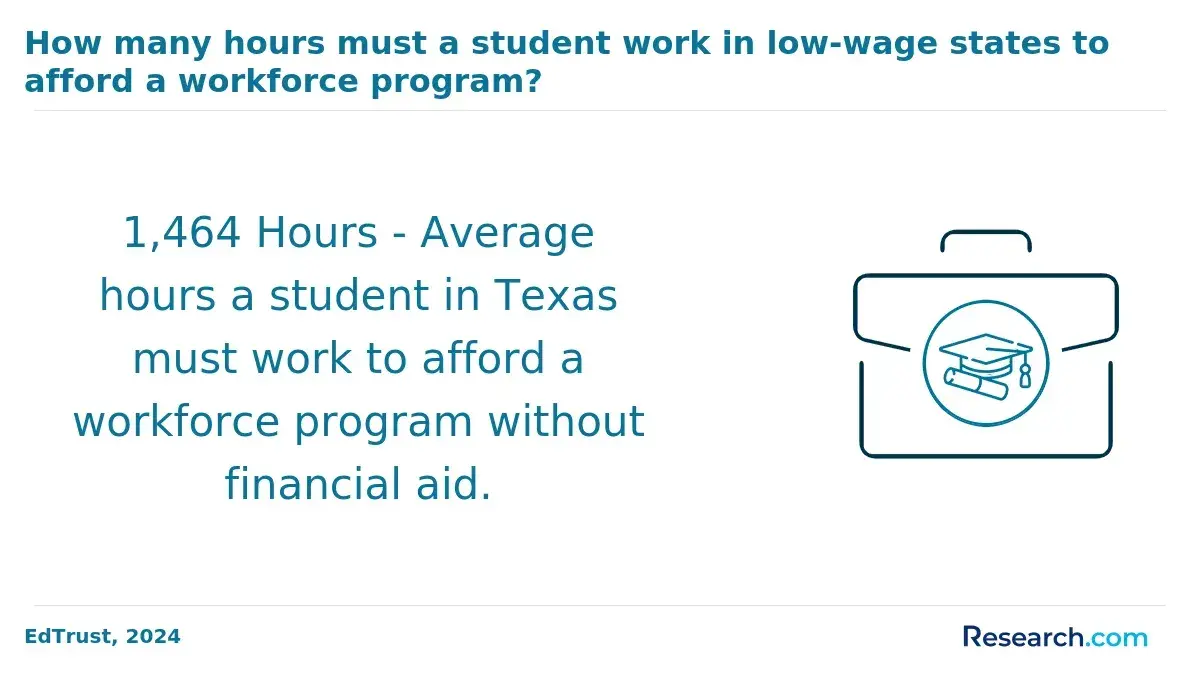
However, a faster program is not automatically cheaper. Taking too many courses at once can increase the risk of withdrawal, failed courses, or delayed graduation. Students should compare total program price, fees, transfer-credit acceptance, financial aid eligibility, and the cost of repeating a course before assuming the shortest timeline is the best financial choice.
- Reduced Tuition and Fees: Fewer semesters can lower the total cost when tuition and fees are term-based.
- Lower Incidental Costs: Shorter enrollment may reduce study materials, technology fees, lab expenses, and administrative charges.
- Earlier Workforce Entry: Completing the degree sooner may help students qualify for bachelor’s-level roles earlier.
- Opportunity Cost Savings: Avoiding an extra year out of the labor market can create a major financial advantage.
- Accelerated Career Progression: Earlier graduation can lead to earlier experience, promotions, or additional credentials.
Students focused on affordability should compare degree timelines across multiple online programs. For example, guides to rn to bsn online programs show how accelerated online formats can differ in pricing, transfer rules, and completion pace.
Which Accredited Online Colleges Offer the Cheapest Animal Science Bachelor's Degrees That Can Be Completed in Under 3 Years?
The cheapest fast online animal science bachelor’s degrees usually combine accredited status, low tuition, and a structure that rewards students who complete courses quickly. Regional accreditation, which can be checked through the CHEA database, is especially important because it affects transfer credit, employer recognition, and eligibility for many forms of financial aid. Programmatic accreditation can add discipline-specific quality assurance, but institutional accreditation is usually the first credibility test.
Students comparing low-cost options should look at the full pricing model. Per-credit tuition may be cheaper for part-time students, while flat-rate or competency-based tuition may benefit students who can complete a large amount of work in each term.
- Western Governors University: WGU offers a competency-based animal science bachelor’s degree with flat tuition of about $3,740 per six-month term. This model allows students to accelerate by proving mastery, often finishing within two to three years. WGU holds regional accreditation from the Northwest Commission on Colleges and Universities (NWCCU).
- Fort Hays State University: Fort Hays State charges roughly $218 per credit hour, with a total of about $26,160 for 120 credits. Accelerated online options can allow completion in approximately three years. The university holds regional accreditation from the Higher Learning Commission (HLC).
- University of Florida - Online: In-state tuition is approximately $129 per credit hour. Students may shorten the timeline by transferring credits and using summer sessions. The University of Florida is regionally accredited by the Southern Association of Colleges and Schools Commission on Colleges (SACSCOC).
- University of Nebraska-Lincoln: UNL offers tuition near $295 per credit hour and supports transfer credits and accelerated coursework, with a typical three-year completion time. The institution is regionally accredited by the HLC.
- Colorado State University Global: CSU Global charges a flat tuition rate of about $3,750 per six-month term and uses a competency-based format that can support completion within two to three years. Regional accreditation is granted by the HLC.
When reviewing these options, confirm the current program title, delivery format, residency pricing, and whether all upper-division animal science requirements can be completed online. Also ask how many credits must be completed at the institution, because residency-credit rules can prevent some transfer students from finishing as quickly as expected.
A professional who enrolled in one of the fastest online animal science bachelor’s degree programs described the competency-based structure as demanding but useful. He said the flexibility helped him study around work, but the lack of traditional weekly class meetings required discipline. By navigating admissions early and maximizing previously earned credits, he reduced both time and expenses. He summarized the experience as “intense but empowering,” especially because accreditation made him more confident that employers would recognize the degree.
What Admissions Requirements Must You Meet for a Fast-Track Online Animal Science Bachelor's Program?
Admissions requirements for fast-track online animal science bachelor’s programs depend on the institution and the student’s entry status. First-year applicants, transfer students, adult learners, and competency-based applicants may face different requirements. Traditional universities commonly expect a minimum GPA around 2.5 to 3.0 on a 4.0 scale, official transcripts, and evidence of prerequisite coursework in areas such as biology, chemistry, and math.
Some programs may still ask for SAT or ACT scores, but many accelerated and online options have eliminated standardized test requirements. Open-enrollment and competency-based schools may place less emphasis on GPA and test scores and more emphasis on readiness, work history, portfolios, resumes, or relevant industry certifications.
Applicants can strengthen their file by documenting experience with animals, agriculture, veterinary clinics, research labs, livestock operations, wildlife organizations, or related settings. This experience may not replace academic prerequisites, but it can demonstrate commitment and help admissions staff understand the applicant’s goals.
- Official transcripts: Required for high school, college, and transfer credit review.
- Prerequisite coursework: Biology, chemistry, math, and related science courses may be required or strongly recommended.
- Minimum GPA: Many traditional programs expect around 2.5 to 3.0 on a 4.0 scale.
- Test scores: SAT or ACT scores may be optional or waived, depending on the school.
- Personal statement: Useful for explaining career goals, academic readiness, and interest in animal science.
- Recommendations: Academic or professional references can help, especially for competitive programs.
- Practical clearances: Some programs may require background checks or health clearances for animal, lab, or fieldwork experiences.
Transfer students should ask for a preliminary credit evaluation before enrolling. The fastest program for you is not always the one with the shortest advertised timeline; it is the one that accepts the most applicable credits toward your degree plan. Students trying to reduce application costs can also explore free online college application options while comparing admissions requirements.
How Many Credit Hours Are Required to Finish an Online Animal Science Bachelor's Degree in 3 Years or Less?
Most U.S. bachelor’s degrees in animal science require about 120 credit hours. To finish in three years, a student generally needs to complete close to 40 credits annually. That pace usually requires fall, spring, and summer enrollment rather than the traditional two-semester academic year.
A practical three-year plan might include about 14 credits in the fall, 14 credits in the spring, and 12 credits in the summer. This is manageable for some full-time students but can be demanding for working adults, parents, and students taking lab-heavy science courses. The workload becomes easier if the student transfers in prior credits or earns credit through approved exams or prior learning assessment.
- Credit Hour Requirements: Typical programs require 120 credits, so accelerated completion depends on taking a heavier annual course load.
- Transfer and Prior Learning Credits: Prior college credits, prior learning assessments (PLA), CLEP exams, and military experience can reduce the number of credits a student must complete after enrollment.
- Competency-Based Education: CBE programs may allow students to move faster by demonstrating mastery rather than waiting for a traditional term to end.
- Sample Course Load: Around 14 credits in fall and spring with 12 credits in summer can keep a student on a three-year schedule.
- Recent Trends: Nearly 30% of undergraduates now use transfer credits, making credit mobility an important part of faster degree completion.
The key planning issue is course sequencing. Animal science programs often include prerequisites, so students may need to complete biology, chemistry, anatomy, nutrition, genetics, or physiology before moving into advanced courses. Missing one prerequisite can delay graduation even if the student is willing to take more credits.
One professional who completed an online animal science degree in under three years said the high credit load required careful scheduling. Transfer credits made the difference by reducing both the number of courses and the stress of each term. “It wasn’t easy juggling everything,” she noted, “but knowing I could take exams to test out of classes kept me motivated.”
Can You Transfer Credits to Finish Your Online Animal Science Bachelor's Degree Faster - and How Does It Work?
Yes. Transfer credit is one of the most effective ways to finish an online animal science bachelor’s degree faster. The process usually begins when you submit official transcripts from every college you attended. The school then compares your completed courses with its degree requirements to decide which credits apply to general education, electives, lower-division major courses, or upper-division requirements.
Students may be asked to provide course descriptions, syllabi, lab details, or catalog pages. This is especially important for science courses, where a program may need to confirm that your previous coursework included the right lab component or covered the same content as the required animal science curriculum.
Common sources of transferable credit include:
- Transfer Credits From Other Colleges: Credits from accredited universities are reviewed course by course based on content, credit hours, level, and grades.
- CLEP Exam Credits: CLEP exams can help students test out of introductory subjects, often in general education areas.
- AP Credits: Advanced Placement credits may satisfy general education or elective requirements, depending on school and department policy.
- Prior Learning Assessment (PLA): Some institutions award credit for professional experience, military training, certifications, or portfolios after formal review.
Universities such as Florida Agricultural and Mechanical University and Texas A&M University-Commerce offer especially extensive transfer policies, accepting up to 90 semester credits. For students with an associate’s degree or substantial prior coursework, this can cover many lower-division requirements and significantly reduce time to graduation.
Credit transfer is not automatic. Students often lose credits during transfer; research indicates an average loss of 13 semester hours because of course misalignment, grade minimums, repeated content, institutional limits, or differences between quarter and semester systems. Data from the National Center for Education Statistics shows over 40% of bachelor’s degree candidates have transferred at least once, so transfer planning is not a minor detail—it is central to many students’ degree timelines.
Before enrolling, ask for a written or official transfer evaluation. Confirm how many credits apply to the major, how many apply only as electives, how many upper-division credits you must still complete, and whether there is a minimum number of credits you must earn from the degree-granting institution.
What Financial Aid Options Are Available for Students Pursuing an Accelerated Online Animal Science Bachelor's Degree?
Students in accelerated online animal science bachelor’s programs may be eligible for the same major categories of aid as students in traditional programs, provided the institution and program meet eligibility rules. The first step is completing the FAFSA, or Free Application for Federal Student Aid. The FAFSA determines eligibility for Pell Grants, subsidized loans, and work-study programs.
Enrollment intensity matters. Full-time enrollment is often necessary to receive the maximum federal aid amount, while part-time attendance typically reduces aid eligibility. Students in compressed terms should ask the financial aid office how credit loads are calculated across 8-week sessions, summer terms, and overlapping courses. A student can be academically accelerated but financially under-enrolled if credits are not scheduled correctly.
- Federal Aid Eligibility: Completing the FAFSA can provide access to Pell Grants, subsidized loans, and work-study, depending on eligibility and enrollment status.
- Institutional and Merit Scholarships: Many schools offer scholarships for academic achievement, leadership, or specific majors, including awards for animal science students.
- Enrollment Intensity Impact: Part-time students usually receive less federal aid, so accelerated students should plan course loads carefully.
- Employer Tuition Reimbursement: Working students should confirm whether their employer covers online or accelerated animal science degrees before relying on this benefit.
- Recent Trends: Over 40% of undergraduate students now take some or all courses online, increasing access to accelerated formats.
Students should also check scholarship renewal rules. Some awards require a minimum GPA, a specific number of credits per term, or continuous enrollment. Accelerated students who take summer courses should ask whether aid covers summer tuition or whether summer aid reduces eligibility in another term.
The safest approach is to compare net cost, not sticker price. Review tuition, fees, books, lab costs, travel for any required fieldwork, loan amounts, scholarship renewability, and the financial impact of withdrawing from an accelerated course after the refund deadline.
How Does Competency-Based Education (CBE) Help You Finish an Online Animal Science Bachelor's Degree Faster?
Competency-based education, or CBE, helps some students finish faster by measuring what they can demonstrate rather than how many weeks they sit in class. Instead of progressing through a fixed semester schedule, students complete assessments that prove mastery of defined competencies. This can be especially useful for learners who already have relevant knowledge from college coursework, military training, agriculture work, veterinary assisting, animal care, or laboratory experience.
In a CBE model, motivated students may complete their degrees in as little as 12 to 18 months by moving through familiar material quickly. The format can be attractive for working adults because it is often self-paced and may use flat-rate tuition for each term. Students who complete more competencies within the term can reduce both time and cost.
CBE is not easier than a traditional program. It requires strong self-direction, consistent study habits, and comfort with independent learning. Students who need weekly lectures, frequent live interaction, or fixed deadlines may struggle. Some employers may also be less familiar with competency-based credentials, although accreditation can help establish credibility.
- Mastery Over Time Spent: Students advance by proving competency through assessments rather than waiting for a course term to end.
- Accelerated Completion Options: Accredited CBE programs can shorten animal science bachelor’s degree timelines to 12-18 months.
- Self-Paced Learning: The format supports flexibility but requires strong time management and motivation.
- Accreditation and Financial Aid: Many accredited online CBE programs qualify for federal aid, allowing faster completion without giving up key quality safeguards.
- Employer Recognition Challenges: Some employers may be less familiar with CBE degrees, so students should be ready to explain the program, accreditation, and competencies gained.
Before choosing a competency-based animal science degree, ask how assessments are graded, whether courses include labs or field experiences, how faculty support works, and whether transfer credits reduce the competencies you must complete. Students comparing science-focused accelerated programs can also review an accelerated biology degree guide to see how fast-track models vary across related fields.
What Is the Difference Between an Accelerated Online Animal Science Degree and a Degree-Completion Program?
An accelerated online animal science degree is typically a full bachelor’s pathway delivered on a faster schedule. It compresses the traditional four-year curriculum into three years or less through heavier course loads, shorter terms, summer enrollment, or self-paced work. This option is often best for students with few or no prior college credits who want a structured route to the full bachelor’s degree.
A degree-completion program is different. It is built for students who already have college credits, often from an associate’s degree or previous bachelor’s-level study. These programs usually expect 30-60 transfer credits and focus on the remaining upper-division, major, and graduation requirements. Many can be completed in one to two years, depending on transfer credits and enrollment pace.
- Credit History: Students with 30 or more college credits may benefit more from a degree-completion program than from a full accelerated bachelor’s track.
- Time Commitment: Accelerated degrees usually require rigorous full-time study, while degree-completion programs may offer more manageable pacing for working adults.
- Financial Constraints: Accelerated tracks may require continuous enrollment, while degree-completion options can allow students to spread costs over a longer period.
- Career Timeline: Students seeking the fastest possible entry into animal science roles may prefer accelerated enrollment, while returning students may prioritize flexibility.
- Transfer Policies: The value of a degree-completion program depends heavily on how many prior credits are accepted and applied to requirements.
Both formats can be accredited and academically legitimate. The right choice depends on where you are starting. If you have little prior college experience, an accelerated bachelor’s plan may be the clearer path. If you already completed substantial coursework, a degree-completion program may save more time and money.
According to the National Center for Education Statistics, adult learners make up nearly 40% of all undergraduates, which helps explain the growing importance of degree-completion options. After finishing an animal science bachelor’s degree, students considering leadership or administrative roles in related sectors may also explore programs such as an online masters healthcare management.
What Does a Typical Curriculum Look Like in a Fast-Track Online Animal Science Bachelor's Program?
A fast-track online animal science bachelor’s curriculum usually includes general education, foundational science, core animal science coursework, electives, and an applied experience such as a capstone, internship, practicum, or research project. The content should be similar in rigor to an on-campus degree, but the pacing is faster.
Students can expect general education courses in communication, math, social science, and humanities, along with science requirements such as biology, chemistry, and statistics or related quantitative coursework. Major courses commonly include animal nutrition, genetics, physiology, reproduction, livestock management, animal health, and production systems.
Accelerated programs often use compressed terms lasting 5 to 10 weeks instead of traditional 16-week semesters. Because the same amount of material is covered in less time, students may need approximately 15 to 25 study hours per week for each course. Taking multiple accelerated science courses at the same time can be difficult, especially if assignments, exams, labs, or projects overlap.
- Accelerated Course Structure: Shorter terms create focus but increase weekly workload.
- Balanced Curriculum: General education and science foundations support specialized animal science learning.
- Practical Experience: Internships, practicums, fieldwork, or capstones help students apply academic knowledge to real animal science settings.
- Accreditation and Standards: Accredited online animal science degrees should meet quality expectations comparable to campus-based programs, with oversight from relevant institutional accreditors and, where applicable, bodies like the Association to Advance Collegiate Schools of Agriculture.
- Current Student Trend: Nearly 40% of bachelor’s students now prioritize accelerated program options to balance education with work and life responsibilities.
Students should pay close attention to when required courses are offered. In a fast-track plan, a single missed prerequisite or unavailable upper-division course can delay graduation. Ask the program for a term-by-term degree map before enrolling, including summer courses and any in-person or site-based requirements.
How Does Employer Perception of an Accelerated Online Animal Science Bachelor's Degree Compare to a Traditional Campus Degree?
Employers increasingly recognize online bachelor’s degrees when they come from regionally accredited institutions. For most hiring decisions, accreditation, relevant skills, hands-on experience, and job fit matter more than whether the degree was completed online or on campus. Students should verify institutional accreditation through the Council for Higher Education Accreditation (CHEA) database before enrolling.
An accelerated format does not automatically weaken a degree. The concern for employers is whether the graduate has credible training and can perform the work. Animal science graduates can strengthen their profile by completing internships, building a portfolio, earning relevant certifications, gaining animal handling or lab experience, and clearly explaining the practical components of the program.
- Accreditation Is Vital: Regional accreditation is the main credibility factor employers use when evaluating a degree.
- Confirm Accreditation: Use CHEA’s official database to avoid unaccredited or low-quality institutions.
- Build Practical Credentials: Internships, certifications, portfolios, and work experience help show readiness beyond the diploma.
- Industry Preferences Differ: Some employers, especially in highly hands-on settings, may prefer candidates with significant in-person training or field experience.
Students targeting veterinary, livestock, research, wildlife, agriculture, or graduate school pathways should check expectations early. Some roles may require specific lab courses, fieldwork, animal handling experience, or additional credentials. A strong online degree can be competitive, but it should be paired with evidence of practical competence.
What Graduates Say About Their Fast Online Animal Science Bachelor's Degree Program
- : "Choosing an online animal science bachelor’s degree was a game-changer for me because I needed flexibility to balance work and study. The affordable tuition allowed me to invest in my education without overwhelming debt, which was crucial. Since graduating, I’ve landed a fulfilling role in wildlife conservation, showing how practical knowledge from the program propelled my career forward. — Riley"
- : "Reflecting on my decision, the quickest route to a recognized animal science degree was essential as I wanted to enter the veterinary field sooner. The cost savings online programs often provide made it easier to commit fully without financial stress. Professionally, the degree enhanced my credentials and opened doors to advanced positions that were previously out of reach. — Eden"
- : "My choice to pursue an online animal science bachelor’s degree stemmed from my need for a flexible schedule, given my existing job commitments. The program’s reasonable cost was a big factor in choosing it over traditional schooling. Earning this degree has not only deepened my expertise but also significantly improved my prospects in the agricultural industry. — Benjamin"
Other Things You Should Know About Animal Science Degrees
Fast-track online animal science bachelor's programs often require a high school diploma and a minimum GPA of 2.5 for admission. Some schools may also ask for SAT or ACT scores. Check individual program requirements for specifics.
Fast-track online animal science bachelor's programs typically require completing around 120-130 credit hours in three years. Students often take between 40-43 credits per year, depending on the program's structure, allowing them to graduate more quickly than standard timelines.
References
- What is Competency-Based Education (CBE) and How Does it Work Online? https://www.onlineeducation.com/features/cbe-competency-based-education-online
- Bachelor's Degree (BS) in Animal Sciences https://academics.uky.edu/programs/bachelors/animal-sciences
- Animal Science https://www.ualberta.ca/en/undergraduate-programs/bachelor-of-science-in-agriculture-animal-science.html
- What Is Competency-Based Education? - 10 Facts About This Online Learning Model https://www.umassglobal.edu/blog-news/competency-based-education-10-facts-online-learning-model
- Top Veterinary & Animal Science Scholarships https://www.vettechcolleges.com/blog/50-veterinary-animal-science-scholarships
- Online Animal Science Degree: What to Expect and How to Succeed https://animalia.bio/blog/online-animal-science-degree-what-to-expect-and-how-to-succeed
- How to use prior credit to finish your applied science degree https://www.boisestate.edu/online/2025/11/06/how-to-use-prior-credit-to-finish-your-applied-science-degree/
- Benefits of Competency-Based Veterinary Education - AAVMC https://www.aavmc.org/resources/competency-based-veterinary-education/benefits-of-competency-based-veterinary-education/
- Home https://www.husson.edu/online/online-degrees/bachelor-of-science-in-animal-care-and-behavior
- What is Competency-Based Education (CBE)? | University of Phoenix https://www.phoenix.edu/blog/what-is-competency-based-education-and-how-does-it-work.html