2027 Hybrid vs Fully Online Animal Science Bachelor's Degree Programs

Co-Founder and Chief Data Scientist
Envision a working parent in a rural area deciding whether to log in from home for animal science classes or travel weekly to a distant campus. Balancing childcare, job commitments, and limited public transport creates tension between the flexibility of fully online learning and the hands-on experience offered by hybrid programs. This scenario highlights core considerations for many prospective students: schedule adaptability, access to practical labs, and opportunities to build professional networks.
According to recent studies, 38% of animal science bachelor's degree students choose online formats seeking greater convenience without sacrificing curriculum quality.
This article examines the benefits and drawbacks of hybrid and fully online animal science bachelor's programs to help readers identify the best fit for their academic and lifestyle needs.
Key Benefits of Hybrid vs Fully Online Animal Science Bachelor's Degree Programs
- Hybrid programs offer increased learning flexibility by combining online coursework with scheduled in-person labs, enhancing practical skill development essential in Animal Science careers.
- Fully online formats limit face-to-face interaction, which may reduce networking opportunities but provide 24/7 access to materials, benefiting students with irregular schedules.
- Hybrid formats better support balancing education with professional life through structured on-campus sessions, while fully online programs accommodate students needing maximum schedule adaptability.
What Is a Hybrid vs Fully Online Animal Science Bachelor's Degree?
Hybrid and fully online animal science bachelor's degree programs differ primarily in course delivery, in-person interaction, and overall learning structure. Recent data from the National Center for Education Statistics shows over 40% of undergraduates enrolled in online courses experience hybrid learning formats, reflecting a growing trend toward combining digital and face-to-face education. The following outlines key distinctions between these two formats.
Hybrid Programs
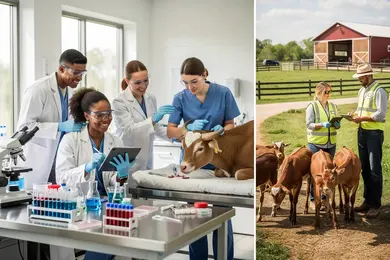
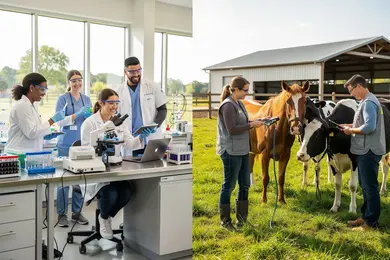
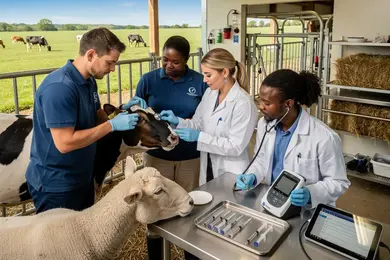
- Hybrid animal science bachelor's degree programs benefits include a blend of online lectures and scheduled in-person labs or seminars, striking a balance between flexibility and direct engagement.
- Students must plan for on-campus attendance on certain dates, integrating hands-on experiences essential to animal science fields.
- These programs foster face-to-face interaction with instructors and peers, enhancing collaboration and practical skills.
- Coursework includes real-world lab work alongside digital assignments, catering to students who prefer a mix of learning environments.
Fully Online Programs
- The fully online animal science degree program structure delivers all coursework remotely, allowing students to study entirely from their chosen locations.
- Scheduling is more flexible, with students controlling when to access lectures, readings, and assignments without mandatory campus visits.
- Communication and collaboration occur through virtual forums, video calls, and email, relying heavily on digital interaction tools.
- Hands-on activities are often replaced by virtual simulations or alternative assignments designed for remote completion.
- Online learners seeking career advancement can complement their education by earning job certifications online to enhance their credentials.
How Does a Hybrid vs Fully Online Animal Science Bachelor's Degree Program Work?
Both hybrid and fully online animal science bachelor's degree programs follow structured academic pathways that ensure educational standards and learning objectives are met. However, they differ substantially in coursework delivery and student interaction with instructors and peers. According to the National Center for Education Statistics, online enrollment in U.S. higher education increased by over 30% from 2015 to 2020, reflecting a growing trend toward flexible learning options. Below is a comparison of the hybrid animal science bachelor's degree program structure versus fully online program delivery.
Hybrid Programs
- Course delivery includes scheduled in-person labs, discussions, or fieldwork combined with online lectures and assignments.
- Class participation involves on-campus group projects as well as virtual collaboration through discussion boards and video conferencing.
- Scheduling typically features fixed times for in-person sessions while allowing some flexibility in completing online coursework.
- Communication with instructors occurs during face-to-face meetings, office hours, and via email or learning management systems.
Fully Online Programs
- Course delivery is entirely virtual, using recorded lectures, reading materials, and interactive multimedia resources.
- Class participation is organized through online discussion forums, video calls, and remotely coordinated group projects.
- Scheduling usually supports asynchronous learning, allowing students to access content at convenient times while adhering to assignment deadlines.
- Communication with instructors and peers takes place through email, chat functions, video conferencing, and course management platforms.
Students seeking flexibility might also explore programs such as an online master's degree in marriage and family therapy as alternative or complementary options within their academic plan.
Are Admission Requirements Different for Hybrid and Fully Online Animal Science Bachelor's Degrees?
Admission standards for hybrid and fully online animal science bachelor's degrees share many similarities but can differ based on program format and institutional guidelines. Each type expects foundational academic credentials, yet the delivery method influences some application details. Below are key areas where these distinctions tend to appear.
- Academic Qualifications: Both formats require strong backgrounds in science and math, but hybrid programs sometimes demand prior hands-on lab experience or on-campus coursework early in the program. Fully online options may offer virtual labs or substitute assignments to accommodate remote learners.
- Technical Requirements: Fully online programs typically insist on consistent high-speed internet access and familiarity with digital platforms, often assessing readiness through technology evaluations or orientation sessions. Hybrid programs, balancing in-person attendance, usually have less rigorous technology demands since students access campus resources.
- Application Materials: Hybrid program applications occasionally request letters of recommendation or essays emphasizing campus engagement skills to confirm suitability for blended learning. Online applications more often focus on time-management abilities and self-motivation, sometimes requiring specific prompts to evaluate these traits.
- In-Person Documentation: Hybrid applicants may need to submit immunization records, participate in interviews, or visit campus facilities as part of the process. Fully online programs generally conduct all admission steps remotely to accommodate geographic flexibility.
When I spoke with a student enrolled in a fully online animal science bachelor's program, she shared how the remote admissions process felt streamlined but also demanding in a unique way. "I appreciated not having to travel or attend interviews, which made applying easier and less stressful," she said. Still, she found the technology assessment surprisingly thorough, noting, "It was clear they wanted to ensure I could navigate the online environment confidently before the semester started." Reflecting on her experience, she emphasized that while the requirements weren't drastically different, the approach really highlighted the importance of preparedness for independent, digital learning settings.
Is the Learning Experience Better in Hybrid vs Online Animal Science Bachelor's Degrees?
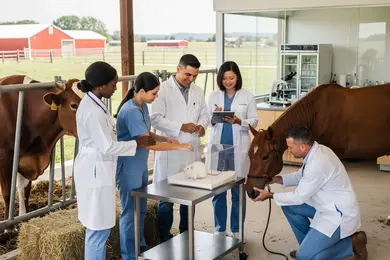
Hybrid animal science bachelor's degree programs blend in-person instruction with online coursework, fostering greater student involvement through direct engagement with instructors and peers. This format supports practical hands-on experiences, such as lab work essential to mastering animal science skills, while offering the convenience of digital learning. Students benefit from immediate feedback and collaborative social learning that enhances comprehension. Access to on-campus facilities like laboratories and study groups adds depth to the educational experience often missing in fully online settings. The combination of face-to-face and virtual components creates a dynamic environment that nurtures both theoretical knowledge and applied skills.
Fully online animal science programs prioritize flexibility, enabling students to study from any location without commuting. Although these programs reduce opportunities for face-to-face interaction, they typically use video calls, discussion forums, and virtual simulations to encourage communication and participation. The lack of physical presence, however, can limit hands-on training vital for developing practical competencies in animal handling and lab techniques. Online learners often need strong self-discipline and time-management skills to succeed independently. Despite these challenges, innovative technology and thoughtfully designed courses continue to improve engagement and accessibility in fully online animal science education.
Which Is More Flexible: Hybrid or Fully Online Animal Science Bachelor's Degree?
Hybrid programs in animal science bachelor's degrees offer a blend of online coursework with essential in-person sessions. Students often complete lectures and assignments remotely but must schedule time on campus for labs, practical activities, or exams. This combination requires careful planning around fixed campus visits, which can limit flexibility compared to fully online options. Hybrid formats strive to provide a balance, allowing students to benefit from remote learning while still gaining hands-on experience critical to the field. Such flexible learning options for animal science bachelor's programs support those who need some in-person interaction but still value online convenience.
Fully online animal science degrees provide the highest level of flexibility by delivering all content remotely, often with asynchronous classes that let students decide when to study. This model is ideal for individuals balancing work, family, or living far from a campus, as it removes commuting and rigid scheduling. Research shows approximately 85% of students prefer online learning due to this control over their schedule, emphasizing the appeal of fully online education. Most fully online degrees require little to no in-person commitment, although occasional internships might be necessary. For those seeking self-paced progress, exploring an accelerated paralegal certificate or comparable online credentials parallels this approach to flexibility.
What Is the Workload for Hybrid vs Fully Online Animal Science Bachelor's Degrees?
Though hybrid and fully online animal science bachelor's programs adhere to comparable academic standards, the way courses are delivered creates differences in pacing, structure, and demands on a student's time management. Studies indicate that online learners typically invest 15 to 20 hours weekly on coursework, reflecting a commitment level similar to traditional settings but often requiring distinct strategies for organizing study time. These variations influence how students balance their responsibilities throughout the week.
In hybrid animal science programs, the workload is split between in-person classes and online activities. Scheduled campus sessions such as labs, fieldwork, or seminars require students to attend physically at set times, fostering a consistent routine and opportunities for face-to-face interaction with instructors and classmates. However, these in-person commitments involve commuting and fixed attendance, which must be coordinated alongside online coursework, including lectures and assignments accessible remotely. This combination demands students consciously manage both formats within their weekly schedules.
Fully online animal science degrees rely heavily on asynchronous learning, where students access lectures, complete assignments, and participate in discussions on their own timeline. This structure offers flexibility but requires strong self-motivation and discipline to adhere to deadlines without the framework of real-time classes. Digital labs, virtual exams, and continual online activities contribute substantially to the workload, making consistent dedication essential for staying on track. Students often benefit from the freedom to fit studies around other commitments, though some may find the absence of structured sessions challenging for maintaining momentum.
How Does Tuition Compare for Hybrid vs Online Animal Science Bachelor's Degrees?
Tuition structures for hybrid and fully online animal science bachelor's degree programs vary significantly based on delivery format, institutional policies, credit requirements, and additional fees. Research shows fully online programs can cost 15-30% less per credit compared to hybrid options, reflecting reduced campus overhead and facility expenses. These variations make it essential for students to assess costs carefully when choosing their preferred learning mode.
- Per-Credit Costs: Hybrid programs often have higher per-credit tuition because they combine in-person and online instruction, requiring more specialized faculty time and access to campus resources. Fully online programs typically charge lower per-credit rates due to the reduced use of physical facilities.
- Technology and Campus Fees: Fully online students usually pay technology fees that cover digital learning platforms and support services. In contrast, hybrid learners might incur additional campus fees such as lab charges or facility usage costs related to their on-site activities.
- Residency and Facility Charges: Residency status can influence tuition for hybrid students, who may face varying in-state or out-of-state rates depending on campus policies. Conversely, many online programs offer uniform tuition rates regardless of student location, often exempting them from facility-related fees like parking or student activities.
- Payment Flexibility: Hybrid programs often align payments with traditional semester schedules, while online programs tend to provide more flexible payment plans, such as rolling or monthly installments, accommodating asynchronous enrollment.
A graduate of a hybrid animal science bachelor's degree shared that managing tuition payments alongside fluctuating fees sometimes added stress to his academic journey. He recalled how unexpected campus lab fees required adjustments to his budget, prompting careful monthly planning. "It wasn't just the tuition; I had to stay on top of extra charges that online students wouldn't face," he reflected. This experience underscored the importance of thoroughly understanding all associated costs before committing to a hybrid program.
Do Employers Prefer Hybrid or Fully Online Animal Science Bachelor's Degrees?
Employer perceptions of hybrid and fully online animal science bachelor's degrees have evolved significantly as online education has gained broader acceptance. A 2023 survey by the National Association of Colleges and Employers found that over 70% of employers viewed online degrees as credible, reflecting growing confidence in these educational formats. This shift in attitude influences how employers evaluate candidates with hybrid versus fully online degrees in animal science careers.
- Blended Experience: Employers often prefer hybrid degrees because they combine online coursework with in-person learning. This approach allows students to demonstrate hands-on training and face-to-face collaboration skills crucial in animal science roles involving laboratory work, field studies, or direct animal care.
- Flexibility and Discipline: Fully online degrees appeal to employers valuing flexibility and self-motivation. These programs can attract students who effectively manage independent learning and time, traits increasingly important in remote or hybrid work environments.
- Industry Traditions: Some traditional employers in agriculture, veterinary research, or animal husbandry still favor hybrid graduates for their confirmed practical experiences, though this gap is narrowing as online instruction improves.
- Institution Reputation: Regardless of format, employers prioritize the institution's reputation and the graduate's practical skills. Hybrid degrees may have a slight edge in demonstrating tactile competencies, but fully online degrees continue to gain strong recognition.
Prospective students comparing hybrid and fully online animal science bachelor's degrees might also explore related flexible options such as an mba in entrepreneurship online for broader skill development.
In summary, employer perceptions of hybrid versus fully online animal science degrees are becoming more balanced, with the focus shifting toward skills and institutional quality rather than delivery mode alone.
Who Should Choose a Hybrid vs Fully Online Animal Science Bachelor's Degree?
The choice between a hybrid and a fully online animal science bachelor's degree depends largely on individual learning preferences, schedule flexibility, and lifestyle needs. Both formats offer distinct advantages that cater to different student types. Understanding these differences can help prospective students assess which option fits best with their goals and circumstances.
- Hands-On Learners: Students who benefit from face-to-face collaboration and hands-on activities, such as labs or fieldwork, often thrive in hybrid programs where in-person instruction complements online coursework.
- Flexible Schedules: Those balancing full-time jobs, family responsibilities, or other commitments may prefer fully online programs, which allow for asynchronous study without the need to commute to campus.
- Campus Engagement: Learners who find motivation in structured routines and social interaction often choose hybrid degrees to maintain regular contact with peers and instructors.
- Independent Study: Highly self-motivated students who excel at managing their time and working independently may find fully online options better suited to their learning style.
- Geographic Constraints: Individuals living far from institutions offering animal science degrees usually opt for online formats that eliminate travel barriers.
- Blended Experience Seekers: Some students desire a balance of both worlds-access to physical labs and some campus presence alongside flexible online study-which hybrid programs uniquely provide.
When deciding, prospective students comparing hybrid animal science bachelor's programs should weigh their need for practical learning against the convenience of remote access. For those interested in exploring the most useful graduate degrees that offer both relevance and flexibility, understanding the benefits and trade-offs of each format is an essential step.
How Can I Succeed in a Hybrid vs Fully Online Animal Science Bachelor's Degree Program?
Success in hybrid and fully online animal science bachelor's programs requires tailored approaches because of their differing formats and interaction styles. Hybrid students balance in-person commitments with digital work, while fully online learners rely heavily on self-discipline and virtual engagement. The following strategies highlight key practices to excel in either program type.
- Time Management: Hybrid students should coordinate campus labs and seminars alongside online deadlines, using digital calendars to plan efficiently. Fully online students benefit from consistent, scheduled study sessions to create structure without physical class times.
- Active Participation: Attending in-person hybrid sessions helps develop hands-on skills. Online learners can compensate by engaging frequently in discussion boards and virtual study groups to deepen understanding.
- Dedicated Workspace: Fully online students need a distraction-free environment to maintain focus, while hybrid students can benefit from designated study areas when working remotely.
- Use of Digital Tools: Both formats should leverage simulation software, video demonstrations, and data analysis apps that bring practical animal science concepts to life.
- Communication: Regular interaction with instructors and peers via emails or forums supports learning and maintains motivation across both delivery methods.
- Organization: Employing apps to track assignments and deadlines helps students stay on top of coursework, whether balancing dual formats or fully self-paced study.
- Technical Support: Quickly resolving access or software issues ensures uninterrupted progress in either hybrid or fully online environments.
What Graduates Say About Hybrid vs Fully Online Animal Science Bachelor's Degree Programs
- Ryker: "Choosing a fully online animal science bachelor's program was essential for me because I needed the flexibility to work part-time while studying. The intuitive learning platform and accessible professors made managing coursework from home much easier than I expected. Completing the degree online didn't just qualify me academically-it gave me the confidence to apply my skills in wildlife conservation roles."
- Eden: "I enrolled in a hybrid animal science bachelor's degree because I valued face-to-face lab work combined with online lectures. Navigating the balance between campus visits and remote learning helped me develop strong time management skills. This hybrid experience has been a game-changer professionally, as I feel prepared for both research and practical applications in veterinary sciences."
- Benjamin: "My decision to pursue an online animal science bachelor's was driven by my full-time job and family responsibilities. Although challenging at times, the program's structure allowed me to engage deeply with the material at my own pace. This degree has opened doors in agricultural consulting, proving that online education can lead to real-world career advancement."
Other Things You Should Know About Animal Science Degrees
Yes, students enrolled in hybrid animal science bachelor's programs often have the advantage of completing internships or practical experiences in person. These programs usually facilitate local partnerships with farms, labs, or animal care facilities to provide hands-on learning that complements online coursework. Fully online programs may require students to arrange their own internships or practical experiences independently.
Hybrid animal science programs typically include mandatory in-person lab sessions or fieldwork to meet accreditation and degree requirements. Fully online degrees sometimes offer virtual lab simulations but may also require students to complete lab components at approved local facilities. The extent and format of lab work can vary depending on the institution.
In 2027, technology requirements for hybrid programs often include specific software for virtual labs and on-campus access tools, whereas fully online programs may focus on broader compatible devices and stable internet connections to support a seamless e-learning environment.
Hybrid animal science programs offer more opportunities for face-to-face interaction during on-campus classes and labs, fostering closer peer relationships. Fully online students primarily connect through discussion boards, video chats, and group projects, which may limit informal networking but can still support collaborative learning. Both formats seek to promote engagement but differ in social dynamic and immediacy.
References
- Top tips to get your animal science degree - When Women Inspire https://whenwomeninspire.com/2018/04/19/4-tips-for-getting-your-animal-science-degree/
- B.S. in Animal and Veterinary Sciences https://applyzones.com/b-s-in-animal-and-veterinary-sciences-cou48523
- 2025 Animal Sciences Tuition - Online https://www.collegetuitioncompare.com/majors/01.0901/animal-sciences/
- Online Animal Science Degree: What to Expect and How to Succeed https://animalia.bio/blog/online-animal-science-degree-what-to-expect-and-how-to-succeed
- Bachelor of Science in Animal Sciences: Science and Pre-Professional Emphasis University of Arizona https://www.hotcoursesabroad.com/india/course/us-usa/bachelor-of-science-animal-sciences-science-and-pre-professional-emphasis/57343992/program.html
- Hybrid vs. fully online: how different teaching models impact satisfaction https://www.amba-bga.com/insights/hybrid-vs-fully-online-how-different-teaching-models-impact-satisfaction
- Distance Learning in Animal Science: A Complete Guide https://amcollege.us/distance-learning-animal-science/
- animal science bachelor degree https://checkout.columbiacollege.edu/scholarship/79noa8/0FE014/animal-science-bachelor__degree.pdf
- Online Option for Animal Science Degrees - Peterson's https://www.petersons.com/blog/online-option-for-animal-science-degrees/
- Undergraduate Degree Programs https://shorelight.com/universities/undergraduate