2027 Online Animal Science Bachelor's Degree Programs Under $10,000

Co-Founder and Chief Data Scientist
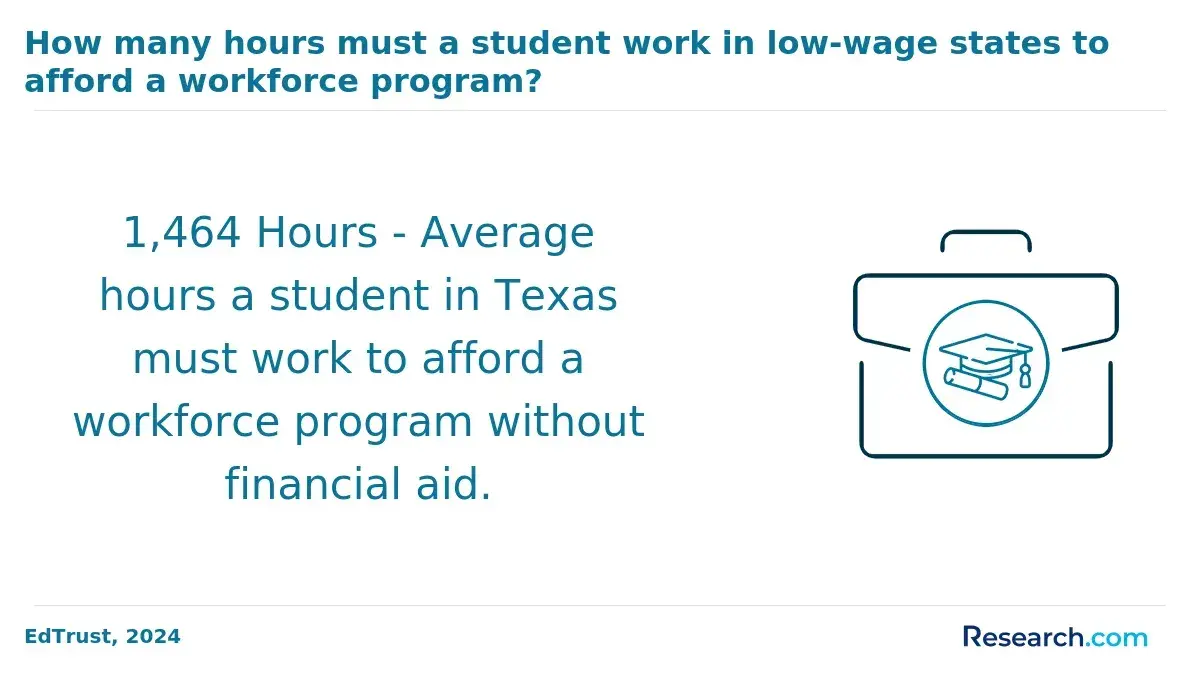
Many prospective students face a daunting barrier when pursuing an online animal science bachelor's degree-high tuition costs that limit access and delay career transitions. For working professionals seeking to pivot into the animal science industry, affordability is crucial. Recent data shows over 40% of students abandon degree plans due to financial constraints, especially in specialized fields like animal science. Finding accredited programs under $10,000 can alleviate this issue by combining flexibility with cost efficiency.
This article explores the best online animal science bachelor's degree programs under $10,000, guiding readers toward practical, budget-friendly options that support career advancement.
Key Things to Know About Online Animal Science Bachelor's Degree Programs Under $10,000
- Online animal science bachelor's programs under $10,000 significantly reduce student debt, easing financial burdens for first-generation and career-changing students.
- These affordable programs offer strong return on investment with graduates earning competitive salaries in agriculture, veterinary support, and research roles.
- Flexible course schedules and transfer credit options accommodate working adults, enabling timely degree completion without sacrificing employment or family responsibilities.
What Are the Most Affordable Accredited Online Animal Science Bachelor's Degree Programs Under $10,000?
"Under $10,000 total" in the context of online bachelor's degree programs means the entire tuition cost to complete the full degree-typically around 120 credits-is less than $10,000, excluding fees and living expenses. This pricing benchmark is rare but achievable, particularly through public universities or programs designed for adult learners.
Accreditation is essential for budget-conscious students because regional accreditation-such as from the Higher Learning Commission (HLC), the Northwest Commission on Colleges and Universities (NWCCU), or the Southern Association of Colleges and Schools Commission on Colleges (SACSCOC)-ensures that programs meet rigorous academic standards and their degrees hold value with employers and licensing boards. Some programs also hold specialized accreditation from agricultural or zoo associations, further validating quality.
Here are some of the most affordable accredited online animal science bachelor's degree programs in the United States with total tuition under $10,000:
- Western Governors University: Competency-based program with about 120 credits and flat annual tuition near $4,500; regionally accredited by NWCCU.
- Fort Hays State University: Charges about $218 per credit hour; 120 credits total approx. $9,500; accredited by HLC and flexible transfer policies.
- American Public University System: Around $285 per credit hour; total cost can fall below $10,000 with transfer credits; regional accreditation by HLC.
- University of Florida Online: Some agriculture-related degrees approach just under $10,000 with credit planning; accredited by SACSCOC with strong prior learning assessments.
- Columbia College: Roughly $300 per credit; allows up to 90 transfer credits to reduce time and cost; accredited by HLC.
- University of Arkansas Grantham: Tuition about $235 per credit; with transfer credits, total can remain under $10,000; HLC accredited and military friendly.
- Thomas Edison State University: Approximately $329 per credit hour with generous prior learning credits enabling completion below $10,000; accredited by MSCHE.
These programs distinguish themselves from mid-range options by emphasizing self-paced delivery, high transfer credit acceptance, and prior learning assessments, which help reduce time and cost. Despite fewer on-campus resources, they maintain strong academic standards through accreditation and prepare graduates for careers in livestock management, conservation, and agricultural consultancy. Working adults can leverage these affordable, accredited online animal science bachelor's degrees under $10,000 with flexible transfer credit options to advance their careers effectively. For those seeking quick entry-level allied health education options, it's also helpful to explore medical assistant programs.
How Do Tuition Costs for Online Animal Science Bachelor's Programs Under $10,000 Compare Across Public and Private Universities?
Tuition costs for online animal science bachelor's programs under $10,000 differ significantly between public and private nonprofit universities due to several economic and structural influences. This comparison clarifies how tuition structures and program features affect affordability.
- State Subsidies: Public universities benefit from state funding that generally lowers tuition for in-state students. These subsidies can reduce per-credit costs to between $200 and $300, enabling total program expenses to stay under $10,000 when combined with transfer credits or full-time enrollment. Private nonprofits typically lack this support but may offset costs through endowments or alternative revenue.
- Per-Credit Tuition Rates: Public institutions usually charge less per credit, reflecting subsidized expenses.
- Online animal science courses at public universities often range from $180 to $350 per credit.
- Private nonprofit programs maintaining overall costs below $10,000 frequently have rates of about $300 to $400 per credit but reduce the total required credits through accelerated formats or generous transfer credit policies.
- Program Length and Structure: Total credit requirements greatly influence final costs. Public universities often require 120 to 130 credits but accepting prior college credits lowers this burden. Private nonprofits may allow accelerated completion and robust credit transfer or prior learning assessments to minimize paid credits.
- Enrollment Size and Scale Economies: Large public universities capitalize on scale, delivering courses to thousands of students at lower cost. Smaller private nonprofits generally have higher tuition but can reduce expenses by leveraging efficient online platforms or consortium partnerships.
- Quality and Accreditation: Both sectors under $10,000 generally hold regional accreditation, critical for federal aid and credit transferability. Some private programs enhance value with specialized accreditations or strong industry ties that justify slightly higher tuition.
- Financial Aid and Transfer Flexibility: Private nonprofits often offer targeted scholarships or financial aid for adult learners and career changers, lowering net costs. Flexibility in accepting transfer credits-particularly from accredited community colleges-can further reduce overall tuition for all students.
When exploring affordable online animal science programs at public and private universities, it is essential to consider these factors alongside sticker prices. Prospective students should evaluate program structure and aid opportunities closely to find the best fit for their career goals. Additionally, those interested in comparable affordability in healthcare fields may find value by researching the cheapest online healthcare management degree, which shares some cost-reduction strategies with affordable animal science programs.
What Is the Typical Duration of an Online Animal Science Bachelor's Degree Under $10,000, and How Can Students Graduate Faster?
Most bachelor's degrees in animal science require about 120 semester credits, typically completed over four years of full-time study. This structure aligns with national accreditation standards and forms the foundation for most programs across the country. However, ultra-affordable online degrees frequently use alternative schedules to reduce both time and cost for students.
- Standard Credit Load: Around 120 credits are needed to graduate, reflecting a full-time workload across approximately four years.
- Accelerated Terms: Many low-cost programs use shorter terms, such as eight-week courses instead of traditional 16-week semesters, allowing students to enroll in more classes annually.
- Continuous Enrollment: Offering courses during summer and winter sessions promotes steady progress without extended breaks, helping avoid delays in finishing the degree.
- Competency-Based Learning: Some institutions measure progress through skills mastery rather than time spent, enabling students with prior experience to advance more quickly and save on tuition and time away from work.
- Institution Examples: Fort Hays State University and Thomas Edison State University provide animal science degrees under $10,000, with average completion times reported between three and four years thanks to flexible course schedules and transfer-friendly policies.
- Cost and Career Benefits: Finishing faster lessens total tuition payments and decreases income lost during full-time study, allowing earlier entry into the workforce and faster career growth.
One professional who pursued the online animal science bachelor's under $10,000 shared that transitioning from military service to higher education posed significant challenges. He found juggling accelerated courses taxing but rewarding, remarking, "The fast pace pushed me harder than I expected, but it kept me focused." He appreciated the flexibility that allowed him to study around work and family commitments while progressing quicker than a traditional program. "Completing sooner meant I could start my new career without years of delay, which was critical for me," he added, highlighting how the program's design helped him balance responsibilities and achieve his goals efficiently.
Which Online Animal Science Bachelor's Programs Under $10,000 Offer the Best Earning Potential After Graduation?
Students pursuing online animal science bachelor's programs with highest salary outcomes should consider concentration tracks that align with strong earning potential. Per the Bureau of Labor Statistics Occupational Outlook Handbook, career paths such as veterinary technologists, agricultural managers, and zoologists offer some of the highest median wages linked to animal science degrees.
- Veterinary Technology: Prepares students for roles as technologists or technicians, with median annual incomes between $37,000 and $42,000. Specialized practice areas can boost earnings over time.
- Agricultural Business and Management: Emphasizing agriculture operations and animal production, this track leads to agricultural manager roles, where median salaries often exceed $70,000. Combining business acumen with animal science improves job prospects.
- Animal Nutrition and Feed Science: Graduates pursue careers in animal feed production and consulting, typically earning from the mid-$40,000s to $60,000s depending on employer and location.
- Wildlife and Conservation Biology: Targeted at managing conservation programs or government roles, salaries vary but senior positions can top $60,000.
IPEDS data reveals that affordable online animal science degrees under $10,000 commonly showcase graduate employment rates over 70% within six months. Evaluating financial aid, transfer credit options, accreditation, and prior learning assessments helps ensure degree completion is cost-effective and timely. For students balancing cost and career goals, exploring self paced online college options can further support efficient progression toward higher-paying roles.
What Financial Aid and Scholarship Opportunities Can Reduce an Online Animal Science Bachelor's Degree Cost Below $10,000?
Federal Pell Grants: These need-based grants provide significant financial aid to many undergraduate students, often covering thousands of dollars annually. Completing the FAFSA is crucial for accessing these funds, which do not require repayment and can substantially lower tuition expenses.
Subsidized Loans: Federal Direct Subsidized Loans offer another financial aid option for students demonstrating economic need. While enrolled at least half-time, interest does not accumulate, reducing the overall debt burden compared to unsubsidized alternatives.
Institutional Scholarships: Numerous colleges award scholarships targeted at students enrolled in online animal science programs. These awards may be merit-based or need-based and can significantly offset tuition costs.
State-Based Grants: Many state programs provide funding for residents attending accredited schools within their state, including online learners. These grants vary by location but can often be combined with federal aid to maximize benefits.
Professional Associations and Nonprofits: Organizations dedicated to the animal science field frequently offer scholarships for students pursuing related degrees. These awards often emphasize academic achievement, research ambitions, or career aspirations in the discipline.
To leverage aid effectively, students should prioritize submitting the FAFSA early, thoroughly explore institutional and external scholarships, and consult advisors to build comprehensive aid packages. Applying multiple sources cohesively can reduce out-of-pocket costs drastically-sometimes bringing tuition under $10,000.
Reflecting on her experience, a professional who completed an online animal science degree for less than $10,000 shared how navigating multiple aid sources felt overwhelming at first. "I wasn't sure where to start," she recalled, "but focusing on grants and scholarships before loans made all the difference." She found that early FAFSA submission opened doors to essential federal grants, while targeted scholarships provided unexpected relief. Her advice emphasizes patience and persistence, noting that the financial aid landscape can feel complex but ultimately rewarding when benefits stack effectively to minimize debt.
How Many Transfer Credits Do Online Animal Science Bachelor's Programs Under $10,000 Accept, and How Does This Reduce Total Cost?
Generous transfer credit policies significantly lower the overall expense of earning an online animal science bachelor's degree priced under $10,000. Programs that accept a high volume of credits from community colleges, military experience, and standardized exams reduce the number of courses students must pay for, directly cutting tuition costs.
Some universities permit students to transfer as many as 90 credits toward the usual 120-credit degree. This can reduce the coursework needed by 75 percent, substantially decreasing tuition payments. For instance, transferring 60 credits-half the degree-can cut tuition bills by 50 percent or more, saving thousands of dollars.
Many affordable online animal science programs also accept credits from CLEP (College-Level Examination Program) and DSST (DANTES Subject Standardized Tests), as well as military training credits assessed by the American Council on Education (ACE). These options let students validate their existing knowledge and advance faster toward graduation, further lowering expenses.
It's essential for applicants to review their earned credits and compare how different schools evaluate transfer and prior learning credits before applying. This strategy helps students select programs that maximize credit acceptance and reduce both time and tuition costs.
- Colorado State University Global: Accepts up to 90 transfer credits, including CLEP and DSST exams; also recognizes military training for credit.
- Fort Hays State University: Allows up to 90 transfer credits, with military and exam credits accepted and detailed transfer policies available online.
- Thomas Edison State University: Offers broad prior learning assessments and credits from multiple sources, including military experience, to lower required on-campus coursework.
Selecting an animal science program with flexible transfer credit options remains a vital tactic for managing tuition costs and accelerating degree completion.
What Accreditation Should an Online Animal Science Bachelor's Program Under $10,000 Have to Ensure Quality and Employer Recognition?
Accreditation is essential when selecting an online animal science bachelor's program under $10,000, as it ensures academic quality and recognition by employers and graduate schools. The most respected form is regional accreditation, awarded to institutions based on comprehensive evaluations covering academics, faculty, and student services. Regional accreditation is widely accepted across the animal science industry, supporting career growth and easier credit transfers.
The main regional accrediting agencies are:
- Higher Learning Commission (HLC): Oversees many Midwestern colleges, noted for rigorous standards.
- Southern Association of Colleges and Schools Commission on Colleges (SACSCOC): Accredits Southern U.S. institutions with thorough quality assessments.
- New England Commission of Higher Education (NECHE): Monitors Northeastern colleges, emphasizing continuous improvement and accountability.
Some affordable animal science programs also hold programmatic accreditation from specialized organizations related to agricultural sciences-adding credibility but not replacing regional accreditation. Students should be cautious of programs with only national accreditation or no accreditation, as these often lack wide employer recognition, complicate credit transfers, and may limit job prospects despite lower tuition costs.
Before enrolling, verify a program's accreditation status through the U.S. Department of Education's accreditation database to confirm legitimacy and current standing. This protects your investment and ensures academic credentials will be valued.
Recent statistics indicate that about 85% of employers prefer graduates from regionally accredited institutions, underscoring the importance of choosing such programs to maximize career opportunities in animal science fields.
What Are the Admission Requirements for Online Animal Science Bachelor's Programs Priced Under $10,000?
Admission requirements for affordable online animal science bachelor's degree programs-typically priced under $10,000-frequently share core expectations. Most programs require applicants to hold a high school diploma or GED as a fundamental credential. While many schools set minimum GPAs around 2.0 to 2.5, others adopt open-admission models to improve accessibility, especially for non-traditional students, working adults, and those returning to education after a break. This flexibility often includes rolling admissions, enabling applications year-round with multiple start dates.
Standardized tests such as the SAT or ACT are commonly optional or waived in these low-cost programs, although selective colleges may still consider scores as part of holistic admissions. Prerequisite coursework specific to animal science is rarely mandatory; however, foundational high school classes in biology, chemistry, and math can improve readiness and competitiveness. Transfer credit policies for affordable online animal science degrees often allow students to apply prior college work toward the program, shortening time to degree completion and reducing overall costs.
Selective programs often require stronger academic credentials and offer greater student support, which may appeal to employers valuing rigorous training. Conversely, open-admission programs prioritize inclusivity and can offer greater flexibility for career changers balancing work and family. Applicants not initially meeting criteria can strengthen their application with community college coursework, relevant job experience, and compelling personal statements. Some programs also offer prior learning assessments to recognize real-world knowledge.
For additional career perspective, consider reviewing the medical billing and coding job outlook, which shares insights relevant to allied health and animal care fields.
- High School or GED Requirement: A high school diploma or GED is essential for entry into most programs, serving as the foundational academic credential.
- GPA Thresholds: Many schools set minimum GPAs between 2.0 and 2.5, but open-admission programs may waive this to increase accessibility.
- Standardized Tests: SAT or ACT scores are often optional or not required, especially in more affordable or open-access programs.
- Prerequisite Courses: While not always mandatory, high school courses in biology, chemistry, and math can improve preparedness for animal science coursework.
- Open vs. Selective Admission: Selective programs tend to enforce stricter academic criteria and offer robust support, whereas open-admission schools provide easier entry with rolling admissions and greater flexibility.
- Application Strengthening: Applicants can enhance their profiles through additional coursework, relevant experience, and strong personal statements if initial requirements are not met.
How Do Online Animal Science Bachelor's Programs Under $10,000 Support Student Success Through Advising and Career Services?
Online animal science bachelor's degree programs under $10,000 often provide robust student support services vital for academic success and career readiness. These affordable programs understand that accessible advising and career resources directly influence timely graduation and positive employment outcomes. Low tuition does not necessarily mean sacrificing quality support, making such programs appealing to students seeking cost-efficient education options.
- Personalized Academic Advising: Many low-cost animal science programs offer dedicated advisors who guide students through course selection, degree requirements, and transfer credits. This personalized academic advising support helps students stay on track, reducing the risk of unnecessary coursework and extending program length.
- Tutoring and Mentorship Opportunities: To reinforce learning, students can access tutoring services tailored to animal science topics or general academic skills. Mentorship programs connect students with faculty or industry professionals, fostering networking and practical insights that complement coursework.
- Mental Health and Wellness Resources: Recognizing the challenges of remote learning, these programs often include mental health counseling and stress management support. Such resources promote students' overall well-being, which correlates with better academic performance and persistence.
- Career Services and Internship Coordination: Even at budget-friendly tuition levels, reputable schools frequently maintain active career centers. These centers facilitate internship placements-offering real-world experience-and provide job boards focusing on animal science fields to help graduates transition smoothly into the workforce.
- Alumni Networks and Career Coaching: Strong alumni communities provide networking opportunities that can lead to job referrals or professional advice. Career coaching services assist with resume building, interview preparation, and career planning, underscoring the program's commitment to student success beyond graduation.
According to National Survey of Student Engagement (NSSE) data, programs that invest in comprehensive advising and career services tend to have higher student satisfaction and on-time graduation rates. This relationship is crucial because finishing within expected timeframes significantly reduces the total cost of earning a bachelor's degree, making affordable animal science programs a smart choice for cost-conscious students. Prospective students weighing their options should also explore financial aid opportunities, transfer credit policies, and accreditation status, all of which impact long-term value.
The growing demand for accessible education has also led to innovative online options such as the online nutritionist degree, illustrating how cost-effective degrees in related fields incorporate similar support frameworks to foster student success.
What Concentrations or Specializations Are Available Within Online Animal Science Bachelor's Programs Under $10,000?
Online animal science bachelor's programs under $10,000 often feature several concentration options that cater to diverse career goals and job market needs. Each specialization has unique requirements and potential salary outcomes based on Bureau of Labor Statistics (BLS) data.
- Animal Nutrition: This area centers on animal dietary needs and feed management. Graduates commonly work as animal nutritionists or feed consultants, with median salaries near $60,000 and average job growth. Some roles may require certification to advance professionally, which can add costs beyond tuition.
- Animal Behavior and Training: Focused on animal psychology and training techniques, this path suits those interested in companion animals, zoos, or wildlife conservation. Employment prospects are solid but often demand additional qualifications or apprenticeships.
- Livestock Management: Concentrating on farm animal care and production, this prepares students for careers in ranching and agricultural consulting. Median salaries hover around $55,000, with stable job outlooks and no typical licensure requirements.
- Wildlife and Conservation: This track equips students for work in environmental organizations and rehabilitation centers. Growth is moderate, but further credentials may be needed depending on employer standards.
- Pre-Veterinary Studies: Designed for students aiming for veterinary school, this concentration entails substantial costs and licensing after graduation but is essential for becoming a licensed veterinarian.
Choosing a concentration should balance personal interest with realistic employment and certification costs. Programs offering credit for prior learning or transfer flexibility can help keep overall expenses under $10,000 while supporting career advancement.
What Technology and Learning Platforms Do Online Animal Science Bachelor's Programs Under $10,000 Use?
Robust learning management systems such as Canvas, Blackboard, and Moodle form the backbone of affordable online Animal Science bachelor's programs under $10,000. They centralize course content, including lectures, assignments, and discussions, making materials easily accessible and organized. The effectiveness of these platforms greatly enhances the student experience by offering intuitive navigation, mobile compatibility, and dependable performance-even in budget-friendly programs.
Students often utilize specialized software tailored to the animal science field, including virtual labs for animal anatomy, livestock management simulators, and data analysis tools. While many programs incorporate these resources into tuition, some charge extra fees that may increase overall costs beyond $10,000. It's important to review program details carefully to avoid unexpected expenses.
Accessing online coursework requires adequate internet connectivity and hardware. Although LMS platforms may provide offline viewing or low-data options, live participation typically demands stable internet. A minimum setup usually consists of a reliable computer with at least 4GB of RAM, a webcam, microphone, and an updated web browser to support multimedia materials.
- Learning Management Systems: Canvas, Blackboard, and Moodle deliver course content and support communication, helping learners engage with materials flexibly in asynchronous or real-time formats.
- Virtual Labs and Simulations: These tools provide realistic animal science scenarios, enabling hands-on practice remotely without needing access to physical labs.
- Additional Software Costs: Specialty programs may require fees beyond tuition for field-specific software, potentially raising total expenses above the initial price.
- Technical Requirements: Students need a computer, dependable internet, webcam, microphone, and current software to fully access and participate in online learning activities.
What Graduates Say About Their Online Animal Science Bachelor's Degree Programs Under $10,000
- Riley: "Choosing the online animal science bachelor's degree under $10,000 was a game changer for me because it made higher education affordable without sacrificing quality. The flexibility allowed me to balance work and study efficiently, which was crucial. Now, my career in wildlife conservation has accelerated thanks to the practical knowledge I gained. I couldn't be more thankful for this program's value and accessibility."
- Eden: "Reflecting on my journey, the affordable cost of the animal science bachelor's degree program truly relieved financial stress and made pursuing my passion attainable. The curriculum is thoughtfully designed to cover key areas deeply while fitting online learning needs. This degree has opened doors in veterinary research that I hadn't imagined possible before-truly worth it for anyone driven to make a difference."
- Bronson: "From a professional standpoint, the online animal science bachelor's degree program under $10,000 offered an excellent return on investment. The focused coursework prepared me well for leadership roles in animal health and nutrition sectors. I appreciated how the program's affordability allowed me to advance my career without accumulating burdensome debt-a practical and strategic choice."
Other Things You Should Know About Animal Science Degrees
Most budget online animal science bachelor’s programs require a minimum 2.0 to 2.5 high school or transfer GPA. Some also ask for official transcripts, and applicants with fewer than 24 college credits may need SAT or ACT scores for placement.
Yes, several schools offer fully online animal science bachelor's programs under $10,000 that do not charge additional out-of-state tuition. These programs treat all online students equally regardless of residency, making them accessible nationwide. This model is particularly beneficial for students living outside the school's physical state who seek affordable education without extra fees.
Many affordable online animal science programs accept credit from CLEP, DSST, and prior learning assessments, which allows students to bypass certain courses and reduce both time and tuition costs. These options can help students stay within the $10,000 budget by earning credit for knowledge gained outside traditional classrooms. Prospective students should verify credit transfer policies with their chosen institution before enrolling.
References
- Accreditation https://www.asas.org/services/accreditation.details
- 10 Top Online Programs for Veterinary Assisting & Technology https://www.vettechcolleges.com/blog/online-programs-vet-assisting-tech
- What Can You Do With A Bachelors In Animal Science https://ftp.raceforum.com/libweb/Kv7sdc/5FE108/WhatCanYouDoWithABachelorsInAnimalScience.pdf
- Cost of an Online Degree: Calculate the Cost of Your Higher Education https://www.edumed.org/articles/cost-of-an-online-degree/
- 10 Most Affordable Animal Science Degrees Online (2024) https://bestaccreditedcolleges.org/degrees/affordable-animal-sciences-degrees-online.html
- Online Option for Animal Science Degrees - Peterson's https://www.petersons.com/blog/online-option-for-animal-science-degrees/
- Bachelor's Degree Livestock & Animal Science https://www.bircham.edu/bachelor-s-degree-livestock-animal-science.html
- Scholarships and awards https://www.avmf.org/grants-and-scholarships/scholarships/
- Cost Comparison Tool - AAVMC https://www.aavmc.org/cost-comparison-tool/
- Top 6 Online Animal Science Bachelor Degrees - College Cliffs https://collegecliffs.com/best-online-animal-science-bachelors-degree/