2027 Are There Any One-Year Online Nurse Educator Degree Programs Worth Considering?

Co-Founder and Chief Data Scientist
A one-year online Nurse Educator degree is a fast graduate pathway for registered nurses who want to move into teaching, staff development, clinical education, or academic support roles without stepping away from work for several years. Most programs in this category are MSN Nurse Educator tracks rather than entry-level nursing degrees, so they are built for licensed nurses who already have a strong clinical foundation.
The main decision is whether the speed is worth the intensity. A true one-year format can shorten the time to a teaching-focused credential, but it often requires condensed courses, careful practicum planning, and strong independent study habits. It may be a good fit for nurses with a BSN, an active RN license, supportive employers, and enough weekly time to handle graduate-level assignments while arranging teaching or clinical education experiences.
This guide explains whether a one-year online Nurse Educator degree is realistic, which programs may offer accelerated options, what admissions and curriculum requirements to expect, how to compare costs and financial aid, and what trade-offs to consider before enrolling.
Key Points About One-Year Online Nurse Educator Degree Programs
- One-year online Nurse Educator degrees offer accelerated coursework focused on teaching strategies and clinical instruction, unlike traditional programs that often extend two or more years.
- Students should expect intensive schedules with synchronous sessions to develop practical skills essential for educating diverse nursing populations.
- These programs attract working nurses seeking advancement, reflecting a 15% enrollment growth in online nurse educator tracks over recent years.
Is It Feasible to Finish a Nurse Educator Degree in One Year?
Yes, finishing an online Nurse Educator degree in one year can be feasible, but mainly for students entering a master's-level program with the right background. The most realistic option is usually an MSN with a Nurse Educator concentration for nurses who already hold a BSN and an active RN license. Some accelerated formats, such as West Coast University’s online MSN Nurse Educator track, are designed for completion in 8 to 12 months, depending on pacing.
The key limitation is not only coursework. Nurse Educator programs often include practicum, teaching, or clinical education requirements that must be completed with an approved preceptor or site. Even when didactic courses are fully online, students may need to secure local placements, meet state authorization rules, and complete required hours on a schedule that fits both the program and the site.
One-year completion is generally not realistic for associate or bachelor's nursing pathways that lead into nurse educator preparation. Those routes require more foundational nursing coursework, clinical preparation, and licensure steps. A one-year online option is best understood as an accelerated graduate credential for already licensed nurses, not a shortcut into nursing itself.
When a one-year timeline is most realistic
- You already have a BSN: Most accelerated MSN Nurse Educator programs expect applicants to enter with baccalaureate-level nursing preparation.
- Your RN license is active and unencumbered: Programs typically require licensure before admission and before practicum placement.
- You can manage a compressed workload: Short terms and overlapping assignments can make the program feel closer to full-time graduate study, even when marketed to working nurses.
- You can arrange practicum requirements early: Delays in site approval, preceptor matching, background checks, or employer clearance can push graduation beyond the intended timeline.
Are There Available One-year Online Nurse Educator Degree Programs?
One-year online Nurse Educator degree programs do exist, but they are not the norm. Most accredited MSN Nurse Educator programs take between 18 and 24 months, especially when they include structured practicum or teaching experiences. The programs that advertise a one-year or near-one-year path are usually highly accelerated and best suited for nurses who can commit substantial time each week.
When comparing options, look beyond the advertised completion time. Confirm the credit load, practicum expectations, accreditation status, start dates, course sequence, and whether the timeline assumes continuous enrollment. A program may be technically possible in one year only if you start in a specific term, take courses without breaks, and complete fieldwork on schedule.
- West Coast University (WCU): Offers an online MSN - Nurse Educator track with an Accelerated Plus Pace that can be completed in as little as 8 months. The 30-credit curriculum includes teaching strategies and clinical hours at local healthcare sites. The CCNE-accredited program also offers a 12-month accelerated track for students who want a less intensive pace.
- University of Cincinnati: Offers an MSN Nursing Education program that may be completed in about one year for students who begin in Fall or Summer semesters. Applicants should confirm current pacing, credit requirements, practicum expectations, and start-date rules directly with the university.
- Texas A&M University-College Station and Texas Christian University: These programs typically require 18 to 24 months to complete an MSN Nurse Educator degree and include on-site clinical or teaching practicums. They do not offer a one-year completion option, but they may provide a broader pace for students who want more time for educator leadership and practice development.
If you are still building your nursing education pathway rather than entering an MSN program, compare foundational online options separately. For example, students researching shorter entry points into higher education may also review the best accelerated online associate degrees, though those are not equivalent to graduate Nurse Educator preparation.
Why Consider Taking Up One-year Online Nurse Educator Programs?
A one-year online Nurse Educator program can make sense if you are ready to move quickly from bedside or clinical practice into a teaching-focused role. The strongest benefit is time efficiency: instead of spending 18 to 24 months in a traditional MSN sequence, qualified students may complete the credential in as little as 8 to 12 months.
The online format is also important for working nurses. Many programs use asynchronous coursework, which allows students to review lectures, complete discussions, and submit assignments around shifts and family responsibilities. That flexibility does not make the work easier, but it can make graduate study more accessible for nurses who cannot relocate or attend campus at fixed times.
- Faster career movement: Accelerated programs can help nurses qualify more quickly for educator, staff development, or clinical teaching responsibilities.
- Flexible access: Online delivery reduces the need for commuting and may allow students to continue working while enrolled.
- Focused curriculum: Coursework typically emphasizes curriculum development, teaching strategies, evaluation methods, regulatory knowledge, and the practical application of instruction in nursing settings.
- Local practicum possibilities: Many programs allow teaching or clinical education experiences to be completed near the student’s location, subject to site approval.
- Clear professional direction: These programs are best for RNs who already know they want roles in academic nursing, clinical education, onboarding, simulation, or professional development.
Who benefits most from the accelerated format?
The best fit is usually an experienced RN who has stable licensure, a BSN, strong time-management skills, and access to a workplace or local site that can support practicum requirements. Nurses who are uncertain about teaching as a career may prefer a longer program that allows more time to explore educator roles, build mentorship relationships, and balance graduate work with clinical employment.
Some nurses also use a Nurse Educator degree as one step in a longer academic plan. If you are considering doctoral study later, it may be useful to understand broader graduate education options, including resources that explain what's the easiest doctorate to get, while keeping in mind that nursing education roles and academic advancement often have specific credential and experience expectations.
The main drawback of a one-year online Nurse Educator program is the pace. Compressing graduate coursework, assignments, discussions, exams, and practicum planning into a short timeline can create heavy weekly demands. For nurses working full shifts, the risk is not only stress but also falling behind in a sequence where courses move quickly.
- Intense academic workload: Accelerated courses require rapid reading, writing, discussion participation, and project completion. Students who need more time to absorb graduate material may find the pace difficult.
- Practicum scheduling pressure: Teaching or clinical education placements can be harder to arrange on a compressed calendar, especially if the program requires site approvals, preceptor documentation, or background checks.
- Limited in-person networking: Online programs can reduce spontaneous contact with faculty and peers. Students may need to be intentional about attending virtual office hours, joining professional groups, and building mentor relationships.
- High need for self-direction: Asynchronous learning works best for students who can set weekly goals, track deadlines, and ask for help early without waiting for a traditional classroom schedule.
- Fewer true one-year choices: Because few accredited programs offer a genuine one-year online Nurse Educator degree, students may have limited options by state authorization, start date, tuition level, or practicum support.
Before choosing the fastest route, compare it with a slightly longer program. A 12-month accelerated track may be appealing, but an 18 to 24 month program could provide more time for faculty feedback, practicum development, certification preparation, and professional networking. The right choice depends on your workload, support system, learning style, and career timeline.
Most one-year online Nurse Educator programs are MSN programs with a Nurse Educator concentration, so admissions standards are usually graduate-level. Schools want evidence that applicants can handle advanced nursing coursework, complete field-based teaching requirements, and apply nursing experience to instructional practice.
- Educational background: Nearly all programs require a BSN from an accredited institution. Some schools admit RNs with associate degrees through bridge pathways, but those options are usually longer than a one-year accelerated MSN.
- RN licensure: Applicants typically need an active, unencumbered RN license that is valid in the state where they will complete clinical or teaching requirements.
- Clinical experience: Many programs expect at least one to two years of clinical nursing experience, which helps students connect educator coursework to real nursing practice.
- Prerequisite coursework: Schools may require prior coursework in statistics, research methods, physical assessment, or related areas before graduate enrollment.
- Application materials: Common requirements include letters of recommendation, a statement of intent, a resume or CV, background checks, and sometimes an interview.
- Program-specific exceptions: Some institutions offer provisional admission for applicants with lower GPAs or waive selected requirements for their own BSN graduates.
Questions to ask before applying
- Does the program require a BSN, or does it offer an RN-to-MSN pathway?
- Is the one-year timeline available to all admitted students or only to those starting in certain terms?
- Can you complete practicum requirements in your state and at your preferred site?
- Are there GPA, prerequisite, or work-experience requirements that could delay admission?
- Does the program’s accreditation meet employer, certification, and future doctoral study expectations?
Because eligibility requirements vary by institution and region, review each program’s admissions page and confirm details with an advisor before applying. If you are comparing education investments more broadly, resources on four year degrees that pay well can provide additional context, though Nurse Educator programs are typically graduate pathways for licensed nurses.
The best one-year online Nurse Educator program is not simply the shortest one. It should be accredited, realistic for your schedule, transparent about practicum requirements, and aligned with the educator role you want. A fast program that lacks support or does not meet employer expectations can cost more in the long run.
- Accreditation: Prioritize accredited online nurse educator programs recognized by reputable organizations such as the Commission on Collegiate Nursing Education (CCNE). Accreditation helps signal that the curriculum meets national nursing education standards valued by employers and licensing-related bodies.
- Faculty expertise: Look for instructors with advanced nursing degrees and current experience in nursing practice, academic teaching, clinical education, simulation, or curriculum development.
- Curriculum quality: Strong programs cover evidence-based teaching methods, curriculum design, learner assessment, course evaluation, clinical teaching, and accreditation or regulatory standards in nursing education.
- Practicum support: Ask how placements are approved, whether students must find their own preceptors, and what happens if a local site falls through.
- Course delivery format: Compare asynchronous and synchronous expectations. Flexible online courses can help working nurses, but required live sessions may affect shift scheduling.
- Credit transfer policies: Review whether prior graduate-level coursework can shorten completion time and whether transfer credits affect eligibility for the accelerated plan.
- Total cost and financial aid: Compare full program tuition, fees, books, background checks, technology costs, and any practicum-related expenses, not just the per-credit rate.
- Student support services: Online students benefit from academic advising, technical support, writing resources, library access, and career counseling.
- Career alignment: Make sure the program prepares students for the settings you are targeting, such as academic nursing, hospital staff development, clinical education, simulation, or onboarding. Ask whether graduates are eligible for national nurse educator certification and whether the school publishes job placement information.
Program comparison checklist
| Factor | Why it matters | What to verify |
| Completion timeline | A one-year plan may require continuous enrollment and heavy course loads. | Whether the timeline is guaranteed, optional, or available only with certain start dates. |
| Accreditation | Employers and future programs may expect recognized nursing accreditation. | Current accreditation status and any program-specific approvals. |
| Practicum process | Field experience can determine whether you graduate on time. | Site requirements, preceptor rules, and who is responsible for placement. |
| Online format | Course structure affects working nurses differently. | Live class times, assignment frequency, exam format, and technology requirements. |
| Career outcomes | The degree should match your intended educator role. | Graduate roles, certification preparation, and career support. |
Because few schools advertise the best one-year nursing education degrees in a standardized way, careful comparison is essential. You can also review top non profit online accredited colleges when evaluating broader institutional quality and online learning options.
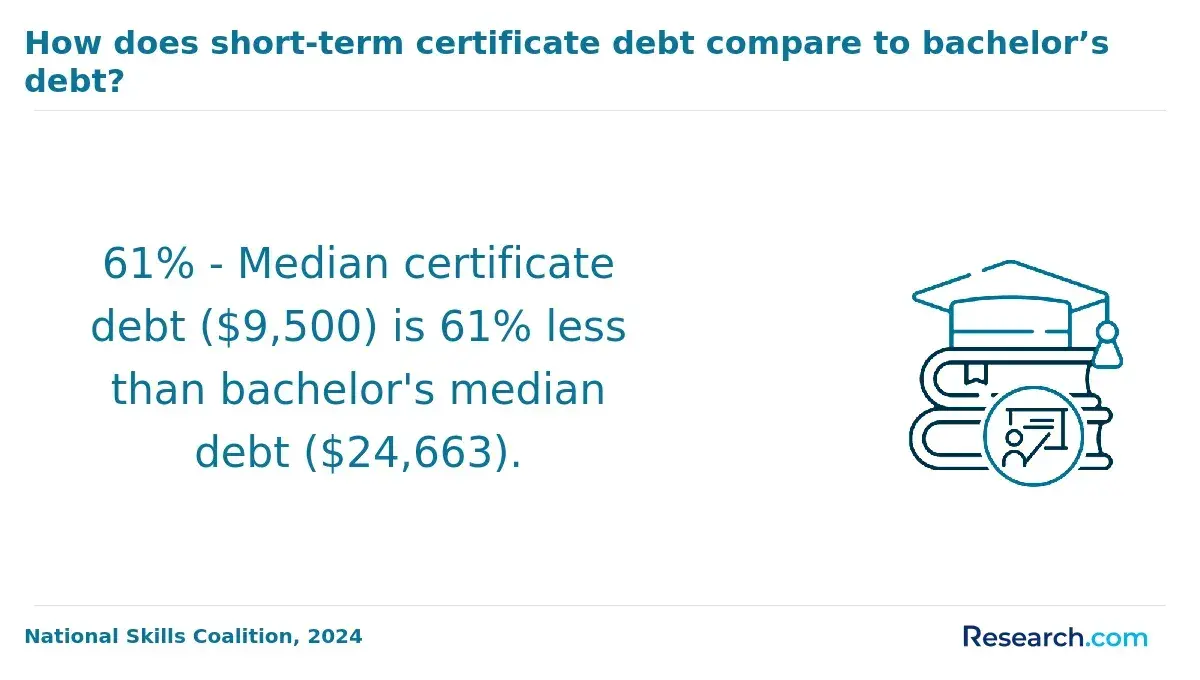
One-year online Nurse Educator programs generally cost between $8,000 and $18,000 for the full degree, though actual costs vary widely by school. Some public universities charge around $504 per credit hour, which totals roughly $17,640 for the entire program. Traditional Master of Science in Nursing (MSN) programs typically cost about $20,513 per year, so an accelerated format may reduce total cost if it shortens enrollment time.
The largest cost drivers are tuition rate, residency status, institutional type, and required credit hours. Public institutions may charge different rates for in-state and out-of-state students, while private colleges often use a single tuition structure. Programs requiring 33 and 43 credits will usually cost more than shorter credit pathways, even when the advertised duration is similar.
Online study can also reduce indirect expenses. Students may avoid relocation, campus housing, and commuting costs. However, they should still budget for books, software, background checks, immunization documentation, clinical or teaching site requirements, graduation fees, and any travel connected to practicum obligations.
Cost factors to compare
- Full program tuition: Calculate the cost from total credits, not only the per-credit rate.
- Fees: Online course fees, technology fees, graduation fees, and clinical documentation fees can change the final bill.
- Residency rules: Public university tuition may differ by state residency status.
- Program pace: A faster program can reduce opportunity costs, but only if you can work, study, and complete practicum requirements without interruption.
- Employer support: Tuition reimbursement or education benefits may significantly affect out-of-pocket cost.
Expect a concentrated graduate experience that moves quickly from nursing education theory to practical teaching application. Many accelerated programs use short, intensive terms, sometimes lasting just eight weeks, to make one-year completion possible. That structure can be efficient, but it leaves limited room for missed deadlines or delayed practicum planning.
Coursework commonly includes teaching principles, curriculum design, learner assessment, accreditation standards, instructional technology, and clinical education strategies. Students may complete asynchronous modules, discussion boards, papers, projects, exams, virtual simulations, and teaching-focused assignments. Many programs also require precepted clinical hours or practicum experiences at nearby healthcare or academic sites.
The workload is usually the biggest adjustment. Nurses must balance graduate writing, online participation, lesson planning, practicum preparation, and employment responsibilities. Students who succeed tend to build a weekly schedule before classes begin, communicate early with faculty, and secure practicum arrangements as soon as the program allows.
Skills graduates are expected to develop
- Designing learning objectives and lesson plans for nursing students or practicing nurses.
- Using assessment methods to evaluate learner progress and clinical competence.
- Applying evidence-based teaching strategies in classroom, online, simulation, or clinical settings.
- Understanding curriculum standards, accreditation expectations, and regulatory considerations.
- Mentoring learners and supporting professional development in nursing environments.
When researching programs, verify institutional quality and accreditation carefully. A useful starting point is reviewing online universities that are nationally accredited, while also confirming whether a specific nursing program holds the accreditation expected in your field.
Yes. Students in one-year online Nurse Educator degree programs may be able to use federal aid, state aid, scholarships, employer tuition benefits, and private funding. Eligibility depends on the institution, program accreditation, enrollment status, citizenship or qualified non-citizen status, and satisfactory academic progress requirements.
- Federal and state aid: Eligible students can submit the FAFSA for federal loans and, in some cases, grants. The school and program must meet applicable accreditation and aid-participation requirements. State aid varies by location and may have separate deadlines or residency rules.
- Scholarships: Nursing schools, professional associations, healthcare organizations, and private foundations may offer awards based on academic merit, financial need, specialty interest, or service commitments. Scholarship deadlines may come earlier than admission deadlines, so early planning matters.
- Employer tuition assistance: Nurses employed by hospitals, health systems, academic institutions, or government agencies may qualify for tuition reimbursement or education benefits. These programs often require continued employment for a specified period after graduation.
- Payment plans and private funding: Some schools offer installment plans, while private loans may be available. Borrow only after comparing interest rates, repayment terms, and total repayment cost.
Accelerated programs can have different billing schedules because courses are compressed. Before enrolling, ask the financial aid office how aid is disbursed, whether your enrollment level qualifies for aid each term, and what happens if you take a break or cannot complete the one-year plan as scheduled.
What Nurse Educator Graduates Say About Their Online Degree
- : "Completing the one-year online Nurse Educator degree was a game changer for my career. The accelerated format allowed me to finish quickly without compromising on quality, and now I'm confidently preparing the next generation of nurses. The program's affordability, averaging around $30,000, made it a smart investment for my future. — Aiden"
- : "The competency-based approach really resonated with me, as it let me focus on mastering skills at my own pace. This personalized experience made the learning journey deeply engaging and efficient. I'm proud to have completed the degree online within just twelve months and feel fully equipped for my educator role. — Joanne"
- : "Pursuing the Nurse Educator degree online in just one year was both challenging and rewarding. The program's structured flexibility balanced well with my full-time job, and the knowledge I gained has already enhanced my teaching methods. Given the typical costs and my time constraints, this program was the perfect professional advancement. — Vera"
Other Things You Should Know About Pursuing One-Yeas Nurse Educator Degrees
Yes, one-year online nurse educator programs typically include a practical teaching component. Students often complete a clinical practicum to gain hands-on teaching experience, adhering to standards set by accrediting bodies like the CCNE or ACEN.
Typical admission requirements for 2027 one-year online Nurse Educator programs include a bachelor's degree in nursing, an active RN license, and possibly prior teaching or clinical experience. Some programs may also require a minimum GPA and letters of recommendation during the application process.
- MSN Educator https://www.csudh.edu/son/programs/msn/msn-educator/
- Scholarships & Financial Aid https://www.aacnnursing.org/students/scholarships-financial-aid
- Nurse Educator (MS) https://www.siue.edu/academics/graduate/degrees-and-programs/nurse-educator/
- 5 Benefits of Online Nursing Programs https://bouve.northeastern.edu/news/5-benefits-of-online-nursing-programs/
- Online ADN Programs with Financial Aid: Which Schools Offer It? https://www.edumed.org/online-schools/associate-nursing-programs/financial-aid/
- 2025 Best Online DNP Nursing Education Programs https://www.nurseeducator.com/degrees/dnp/
- Nurse Educator Graduate Certificate Online - Penn State World Campus https://www.worldcampus.psu.edu/degrees-and-certificates/penn-state-online-nurse-educator-graduate-certificate
- Top 3 Pros and Cons of Online Nursing Classes https://nurse.org/articles/pros-and-cons-online-nursing-programs-class/
- Master’s in Nursing Education Online https://www.snhu.edu/online-degrees/masters/ms-in-nursing-nurse-educator
- Top 25 Best MSN Nursing Education Degrees Online - Healthcare Management Degree Guide https://www.healthcare-management-degree.net/best/msn-nursing-education-degrees-online/