2027 Return on Investment (ROI) of a Nurse Educator Degree Program

Co-Founder and Chief Data Scientist
Many registered nurses face uncertainty about advancing their careers through educator roles due to the significant investment required. The U. S. Bureau of Labor Statistics projects a 10% growth in nurse educator employment through 2032, highlighting rising demand yet raising questions about return on investment.
Graduates must weigh tuition costs, time away from full employment, and future salaries. This article examines the financial and career benefits of nurse educator degree programs, providing data-driven insights to help prospective students determine if such a degree aligns with their professional and economic goals.
Key Things to Know About Nurse Educator Degree ROI
- Graduates with a nurse educator degree earn approximately 15% more annually than clinical nurses, reflecting enhanced earning potential and specialized expertise.
- The degree opens pathways to leadership roles in academic and healthcare settings, fostering significant career advancement opportunities.
- Nurse educators experience stable employment with projected job growth of 13% through 2031, ensuring long-term salary growth and industry flexibility.
How Is ROI Calculated for a Nurse Educator Degree Program?
Return on investment (ROI) in higher education evaluates the financial benefit students gain relative to the money and time invested in a degree program. This comparison helps those assessing a nurse educator degree gauge whether the career outcomes justify the costs and effort involved.
Several key components factor into calculating nurse educator program return on investment. These elements provide a clear picture of value beyond tuition alone:
- Tuition and Fees: This encompasses all direct expenses in the program such as tuition, fees, books, and supplies, forming the initial financial commitment required.
- Opportunity Cost: Represents income forgone while studying, including wages lost or reduced work hours if attending part-time or full-time, which impacts overall investment.
- Time to Completion: The length of the degree affects when graduates can enter or re-enter the workforce in higher-paying roles, influencing the timing of returns.
- Post-Graduation Salary: Graduates' starting salaries and potential wage increases linked to the degree indicate the financial benefits realized after completion.
- Career Advancement: The degree often enables leadership roles or promotions that provide long-term financial rewards and expanded professional opportunities.
When considering these factors, prospective students benefit from also evaluating other health-related fields, such as a pharmacy degree, to understand broader ROI implications in healthcare education.
Calculating nurse educator degree ROI involves balancing these financial and career variables to make informed decisions about education investments.
How Much Does a Nurse Educator Degree Program Cost?
Accurately assessing the total cost of a nurse educator degree program is vital for determining its return on investment, especially as graduate tuition in the U.S. has seen annual increases averaging 3 to 5%. This rising expense shapes how students evaluate the balance between upfront costs and the long-term financial benefits of advancing their careers.
Several major expenses influence the overall ROI of such a program:
- Tuition and fees: Often the largest outlay, costs depend heavily on whether the program is public or private, and if the student qualifies for in-state or out-of-state rates.
- Books and materials: These include textbooks, educational software, and necessary clinical tools that can add several hundred dollars or more each term.
- Living or relocation expenses: Students relocating or adjusting their housing situation face additional financial pressure beyond tuition, which can significantly impact budgets.
- Opportunity cost: Time spent earning the degree often means fewer work hours or leaving the workforce temporarily, leading to lost income during enrollment.
- Hidden or indirect costs: Fees for technology platforms, travel related to clinical placements, and post-graduation licensing or certification expenses also affect total costs.
When I spoke with a recent nurse educator degree graduate, he shared that managing the "unexpected costs" was the most challenging part. He recalled spending late nights balancing work, school, and family while facing surprise fees like additional lab materials and tech subscriptions.
Despite the financial strain, he felt the experience was rewarding but cautioned those considering the degree to budget carefully-not just for tuition but for these less obvious expenses that can add up quickly.
What Financial Aid Is Available for Nurse Educator Degree Programs?
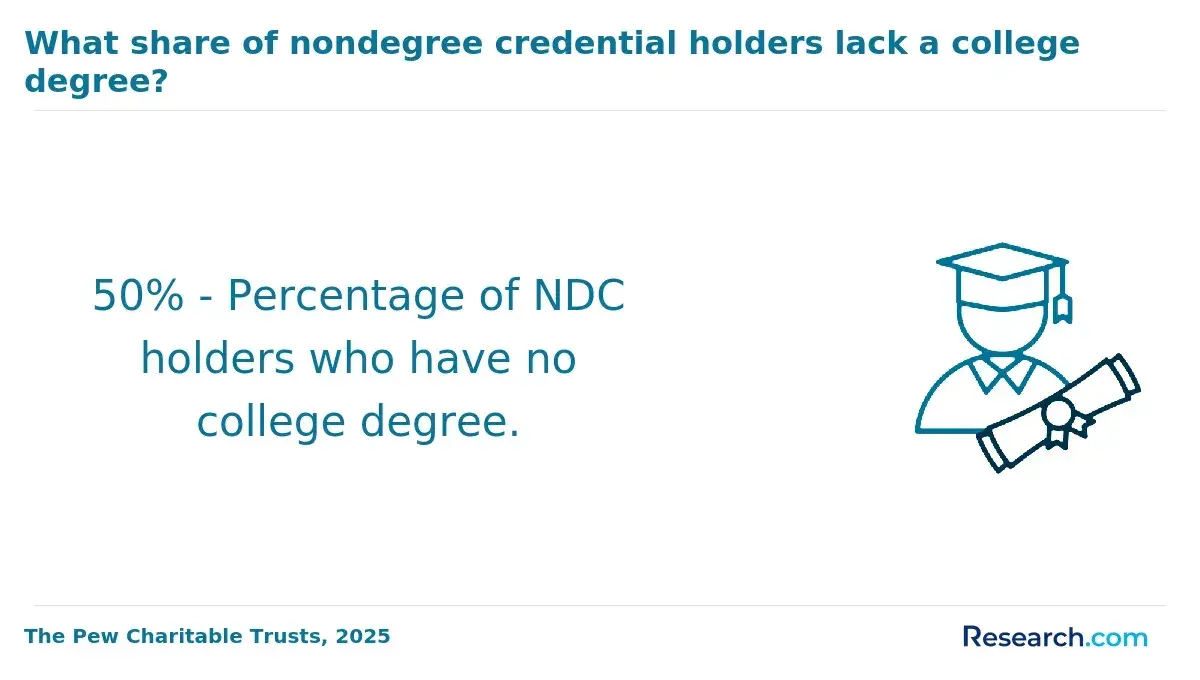
Financial aid significantly reduces initial expenses for nurse educator degree programs, directly enhancing the long-term return on investment by lowering the need for costly borrowing. In 2022, U.S. graduate students carried a median debt of about $66,000, underscoring the value of leveraging financial assistance to manage educational costs.
Several common types of financial aid can help improve ROI for nurse educator students:
- Scholarships: Awarded based on merit or financial need, scholarships reduce tuition costs without repayment, decreasing overall borrowing and improving net ROI.
- Grants: Typically need-based, grants from federal or state sources lessen out-of-pocket expenses. Since they do not require repayment, grants make advanced degrees more affordable.
- Fellowships: These competitive awards sometimes provide stipends for research or teaching, offsetting both tuition and living expenses, which supports financial stability and career growth.
- Employer tuition assistance: Healthcare employers often sponsor part or all of tuition for employees seeking advanced degrees. While usually contingent on continued employment, this aid greatly diminishes education expenses and boosts financial returns.
- Federal student loans: Offering lower interest rates and flexible repayment compared to private loans, federal loans make financing more manageable despite increasing debt.
The length of time needed to finish a nurse educator degree plays a significant role in its return on investment (ROI) by influencing opportunity costs, the timing of increased earnings, and the total cost of education. Completing the program sooner means entering the workforce earlier, boosting income faster while reducing tuition and living expenses.
Several key factors, however, affect how long degree completion takes, which in turn impacts ROI in distinct ways.
Here are some important considerations:
- Enrollment status: Attending full-time typically speeds up graduation, allowing quicker salary advancement, whereas part-time enrollment extends the timeline but helps maintain income during studies.
- Program format: Online and accelerated programs often provide greater flexibility and can shorten the duration, potentially lowering overall costs by minimizing disruption to work and personal life.
- Transfer credits: Students with prior relevant coursework may reduce the number of required classes, cutting both time investment and tuition fees.
- Internship or thesis requirements: These critical experiential components may add several months but can enhance practical skills and improve job market competitiveness, possibly yielding higher eventual earnings.
- Scheduling flexibility: Programs designed for working professionals may allow continued employment but lengthen completion time, balancing financial stability against delayed career progression.
When discussing how long it takes to complete such a degree, a nurse educator graduate I spoke with shared insights from her journey. She recalled that balancing a full-time job with coursework was the biggest challenge, often feeling stretched thin but emphasizing how online courses provided necessary flexibility.
While the internship phase extended her studies by a few months, she valued the hands-on experience it brought. Reflecting on the timeline, she remarked that although the process wasn't quick, the deliberate pace allowed her to apply new knowledge in real time, which she believes enhanced both her confidence and teaching effectiveness. This thoughtful approach to completing the degree helped her feel prepared for the increased responsibilities and salary that followed.
The return on investment (ROI) for nurse educator degree programs can differ significantly between online and on-campus delivery formats due to variations in cost, flexibility, and career outcomes. As of recent data, over 40% of graduate students in U.S. nursing programs choose online options, reflecting a strong trend toward remote learning's convenience and accessibility.
Evaluating the online versus on-campus nurse educator program ROI involves multiple factors that affect both short-term expenses and long-term benefits.
Here are some key considerations for comparing these program types:
- Tuition and fees: Online programs typically offer lower tuition and fees, which reduces upfront financial burden. This cost difference often makes online study more accessible for working professionals and career changers.
- Opportunity cost: Flexible scheduling in online programs allows students to continue working or manage personal commitments, thereby minimizing income loss during their studies compared to full-time on-campus attendance.
- Time to completion: While overall program length is often comparable, online formats may provide self-paced progress options, potentially enabling quicker completion for motivated learners.
- Networking and career services: On-campus programs usually provide stronger access to face-to-face networking events and dedicated career services, which some employers view favorably during hiring.
- Employer perception and earning potential: Employer attitudes and graduate earnings tend to be generally comparable between online and on-campus nurse educator degrees, with both formats producing successful job placement outcomes.
Prospective students interested in exploring the easiest online DNP programs as part of their options can benefit from these insights to make a well-informed decision on their educational investment.
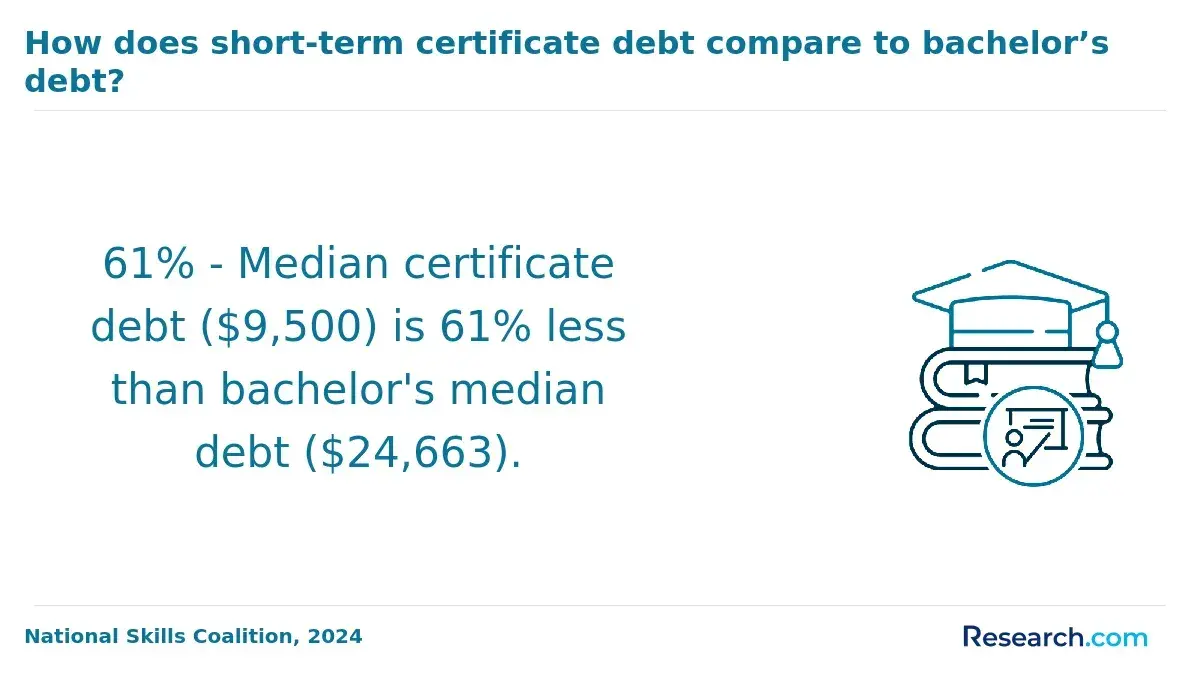
Post-graduation salary is a key driver of ROI for nurse educator degrees because it directly impacts how quickly graduates can recover tuition costs and benefit financially over time. On average, nurse educators in the United States earn between $65,000 and $95,000 annually, with salaries varying based on experience and role.
Several factors influence nurse educator salary by state and beyond, affecting overall ROI:
- Industry: Nurse educators employed by universities or hospitals often receive higher pay compared to those working in community education, improving financial returns.
- Geographic location: Salaries tend to be greater in metropolitan areas or states with a strong demand for healthcare education, which enhances ROI for graduates in such regions.
- Prior experience: Nurses who bring extensive clinical experience to educator roles can command higher salaries, positively impacting their financial outcomes.
- Specialization: Expertise in specialized nursing fields like critical care or pediatrics typically leads to premium compensation levels.
- Career level: Leadership positions, such as program directors, usually offer higher salaries than teaching-only roles, increasing potential income.
Individuals considering nursing education paths may want to explore nursing schools with high acceptance rates to find programs that align with their goals and optimize their investment.
Promotions can significantly enhance the return on investment (ROI) for those earning a nurse educator degree by increasing salaries, expanding responsibilities, and improving career mobility. These factors accelerate the payback period on educational expenses while enriching professional development and job satisfaction.
A growing trend in healthcare workforce management is the emphasis on credential-based promotion criteria. Many organizations now prioritize advanced degrees like a nurse educator credential for leadership or specialized educational roles, reflecting a shift beyond experience alone as the basis for career advancement.
Key ways a nurse educator degree may influence promotion opportunities and ROI include:
- Credential Requirements: Many advanced nursing educator and leadership roles explicitly require formal educational credentials, making a nurse educator degree essential for eligibility.
- Leadership Preparation: The degree equips graduates with critical instructional and leadership skills that employers highly value, enhancing readiness for promotion.
- Internal Promotions: Organizations frequently tie promotion eligibility to advanced degrees, increasing career advancement prospects for degree holders within existing workplaces.
- Tuition Support: Employer tuition reimbursement or advancement programs often target candidates pursuing a nurse educator degree, reducing upfront education costs and improving overall ROI.
- Experience-Education Link: Combining clinical experience with formal nurse educator education strengthens a candidate's profile, boosting competitiveness for promotions that require both practical and academic expertise.
Prospective students interested in finding more affordable pathways to such credentials may explore options among the cheapest online nursing programs. These programs can optimize the balance between investment and career advancement, a critical consideration for those focused on nurse educator degree career advancement.
For working nurses, promotions with nurse educator degree credentials often lead to leadership roles and expanded opportunities, underscoring the value of integrating education with professional experience in nursing career development.
The return on investment (ROI) for nurse educator graduates varies significantly across industries due to differences in salary levels, career progression opportunities, and demand for specialized skills. Understanding these variations is essential for prospective students evaluating the potential financial and professional benefits of this career path.
Several industries typically offer the highest ROI healthcare education industries for nurse educator graduates. These sectors combine competitive compensation with strong prospects for advancement and skill utilization:
- Higher education institutions: These settings provide steady salary growth alongside clear promotion potential. Nurse educators benefit from tenure opportunities and academic advancement, supporting long-term income stability.
- Hospitals and healthcare systems: Offering competitive pay, these settings value clinical expertise and provide diverse career paths, including leadership and administrative roles. The ongoing need for workforce training enhances job security and advancement chances.
- Government agencies: Positions here typically offer job stability with comprehensive benefits. Focusing on community health and policy education, they allow nurse educators to develop specialized knowledge applicable in multiple career directions.
- Corporate healthcare: This sector rewards nurse educators with performance-based compensation and specialization opportunities, particularly in training related to medical devices or healthcare products.
Those interested in the top-paying nurse educator career paths should also consider program affordability when making educational decisions. Some prospective students may find value in researching the cheapest DNP programs that still prepare them effectively for these lucrative industries.
Accreditation signifies that a nurse educator degree program adheres to recognized quality standards established by authoritative educational and professional organizations. This endorsement plays a crucial role in improving return on investment, as many employers prioritize candidates from accredited programs when hiring or promoting.
Graduates from such programs often qualify more easily for licensure and certification, expanding their employment opportunities. Current workforce data indicate an increasing emphasis on accredited education for advancing salary and career prospects.
Choosing an accredited nurse educator program can enhance long-term ROI by offering greater access to federal financial aid and ensuring that academic credits transfer smoothly between schools. Employers tend to place higher trust in the credentials earned from accredited programs, which supports career mobility and potential salary growth.
Additionally, accreditation improves eligibility for professional licensure, a key factor in securing advanced roles within nursing education. These aspects together make the educational investment more cost-effective over time.
The return on investment for a nurse educator degree largely depends on factors like tuition fees, program length, and salary after graduation. Costs can range from moderate to high, with programs lasting anywhere from one to three years based on full-time, part-time, or online study options.
Graduates typically earn between $70,000 and $90,000 annually, reflecting steady but modest compensation compared to advanced clinical roles. Career growth opportunities exist due to increasing demand for qualified nurse educators amid faculty retirements and expanded nursing programs.
Whether this degree is worthwhile varies by individual circumstances. Online programs and financial aid can reduce costs and shorten time to completion, improving overall ROI. Those driven by academic or leadership ambitions in nursing education may find more value beyond salary alone.
Conversely, nurses focused on clinical practice or immediate earnings might explore alternative pathways with potentially higher pay and quicker returns. Market demand and personal goals remain crucial in evaluating the long-term benefits of pursuing this advanced credential.
What Graduates Say About The ROI of Their Nurse Educator Degree
- Audrey: "Choosing to enroll in a nurse educator degree program was one of the best investment decisions I've made, especially after researching that the average cost hovers around $15,000. As a traditional student, I felt the financial commitment was justified by the knowledge and opportunities it unlocked. Since graduating, I've secured a role that aligns with my passion for teaching and mentoring future nurses, proving the return on investment was absolutely worth it. "
- Billie: "Opting for an online nurse educator degree was a thoughtful choice given my busy schedule and the program cost, which was quite reasonable compared to on-campus options, averaging near $12,000. The flexibility allowed me to balance work and study without financial strain, and reflecting now, the degree has significantly enhanced my career prospects and confidence in educational roles. It truly exceeded my expectations in value. "
- Jane: "Balancing part-time studies for a nurse educator degree was challenging but ultimately rewarding considering the long-term career benefits and the program's cost, which was around $14,000 for the full course. I approached this degree very professionally, focusing on how this qualification would not only increase my credentials but also open doors to leadership positions in clinical education. Today, I can attest that the cost was a strategic investment in my professional future. "
Other Things You Should Know About Nurse Educator Degrees
Most nurse educator master’s programs require 30 to 45 graduate credits. Core coursework usually includes curriculum design, teaching strategies, assessment, and practicum hours. Programs that require fewer than 36 credits often reduce tuition, which can improve ROI if the degree leads to higher faculty or clinical education pay.
Yes, prior experience as a registered nurse can significantly enhance the ROI of the degree. Experienced nurses often transition more smoothly into educator roles with higher starting salaries and greater job stability. Their practical knowledge increases their effectiveness as educators, which can lead to faster career advancement and better compensation.
- Nurse Educator: Continuing Education for Nursing Professionals https://www.thegypsynurse.com/nurse-educator/
- The Nurse Educator Career Advancement Opportunities Guide - NEIT https://www.neit.edu/blog/nurse-educator-career-guide
- How long does it take to become a nurse educator? https://www.herzing.edu/faq/how-long-does-it-take-become-nurse-educator
- Factors to Consider When Choosing a Nursing Program: Tips for Success https://www.dewv.edu/factors-to-consider-when-choosing-a-nursing-program-tips-for-success/
- Highest Paid Nursing Positions https://onlineprograms.sacredheart.edu/resources/article/highest-paying-career-paths-for-msn-graduates/
- The Role of Accreditation in RN to BSN Programs https://everynurse.org/role-accreditation-rn-to-bsn-programs/
- Best MSN Nurse Educator Programs | Online Options 2025 https://nurse.org/education/best-msn-nursing-education-programs/
- Online MSN Nurse Educator Program | WCU https://westcoastuniversity.edu/online-programs/msn/nurse-educator
- Scholarships & Financial Aid https://www.aacnnursing.org/students/scholarships-financial-aid
- Nurse Educator: Salary and Job Growth https://www.allnursingschools.com/nurse-educator/salary/