2027 Best Accredited Online Legal Studies & Law Bachelor's Degree Programs

Co-Founder and Chief Data Scientist
Imagine a recent high school graduate unsure how to begin building a credible legal career without relocating or quitting a job. Accredited online legal studies & law bachelor's degree programs offer flexible, respected pathways but vary widely in quality and recognition. Research shows nearly 40% of online law-related degree holders report better employment outcomes when their institutions hold regional accreditation. This article explores top accredited programs, comparing factors like curriculum strength, faculty expertise, and graduate success rates. It aims to guide prospective students in choosing a program that aligns with career goals and ensures meaningful credentials within the legal field.
Key Points About the Best Accredited Online Legal Studies & Law Bachelor's Degree Programs
- Students develop critical skills in legal research, writing, and analysis-essential for roles in law firms, government, and corporate compliance.
- Online programs reduce costs by eliminating commuting and often offer lower tuition, saving students thousands compared to traditional on-campus degrees.
- Graduates gain access to diverse internships and networking opportunities nationwide, with 68% reporting improved employment prospects within six months post-graduation.
What are the best accredited online Legal Studies & Law bachelor's degree programs?
Choosing a top-tier accredited program is a strategic move for students aiming for long-term success in the legal studies & law field. Programs with strong accreditation often boast higher graduation rates-with some reporting success rates exceeding 70%-which can significantly impact career prospects. Below are some of the best accredited online legal studies and law bachelor degree programs in the US that combine academic rigor with innovative learning approaches.
- Arizona State University (ASU): ASU's Bachelor of Arts in Criminology and Criminal Justice emphasizes legal studies through the innovative ASU Online platform. This nationally accredited program provides interactive tools and extensive course options focusing on legal theory and criminal justice policy.
- Liberty University: Liberty offers a Bachelor of Science in Paralegal Studies with an ABA-approved curriculum. The program prepares students in both substantive and procedural law, blending academic coursework with practical legal research and writing skills.
- Southern New Hampshire University (SNHU): SNHU's Bachelor of Arts in Legal Studies includes concentrations such as Regulatory Compliance. Accredited regionally, this program takes a career-focused approach tailored to students interested in regulatory frameworks across multiple industries.
- University of Alabama at Birmingham (UAB): UAB provides an online Bachelor of Arts in Legal Studies with an interdisciplinary approach, integrating legal concepts with political science for broader social and political understanding. This accredited program enhances students' grasp of legal systems in context.
- Indiana Wesleyan University: Indiana Wesleyan's Bachelor of Science in Paralegal Studies focuses on practical experience through simulated legal environments and case studies. It aligns closely with NALA certification standards, positioning it as a leader in paralegal education.
For students seeking the top online bachelor's degrees in legal studies and law for career advancement, these programs stand out for their rigorous curriculum and recognized accreditation. Prospective students might also explore related opportunities by checking resources such as the easiest masters degree options to plan a long-term educational pathway.
What accreditation standards should an online Legal Studies & Law bachelor's degree program meet?
Maintaining rigorous standards for online legal studies & law bachelor's degree programs is essential to guarantee educational quality matches that of traditional classroom settings. In the United States, fewer than 150 institutions offer fully accredited online programs in this field, highlighting the importance of selecting programs that meet strict quality benchmarks. Several key accreditation standards ensure the academic integrity and value of these degrees.
These core benchmarks include:
- Curriculum Quality: Programs must provide a comprehensive curriculum covering fundamental legal concepts, ethics, research methods, and critical thinking skills. Prospective students can review course catalogs and syllabi to verify the curriculum's depth and relevance to current legal frameworks.
- Qualified Faculty: Accredited programs require instructors to hold advanced degrees in law or related disciplines, along with practical or scholarly expertise. Students should look for faculty bios and credentials to confirm the quality of instruction aligns with industry expectations.
- Assessment Methods: Fair and transparent evaluation systems that accurately measure mastery of complex legal issues are crucial. Accreditation agencies evaluate whether assessments are consistent and reflective of real-world legal analysis.
- Student Support Services: Online learners need robust support such as academic advising and access to legal research databases. Quality programs offer tailored resources designed to foster success in remote learning environments.
- Continuous Improvement: Demonstrated commitment to program evaluation and enhancement based on feedback and outcome data is a key accreditation focus, ensuring programs evolve with emerging educational needs.
Exploring these accreditation requirements helps students choose programs meeting recognized accrediting bodies for quality assurance in online legal studies and law undergraduate degrees. For additional insights on how different fields compare income-wise, consider reviewing majors that make the most money.
How can I check the accreditation status of an online Legal Studies & Law bachelor's program?
Verifying the accreditation of an online legal studies & law bachelor's program is essential to ensure the institution's legitimacy and the value of your degree. Since around 85% of students attend regionally accredited colleges, confirming both institutional and programmatic accreditation helps avoid misleading claims. Here are key steps to verify a program's standing:
- Check Official Databases: Use the U.S. Department of Education's Database of Accredited Postsecondary Institutions and Programs (DAPIP) to confirm whether the school is recognized by a legitimate accreditor.
- Consult Independent Sources: Access the Council for Higher Education Accreditation (CHEA) database to verify the accrediting bodies and confirm the program's credentials.
- Look for Specialized Accreditation: For legal studies, identify if the program has specialized accreditation, such as from the American Bar Association (ABA), which may affect program quality and career prospects.
- Review School Disclosures: Examine the college or university website for clear, verifiable accreditation statements that correspond with official listings to spot false or exaggerated claims.
- Contact the Institution Directly: Request written proof from the admissions or registrar's office verifying both institutional and programmatic accreditation to ensure transparency.
When I spoke with a professional who graduated from an accredited online legal studies & law bachelor's program, he shared that confirming accreditation was initially overwhelming. "The websites often use complicated language, and I wasn't sure which accrediting agencies really mattered," he explained. He emphasized that direct communication with the school's registrar made a difference-"They provided documents and patiently answered my questions, which gave me confidence." His experience highlighted that persistence and careful research are key to avoiding surprises after enrollment.
Why is it important to check if an online Legal Studies & Law bachelor's program is accredited?
Accreditation is the key factor that determines eligibility for federal financial aid and affects the long-term value of an online legal studies & law bachelor's degree. Nearly 72% of employers prefer candidates with degrees from accredited programs, reflecting how crucial accreditation is for academic and career success. Below are essential reasons why accreditation matters for students seeking quality education and professional growth.
- Financial Aid Access: Only accredited programs qualify for federal student loans and grants, making education more affordable and accessible for many students.
- Credit Transferability: Accreditation ensures the curriculum meets established standards, allowing students to transfer credits smoothly or pursue advanced degrees without unnecessary delays.
- Employer Recognition: Graduates from accredited programs are favored by employers, improving job prospects in a competitive legal market.
- Academic Integrity: Accreditation protects students from diploma mills and subpar programs that can diminish the degree's credibility and hinder career advancement.
- Professional Opportunities: Accredited schools often provide connections to internships and professional networks critical to gaining real-world experience.
For those exploring affordable options beyond legal studies, consider exploring the best online data science masters as an alternative in high-demand fields.
Does the online Legal Studies & Law curriculum mirror the rigor of on-campus programs?
Online and traditional legal studies & law programs both deliver comprehensive curricula that equip students with the knowledge to succeed professionally, yet they emphasize different learning experiences.
- Course Content: Both formats cover foundational topics like constitutional law, criminal justice, and ethics. The material remains consistent, ensuring equal academic rigor whether engaging through a computer screen or in person.
- Instructor Expertise: Qualified faculty often teach in both settings-keeping instruction standards steady. However, face-to-face interactions lend more immediate feedback, while online students may rely on virtual office hours and digital resources.
- Hands-on Practice: On-campus students typically access moot courts and internships more directly, whereas online learners often use simulations or arrange their own placements. Many accredited programs effectively bridge this gap, providing practical opportunities remotely.
When asked if the online curriculum matches the intensity of campus-based study, a professional graduate reflected that the challenge was real but manageable. "The workload was demanding-just as tough as traditional classes-especially juggling deadlines and comprehensive exams," he said. He noted that virtual group projects and simulated cases required strong self-discipline and communication. "Though I missed some face-to-face dynamics, the program's design ensured I was well-prepared," he added, affirming that online legal studies & law can rival on-campus education in both depth and rigor.
How much does it cost to attend an accredited online Legal Studies & Law bachelor's degree program?
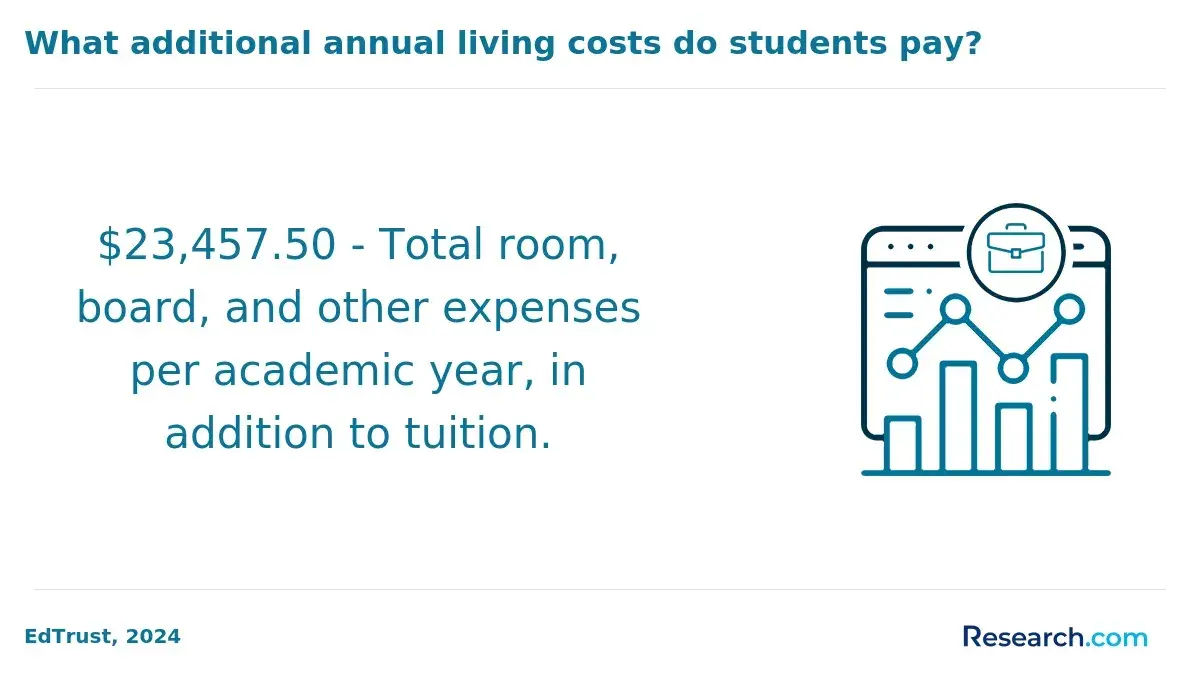
When planning for an online legal studies & law bachelor's degree, conducting a clear cost-benefit analysis is crucial for making informed decisions. Tuition fees typically range between $300 and $600 per credit hour, with most programs requiring approximately 120 credit hours to graduate. Beyond tuition, students should account for additional expenses, including technology fees ($50 to $150 per semester), virtual lab costs ($100 to $250 annually), digital textbook subscriptions ($200 to $400 per year), and application or enrollment fees ($30 to $100).
Recent research shows that online tuition for legal studies & law programs can be around 25% less expensive than comparable on-campus courses, presenting a notable opportunity for savings without compromising program quality or accreditation. These reduced tuition rates, combined with savings on commuting, housing, and campus-related fees, highlight the financial advantages of choosing an accredited online degree.
Unlike traditional programs, online formats eliminate many "hidden" costs such as transportation and room and board. This reduction in ancillary expenses makes an online legal studies & law bachelor's degree a more cost-efficient option for many students seeking accredited education with predictable overall costs.
What financial aid options are available for Legal Studies & Law students?
Reducing the overall debt burden for online legal studies & law students involves exploring a variety of financial aid sources. Nearly 85% of undergraduates receive some form of financial assistance, with federal aid programs distributing over $120 billion annually. Several specific options can make funding a legal studies & law degree more accessible-consider these key avenues:
- Federal Financial Aid: Includes Pell Grants and Direct Student Loans-Pell Grants are awarded based on financial need and do not require repayment. Completing the Free Application for Federal Student Aid (FAFSA) is essential to access these funds.
- American Bar Association Scholarships: Offered to undergraduates excelling academically and committed to legal careers; eligibility often requires maintaining a strong GPA and participation in internships or relevant extracurricular activities.
- Merit-Based Scholarships: Provided by private organizations and foundations, these awards focus on leadership, community service, or demographic criteria like being a first-generation college student. Local bar associations may offer additional opportunities.
- Work-Study Programs: Enable students to earn money through campus or community jobs related to the legal field, helping offset costs while gaining practical experience. Availability depends on institutional offerings and federal funding.
- Tuition Payment Plans: Many universities offer manageable monthly payment options or reduced rates for online learners, easing financial strain through flexible credit or payment structures.
What are the career outcomes for graduates of online Legal Studies & Law bachelor's degree programs?
Job opportunities for online legal studies and law graduates continue to grow as the legal sector demands specialized skills and practical knowledge gained through accredited programs. The modern labor market values these competencies, opening the door to diverse roles across various industries. Graduates are well-equipped to pursue careers in legal support, compliance, analysis, and administration. Below are key career paths reflective of these trends:
- Paralegal or Legal Assistant: These professionals assist law firms and corporations by managing legal research, document preparation, and case coordination. Skills developed in online Legal Studies & Law courses are highly transferable to this in-demand position.
- Compliance Officer: Compliance officers ensure organizations follow laws and regulations, a role growing rapidly in sectors such as healthcare and finance. Graduates leverage their understanding of legal frameworks and risk management to help companies navigate complex regulatory environments.
- Legal Analyst: Legal analysts review laws and precedents to support policymaking or litigation. Their ability to critically assess legal information makes them valuable to government agencies and private firms focused on governance and public affairs.
- Court Clerk: Court clerks handle administrative duties in the judicial system, using organizational skills and legal terminology knowledge gained through their academic training to support smooth court operations.
These career paths illustrate how comprehensive online legal studies and law bachelor's degree programs prepare graduates for specialized roles in a competitive job market. Students interested in similar transitions may also find value in exploring the education required to be a speech pathologist, which highlights the importance of targeted academic preparation for career changes.
What is the employer perception of online Legal Studies & Law graduates?
Employer perspectives on online legal studies & law degrees have shifted significantly as online education has become more common. The historical skepticism about online credentials is fading-many hiring managers now view these degrees as comparable to traditional ones. A 2023 survey from the National Association of Colleges and Employers found that 78% of employers consider accredited online legal studies & law degrees equally credible to on-campus programs.
Employers particularly value skills developed through online learning, such as proficiency with specialized legal software, digital communication, and independent project management. These abilities align well with modern legal workplaces that rely heavily on technology and remote collaboration. Additionally, online education fosters self-motivation and effective time management, qualities highly regarded in the legal field.
Despite the growing acceptance of online formats, the key factors for employers remain the reputation of the institution and the accreditation status of the program. These elements ensure that candidates meet professional standards and possess validated expertise-making them the primary benchmarks for hiring decisions in the legal sector.
How can I choose the best accredited online Legal Studies & Law bachelor's degree for my goals?
Selecting the best accredited online legal studies and law bachelor's degrees requires a structured evaluation process to ensure alignment with your career goals and the unique strengths of each program. With nearly 40% of online undergraduate students prioritizing student services in their choice of program, understanding critical selection criteria can enhance your educational experience. Consider these essential factors when comparing top online legal studies and law bachelor's programs with accreditation:
- Curriculum Relevance: Look for programs covering foundational topics like criminal law, civil rights, and legal research to build broad expertise. A comprehensive curriculum equips you with the skills needed for versatile career paths within the legal field.
- Practical Experience: Programs offering internships, externships, or simulated court activities provide real-world application of theory, improving job readiness and employability after graduation.
- Faculty Expertise: Learning from instructors with extensive legal experience and current industry involvement ensures education grounded in real-world practice, enhancing comprehension of complex legal concepts.
- Flexibility and Support: Choose a program that offers strong academic advising, career counseling, and networking opportunities-services proven to support success during and after your studies.
Additionally, aligning your choice with specific career goals-whether aiming for paralegal work, compliance roles, or law school preparation-is crucial for maximizing both learning outcomes and future opportunities. For students also considering budget-friendly options among the best accredited online legal studies and law bachelor's degrees, exploring the cheapest online colleges can provide valuable insights into affordable quality programs.
What Graduates Say About Their Online Bachelor's in Legal Studies & Law
- Orlando: "Choosing an accredited online legal studies & law bachelor's degree was important to me because it ensured the quality and recognition of my education. I found the cost much more manageable compared to traditional programs, which allowed me to focus on my studies without overwhelming financial stress. Since graduating, the degree has opened doors in corporate law, enhancing my career prospects significantly."
- Zion: "Reflecting on my experience, the flexibility of an accredited online legal studies & law bachelor's degree was the key factor, enabling me to balance work and school effectively. The tuition was reasonable, especially considering the comprehensive curriculum and expert faculty. This program truly prepared me for the challenges of legal research and compliance roles I now navigate confidently."
- Wyatt: "Professionally, earning an accredited online legal studies & law bachelor's degree has been a game changer. The decision was partly driven by cost-efficiency, but the program's robust accreditation gave me peace of mind about its legitimacy. It has directly impacted my career by equipping me with practical skills that employers highly value in litigation support and paralegal fields."
Other Things You Should Know About Legal Studies & Law Degrees
Top online legal studies programs in 2027 often integrate practical experiences, such as virtual internships, moot court exercises, and simulation-based learning, to ensure students gain real-world skills and understanding, bridging the gap between theoretical study and professional practice.
Graduates can pursue careers as paralegals, legal assistants, compliance officers, or continue into law school. These programs provide foundational knowledge and skills applicable in various legal and administrative roles, offering diverse paths in the legal field.
Students typically need a reliable computer with an up-to-date operating system, high-speed internet access, and specific software like legal research databases. Some programs may also require a webcam and microphone for virtual classes or exams, ensuring active participation in 2027.
Top universities offering the best accredited online legal studies and law bachelor's degree programs in 2027 include Arizona State University, University of Central Florida, and Penn State World Campus. These programs are recognized for their comprehensive curriculum, experienced faculty, and strong industry connections.
References
- The Importance of Accreditation https://paralegal.edu/blog/the-importance-of-accreditation/
- Checking and validate your degree https://www.sra.org.uk/become-solicitor/sqe/check-validate-qualification/
- The benefits of studying online https://www.law.ac.uk/resources/blog/benefits-of-studying-online/
- Law School Scholarship Databank https://www.accesslex.org/databank
- Pros and Cons of Getting a Legal Degree Online https://onlinemasteroflegalstudies.com/mls-degrees/pros-and-cons-of-online-legal-degrees/
- Law School Rankings by Tuition https://www.ilrg.com/rankings/law/tuition
- Online Law School: Accreditation, Learning Design, And Outcomes https://professioneleidentiteit.nl/online-law-school-accreditation-learning-design-and-outcomes
- Law School Cost: How Much Does it Cost to Attend Online Law School? https://www.purduegloballawschool.edu/tuition
- Average Cost of Law School [2025]: Tuition + Expenses https://educationdata.org/average-cost-of-law-school
- How to Verify a Degree Online: 5 Simple Steps (2025 Guide) https://www.verifyed.io/blog/online-degree-verification