2027 Self-Paced Online Legal Studies & Law Bachelor's Degree Programs

Co-Founder and Chief Data Scientist
Jane works full-time but wants to shift her career toward legal services. Traditional programs offer little flexibility, causing her to delay education indefinitely. Nearly 40% of working adults pursuing legal studies choose self-paced online programs for their flexibility and accessibility.
This growing trend highlights the demand for education options that accommodate professional and personal commitments. This article explores how self-paced online legal studies & law bachelor's degree programs provide effective, accredited paths for career changers like Jane. It also offers guidance to help readers select programs that align with their goals and schedules, simplifying the transition into the legal field.
Key Benefits of Self-Paced Online Legal Studies & Law Bachelor's Degree Programs
- Self-paced online legal studies & law programs offer unmatched flexibility, allowing working professionals to balance education with careers and personal obligations without fixed class schedules.
- These programs accelerate skill acquisition by enabling students to progress upon demonstrating mastery, reducing time to degree completion compared to traditional formats.
- They provide cost-effective pathways through reduced tuition, eliminated commuting costs, and credit for prior learning, making accredited credentials more accessible to diverse learners.
What Are Self-Paced Online Legal Studies & Law Bachelor's Degree Programs, and How Do They Differ From Traditional Online Formats?
Self-paced online legal studies bachelor's degree programs enable students to complete coursework independently, differing significantly from cohort-based or scheduled asynchronous models. These programs allow learners to start anytime, progress at their own speed, and focus on mastering competencies rather than adhering to fixed academic calendars.
This structure is especially useful for busy professionals and non-traditional students seeking flexible education options.
Key features of self-paced programs include:
- Open Enrollment: Students can begin studies immediately without waiting for specific term dates, allowing for instant access to course materials.
- Flexible Timelines: Learners control when and how quickly they complete assignments, exams, and projects, enhancing autonomy over their study schedule.
- Milestone-Based Progression: Advancement depends on demonstrating mastery of specific skills or competencies rather than attending live sessions or meeting strict deadlines.
In comparison, traditional online law degree formats usually involve cohort-based learning with predetermined start and end dates, offering a structured pace and peer interaction. Faculty in traditional programs often hold scheduled office hours or synchronous sessions, while self-paced students primarily engage through asynchronous communication, benefiting from flexibility but sometimes receiving less immediate feedback.
Accountability and time management differ substantially between the two models. Self-paced students must maintain strong discipline to avoid procrastination, whereas traditional formats provide external structure and peer motivation.
The self-directed model is ideal for those balancing work, life, or other commitments.
- Time Management: Self-paced learners set personal deadlines fitting their schedules, whereas traditional formats favor students who thrive with routine.
- Faculty Interaction: Primarily asynchronous in self-paced programs, offering convenience but less instant feedback than scheduled engagements.
- Student Accountability: Self-paced study requires proactive habits and motivation, while cohort-based programs support shared timelines and group accountability.
- Ideal Candidates: These programs suit working professionals, non-traditional students, and those needing maximum flexibility, contributing to their rising popularity in legal studies & law education.
Understanding transfer credit policies, prior learning assessments, and financial aid eligibility can also be crucial when selecting self-paced online legal studies bachelor's degree programs. For those exploring further education or certifications, resources about online certifications can offer guidance on valuable qualifications that enhance career prospects.
Which Accredited Institutions Offer Self-Paced Online Legal Studies & Law Bachelor's Degree Programs?
Several regionally accredited institutions now offer self-paced online legal studies & law bachelor's degree programs designed for students seeking flexibility without sacrificing academic quality. These programs commonly use competency-based education (CBE) models, enabling learners to advance by demonstrating mastery instead of following traditional semester timelines.
Tuition structures vary between per-credit fees and subscription plans, allowing students to manage costs and pace according to their individual circumstances.
- Western Governors University: Accredited by the Northwest Commission on Colleges and Universities, WGU offers a competency-based Bachelor of Science in legal studies. Tuition is a flat-rate subscription billed every six months, so students can complete as many courses as possible within that period. Typical completion time ranges from two to three years depending on prior experience and study intensity.
- Southern New Hampshire University: This New England Commission of Higher Education-accredited institution provides a flexible online Bachelor of Arts in legal studies. Featuring asynchronous courses, it allows accelerated progression through transfer credits and prior learning assessments. Tuition is charged per credit hour, with frequent discounts and financial aid options available.
- Capella University: Regionally accredited by the Higher Learning Commission, Capella's competency-based Bachelor of Science in legal studies employs a subscription-based quarterly tuition model. Students advance by demonstrating competencies and typically complete the program in about three years, depending on enrollment load.
- Brandman University (UMass Global): Accredited by the WASC Senior College and University Commission, Brandman offers a self-paced Bachelor of Arts in legal studies. Tuition is charged per credit hour, and the program supports generous transfer credit policies and prior learning assessments. Completion commonly falls within two to four years.
- Capitol Technology University: Regionally accredited by the Middle States Commission on Higher Education, Capitol Technology provides an online Bachelor of Science in Cybersecurity with legal studies components. This competency-based program charges tuition per credit and features flexible start dates, supporting a typical three-year completion timeline.
These programs exemplify some of the best self-paced law degree programs with regional accreditation, ideal for those balancing career and education goals. Additionally, for those interested in advancing further, exploring an online master's in counseling may complement legal studies with added professional skills.
2026 Update: Career-Ready Skills to Check Before Enrolling
This 2026 update adds a practical lens on whether a self-paced online legal studies or law bachelor’s program helps students build workplace-ready skills, not just complete courses on a flexible schedule.
- Access to legal research tools, databases, and citation practice used in professional settings.
- Frequent legal writing assignments with detailed instructor feedback.
- Exposure to e-discovery, case management, compliance, or legal technology platforms.
- Portfolio-building projects such as briefs, memos, contracts, or policy analyses.
- Internship, practicum, capstone, or simulated client-file experiences.
- Career support for roles such as paralegal, legal assistant, compliance associate, or court support staff.
- Clear guidance on state rules for paralegal work and limitations on legal advice.
Checking these features helps students choose a flexible program that also supports real legal-service career goals after graduation.
How Long Does It Take to Complete a Self-Paced Online Legal Studies & Law Bachelor's Degree?
Completion times for self-paced online legal studies & law bachelor's degrees vary significantly. Highly driven students sometimes finish in as few as 18 months, while the National Center for Education Statistics (NCES) reports that most full-time students complete similar programs within three to five years.
According to the U.S. Bureau of Labor Statistics (BLS), many part-time and non-traditional learners extend this timeline past four years due to competing work and personal commitments.
- Transfer Credits: Entering with credits from accredited colleges or universities can lessen the number of required courses, hastening degree completion.
- Prior Learning Assessments: Programs that recognize professional experience or prior knowledge allow students to bypass introductory courses, which can shorten the study period.
- Weekly Time Commitment: Dedication of more study hours weekly accelerates progress. Students balancing multiple responsibilities usually take longer to finish.
- Competency-Based Models: Advancing by demonstrating mastery rather than logging hours offers self-paced learners a path to quicker graduation.
- Realistic Scheduling: Setting manageable weekly goals and monitoring progress prevents burnout and sustains steady advancement.
- Support Services: Academic advising, tutoring, and counseling aid students in managing challenges and staying on track for timely completion.
A professional who pursued a self-paced online legal studies & law bachelor's degree shared that balancing coursework with a full-time job and family was initially overwhelming. He described feeling "constant pressure to keep up" but noted that making use of academic advising and establishing a fixed weekly study routine helped him persist.
Despite occasional setbacks, he valued the flexibility to accelerate when circumstances allowed and slow down when necessary. His experience underscores how setting a personalized pace and leveraging support can impact completion time beyond the program's structural options.
What Are the Admission Requirements for Self-Paced Online Legal Studies & Law Bachelor's Degree Programs?
Most self-paced online bachelor's degree programs require applicants to hold a high school diploma or GED, ensuring foundational academic preparedness. Many schools ask for a minimum GPA, typically between 2.0 and 3.0 on a 4.0 scale, though some programs have no strict GPA requirement, especially those with open-enrollment or rolling-admission policies that ease access for non-traditional and returning students.
These relaxed eligibility criteria for self-paced online degrees expand opportunities for a diverse student population.
High School Credential: Almost all self-paced online legal studies & law bachelor's degree programs require a high school diploma or GED as a baseline. This confirms applicants have the core academic skills necessary to handle undergraduate coursework.
GPA Expectations: While some competitive programs seek a cumulative GPA between 2.5 and 3.0 on a 4.0 scale, many self-paced options use open enrollment or rolling admissions. These flexible policies often remove GPA requirements, making the path more accessible for diverse learners, including non-traditional and returning students.
Prerequisites: Some programs may request prior classes in subjects like English, math, or social sciences to prepare students for legal studies. Nonetheless, many self-paced programs focus on reducing strict prerequisites, which supports easier entry for those with varied educational backgrounds and complements transfer credit policies for online law bachelor's programs.
Program Accessibility: More selective programs may offer increased academic resources-such as tutoring and advising-with more rigorous admission standards. In contrast, open-access options prioritize broader availability and often rely on online tools and student motivation to sustain success.
Application Boosters: Applicants falling short of typical requirements can enhance their profiles through strong personal statements, recommendation letters, or relevant courses at community colleges. Highlighting related work experience or certifications further demonstrates commitment.
For those seeking affordable options to advance their legal studies, exploring a cheap criminal justice degree could be an effective strategy.
How Much Does a Self-Paced Online Legal Studies & Law Bachelor's Degree Cost, and What Affects Tuition?
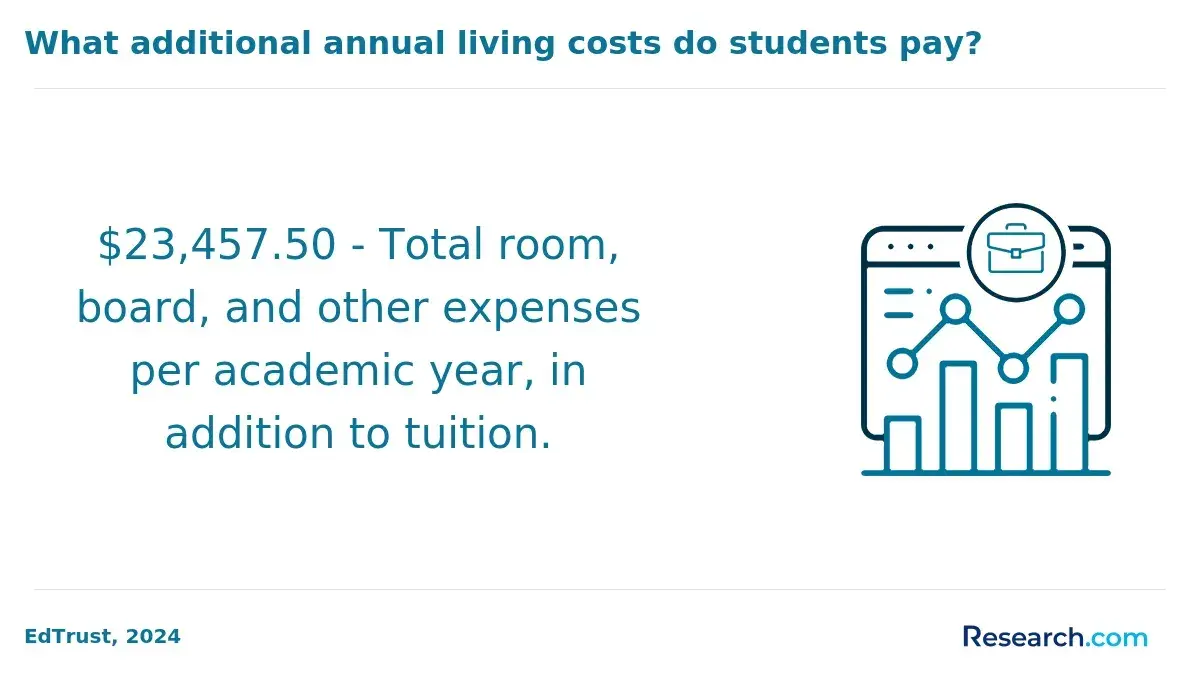
Tuition for self-paced online legal studies & law bachelor's degree programs varies by payment structure and school. Most institutions charge per credit, with rates generally between $300 and $600 each. Completing a typical 120-credit degree may therefore total $36,000 to $72,000 in tuition.
Alternatively, some schools offer flat-rate subscription models-often billing a fixed fee per six-month term-enabling students to take unlimited courses during that time. This approach can reduce expenses for accelerated learners but might increase costs for those who study more slowly.
- Technology Fees: These cover online platform access and support services, ranging anywhere from $50 to several hundred dollars per term depending on the school.
- Proctoring Charges: Remote exam monitoring fees typically apply per test, costing about $30 to $50 each.
- Course Materials: Essential textbooks, casebooks, and necessary software subscriptions often add several hundred dollars per semester beyond tuition.
- Administrative Fees: Registration and record-keeping fees vary widely by institution and may affect total cost.
Choosing between the lowest upfront tuition and the smallest overall expense hinges on study pace. A lower per-credit rate may become more costly if degree completion extends over many terms, whereas a subscription-based plan typically favors faster progress.
Many programs also allow credit transfers, prior learning assessments, or competency proofs, potentially reducing total credits and cost. Verifying eligibility for financial aid is crucial to understanding net expenses.
Reflecting on the tuition question, a professional who completed a self-paced online legal studies & law bachelor's degree shared, "Balancing work and coursework was challenging, but the subscription model motivated me to accelerate my learning."
She emphasized, "While the upfront costs felt manageable, unexpected fees like proctoring added up, so budgeting carefully is key." Her experience shows how pacing strategy and fee awareness deeply influence total investment, highlighting the importance of researching all cost components before enrolling.
What Financial Aid Options Are Available for Self-Paced Online Legal Studies & Law Bachelor's Programs?
Self-paced and competency-based online legal studies & law programs offer diverse financial aid options spanning federal, state, and institutional levels. Federal student aid is available but often hinges on program accreditation and how credit hours are defined-particularly for competency-based education (CBE) models.
These specifics affect eligibility for Title IV funding through FAFSA, so students must ensure their chosen program meets these requirements. Disbursement schedules for aid in self-paced formats may differ from traditional term-based programs, which can impact when funds become accessible.
Many states provide grants and scholarships to support online learners who satisfy residency and enrollment criteria, extending financial assistance to self-paced legal studies & law students. Colleges increasingly tailor aid packages for non-traditional learners, offering grants, scholarships, or flexible payment plans aligned with students' progress in competency-based models.
In addition, specialized scholarships from legal professional associations and foundations provide extra funding opportunities tailored to those pursuing legal studies & law degrees.
According to the College Board's most recent Trends in Student Aid report, over 85% of undergraduates receive some form of financial assistance, with growing inclusion of online and non-traditional study formats. Prospective students should proactively consult financial aid offices early to clarify eligibility, documentation, and timing nuances associated with flexible program structures to optimize their funding strategy.
- Federal Aid Eligibility: Availability depends on program accreditation and credit-hour policies, especially for CBE programs; applying through FAFSA remains necessary.
- State Grants and Scholarships: Numerous states offer funds to qualify online students, with criteria related to residency and enrollment within self-paced legal studies & law programs.
- Institutional Support: Colleges provide targeted financial aid to support competency-based and non-traditional learners, including grants, scholarships, and adaptable payment options.
- Discipline-Specific Awards: Legal associations and foundations grant scholarships focused on legal studies & law students, supplementing general financial aid resources.
- Early Verification: Due to varying disbursement schedules and eligibility rules, confirming aid details with financial aid offices before enrollment is essential.
How Do Competency-Based Education (CBE) Models Work in Self-Paced Online Legal Studies & Law Programs?
Competency-based education (CBE) models in self-paced online Legal Studies & Law programs focus on mastery of skills rather than time spent in class. Instead of traditional semesters measured by credit hours, students advance by passing assessments that demonstrate their knowledge and abilities in specific areas.
This model allows learners to progress at their own pace, moving forward as soon as they prove competence.
For financial aid, CBE programs translate learning into credit hours using two main methods: direct assessment and credit-hour-equivalent. Direct assessment programs evaluate learning outcomes independently of traditional credits, while credit-hour-equivalent models align competencies with standard academic credits, facilitating integration with federal financial aid systems.
Popular self-paced Legal Studies & Law programs using CBE include Western Governors University, Southern New Hampshire University, and Liberty University. These institutions employ project-based assessments, timed exams, and simulations that reflect real-world legal tasks. Faculty support varies, offering personalized coaching, mentorship, and online guidance. Their accreditation and positive employer recognition reinforce the credibility and value of their programs.
Success in a CBE environment requires strong self-discipline and excellent time management skills. Prospective students should evaluate if independent study suits their learning style before enrolling.
According to the National Center for EducationStatistics, enrollment in CBE programs increased by over 15% between 2017 and 2022, underscoring growing demand for flexible education pathways.
- Mastery Over Time: Students progress by proving skills through assessments rather than attending scheduled classes, allowing customized pacing.
- Financial Aid Models: Direct assessment and credit-hour-equivalent programs ensure eligibility for federal aid, impacting affordability.
- Assessment Types: Competencies are demonstrated via projects, exams, and simulations that mirror legal practice.
- Faculty Support: Mentorship and coaching provide tailored guidance despite the self-directed format.
- Student Suitability: Self-motivation and discipline are essential to thrive in CBE-driven online Legal Studies & Law programs.
What Accreditation Should a Self-Paced Online Legal Studies & Law Bachelor's Program Hold?
Accreditation is a pivotal factor when selecting a self-paced online legal studies & law bachelor's program, as it impacts the degree's recognition and value. Regional accreditation typically holds more prestige and is generally favored by employers and graduate schools specializing in legal fields.
The U.S. Department of Education acknowledges six regional accrediting bodies: Middle States Commission on Higher Education (MSCHE), New England Commission of Higher Education (NECHE), Higher Learning Commission (HLC), Southern Association of Colleges and Schools Commission on Colleges (SACSCOC), Western Association of Schools and Colleges Senior College and University Commission (WSCUC), and Northwest Commission on Colleges and Universities (NWCCU).
Some self-paced legal studies & law programs may also seek programmatic accreditation, although this is rare compared to professional law degrees accredited by the American Bar Association. Enrolling in nationally accredited or non-accredited programs presents risks such as limited credit transferability and diminished favorability among employers and graduate schools, which can restrict career advancement.
Prospective students should verify accreditation status through the U.S. Department of Education's accreditation database and the Council for Higher Education Accreditation's (CHEA) directory. This ensures enrollment in legitimate programs and avoids unrecognized or inferior options.
Many programs also incorporate competency-based education models, prior learning assessments, and flexible transfer credit policies, which can enhance the value and affordability of a self-paced online legal studies bachelor's degree.
For professionals seeking flexible certification options alongside their degree program, exploring 6 week certification programs online can be an efficient way to strengthen legal knowledge and credentials.
- Regional Accreditation: The gold standard for accreditation, providing broad recognition from employers and graduate programs in legal studies and law.
- National Accreditation: Generally less prestigious, often held by vocational schools, and may complicate credit transfers and acceptance by employers.
- Programmatic Accreditation: Exists for certain legal disciplines, especially professional law degrees, but is uncommon for self-paced legal studies bachelor's programs.
- Risks of Non-Accreditation: Degrees from non-accredited or nationally accredited programs can face rejection by employers and other institutions, limiting career and educational progress.
- Verification Resources: Use the U.S. Department of Education and CHEA online databases to confirm program accreditation before enrolling.
How Many Transfer Credits Can Be Applied Toward a Self-Paced Online Legal Studies & Law Bachelor's Degree?
Transfer credit policies for self-paced online legal studies and law bachelor's degree programs vary but are designed to maximize flexibility for working adults and non-traditional students. Most programs assess transfer credits through official transcripts, ensuring courses meet degree and accreditation standards.
Many schools accept up to 90 transfer credits, reducing both time and cost to degree completion. This credit transfer option for online law and legal studies bachelor's degrees appeals especially to those with prior college experience.
Military service members and veterans often benefit from credit awards based on the American Council on Education (ACE) recommendations, which translate military training and experience into college credits applicable to legal studies fields. Community college articulation agreements also provide smooth pathways for transferring core general education and introductory law courses, easing the transition into bachelor's-level study.
Prospective students should request a detailed transfer credit evaluation before enrolling. This evaluation clarifies how many credits will transfer and reveals the true remaining coursework and tuition cost, helping students plan their academic and financial paths more effectively.
- Generous Credit Limits: Programs typically accept up to 90 transfer credits, allowing substantial reduction in time and expense for qualified students.
- Military Training Credits: ACE guidance enables institutions to recognize military coursework and experiences for credit, benefiting active duty and veterans.
- Community College Partnerships: Articulation agreements support seamless credit transfer of foundational and general education courses into bachelor's programs.
- Course Alignment Evaluation: Transfer credits are reviewed for content relevance and accreditation compliance to meet degree requirements.
- Prior Evaluation Advisable: Securing an official transfer credit assessment before enrollment avoids unexpected credit shortfalls and associated costs.
For students exploring related fields, programs in architecture also offer flexible online pathways. For example, an architect degree online provides a similar model of transfer credit evaluation and flexible study options. Understanding these transfer policies across disciplines can further guide non-traditional students aiming for career advancement.
Can Students Earn Credit Through Prior Learning Assessment in Self-Paced Online Legal Studies & Law Programs?
Prior Learning Assessment (PLA) enables self-paced legal studies & law students to receive credit for knowledge gained through professional experience, military training, certifications, and independent study. Credits are awarded based on portfolio evaluations, challenge exams, or standardized tests such as CLEP and DSST.
This alternative credit process helps students accelerate degree completion and reduce costs.
More affordable programs are adopting flexible PLA policies. Western Governors University, for instance, allows up to 45 semester credits through PLA, encouraging detailed submissions of portfolios that demonstrate mastery. Southern New Hampshire University offers a simplified online process accepting challenge exams and CLEP credits.
Both universities rely on the American Council on Education's (ACE) credit recommendation system-which standardizes credit evaluations and is especially beneficial for military members and working professionals transferring credentials.
Students should carefully document their prior learning with thorough descriptions, official certificates, and evidence of skills to improve their chances for maximum credit awards. Between 2018 and 2023, online programs have seen a 30% rise in PLA utilization, reflecting growing acceptance of alternative educational pathways.
- Comprehensive Credit Recognition: PLA covers varied forms of prior learning verified through exams, portfolios, or certifications, offering multiple routes to earn college credit.
- Flexible Program Policies: Schools like Western Governors University and Southern New Hampshire University support up to 45 PLA credits with user-friendly submission methods tailored to adult learners.
- ACE Evaluation Support: The American Council on Education's standardized credit recommendations help ensure consistent PLA acceptance, particularly aiding military and professional students.
- Effective Documentation: Presenting detailed prior learning evidence-such as official certificates and competency demonstrations-is key to maximizing credit grants.
- Increasing Demand: PLA adoption in online legal studies & law degrees has grown notably, highlighting its role in enabling faster, more affordable academic progress.
What Concentrations or Specializations Are Available in Self-Paced Online Legal Studies & Law Bachelor's Programs?
Self-paced online legal studies & law bachelor's programs often offer several concentration options that align with various career paths and salary expectations based on BLS data. Selecting the right focus impacts coursework intensity and degree completion time, as some specializations demand more rigorous or experiential learning.
- Criminal Justice: Prepares students for roles in law enforcement, probation, or correctional facilities. Typical jobs include criminal investigators, with median salaries near $67,000. Some careers in this track may require additional training or certifications beyond the degree.
- Paralegal Studies: Equips graduates to assist attorneys as paralegals or legal assistants. Median wages average about $56,000 annually. Certification through organizations like NALA can improve employment prospects but is not universally required.
- Legal Research and Writing: Focuses on honing research and communication abilities suitable for compliance or administrative law roles. Intensive writing demands might extend study duration; however, no extra licensure is typically needed.
- Corporate and Business Law: Targets those interested in legal dimensions of business operations, offering pathways to contract management or compliance roles. Salaries often surpass $70,000, though some positions call for internships or further credentials.
- Environmental and Health Law: Centers on regulations affecting environmental protection and public health policy. Graduates may engage in advocacy or policy development, with some jobs requiring specialized certifications or hands-on experience.
Balancing personal interests with labor market demand and credentialing requirements is key. Choosing a concentration with demanding coursework or experiential components may lengthen study timelines within self-paced formats, which otherwise offer considerable flexibility.
What Graduates Say About Self-Paced Online Legal Studies & Law Bachelor's Degree Programs
- Orlando: "Choosing a self-paced online legal studies & law bachelor's degree was a game-changer for me because it allowed me to balance work and study without feeling overwhelmed. The affordable tuition made it accessible while still delivering quality education. Since graduating, I've confidently taken on new responsibilities at my firm that I never thought possible before starting this program."
- Zion: "I appreciated the flexibility of the self-paced format, especially since I was transitioning careers and needed time to adapt to the legal field's demands. The cost was reasonable compared to traditional programs, which felt like a smart investment in my future. Earning this degree opened doors to a variety of legal positions and gave me the credibility to advance professionally in a competitive industry."
- Wyatt: "The self-paced online legal studies & law degree suited my busy lifestyle and allowed me to learn at my own speed-a key factor in my success. I was pleased with how cost-effective the program was, making an advanced education more attainable. This degree not only enhanced my understanding but also significantly boosted my career prospects, giving me the confidence to pursue leadership roles."
Other Things You Should Know About Legal Studies & Law Degrees
Self-paced online legal studies & law bachelor's programs typically utilize learning management systems (LMS) like Blackboard, Canvas, or Moodle to deliver course materials and assessments. These platforms allow students to access lectures, readings, and assignments at any time, facilitating asynchronous learning. Some programs also incorporate virtual simulations and interactive case studies to provide practical legal skills in an online environment. Mobile compatibility is often prioritized to support learning on a variety of devices.
These programs offer flexibility by allowing students to progress at their own speed, accommodating irregular work schedules and family obligations. Many schools provide academic advising tailored to adult learners, including access to tutoring, peer support groups, and career services. Transfer credit policies and prior learning assessments frequently help reduce time and cost to degree completion. Financial aid eligibility and payment plans may also be designed to assist non-traditional students balancing education and employment.
The return on investment (ROI) of self-paced online legal studies & law degrees is often favorable due to lower overall costs and the ability to maintain employment while studying. Tuition for online programs may be less expensive, with reductions in commuting and housing expenses. Self-paced formats enable quicker completion for motivated students, which can lead to faster entry into higher-paying positions. However, it is important to consider program accreditation and reputation, as these factors significantly influence future career value.
References
- How long does it typically take to complete an online paralegal training course? - Answers https://www.answers.com/Q/How_long_does_it_typically_take_to_complete_an_online_paralegal_training_course
- CBE Crash Course Lesson 1: What is Competency-Based Education? https://www.wgulabs.org/posts/lesson-1-what-is-competency-based-education
- Can I transfer credits from other courses towards the Qcf Level 3 + Level 4 Diploma in Law online? https://www.lsib.co.uk/2022/answers.aspx
- How You Choose Between Traditional and Online Paralegal Programs - Paralegal College | Center for Advanced Legal Studies https://paralegal.edu/blog/how-you-choose-between-traditional-and-online-paralegal-programs/
- 18 Best ABA Accredited Online Law Schools – 2024 https://www.collegetransitions.com/blog/aba-accredited-online-law-schools/
- Pros and Cons of Getting a Legal Degree Online https://onlinemasteroflegalstudies.com/mls-degrees/pros-and-cons-of-online-legal-degrees/
- Online Law Degree | Admissions https://admissions.pgc.edu/online-law-degree/
- Home https://www.legalstudies.com/
- Portals https://apply.studyinnc.com/s/program/a0u8d000005xo21AAA/private-law
- 8 Impressive ABA-Approved Online Law School Options https://www.studentloanplanner.com/aba-accredited-online-law-schools/