2027 Is a 2-Year Curriculum & Instruction Degree Worth It: Accelerated Bachelor's ROI & Time Trade-Offs

Co-Founder and Chief Data Scientist
Many prospective students struggle to determine if a 2-year curriculum & instruction degree justifies the accelerated timeline and financial investment. Recent data shows that graduates from accelerated education programs increase their earning potential by 15% within the first five years compared to traditional tracks. However, time saved may come with increased workload and stress.
This article explores the actual return on investment for accelerated bachelor's degrees in curriculum & instruction, comparing time trade-offs and long-term career benefits. Readers will gain a clear understanding of whether this path aligns with their professional goals and financial expectations.
Key Benefits of a 2-Year Curriculum & Instruction Degree
- Completing a 2-year accelerated curriculum & instruction degree often leads to faster entry into teaching roles, boosting lifetime earnings by reducing opportunity costs compared to longer programs.
- The condensed timeframe supports early career advancement, potentially increasing ROI as graduates leverage practical skills and certifications sooner.
- On average, curriculum & instruction graduates with accelerated degrees benefit from a 10-15% higher salary growth rate within five years due to targeted pedagogical training and efficient credentialing.
How Do 2-Year Curriculum & Instruction Programs Work?
Accelerated two-year curriculum & instruction degree programs offer a fast-tracked route to earning a bachelor's degree by compressing coursework and providing flexible scheduling tailored for busy learners. For those evaluating this pathway, understanding the program's structure, pacing, and demands helps align expectations with career and financial goals. Here's a detailed look at how these programs function.
- Accelerated pacing: Students undertake a heavier credit load each term, often 15 to 18 credits or more, enabling quicker progress toward degree completion compared to traditional timelines.
- Year-round enrollment: Continuous study through fall, spring, and summer terms without lengthy breaks allows students to reduce overall graduation time, sometimes by half.
- Condensed course terms: Courses are delivered in shorter blocks, typically lasting 5 to 8 weeks instead of standard 15-week semesters, creating intensive learning periods.
- Instructional format: Programs offer flexibility with in-person, fully online, or hybrid formats, accommodating working adults balancing education with other responsibilities.
- Assessment methods: Continuous evaluation through project-based assignments, discussions, and periodic exams align with the compressed schedule, requiring disciplined time management.
- Curriculum progression: Structured sequencing covers essential theories and practical teaching skills efficiently, demanding strong commitment to stay on pace.
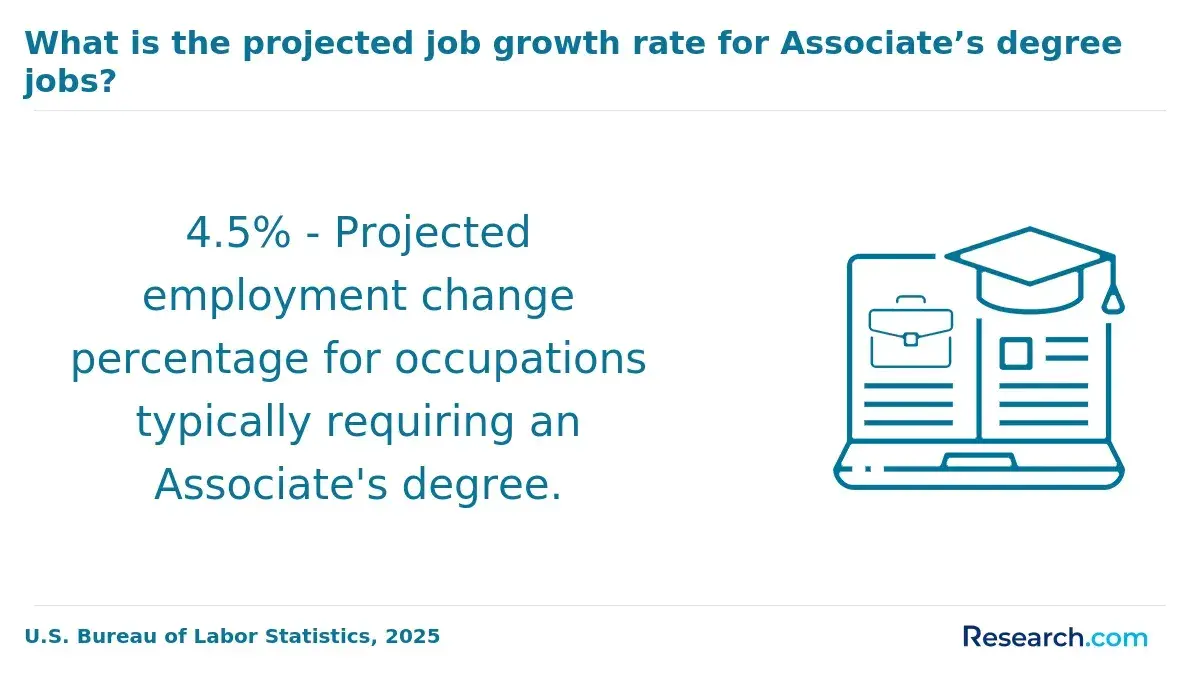
These features define the accelerated 2-year curriculum instruction degree structure and highlight the intensive coursework and admissions for 2-year education programs. Prospective students benefit from understanding this rigorous format, which matches the growing demand for education professionals, projected to grow 7% through 2032 by the U.S. Bureau of Labor Statistics.
For those examining options beyond education, programs like a pharmacy degree online also utilize accelerated models to expedite degree completion.
What Are the Admission Requirements for a 2-Year Curriculum & Instruction Degree?
Knowing the admission requirements for an accelerated bachelor's degree in curriculum and instruction is crucial for students aiming to streamline their path into education careers. These requirements help ensure candidates have the preparation needed to succeed in an intensive, condensed program. Below is a detailed breakdown of typical expectations for students exploring how to get accepted into a 2-year curriculum and instruction program.
- Prior Education: Applicants usually must have some college credits or an associate degree, demonstrating foundational knowledge for accelerated study. This helps programs maintain academic standards for condensed curriculums.
- GPA Expectations: A minimum GPA of approximately 2.5 to 3.0 is common, reflecting readiness for the demands of an intensive paced program and supporting academic success.
- Standardized Tests: Most accelerated degree programs waive SAT or ACT requirements, especially for transfer students and working adults. However, some programs might require placement tests in key areas like English or math to verify preparedness.
- Prerequisite Coursework: Foundational courses such as introductory education, general psychology, or communication classes are often required to qualify, providing essential background for advanced curriculum topics.
- Work Experience: While not usually mandatory, relevant experience in educational settings, such as tutoring or classroom assistance, can strengthen applications by demonstrating practical engagement with learning environments.
According to the National Center for Education Statistics, accelerated degree programs can save students one to two years compared to traditional paths, which may affect admission criteria and selectivity.
For those interested in advancing further after an accelerated program, exploring specialized pathways like BSN to DNP programs can expand career opportunities beyond initial teaching roles.
What Does a Typical Week Look Like in a 2-Year Curriculum & Instruction Program?
Gaining a clear picture of the weekly demands in an accelerated 2-year curriculum & instruction program helps prospective students weigh the intensity against their personal and career goals. These programs compress traditional timelines, requiring dedicated effort and efficient time use. Below is a detailed look at the core components that structure a typical week in this fast-paced environment.
- Class Sessions: Students attend multiple lectures or workshops each week, usually lasting 60 to 90 minutes. Topics focus on foundational teaching strategies, educational psychology, and designing curricula, with an emphasis on interactive learning.
- Assignments and Assessments: Regular tasks involve creating lesson plans, writing reflective papers, completing quizzes, and engaging in project-based evaluations. These assessments are designed to deepen understanding and practical skills.
- Group Collaboration: Peer teamwork is frequent, with students jointly developing educational approaches and delivering presentations. This nurtures communication skills and professional cooperation.
- Independent Study: Significant time is devoted to reviewing readings, analyzing educational research, and exam preparation. Managing this outside workload is essential for success.
- Instructor Interaction: Frequent but focused communication occurs during office hours or via digital platforms, providing feedback and clarifying coursework.
- Time Management: Effectively balancing coursework with personal and work responsibilities demands strong organizational skills and discipline throughout the accelerated timeline.
When asked about his experience, a professional who completed a 2-year bachelor's in curriculum & instruction recalled, "The pace felt relentless at times-I often had to plan my days down to the hour just to keep up." He described the challenge of integrating group projects amid heavy individual assignments, saying, "Coordinating with classmates who had varying schedules required patience and clear communication."
Despite the intensity, he found the concise format motivated him to stay focused: "Knowing the end was just two years away pushed me to be disciplined, even when it was exhausting." His reflections highlight how demanding yet rewarding the compressed structure can be for those ready to commit fully.
Choosing between online and hybrid formats for accelerated curriculum & instruction programs significantly impacts flexibility, accessibility, and time management for students. These delivery methods accommodate diverse schedules and learning preferences, making it easier to balance education with other commitments. The following points highlight key aspects of online 2-year curriculum & instruction programs.
- Fully Online vs. Hybrid: Fully online programs allow students to complete coursework remotely, while hybrid models blend online study with occasional in-person sessions. This variety offers options based on personal learning styles and availability.
- Asynchronous and Synchronous Learning: Asynchronous components enable learners to access materials at any time, promoting self-paced progress. Synchronous sessions, such as live discussions or virtual labs, encourage interaction and deeper engagement with instructors and peers.
- Technology Essentials: Reliable internet and a computer capable of video conferencing are necessary for participation. Most programs also require access to online learning platforms where assignments, resources, and communication tools are centralized.
- Student Support Services: Comprehensive support often includes academic advising, technical help, and digital libraries, which help maintain student focus and success throughout the program.
- Pacing and Engagement: Online formats can accelerate degree completion by offering greater control over learning speed, though self-discipline is crucial to stay on track. Interactive elements help sustain motivation and a sense of community despite physical distance.
Evaluating the total cost of an accelerated 2-year curriculum and instruction degree is essential to determine its return on investment (ROI). This cost encompasses more than tuition, including fees, textbooks, technology, and other learning materials, all of which impact a student's overall financial commitment. Understanding these factors can help prospective students decide if an accelerated program aligns with their career goals and budget.
- Tuition structure: Tuition for accelerated curriculum and instruction programs is typically charged per credit hour, similar to traditional degrees, but the compressed terms allow students to finish in about half the time. This accelerated timeline may reduce living expenses but requires a heavier course load each term.
- Fees: Additional costs such as registration, technology access, and lab fees usually remain consistent with traditional programs but are concentrated within a shorter period, resulting in higher upfront expenses.
- Textbooks and learning materials: The intensive pace of accelerated programs can increase the immediate need for multiple textbooks and resources, potentially raising costs compared to spreading purchases over a longer timeframe.
- Technology and lab expenses: Some courses may require specialized software or lab access, which adds to the total cost. These fees often come bundled with regular program charges but can be more noticeable within compressed schedules.
- Cost comparison: When considering the cost of accelerated curriculum and instruction programs, it's important to weigh potential savings from shorter enrollment against possibly higher per-term expenses. For those seeking a low cost medical coding and billing online program, similar financial considerations apply in balancing affordability and timeline.
Financial aid can significantly influence a student's decision to pursue an accelerated bachelor's degree in curriculum & instruction, given the intensive nature and upfront costs of these programs. Access to various funding sources helps manage expenses and supports timely program completion. Below are key financial aid options and considerations for those evaluating these pathways.
- Federal Student Aid: Eligible students enrolled at least half-time may qualify for Pell Grants and federal loans. However, accelerated schedules can alter standard disbursement timings, requiring students to stay in close contact with financial aid offices to maintain eligibility.
- Scholarships: Many institutions and organizations offer scholarships aimed at future educators, often rewarding academic achievement, financial need, or dedication to teaching careers. These awards can substantially lower out-of-pocket costs and sometimes prioritize students in accelerated programs.
- State Grants: State education departments frequently provide grants, especially for students entering high-demand teaching specialties. These grants bolster support for accelerated learners who meet specific criteria tied to workforce needs.
- Employer Tuition Assistance: Working adults can explore tuition reimbursement programs offered by employers. Such assistance may cover part or all of the coursework, easing financial pressures during the condensed study period.
- Institutional Payment Plans: To manage the cost of faster-paced programs, many schools offer flexible payment arrangements. These plans break down payments into manageable installments aligned with shorter academic terms.
I recently spoke with a professional who completed an accelerated bachelor's degree in curriculum & instruction within two years. She emphasized that navigating financial aid was challenging but crucial to her success. "Keeping track of the changing loan disbursement schedules meant I had to be proactive and organized," she shared.
She also highlighted how combining scholarships with employer tuition benefits made a real difference. "It wasn't easy balancing work, study, and paperwork, but having these resources helped me focus on finishing quickly without being overwhelmed by debt." Her experience underscores that while financial aid options exist, they often require active management and thoughtful planning throughout an accelerated program.
Carefully evaluating career outcomes is essential when considering the value of an accelerated curriculum & instruction bachelor's degree. Understanding the types of jobs accessible with a 2-year curriculum and instruction degree jobs can clarify how well this pathway aligns with your professional goals. The following overview highlights entry-level and early-career roles common among graduates and how the accelerated format supports workforce readiness.
- Teacher Aides: Graduates often start as teacher aides, assisting lead teachers in classroom management and individualized student support. This role builds practical experience in educational settings such as K-12 schools.
- Instructional Coordinators Assistants: These professionals help develop and implement curriculum plans, supporting coordinators in refining teaching strategies. Their work often involves research and data collection to improve educational outcomes.
- Curriculum Support Specialists: Specialists provide hands-on assistance with lesson planning, assessment techniques, and integrating educational technology. These skills gained from accelerated programs enable swift adaptation to evolving instructional needs.
- Educational Program Coordinators: Coordinators manage community education initiatives or nonprofit programs, organizing resources and activities that enhance learning opportunities beyond traditional classrooms.
The practical emphasis of an accelerated curriculum & instruction degree promotes skill application in real-world contexts, preparing graduates to contribute effectively from the outset. This focused approach often reduces the time to completion by 1 to 2 years, which can lead to earlier career entry and advancement opportunities. For individuals exploring career options with accelerated curriculum degree programs, this is a considerable advantage highlighted by data from the National Center for Education Statistics.
While a 2-year degree may not directly qualify graduates for licensed teaching positions, it lays a solid foundation for further certifications or advanced degrees. The Bureau of Labor Statistics forecasts growing demand in education roles centered on curriculum expertise, underlining the value of foundational, skill-based qualifications.
For those concerned about cost, considering the cheapest online healthcare administration degree can offer insight into affordable program options in related fields, helping students balance investment and career outcomes.
Salary outcomes play a crucial role in evaluating the return on investment (ROI) when choosing between accelerated and traditional degree paths. For prospective students considering a 2-year curriculum and instruction degree salary comparison, understanding the financial implications is essential to making an informed decision. Below is a detailed comparison of earnings and career impacts based on industry data and trends.
- Early-career earnings: Graduates with accelerated curriculum and instruction degrees often start with lower salaries, typically ranging from $40,000 to $50,000 annually, as many employers prioritize candidates holding traditional bachelor's degrees. Positions for elementary and kindergarten teachers, which generally require bachelor's degrees, have median wages around $61,000 according to the U.S. Bureau of Labor Statistics (BLS, 2023).
- Long-term earning potential: Traditional degree holders usually see higher salary growth over time due to better access to promotions and advanced certifications. Their median earnings can increase beyond $70,000 annually with experience, partly because career advancement in education is often tied to continued education, which two-year accelerated programs may not support as effectively.
- Employer perception: Many employers regard traditional bachelor's degrees as more comprehensive, making those graduates more competitive for roles with higher pay and leadership responsibilities. Accelerated program graduates might need additional qualifications to compete equally for such opportunities.
- Career progression timelines: The longer study period required for traditional degrees aligns with a more gradual but steady career trajectory, often culminating in roles with greater responsibility and compensation. Conversely, accelerated degree holders enter the workforce sooner but may encounter slower advancement unless they pursue further education.
- Faster workforce entry and lifetime earnings: Entering the workforce earlier can help graduates of 2-year accelerated curriculum and instruction programs accumulate experience more quickly, potentially boosting cumulative lifetime earnings. This factor partially offsets lower starting salaries but may not fully bridge the gap created by slower long-term salary growth.
Prospective students should carefully weigh this accelerated curriculum and instruction degree earnings vs traditional bachelor's data, balancing quicker entry and lower upfront costs against potential limitations in career progression.
For those exploring advanced degrees to supplement their education path, exploring cheapest DNP programs online can be a strategic next step to enhance credentials and salary prospects.
When evaluating accelerated curriculum & instruction degree programs, understanding the return on investment (ROI) is essential. Making an informed choice ensures the time and money spent align with career aspirations and financial goals. Below are key factors that shape the ROI for these accelerated degrees.
- Time-to-Completion: Shortened program lengths, typically around two years compared to traditional four-year degrees, allow students to finish quicker. This faster completion reduces the time out of the workforce, helping students start earning sooner.
- Tuition and Total Cost: Accelerated programs often have lower tuition and associated expenses due to fewer semesters and the availability of cost-effective public or online options. Reduced enrollment time also decreases costs for books, fees, and living expenses.
- Opportunity Cost Savings: Being in school for less time lowers the potential income lost by not working full-time. Additionally, many students can maintain part-time or full-time employment while studying, enhancing financial stability and limiting debt.
- Employment Outcomes and Salary Growth: Job growth in education-related fields remains steady, and graduates with practical skills and certifications from accelerated programs have access to competitive starting salaries. These salaries are likely to increase over time with experience and further credentials.
- Industry Demand: High-need teaching areas such as special education and STEM create strong demand for skilled instructors. This demand translates to better job security and often higher pay for graduates focused on these fields.
- Transferability of Skills: Skills gained-including curriculum design, assessment techniques, and instructional technology proficiency-expand career possibilities. Graduates can pursue opportunities both inside and beyond traditional K-12 education settings.
Choosing a 2-year curriculum & instruction degree involves assessing your ability to manage an accelerated learning pace, which compresses four years of material into about two. Consider whether your study habits and time management skills support intensive coursework without compromising understanding or well-being. Evaluate your availability and urgency to enter the education workforce; this path may offer faster employment but requires dedication to handle a demanding schedule. Reflect on how this format aligns with your personal and professional goals, ensuring you are prepared for the condensed structure and workload.
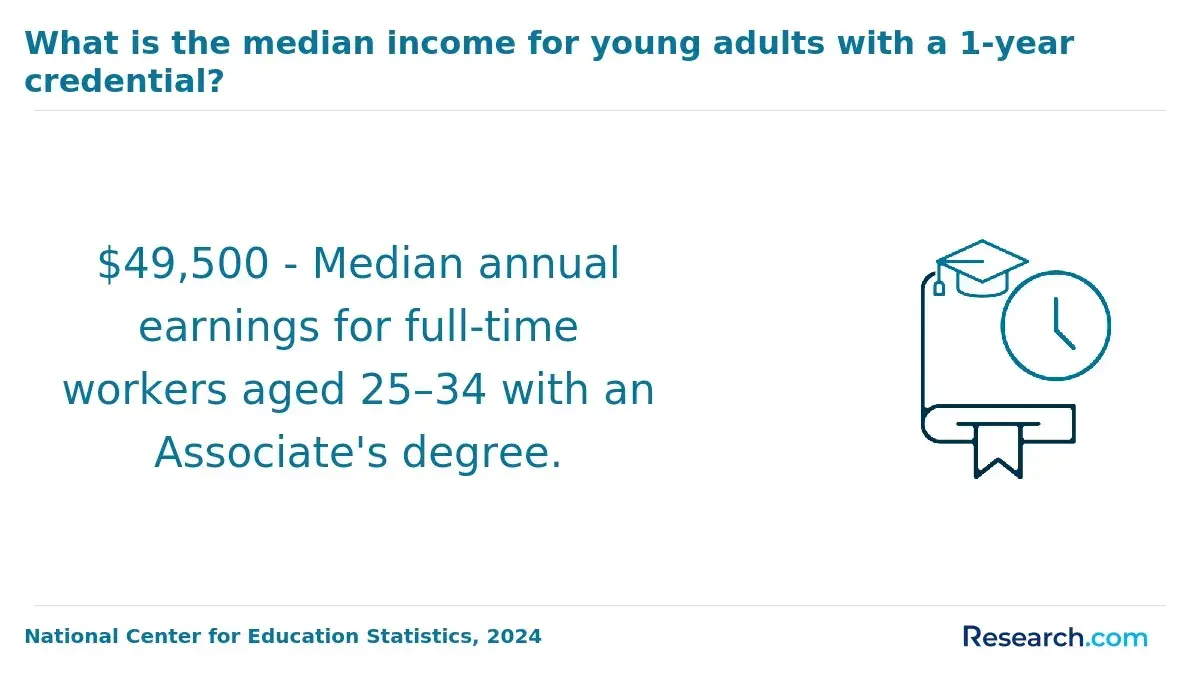
From a financial standpoint, accelerated programs often cut tuition by roughly 25-30%, though additional fees should be factored in to calculate the total cost. When weighing return on investment, note that bachelor's degree holders typically earn about 20% more than those with associate degrees according to recent labor statistics. It's important to verify if local teaching certifications require qualifications beyond an accelerated degree to avoid future obstacles. Long-term flexibility also matters; ensure the degree supports your career advancement and complies with employer expectations within the education field.
What Graduates Say About Their 2-Year Curriculum & Instruction Degree
- Jane: "I was initially skeptical about completing a curriculum & instruction degree in just two years, but the accelerated option fit my goal of re-entering the workforce swiftly. The rigorous pace required me to prioritize and stay organized, which ultimately sharpened my professional skills. The degree has boosted my credibility and allowed me to influence curriculum development more directly, making a noticeable impact on my career trajectory."
- Rebecca: "When I started the 2-year curriculum & instruction degree, I was juggling work and family, so speed and flexibility were essential. The program's structure demanded discipline, but I developed effective time management strategies that made it possible to excel without burning out. Given the reasonable average cost of attendance, it felt like a smart investment, and it's opened doors to leadership roles in education that I hadn't imagined before."
- Kyle: "Choosing the 2-year accelerated curriculum & instruction program was a game-changer for me. I wanted to dive into teaching quickly without sacrificing the quality of education, and this program delivered just that. Balancing the intense schedule was tough, but the manageable course loads and clear deadlines helped me stay on track. Now, as a certified educator, I've gained confidence and a competitive edge that's been invaluable in my school district."
Other Things You Should Know About Curriculum & Instruction Degrees
Entry requirements for an accelerated curriculum & instruction degree in 2027 typically include a completed bachelor's degree in a related field, a minimum GPA of 3.0, and relevant teaching experience. Specific prerequisites may vary by institution, so check the program's detailed requirements.
By 2027, 2-year curriculum & instruction degrees may offer competitive job placement rates due to their practical focus and faster completion. Schools often partner with educational organizations, enhancing employment opportunities right after graduation through hands-on experiences and industry connections.
- 7 Careers You Can Pursue with a Master’s in Curriculum and Instruction https://www.pointloma.edu/resources/education/7-careers-you-can-pursue-masters-curriculum-instruction
- Accelerated BA/MAT Program - Education and Teacher Preparation https://teaching.camden.rutgers.edu/accelerated-ba-mat-program/
- Can You Get a Bachelor's Degree in 2 Years or Less? https://www.coursera.org/articles/can-you-get-a-bachelors-degree-in-2-years
- Curriculum & Instruction: M.Ed. - Master of Education | UVA School of Education and Human Development https://education.virginia.edu/academics/programs/curriculum-instruction-med-master-education-online
- Which Teaching Degree Is Right for Me? | All Education Schools https://www.alleducationschools.com/blog/teaching-degree-comparison-chart/
- The ROI of Learning: How to Measure the Impact of Education on Business Growth https://www.pearsonaccelerated.com/blog/the-roi-of-learning.html
- 2-Year Ed.D. Programs - Browse All at EdDPrograms.org https://www.eddprograms.org/schools/2-year/
- Accelerated 4+1 Pathways https://elementaryeducation.buffalostate.edu/4plus1
- How We Calculated the Return on Investment of Associate Degrees and Certificates - Freopp https://freopp.org/whitepapers/how-we-calculated-the-return-on-investment-of-associate-degrees-and-certificates/
- Comparing Two-Year vs. Traditional Teaching Degrees https://www.athenacareers.edu/two-year-programs-vs-traditional-routes-how-to-earn-your-teaching-degree/