2027 Accelerated vs. Traditional Curriculum & Instruction Degrees: Pros & Cons

Co-Founder and Chief Data Scientist
Choosing between accelerated and traditional curriculum & instruction degrees involves weighing key pros and cons. Accelerated programs attract working adults and career changers aiming to finish quickly, often within one to two years.
In contrast, traditional programs typically offer a more measured pace, allowing deeper academic engagement and flexibility, catering to students balancing study with other life commitments.
Recent data show accelerated learning formats in education have grown by over 25% in the U.S., reflecting demand for expedited credentials. This article compares time commitment, learning experiences, career outcomes, and essential factors students must consider to select the best curriculum & instruction degree path for their goals.
Key Points About Accelerated vs. Traditional Curriculum & Instruction Degrees
- Accelerated curriculum & instruction degrees offer flexibility for working professionals, enabling faster career advancement by completing requirements in less time without sacrificing essential content.
- Traditional programs promote deeper academic engagement, allowing students to build strong peer networks and collaborate extensively throughout a balanced, paced learning process.
- Cost efficiency benefits accelerated learners by reducing tuition and living expenses, while traditional formats support thorough skill mastery suited for students preferring steady progression.
What Are the Differences Between Accelerated vs. Traditional Curriculum & Instruction Programs?
Accelerated and traditional curriculum & instruction programs differ markedly in structure, particularly in pacing, scheduling, and learning intensity. These differences create distinct academic experiences tailored to varying student needs.
The key differences between accelerated and traditional curriculum & instruction degrees can be summarized across several core components:
- Course Intensity: Accelerated programs move at a rapid pace, compressing content into shorter terms with minimal breaks. This demands sustained focus and a heavy workload, facilitating faster skill acquisition. In contrast, traditional formats spread courses over longer periods.
- Learning Environment and Support: Students in accelerated programs often encounter limited access to extracurricular activities and mentorship due to fast pacing. Traditional students benefit from greater campus involvement, tutoring, and mentorship opportunities that foster deeper academic engagement and networking.
- Flexibility and Structure: Many accelerated curriculum & instruction program structures offer online or hybrid options, accommodating professionals or those with family commitments, though they may require temporarily setting aside outside responsibilities. Traditional programs typically follow a more fixed, classroom-based schedule.
These contrasts highlight how the accelerated curriculum & instruction program structure vs traditional format influences not only how students learn but also the nature of their academic life.
For those interested in exploring fast-track options, a helpful resource is available for one year masters programs online.
How Fast Can You Finish an Accelerated vs. Traditional Curriculum & Instruction Program?
Program length varies significantly between accelerated and traditional curriculum & instruction degrees. Accelerated formats condense coursework into shorter terms, allowing students to complete their studies faster, while traditional paths follow a more standard academic pace.
A comparison of completion timelines shows that accelerated master's degrees in curriculum & instruction can typically be completed in as little as 12-14 months, whereas traditional master's programs usually take about 2 years of full-time study.
Understanding how long does a traditional curriculum & instruction program take compared to accelerated completion time can help students select the best path for their careers.
Below, we have outlined some of the factors that can affect the completion time of a program.
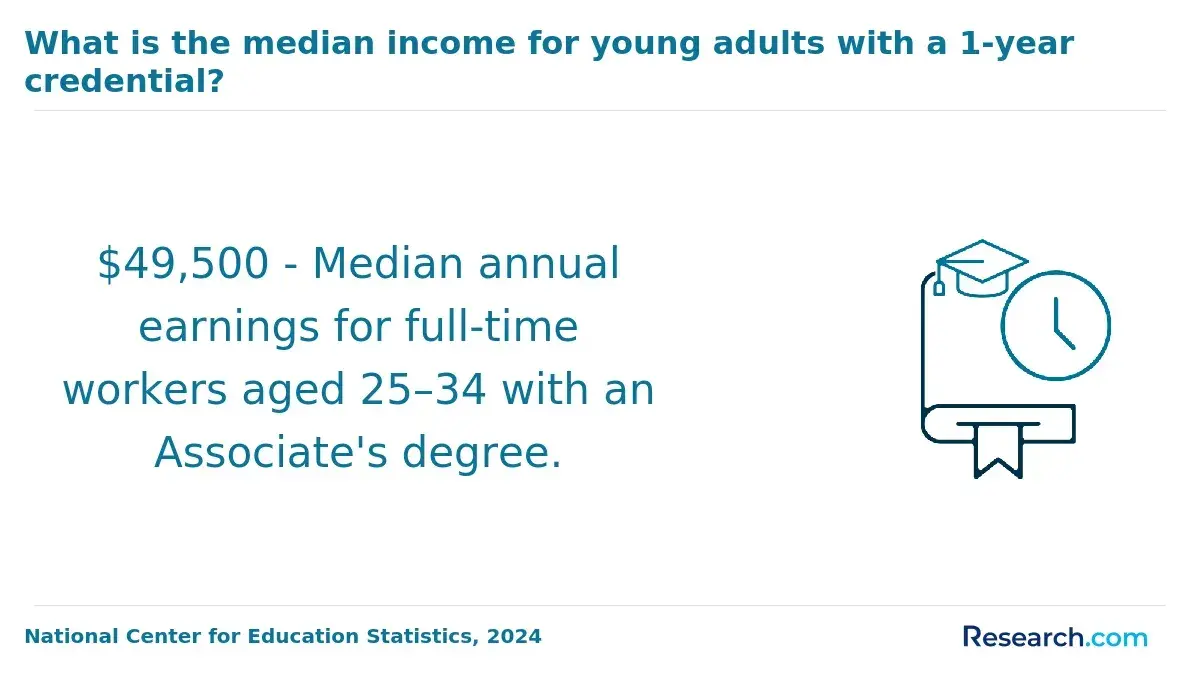
- Transfer Credits: Students with prior coursework or an associate degree may finish much faster, especially in accelerated programs that accept more transfer credits. Transfer credits reduce the total coursework needed and thus shorten program duration.
- Full-Time vs. Part-Time Enrollment: Full-time enrollment is typically required for accelerated tracks, allowing students to finish quickly, while part-time students generally need more time regardless of the program format.
- Course Intensity: Accelerated programs compress content into shorter, more intensive terms requiring year-round study, whereas traditional programs spread courses over longer semesters with lighter loads.
- Program Format: Online and hybrid options offer flexibility, but accelerated timelines demand a higher weekly commitment, which can be challenging for some students.
- Personal Commitments: Students balancing work or family responsibilities may require additional time, as accelerated programs offer less room for breaks or part-time work commitments.
For those unsure about degree options or alternative routes to enhance their education quickly, exploring online certifications that pay well without a degree can be valuable.
What Are the Admission Requirements for Accelerated vs. Traditional Curriculum & Instruction Programs?
Admission requirements for accelerated and traditional curriculum & instruction programs often share foundational academic standards, including GPA thresholds, test scores, and prerequisite coursework.
However, they differ in how they evaluate academic readiness, prior experience, and a candidate's ability to adapt to the program's pace. These differences shape the overall admissions process and candidate expectations.
Below are key distinctions in admissions criteria for accelerated versus traditional curriculum & instruction programs.
- Academic Performance: Accelerated programs commonly require a higher minimum GPA, typically around 3.0 or above, to ensure students can succeed in an intensive format. Traditional programs often accept a wider GPA range, accommodating students aiming for a more gradual progression.
- Readiness and Coursework: Students in accelerated pathways may start graduate-level courses during their undergraduate studies and must maintain specific grades, such as a minimum B, to continue. Traditional curriculum & instruction programs generally begin graduate coursework only after completion of a bachelor's degree.
- Application Timing and Process: Accelerated programs allow for flexible entry points-including as freshmen or after key prerequisites-and may require committee review or advisor approval to confirm readiness. Traditional programs have set deadlines post-graduation and often simpler application procedures.
- Prior Experience and Motivation: Accelerated formats are designed for highly motivated individuals, such as career changers or working professionals, who demonstrate readiness for a condensed schedule. Traditional programs generally support first-time students seeking step-by-step advancement in education.
- Standardized Testing: Transfer students in accelerated programs may need to submit scores from tests like the SAT, ACT, GRE, or MAT, especially if applying after their second undergraduate year. This requirement is less common in traditional admissions, which may waive recent test scores for those holding a bachelor's degree.
These requirements can influence a student's choice between program types, depending on their academic background and professional goals.
Prospective students looking for flexible and affordable options might explore available associates degree online cheap programs as part of their educational pathway planning.
Accelerated curriculum & instruction programs condense the same material found in traditional degrees into a shorter period, typically completing a master's in 12 to 18 months instead of 2 to 3 years.
These programs differ significantly in pace, workload, and delivery methods, offering a faster path to graduation for those with focused time management skills.
Key structural differences include:
- Course Length: Accelerated programs finish coursework much faster, demanding students handle heavier loads each term with fewer breaks, ideal for professionals seeking rapid advancement. Traditional programs extend over multiple years, allowing learners more time for reflection and external activities.
- Weekly Workload: The intense schedule of accelerated formats requires strong dedication and limits part-time work or extracurriculars, whereas traditional programs spread assignments over longer periods, supporting balanced academic and personal lives.
- Instruction Style: Accelerated degrees often utilize online, evening, or weekend classes to fit working students' schedules, sometimes mixing in-person elements. Meanwhile, conventional programs feature regular semesters with greater face-to-face engagement and networking opportunities.
Both formats maintain academic quality by covering the same core credits and adhering to accreditation standards, ensuring consistent learning outcomes despite their structural differences.
Tuition rates and overall expenses can vary notably between accelerated and traditional curriculum & instruction programs. While per-credit costs are often comparable, accelerated programs usually cost less overall due to their shorter duration and fewer semesters.
Below are key cost-related factors comparing accelerated and traditional program formats:
- Tuition Rate per Credit: Both accelerated and traditional curriculum & instruction master's programs commonly charge similar tuition per credit, typically ranging from $340 to $600 based on the school.
- Program Duration and Total Cost: Accelerated programs allow students to complete their degree in about 12-18 months, reducing the number of terms billed. This often cuts total tuition fees nearly in half compared to traditional programs, which usually take two years or longer.
- Living Expenses: Because accelerated programs shorten time spent in school, students save on housing and everyday costs. Fewer months enrolled means significantly decreased living expenses during study.
- Opportunity Cost: Finishing faster enables accelerated program students to return to or progress in the workforce sooner, minimizing lost income and potentially accelerating salary growth sooner than those in longer programs.
- Financial Aid Availability: Both program types generally qualify for federal financial aid, but traditional programs may offer more opportunities for scholarships or grants tied to longer enrollment periods.
Students pursuing both accelerated and traditional curriculum & instruction degrees in the US may qualify for financial aid, but eligibility requirements and disbursement timelines often differ depending on program length and enrollment status. Understanding how aid applies in each format is crucial for planning finances effectively.
Here are key distinctions in financial aid options for these programs:
- Federal Aid Eligibility: Both program types can access federal loans and grants if enrolled in at least six credits per semester, but accelerated students must watch for shorter terms impacting aid timing.
- Scholarship Timelines: Traditional students benefit from a longer period to apply for university and external scholarships, while accelerated students may qualify for unique scholarships linked to employers, military, or alumni networks.
- Employer Tuition Assistance: More frequently available to accelerated students who balance work and studies, with some employers offering reimbursement for completing fast-track programs.
- Aid Disbursement and Renewal: Accelerated programs' condensed schedules can affect when financial aid is released and require careful monitoring to maintain eligibility throughout the program.
When I spoke with a professional who completed an accelerated curriculum & instruction degree, he shared how navigating the financial aid process was both challenging and rewarding.
"Since the semesters were shorter, I had to be very proactive about submitting FAFSA documents early to ensure my loans disbursed on time," he explained. He added that employer tuition assistance was a vital support while juggling work and study commitments.
Reflecting on the experience, he said, "The speed of the program meant my living expenses were compressed, but finishing sooner helped me return to full-time employment faster. Overall, financial aid was essential, but staying organized and attentive to deadlines made all the difference."
Student support is essential for academic achievement, and Curriculum & Instruction programs vary significantly in how they provide these services. Accelerated and traditional formats differ in timing, type, and delivery of support, affecting how students engage with available resources.
The following comparisons highlight common support systems across both program types.
- Academic Advising: Traditional programs offer ongoing, relationship-based advising over multiple semesters, allowing students to build sustained mentoring connections. Accelerated programs deliver advising in an intensive, immediate manner, focusing on urgent needs within a shorter timeframe.
- Tutoring: In traditional settings, tutoring is flexible and preventative, providing opportunities to address skills before gaps widen. Accelerated formats emphasize just-in-time tutoring, targeting specific challenges as they arise for rapid improvement.
- Career Services: Traditional students benefit from broad, exploratory career guidance with ample networking chances. Accelerated students receive practical, employment-focused support aimed at quickly developing essential job-ready competencies.
- Peer Interaction and Academic Resources: Traditional programs typically provide extensive access to campus facilities and collaborative study opportunities without time constraints. Accelerated programs streamline these resources to deliver efficient, focused support suited to a compressed schedule.
Employment outcomes play a crucial role for students deciding between accelerated and traditional curriculum & instruction programs. Both routes offer strong career prospects, but the speed at which graduates secure jobs can depend on several factors.
Here are some key insights on job placement trends and influencing factors for graduates of both program types.
- Employer Perception: Some employers appreciate the digital skills and flexibility from accelerated programs, while others favor traditional degrees for their perceived depth and networking opportunities, affecting hiring speed.
- Career Readiness: Graduates of accelerated programs often finish 40-60% faster, entering the workforce sooner but might miss out on internships or extended research that can enhance employability.
- Industry Demand: The growth of online and blended learning has increased demand for professionals experienced in digital curriculum, benefiting those with online training backgrounds in education sectors.
- Job Placement Speed: Data shows online or accelerated program graduates may find employment 15-25% faster due to earlier completion and high demand for tech skills, though this varies by region and employer preferences.
Reflecting on this, a professional who completed a traditional curriculum & instruction degree shared that although her job search involved a thorough application and interview process, she valued the lasting connections built through her program's cohort and mentor network.
She noted, "The time invested in collaborative projects and in-person experiences truly prepared me for classroom challenges and made my resume stand out."
Despite a slightly longer path to graduation, she was hired shortly after completing her degree, attributing her success to the program's comprehensive approach and strong ties to local schools.
Her story highlights that while accelerated programs may speed entry, traditional routes offer meaningful preparation that employers recognize.
Accreditation ensures academic quality and legitimacy for both accelerated and traditional curriculum & instruction programs, regardless of pacing or delivery format. This recognition plays a critical role in determining eligibility for federal financial aid, the transferability of credits, and acceptance of degrees by employers.
Regional accrediting bodies like the Northwest Commission on Colleges and Universities (NWCCU) apply rigorous standards to ensure educational quality and coherence for all program formats.
Whether a student completes a traditional two-year program or an accelerated version, the institution must meet the same criteria to maintain accreditation.
Therefore, understanding accreditation standards for accelerated Curriculum and Instruction degrees is essential for prospective students seeking recognized credentials.
The accreditation process typically applies equally to both accelerated and traditional programs, though institutions may design accelerated coursework differently to meet these standards within compressed timelines. Regional and programmatic accreditors monitor curriculum, assessments, and student outcomes to ensure compliance.
However, students should carefully verify that the accelerated program they choose is offered by an accredited institution recognized by the U.S. Department of Education or the Council for Higher Education Accreditation. This verification guarantees their degree is accepted by licensing boards and employers alike.
For those exploring options, it is also advisable to consider affordable online schools that accept fafsa to balance cost with accreditation assurance. Understanding whether accelerated education programs are accredited like traditional degrees helps students make informed decisions about their educational and professional futures.
Choosing between an accelerated and a traditional curriculum & instruction degree largely depends on your career goals, schedule flexibility, and preferred learning pace. Both paths offer distinct advantages that fit different personal circumstances and professional ambitions.
Understanding the key criteria can help you decide which format best supports your future plans, so consider the following important factors to evaluate before making your choice.
- Time Commitment: Accelerated programs typically condense coursework into 12-24 months, ideal for students eager to enter the workforce quickly or advance careers rapidly. Traditional degrees, often spanning 2-4+ years, allow for a slower pace suited to those who prefer more time balancing other responsibilities.
- Learning Style: Accelerated curriculum & instruction degrees suit learners who thrive in intensive, fast-paced environments with a practical focus. In contrast, traditional programs provide a more gradual, comprehensive experience that benefits students seeking deeper theoretical knowledge and broader academic exploration.
- Career Goals: Your professional aspirations heavily influence your choice. Accelerated programs cater to those needing speedy entry into the workforce, while traditional routes offer broader networking opportunities and academic exposure, often valuable for long-term career growth.
These factors to consider when selecting accelerated vs traditional curriculum & instruction programs are essential in determining the best way to choose between accelerated and traditional Curriculum & Instruction degrees.
For those exploring combined pathways, consider looking into a dual degree program that might align well with your educational and career goals.
What Students of Accelerated vs. Traditional Curriculum & Instruction Programs Say About Their Degree
- Cade: "The traditional curriculum & instruction degree I pursued offered a solid foundation with a thorough learning experience, but I found the pace to be slower than I expected. It allowed me to balance my studies with work, though the overall cost was quite high, which was a bit challenging. Nevertheless, earning this degree has significantly improved my teaching skills and opened doors for career advancement. "
- Mohamed: "The structure of the traditional curriculum & instruction program gave me time to deeply understand educational theories, which was invaluable. On the downside, the length of the program stretched my finances more than I anticipated, but the comprehensive knowledge gained has made a lasting impact on my approach to education. It's a worthwhile investment despite the time and cost. "
- Axel: "The accelerated curriculum & instruction program was intense and required a rapid learning pace, which pushed me to my limits but was ultimately rewarding. The cost was slightly higher, but completing the degree faster helped me return to the workforce sooner, balancing efficiency and professionalism. This program really transformed my skills and confidence as an educator in a short time frame. "
Other Things You Should Know About Traditional vs. Accelerated Curriculum & Instruction Degrees
Yes. Accelerated programs often compress fieldwork into shorter blocks, so placements may be fewer, with required hours completed in one intensive semester or summer term. Traditional programs usually spread practicum and student teaching across multiple terms, which can provide more placement flexibility and school-site continuity.
In 2027, accelerated programs often have fewer in-person networking events due to compressed schedules, which might limit opportunities. Conversely, traditional programs usually offer more on-campus events and extended periods for relationship-building, thus enhancing networking prospects.
- Cost of Online Education vs. Traditional Education [2025]: Comparison https://educationdata.org/cost-of-online-education-vs-traditional-education
- Comparison of NCLEX-RN Pass Rates between Accelerated and Traditional Prelicensure BSN Programs https://www.gavinpublishers.com/article/view/comparison-of-nclex-rn-pass-rates-between-accelerated-and-traditional-prelicensure-bsn-programs
- A Complete Guide On Accelerated Degree Programs https://www.ebu.ac/blog/9-A-Complete-Guide-On-Accelerated-Degree-Programs-blog.php
- Pros and Cons of Traditional vs. Accelerated Elementary Education Programs https://www.early-childhood-education-degrees.com/accelerated/pros-and-cons-vs-traditional/
- Fast-Track vs. Traditional Degrees: Why Accelerated Programs Work https://www.stjohns.edu/news-media/johnnies-blog/fast-track-accelerated-programs-ccps-nyc
- Choosing Between Accelerated And Traditional BSN | Davis & Elkins https://www.dewv.edu/choosing-between-accelerated-and-traditional-bsn-programs-which-path-is-best-for-you/
- How To Choose Between Online Vs. Traditional Education Programs | PLNU https://www.pointloma.edu/resources/accelerated-undergraduate/how-choose-between-online-vs-traditional-education-programs
- Accelerated Degree Programs | Research Starters | EBSCO Research https://www.ebsco.com/research-starters/education/accelerated-degree-programs
- Cost of Online College vs. Traditional | Champlain College Online https://online.champlain.edu/blog/cost-of-online-education-vs-traditional-education
- A 10-Year Look at Education Returns: Traditional vs Accelerated Pathways https://www.codingtemple.com/blog/traditional-vs-accelerated-higher-education/