2027 Return on Investment of an Online Legal Studies & Law Bachelor's Degree: Salary vs Cost

Co-Founder and Chief Data Scientist
Consider a working professional aiming to shift careers by earning an online legal studies & law bachelor's degree-faced with balancing tuition costs against future earning potential.
According to the Bureau of Labor Statistics, paralegals and legal assistants with a bachelor's degree earn a median annual wage of $56,230, which may offset education expenses within several years.
However, variations in tuition fees and time commitment complicate the return on investment (ROI) calculation. This article explores the salary outcomes relative to program costs and sheds light on how prospective students can make informed decisions about pursuing an online legal studies & law bachelor's degree.
Key Things to Know About the Return on Investment of an Online Legal Studies & Law Bachelor's Degree
- Average tuition for online legal studies & law bachelor's degrees ranges from $15,000 to $40,000-significantly lower than many on-campus programs, offering substantial upfront savings for budget-conscious students.
- Graduates can expect median salaries around $60,000 annually, with experienced professionals earning upwards of $90,000, reflecting solid financial returns relative to tuition investment.
- Beyond salary, this degree enhances career advancement, job security, and professional development opportunities, which collectively contribute to long-term economic stability and personal growth.
What Is the True Cost of Earning an Online Legal Studies & Law Bachelor's Degree From Enrollment to Graduation?
Attaining an online legal studies & law bachelor's degree involves several direct and indirect expenses that extend beyond basic tuition.
Establishing a clear understanding of these costs is vital when assessing the total cost of online legal studies bachelor's degree in the United States and calculating the return on investment.
- Tuition Fees: Tuition generally constitutes the largest portion of expenses. Sticker prices for online legal studies & law bachelor's degrees often range from $15,000 to $40,000 for the entire program. However, the average tuition and fees for earning a law bachelor's degree online can be significantly reduced after financial aid, sometimes by 30 to 50 percent, depending on the institution.
- Technology Fees: Many online programs levy technology or distance learning fees to cover the costs of digital platforms and student support. These charges typically fall between $200 and $1,000 annually.
- Course Materials: Required textbooks, legal case studies, and access to specialized databases or software may add between $1,000 and $2,000 over the duration of the degree. Some schools include these materials in tuition costs, but this varies significantly.
- Proctoring Fees: Online exams frequently require proctoring services costing $20 to $50 per exam. Multiple assessments can result in fees totaling several hundred dollars.
Beyond direct costs, students should consider indirect expenses such as reliable internet service, appropriate computer hardware, and the opportunity cost of balancing work and study. Evaluating these factors is critical when determining the total investment required for program completion.
Using data from IPEDS, university calculators, and the National Center for Education Statistics, prospective students can anticipate total expenses ranging from $18,000 to $45,000 for an online legal studies & law bachelor's degree. This range serves as a practical baseline for weighing salary outcomes and career growth prospects.
For working professionals exploring career advancement through credentials, programs like BCBA certification programs online offer comparative insights in specialized certifications that complement legal education.
How Does the Starting Salary for Legal Studies & Law Bachelor's Degree Graduates Compare to the Total Cost of the Degree?
The median annual starting salary for graduates holding a legal studies & law bachelor's degree typically depends on their career path. According to the Bureau of Labor Statistics (BLS), common entry-level roles in this field include paralegals and legal assistants, with median starting salaries near $50,000 per year.
Other related jobs, such as compliance officers or court clerks, tend to start between $45,000 and $55,000. When evaluating the total cost versus salary of online legal studies degree programs, tuition costs vary widely-from roughly $20,000 at low-cost institutions with financial aid to over $60,000 at more expensive schools.
Comparing these costs to starting salaries reveals a payback period ranging from 5 to 15 months, depending on the program's price and aid availability.
Starting salary is only the initial part of the financial picture. Graduates often see salary growth of 3% to 5% annually through professional development and career advancement.
Many progress to positions like legal analysts or compliance managers, which offer higher wages and increase the return on investment over time. This long-term growth highlights the overall value of pursuing a legal studies & law degree beyond just the initial earnings.
For working professionals or career changers considering further education, exploring options such as an online PhD leadership program might also complement their goals, advancing leadership skills alongside legal expertise.
- Starting Salary Range: Entry-level paralegal and legal assistant roles typically offer median salaries between $45,000 and $55,000, setting a solid foundation for early career earnings.
- Total Degree Cost Variance: Tuition fees for online legal studies programs span from $20,000 to $60,000, heavily influencing how quickly graduates can recoup their investment.
- Payback Period: Low-cost programs with aid may take about 5 months of gross starting salary to offset, while higher-priced options can require up to 15 months, emphasizing careful financial planning.
- Projected Salary Growth: Annual wage increases of 3% to 5% can significantly enhance the degree's financial returns across a graduate's career.
- Beyond Financial Returns: Non-monetary benefits such as career advancement, job stability, and professional development often increase the long-term value of the degree.
What Is the Average Return on Investment (ROI) for an Online Legal Studies & Law Bachelor's Degree Over a 10-Year Career?
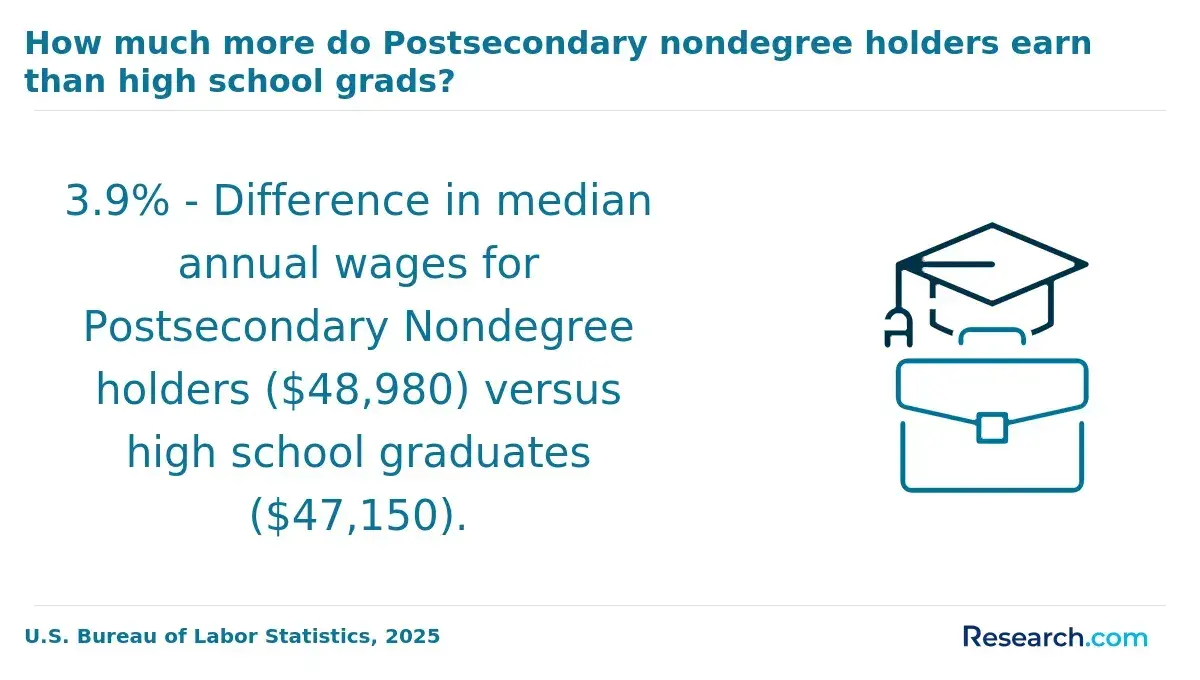
Return on investment (ROI) in higher education measures the financial benefit gained by earning a degree compared to someone with only a high school diploma or associate degree in the same profession.
According to Georgetown University Center on Education and the Workforce, bachelor's degree holders make roughly $1 million more over their lifetime than high school graduates. PayScale's College ROI Report confirms that degrees in legal studies & law deliver solid mid-career salaries, supporting a positive long-term ROI.
Consider the Bureau of Labor Statistics median wage of about $52,920 for entry-level roles like paralegal and legal assistant common to legal studies graduates.
Starting at $50,000 and applying a modest 3% annual raise, cumulative earnings over 10 years surpass $580,000. Deducting typical online program tuition-generally from $30,000 to $60,000-produces a net gain far exceeding $500,000 compared to peers without a degree.
- Clear Definition of ROI: ROI represents the added income over 10 years minus the total cost of the degree, offering a straightforward way to assess financial returns.
- Sample Earnings Calculation: With a $50,000 starting salary and steady 3% yearly increases, total 10-year income aggregates to approximately $580,000, highlighting growth potential.
- Cost of Degree Consideration: Online legal studies programs usually cost between $30,000 and $60,000, making them an affordable gateway to higher earning potential.
- Comparison With National Average: The ROI for legal studies & law degrees generally meets or surpasses the national bachelor's degree average, which hovers near $400,000 additional earnings over a decade.
- Non-Financial Benefits: Graduates also gain advantages like career progression, increased job stability, and enhanced professional skills critical for long-term success.
A professional who enrolled in an online legal studies & law bachelor's program described the decision as "a careful balancing act." He recounted weighing the upfront cost against projected income growth and career goals, noting, "It wasn't just about the dollars but about opening doors."
The flexibility of the online format allowed him to work while studying, easing financial pressure but requiring strict discipline. Reflecting on his journey, he emphasized the confidence gained through both knowledge and the recognized credential-"It was challenging but ultimately worth every sacrifice."
How Do Online Legal Studies & Law Program Tuition Rates Compare Across Public, Private, and For-Profit Institutions?
Considering only tuition ignores important factors affecting long-term value. Although for-profit schools may look affordable when comparing average tuition costs for online Legal Studies & Law degrees by institution type, their weaker outcomes may challenge career advancement and job security.
Public and private nonprofit programs often demand more significant investment but typically yield stronger professional returns.
- Public Institutions: These universities generally offer the most economical tuition for in-state students, often with flat-rate online fees that remain consistent regardless of residency. This pricing structure simplifies budgeting and is backed by higher graduation rates compared to for-profit schools.
- Private Nonprofit Institutions: Tuition at private nonprofits is usually higher than at public schools but may deliver enhanced personalized support and valuable networking opportunities. Students often find richer career services and alumni connections that can improve employment outcomes after graduation.
- For-Profit Colleges: These institutions tend to promote lower tuition and flexible schedules attractive to working adults and career changers. Nevertheless, they often suffer from lower graduation rates and a degree of employer skepticism, which can lessen overall return on investment despite initial savings.
Prospective students should weigh these factors carefully to select a program aligned with both budget and career goals. For a broader view of quality online programs, explore trusted rankings of online schools that combine cost data with verified outcomes.
What Long-Term Salary Growth Can Legal Studies & Law Bachelor's Degree Holders Expect Over a 20- to 30-Year Career?
Over a 20- to 30-year career, a legal studies and law bachelor’s degree can yield gradual but meaningful salary growth, driven by accumulated experience, advanced credentials, and progression into higher-responsibility roles within legal, corporate, or regulatory settings.
- Early Career Growth: In the initial years after graduation, salaries typically grow steadily as graduates build foundational knowledge and secure entry-level roles, such as legal assistants or paralegals. During this phase, wage increases reflect accumulating skills and responsibilities.
- Mid-Career Acceleration: Between five and ten years of experience, many professionals progress into specialized or supervisory positions, leading to notable jumps in earnings. This stage often includes acquiring certifications and managing more complex tasks, which drive higher compensation.
- Established Career Plateau: From about ten to fifteen years onward, salary growth tends to level off but remains above early career rates. Many individuals take on leadership roles, including managing teams or advising on regulatory compliance, reflecting increased expertise and accountability.
- Late Career Growth and Peak Earnings: After two decades in the field, some professionals move into senior management, consulting, or policy advisory roles. These positions offer the highest earning potential, frequently supplemented by bonuses or profit-sharing arrangements.
- Cumulative Lifetime Earnings Premium: Research shows that those holding a bachelor's degree in legal studies & law earn approximately 20% to 35% more over their careers compared to similarly employed non-degree holders, underscoring the degree's long-term financial advantage.
A professional who built her career following graduation from an online legal studies & law bachelor's degree program shared that the journey required balancing work, studies, and personal commitments, which was often challenging.
"It wasn't easy managing everything simultaneously, but each milestone-whether passing certification exams or stepping into supervisory roles-felt rewarding," she reflected.
She emphasized how the degree opened doors to new responsibilities and salary growth opportunities that seemed out of reach before. Her experience affirms that while the path demands perseverance, the investment leads to meaningful career advancement and financial progress over time.
How Does the ROI of an Online Legal Studies & Law Bachelor's Degree Compare to an Associate Degree or a Professional Certificate?
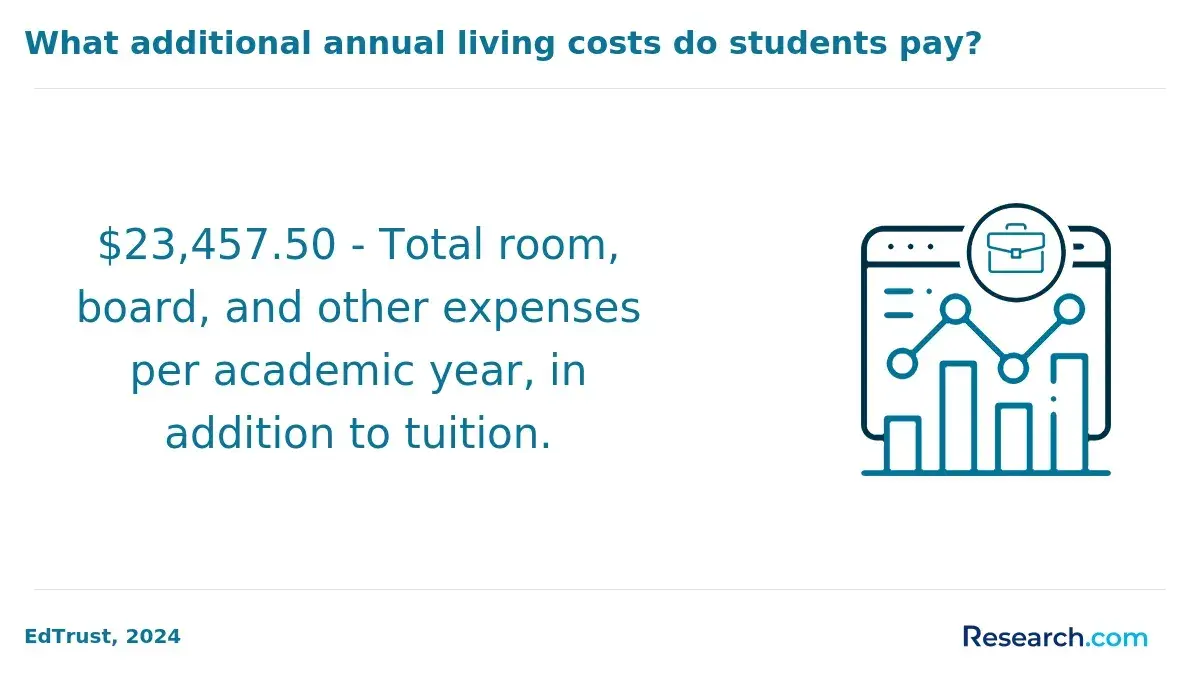
When weighing the return on investment for online legal studies & law credentials, costs and salary potential vary significantly by education level. A bachelor's degree in this field typically carries tuition expenses between $30,000 and $60,000, depending on the school.
In comparison, associate degrees usually cost $10,000 to $20,000, while certificates can be obtained for only a few thousand dollars.
- Median Salary: Those holding a bachelor's degree in legal studies & law tend to earn around $58,000 annually, reflecting access to higher-level roles and advancement. Associate degree holders see median incomes closer to the $40,000-$45,000 range, while certificate recipients often start near $35,000, usually in supporting capacities.
- Short-Term ROI: For learners seeking quick workforce entry with minimal debt, certificates or associate degrees provide faster, more affordable pathways. The initial investment is lower relative to median earnings, making these credentials practical for short-term financial goals and foundational skill-building.
- Long-Term ROI: Over a decade, bachelor's degrees tend to offer stronger financial returns. Graduates can pursue more lucrative positions such as legal analyst, compliance officer, or management in paralegal departments. The advanced training and credentials typically pay off through higher salaries and greater career stability after several years.
- Non-Financial Benefits: Bachelor's programs often feature broader curricular depth, professional networking opportunities, and specialization options that enhance job security and mobility-advantages that certificates or associate degrees may lack.
- Decision Framework: Choosing the right credential depends on personal timelines and finances. Certificates or associate degrees suit those prioritizing immediate employment and lower initial costs. Bachelor's degrees benefit individuals ready to invest more time and resources for increased lifetime earnings and career advancement.
Which Online Legal Studies & Law Specializations or Concentrations Yield the Highest Earning Potential After Graduation?
Specializing within an online legal studies & law bachelor's degree can significantly enhance earning potential compared to generalist graduates. Data from the Bureau of Labor Statistics highlights several concentration areas with higher median wages and distinct career paths that impact return on investment differently.
- Corporate Law: Graduates often become contract specialists or compliance officers, earning median annual wages between $72,000 and $90,000-about 15% above general legal assistants. Although continuing legal education may increase costs, it boosts job security and advancement prospects.
- Paralegal Studies with Specialization in Intellectual Property: This growing sector involves managing patents and trademarks, with median salaries near $60,000-roughly 10% higher than general paralegals. Some roles require certification such as the Certified Paralegal (CP), adding to total investment.
- Criminal Justice and Forensic Law: Careers in law enforcement legal affairs or forensic consulting offer median wages around $58,000. Licensure and extra certifications can raise expenses but improve long-term value.
- Environmental Law: Specializing here commands median salaries near $65,000. Professionals must be versed in complex regulations and often engage in continuing education, enhancing career longevity at additional cost.
- Healthcare Law and Compliance: This field aligns with fast-growing sectors, paying approximately $68,000 median wages. Certifications like Certified Healthcare Compliance (CHC) may be required, influencing total educational investment.
Choosing a specialization depends on balancing salary premiums with certification and education costs. Those new to the field might favor corporate or healthcare law for quicker certifications and stronger job markets, while experienced professionals could leverage intellectual property or environmental law for higher earnings and advancement.
Careful alignment of specialization with financial and career goals will optimize the net return on investment from an online legal studies & law degree.
How Do Employer Tuition Reimbursement and Financial Aid Reduce the Net Cost of an Online Legal Studies & Law Bachelor's Degree?
Employer tuition reimbursement programs offer a powerful way to reduce the out-of-pocket cost of an online legal studies & law bachelor's degree. Under IRS Section 127, employees can receive up to $5,250 annually in tax-free educational assistance.
This benefit typically covers tuition, fees, and course materials, and is part of many employers' benefits packages. According to the Society for Human Resource Management (SHRM), over 60% of U.S. employers provide tuition assistance, making this a widespread and valuable resource for working students pursuing online legal studies and law degrees.
In addition to employer tuition reimbursement programs for online legal studies and law degrees, students can tap into federal and institutional financial aid options. Grants and scholarships that do not require repayment often cover a large share of tuition costs.
Subsidized federal loans further lower expenses by delaying interest accrual while studying. Applying for FAFSA is essential to unlock these funds, and many online programs qualify for both state and federal aid just like traditional campuses.
Consider a working professional with annual tuition of $12,000 for an online legal studies & law bachelor's program. If their employer reimburses $5,250 under IRS Section 127 and they receive $4,000 in federal grants and scholarships, the remaining cost is just $2,750.
This combination lowers net costs to less than 25% of published tuition, significantly easing financial burdens and improving the overall return on investment.
Working professionals should also compare salary outcomes to ensure their investment aligns with career goals. For related career insights, including earnings potential, see how much do forensic psychologists make.
- Employer Tuition Reimbursement: Many U.S. employers provide tax-free tuition benefits up to $5,250 annually under IRS Section 127, directly lowering education expenses.
- Financial Aid Availability: Federal and institutional grants, scholarships, and subsidized loans reduce net tuition, often covering most costs for students.
- Prevalence of Assistance Programs: Over 60% of employers in the U.S. offer educational benefits, making tuition reimbursement a common opportunity for working students.
- Combined Savings Impact: Layering employer and federal aid can reduce net tuition to under a quarter of the sticker price, greatly easing financial burdens.
- Strategic Cost Management: First-generation and working students can maximize return on investment by stacking multiple assistance programs when pursuing online legal studies and law degrees.
What Hidden Costs Should Students Factor Into the Total Investment of an Online Legal Studies & Law Bachelor's Degree?
When budgeting for an online Legal Studies & Law bachelor's degree, students frequently overlook several hidden fees that significantly increase total costs beyond tuition.
These additional expenses, confirmed by institutional cost-of-attendance disclosures and College Board research, include technology fees, proctoring services, graduation charges, course-specific software licenses, and professional organization memberships.
Such costs can accumulate to hundreds or even thousands of dollars annually, affecting affordability and delaying the break-even timeline for the degree's return on investment (ROI).
Technology fees typically range from $100 to $400 per year-covering access to digital learning platforms, software updates, and IT support. Proctoring services for online exams add about $20 to $50 per test and are required to safeguard academic integrity.
Graduation fees, usually between $100 and $200, are charged as one-time costs near program completion, often catching students unprepared.
Some courses require specialized software licenses for legal research or citation tools, imposing optional but recommended expenses up to $300 per term. Additionally, joining professional organizations enhances networking and career prospects, but can cost over $100 annually in dues.
These overlooked expenses slow the financial payoff of an online legal studies and law degree by increasing upfront spending or debt. Students on tight budgets may face delays in reaching financial independence post-graduation due to these cumulative fees.
It is essential for prospective students to request a full cost-of-attendance breakdown-including all ancillary fees-not just tuition. This transparency supports better financial planning and helps identify programs with more manageable total costs.
- Technology Fees: Annual charges for digital platforms and IT support typically add $100-$400, impacting total program costs beyond tuition.
- Proctoring Costs: Online exam monitoring fees, averaging $20-$50 per test, are often overlooked but essential for degree completion.
- Graduation Fees: One-time charges of $100-$200 occur at program completion and must be factored into the budget to avoid last-minute expenses.
- Course Software Licenses: Specialized legal research tools or software can add up to $300 per term in optional but recommended costs.
- Professional Memberships: Dues for law-related organizations often exceed $100 annually, supporting career development and networking.
For those seeking more affordable options, exploring programs like an associate degree online may help minimize hidden fees while providing foundational legal knowledge.
How Does the Accreditation Status of an Online Legal Studies & Law Program Affect Graduate Salary and Employability?
Regional accreditation evaluates an institution's overall quality, while programmatic accreditation focuses on the specific legal studies curriculum. Both types confirm educational rigor and professionalism, which directly affect a graduate's ability to secure employment and negotiate salaries.
Employers, according to surveys by the National Association of Colleges and Employers (NACE), assign higher credibility to degrees from regionally accredited programs, often offering better starting salaries to these candidates.
Degrees from nationally accredited-only or non-accredited schools tend to face suspicion, reducing job opportunities and salary leverage.
Attending a program lacking proper accreditation can block access to licensure exams, graduate degrees, and certain roles in government and healthcare law sectors.
Prospective students should consult the U.S. Department of Education's accreditation database and the Council for Higher Education Accreditation (CHEA) to confirm a program's status before enrolling.
- Regional vs Programmatic Accreditation: Regional accreditation assesses an institution as a whole, while programmatic accreditation verifies the quality of the legal studies curriculum, both influencing employability and earning potential.
- Employer Preferences: NACE data shows hiring managers prefer graduates from fully accredited programs, associating them with stronger preparation and reliability.
- Licensure and Career Paths: Many licensure exams and advanced programs require graduating from accredited schools, limiting options for those without recognized credentials.
- Salary and Negotiation: Graduates holding accredited degrees typically gain better starting salaries and promotion chances due to employer confidence.
- Verification Resources: Checking accreditation status through official U.S. education databases safeguards students' investments and future opportunities.
What Entry-Level Job Titles and Salary Ranges Are Available to Graduates of Online Legal Studies & Law Bachelor's Programs?
Graduates with online legal studies & law bachelor's degrees enter a variety of roles with diverse starting salaries, influencing how quickly they recover educational costs.
Key entry-level positions include:
- Paralegal: Median starting pay ranges from $45,000 to $55,000-higher salaries often found in finance and corporate sectors where regulatory compliance is essential.
- Legal Assistant: Typical salaries fall between $38,000 and $48,000, with government agencies and large law firms providing the top-tier compensation.
- Compliance Analyst: Starting wages generally span $50,000 to $60,000, particularly in healthcare and financial services, where regulatory expertise is in demand.
- Claims Adjuster: Entry-level salaries of $42,000 to $52,000 appear mostly in insurance and healthcare industries.
- Contract Administrator: Typically begins at $48,000 to $58,000, with technology companies often offering premium pay.
- Legal Researcher: Median starting dollars range from $40,000 to $50,000, primarily within education and government sectors.
- Court Clerk: Salaries usually range from $37,000 to $45,000, commonly in municipal and government courts.
- Human Resources Specialist: Entry earnings are around $45,000 to $55,000, notably in corporate and healthcare settings.
Internships, certifications such as Certified Paralegal, or focused concentrations like compliance or cyber law can elevate entry salaries. Industries including finance, technology, and healthcare tend to produce faster returns on investment due to their higher compensation levels.
Understanding these distinctions equips students and career changers to pursue roles that align with both professional aspirations and financial realities.
What Graduates Say About the Return on Investment of Their Online Legal Studies & Law Bachelor's Degree
- Orlando: "I chose the online legal studies & law bachelor's degree because I wanted to balance my work and studies without compromising quality or costs. The ROI was clear to me after comparing tuition fees with potential salary growth in legal fields. Beyond financial gains, the program provided invaluable flexibility and career advancement opportunities that helped me secure a better position in my firm."
- Zion: "Pursuing an online legal studies & law degree turned out to be one of the most rewarding decisions I made. The non-financial returns-like enhanced job security and professional credibility-have been significant. It really broadened my network and opened doors that I hadn't expected, reinforcing that the investment was worth every penny."
- Wyatt: "From a professional standpoint, the online legal studies & law bachelor's program strengthened my critical thinking and legal reasoning skills, which directly impacted my career growth. While the cost was an important factor, I consider the return on investment to be reflected not only in salary increases but also in the meaningful leadership roles I attained. The program instilled a confidence that employers noticed and valued."
Other Things You Should Know About Legal Studies & Law Degrees
The time to recover the cost of an online legal studies & law degree varies but typically ranges from three to seven years.
This depends on factors such as the program's tuition, living expenses, and the graduate's starting salary in law-related roles. Graduates entering higher-paying sectors or geographic areas with strong demand may see faster payback periods.
In 2027, employer surveys and labor market data reveal that a legal studies & law bachelor's degree is increasingly seen as valuable. Employers appreciate the analytical and critical thinking skills gained, though a significant wage premium is less consistent than in more technical fields. The degree offers moderate salary growth potential, contributing to its ROI.
Beyond salary, this degree offers enhanced critical thinking, communication skills, and professional credibility. Graduates benefit from increased job security and expanded career paths such as policy analysis or legal consulting.
These non-financial benefits support long-term career growth and personal development.
References
- Online Law School Vs. Traditional Law School: What You Need to Know https://alu.edu/alublog/online-law-school-vs-traditional-law-school-what-you-need-to-know-about-your-investment/
- Best Entry-Level Jobs in Law for Fresh Graduate - https://lexmatter.org/blog/
- Is College Worth it? | Return on Investment Analysis of College Degree https://educationdata.org/college-degree-roi
- Is Online Law School Worth It for Your Career Goals? https://online.law.tulane.edu/blog/why-online-law-school
- Highest Paid Lawyers: What Is the Most Profitable Legal Career? https://jdadvising.com/highest-paid-lawyers-what-is-the-most-profitable-legal-career/
- Is Law School Worth the Investment? https://law.onu.edu/news/law-school-worth-investment
- Salary Expectations for Entry-Level Positions https://www.onlinelawtutoring.co.uk/entry-level-positions-salary-expectations-for-entry-level-positions
- Tuition Reimbursement: How Do Employers Benefit from It? | KBI Benefits https://www.kbibenefits.com/tuition-reimbursement-benefits
- Pros and Cons of Getting a Legal Degree Online https://onlinemasteroflegalstudies.com/mls-degrees/pros-and-cons-of-online-legal-degrees/
- Online Law School: The Best Online Law School Programs for 2025 https://www.princetonreview.com/law-school-rankings/best-online-jd-programs-at-law-school