2027 Part-Time vs Full-Time Online Legal Studies & Law Bachelor's Degree Programs

Co-Founder and Chief Data Scientist
A marketing professional with a busy schedule contemplates returning to school to pursue a law bachelor's degree. Balancing full-time work and family duties leaves limited time for traditional classes, prompting a consideration of online programs. Nationwide, enrollment in online legal studies and law bachelor's degrees rose by 18% over the past five years, reflecting growing accessibility and demand.
Deciding between part-time and full-time online study paths involves weighing factors like pacing, cost, and career goals. This article explores those options to help prospective students determine which format aligns best with their personal and professional priorities.
Key Benefits of Part-Time vs Full-Time Online Legal Studies & Law Bachelor's Degree Programs
- Part-time online legal studies & law programs offer greater scheduling flexibility, allowing students to balance coursework with work and family commitments more effectively than full-time options.
- Full-time programs typically enable degree completion in about four years, while part-time students may take six years or longer, extending time to enter the workforce.
- Balancing education with personal and career responsibilities tends to be more manageable in part-time programs, reducing stress but potentially delaying professional advancement opportunities.
What is the difference between part-time and full-time online legal studies & law bachelor's degree programs?
Part-time and full-time online legal studies & law bachelor degree programs differ mainly in workload, pacing, and time commitment. Full-time students usually take on a heavier course load each semester, while part-time students enroll in fewer credits, allowing greater flexibility.
About 40% of online undergraduates in the U.S. choose part-time enrollment, highlighting the demand for adaptable options that fit personal and professional lives. Below is a comparison of structural differences between these enrollment types.
Part-Time Online Programs
- Course Load: Students typically take fewer credits per term, often between 6 to 9 credit hours, making it manageable alongside work or family obligations.
- Scheduling Flexibility: Part-time programs usually offer more varied start dates and flexible deadlines, allowing learners to progress at their own pace.
- Study Intensity: The pace is less intense but extended over a longer period, which can help in balancing education with other responsibilities.
- Enrollment Patterns: Many students opting for part-time enrollment seek programs like online legal studies due to their adaptable formats.
Full-Time Online Programs
- Course Load: Students generally enroll in 12 to 15 credit hours per semester, requiring a significant time investment per week.
- Scheduling Structure: Full-time programs follow a more structured timeline with consistent weekly commitments for classes and assignments.
- Study Intensity: The study rhythm is concentrated and continuous, providing an immersive academic experience.
- Academic Progression: Full-time enrollment supports quicker progression through the program, appealing to those seeking accelerated completion.
Choosing between part-time vs full-time online legal studies bachelor degree programs means considering these key structural elements to find the best-fit schedule. For those exploring flexible graduate options, the easiest online master's degree could also be a useful reference point for future educational planning.
How long does it take to complete part-time vs full-time online legal studies & law bachelor's degrees?
The time to complete an online legal studies & law bachelor's degree depends largely on whether a student enrolls full time or part time, as well as their individual pace. National data shows that students attending school part time often take more than six years to finish a bachelor's degree, reflecting a slower but more flexible path. This difference in enrollment intensity impacts course load, scheduling, and overall completion time.
Below is a detailed comparison of part-time versus full-time online legal studies & law bachelor's degree completion times and structures.
Part-Time Online Programs
- Extended Duration: Part-time students generally take six years or longer to complete their degree, balancing education with other commitments.
- Fewer Credit Hours: Typically enrolling in 6 to 9 credit hours per term, students progress more slowly but benefit from a flexible schedule.
- Flexible Scheduling: Many programs offer asynchronous or evening classes to accommodate working adults pursuing a part time vs full time online legal studies degree completion time that fits their lifestyle.
- Steady Progression: The reduced course load allows for consistent but prolonged advancement through program requirements over multiple years.
Full-Time Online Programs
- Standard Duration: Full-time students usually complete their degree in about four years, aligning with typical bachelor's program lengths.
- Higher Credit Load: Taking around 12 to 15 credit hours each term allows for faster progression and fewer semesters until graduation.
- Faster Pacing: The intensity of full-time enrollment supports a consistent semester-by-semester progression through required courses.
- Structured Scheduling: Though many courses remain flexible, full-time students often dedicate more weekly hours to classwork and study.
Pursuing a legal studies & law bachelor's degree online can vary widely in duration depending on study intensity. Students seeking quicker completion might also explore accelerated programs online designed for full-time learners. Understanding the duration of full time and part time online law bachelor's programs helps prospective students make informed decisions aligned with their goals and schedules.

What is the workload for a part-time vs. a full-time online legal studies & law bachelor's degree?
Full-time online students in legal studies & law bachelor's programs usually take between 12 and 15 credit hours each term, which equates to managing four or five courses at once. This schedule demands roughly 30 to 40 hours of study weekly, covering live lectures, comprehensive reading, assignments, and exam preparation.
Part-time students, on the other hand, typically enroll in one to three courses per term, reducing their weekly study time to about 10 to 20 hours. This setup offers more flexibility to balance work or family obligations but spreads the coursework over a longer period. Consequently, full-time study requires a faster pace, while part-time allows a more gradual progression.
The academic intensity for full-time learners is higher due to frequent overlapping deadlines, requiring them to juggle multiple assignments, case analyses, and discussion posts simultaneously. Effective time management becomes essential to meet tight turnaround times and maintain consistent progress.
Part-time students face fewer weekly demands but still need to maintain regular engagement and meet deadlines to stay on track. Their schedule feels less demanding week to week but calls for sustained commitment over an extended timeframe. Both formats demand strong organizational skills, with full-time study offering a concentrated workload and part-time providing more controlled, steady pacing suited for adults balancing other responsibilities.
Which option is better for working adults in an online legal studies & law bachelor's degree?
Both part-time and full-time online legal studies & law bachelor's degree programs serve working adults with different needs, depending on their availability, workload tolerance, and personal life. Data from the National Center for Education Statistics reveals that nearly 70% of undergraduates taking online courses are also employed, highlighting the need for adaptable learning formats. Below are important aspects to consider when choosing between these options.
- Scheduling Flexibility: Part-time programs usually provide more adaptable schedules by allowing fewer courses each term, which can ease pressure and better fit irregular work hours.
- Workload Intensity: Full-time enrollment demands a significant weekly commitment, posing challenges for those with full-time jobs but enabling quicker degree completion.
- Time Management: Full-time students often require advanced organization skills to balance work and studies, while part-time learners may find managing responsibilities easier due to lighter course loads.
- Completion Pace: Full-time students typically graduate in about four years, whereas part-time students extend their timeline but can maintain a steadier work-life-study balance.
- Personal Obligations: Individuals with family or other duties might gravitate toward part-time options to reduce stress and allow flexible learning.
A working professional who decided to pursue an online legal studies & law bachelor's degree shared her insights: "Balancing my job and school isn't easy. When I first started full-time, the workload felt overwhelming, and I often worried about meeting deadlines while managing work projects.
Switching to part-time helped me regain control and reduce stress, but it feels like a longer journey. Each week requires careful planning, and sometimes I have to sacrifice personal downtime, yet I appreciate being able to learn at a pace that respects my other commitments." Her experience underscores that the best choice depends largely on individual circumstances and priorities.
Can I switch from part-time to full-time in an online legal studies & law bachelor's degree?
Many online Legal Studies & Law bachelor's degree programs offer the option to switch between part-time and full-time enrollment based on changes in personal schedules, academic progress, or life circumstances. This adaptability reflects a broader trend in nontraditional online learning, with data showing that around 40% of students alter their enrollment status at some point during their studies.
Such flexibility helps accommodate work commitments and family responsibilities, making it easier for students to tailor their educational paths. This mobility between study loads is becoming increasingly common as more adults seek to balance education with other priorities. For those researching options, identifying good online colleges can be a helpful step in finding programs with supportive policies.
When considering changing enrollment status in online Legal Studies and Law bachelor's degrees, students should be aware of key factors involved in the transition. Moving from part-time to full-time study usually means a significant increase in coursework, which affects pacing and demands a greater time commitment.
Institutional policies often require advance notice or formal approval, and switching mid-term might not always be permitted without consulting an advisor. Additionally, such changes can impact academic progress and anticipated graduation timelines, so careful planning is essential. Understanding these aspects helps ensure the transition supports academic goals without unintended setbacks.
How does tuition differ for part-time vs full-time online legal studies & law bachelor's degrees?
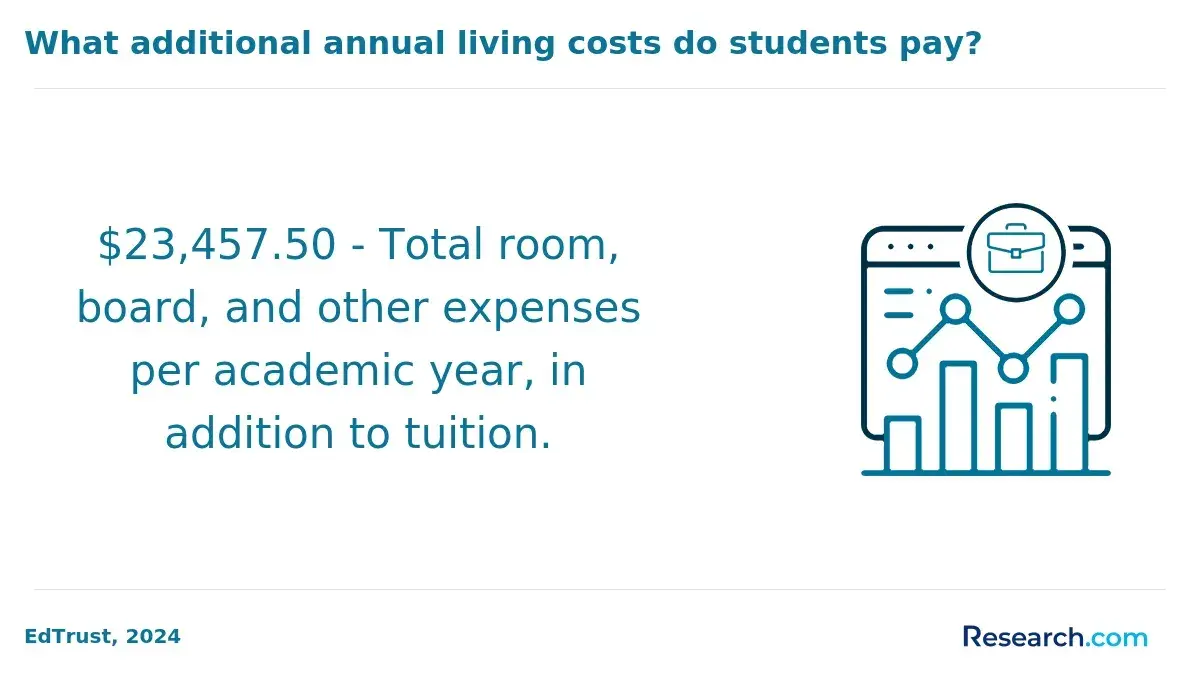
Tuition costs for online legal studies & law bachelor's programs vary based on whether students enroll part-time or full-time, as well as how schools structure their fee schedules. On average, online programs in this field range from $10,000 to $40,000 in total tuition, with differences influenced by enrollment pace and credit charges. Below is a comparison of how tuition typically differs for part-time versus full-time students.
Part-Time Online Programs
- Per-Credit Pricing: Part-time students usually pay tuition based on the exact number of credits taken each term, allowing for financial flexibility and manageable semester costs.
- Extended Payment Timeline: Spreading courses over multiple terms means tuition payments are dispersed, which can ease immediate financial pressure but extend the overall timeline.
- Lower Term Cost: Because fewer credits are taken each semester, part-time learners face smaller bills per term, making budgeting easier especially for working adults.
- Potentially Higher Total Expense: The longer duration often means overall tuition may be higher due to fees accumulated over time or administrative costs charged per term.
Full-Time Online Programs
- Flat-Rate Tuition Options: Some institutions offer a fixed fee for a full credit load, making full-time enrollment potentially more cost-effective per credit.
- Higher Per-Term Charges: Students taking a full course load pay more upfront per semester, which can be challenging but may speed up graduation.
- Accelerated Completion: Concentrated coursework over fewer terms can reduce total tuition paid and lead to faster entry into the workforce.
- Upfront Financial Commitment: The larger payments per term require careful budgeting, especially without flexible payment plans.
When asked about tuition differences, a graduate described navigating payments as a balancing act. Although choosing part-time eased term-to-term costs while working, the prolonged schedule felt like "invisible debt" stretching longer than expected. They noted, "Managing smaller bills was comforting, but seeing tuition add up over years was daunting." This experience highlighted how tuition structure impacts more than just finances-it affects motivation and stress throughout the program.
Which option offers better financial aid for an online legal studies & law bachelor's degree?
Financial aid availability for online legal studies & law bachelor's degree programs varies primarily by enrollment status, eligibility criteria, and institutional policies. Around 40% of part-time online undergraduate students receive some form of financial aid, demonstrating significant support for nontraditional learners balancing coursework with other responsibilities. The types and amounts of aid often differ notably between part-time and full-time students.
Below is a comparison of common financial aid options for part-time versus full-time enrollment in these programs:
- Federal Pell Grants: Both part-time and full-time students can qualify, but grants for part-time students are typically prorated according to their reduced course load, resulting in smaller award amounts compared to full-time enrollees.
- Federal Student Loans: Eligibility is generally similar, but loan limits are usually higher for full-time students since loan amounts correspond with enrollment intensity, affecting part-time borrowers' maximum loan capabilities.
- State Grants and Scholarships: State-funded aid often prioritizes full-time students, although certain states have scholarships designed specifically to support part-time students pursuing online degrees.
- Institutional Scholarships: Many colleges allocate larger scholarships and more opportunities to full-time students, while part-time students may encounter more limited funding or smaller award sizes.
- Employer Tuition Assistance: This form of aid tends to be independent of enrollment status but can be especially valuable for part-time students who are actively working while completing their degree.
What are the pros and cons of part-time vs full-time online legal studies & law bachelor's degrees?
Choosing between part-time and full-time online legal studies & law bachelor's degree programs requires careful consideration of time, financial commitments, and academic goals. Each option suits different priorities, especially for working adults and nontraditional learners balancing multiple responsibilities. Below is a comparison highlighting key advantages and disadvantages to guide your decision.
Pros
- Flexible Scheduling: Part-time programs offer the flexibility to balance work or family obligations while studying, accommodating diverse lifestyles.
- Deep Learning: Reduced course loads in part-time study allow students to engage more thoroughly with material, aiding comprehension and retention.
- Faster Completion: Full-time study enables students to finish their degree within three to four years, accelerating career advancement.
- Stronger Connections: Full-time cohorts foster greater interaction with peers and faculty, enriching academic and professional networking.
Cons
- Extended Duration: Part-time study lengthens the time to graduate, potentially delaying career or further education opportunities.
- Motivation Challenges: Without the immersive environment of full-time programs, part-time students may struggle to stay consistently motivated.
- High Time Demand: Full-time programs require significant time commitment, which can be stressful for working adults or those with busy lives.
- Intensive Workload: Condensed semesters and heavy coursework in full-time study may overwhelm students needing more time for complex legal concepts.
When evaluating flexibility and workload comparison for online legal studies bachelor's programs, weighing these factors against your personal circumstances is critical. For students seeking swift advancement, full-time study may be ideal, while part-time paths provide accessibility for balancing other priorities. Those exploring rapid graduate options might also consider a masters degree in 6 months to further enhance their credentials.
Does part-time vs full-time affect career outcomes in an online legal studies & law bachelor's degree?
When considering career outcomes of part-time vs full-time online legal studies career impact, research shows that 70% of hiring managers value demonstrated competencies and relevant work history over mere pace of study. Employers emphasize skills and accreditation more than whether a degree was earned part-time or full-time. This perspective is essential when weighing the effect of study mode on law degree graduate outcomes.
Key factors influencing career prospects include:
- Skill Development: Both part-time and full-time students cultivate analytical, research, and communication skills vital for legal professions. However, consistently applying these skills in practical settings significantly boosts employability.
- Work Experience Integration: Part-time learners often juggle employment alongside studies, allowing immediate application of legal knowledge and valuable experience accumulation. Full-time students may pursue internships or clinic programs to build professional experience during their coursework.
- Degree Credibility: Accreditation and institutional reputation remain paramount. Employers focus heavily on whether a program meets academic standards, regardless of enrollment status.
- Progression Opportunities: Full-time students typically finish degrees faster, potentially entering the workforce sooner. Part-time students, meanwhile, often maintain steady career progression supported by balancing education with ongoing work.
Prospective students, including those searching through rankings like the best military friendly colleges, should prioritize programs that emphasize skills and practical experience over study pace, ensuring stronger career outcomes.
What mistakes should I avoid in part-time vs full-time study?
Deciding between part-time and full-time online legal studies & law bachelor's programs involves careful planning to avoid common challenges. Nearly 30% of online students struggle with retention, often due to misjudging workload or ineffective time management. Recognizing these hurdles early can improve success rates. Below are frequent mistakes to watch for.
- Underestimating Workload: Full-time students may assume the pace is manageable but can quickly become overwhelmed juggling multiple courses. Part-time learners risk overlooking how combining studies with jobs and personal duties accumulates, affecting their progress.
- Poor Time Management: Both groups need structured routines. Full-time students may face burnout without balance, while part-time students often find it difficult to study consistently amid irregular schedules.
- Conflicting Schedules: Part-time students must align classes with work and family commitments to avoid delays or added stress. Full-time learners should also verify deadlines and course demands to maintain steady advancement.
- Unrealistic Expectations: Assuming online legal studies & law degrees are easier than in-person options can result in inadequate preparation. Both formats require deep engagement with material and research practices.
- Ignoring Academic Support: Full-time students sometimes neglect tutoring or advising services, while part-time students may feel isolated from campus resources, impacting academic performance.
What Graduates Say About Part-Time vs Full-Time Online Legal Studies & Law Bachelor's Degree Programs
- Orlando: "Choosing the part-time online legal studies & law bachelor's degree was a deliberate choice for me to balance work and study effectively. While managing deadlines and asynchronous classes was challenging at times, the flexibility allowed me to advance my education without sacrificing my job performance. Now, I feel more confident and prepared for leadership roles in my field."
- Zion: "Enrolling full-time in the online legal studies & law program offered an immersive experience that accelerated my learning and skill development. The rigorous coursework demanded strong time management, but the interactive sessions with professors enriched my understanding deeply. This degree has opened doors for me to transition into a more specialized legal career with greater responsibilities."
- Wyatt: "Pursuing a full-time online legal studies & law bachelor's degree was a strategic step to change my career trajectory while staying engaged with family commitments. Adapting to the intensive study load was tough initially, but the program's support system and networking opportunities were invaluable. The knowledge I gained has significantly enhanced my ability to contribute professionally in legal contexts."
Other Things You Should Know About Legal Studies & Law Degrees
Yes, most online programs provide equal access to career services for both part-time and full-time students. These services often include resume reviews, job search assistance, and networking opportunities. However, the availability of live events or workshops may be limited for part-time students due to scheduling conflicts.
Employers generally do not differentiate between part-time and full-time online legal studies and law degrees as long as the program is from an accredited institution. The focus tends to be on the quality of the degree and the reputation of the school rather than the study format. Completing the degree demonstrates commitment and competency in the field.
In 2027, most online legal studies and law programs offer equal mentorship opportunities for both part-time and full-time students, enabling them to build relationships with faculty. However, full-time students may have more frequent interactions due to increased coursework and attendance.
References
- Full-Time vs. Part-Time Law School: Which is Right for You? https://www.enjuris.com/students/full-vs-part-time-law-school/
- Full-Time Student Hours vs. Part-Time: What's the Difference? https://www.citizensbank.com/student/articles/full-time-student-hours.aspx
- Compare Online JD Degree Programs https://teach.com/online-ed/law-degrees/online-jd/
- Online Legal Studies Degree: The Benefits and Opportunities https://masteroflegalstudies.com/programs/online-legal-studies-degree/
- 7 Benefits of Pursuing Online Legal Education at Your Own Pace https://lakewood.edu/benefits-online-legal-education/
- Full-Time Vs Part-Time https://www.law.capital.edu/academics/juris-doctor/full-time-vs-part-time/
- University of Fribourg https://studies.unifr.ch/en/bachelor/ius/lawparttime
- Part-Time or Full-Time: 4 Different Law School Programs You Should Consider — Barrier Breakers®, Inc. https://barrier-breakers.org/blog/2c61oesakvxqv00i3fveczog3c36yw
- Part-Time Vs. Full-Time JD Programs | Leland https://www.joinleland.com/library/a/part-time-vs-full-time-jd-programs
- Is Online Law School Right for You? - St Francis School of Law https://stfrancislaw.com/blog/is-online-law-school-right-for-you/