2027 How to Become a Preschool Teacher Assistant in Colorado: Requirements & Certification

Co-Founder and Chief Data Scientist
Becoming a preschool teacher assistant in Colorado is often the first step into early childhood education, but the requirements can be confusing because programs, employers, credentials, and background checks may not all use the same language. This guide explains what the role involves, what education and certification steps are commonly expected, how long the process can take, what it may cost, and how the job can lead to preschool teaching, kindergarten teaching, special education, private school teaching, or other education careers.
Colorado’s public school system includes 1,927 schools, more than 55,000 teachers, and around 883,264 students. For people who want to work with young children, that creates a meaningful entry point into education. It also helps to know that 86% of Colorado educators believe the state is a “good place to work.” Still, the best path depends on your current education, budget, schedule, and long-term career goal.
Quick answer: How do you become a preschool teacher assistant in Colorado?
To become a preschool teacher assistant in Colorado, you generally need a high school diploma or equivalent, early childhood education coursework, verified experience with young children, a background check, and often CPR and First Aid certification. Many candidates complete at least 90 hours of early childhood education coursework or 12 credit hours in early childhood education or a related field, depending on the employer and credential pathway. The full process can take six months to two years, based on whether you study part-time or full-time and how quickly you complete experience requirements.
| Requirement area | What to expect in Colorado | Why it matters |
| Basic education | High school diploma or GED | Most preschool assistant roles require this as the minimum starting point. |
| Early childhood coursework | Commonly 90 hours of coursework or 12 credit hours in ECE or a related field | Coursework helps you understand child development, safety, family engagement, and classroom routines. |
| Credentialing | The Colorado Department of Early Childhood issues a “Qualified Early Childhood Teacher” credential | Some preschool settings expect a combination of education and experience before hiring or promoting staff. |
| Background check | Often required and may cost around $50 to $100 | Programs must confirm that staff are cleared to work with children. |
| Training cost | Certification-related tuition may range from $1,000 to $3,000, while broader programs may cost more | Comparing program length, credits, and employer requirements can help you avoid paying for unnecessary coursework. |
Key things to know before you start
- The shortest path is not always the best path. A basic assistant role may require fewer courses, but completing a certificate or associate-level coursework can make you more competitive for lead teacher pathways.
- Colorado employers may ask for different combinations of coursework and experience. Before enrolling, compare job postings and confirm requirements with the preschool, district, childcare center, or Head Start program where you want to work.
- Costs vary by school and credential goal. Some candidates spend between $1,000 and $3,000 for targeted certification coursework, while longer early childhood education programs can be more expensive.
- Plan for hidden expenses. Background checks may cost around $50 to $100, and you may also need textbooks, supplies, CPR and First Aid training, and transportation to fieldwork sites.
- Your long-term goal should shape your first credential. If you eventually want to become a lead preschool teacher, kindergarten teacher, or special education teacher, choose coursework that can transfer into a higher credential or degree.
- What does a preschool teacher assistant do in Colorado?
- What education do preschool teacher assistants need in Colorado?
- What certifications and clearances are commonly required?
- How do you keep your preschool teacher assistant credential current?
- How long does the process usually take?
- Why choose this career path? Review the timeline
- What should you do after getting hired?
- How much does preparation cost?
- How can more education change your career options?
- Which professional associations and networks are useful?
- How can special education training help?
- How can you move from preschool assistant to kindergarten teacher?
- Can music education strengthen your preschool career?
- How does special education certification support inclusive classrooms? See related inclusive practice guidance
- What is the most affordable route?
- How can you move into private school teaching?
- Can online learning help you advance?
- What career paths can follow this role?
- Which extra credentials may improve your prospects?
- What is the Colorado job market like?
- How much do preschool teacher assistants earn in Colorado? Compare salary details
What does a preschool teacher assistant do in Colorado?
A preschool teacher assistant supports the lead teacher with classroom routines, child supervision, learning activities, family communication, and basic care. The role is hands-on. You may help children transition between activities, prepare materials, model social behavior, document observations, clean learning areas, and provide individual support to children who need extra help.
| Responsibility | What it looks like in a preschool classroom | Skills you use |
| Classroom preparation | Organizing supplies, setting up activity centers, preparing materials, and helping align activities with Colorado’s Early Learning and Development Guidelines | Organization, attention to detail, lesson support |
| Child supervision | Monitoring children during indoor centers, meals, transitions, rest time, and outdoor play | Safety awareness, patience, quick decision-making |
| Individual support | Helping children with language development, emotional regulation, routines, or learning differences | Empathy, communication, observation |
| Family communication | Sharing updates with families under the lead teacher’s direction and helping maintain consistency between home and school | Professional communication, cultural responsiveness |
| Inclusive classroom support | Assisting children with different developmental needs; approximately 12% of preschoolers are identified as having special needs | Adaptability, collaboration, basic intervention support |
The work can be highly rewarding, but it is not easy. Preschool assistants often manage emotional situations, shifting classroom needs, and limited resources. High turnover in early childhood education can also affect team stability, which makes reliability and communication especially valuable.
Who is this role best for?
- People who enjoy working directly with young children. Much of the job involves movement, repetition, redirection, and emotional support.
- Future teachers who want classroom experience before committing to a degree. Assistant roles can help you decide whether early childhood education is the right fit.
- Career changers who need an entry point into education. The role can provide experience while you complete additional coursework.
- Students who want to build toward lead preschool, kindergarten, or special education positions. Early experience can make later training more practical and relevant.
Who should think carefully before choosing this path?
- Anyone looking mainly for high starting pay. Entry-level assistant roles are important, but salaries are often modest compared with positions requiring a license or advanced degree.
- People who prefer predictable, quiet work environments. Preschool classrooms are active, noisy, and emotionally demanding.
- Candidates who do not want ongoing training. Early childhood staff are expected to keep learning about safety, development, inclusion, and classroom practice.
What education do preschool teacher assistants need in Colorado?
The usual starting requirement is a high school diploma or equivalent. However, many Colorado employers prefer or require early childhood education training because assistants work with children during a critical developmental period. Completing coursework can also make it easier to move into higher-responsibility positions later.
- Early childhood education coursework: Community colleges, universities, and some online programs offer courses in child development, classroom management, curriculum planning, health and safety, and family partnerships. If you are comparing broader teaching pathways, you may also want to review online teaching degree options.
- 12 credit hours in ECE or a related field: Colorado Department of Human Services requirements commonly include coursework in areas such as child growth and development, health and safety, and family engagement.
- Certificate or associate degree pathways: These are useful if you want stronger job mobility, transfer credits, or a future route into lead teaching.
- Professional development: Workshops, short courses, and employer training can help you stay current on behavior support, inclusion, trauma-informed practices, and early learning standards.
| Education option | Best for | Trade-off |
| High school diploma or GED plus employer training | Applicants seeking the fastest entry into assistant-level work | May limit advancement unless you add ECE coursework later |
| Short ECE coursework or 90-hour training path | Candidates who need role-specific preparation without a full degree | May not transfer as broadly as college credits |
| 12 credit hours in ECE or related field | Applicants targeting Colorado-recognized early childhood roles | Requires tuition planning and course sequencing |
| ECE certificate or associate degree | Students planning to become lead teachers or continue toward a bachelor’s degree | Costs more and takes longer than short training |
Questions to ask before enrolling in an ECE program
- Does this coursework meet the requirement for the Colorado preschool settings where I want to work?
- Will the credits transfer into an associate or bachelor’s degree if I continue later?
- Are field hours, practicum placements, or employment verification included?
- Does the program prepare students for CPR, First Aid, and background check requirements?
- What is the full cost, including books, fees, supplies, and credentialing expenses?
What certifications and clearances are commonly required to be a preschool teacher assistant in Colorado?
Certification requirements can differ by employer, age group, and classroom setting. A public preschool, private childcare center, Head Start program, and faith-based preschool may not ask for the exact same documents. Still, most candidates should prepare for the following requirements.
- High school diploma or GED: This is the baseline educational requirement for most assistant preschool positions.
- Early Childhood Education credential or coursework: The Colorado Department of Early Childhood offers credential pathways, including the “Qualified Early Childhood Teacher” credential. While not every assistant role requires the same level, ECE coursework can strengthen your application.
- CPR and First Aid certification: Preschool staff are responsible for child safety, so many employers require current emergency response training.
- Background check: Candidates who work with children should expect a screening process before employment. Fees may be around $50 to $100, depending on the type of check.
- Experience verification: Some pathways require documented work with children under six years old, so keep records of hours, supervisors, dates, and job duties.
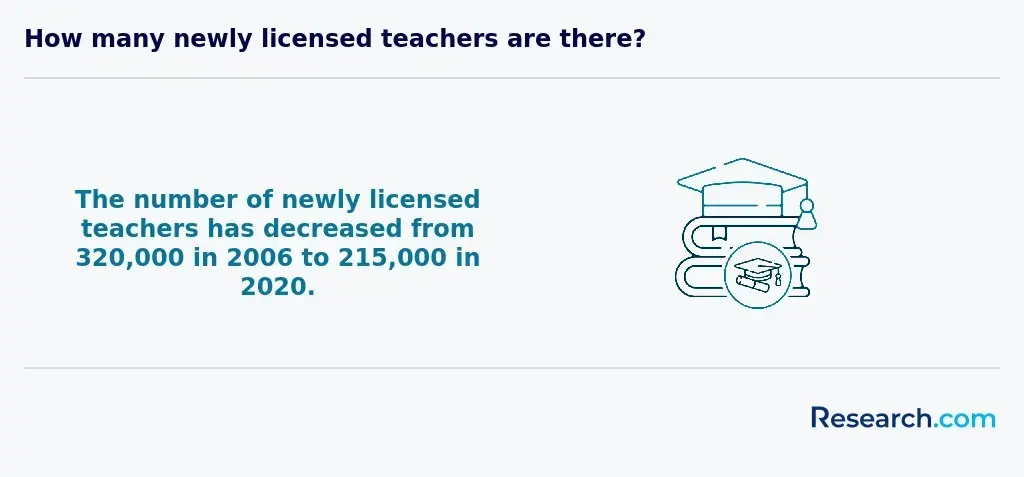
The visual below shows that many kindergarten and preschool instructors in the United States studied education-related majors.
How do you keep your preschool teacher assistant credential current in Colorado?
Credential maintenance is not something to leave until the last month. Keep copies of training certificates, employment records, CPR and First Aid cards, and professional development documentation in one place. This makes renewal easier and helps if you change employers.
- Complete ongoing professional development: Colorado requires preschool teacher assistants to complete a minimum of 15 hours of professional development every three years. Training may include workshops, online courses, seminars, or employer-approved early childhood education sessions.
- Submit renewal paperwork: If your credential requires renewal, prepare documentation and submit the application to the Colorado Department of Early Childhood according to the required process.
- Track regulation changes: Early childhood rules can change, especially around safety, inclusion, and staffing. Check official guidance instead of relying only on classmates, social media, or old program materials.
- Use reflective practice: Ask lead teachers for feedback, review classroom challenges, and document what strategies work. This improves your teaching support and can help with promotion conversations.
| Maintenance task | How often to monitor it | Common mistake to avoid |
| Professional development hours | Throughout the three-year period | Waiting until renewal time and discovering some training does not count |
| CPR and First Aid | Before expiration | Letting certification lapse while still working with children |
| Background check documents | When applying or changing employers | Assuming a previous check automatically transfers to a new setting |
| Employment verification | Every time you change roles | Failing to collect supervisor contact information and hour records |
How long does it take to become a preschool teacher assistant in Colorado?
The timeline can range from six months to two years. Your actual pace depends on whether you already have experience with young children, whether you study part-time or full-time, and whether your target employer requires a short coursework pathway, college credits, or additional credential documentation.
- Coursework: At minimum, you may need to complete at least one early childhood education course with a grade of “C” or better. A semester-long course typically takes around 15 weeks.
- Experience: Some candidates need 12 months, or 1,820 hours, of verified experience working with children under six years old. This may be completed through roles such as teacher’s aide, childcare worker, or family childcare provider.
- Application preparation: Gathering transcripts, training certificates, supervisor verification, and background check documentation can take several weeks.
- Exams or assessments: Not all applicants need exams, but candidates who do should allow time for preparation and scheduling.
| Candidate situation | Likely timeline | Best strategy |
| You already work in childcare | Potentially closer to six months if coursework is the main missing piece | Document your hours immediately and ask your supervisor what verification they can provide. |
| You have no ECE coursework | Often one semester or more for the first required course | Start with a course that clearly satisfies Colorado early childhood requirements. |
| You need both coursework and experience | May take one to two years | Work in an assistant or childcare role while taking courses part-time. |
| You plan to continue toward lead teaching | Usually longer than the minimum assistant pathway | Choose credit-bearing courses that may apply to a future degree. |
If you are comparing teaching credential timelines in another state, review this guide to teacher credential renewal in Oklahoma for a state-specific comparison.
Why become a preschool teacher assistant in Colorado?
A preschool teacher assistant role is often attractive because it lets you enter education without immediately committing to a full teacher licensure program. It can also help you build confidence before pursuing a lead classroom role.
- You gain classroom experience early. You learn how young children communicate, self-regulate, play, argue, explore, and respond to routines.
- You can test your fit for early childhood education. Before investing in a longer degree, you can see whether the daily work matches your strengths and temperament.
- You work in a collaborative setting. Assistants learn from lead teachers, specialists, directors, families, and other support staff.
- You can build toward preschool teacher roles. If your goal is to lead a classroom, review the steps for becoming a preschool teacher in Colorado.
- You contribute to child development. Assistants help children practice language, social behavior, independence, problem-solving, and early academic skills.
What are the next steps after becoming a preschool teacher assistant in Colorado?
After you get hired, treat the assistant role as both a job and a career-building platform. Keep records of your training, ask for feedback, learn how lead teachers plan instruction, and identify whether you want to advance within early childhood education or move into another teaching field.
| Next goal | What to focus on now | Relevant Research.com guide |
| Lead preschool teacher | ECE coursework, experience documentation, classroom management, family communication | Colorado preschool teacher pathway |
| Elementary school teacher | General education coursework, student teaching requirements, licensure planning | Elementary school teacher requirements in Colorado |
| Special education role | Inclusive teaching, behavior support, IEP collaboration, adaptive instruction | Colorado special education teacher certification |
| Private school teacher | School-specific hiring requirements, interview readiness, subject or age-level specialization | Private school teaching in Colorado |
How much does it cost to become a preschool teacher assistant in Colorado?
Costs depend heavily on the pathway. A short training route may be much cheaper than an associate or bachelor’s degree track. Before paying tuition, ask your target employers what they accept, whether they reimburse training, and whether the coursework can transfer if you continue your education.
- Targeted certification coursework: Some candidates can expect to pay between $1,000 and $3,000 for tuition, depending on the institution and program.
- Early childhood education programs: Tuition can range from $3,000 to $15,000 per year, depending on whether you attend a community college or university and whether you qualify for in-state rates.
- Room and board: Students who relocate or attend away from home may need to budget around $10,000 to $15,000 annually.
- Books and supplies: Textbooks and course materials may cost approximately $500 to $1,000 each year.
- Credentialing fees: Credentials such as the Child Development Associate credential generally range from $300 to $600 for application and assessment expenses.
- Background checks: Screening fees may add around $50 to $100.
| Cost category | Estimated amount stated | How to reduce the cost |
| Short certification-related tuition | $1,000 to $3,000 | Choose only courses that satisfy your employer or credential requirement. |
| Broader ECE program tuition | $3,000 to $15,000 per year | Start at a community college and confirm credit transfer policies. |
| Room and board | $10,000 to $15,000 annually | Consider local or online coursework if it meets the requirement. |
| Books and supplies | $500 to $1,000 each year | Ask about used books, rentals, library copies, and open educational resources. |
| Credentialing | $300 to $600 | Check whether your employer or workforce program reimburses the fee. |
| Background check | $50 to $100 | Confirm which check is required before paying. |
How can advanced education affect your career as a preschool teacher assistant in Colorado?
More education can help you move beyond support roles into positions with greater responsibility, such as lead teacher, curriculum support, program coordination, special education support, or eventually licensed teaching. The key is to choose education that matches your intended role rather than enrolling in a program simply because it sounds advanced.
For example, candidates who want stronger instructional or analytical preparation may compare programs such as a master’s program in math education, but that path makes the most sense for educators who plan to move into elementary, middle school, or instructional leadership roles. Preschool assistants focused on early childhood should first confirm whether an ECE certificate, associate degree, bachelor’s degree, or licensure route is the better return on investment.
What professional associations and networking opportunities can boost your career?
Networking matters in early childhood education because many opportunities come through local centers, school districts, directors, mentors, and professional development providers. Associations and local councils can also help you understand credential changes, training opportunities, and career ladders.
- Ask your employer about approved training partners. This helps you avoid courses that do not count toward your credential goal.
- Attend early childhood workshops or local conferences. These can provide practical strategies for behavior support, language development, and family engagement.
- Build relationships with lead teachers and specialists. Mentors can help you prepare for promotion, degree programs, or licensure.
- Explore cross-field teaching options carefully. If you eventually want to teach mathematics at another grade level, review the steps for becoming a middle school math teacher in Colorado.
How can specializing in special education enhance your career?
Special education training can make you more effective in inclusive preschool classrooms. It can help you understand developmental differences, collaborate with specialists, support behavior plans, adapt activities, and communicate more effectively with families. This specialization can also open future pathways into special education teaching, intervention support, or inclusive program coordination.
If cost is a major concern, compare options such as the most affordable online master’s programs in special education. A master’s degree is not required for every preschool assistant role, so this path is usually best for professionals planning a longer-term move into specialized teaching or leadership.
How can you transition from preschool teacher assistant to kindergarten teacher in Colorado?
The move from preschool assistant to kindergarten teacher usually requires additional academic preparation, age-level teaching skills, and licensure planning. Your assistant experience is useful, but it does not automatically qualify you to lead a kindergarten classroom.
- Document your preschool classroom experience. Keep records of hours, responsibilities, and supervisor references.
- Study kindergarten expectations. Kindergarten teachers work with early literacy, numeracy, social development, classroom routines, and school readiness.
- Choose coursework that supports licensure. Do not assume all ECE credits apply to kindergarten teaching requirements.
- Review the Colorado pathway. Use this guide to kindergarten teacher requirements in Colorado before selecting a degree or certification program.
Can music education strengthen your preschool teaching career?
Music can be useful in preschool because songs, rhythm, movement, and repetition support language development, transitions, memory, and social participation. A preschool assistant who builds music education skills may be better prepared to lead circle time activities, support classroom engagement, or move into a specialized teaching role later.
If you want to teach music beyond preschool activities, review how to become a music teacher in Colorado so you understand the difference between using music in an early childhood classroom and qualifying for a formal music teaching position.
How can obtaining a special education teacher certification in Colorado support inclusive classrooms?
A special education teacher certification in Colorado can prepare educators to use evidence-based differentiation, collaborate with related service providers, adapt classroom management approaches, and support children with diverse needs. For preschool assistants, this training can be especially valuable if you frequently work with children who need communication support, sensory accommodations, behavior strategies, or individualized learning plans.
What is the most cost-effective path to certification in Colorado?
The most affordable path is usually the one that meets your immediate employment requirement while keeping future options open. In practice, that often means starting with community college coursework, employer-approved training, online courses that meet Colorado requirements, and financial aid or reimbursement options when available.
- Start with the exact requirement. Ask employers whether they need 90 hours, 12 credit hours, a specific credential, or verified experience.
- Use community colleges strategically. They may offer lower-cost ECE courses that can transfer later.
- Avoid non-transferable coursework if you plan to continue. Cheap courses can become expensive if they do not count toward your next credential.
- Ask about employer reimbursement. Some centers support staff training because qualified assistants are hard to retain.
- Compare broader credential routes. For more cost-saving strategies, review the cheapest way to become a teacher in Colorado.
How can you move from preschool teacher assistant to private school teaching in Colorado?
Private schools may use different hiring standards from public schools, so the first step is to research individual schools rather than assuming one statewide pathway applies to every position. Some private schools prioritize classroom experience and subject fit, while others expect specific credentials, degrees, or religious mission alignment.
- Review school-specific job postings. Look for required degrees, preferred experience, and age-level expectations.
- Strengthen classroom management evidence. Private schools often value candidates who can show they can support routines, families, and student behavior.
- Build a portfolio. Include lesson supports, activity plans, observation notes, and professional development records.
- Understand credential differences. Use this guide to becoming a private school teacher in Colorado before applying.
Can online learning help your preschool teacher assistant career in Colorado?
Online learning can be helpful if you need flexible scheduling, live far from a campus, or want to complete professional development while working. The main risk is enrolling in a course that is convenient but not recognized by your employer or credentialing pathway.
| Online learning advantage | What to verify first |
| Flexible schedule for working assistants | Whether the course counts toward Colorado ECE requirements |
| Broader course selection | Whether the provider is accepted by your employer or credentialing body |
| Lower commuting and housing costs | Whether fieldwork, observation, or practicum components are still required |
| Access to education technology training | Whether the content is relevant to preschool classrooms, not only K-12 online teaching |
If you are interested in online instruction as a separate career direction, compare requirements in this guide to becoming an online teacher in Colorado.
What career paths are available for preschool teacher assistants in Colorado?
A preschool assistant position can lead to several education and child development pathways. Some remain in early childhood classrooms, while others move into family support, special education, health-related services, or broader education careers outside traditional teaching.
- Early care and learning: This is the most direct route. You support lead teachers, help plan activities, manage routines, and assist with children’s cognitive, social, and emotional growth.
- Health and well-being: Some assistants become more involved in child wellness, developmental screening support, nutrition routines, or collaboration with health professionals.
- Special needs support: Assistants who enjoy individualized work may pursue training that helps them support children with developmental differences or disabilities.
- Pregnancy and postpartum family support: Some professionals move into parent education or family resource roles connected to early childhood development.
- Workforce and community support: Experienced early childhood staff may work with organizations that provide training, advocacy, or resources for childcare professionals.
- Speech and language pathway: If you become interested in communication development, compare affordable online speech-language pathology master’s programs before making a long-term graduate school decision.
What additional certifications can strengthen your preschool teacher assistant career in Colorado?
Extra credentials can help when they match a real classroom need. The most useful options often relate to child development, behavior support, inclusive education, emergency response, language development, or family engagement. Avoid collecting certificates randomly; choose training that supports your next job title.
- CPR and First Aid: Often required and always practical in child-centered settings.
- Behavior management training: Useful for supporting routines, transitions, and emotional regulation.
- Inclusive education training: Helps you adapt classroom activities for children with varied developmental needs.
- Speech and language preparation: If you want to support children with communication challenges, learning about the pathway to an SLP license in Colorado can help you decide whether this specialization fits your goals.
What is the job market for preschool teacher assistants in Colorado?
The job market for preschool teacher assistants is shaped by demand for early learning, staffing needs in childcare and preschool programs, and the ongoing need for qualified workers. Colorado’s early childhood education field offers entry points, but job quality, pay, benefits, and advancement vary by employer and region.
- Typical salary: The average annual salary for an assistant preschool teacher in Colorado is approximately $33,280, or about $16 per hour.
- Entry-level pay: Starting salaries are around $30,225.
- Experienced worker pay: More experienced professionals can earn up to $39,073 annually.
- Regional variation: Some Colorado cities report higher salaries, including Greeley, Denver, Castle Rock, Aurora, and Lone Tree.
- Related education roles: Assistants who continue their education may later consider special education, tutoring, lead teaching, administration, or graduate-level pathways such as careers connected to a doctorate in education.
Current trends affecting preschool teacher assistants
- Greater attention to early learning quality: Families and programs increasingly value staff who understand development, safety, inclusion, and family engagement.
- More interest in career ladders: Assistants often use the role as a stepping stone toward lead teacher, kindergarten teacher, or special education positions.
- Online professional development growth: Flexible training can help working adults continue learning, but candidates must verify that courses meet Colorado requirements.
- Increasing importance of inclusive practice: Assistants who can support children with different learning, language, behavioral, and developmental needs may be more competitive.
How much do preschool teacher assistants make in Colorado?
Preschool teacher assistant pay in Colorado varies by experience, city, employer type, and credential level. The average annual salary is approximately $33,280, or about $16 per hour, based on data from 763 salaries across the state.
| Experience or location | Salary figure stated | What it means for planning |
| Average Colorado assistant preschool teacher | $33,280 per year | Use this as a baseline, not a guarantee. |
| Average hourly equivalent | About $16 per hour | Check whether the position is full-time, part-time, year-round, or school-year only. |
| Entry-level roles | Around $30,225 per year | Expect lower pay when you have limited experience or credentials. |
| Experienced workers | Up to $39,073 annually | Experience, location, and additional training can affect earnings. |
| Greeley | $50,000 | Local demand and employer type may influence pay. |
| Denver | $41,019 | Compare pay with commuting and living costs. |
| Castle Rock | $40,560 | Look at benefits and schedule, not salary alone. |
| Aurora | $39,572 | Regional salaries can differ within the same state. |
| Lone Tree | $39,520 | Higher pay may come with different employer expectations. |
Salary outcomes are not guaranteed. Before accepting a job, ask whether the position includes paid planning time, benefits, paid training, tuition assistance, summer work, predictable hours, and opportunities for promotion.
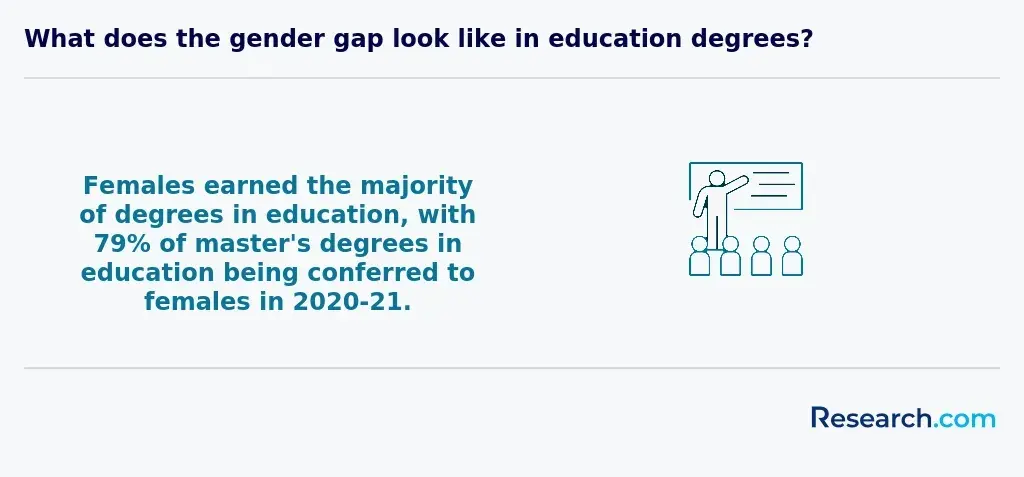
The visual below shows gender representation among preschool instructors in the United States.
Common mistakes to avoid when becoming a preschool teacher assistant in Colorado
- Choosing a program before checking requirements: Always confirm that coursework is accepted by the Colorado employer or credential pathway you plan to use.
- Looking only at tuition: Books, credentialing, background checks, transportation, and lost work hours can change the real cost.
- Assuming all online courses count: Online learning can be useful, but not every course satisfies Colorado-specific expectations.
- Failing to document experience: Keep written records of dates, hours, age groups served, supervisor names, and job duties.
- Ignoring transfer credit policies: If you may pursue a degree later, choose courses that can move with you.
- Expecting assistant experience to equal teacher licensure: Classroom experience helps, but lead teaching, kindergarten teaching, and public school roles may require additional education and credentials.
- Accepting a job without asking about support: Ask about mentoring, paid training, classroom ratios, planning expectations, and advancement opportunities.
How to choose the right preschool teacher assistant pathway in Colorado
- Define your target role. Decide whether you want an assistant job quickly or whether you are building toward lead preschool teaching, kindergarten teaching, special education, or another education career.
- Collect job postings from your preferred employers. Compare the education, experience, CPR, First Aid, and background check requirements they list.
- Confirm Colorado credential expectations. Check whether you need 90 hours, 12 credit hours, a specific ECE credential, or verified experience.
- Compare program costs and transfer value. A low-cost course is only worthwhile if it counts toward your goal.
- Plan your timeline around work and field experience. If you need 12 months, or 1,820 hours, of verified experience, start documenting immediately.
- Budget for non-tuition costs. Include textbooks, supplies, background checks, CPR and First Aid, credential fees, and commuting.
- Build a career file. Save transcripts, certificates, supervisor letters, training records, and examples of classroom contributions.
Related Articles for Nearby States
- 2027 How to Become a Preschool Teacher Assistant in Wyoming: Requirements & Certification
- 2027 How to Become a Preschool Teacher Assistant in Nebraska: Requirements & Certification
- 2027 How to Become a Preschool Teacher Assistant in Kansas: Requirements & Certification
- 2027 How to Become a Preschool Teacher Assistant in New Mexico: Requirements & Certification
- 2027 How to Become a Preschool Teacher Assistant in Utah: Requirements & Certification
- 2027 How to Become a Preschool Teacher Assistant in Oklahoma: Requirements & Certification
- 2027 How to Become a Preschool Teacher Assistant in Arizona: Requirements & Certification
- 2027 How to Become a Preschool Teacher Assistant in Texas: Requirements & Certification
- 2027 How to Become a Preschool Teacher Assistant in South Dakota: Requirements & Certification
- 2027 How to Become a Preschool Teacher Assistant in Nevada: Requirements & Certification
References
- BLS (2024, August 29). Preschool Teachers. Bureau of Labor Statistics preschool teacher profile
- BLS (2024, August 29). Teacher Assistants. Bureau of Labor Statistics teacher assistant profile
- Early Childhood Council Leadership Alliance. Early Childhood Career Pathways in Colorado. Colorado early childhood career pathways
- Early Childhood Council of Larimer County. Assistant Early Childhood Teacher. Assistant early childhood teacher guidance
- Talent.com (2024). Assistant Preschool Teacher: Average Salary in Colorado in 2024. Colorado assistant preschool teacher salary data
Key Insights
- The practical entry point is clear: most candidates need a high school diploma or GED, ECE coursework, background clearance, and often CPR and First Aid certification.
- Colorado pathways can involve both education and experience: some candidates complete 90 hours of coursework, 12 credit hours, or experience documentation such as 12 months, or 1,820 hours, with children under six.
- Cost depends on the route: targeted coursework may cost between $1,000 and $3,000, while broader ECE programs may range from $3,000 to $15,000 per year before living costs and supplies.
- The role is a strong stepping stone: preschool assistant experience can support future moves into lead preschool teaching, kindergarten teaching, special education, private school teaching, or related education careers.
- Do not enroll blindly: confirm that any course or credential is accepted by Colorado employers and can transfer if you plan to continue your education.
- Salary varies by experience and location: the average annual salary is approximately $33,280, but reported figures differ across cities such as Greeley, Denver, Castle Rock, Aurora, and Lone Tree.
Other Things You Should Know About Becoming a Preschool Teacher Assistant in Colorado
Most employers require a Colorado Bureau of Investigation fingerprint-based background check before a preschool classroom assistant can start. The prints are usually submitted through an approved vendor, and the results must clear state and federal checks before final placement in a licensed child care setting.
In Colorado, preschool teacher assistants must undergo a background check that includes fingerprinting and a review of criminal records conducted by the Colorado Bureau of Investigation and the FBI to ensure they meet the safety standards for working with children.
To become a preschool teacher assistant in Colorado in 2027, you must be at least 18 years old. This is a legal requirement set by the Colorado Department of Human Services for individuals working in licensed childcare facilities.