
2027 How to Become a Special Education Teacher in Montana: Requirements & Certification

Co-Founder and Chief Data Scientist
Montana needs more special education teachers, and the shortage is especially visible in districts serving rural communities and students with high-support needs. Special education has 259 open positions, and 14% of Montana’s student population receives special education services. For aspiring teachers, career changers, paraprofessionals, and licensed educators considering an endorsement, this creates a clear opportunity—but it also requires careful planning around degree requirements, licensure, student teaching, cost, salary expectations, and long-term career options.
This guide explains how to become a special education teacher in Montana, how long the process usually takes, what licensing steps to expect, how much teachers earn, and how to compare degree and credential options. It also covers professional development, advanced roles, technology trends, common mistakes, funding considerations, and alternative career paths inside and outside public schools.
Quick Answer: How Do You Become a Special Education Teacher in Montana?
To become a special education teacher in Montana, you generally need to complete a state-approved bachelor’s degree in special education or a related education field, maintain the required academic standing, complete supervised student teaching, pass required Montana licensure assessments, clear background checks and fingerprinting, and apply for the appropriate teaching license. Candidates from outside education may use post-baccalaureate or alternative preparation options if they meet Montana’s standards.
| Requirement | What It Means for Candidates |
| Degree preparation | A Bachelor’s in Special Education or a related field is the common entry route. |
| Academic standard | Candidates are expected to maintain a minimum cumulative GPA of 2.75. |
| Clinical experience | Student teaching or internship experience is required to demonstrate classroom readiness. |
| Licensure | Candidates must complete Montana’s testing, background check, fingerprinting, and credential review requirements. |
| Typical timeline | Most candidates need four to six years, depending on degree path and whether they pursue graduate study. |
Key Things You Should Know About Becoming a Special Education Teacher in Montana
- 14% of Montana’s student population receives special education services, which contributes to strong demand for qualified teachers.
- The average annual salary for special education teachers in Montana is $59,490.
- Montana uses a special education funding structure that allocates $287.93 per student and requires districts to contribute $1 in local funds for every $3 in state funds, with possible partial reimbursements when allowable costs exceed available grants.
- Tuition and fees for public four-year colleges for special education programs in Montana average around $7,097, while private four-year institutions average $32,954.
- Education requirements for special education teachers in Montana
- How long the Montana teacher preparation path takes
- Licensing requirements for Montana special education teachers
- Demand for special education teachers in Montana
- Salary expectations for Montana special education teachers
- Professional development options
- Advanced roles for experienced teachers
- Major challenges in Montana special education
- How cross-disciplinary skills help special education teachers
- Using technology to support special education outcomes
- How teaching credentials can support career growth
- Whether fast-track online teaching degrees make sense
- School psychology training and special education careers
- Montana special education laws and teacher responsibilities
- Mentorship for special education teachers
- Elementary teaching experience and special education outcomes
- BCBA certification for special education teachers
- Moving from special education into school counseling
- Scholarships, grants, and funding considerations
- Career pathways outside public schools
- Other career options for special education teachers
- Substance abuse counseling as a related career option
What are the educational requirements to be a special education teacher in Montana?
The standard preparation route for Montana special education teachers starts with an approved teacher education program. Most candidates complete a Bachelor’s in Special Education or a closely related education major that includes coursework in disability categories, assessment, behavior supports, instructional design, classroom management, legal responsibilities, and individualized education programs.
Montana institutions such as the University of Montana and Montana State University offer education pathways that can prepare candidates for classroom practice. Students comparing majors should review available education degree options carefully because not every education degree leads to the same endorsement, grade level, or licensure outcome.
Candidates are also expected to meet a minimum cumulative GPA of 2.75. This requirement matters because teacher preparation programs use academic performance, fieldwork, and faculty evaluation to determine whether a candidate is ready for student teaching and eventual licensure.
Career changers who already hold a bachelor’s degree may not need to start over. Post-baccalaureate and internship-based options can help some candidates complete missing education coursework, supervised field experience, and licensure requirements while building practical classroom skills.
| Path | Best For | What to Check Before Enrolling |
| Bachelor’s in Special Education | First-time college students who want the most direct route into special education teaching. | Confirm that the program is state-approved for Montana licensure and includes student teaching. |
| Related education degree with special education preparation | Students interested in broader teaching preparation plus special education coursework. | Verify endorsement eligibility, required field placements, and grade-level authorization. |
| Post-baccalaureate preparation | Career changers who already have a bachelor’s degree. | Ask which previous credits count and how long the licensure sequence will take. |
| Internship or alternative pathway | Candidates who need a more flexible transition into teaching. | Make sure the route satisfies Montana’s assessment, supervision, and credential requirements. |
- Degree requirement: A Bachelor’s in Special Education or a related field is the typical academic foundation.
- GPA expectation: A minimum cumulative GPA of 2.75 is required.
- Field experience: Student teaching or internship work gives candidates supervised practice with real classroom responsibilities.
- Alternative preparation: Post-baccalaureate programs can help professionals from other fields move into special education.
How long does it take to become a special education teacher in Montana?
Most candidates should expect the process to take four to six years. The shortest common route is a four-year bachelor’s program that includes required coursework and student teaching. Candidates who add graduate study, change careers, attend part time, or need additional endorsement coursework may take longer.
| Stage | Typical Time | What Happens During This Step |
| Bachelor’s degree | About four years | Students complete general education, teacher preparation coursework, special education methods, and field experiences. |
| Student teaching internship | One semester, or roughly four to five months | Candidates teach under supervision and demonstrate readiness for classroom practice. |
| Licensure process | A few additional months | Candidates complete exams, background checks, fingerprinting, and application review. |
| Master’s degree, if pursued | Another two years | Teachers deepen expertise and may prepare for leadership, specialist, or advanced instructional roles. |
A full-time student who enters college as a first-year education major may be ready for licensure in about four years if all requirements are completed on schedule. A career changer may move faster or slower depending on prior credits, program format, field placement availability, and licensure requirements.
Before choosing a program, ask whether courses are offered year-round, whether student teaching placements are available near your community, and whether online coursework still requires in-person fieldwork in Montana schools.
What are the licensing requirements for special education teachers in Montana?
Montana special education teachers must hold the appropriate teaching license before serving as the teacher of record in a public school special education classroom. Licensure confirms that the educator has completed approved preparation, passed required assessments, cleared safety checks, and met state credential standards.
The licensure process typically includes Montana licensure examinations in relevant general and special education areas, background checks, fingerprinting, verification of academic credentials, and completion of an approved teacher preparation program. Candidates should confirm the exact testing and endorsement requirements with their program and the Montana Office of Public Instruction because requirements can vary by preparation route and endorsement area.
Licensed teachers must also plan for renewal. Continuing education requirements help teachers stay current with special education law, inclusive instruction, assistive technology, behavioral supports, and evidence-based intervention practices.
Teachers licensed in another state may be able to use reciprocity, but reciprocity does not always mean automatic approval. Out-of-state educators should compare their current credential with Montana’s standards and identify any testing, coursework, or background check steps that still apply.
| Licensure Step | Why It Matters |
| Approved preparation | Shows that the candidate completed required coursework and supervised classroom practice. |
| Licensure examinations | Measures readiness in teaching knowledge and special education content. |
| Background checks and fingerprinting | Protects student safety and verifies eligibility to work in schools. |
| Credential verification | Confirms degrees, transcripts, and preparation program completion. |
| Renewal and continuing education | Keeps teachers aligned with current instructional, legal, and professional standards. |
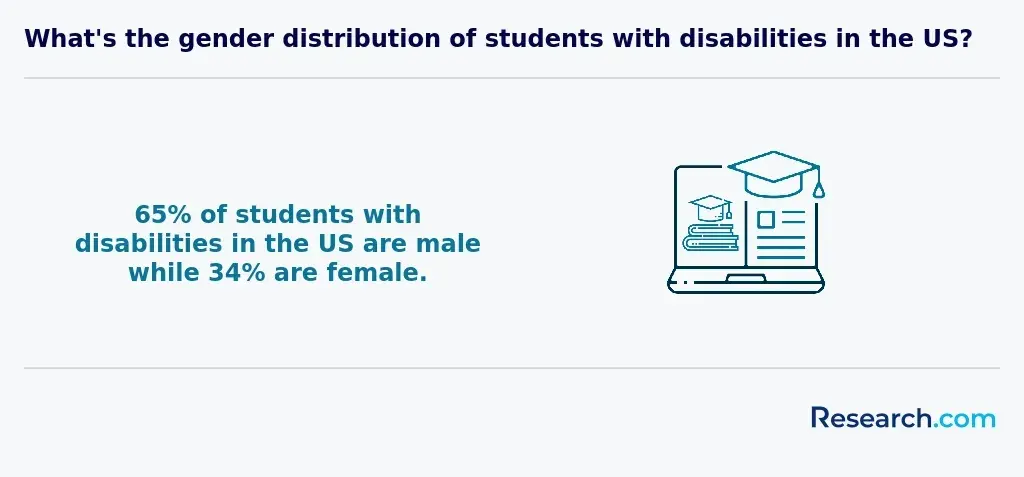
The chart below from NCES shows the percentage of students with disabilities in the United States.
What is the demand for special education teachers in Montana?
Demand is significant because 14% of Montana’s student population receives special education services and special education has 259 open positions. Rural geography, specialized service needs, and district vacancy pressures can make recruitment difficult, especially in communities with fewer local candidates.
For job seekers, this means special education can be a practical teaching path with openings across the state. For schools, it means hiring is not only about filling classrooms; it is about meeting legal obligations, delivering individualized services, and giving students consistent support from qualified educators.
Teachers who can combine special education expertise with collaboration, progress monitoring, behavior support, and team leadership may be especially valuable. Educators interested in school improvement work can also benefit from understanding how a structured leadership development plan supports stronger teams and more consistent services.
Where demand is most likely to affect teachers
- Rural districts: Teachers may cover broader service areas or work with fewer nearby specialists.
- High-need disability areas: Schools may need educators who can manage complex academic, behavioral, or communication needs.
- Transition services: Older students may need support with life skills, career readiness, and postsecondary planning.
- Inclusive classrooms: General and special education teachers increasingly collaborate to support students in less restrictive environments.
How much do special education teachers in Montana earn?
The average annual salary for special education teachers in Montana is $59,490. Entry-level special education teachers typically earn $46,899, while experienced educators can see earnings rise to $94,687.
| Career Stage | Reported Salary Figure | How to Interpret It |
| Entry level | $46,899 | Common for newer teachers or those early in their salary schedule placement. |
| Average | $59,490 | A broad benchmark for special education teacher pay in Montana. |
| Experienced | $94,687 | Possible for seasoned educators, often depending on district, education level, years of service, and role. |
Actual pay can vary by district, collective bargaining agreement, years of experience, graduate credits, advanced degrees, endorsements, and local funding. Urban districts may offer different salary schedules than rural districts, but rural positions may provide other advantages such as smaller communities, broader responsibilities, or hard-to-fill openings.
When evaluating salary, look beyond the headline number. Review health benefits, retirement contributions, stipends, tuition reimbursement, professional development support, housing costs, commute distance, and the district’s caseload expectations.

What professional development opportunities are available for special education teachers in Montana?
Professional development is essential in special education because teachers must respond to changing laws, new intervention models, assistive technology tools, behavioral needs, and family expectations. Montana educators can use conferences, state workshops, online learning, mentoring, and graduate coursework to strengthen their practice.
- Montana Special Education Conference: This annual event gives educators a place to learn from specialists, exchange strategies, and discuss current special education practices with peers across the state.
- Montana Office of Public Instruction workshops: State workshops may address IEP development, inclusive teaching, behavioral interventions, compliance, and instructional strategies.
- Online learning platforms: Webinars and online courses can help rural teachers access training without long travel times. Topics may include Universal Design for Learning, Positive Behavioral Interventions, assistive technology, and progress monitoring.
- Graduate study: Teachers who want deeper specialization may consider master’s-level coursework, leadership preparation, or related endorsements.
- Professional learning communities: School-based teams help teachers review student data, solve classroom problems, and improve consistency across services.
| Development Option | Best Use | Decision Tip |
| Conference participation | Networking, current practices, and statewide perspective. | Choose sessions tied to your caseload, not only general interest topics. |
| State workshops | Compliance, IEPs, behavior supports, and Montana-specific guidance. | Prioritize workshops that help with immediate classroom responsibilities. |
| Online courses | Flexible learning for educators in remote areas. | Confirm whether the course counts toward renewal or district requirements. |
| Graduate programs | Advanced roles, deeper specialization, or leadership pathways. | Compare cost, licensure value, and salary schedule benefits before enrolling. |
Are there advanced roles for experienced special education teachers in Montana?
Experienced special education teachers can move into roles that extend their influence beyond one classroom. Some positions remain student-facing, while others focus on assessment, program design, coaching, compliance, or district leadership.
- Classroom teacher: Many experienced educators remain in teaching because they prefer direct student work and long-term relationships with families.
- Educational diagnostician: This role focuses on assessment, eligibility information, learning needs, and recommendations that help teams design appropriate supports.
- Special education instructional coordinator: Coordinators help teachers implement IEPs, align services, review data, and improve instructional consistency.
- Director or program manager: Leadership roles may oversee special education programs, staffing, compliance, budgets, curriculum, and service delivery.
- Independent consultant: Experienced teachers may advise schools, agencies, or organizations on inclusion, compliance, behavior systems, or instructional improvement.
| Advanced Role | Who It Fits | Skills That Matter Most |
| Instructional coordinator | Teachers who enjoy coaching colleagues and improving systems. | IEP knowledge, data analysis, collaboration, and instructional leadership. |
| Educational diagnostician | Educators interested in assessment and eligibility decisions. | Evaluation literacy, communication, documentation, and student-centered planning. |
| Program director | Teachers who want administrative responsibility. | Compliance, budgeting, supervision, leadership, and policy implementation. |
| Consultant | Experienced professionals who want flexible or advisory work. | Credibility, specialization, training skills, and knowledge of school systems. |
What are the biggest challenges faced by special education teachers in Montana?
Special education teaching in Montana can be highly meaningful, but candidates should understand the pressures before entering the field. The work requires instructional skill, legal accuracy, emotional stamina, and strong collaboration across families, administrators, general education teachers, paraprofessionals, and service providers.
- Geographic isolation: Teachers in remote communities may have fewer nearby specialists, less frequent in-person training, and longer travel distances for services or professional learning.
- Large or complex caseloads: Teachers may support students with very different needs while also managing evaluations, meetings, progress reports, and documentation.
- Limited resources: Some classrooms may lack enough materials, specialized technology, or support staff, which can make individualized instruction harder to deliver.
- Family communication demands: IEP conversations can be emotional because families are advocating for essential services. Teachers need clarity, empathy, and strong documentation.
- Emotional strain: Supporting students with significant needs can lead to stress or compassion fatigue if teachers lack support and boundaries.
- Training gaps among support staff: Paraprofessionals are important partners, but teachers may need to coach them while also managing instruction and compliance.
These challenges are not unique to Montana, but Montana’s geography and staffing shortages can make them more visible. Educators comparing states or preparation systems may find it useful to review other teacher education pathways, including West Virginia teacher education programs, to understand how different states structure preparation and support.
Common mistakes to avoid before entering the field
| Mistake | Why It Can Hurt You | Better Approach |
| Choosing a program without checking licensure alignment | You may finish coursework that does not qualify you for the endorsement you need. | Ask the program directly whether graduates meet Montana special education licensure requirements. |
| Looking only at tuition | Fees, travel, student teaching costs, and lost work hours can change the real price. | Compare total cost, transfer credits, financial aid, and time to completion. |
| Assuming online means fully remote | Most teacher preparation still requires in-person fieldwork or student teaching. | Confirm where placements happen and who arranges them. |
| Ignoring caseload questions during job interviews | A position may look attractive but involve unsustainable workload expectations. | Ask about caseload size, paraprofessional support, planning time, and evaluation duties. |
| Relying only on rankings or reputation | A well-known school may not be the best fit for your location, schedule, or licensure goal. | Prioritize accreditation, state approval, placement support, and graduate outcomes. |
The chart below from the US Department of Education highlights special education teacher shortage areas in the country.
How Can Cross-Disciplinary Skills Enhance Special Education Teaching in Montana?
Special education teachers benefit when they bring expertise from other subject areas into individualized instruction. Strong literacy skills, for example, can improve reading interventions, writing supports, vocabulary instruction, and content access for students with disabilities. Educators interested in strengthening language arts instruction can review guidance on how to become an English teacher in Montana and apply relevant strategies to special education settings.
How can technology integration boost special education outcomes in Montana?
Technology can help special education teachers personalize instruction, track progress, support communication, and reach students in remote areas. Assistive technology, adaptive software, digital assessments, and learning management tools can make instruction more accessible when they are matched to a student’s IEP goals and used consistently by the teaching team.
Technology should not replace teacher judgment. The strongest results come when educators use tools to support evidence-based instruction, not when they adopt software without training or data review. Teachers who want graduate-level online learning may compare options such as the cheapest online masters degree in early childhood education, especially if they work with younger learners or want more flexible study formats.
How Can a Teaching Credential Accelerate Career Growth in Montana?
Additional credentials can help Montana teachers qualify for endorsements, specialized assignments, leadership roles, or transitions across educational settings. A credential can also signal that a teacher has met structured preparation standards beyond basic classroom experience.
Before enrolling, compare cost, licensure value, district salary schedule impact, and whether the credential is recognized for the role you want. Educators looking for an affordable route can review teaching credential programs in Montana to understand lower-cost preparation options.
Can a fast-track teaching degree online benefit special education teachers in Montana?
A fast-track online program can be useful for motivated candidates who need flexibility and already understand the intensity of accelerated study. It may help career changers or paraprofessionals move more quickly toward licensure, especially when local teacher shortages are urgent.
The trade-off is that accelerated programs compress coursework, fieldwork, and assessment preparation into a shorter schedule. Before choosing a fast-track teaching degree online, ask whether the program is state-approved, how student teaching is arranged, how much live support is available, and whether graduates qualify for Montana licensure.
Can advanced school psychology training expand career opportunities for special education teachers in Montana?
School psychology training can deepen a special education teacher’s understanding of assessment, behavior, mental health, intervention planning, and student support systems. This knowledge can strengthen IEP collaboration and may also open doors to specialized student services roles.
However, school psychology is a distinct professional pathway with its own requirements. Teachers considering this move should review school psychologist requirements Montana before assuming that teaching experience alone is enough.
How do Montana’s special education laws impact teachers?
Special education teachers work within a legal framework that shapes daily practice. Federal law, including the Individuals with Disabilities Education Act (IDEA), requires eligible students with disabilities to receive a free appropriate public education (FAPE). In practical terms, this means teachers must help develop, implement, document, and monitor individualized education programs.
Montana’s Administrative Rules for Special Education also guide educator qualifications, responsibilities, and service delivery expectations. Teachers must understand evaluation timelines, eligibility, IEP procedures, parent participation, placement decisions, progress reporting, and confidentiality.
Montana also supports practices such as Positive Behavioral Interventions and Supports (PBIS), which encourage proactive behavior systems rather than purely reactive discipline. For special education teachers, this means behavior planning should be data-informed, consistent, and connected to student needs.
Family engagement is another major responsibility. Teachers must communicate clearly with parents and guardians, explain data in understandable language, and approach IEP meetings as collaborative planning sessions. Strong family partnerships can reduce conflict and improve consistency between school and home.
Educators who want to understand broader opportunity areas in the field can explore resources on education career growth and compare special education with other high-need education roles.
How can mentorship enhance career development for special education teachers in Montana?
Mentorship can reduce isolation, improve classroom decision-making, and help new teachers navigate IEPs, family meetings, behavior plans, and caseload management. This is especially important in rural districts where a new special education teacher may not have many same-role colleagues in the building.
A good mentor can help a teacher interpret school procedures, prepare for difficult meetings, prioritize documentation, and build sustainable routines. Mentorship also helps teachers compare related education pathways, including preschool teacher requirements in Montana, when they want to expand into early childhood or developmental support roles.
How Can Elementary Teaching Experience Enhance Special Education Outcomes in Montana?
Elementary teaching experience can strengthen a special education teacher’s foundation in early literacy, numeracy, classroom routines, behavior expectations, and differentiated instruction. These skills are especially useful for students who need explicit instruction, repetition, visual supports, and structured transitions.
Teachers with elementary experience often understand how young learners build academic and social skills over time. Special education teachers who want to broaden this background can review how to become an elementary school teacher in Montana and identify methods that transfer into inclusive and resource settings.
How can BCBA Certification Boost Your Special Education Career in Montana?
BCBA certification can add specialized expertise in behavior assessment, intervention design, data collection, and behavior-change planning. For special education teachers working with students who have significant behavioral needs, this training can improve classroom systems and collaboration with families and service providers.
BCBA certification is not the same as a teaching license, so teachers should treat it as an additional pathway rather than a replacement for educator preparation. Review how to become a BCBA in Montana to understand the credential route and whether it fits your long-term goals.
Can Special Education Teachers Transition into School Counseling Roles in Montana?
Special education teachers often have transferable skills that align with school counseling: student advocacy, crisis awareness, family communication, behavior support, and individualized planning. These strengths can be valuable for educators who want to support students’ academic, social, and emotional development in a broader role.
Even with relevant experience, school counseling requires additional preparation and credentialing. Teachers considering this transition should review school counselor requirements in Montana before planning a move out of the classroom.
Are there scholarships and grants available for special education teachers in Montana?
Montana’s special education funding structure affects districts more directly than individual teacher tuition bills. The state uses a census-based model that provided $287.93 per student in FY2022, rather than funding each special education student separately. Districts must contribute $1 in local funds for every $3 in state funding and may receive partial reimbursements when allowable costs exceed available grants. Some additional funding is targeted to specific needs, including special education cooperatives and services for students placed in out-of-district care.
Individual educators should look separately at scholarships, grants, union-supported funding, employer tuition support, federal aid, and district professional development funds. Prospective teachers comparing preparation routes may also find it useful to review other state examples, such as Washington teacher preparation programs, to understand how teacher education costs and requirements can differ by location.
- Karen Cox Memorial Grants: These grants provide up to $500 for classroom supplies and project costs and are available to members of the Montana Federation of Public Employees (MFPE). Applications are due by December 2 each year.
- Jim McGarvey Scholarships: These scholarships support educators who participate in professional development programs designed to improve public education and strengthen union involvement.
Questions to ask before using financial aid or grant support
- Does the funding cover tuition, fees, books, classroom supplies, travel, or professional development?
- Is the award limited to current teachers, union members, undergraduate students, or graduate students?
- Does the award require service in a Montana school or a specific district?
- Will the program you choose qualify for licensure, endorsement, or renewal credit?
- Are there deadlines, reimbursement rules, or documentation requirements?
What career pathways exist outside public schools for special education teachers in Montana?
Special education teachers are not limited to public school classrooms. Their skills can transfer to private schools, therapeutic programs, nonprofits, advocacy organizations, consulting work, and specialized student support services.
Private schools may appeal to teachers who want smaller class settings or a different instructional environment, but requirements can vary. Educators considering that option should review how to become a private school teacher in Montana and confirm whether a specific employer requires Montana licensure, a special education endorsement, or other credentials.
Therapeutic and treatment centers may need educators who can work with multidisciplinary teams, support students with complex needs, and align instruction with behavioral or clinical plans. Nonprofits and advocacy organizations may value teachers who understand IEPs, family communication, disability rights, and inclusive practices.
What other career options are available to special education teachers in Montana?
Special education teachers can use their experience to move into related roles in speech-language support, educational leadership, policy work, disability advocacy, curriculum design, teacher coaching, assistive technology coordination, or family support services.
Speech-language pathology is one related pathway for educators interested in communication disorders, language development, and student support services. Teachers exploring that option can review how to become a speech language pathologist in Montana to understand the additional education and credential steps involved.
| Career Option | How Special Education Experience Helps | What May Be Needed Next |
| Speech-language pathology | Experience with communication goals, IEP teams, and student intervention. | Additional specialized education and professional credentialing. |
| School counseling | Skills in student support, family communication, and advocacy. | Counseling preparation and Montana credential requirements. |
| Behavior analysis | Experience with behavior plans, data tracking, and intervention strategies. | BCBA-related coursework, supervision, and certification steps. |
| Education leadership | Understanding of compliance, services, staffing, and inclusive instruction. | Leadership preparation, administrative credentials, or district experience. |
| Advocacy or consulting | Knowledge of IEPs, disability services, and family-school collaboration. | Specialized expertise, professional network, and clear service focus. |
Can Special Education Experience Open Doors to Substance Abuse Counseling in Montana?
Special education teachers develop skills that can be useful in counseling-related work, including behavior observation, individualized planning, crisis awareness, empathy, documentation, and collaboration with families and support professionals. These abilities can support a transition into substance abuse counseling, especially for educators who want to work with adolescents, families, or community-based support programs.
Substance abuse counseling has its own training and credential requirements, so teaching experience should be viewed as helpful background rather than a substitute for counseling preparation. To compare the steps, review how to become a substance abuse counselor in Montana.
How to Choose the Right Montana Special Education Program
The best program is not always the fastest or cheapest. It is the one that leads to the correct Montana credential, fits your schedule, provides strong field placement support, and prepares you for the realities of special education work.
- Confirm state approval: Ask whether the program prepares graduates for Montana special education licensure.
- Check endorsement fit: Make sure the program aligns with the grade levels and disability areas you want to serve.
- Review field placement logistics: Ask where student teaching happens and whether placements are available near your community.
- Compare total cost: Include tuition, fees, books, travel, testing costs, and lost work time during student teaching.
- Ask about support: Look for advising, test preparation, mentorship, and help with licensure paperwork.
- Evaluate online flexibility carefully: Online coursework can help working adults, but fieldwork still requires in-person teaching experience.
- Talk to current teachers: Ask about caseloads, district support, paraprofessional help, planning time, and professional development.
Is Becoming a Special Education Teacher in Montana Worth It?
Becoming a special education teacher in Montana can be worth it for people who want meaningful student-facing work, are comfortable with documentation and collaboration, and can manage the emotional and logistical demands of the role. The state’s shortage conditions and the share of students receiving services point to real need, but candidates should enter with realistic expectations about workload, pay variation, and rural service challenges.
| This Path May Fit You If... | You May Want a Different Path If... |
| You want to work directly with students who need individualized support. | You prefer a role with less paperwork, fewer meetings, or limited family communication. |
| You are patient, structured, and comfortable adapting instruction. | You want predictable daily routines with minimal crisis response or behavioral support. |
| You can collaborate with families, teachers, administrators, and specialists. | You prefer independent work with few team-based decisions. |
| You are willing to keep learning about law, interventions, and assistive technology. | You do not want continuing education or credential renewal responsibilities. |
| You are open to rural or high-need districts where demand may be strongest. | You need a narrow geographic job search with limited flexibility. |
Key Insights
- Montana has a clear need for special education teachers, with 259 open positions and 14% of students receiving special education services.
- The standard route includes a Bachelor’s in Special Education or a related field, a minimum cumulative GPA of 2.75, supervised student teaching, testing, background checks, fingerprinting, and licensure review.
- Most candidates need four to six years, depending on whether they complete a bachelor’s degree only, pursue graduate study, or enter through a post-baccalaureate route.
- The average annual salary is $59,490, with reported figures of $46,899 for entry-level teachers and $94,687 for seasoned educators.
- Program choice matters. Always verify Montana licensure alignment, endorsement eligibility, student teaching placement support, total cost, and renewal implications before enrolling.
- Special education teaching can lead to advanced roles in assessment, instructional coordination, program leadership, consulting, behavior analysis, school counseling, school psychology, speech-language services, advocacy, and therapeutic education settings.
- The biggest risks are choosing a non-aligned program, underestimating workload, ignoring rural placement realities, and focusing only on tuition rather than total cost and licensure value.
Related Articles for Nearby States
- 2027 How to Become a Special Education Teacher in Idaho: Requirements & Certification
- 2027 How to Become a Special Education Teacher in Wyoming: Requirements & Certification
- 2027 How to Become a Special Education Teacher in North Dakota: Requirements & Certification
- 2027 How to Become a Special Education Teacher in South Dakota: Requirements & Certification
- 2027 How to Become a Special Education Teacher in Washington: Requirements & Certification
- 2027 How to Become a Special Education Teacher in Oregon: Requirements & Certification
- 2027 How to Become a Special Education Teacher in Utah: Requirements & Certification
- 2027 How to Become a Special Education Teacher in Nebraska: Requirements & Certification
- 2027 How to Become a Special Education Teacher in Minnesota: Requirements & Certification
- 2027 How to Become a Special Education Teacher in Colorado: Requirements & Certification
References:
- EdBuild (n.d.). Special Education Funding Policies in Each State. Retrieved from http://funded.edbuild.org/reports/issue/special-ed/in-depth
- Ktvq (2023). Montana Still Struggling with Teacher Shortage. Retrieved from https://www.ktvq.com/news/local-news/montana-still-struggling-with-teacher-shortage#google_vignette
- NCES (n.d.). Average undergraduate tuition, fees, room, and board charges for full-time students in degree-granting postsecondary institutions, by control and level of institution and state: Academic years 2020-21 and 2021-22. Retrieved from https://nces.ed.gov/programs/digest/d22/tables/dt22_330.20.asp
- NCES (2024). Students With Disabilities. Retrieved from https://nces.ed.gov/programs/coe/indicator/cgg/students-with-disabilities
- Salary.com (2024). Special Education Teacher Salary in Montana. Retrieved from https://www.salary.com/research/salary/benchmark/special-education-teacher-salary/mt
- US Department of Education (n.d.). Teacher Shortage Areas. Retrieved from https://tsa.ed.gov/#/reports
Other Things You Should Know About Becoming a Special Education Teacher in Montana
The Montana Office of Public Instruction approves educator licenses, including special education endorsements. Applicants submit credentials through the state licensing system and must meet OPI standards for preparation, testing, and background screening before receiving a Class 5 or Class 2 license.
To become certified in Montana, you must pass the Praxis Special Education: Core Knowledge and Mild to Moderate Applications exam. This requirement ensures that teachers have the necessary knowledge and skills for teaching students with special needs in Montana’s educational system.


