2027 How to Become a Preschool Teacher Assistant in West Virginia: Requirements & Certification

Co-Founder and Chief Data Scientist
Becoming a preschool teacher assistant in West Virginia is a practical entry point into early childhood education, but the path can feel unclear because requirements may vary by employer, setting, and role. Some positions require only a high school diploma or equivalent, while others prefer early childhood coursework, the Child Development Associate credential, CPR training, or authorization for pre-K and kindergarten support roles.
This guide explains what preschool teacher assistants do, what education and credentials are commonly expected, how long the process can take, what it may cost, and how to use the role as a stepping stone toward preschool teaching, kindergarten teaching, special education, or other education careers. It is designed for career changers, recent graduates, paraprofessionals, and anyone comparing early childhood education pathways in West Virginia.
Quick answer: How do you become a preschool teacher assistant in West Virginia?
To become a preschool teacher assistant in West Virginia, you generally need at least a high school diploma or GED, must pass required background checks, and may need employer-required training such as CPR, First Aid, early childhood coursework, or a Child Development Associate credential. The CDA is not always mandatory, but it is widely respected and can improve job competitiveness. Depending on the path you choose, preparation can take from several weeks to about two years.
Key things to know before you start
- Minimum education: The West Virginia Department of Education identifies a high school diploma or equivalent as the basic starting point for many preschool teaching assistant roles, though employers often prefer candidates with postsecondary early childhood education training.
- Credential timeline: Earning a Child Development Associate credential can take about 6 months to 2 years, depending on the training provider, your schedule, and how quickly you complete experience and portfolio requirements.
- Typical CDA-related costs: Expenses for a CDA credential may range from $1,000 to $2,500, including application fees, coursework, training materials, and related preparation costs.
- Background checks matter: Candidates should expect a child-safety screening process. Background checks may take several weeks, so delays are possible if documents are incomplete.
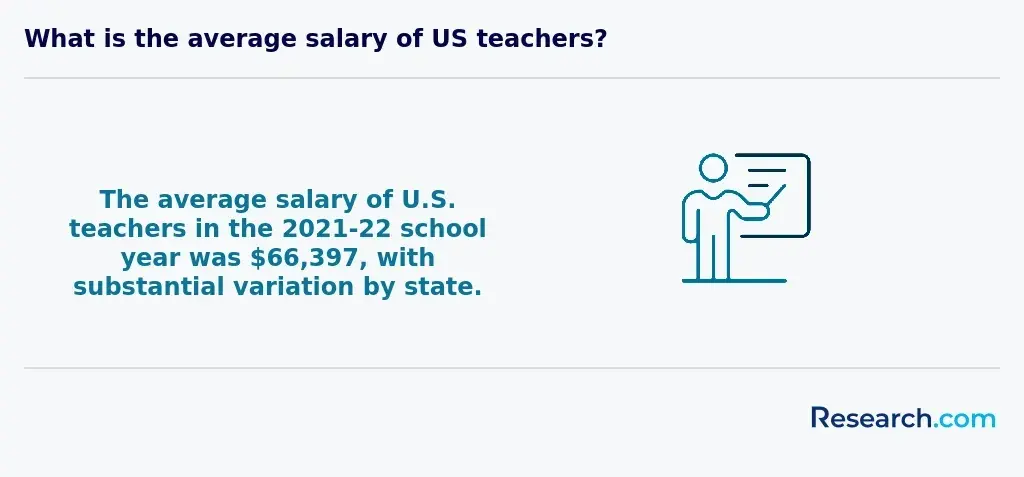
- Salary expectations: Preschool teacher assistants in West Virginia commonly earn around $25,000 to $30,000 per year, with pay affected by district, employer type, experience, and additional credentials.
- Labor market context: West Virginia schools face staffing pressure, with 44% of public schools reporting vacancies, which can create opportunities for qualified support staff.
- What does a preschool teacher assistant do in West Virginia?
- What education do preschool teacher assistants need in West Virginia?
- What certifications or credentials should you consider?
- How do you keep your certification or authorization active?
- How long does the process usually take?
- How much does it cost to prepare for this role?
- What advancement options come after a teacher assistant role?
- What career paths can preschool teacher assistants pursue?
- Can an online education degree help your career?
- What is the job market like in West Virginia?
- How much do preschool teacher assistants make?
- What professional development options are available?
- Can special education training make you more effective?
- How can networking and mentorship support your growth?
- Can private school teaching credentials broaden your options?
- Can music education skills improve classroom engagement?
- Can math teaching certification help in a preschool classroom?
- How should you prepare for certification exams?
- Can online teaching experience expand your career options?
- How can moving into kindergarten teaching advance your career? Math certification section Networking section Professional development section Salary section Additional planning questions
What does a preschool teacher assistant do in West Virginia?
A preschool teacher assistant helps the lead teacher create a safe, structured, and developmentally appropriate learning environment for young children. The role is hands-on. You may help children during center time, prepare materials, guide routines, reinforce classroom expectations, support early literacy and numeracy activities, and communicate observations to the lead teacher.
| Responsibility | What it looks like in practice | Why it matters |
| Classroom preparation | Organizing supplies, setting up activities, preparing learning centers, and helping the lead teacher keep the room orderly. | Young children learn best when the classroom is predictable, safe, and ready for active exploration. |
| Student supervision | Monitoring children during arrival, meals, play, bathroom routines, transitions, and dismissal. | Preschool classrooms require constant awareness because children are still developing independence and safety skills. |
| Instructional support | Helping with small groups, reading aloud, reinforcing directions, and supporting children who need extra help. | Assistants make it easier for teachers to provide more individualized attention. |
| Behavior support | Modeling appropriate behavior, helping children use words to solve problems, and reinforcing routines. | Social-emotional learning is a major part of early childhood education. |
| Family communication support | Sharing routine updates when permitted, documenting observations, and alerting the lead teacher to concerns. | Families need consistent information about a child’s development, adjustment, and daily experiences. |
In some preschool settings, child-to-teacher ratios can be as high as 10:1, so assistants play an important role in keeping children engaged and supervised. The work can be rewarding, but it also requires patience, emotional steadiness, and comfort with repetitive routines.
Common challenges include limited classroom resources, frequent staff turnover, physically active workdays, and the emotional demands of helping young children manage frustration, separation anxiety, peer conflict, and developmental differences.
Most preschool and kindergarten instructors in the United States have completed education-focused academic preparation, as the chart below illustrates.
What education do preschool teacher assistants need in West Virginia?
The basic entry requirement is often a high school diploma or GED, but that minimum may not be enough for every employer. Public school pre-K programs, Head Start programs, private preschools, and childcare centers can each set role-specific expectations. If you want stronger job prospects, prioritize early childhood education coursework and supervised experience with young children.
| Education level or preparation | When it may be enough | When you may need more |
| High school diploma or GED | Entry-level assistant positions, especially where the employer provides training. | Competitive public school or pre-K roles may prefer early childhood coursework or a credential. |
| Early childhood education coursework | Useful for candidates who want stronger preparation in child development, classroom management, and curriculum support. | May still need background checks, CPR, First Aid, or employer-specific authorization. |
| Certificate program | A focused option for candidates who want practical training without committing immediately to a full degree. | Credits may or may not transfer into an associate or bachelor’s program, so verify policies before enrolling. |
| Associate degree in early childhood education | A stronger pathway for candidates who want to qualify for more roles or later move toward lead teaching. | Further licensure or a bachelor’s degree may be required for certified teacher roles. |
Candidates are often encouraged to complete at least 12 credit hours in early childhood education or a related field. Relevant courses may cover child development, early literacy, curriculum planning, behavior guidance, family engagement, and health and safety. If your long-term goal is a licensed teaching role, compare your coursework with the expectations in West Virginia teacher education pathways before choosing a program.
- Verify the employer’s exact requirement. A private childcare center may have different expectations than a county school district.
- Ask whether credits transfer. If you may continue into an associate or bachelor’s degree, transferability can save time and money.
- Look for supervised practice. Field experience in preschool classrooms is valuable because employers want candidates who can manage real classroom routines.
- Prepare for screening. Background checks are standard for roles involving young children.
What certifications are required to be a preschool teacher assistant in West Virginia?
West Virginia preschool teacher assistant requirements depend on the setting, but several credentials and screenings commonly appear in job postings. The safest approach is to treat the high school diploma or GED as the baseline and then build credentials that match the type of employer you want.
| Requirement or credential | Required or recommended? | Best for |
| High school diploma or GED | Usually required as the minimum qualification. | Entry into assistant-level roles. |
| Background check | Required for candidates working with children. | All preschool and school-based settings. |
| Child Development Associate credential | Highly recommended; may be preferred by employers. | Candidates who want stronger early childhood credentials and better mobility. |
| First Aid and CPR certification | Often required by employers. | Classrooms, childcare centers, and any setting where emergency readiness is expected. |
| ECCAT authorization | Relevant for certain pre-kindergarten and kindergarten assistant teacher roles. | Candidates targeting public pre-K or kindergarten assistant positions. |
The Child Development Associate credential is especially useful because it shows focused preparation in early childhood learning environments, child development, family engagement, and professional practice. It is not the same as a teaching license, but it can help demonstrate readiness for preschool support roles.
For safety-sensitive positions, First Aid and CPR training is more than a résumé booster. Preschool assistants may be the first adult to respond to minor injuries, choking risks, allergic reactions, or playground incidents while waiting for additional help.
How do you keep your certification or authorization active?
Maintaining eligibility is not a one-time task. Preschool teacher assistants should expect ongoing professional development, updated background clearances when required, and employer-specific training. The West Virginia Department of Education requires teacher assistants to complete at least 15 hours of professional development every five years.
- Track professional development hours. Keep copies of certificates, transcripts, workshop confirmations, and online course records.
- Submit renewal materials on time. If your role requires renewal through the West Virginia Department of Education, do not wait until the deadline to collect documentation.
- Choose training that improves daily practice. Strong topics include child development, classroom routines, early literacy, challenging behavior, trauma-informed support, family communication, and inclusive practices.
- Build technology confidence. Early childhood classrooms increasingly use digital communication tools, learning platforms, and documentation systems, so basic digital literacy can make you more effective.
- Stay aware of policy changes. Requirements can shift as early childhood funding, staffing rules, and school policies evolve.
How long does it take to become a preschool teacher assistant in West Virginia?
The timeline can be short if you already meet the minimum education requirement and an employer provides training. It can take longer if you pursue a CDA, certificate, or associate degree before applying. Most candidates should plan for anywhere from a few weeks to three years, depending on the role they want.
| Path | Typical time involved | Good fit for |
| Direct entry with high school diploma or GED | Several weeks to a few months, depending on hiring, background checks, and employer training. | Candidates seeking the fastest entry into preschool support work. |
| CDA credential | About 6 months to 2 years. | Candidates who want a recognized early childhood credential without immediately completing a degree. |
| Certificate or focused coursework | Often 6 months to 1 year. | Candidates who want structured training and may later stack credits toward a degree. |
| Associate degree in early childhood education | Typically about 2 years. | Candidates who want stronger preparation and a pathway toward higher-responsibility roles. |
| Further education for advancement | Varies by program and goal. | Assistants planning to become preschool teachers, kindergarten teachers, or other licensed educators. |
Hands-on experience matters throughout the process. Internships, volunteer work, substitute aide roles, and supervised classroom placements can help you learn routines before you are responsible for children in a paid setting. If you are comparing longer academic options, review how child development graduate study differs from entry-level assistant preparation so you do not over-enroll for your immediate goal.
Once you qualify for assistant roles, you can stay in preschool education or compare related childhood development careers to understand where your experience may lead.
How much does it cost to prepare for a preschool teacher assistant role in West Virginia?
Your total cost depends on whether you pursue only employer-required training, a CDA credential, a certificate, or a degree. The least expensive route is usually direct hiring with employer-provided training. The most expensive route is enrolling in a degree program away from home.
| Cost category | Estimated amount stated in available guidance | How to manage the cost |
| Associate degree tuition | $3,000 to $6,000 per year at community colleges. | Compare in-district tuition, transfer agreements, scholarships, and part-time options. |
| Room and board | $8,000 to $12,000 annually for students living away from home. | Consider local or online programs if relocation is not necessary. |
| Textbooks and supplies | About $500 to $1,000 per year. | Ask about used books, digital materials, library reserves, and open educational resources. |
| Credentialing and screening | Commonly $100 to $300 for items such as background checks and exams. | Confirm whether the employer reimburses any required fees. |
| CDA preparation | $1,000 to $2,500. | Ask about financial aid, scholarships, employer sponsorship, or workforce development support. |
Do not compare programs by tuition alone. A program that looks cheap may cost more if credits do not transfer, field placements are weak, or required fees are excluded. If you plan to continue into a bachelor’s degree, compare online child development degree options and ask each school how prior coursework, CDA training, or work experience may apply.
What advancement options come after a preschool teacher assistant role?
A preschool teacher assistant position can be a first step, not a stopping point. After gaining classroom experience, some assistants move into lead early childhood roles, public school positions, special education support, childcare administration, or elementary education. If you want to teach in a higher grade, review the requirements for elementary school teachers in West Virginia early so you can choose courses that support that long-term goal.
| Advancement goal | Likely next step | Decision point |
| Lead preschool teacher | Earn more early childhood coursework, a CDA, or a degree depending on employer requirements. | Best if you want deeper responsibility with the same age group. |
| Kindergarten teacher | Complete required teacher preparation and certification steps. | Best if you want full classroom responsibility in a school setting. |
| Special education support or teaching | Pursue targeted special education training and required credentials. | Best if you are drawn to individualized instruction and intervention work. |
| Program coordination or administration | Build experience, leadership skills, and possibly a higher degree. | Best if you want to support teachers, families, and compliance at the program level. |
What career paths can preschool teacher assistants pursue in West Virginia?
The skills you develop as a preschool teacher assistant—communication, child observation, behavior guidance, routine management, and family engagement—can transfer into several education and childcare roles. The right path depends on whether you prefer direct child interaction, specialized support, leadership, or formal teaching.
- Early Childhood Classroom Assistant Teacher (ECCAT): This pathway is relevant for candidates working in pre-kindergarten and kindergarten settings. The ECCAT authorization includes classroom experience for at least four hours weekly over a 15-week course.
- Specialized classroom assistant: Assistants with additional preparation in special education, bilingual education, speech-language support, or behavior intervention may be better positioned for classrooms serving diverse learners.
- Lead teacher pathway: With added coursework and credentials, assistants may qualify for roles with more responsibility in planning, instruction, and classroom leadership.
- Program support or coordination: Experienced assistants who understand classroom operations may move into family engagement, curriculum support, enrollment support, or administrative functions.
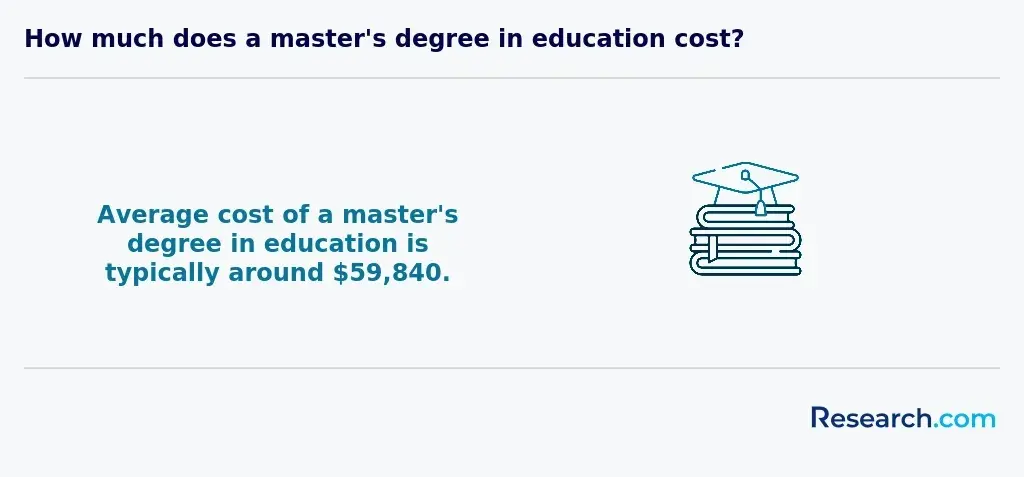
- Advanced education route: Assistants who want broader career mobility may pursue an associate, bachelor’s, or graduate degree. For long-term leadership or licensed teaching goals, compare online master’s in education programs only after confirming the level of education required for your target job.
How can an online education degree enhance my preschool teaching career?
An online education degree can help working assistants build teaching, assessment, curriculum, and leadership skills without leaving their current job. This can be useful if you need flexibility, live far from a campus, or want to move gradually from assistant roles into teaching or program leadership. Before enrolling, confirm accreditation, field placement expectations, transfer policies, and whether the program aligns with any certification goal you have in West Virginia. You can begin by comparing online education degree programs that match your career stage.
What is the job market like for preschool teacher assistants in West Virginia?
The West Virginia job market for preschool teacher assistants is shaped by early childhood staffing needs, public school vacancies, and continued demand for child development support. The field can offer accessible entry-level opportunities, but compensation and benefits may vary significantly by employer.
- Staffing shortages can create openings. With 44% of public schools reporting vacancies, qualified support staff may find opportunities in districts and programs trying to stabilize classrooms.
- Early childhood education remains important to families and schools. Preschool programs rely on assistants to support social-emotional development, early literacy, classroom safety, and individualized attention.
- Credentials can separate candidates. A high school diploma may meet the minimum, but CDA training, CPR, First Aid, and early childhood coursework can help applicants compete for stronger positions.
- Employer type affects the experience. Public schools, Head Start programs, private preschools, childcare centers, and community-based programs may differ in schedules, pay, benefits, ratios, and advancement options.
- Policy and funding changes matter. When early childhood funding expands or contracts, hiring and program availability can change. Candidates should monitor district postings and state early learning updates.
The U.S. Bureau of Labor Statistics provides national information on preschool teachers and teacher assistants, but local opportunities depend on county-level staffing, employer budgets, and program availability. Use national data as context, not as a guarantee of openings in your area.
How much do preschool teacher assistants make in West Virginia?
Preschool teacher assistants in West Virginia typically earn around $25,000 to $30,000 per year. Actual pay can differ by district, city, funding source, work calendar, benefits, education level, and years of experience.
| Factor | How it can affect pay |
| Experience | Assistants with classroom experience may be more competitive for higher-paying openings or roles with greater responsibility. |
| Credentials | A CDA, CPR, First Aid, or early childhood coursework may improve eligibility for preferred positions. |
| Location | Charleston, Morgantown, and Huntington may offer higher salary ranges because of demand and cost-of-living differences. |
| Employer type | Public schools, private preschools, Head Start programs, and childcare centers may use different pay structures. |
| Career progression | Moving into lead teaching, licensed teaching, or administrative roles may improve earning potential, but usually requires more education or certification. |
Salary figures should be treated as planning estimates, not promises. Before accepting a position, ask whether pay is hourly or salaried, whether summers are paid, what benefits are included, and whether the employer supports professional development or credential reimbursement.
The chart below shows that many early childhood teachers in the United States work with preschool-age children.
What professional development options are available for preschool teacher assistants in West Virginia?
Professional development helps preschool teacher assistants stay effective as classroom expectations, child development research, technology tools, and inclusion practices evolve. It can also help you maintain authorization, prepare for advancement, and become more confident in daily classroom situations.
- Workshops and seminars: Local education organizations may offer training in child development, classroom management, behavior support, early literacy, and family engagement.
- Online training: Flexible courses can help working assistants build skills without changing their work schedule. Research.com also offers career guidance on how to become a preschool teacher in West Virginia if your goal is to move beyond an assistant role.
- Continuing education credits: Credit-bearing coursework can support renewal requirements while helping you move toward a certificate or degree.
- Employer training: Districts and childcare organizations may provide required modules on safety, mandated reporting, classroom systems, or child supervision.
- Peer learning: Observing experienced teachers, joining planning meetings, and asking for feedback can be as valuable as formal workshops.
Can additional specialized certifications expand your career opportunities?
Targeted credentials can make you more useful in classrooms where children need extra support. For example, speech and language knowledge can help assistants recognize communication barriers, reinforce language-rich routines, and collaborate more effectively with specialists. A full speech-language pathology license in West Virginia is a separate professional pathway, but learning about that field can help assistants understand when referrals, interventions, and team-based support may be needed.
Can obtaining a special education credential enhance my effectiveness as a preschool teacher assistant in West Virginia?
Special education training can make a preschool assistant more effective in inclusive classrooms. It can help you support individualized routines, recognize different learning needs, use positive behavior strategies, and collaborate with teachers, therapists, and families. If you are considering a more formal special education pathway, review the steps for special education teacher certification in West Virginia before choosing coursework.
What networking and mentorship opportunities are available for preschool teacher assistants in West Virginia?
Networking is useful because many early childhood openings, training opportunities, and advancement options are local. Preschool teacher assistants can build relationships through school districts, early childhood conferences, professional associations, workshops, online educator groups, and mentoring relationships with lead teachers.
- Ask for a mentor in your building or program. A strong mentor can help you learn classroom routines faster and avoid common first-year mistakes.
- Attend local training events. Workshops can connect you with directors, teachers, and other assistants who know the regional job market.
- Explore adjacent education fields. Learning about pathways such as becoming a middle school math teacher in West Virginia can help you understand how teaching requirements change by grade level and subject.
- Keep a professional portfolio. Save training records, observation feedback, lesson support examples, and references so you are ready for promotion or transfer opportunities.
Can pursuing a private school teaching certification broaden my career opportunities?
Private schools and private early learning programs may use different hiring standards than public schools. That can create additional opportunities for educators who prefer smaller settings, specialized curricula, faith-based environments, or alternative instructional models. However, private school requirements are not identical across employers, so always verify what a specific school expects. If you are interested in that route, review how to become a private school teacher in West Virginia.
Can integrating music education enhance classroom engagement and career growth?
Music can be a powerful tool in preschool classrooms because it supports rhythm, memory, language, movement, transitions, and emotional regulation. Teacher assistants do not need to become music teachers to use songs, chants, and movement activities effectively, but additional music education knowledge can strengthen classroom engagement. If you want to build a formal pathway around music instruction, explore how to become a music teacher in West Virginia.
How can a math teaching certification benefit my role as a preschool teacher assistant in West Virginia?
Preschool math is not about advanced computation. It is about helping children notice patterns, compare quantities, sort objects, count with meaning, recognize shapes, and use math language during play. A math teaching certification is usually more relevant to formal teaching roles, but studying math pedagogy can help a preschool assistant make everyday routines more educational.
How should you prepare for certification exams in West Virginia?
Not every preschool teacher assistant job requires a certification exam, but exams may become relevant if you pursue teacher licensure, specialized credentials, or advancement into lead teaching. Start by confirming which exam, if any, applies to your target role. Then study the official competencies, use practice questions, and connect your preparation to real classroom scenarios.
- Do not study for the wrong exam. Requirements vary by credential and role, so verify before buying materials.
- Use a schedule. Short, consistent study sessions are usually more effective than last-minute cramming.
- Practice applying concepts. Early childhood exams often test how you would respond to developmental, instructional, or classroom management situations.
- Compare low-cost routes. If affordability is a concern, review the cheapest way to become a teacher in West Virginia before committing to a program.
Can online teaching opportunities expand your career prospects in West Virginia?
Online teaching and virtual learning experience can help preschool teacher assistants build digital communication, instructional technology, and remote engagement skills. While preschool education remains highly hands-on, many schools use online platforms for family communication, training, documentation, and professional development. If you want to understand virtual education pathways more broadly, review how to become an online teacher in West Virginia.
How can moving into kindergarten teaching advance your career?
Transitioning from preschool teacher assistant to kindergarten teacher can increase responsibility, classroom autonomy, and long-term advancement potential. The shift also changes expectations: kindergarten teachers typically manage full-class instruction, assessment, curriculum planning, family communication, and school accountability requirements. If this is your goal, plan early for degree and certification requirements by reviewing the requirements to become a kindergarten teacher in West Virginia.
Common mistakes to avoid when choosing this career path
| Mistake | Why it can hurt you | Better approach |
| Assuming every assistant job has the same requirements | Public school, private preschool, and childcare center expectations may differ. | Read job postings carefully and contact employers before paying for training. |
| Choosing a program based only on tuition | Low tuition may not include books, fees, field placements, or transferable credits. | Compare total cost, credit transfer, schedule, and employer recognition. |
| Ignoring background check timelines | Screening delays can slow hiring or placement approval. | Submit complete documents early and follow employer instructions exactly. |
| Assuming a CDA is the same as teacher licensure | The CDA is valuable, but it does not replace all requirements for licensed teaching roles. | Match each credential to the job you want next. |
| Waiting too long to plan advancement | You may take courses that do not apply to your long-term goal. | Map your path from assistant to lead teacher, kindergarten teacher, or another role before enrolling. |
Questions to ask before applying for a preschool teacher assistant job or program
- Does this position require only a high school diploma or GED, or are early childhood credits preferred?
- Will I need CPR, First Aid, CDA preparation, ECCAT authorization, or another credential?
- Who pays for required background checks, training, or renewal fees?
- Is the job full-year, school-year only, part-time, or full-time?
- What is the child-to-teacher ratio in the classroom?
- Will I receive mentoring from a lead teacher?
- Does the employer support tuition reimbursement, paid training, or professional development?
- If I enroll in a college program, will credits transfer into a higher degree later?
- Does the program include supervised experience with preschool-age children?
- What role do I want after this one, and does this path move me closer to it?
Key Insights
- West Virginia preschool teacher assistant roles often start with a high school diploma or GED, but early childhood coursework, CPR, First Aid, and a CDA credential can improve your competitiveness.
- The CDA can take about 6 months to 2 years and may cost $1,000 to $2,500, so it is best for candidates who want a recognized early childhood credential rather than only quick entry.
- Associate degree tuition at community colleges may range from $3,000 to $6,000 per year, but total cost can rise if you add housing, books, supplies, background checks, and credentialing fees.
- Preschool teacher assistants in West Virginia typically earn around $25,000 to $30,000 annually, with pay influenced by location, employer type, experience, and credentials.
- Professional development is not optional for long-term growth. Teacher assistants must complete at least 15 hours of professional development every five years.
- The role can lead to preschool teaching, kindergarten teaching, special education, private school roles, online education work, or broader child development careers, but each advancement path has different education and certification requirements.
- The best strategy is to choose credentials backward from your target job. Do not pay for a program until you know whether it is recognized by the employers, districts, or licensing pathway you plan to pursue.
Related Articles for Nearby States
- 2027 How to Become a Preschool Teacher Assistant in Virginia: Requirements & Certification
- 2027 How to Become a Preschool Teacher Assistant in Ohio: Requirements & Certification
- 2027 How to Become a Preschool Teacher Assistant in Kentucky: Requirements & Certification
- 2027 How to Become a Preschool Teacher Assistant in Pennsylvania: Requirements & Certification
- 2027 How to Become a Preschool Teacher Assistant in Maryland: Requirements & Certification
- 2027 How to Become a Preschool Teacher Assistant in North Carolina: Requirements & Certification
- 2027 How to Become a Preschool Teacher Assistant in Tennessee: Requirements & Certification
- 2027 How to Become a Preschool Teacher Assistant in Indiana: Requirements & Certification
- 2027 How to Become a Preschool Teacher Assistant in South Carolina: Requirements & Certification
- 2027 How to Become a Preschool Teacher Assistant in Georgia: Requirements & Certification
References:
- BLS (2024, August 29). Preschool Teachers. BLS
- BLS (2024, August 29). Teacher Assistants. BLS
- Salary.com (2024, August 27). Assistant Preschool Teacher Salary in West Virginia. Salary.com
- Schulz, C. (2023, August 31). State Struggles With National Teacher Shortage. WV Public Broadcasting
- West Virginia Department of Education. Pre-K and Kindergarten Assistant Teachers. West Virginia Department of Education
Other Things You Should Know About Becoming a Preschool Teacher Assistant in West Virginia
Becoming a preschool teacher assistant in West Virginia is possible with just a high school diploma. Here’s how high school graduates can embark on a career in education:
- Research Local Requirements: Each county may have specific hiring criteria. Familiarize yourself with local school district policies regarding preschool teacher assistants.
- Gain Experience: Volunteer or work part-time in childcare settings. This hands-on experience is invaluable and can enhance your resume.
- Complete a Background Check: All prospective educators in West Virginia must undergo a criminal background check to ensure the safety of children.
- Consider Additional Training: While a diploma suffices, pursuing courses in child development or early childhood education can improve job prospects and effectiveness in the role.
- Apply for Positions: Once prepared, apply to local preschools or childcare centers. Highlight your experience and any relevant coursework.
In 2027, to become a preschool teacher assistant in West Virginia, you generally need a high school diploma or equivalent. Additional requirements may include a background check and some form of Child Development Associate (CDA) certification or similar credentials, depending on the school or program.
In 2027, to become a preschool teacher assistant in West Virginia, one typically needs a high school diploma or GED, along with a background check. While a CDA credential or an associate degree in early childhood education enhances employability, it is not always mandatory.