
2027 How to Become a Special Education Teacher in West Virginia: Requirements & Certification

Co-Founder and Chief Data Scientist
Becoming a special education teacher in West Virginia is a licensing decision, a degree decision, and a career-fit decision. The state serves students across urban, small-town, and rural districts, and access to certified special education professionals can vary by county. West Virginia University reports that 254,556 students were enrolled in K-12 in 2022 (Workman & Runsewe, 2024), and 43,416 of those students were placed on Individualized Education Plans (IEPs) due to developmental disabilities.
That context matters if you are considering this career. Special education teachers do far more than deliver adapted lessons. They help write and implement IEPs, collaborate with families and specialists, document student progress, support behavior plans, and ensure students with disabilities receive appropriate educational services under state and federal rules.
This guide explains how to become a special education teacher in West Virginia, including education requirements, licensure steps, expected timeline, salary information, demand, professional development, advanced roles, funding options, and practical questions to ask before choosing a teacher preparation program.
Quick Answer: How Do You Become a Special Education Teacher in West Virginia?
To become a special education teacher in West Virginia, you generally need a bachelor’s degree in special education or a related approved teacher preparation pathway, supervised student teaching, passing scores on required licensure exams, a background check and fingerprinting, and a teaching license issued through the West Virginia Department of Education. Non-education majors typically need to complete an approved teacher preparation program before applying for licensure.
Key Things You Should Know Before Choosing This Path
- West Virginia’s special education teacher outlook is reported as positive, with projected growth of 6% to 9% through 2030 due to student needs, retirements, and continued demand for qualified educators.
- Reported pay varies by grade level, district, and experience. Depending on grade level, special education teachers in West Virginia earn an average salary between $39,650 and $56,000 annually, while other cited state salary figures show broader ranges by experience and district.
- Professional learning is not optional in this field. Groups such as the West Virginia Council for Exceptional Children and state-sponsored training opportunities help teachers stay current on IEP compliance, inclusion, behavior supports, and instructional practices.
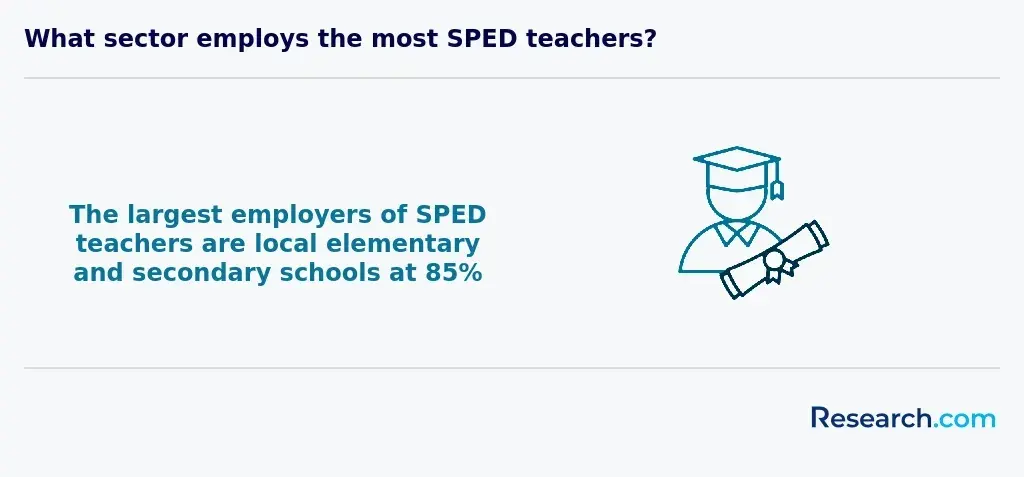
- Major employers include county school systems, the West Virginia Department of Education, private schools, and specialized education providers that need teachers trained to support students with disabilities.
- Education requirements for West Virginia special education teachers
- Typical timeline to become licensed
- Licensing requirements in West Virginia
- Demand for special education teachers in the state
- Salary expectations for West Virginia special education teachers
- Professional development options
- Advanced roles for experienced educators
- Challenges to understand before entering the field
- Dual certification options in West Virginia
- Using an online education degree for career growth
- Cost-effective routes to a teaching credential
- Working with school psychologists
- Moving from special education into substance abuse counseling
- Collaborating with early childhood educators
- Mentorship opportunities for new and experienced teachers
- How BCBA certification can support career growth
- Working with school counselors
- How West Virginia special education laws affect teachers
- Scholarships and grants for future special education teachers
- Career transition options for special education teachers
- Other career paths related to special education
What are the educational requirements to be a special education teacher in West Virginia?
The standard route starts with completing a bachelor’s degree in special education or another approved education-related field. A strong program should teach disability categories, evidence-based instruction, assessment, behavior supports, assistive technology, IEP development, classroom management, and the legal responsibilities attached to serving students with disabilities.
If your bachelor’s degree is not in education, you generally need an approved teacher preparation program that includes special education coursework and supervised clinical practice. This matters because West Virginia schools need teachers who can apply legal requirements and instructional strategies in real classrooms, not only understand them in theory.
Student teaching is a major part of preparation. During this placement, candidates work under an experienced educator, adapt lessons, collect progress data, support IEP goals, and learn how multidisciplinary teams make decisions for students.
After finishing the academic and clinical requirements, candidates must pass required state assessments and submit documentation for licensure through the West Virginia Department of Education. The state uses this process to confirm that new teachers meet professional and safety requirements before entering classrooms.
| Requirement | What it means for candidates | Why it matters |
| Bachelor’s degree | Complete special education or an approved related program. | Builds the foundation for teaching students with disabilities. |
| Approved teacher preparation | Required for many non-education graduates and often embedded in education bachelor’s programs. | Connects coursework to state teaching standards and classroom practice. |
| Supervised student teaching | Complete a classroom-based placement with guidance from a licensed educator. | Shows that candidates can plan, adapt, teach, and document instruction with real students. |
| Licensure assessments | Pass required exams in general education and special education areas. | Demonstrates readiness for professional teaching responsibilities. |
| State teaching license | Apply through the West Virginia Department of Education with required documentation. | Legal authorization is required to teach in public school settings. |
When comparing programs, confirm that the school is state-approved, includes special education clinical placements, and prepares you for the exact endorsement or license area you plan to pursue.
The chart below shows states with the highest percentages of public school students served under IDEA.
How long does it take to become a special education teacher in West Virginia?
Most candidates should expect a multi-year pathway. The exact timeline depends on whether you are entering college for the first time, already hold a bachelor’s degree, or want to add special education certification to an existing teaching license.
- Bachelor’s degree: A traditional undergraduate route usually takes about four years and may include teacher preparation requirements within the degree plan.
- Teacher preparation program: Candidates who already have a bachelor’s degree may need an additional one to two years, depending on program structure and prior coursework.
- Student teaching internship: The supervised classroom placement usually lasts one semester and is often the point where candidates demonstrate readiness for licensure.
- Master’s degree: An optional graduate degree in special education or a master’s in education leading to initial licensure can add about two years, but may support specialization or advancement.
| Candidate starting point | Likely route | Approximate time commitment |
| High school graduate | Bachelor’s degree with teacher preparation and student teaching | About four years |
| Bachelor’s degree holder without education preparation | Approved teacher preparation program plus student teaching | Often one to two additional years |
| Licensed teacher adding special education | Additional coursework, assessment, or endorsement requirements | Varies by prior license and state requirements |
| Candidate seeking advanced specialization | Master’s degree in special education or education | About two additional years |
West Virginia University and Marshall University are examples of institutions offering teacher preparation programs for future educators. Before enrolling, verify that the program’s approval status and field placement options align with West Virginia licensure expectations.
A practical planning tip: ask programs when student teaching begins, whether placements are available near your county, and whether the program supports candidates with exam preparation and licensure paperwork.
What are the licensing requirements for special education teachers in West Virginia?
West Virginia requires special education teachers to hold the appropriate teaching license before serving as the teacher of record in public schools. Licensure protects students and schools by confirming that educators have completed academic preparation, clinical training, background screening, and required assessments.
- Required licensure exams: Candidates must pass assessments that measure general teaching knowledge and special education competencies.
- Background check and fingerprinting: Applicants must complete safety screening before receiving authorization to work with students.
- Academic documentation: Candidates submit proof of degrees, teacher preparation, and specialized training required for the license area.
- Renewal cycle: Licensed special education teachers must renew credentials every five years and complete required professional development.
- Reciprocity for licensed out-of-state teachers: Educators moving to West Virginia may be able to use a valid license from another jurisdiction to begin the state review process.
Because licensure requirements can vary by endorsement area and applicant background, candidates should use the West Virginia Department of Education as the controlling source rather than relying only on general program marketing language.
Questions to ask before applying for licensure
- Does my program appear on the state-approved program list?
- Which special education endorsement or grade band will I be eligible for?
- Which exams are required for my license area?
- Will my student teaching placement satisfy West Virginia requirements?
- If I am licensed in another state, what documentation will West Virginia require for reciprocity review?
What is the demand for special education teachers in West Virginia?
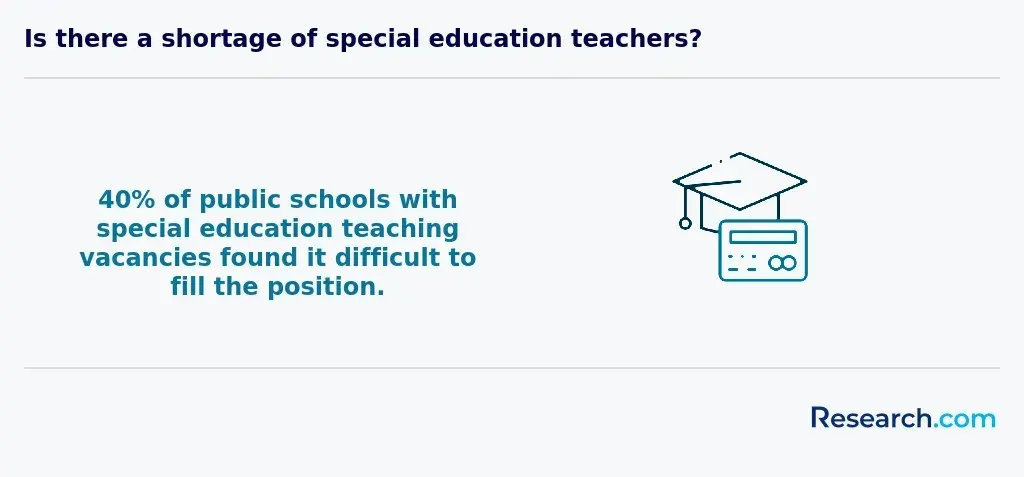
West Virginia has an ongoing need for special education teachers. Approximately 3,000 professionals are currently employed in this field, and the reported job outlook projects 6% to 9% growth over the next decade.
That growth is linked to several practical factors: student needs, replacement hiring as teachers retire or leave the field, and the continuing expectation that schools provide appropriate services for students with disabilities. The projected demand translates to an estimated 40 to 100 job openings yearly.
Demand can vary by county, grade band, and disability specialization. Rural districts may face different recruitment challenges than larger districts, while schools with higher caseloads may need teachers skilled in IEP management, behavior intervention, inclusive practices, and collaboration with related service providers.
If you are interested in child development but not yet certain that classroom special education is the right long-term fit, related options such as child development careers can help you compare adjacent roles.
How much do special education teachers in West Virginia earn?
Special education teacher pay in West Virginia depends on district salary schedules, years of experience, degree level, grade level, and local funding. Salary figures should be treated as planning estimates rather than guaranteed outcomes.
- Entry-level special education teachers generally start around $45,000.
- Teachers with two to four years of experience may earn about $55,000.
- The average salary of special education teachers in the state is $55,254.56, according to the state Department of Education.
- Mid-career teachers with five to 10 years of experience may earn around $65,000.
- Educators with more than 10 years in the profession often earn upwards of $75,000.
Other salary framing in this article notes that special education teachers in West Virginia may earn between $40,000 and $80,000 annually, with average figures also cited between $39,650 and $56,000 depending on grade level. The best way to evaluate your likely pay is to review the current salary schedule for the county or employer where you plan to work.
| Salary factor | How it can affect earnings |
| Years of experience | Most public school salary schedules increase pay as teachers gain service years. |
| Degree level | Graduate coursework or a master’s degree may affect placement on some salary schedules. |
| District or county | Compensation can vary by employer, local budget, and staffing needs. |
| Grade level or assignment | Special education roles differ across elementary, middle, secondary, and specialized settings. |
| Additional credentials | Extra endorsements or specialized training can improve flexibility, though they do not guarantee higher pay. |
Before committing to a program, compare expected tuition and fees with realistic starting salaries in the counties where you would be willing to work.
The chart below presents estimated wages for special education teachers in the U.S.
What professional development opportunities are available for special education teachers in West Virginia?
Special education changes as laws, assessment practices, technology, inclusion models, and behavior support strategies evolve. West Virginia teachers need continuing professional learning not only for license renewal, but also for classroom effectiveness.
- West Virginia Council for Exceptional Children Conference: This annual event gives educators, administrators, and advocates access to sessions on current special education research, inclusive practice, student support strategies, and professional networking.
- State-sponsored workshops: The West Virginia Department of Education offers training on topics such as behavior management, inclusion, IEP implementation, compliance, and instructional support.
- Online learning options: Digital seminars and courses allow teachers to study topics such as IEP documentation, behavioral interventions, assistive technology, and differentiated instruction while continuing to work full time.
Strong professional development should produce usable classroom skills. Look for training that includes examples, implementation tools, legal updates, and opportunities to discuss real challenges with experienced practitioners.
If you want to compare licensure expectations outside West Virginia, reviewing Nevada teacher education requirements can provide a useful point of comparison.
Are there advanced roles for experienced special education teachers in West Virginia?
Experienced special education teachers can move into leadership, assessment, coaching, consulting, or specialized support roles. These options are especially relevant for educators who want broader influence but still want to serve students with disabilities.
- Lead classroom teacher: Some experienced educators remain in the classroom while mentoring colleagues, supporting inclusion teams, or leading special education initiatives at the school level.
- Educational diagnostician: This role focuses on assessment, interpretation of student needs, and helping teams create appropriate learning plans and interventions.
- Behavior intervention specialist: Teachers with strong behavior support skills may help design and monitor intervention plans for students with significant behavioral needs.
- Director of special education: District-level leaders oversee special education services, staffing, compliance, training, and program quality.
- Independent consultant: Experienced educators may advise districts, agencies, or families on instruction, compliance, inclusion, and intervention planning.
| Advanced role | Best fit for teachers who enjoy | Typical focus |
| Educational diagnostician | Assessment, data review, and individualized planning | Evaluations, eligibility support, and learning recommendations |
| Behavior intervention specialist | Problem-solving around behavior and classroom systems | Behavior plans, staff coaching, and student support |
| Special education coordinator or director | Leadership, compliance, and program design | District services, policies, staffing, and IEP oversight |
| Instructional coach | Teacher mentoring and inclusive instruction | Supporting classroom practice and evidence-based strategies |
| Consultant | Advising schools or organizations beyond one classroom | Training, compliance review, and specialized program support |
The right advanced role depends on whether you prefer direct teaching, student assessment, teacher support, systems leadership, or independent advisory work.
What are the biggest challenges faced by special education teachers in West Virginia?
Special education can be deeply meaningful, but it is also a demanding profession. Candidates should understand the pressure points before investing in a degree or licensure pathway.
- High workload: Teachers may manage instruction, IEP meetings, documentation, progress monitoring, family communication, behavior plans, and collaboration with multiple specialists.
- Limited resources: Some classrooms may lack enough materials, technology, support staff, or specialized tools, especially in under-resourced settings.
- Uneven administrative support: Teachers may need strong advocacy skills when requesting staffing, training, planning time, or services for students.
- Emotional strain: Supporting students and families through complex educational needs can create stress, compassion fatigue, and burnout risk.
- Compliance pressure: IEP timelines, documentation standards, and legal requirements leave little room for disorganization.
Common mistakes to avoid
| Mistake | Better approach |
| Choosing a program without checking state approval | Confirm the program is accepted for West Virginia licensure before enrolling. |
| Looking only at tuition | Compare total cost, exam fees, placement requirements, commuting, lost income, and available aid. |
| Assuming every online program leads to licensure | Ask whether the program includes approved clinical practice and meets West Virginia requirements. |
| Ignoring student teaching logistics | Find out where placements occur and whether they match your work and family schedule. |
| Underestimating documentation responsibilities | Build skills in data tracking, IEP writing, progress monitoring, and compliance early. |
For educators considering future leadership or support roles, special education coordinator and related career paths can show how classroom experience may translate into broader opportunities.
Can special education teachers earn dual certification in West Virginia?
Dual certification can be useful for special education teachers who want more flexibility in hiring, scheduling, and instructional assignments. For example, adding a content-area certification may allow a teacher to serve students in both special education and subject-specific settings.
A secondary certification in English can be especially useful for teachers who support reading, writing, literacy intervention, or secondary-level instruction. If that route interests you, review the steps for becoming an English teacher in West Virginia.
Dual certification makes the most sense if it aligns with your desired grade level, district needs, and long-term career goals. It may not be worth the added time and cost if you do not plan to teach in that subject area.
How Can an Online Education Degree Enhance Professional Growth for Special Education Teachers in West Virginia?
An online education degree can help working special education teachers continue graduate study without leaving their jobs. Online programs may be especially practical for educators in rural areas or for teachers balancing full-time work with family obligations.
For professional growth, look for programs that strengthen skills in instructional design, data use, leadership, assistive technology, digital learning, program evaluation, and inclusive education. These competencies can support advancement into coaching, coordination, administration, or specialized intervention roles.
Before enrolling, verify accreditation, licensure relevance, field experience requirements, transfer credit policies, and whether the program fits your career target rather than simply offering a convenient format.
What is the most cost-effective route to a teaching credential in West Virginia?
The most cost-effective route depends on your starting point. A first-time college student may save money by choosing an approved in-state bachelor’s program, while a bachelor’s degree holder may need a shorter teacher preparation route that leads directly to licensure eligibility.
When comparing West Virginia teaching credential options, calculate total cost rather than advertised tuition alone. Include fees, books, exam costs, background checks, transportation to student teaching, and the possibility of reduced work hours during clinical placement.
| Route | When it may be cost-effective | Cost issue to verify |
| In-state bachelor’s degree | You are starting college and want a direct licensure pathway. | Confirm teacher preparation and student teaching are included. |
| Post-bachelor teacher preparation | You already hold a degree and need professional education coursework. | Ask how many credits and clinical hours are required. |
| Online education program | You need flexibility while working. | Check whether it meets West Virginia licensure requirements. |
| Master’s leading to initial licensure | You want graduate-level training and licensure preparation together. | Compare total tuition with likely salary outcomes. |
How Can Collaboration with School Psychologists Improve Special Education Outcomes in West Virginia?
School psychologists can help special education teachers interpret assessment data, understand learning and behavioral needs, and design interventions that match a student’s profile. Collaboration is especially important when students need evaluations, behavior support, or social-emotional interventions.
Effective collaboration may include regular consultation, shared progress monitoring, functional behavior assessment support, and participation in IEP meetings. Teachers who understand school psychologist requirements in West Virginia can better appreciate the training and responsibilities these professionals bring to student support teams.
Can Special Education Skills Propel a Career in Substance Abuse Counseling in West Virginia?
Special education teachers often develop skills that transfer well into counseling-related work: individualized planning, patient communication, behavior observation, crisis awareness, documentation, and empathy for people facing complex challenges.
A move into substance abuse counseling still requires role-specific preparation and credentialing. Teachers considering this career change should review education, supervised experience, and certification requirements before making the transition. A practical starting point is this guide on how to become a substance abuse counselor in West Virginia.
How Can Special Education Teachers Collaborate with Early Childhood Educators in West Virginia?
Early collaboration can improve transitions for young learners with developmental delays or disabilities. Special education teachers and early childhood educators can share developmental information, align classroom routines, plan accommodations, and support families as students move into preschool or elementary settings.
Collaboration works best when teams communicate consistently, use shared goals, and coordinate early intervention strategies with classroom expectations. Teachers who want to understand the early childhood side of this work can review preschool teacher requirements in West Virginia.
What mentorship opportunities are available for special education teachers in West Virginia?
Mentorship can reduce isolation and help new teachers navigate IEP timelines, classroom management, family communication, documentation, and collaboration with service providers. Some West Virginia districts use experienced educators to guide newer special education teachers through formal or informal mentoring arrangements.
Strong mentorship should include classroom observation, feedback on IEP-related practice, problem-solving around behavior supports, and help understanding district procedures. Teachers in rural or under-resourced settings may benefit from peer networks, professional associations, online communities, and district-sponsored support.
If you are considering broader teaching options, learning how to become an elementary school teacher in West Virginia may help you compare general education and special education pathways.
How can obtaining a BCBA certification benefit special education teachers in West Virginia?
A Board Certified Behavior Analyst credential can be valuable for special education teachers who want deeper expertise in behavior assessment and intervention. It may be especially relevant for educators working with students who need intensive behavioral supports.
BCBA preparation can strengthen skills in data collection, functional behavior assessment, intervention design, and collaboration with families and multidisciplinary teams. It may also support movement into behavior specialist, consulting, or program leadership roles.
Because BCBA certification has its own education and supervised experience requirements, teachers should review the full pathway before committing. For more detail, see how to become a BCBA in West Virginia.
How Can Collaboration with School Counselors Benefit Special Education Teachers in West Virginia?
School counselors can help special education teachers address social-emotional needs, student transitions, attendance concerns, family communication, and academic planning. This partnership is particularly helpful when students need coordinated support beyond classroom instruction.
Collaboration may include shared intervention plans, participation in IEP-related discussions, monitoring student adjustment, and connecting families with school or community resources. Understanding school counselor requirements in West Virginia can help teachers make better use of counselor expertise within a student support team.
How do West Virginia’s special education laws impact teachers?
Special education teachers work within legal and policy frameworks that shape nearly every part of the job. These rules affect eligibility decisions, IEP development, services, discipline, accommodations, progress monitoring, family participation, and compliance documentation.
Policy 2419 provides West Virginia’s special education framework and aligns with the federal Individuals with Disabilities Education Improvement Act (IDEA). For teachers, this means IEPs must be individualized, documented, implemented, and reviewed according to required procedures.
Policy 4373 focuses on safe and supportive learning environments. In special education classrooms, this connects directly to behavior interventions, fair discipline practices, prevention strategies, and inclusive classroom climate.
Policies 2520.1a and 2520.2b address expectations for reading and math. Special education teachers must help students access grade-level standards through accommodations, specially designed instruction, modifications when appropriate, and progress monitoring tied to individual needs.
The practical takeaway is simple: special education teachers need strong legal literacy. Good intentions are not enough; services must be planned, delivered, and documented correctly.
If you are comparing teacher certification options beyond West Virginia, the Washington teaching certification pathways guide can provide another state-based example.
Are there scholarships and grants available for special education teachers in West Virginia?
Financial aid can make a major difference for aspiring special education teachers, especially when student teaching reduces the number of hours a candidate can work. West Virginia students should review state, institutional, and field-specific funding before borrowing.
- Underwood-Smith Teaching Scholars Program: This program provides up to $10,000 annually for eligible students pursuing degrees in special education. Recipients must work in public schools with shortage areas within the state for five years.
- Promise Scholarship: This state merit-based scholarship offers $5,500 yearly to undergraduate students studying at public two- or four-year institutions.
- American Council on Rural Special Education (ACRES) Scholarship: This scholarship awards $1,000 to teachers working in rural areas and supports educators serving underserved communities.
Before accepting any award, read the service obligation, renewal rules, minimum academic requirements, repayment conditions, and eligible program requirements. A scholarship with a service commitment can be a strong option if you are confident you want to teach in West Virginia schools, but it may be restrictive if your plans are uncertain.
Students comparing certification structures elsewhere may also find the South Carolina teaching endorsement requirements useful for context.
What career transition options are available for special education teachers in West Virginia?
Special education teachers build transferable skills in assessment, communication, documentation, intervention planning, behavior support, and collaboration. Those skills can support several career transitions inside and outside schools.
- Special education coordinator: A good fit for teachers who want to oversee IEP implementation, compliance, and service delivery across classrooms or schools.
- Instructional coach or mentor: Appropriate for educators who enjoy helping other teachers improve inclusive instruction and behavior support practices.
- Private school teacher: Some teachers may prefer smaller settings, different curriculum structures, or mission-specific schools. Learn more about becoming a private school teacher in West Virginia.
- Nonprofit program specialist: Disability advocacy organizations and youth-serving nonprofits may value classroom experience and family collaboration skills.
- Educational consultant: Experienced teachers may advise schools or agencies on compliance, instructional design, inclusion, or intervention planning.
- Therapy or diagnostic pathways: Some educators pursue additional graduate training for roles outside traditional classroom teaching.
The best transition path depends on whether you want more leadership, more flexibility, less direct classroom responsibility, or a related helping profession with a different credentialing structure.
What Other Career Paths Are Available to Special Education Teachers in West Virginia?
Special education experience can also support movement into related student services professions. One example is speech-language pathology, a field focused on communication and swallowing disorders. Teachers who enjoy language development, communication supports, and individualized intervention may find this path appealing.
Speech-language pathology has its own education and licensure requirements, so it should be treated as a career change rather than a simple lateral move. To evaluate that option, review how to become a speech-language pathologist in West Virginia.
How to Decide Whether Special Education Teaching Is Right for You
Special education teaching is a strong fit for people who can combine patience, structure, legal accuracy, creativity, and emotional resilience. It may not be the right fit if you want a low-documentation role, prefer working independently most of the day, or are uncomfortable with frequent meetings and family communication.
| Choose this path if you... | Consider another path if you... |
| Want to support students with individualized learning and developmental needs. | Prefer standardized instruction with fewer accommodations or modifications. |
| Can manage documentation, deadlines, and compliance requirements. | Dislike detailed recordkeeping and legal procedures. |
| Enjoy collaboration with families, teachers, counselors, psychologists, and administrators. | Want a role with limited teamwork or few meetings. |
| Can stay calm during behavioral, academic, or emotional challenges. | Find high-emotion situations difficult to manage consistently. |
| Are willing to keep learning as laws, strategies, and technologies change. | Want a career with little ongoing professional training. |
What Special Education Teachers in West Virginia Should Expect Day to Day
- Writing, reviewing, and implementing IEP goals and services.
- Adapting lessons so students can access academic standards.
- Collecting data to document progress and guide instruction.
- Coordinating with general education teachers and related service providers.
- Communicating with families about progress, concerns, and supports.
- Helping students build academic, behavioral, social, and functional skills.
- Participating in meetings where eligibility, placement, services, and interventions are discussed.
The work can be intense, but it also offers a clear purpose: helping students with disabilities access education in ways that match their needs and potential.
Related Articles for Nearby States
- 2027 How to Become a Special Education Teacher in Virginia: Requirements & Certification
- 2027 How to Become a Special Education Teacher in Ohio: Requirements & Certification
- 2027 How to Become a Special Education Teacher in Kentucky: Requirements & Certification
- 2027 How to Become a Special Education Teacher in Pennsylvania: Requirements & Certification
- 2027 How to Become a Special Education Teacher in Maryland: Requirements & Certification
- 2027 How to Become a Special Education Teacher in North Carolina: Requirements & Certification
- 2027 How to Become a Special Education Teacher in Tennessee: Requirements & Certification
- 2027 How to Become a Special Education Teacher in Indiana: Requirements & Certification
- 2027 How to Become a Special Education Teacher in South Carolina: Requirements & Certification
- 2027 How to Become a Special Education Teacher in Georgia: Requirements & Certification
References:
- ONET OnLine. Special education teachers, secondary school: West Virginia employment trends. Retrieved October 21, 2024, from https://www.onetonline.org/link/localtrends/25-2058.00?st=WV
- TeachWV. Become a Teacher in WV. Retrieved October 21, 2024, from https://teachwv.com/become-a-teacher
- West Virginia Department of Education. State-Approved Programs. Retrieved October 21, 2024, from https://wvde.us/educator-development-and-support/preparation/state-approved-programs
- West Virginia Department of Education. Average Contracted Salaries - Classroom Teachers. County Boards of Education. https://wvde.us/wp-content/uploads/2024/02/FTE-Teachers-24.pdf
- Workman, S. & Runsewe, O. West Virginia's IDEA data: Developmental disability in time and space. Institute for Policy Research and Public Affairs, West Virginia University. https://policyresearch.wvu.edu/files/d/fb377abb-be82-47b9-9a64-58c814ae764a/iprpa-2024-006.pdf
Key Insights
- West Virginia special education teachers must complete approved preparation, supervised teaching, required assessments, background screening, and state licensure before serving in public school classrooms.
- The most common route takes about four years through a bachelor’s program, while post-bachelor and graduate routes vary depending on prior coursework and licensure goals.
- Demand is supported by reported 6% to 9% projected growth and an estimated 40 to 100 openings yearly, but opportunities can differ by county, grade level, and specialization.
- Salary planning should be based on district salary schedules. Reported figures include an average salary of $55,254.56 and broader salary estimates that vary by experience and assignment.
- Before enrolling, verify state approval, clinical placement requirements, total cost, exam support, online program licensure alignment, and financial aid conditions.
- Special education can lead to advanced roles in diagnostics, behavior intervention, coaching, coordination, consulting, counseling-related fields, and speech-language pathology, but many transitions require additional credentials.
- The strongest candidates are not only compassionate; they are organized, legally aware, collaborative, data-driven, and prepared for continuous professional learning.
Other Things You Should Know About Becoming a Special Education Teacher in West Virginia
To become a special education teacher in West Virginia in 2027, candidates must hold a bachelor's degree in special education from an accredited institution and pass the Praxis exams. Additionally, they must complete a state-approved teacher preparation program and apply for certification through the West Virginia Department of Education. **PAA Questions**
Aspiring special education teachers in West Virginia must pass the Praxis Special Education: Core Knowledge and Applications exam. Additionally, they may need to take the Principles of Learning and Teaching (PLT) exam, depending on their certification level, to meet all 2027 requirements.
West Virginia requires passing Praxis scores for licensure, including the Core Academic Skills tests unless exempt and the special education content assessment tied to the endorsement area. The West Virginia Department of Education sets the official qualifying scores, and applicants must meet the current passing benchmarks for 2027.


