
2027 How to Become a Middle School Math Teacher in New Hampshire: Requirements & Certification

Co-Founder and Chief Data Scientist
Becoming a middle school math teacher in New Hampshire means preparing for a role that is both urgently needed and heavily regulated. The state employs over 13,911 public school teachers, yet middle school math has remained a shortage area since 2023, creating opportunities for candidates who can meet New Hampshire’s licensing, testing, and classroom-readiness expectations. This guide explains the education path, Praxis requirements, student teaching expectations, salary outlook, professional development options, and practical decisions you should make before applying for certification or choosing a teacher preparation program.
Quick answer: How do you become a middle school math teacher in New Hampshire?
To become a middle school math teacher in New Hampshire, you typically need a bachelor’s degree, completion of an approved teacher preparation program, supervised student teaching, passing Praxis exams, a background check with fingerprinting, and a teaching license issued through the New Hampshire Department of Education. Candidates who already hold a bachelor’s degree may also explore alternative certification routes, but they still need to prove math content knowledge and meet state credentialing requirements.
Key things you should know before starting
- Middle school math is a shortage field: New Hampshire districts have reported difficulty filling middle school math roles, which can improve hiring prospects for qualified candidates.
- Salary varies by district and experience: The average salary for middle school math teachers in New Hampshire is approximately $60,000 per year, while broader middle school teacher salary estimates in the state place the average annual salary around $65,100.
- Job growth is steady but not unusually high: The employment outlook for middle school teachers in New Hampshire is 5.6% until 2030, which is lower than the national average.
- Location matters financially: The cost of living can be high in areas such as Manchester and Nashua, so candidates should compare salary schedules, housing costs, commute length, and benefits before accepting a position.
- Education is a state priority: New Hampshire’s investment in public schools and continuing professional learning gives new teachers access to district, state, and professional association support.
- Steps to become a middle school math teacher in New Hampshire
- Education requirements for New Hampshire middle school math teachers
- Certification and licensing process
- Student teaching, internships, and classroom experience
- New Hampshire middle school math standards and curriculum expectations
- Job market, salary expectations, and hiring outlook
- Professional development and continuing education options
- Classroom management and effective math teaching methods
- Career advancement and specialization options
- Legal and ethical responsibilities for teachers
- Moving from middle school math into other education roles
- Resources and support for new teachers
- Networking strategies for math teachers
- Stress management and burnout prevention
- Technology integration and the future of math instruction
- Supporting diverse learners through special education collaboration
- Using advanced education for career growth
- Lessons from other certification frameworks
- Using math and music collaboration to improve engagement
- How mentorship improves teacher effectiveness
- Ways to reduce certification costs
- Research trends influencing middle school math education
- License renewal and ongoing certification planning
What are the steps to becoming a middle school math teacher in New Hampshire?
The most common route is to complete a degree and teacher preparation program, prove your math and teaching competency, and apply for state licensure. Because certification rules are state-specific, it is smart to verify requirements with the New Hampshire Department of Education before enrolling in a program or registering for exams.
| Step | What you need to do | Why it matters |
| 1. Earn a bachelor’s degree | Complete a bachelor’s degree in mathematics, education, or a closely related field with a teacher preparation component. | New Hampshire requires formal academic preparation before initial licensure. |
| 2. Complete teacher preparation | Take coursework in pedagogy, adolescent development, assessment, classroom management, and math instruction. | Middle school math teachers need both content knowledge and age-appropriate teaching methods. |
| 3. Finish student teaching | Work in a supervised classroom placement, usually in a middle school setting. | Student teaching demonstrates that you can plan lessons, manage students, assess learning, and respond to feedback. |
| 4. Pass required exams | Complete the Praxis Core Academic Skills for Educators tests when required and the Praxis Subject Assessment for Mathematics. | Testing verifies basic academic skills and math subject competency. |
| 5. Apply for licensure | Submit transcripts, test results, application materials, and required documentation to the state credentialing office. | You cannot work as a fully licensed public school teacher without state approval. |
| 6. Complete fingerprinting and background checks | Follow the state’s criminal history review and fingerprinting process. | Public schools must confirm that educators meet student safety requirements. |
| 7. Budget for fees | Plan for exam, application, and processing expenses. The fee for a new educator license in New Hampshire is approximately $100. | Certification has costs beyond tuition, and these should be included in your planning. |
If you are comparing teaching rules across states, remember that certification is not automatically identical elsewhere. For example, candidates researching the steps to becoming a teacher in West Virginia should review that state’s requirements separately instead of assuming New Hampshire rules apply.
What are the educational requirements for becoming a middle school math teacher in New Hampshire?
New Hampshire middle school math teacher candidates need a strong foundation in mathematics and a preparation program that teaches them how to work with early adolescents. A bachelor’s degree is the baseline requirement, but many teachers eventually pursue graduate study to deepen their instructional expertise or qualify for leadership roles.
- Bachelor’s degree: Candidates must hold at least a bachelor’s degree, ideally in mathematics, math education, or a related field that includes substantial math coursework.
- Teacher preparation program: The program should include instructional design, assessment, adolescent learning, classroom management, and methods for teaching middle school mathematics.
- Mathematics coursework: Useful preparation includes algebra, geometry, statistics, probability, number systems, mathematical reasoning, and courses that connect math concepts to classroom instruction.
- Field experiences: Programs should place candidates in real school settings before full student teaching so they can observe instruction, support small groups, and practice lesson delivery.
- Accreditation and state approval: Before enrolling, confirm that the institution and teacher preparation pathway are recognized for New Hampshire licensure purposes.
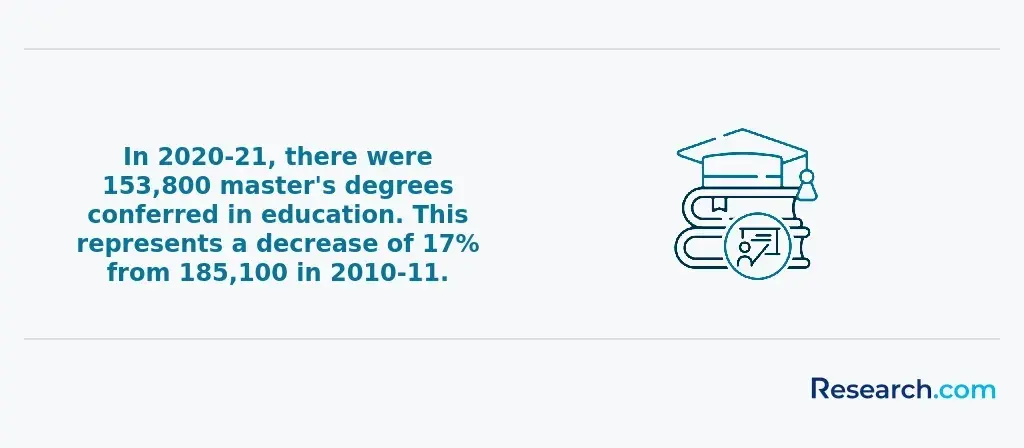
- Graduate education: A master’s degree is not always required for initial entry, but 61.5% of New Hampshire’s public school teachers hold a master's degree according to the New Hampshire Department of Education.
Questions to ask before choosing a teacher preparation program
- Is the program approved for New Hampshire middle school math certification?
- Does it include supervised student teaching in a middle school setting?
- What Praxis preparation support does the program provide?
- How are field placements assigned, and can students request specific districts?
- Will credits transfer if you later pursue a master’s degree?
- What are the total costs, including fees, testing, transportation, and background checks?
What is the certification and licensing process for a middle school math teacher in New Hampshire?
The New Hampshire certification process is designed to confirm that a candidate is academically prepared, professionally trained, and safe to work with students. You should start planning for licensure early because exam registration, transcripts, background checks, and application processing can take time.
- Complete a middle school math educator preparation pathway: Most candidates follow a traditional undergraduate or post-baccalaureate program. Candidates who already hold a bachelor’s degree may look into alternative certification if they meet state criteria.
- Confirm your license category: Review New Hampshire’s middle school mathematics credential requirements before selecting courses or testing dates.
- Pass the required Praxis exam: Candidates must pass Praxis II exam 5169 for middle school math with a minimum score of 165. The Praxis CORE exam may also be required unless the candidate qualifies for an exemption, such as holding a master’s degree or meeting approved standardized test criteria.
- Prepare a complete application: Submit transcripts, proof of test scores, a resume, and any additional documents requested by the New Hampshire Bureau of Credentialing.
- Complete background checks and fingerprinting: These steps are part of the state’s student safety process and should not be left until the last minute.
- Pay required fees: Budget for Praxis registration, licensing application costs, background processing, and transcript fees.
- Plan for continuing education: Licensure is not a one-time task. Teachers must maintain their credentials through professional learning and renewal requirements. Educators interested in expanding their instructional range may also compare graduate options such as the advantages of online TESOL programs.
| Pathway | Best for | Key caution |
| Traditional bachelor’s degree with teacher preparation | First-time college students who already know they want to teach math. | Choose a state-approved program, not just a general math degree. |
| Post-baccalaureate certification | Career changers who already hold a bachelor’s degree. | Make sure the program includes required pedagogy and supervised field experience. |
| Alternative certification | Candidates with strong math backgrounds who need a faster or more flexible route. | Alternative does not mean easier; candidates still need to meet testing and state approval requirements. |
| Graduate-level certification program | Candidates who want licensure and advanced coursework at the same time. | Total cost may be higher, so compare tuition, employer reimbursement, and salary benefits. |
How important is teaching experience and what are the internship opportunities for middle school math teachers in New Hampshire?
Teaching experience is one of the strongest parts of preparation because it shows whether a candidate can turn math knowledge into effective instruction for middle school students. It also helps new teachers practice routines, handle classroom behavior, adapt lessons, and learn how students actually respond to math concepts.
Why supervised classroom experience matters
- It builds instructional confidence: Candidates practice explaining math in multiple ways instead of relying only on lectures or textbook examples.
- It develops classroom management: Middle school students need clear routines, consistent expectations, and lessons that keep them actively engaged.
- It improves assessment skills: Student teaching helps candidates learn how to use quizzes, exit tickets, discussion, and observation to identify misconceptions.
- It strengthens professional judgment: Mentor feedback helps new teachers make better choices about pacing, grouping, differentiation, and communication with families.
- It creates early professional connections: Student teaching supervisors, cooperating teachers, and building administrators can become references or hiring contacts.
Common internship and field placement options
- Student teaching placement: Teacher preparation candidates usually complete a supervised internship in a middle school classroom for a semester or full academic year.
- Partner school placements: New Hampshire institutions such as the University of New Hampshire and Plymouth State University work with local schools to provide structured field experiences aligned with state expectations.
- Alternative route practicum: Candidates in alternative certification programs may complete internships or practicums arranged through the program and approved by the state.
- Summer teaching experience: Some schools and education organizations offer summer learning programs where aspiring teachers can practice instruction, tutoring, and small-group support.

What are the New Hampshire standards and curriculum requirements for teaching middle school math?
New Hampshire middle school math instruction is shaped by state academic standards, local curriculum decisions, assessment expectations, and competency-based learning principles. Teachers need to understand both what students must learn and how districts expect mastery to be measured.
Core expectations for middle school mathematics
- Common Core alignment: New Hampshire has adopted the Common Core State Standards for mathematics. Middle school focus areas include ratios and proportional relationships, the number system, expressions and equations, geometry, statistics, and probability.
- Competency-based learning: The state emphasizes mastery of defined skills and knowledge, which means teachers should plan lessons, assessments, and interventions around evidence of student understanding.
- Real-world application: Strong math instruction connects concepts to budgeting, measurement, data interpretation, science, technology, trades, and future career decisions.
- Technology integration: Teachers are encouraged to use technology thoughtfully, consistent with guidance on equitable integration supported by the National Council of Teachers of Mathematics.
Curriculum and assessment responsibilities
- Follow district curriculum maps: New Hampshire districts may organize pacing and units differently, so new teachers should review local curriculum documents before planning.
- Meet instructional time expectations: Mathematics is a core subject, and schools must dedicate adequate instructional time to required learning outcomes.
- Use assessments to guide instruction: State and local assessments help teachers identify skill gaps and adjust instruction for individuals or groups.
- Participate in math-focused professional learning: Teachers should keep up with curriculum changes, assessment updates, and research-based instructional strategies.
Teachers who enjoy curriculum design but later want to explore a different academic support role may also compare education-adjacent pathways such as the best library science degrees.
What is the job market like and what are the salary expectations for middle school math teachers in New Hampshire?
New Hampshire’s middle school math teacher market is shaped by two realities: math remains a hard-to-staff subject in many districts, but statewide employment growth is modest. Candidates who are licensed, flexible about location, and prepared to teach diverse learners may have better prospects than candidates who restrict their search to a small number of districts.
| Job and salary factor | New Hampshire data or consideration | What it means for candidates |
| Middle school teacher employment | There are approximately 3,530 middle school teachers in the state, including math teachers. | The field is established, but openings depend heavily on district vacancies and retirements. |
| Annual openings | New Hampshire has an average of 230 job openings annually for middle school teachers. | Apply early and monitor multiple districts rather than waiting for one preferred school. |
| Projected growth | The field is expected to grow 5.6% from 2020 to 2030. | Demand exists, but candidates should not assume rapid statewide expansion. |
| Starting salary | The starting salary for new teachers in New Hampshire is $40,478. | New teachers should compare starting pay with housing, transportation, loan payments, and benefits. |
| Cost of living benchmark | The average cost of living in the state is $56,727 per year. | A lower starting salary may require careful budgeting or choosing a lower-cost area. |
| Average salary | The average annual salary for middle school teachers is around $65,100. | Experience, district salary schedules, and advanced education can affect long-term earnings. |
| Higher-end salary potential | Middle school teachers may earn up to $76,820. | Higher pay is typically tied to experience, education level, district, and contract terms. |
Location can create major differences in pay. Middle school math teachers in Kingston earn an average of $71,240, while those in Manchester and Concord earn lower averages of $50,960 and $50,000, respectively. When comparing offers, look beyond base salary and review health insurance, retirement plans, paid time off, class sizes, mentoring, commute time, and the district’s salary schedule.
Candidates considering broader education options can also compare related pathways, including affordable accredited online early childhood education programs, especially if they are deciding between grade levels before committing to middle school math.
What professional development and continuing education opportunities are available for middle school math teachers in New Hampshire?
Professional development matters because middle school math teachers must stay current with curriculum standards, technology tools, assessment practices, and student support strategies. It also supports license renewal and can help teachers move into leadership, coaching, or specialized roles.
- New Hampshire Department of Education programs: The NHDOE offers workshops, webinars, seminars, and resources related to instructional support and professional learning. Teachers can review current offerings through the state’s professional learning opportunities.
- Graduate programs and certificate coursework: Universities such as the University of New Hampshire and Plymouth State University offer graduate-level education options that may include math pedagogy, curriculum design, assessment, and STEM education.
- Professional associations: The New Hampshire Teachers of Mathematics and the New England Mathematics Association can help teachers access workshops, conferences, peer networks, and classroom resources.
- National conferences and workshops: Organizations such as the National Council of Teachers of Mathematics provide sessions on math instruction, equity, assessment, technology, and research-based practice.
- Online learning: Platforms such as Coursera, edX, and Khan Academy can support self-paced professional learning in advanced mathematics, data analysis, instructional technology, and content review.
- District-level training: Many districts offer professional learning communities, curriculum planning days, peer observation, instructional coaching, and training connected to local priorities.
- Mentoring and coaching: New teachers should take advantage of mentor teachers, math coaches, department chairs, and professional learning communities to shorten the learning curve.
- STEM grants and fellowships: Teachers may pursue funding to attend conferences, develop instructional materials, pilot new lessons, or deepen STEM expertise.
If you are still at the degree-selection stage, reviewing online education bachelor's affordable options can help you compare flexible preparation pathways before committing to a program.
What are effective classroom management strategies and teaching methods for middle school math teachers in New Hampshire?
Middle school math classrooms work best when students know what to do, why the work matters, and how to recover from mistakes. Strong teaching is not just about explaining procedures; it requires routines, active learning, checks for understanding, and a classroom culture where students are willing to attempt difficult problems.
| Strategy | How to use it in math class | Common mistake to avoid |
| Clear routines | Start class with a warm-up, post learning targets, and use consistent transitions for groups, materials, and technology. | Changing expectations daily and expecting students to infer procedures. |
| Conceptual instruction | Use visual models, number lines, manipulatives, graphs, and real-world scenarios before moving to formulas. | Teaching only shortcuts without helping students understand why they work. |
| Formative assessment | Use exit tickets, quick checks, mini-whiteboards, and short quizzes to identify misconceptions early. | Waiting until a unit test to discover students are confused. |
| Differentiation | Provide tiered problems, small-group reteaching, extension tasks, and alternative representations. | Giving every student the same assignment even when readiness levels differ. |
| Growth mindset language | Normalize error analysis and ask students to explain how their thinking changed. | Praising speed instead of reasoning, persistence, and accuracy. |
| Collaborative problem-solving | Use partner tasks and structured group roles so students discuss strategies and justify answers. | Assigning group work without accountability or clear roles. |
New teachers should also build a library of worked examples, intervention tasks, enrichment problems, family communication templates, and assessment rubrics. These materials reduce planning stress and make instruction more consistent.
What are the career advancement opportunities and specializations for middle school math teachers in New Hampshire?
A middle school math teaching license can lead to more than one long-term career path. Some teachers remain classroom specialists, while others move into leadership, curriculum design, instructional coaching, special education collaboration, STEM initiatives, or administration.
- Math department leadership: Experienced teachers may become department chairs or team leaders responsible for coordination, curriculum alignment, and mentoring.
- Instructional coaching: Teachers who excel at pedagogy may support colleagues with lesson planning, assessment, and classroom strategies.
- STEM specialization: Teachers can focus on robotics, coding connections, data literacy, project-based learning, or cross-disciplinary STEM instruction.
- Special education or gifted education: Additional preparation can help teachers support students who need more intensive intervention or advanced enrichment.
- Administration: Teachers interested in becoming principals or district leaders often pursue a Master’s Degree in Educational Leadership or Administration.
- Curriculum and policy work: Districts and state-level education offices may need educators who can review standards, assessments, and instructional resources.
Career advancement is easier when teachers document results, collect evidence of professional learning, seek mentoring, and take on manageable leadership responsibilities before applying for formal roles.
What legal and ethical considerations must New Hampshire middle school math teachers follow?
Teachers are responsible for both instruction and student welfare. New Hampshire middle school math teachers must comply with licensing rules, school policies, mandated reporting obligations, confidentiality expectations, and professional ethics.
- Licensure compliance: Teachers must hold the appropriate credential, keep it current, and meet state renewal requirements.
- Student safety: Background checks, fingerprinting, supervision rules, and professional boundaries protect students and the school community.
- Mandated reporting: Teachers must report suspected child abuse or neglect under New Hampshire law and should know their district’s reporting procedure.
- Equitable treatment: Math teachers must provide fair access to instruction, intervention, enrichment, and assessment for students from all backgrounds.
- Confidentiality: Student grades, disability status, family information, and disciplinary records must be handled appropriately.
- Assessment integrity: Teachers should grade consistently, avoid inflated or punitive grading practices, and follow rules for standardized assessments.
- Technology ethics: Digital tools should be used in ways that protect student privacy and support learning rather than replace teacher judgment.
What opportunities exist for teachers to transition to other educational roles in New Hampshire?
Middle school math teachers develop skills that transfer well to other education roles: lesson design, assessment, student support, communication, data interpretation, and curriculum planning. Some educators move into elementary education, special education, intervention, tutoring, instructional coaching, or school leadership. Teachers interested in younger learners may compare the pathway for how to become a preschool teacher in New Hampshire before deciding whether to change grade levels or add another credential.
What resources and support are available for new middle school math teachers in New Hampshire?
New teachers should not try to solve every classroom challenge alone. New Hampshire educators can draw on state resources, district mentors, professional associations, online materials, and peer networks to improve instruction and reduce early-career overwhelm.
- Mentorship programs: Many districts pair beginning teachers with experienced educators who can advise on planning, classroom management, grading, and parent communication.
- Professional math organizations: Groups such as the New Hampshire Teachers of Mathematics can connect new teachers with workshops, conferences, and peers who teach the same content.
- State education resources: The New Hampshire Department of Education provides guidance related to standards, professional learning, and credentialing.
- District professional learning communities: Grade-level teams and math departments often collaborate on pacing, assessments, interventions, and student data.
- Online lesson resources: Teachers can use reputable platforms for practice tasks, visual models, formative assessment ideas, and enrichment activities, while still aligning lessons to state and district expectations.
- Peer observation: Watching experienced teachers manage transitions, questioning, and error correction can be more useful than generic advice.
How can effective networking enhance career opportunities for middle school math teachers in New Hampshire?
Networking helps teachers find mentors, learn about openings, join collaborative projects, and build a reputation beyond their own classroom. Useful networking activities include attending math conferences, participating in district committees, joining professional learning communities, presenting successful lessons, and connecting with educators in other subjects. Collaboration with professionals such as a high school history teacher in New Hampshire can also help math teachers design interdisciplinary projects involving data, timelines, statistics, economics, or historical problem-solving.
How can middle school math teachers effectively manage stress and prevent burnout in New Hampshire?
Middle school math teachers face heavy planning demands, student behavior challenges, assessment pressure, and the emotional work of supporting adolescents. Burnout prevention should be treated as a professional skill, not an afterthought.
- Set planning limits: Build reusable lesson templates, assessments, and routines instead of creating every activity from scratch.
- Use team planning: Coordinate with colleagues to share materials, compare pacing, and solve recurring classroom problems.
- Protect recovery time: Establish boundaries for email, grading, and weekend work when possible.
- Ask for support early: Mentor teachers, department chairs, administrators, and school counselors can help before problems escalate.
- Track what is working: Keeping notes on effective lessons and routines reduces decision fatigue in future terms.
- Consider long-term fit: Educators who want to stay in education but reduce classroom pressure may explore alternatives such as the list of easiest library science degree programs.
How does technology integration shape the future of middle school math teaching in New Hampshire?
Technology is changing middle school math instruction by making it easier to visualize concepts, personalize practice, analyze student progress, and provide timely feedback. The best technology use supports mathematical reasoning; it should not turn class into passive screen time.
- Visualization tools: Desmos, GeoGebra, graphing calculators, and other math software can help students see functions, geometry, and data relationships more clearly.
- Learning management systems: Platforms such as Google Classroom or Schoology can organize assignments, resources, feedback, and family communication.
- Adaptive practice: Tools such as Khan Academy or IXL can help students practice at different levels while teachers monitor progress.
- Data-informed instruction: Digital assessments can identify patterns in student errors and help teachers plan reteaching or enrichment.
- Professional learning in edtech: Organizations such as the New Hampshire Society for Technology in Education can help teachers use tools responsibly and effectively.
Technology skills are becoming an expected part of teaching across grade levels. Educators comparing state requirements elsewhere can review how elementary school teacher requirements in North Carolina address technology and STEM expectations.
What do graduates have to say about becoming a middle school math teacher in New Hampshire?
- Teaching middle school math in New Hampshire has given me the chance to connect math to real life every day. My students respond best when we use examples from sports, budgeting, measurement, and local issues. The strongest support has come from other teachers who share ideas and help me improve. -Elise
- I chose middle school because students are old enough for deeper reasoning but still excited by hands-on learning. Outdoor measurement lessons, geometry activities, and small-group problem solving have helped my students build confidence. The relationships matter as much as the content. -Tim
- The work is demanding, but professional development and collaboration have helped me keep growing. I appreciate that the curriculum pushes students to think critically, and I enjoy helping them move from “I’m not good at math” to “I can figure this out.” -Douglas
How can middle school math teachers enhance support for diverse learners through special education collaboration?
Math teachers work with students who vary widely in reading level, processing speed, language background, disability status, prior math knowledge, and confidence. Collaboration with special education teachers helps ensure that lessons, assessments, and supports are accessible without lowering expectations.
- Review IEP and 504 requirements: Teachers must know required accommodations and implement them consistently.
- Co-plan lessons: General and special education teachers can identify vocabulary, prerequisite skills, visual supports, and practice levels before instruction begins.
- Use multiple representations: Diagrams, manipulatives, number lines, tables, graphs, and verbal explanations help students access abstract concepts.
- Provide structured intervention: Short, targeted reteaching sessions can close gaps before they become long-term barriers.
- Coordinate progress monitoring: Teachers should use data to determine whether accommodations and interventions are working.
Educators who want deeper expertise in this area can review the pathway for how to become a special education teacher in New Hampshire.
How can advanced education propel career growth for middle school math teachers in New Hampshire?
Advanced education can help middle school math teachers improve instruction, qualify for salary schedule movement where available, and prepare for leadership or specialist roles. A graduate program may be especially useful for teachers interested in curriculum design, instructional coaching, educational leadership, special education, ESL, or STEM education.
Before enrolling, compare cost, accreditation, format, field requirements, employer tuition support, and how the degree aligns with your career goal. Teachers seeking flexible graduate options can review online masters in education programs as part of their planning.
How can insights from other certification frameworks inform middle school math teacher preparation in New Hampshire?
Looking at other teacher certification areas can help candidates understand how New Hampshire structures content knowledge, pedagogy, field experience, and licensure documentation. Comparing requirements across subjects may also help career changers decide whether math is the right endorsement or whether another subject better matches their background. For example, reviewing New Hampshire English teacher certification requirements can clarify how subject-specific preparation differs while still following similar state credentialing principles.
How can interdisciplinary collaboration between math and music enhance student engagement in New Hampshire?
Math and music can work well together because both involve patterns, ratios, fractions, sequences, timing, and structure. A middle school math teacher might use rhythm to teach fractions, scales to discuss ratios, or sound waves to introduce graphing and measurement. Teachers interested in this type of collaboration can learn from music teacher education requirements in New Hampshire and partner with arts educators to design projects that make abstract math more concrete.
What role does mentorship play in enhancing teaching effectiveness for middle school math teachers in New Hampshire?
Mentorship can shorten the adjustment period for new teachers by turning daily classroom challenges into guided professional learning. A strong mentor helps a new math teacher plan realistic lessons, analyze student work, manage behavior, communicate with families, and prepare for observations.
- Instructional feedback: Mentors can observe lessons and identify specific improvements in questioning, pacing, modeling, or checks for understanding.
- Classroom management support: New teachers benefit from practical routines that have already worked in similar schools.
- Assessment guidance: Mentors can help teachers design quizzes, rubrics, retakes, and interventions that align with standards.
- Career planning: Experienced educators can explain district opportunities, committee work, advanced credentials, and leadership pathways.
Teachers considering movement across grade levels may also compare guidance on how to become an elementary teacher in New Hampshire.
How can middle school math teachers reduce certification costs in New Hampshire?
Certification expenses can add up quickly when candidates include tuition, Praxis exams, application fees, transcripts, transportation to field placements, and background checks. The cheapest path is not always the best path if it does not meet New Hampshire requirements, so cost comparisons should focus on total cost and licensure fit.
- Confirm program approval before enrolling: Avoid paying for coursework that will not lead to New Hampshire certification.
- Compare public, private, online, and post-baccalaureate options: Program price can vary widely, especially for career changers.
- Ask about transfer credits: Prior math or education coursework may reduce the number of credits needed.
- Prepare carefully for Praxis: Retaking exams increases cost and delays certification.
- Check employer support: Some districts may offer tuition reimbursement or professional learning funds after hiring.
- Use state and institutional advising: A credentialing advisor can help prevent costly application mistakes.
For a focused cost comparison, review the cheapest way to get a teaching credential in New Hampshire.
What emerging research trends are shaping middle school mathematics education in New Hampshire?
Current middle school math instruction is increasingly influenced by data-driven teaching, adaptive learning platforms, competency-based assessment, and intervention models that respond to individual student needs. Teachers are also paying closer attention to math identity, classroom discourse, equitable technology use, and ways to help students explain reasoning rather than simply produce answers.
For teachers deciding between middle school and high school math, comparing the preparation pathway for how to become a high school math teacher in New Hampshire can help clarify differences in content depth, student age, and career options.
How can middle school math teachers manage license renewal and ongoing certification in New Hampshire?
License renewal should be planned from the first year of teaching, not treated as a last-minute administrative task. New Hampshire teachers generally need to document continuing education, professional learning, and compliance with evolving state requirements to maintain active certification.
- Track professional learning hours: Keep certificates, agendas, transcripts, and district verification documents in one place.
- Align professional development with your role: Math pedagogy, assessment, technology, special education collaboration, and classroom management are especially relevant.
- Check renewal timelines early: Missing deadlines can create employment problems.
- Ask your district for guidance: Human resources or certification officers can clarify local documentation procedures.
- Review state rules: Requirements can change, so rely on current state credentialing guidance rather than informal advice.
For a broader overview, review the teaching certificate requirements in New Hampshire.
Common mistakes to avoid when becoming a middle school math teacher in New Hampshire
| Mistake | Why it can hurt you | Better approach |
| Choosing a program without checking New Hampshire approval | You may graduate without meeting licensure requirements. | Verify approval with the program and the state before enrolling. |
| Looking only at tuition | Testing, background checks, travel, books, and unpaid student teaching time can raise total cost. | Build a full certification budget before committing. |
| Underestimating Praxis preparation | A failed exam can delay licensure and add retake fees. | Study the required test content early and use practice exams. |
| Assuming online programs always meet state requirements | Some online programs may not include the right field placement or certification alignment. | Ask directly whether the program prepares candidates for New Hampshire middle school math licensure. |
| Ignoring district salary schedules | Two districts can offer very different long-term earnings and benefits. | Compare starting pay, step increases, graduate credit policies, insurance, and retirement benefits. |
| Waiting to build classroom experience | Student teaching is more difficult without prior exposure to middle school students. | Tutor, substitute, volunteer, or work in summer programs before full-time student teaching. |
Decision checklist: Is middle school math teaching in New Hampshire right for you?
- You enjoy explaining math concepts in more than one way.
- You are comfortable working with students who are developing socially, emotionally, and academically.
- You can handle certification steps, testing, background checks, and ongoing professional learning.
- You are willing to compare districts based on salary, cost of living, support, and working conditions.
- You are interested in data, problem-solving, classroom routines, and student growth over time.
- You understand that salary outcomes are not guaranteed and depend on district contracts, education level, experience, and location.
References
- NH Department of Education. (2021, December 16). Educational attainment of teachers in New Hampshire public schools, 2021 - 2022. New Hampshire Department of Education. Retrieved September 2, 2024.
- NH Department of Education. (2024). Professional learning opportunities. New Hampshire Department of Education. Retrieved September 3, 2024.
- Stoffle, A. (2024, August 23). New Hampshire teacher certification and career guide. Teacher Certification Degrees. Retrieved September 3, 2024.
- UNH. (n.d.). Mathematics, middle level (Teacher certification). University of New Hampshire. Retrieved September 3, 2024.
Related Articles for Nearby States
- 2027 How to Become a Middle School Math Teacher in Vermont: Requirements & Certification
- 2027 How to Become a Middle School Math Teacher in Massachusetts: Requirements & Certification
- 2027 How to Become a Middle School Math Teacher in Maine: Requirements & Certification
- 2027 How to Become a Middle School Math Teacher in New York: Requirements & Certification
- 2027 How to Become a Middle School Math Teacher in Connecticut: Requirements & Certification
- 2027 How to Become a Middle School Math Teacher in Rhode Island: Requirements & Certification
- 2027 How to Become a Middle School Math Teacher in New Jersey: Requirements & Certification
- 2027 How to Become a Middle School Math Teacher in Delaware: Requirements & Certification
- 2027 How to Become a Middle School Math Teacher in Maryland: Requirements & Certification
- 2027 How to Become a Middle School Math Teacher in Virginia: Requirements & Certification
Key Insights
- The core path is clear: New Hampshire middle school math teachers generally need a bachelor’s degree, teacher preparation, student teaching, Praxis testing, fingerprinting, a background check, and state licensure.
- Math certification requires careful planning: Candidates must pass Praxis II exam 5169 for middle school math with a minimum score of 165, and some candidates may also need Praxis CORE unless they qualify for an exemption.
- Program approval matters more than convenience: Before choosing an online, campus, post-baccalaureate, or alternative route, confirm that it aligns with New Hampshire licensure requirements.
- Salary should be evaluated locally: Starting salary is listed at $40,478, the average annual salary for middle school teachers is around $65,100, and location-specific averages range from $50,000 in Concord to $71,240 in Kingston.
- Shortage does not remove requirements: Even though middle school math has been a shortage area since 2023, candidates still need to meet education, testing, safety, and credentialing standards.
- Long-term success depends on support: Mentorship, professional learning, special education collaboration, and technology skills can make the difference between surviving the first years and building a sustainable teaching career.
Other Things You Should Know About Becoming a Middle School Math Teacher in New Hampshire
In 2027, to become a certified middle school math teacher in New Hampshire, you must possess a bachelor's degree, complete a state-approved educator preparation program, and pass the Praxis tests. Additionally, aspiring teachers must apply for a New Hampshire Initial Teaching License.
To become a middle school math teacher in New Hampshire in 2027, candidates typically need to have completed coursework in mathematics, education, and pedagogy as part of a bachelor's degree. Additional requirements may include student teaching experience and passing state-specific certification exams.
Continuing professional development is vital for middle school math teachers. Opportunities include attending workshops, enrolling in graduate courses, and participating in professional organizations such as the NCTM. Many districts also offer in-house training sessions and mentorship programs. Engaging in collaborative teaching practices and staying updated on the latest educational technologies can further enhance teaching effectiveness and student engagement.


