2027 How to Become a Special Education Teacher in New Hampshire: Requirements & Certification

Co-Founder and Chief Data Scientist
Becoming a special education teacher in New Hampshire means preparing for a regulated, student-centered role that combines instructional planning, legal compliance, family communication, behavior support, and collaboration with other school professionals. The path is not just about earning a degree; it also involves completing approved educator preparation, passing required assessments, meeting background check requirements, and keeping your license current through professional development.
This guide is for aspiring teachers, current educators considering a special education endorsement, career changers with education-related experience, and New Hampshire residents comparing preparation options. You will learn the expected education timeline, licensing steps, salary and demand outlook, professional development options, advancement paths, financial aid possibilities, and practical questions to ask before choosing a program.
Quick Answer: How Do You Become a Special Education Teacher in New Hampshire?
To become a special education teacher in New Hampshire, you generally need to complete an approved teacher preparation pathway, gain supervised classroom experience such as student teaching, pass required licensure exams, complete background checks and fingerprinting, and apply for state certification through the New Hampshire Department of Education. Most candidates start with a bachelor’s degree in special education or a related teacher preparation program, while current educators may pursue graduate coursework, endorsements, or alternative credential routes depending on their background.
Key Things to Know About Becoming a Special Education Teacher in New Hampshire
- New Hampshire is projected to see 5.67% job growth for special education teachers through 2030, with demand supported by ongoing needs in inclusive and specialized school settings.
- The average salary for special education teachers in New Hampshire is approximately $45,158 annually, but pay can vary by district, experience, education level, and funding.
- Professional organizations, including the New Hampshire Association of Special Education Administrators (NHASEA), can help educators stay current through workshops, training, conferences, and peer networks.
- Large local districts, including Manchester School District and Nashua School District, are among the employers that may hire qualified special education professionals.
- What education do you need to become a special education teacher in New Hampshire?
- How long does it take to become a special education teacher in New Hampshire?
- What licensing steps are required for New Hampshire special education teachers?
- What is the job demand for special education teachers in New Hampshire?
- How much can special education teachers earn in New Hampshire?
- What professional development options are available in New Hampshire?
- What advanced roles can experienced special education teachers pursue?
- What challenges should new special education teachers expect?
- How do New Hampshire special education laws affect teachers?
- What additional qualifications can strengthen a special education career?
- What is the most affordable way to earn a teaching credential in New Hampshire?
- How can graduate education support career growth in special education?
- How do special education teachers work with school psychologists?
- Can special education teachers move into counseling careers?
- How can technology improve special education instruction?
- Can special education teachers transition into elementary teaching?
- Can behavior analysis certification expand career options?
- How should special education teachers collaborate with school counselors?
- What scholarships and grants may help future special education teachers?
- What opportunities exist in New Hampshire private special education schools?
- What related careers can New Hampshire special education teachers pursue?
- How can special education teachers protect work-life balance?
What education do you need to become a special education teacher in New Hampshire?
New Hampshire special education teachers typically need a state-approved preparation background that includes coursework in instructional methods, disability categories, assessment, classroom management, special education law, individualized education programs, and supervised teaching practice. The goal is to prepare candidates not only to teach academic content but also to design legally compliant supports for students with disabilities.
The right education pathway depends on where you are starting. A first-time college student will usually follow a bachelor’s degree route, while a licensed teacher may pursue an endorsement, graduate coursework, or a specialized credential pathway. Career changers should confirm whether their prior degree and experience can be evaluated toward New Hampshire certification requirements.
| Pathway | Best For | What to Check Before Enrolling |
| Bachelor’s degree in special education | Students who do not yet hold a teaching license and want the most direct undergraduate route | State approval, student teaching placement quality, Praxis preparation, and field experience requirements |
| Graduate special education program | Licensed teachers or degree holders who want deeper specialization or a new endorsement | Admission requirements, certification alignment, practicum requirements, and whether the program fits working teachers |
| Current-teacher specialization route | Educators already working in schools who want to add special education expertise | Eligibility rules, required coursework, professional development options, and district support |
| Cost-conscious credential pathway | Candidates who need a lower-cost or more flexible route to licensure | Accreditation, state approval, total fees, completion timeline, and exam pass support |
Examples of New Hampshire institutions associated with special education preparation include the University of New Hampshire and Keene State College at the undergraduate level, while Plymouth State University offers graduate-level study options. Many programs use academic benchmarks, often around a 2.75 cumulative GPA, and require supervised classroom experience before recommending candidates for certification.
- Approved preparation matters: Before choosing a school, confirm that the program is designed to meet New Hampshire educator certification requirements. A degree alone may not be enough if it does not include the required preparation components.
- Fieldwork is essential: Student teaching, internships, and supervised practice help candidates learn how to adapt instruction, document progress, and manage real classroom needs.
- Special education law should be part of the curriculum: Teachers must understand IEPs, procedural safeguards, least restrictive environment expectations, and family participation requirements.
- Practical skills matter as much as theory: Strong programs teach assessment, data use, assistive technology, behavior support, collaboration, and differentiated instruction.
- Continuing education is part of the career: New Hampshire teachers must keep learning after initial licensure, especially as laws, interventions, and technology change.
Before committing to a program, ask whether graduates are eligible for New Hampshire licensure, what endorsement areas are covered, how student teaching placements are arranged, and whether the school provides support for licensure exams and background check requirements.
How long does it take to become a special education teacher in New Hampshire?
The full timeline usually ranges from four to six years, depending on whether you pursue only an undergraduate preparation route or add graduate study. Candidates who already hold a degree or teaching license may move faster, but they still need to satisfy New Hampshire’s certification, testing, and supervised practice requirements.
| Stage | Typical Timeframe | What Happens During This Step |
| Bachelor’s degree | About four years | You complete general education, teaching methods, special education coursework, and early field experiences. |
| Student teaching internship | One semester, or about four to six months | You teach under supervision, apply IEP-related practices, adapt lessons, and receive formal evaluation. |
| Licensure assessments | A few additional months, depending on preparation and test scheduling | You prepare for and complete required exams before applying for certification. |
| Optional master’s degree | An additional one to two years | You build advanced skills in assessment, intervention, leadership, research, or specialized disability support. |
If speed is your priority, do not look only at the advertised program length. Ask how often required courses are offered, whether student teaching can be completed in your region, how long transcript review takes, and whether exam delays could affect your start date. A program that appears shorter may take longer if placements are limited or required courses are not offered every term.

What licensing steps are required for New Hampshire special education teachers?
New Hampshire special education teachers must meet state certification expectations before serving as teachers of record. The exact requirements can vary by background and endorsement area, so candidates should verify current rules with the New Hampshire Department of Education and with any educator preparation program they are considering.
The main licensing process typically includes the following components:
- Complete an approved preparation pathway: This may be a bachelor’s program, graduate program, or approved route for educators who already hold a license or qualifying degree.
- Finish supervised clinical practice: Student teaching or a comparable field experience gives candidates documented experience in real classrooms.
- Pass required licensure exams: Candidates generally need to complete assessments that measure teaching knowledge and special education readiness.
- Complete background checks and fingerprinting: These requirements help schools verify candidate eligibility to work with students.
- Apply for certification: Candidates submit the required documentation to the appropriate state authority.
- Renew the license as required: New Hampshire licenses typically need renewal every three years, often with professional development or continuing education evidence.
| Requirement | Why It Matters | Common Mistake to Avoid |
| Approved educator preparation | Shows that your training aligns with New Hampshire teaching standards | Assuming any education degree automatically qualifies you for special education certification |
| Licensure exams | Demonstrates required professional and subject-area knowledge | Waiting until the end of the program to ask which tests are required |
| Fingerprinting and background checks | Supports student safety and employment eligibility | Underestimating processing time before a job start date |
| License renewal | Keeps educators current and authorized to teach | Missing renewal deadlines or failing to document professional development |
If you are comparing New Hampshire with other states, remember that certification systems are state-specific. A guide to Florida teacher certification can be useful for comparison, but it should not be used as a substitute for New Hampshire requirements.
What is the job demand for special education teachers in New Hampshire?
New Hampshire continues to need qualified special education teachers across public districts, inclusive classrooms, specialized programs, and private special education settings. The state has approximately 8,680 professionals employed in this field, and employment is projected to grow by about 5.67% over the next several years. That outlook represents an estimated 60 job openings annually, including both new positions and replacement needs.
Demand is shaped by several factors: identification of students with disabilities, the use of inclusive education models, teacher turnover, district staffing needs, and the complexity of services required under individualized education plans. However, job availability can vary by region, endorsement area, grade level, and district budget. Rural districts may have different hiring patterns than larger systems such as Manchester School District and Nashua School District.
| Hiring Setting | What Teachers May Do | Who May Prefer This Setting |
| Public school districts | Deliver services under IEPs, co-teach, manage caseloads, and collaborate with families and specialists | Teachers who want structured systems, district benefits, and broad student populations |
| Inclusive classrooms | Support students with disabilities in general education environments | Teachers who enjoy collaboration and differentiated instruction |
| Specialized programs | Work with students who need more intensive academic, behavioral, or functional support | Teachers with strong intervention, behavior, and assistive technology skills |
| Private special education schools | Serve students with specialized needs in smaller or targeted environments | Educators who want focused populations and potentially more individualized programming |
Educators considering mobility should study each state separately. For example, information on Nevada teacher education requirements may help with broader career planning, but New Hampshire candidates must still meet New Hampshire rules.
How much can special education teachers earn in New Hampshire?
Special education teachers in New Hampshire earn an average salary of approximately $45,158 annually. Actual pay can differ substantially based on the district, years of experience, degree level, negotiated salary schedules, local funding, and specialized qualifications.
| Experience Level | Reported Annual Salary | How to Interpret the Figure |
| Entry-level special education teachers | Around $38,585 | Typical for newer educators still building classroom experience and credentials |
| Teachers with a few years of experience | About $50,213 | May reflect movement on a district salary schedule or added responsibilities |
| Experienced professionals | Approximately $63,693 | Often associated with stronger experience, additional education, or higher placement on salary schedules |
| Top 10% of earners | Up to $101,378 | Represents higher-end compensation and should not be treated as a guaranteed outcome |
Salary should be evaluated alongside benefits, pension or retirement options, health insurance, commute, caseload expectations, planning time, paraprofessional support, and professional development funding. A higher salary may not always mean a better role if the workload is unsustainable. Likewise, a lower-paying district may offer mentoring, smaller classes, or a stronger support culture.
When interviewing, ask about caseload size, IEP meeting expectations, planning periods, classroom support, crisis response procedures, and reimbursement for continuing education. These factors strongly influence both job satisfaction and long-term career sustainability.
What professional development options are available in New Hampshire?
Professional development is not optional in special education; it is part of staying effective and legally informed. New Hampshire special education teachers need ongoing training in IEP development, disability-specific instruction, assistive technology, behavior intervention, family engagement, inclusive practices, and compliance updates.
- New Hampshire Association of Special Education Administrators (NHASEA) Annual Conference: This conference can help educators understand emerging issues, connect with administrators and specialists, and learn about district-level approaches to special education services.
- New Hampshire Department of Education workshops: State-sponsored training may address topics such as IEP development, inclusive instruction, behavioral supports, and legal responsibilities.
- New Hampshire Learning Initiative online options: Webinars and online courses can be useful for teachers who need flexible training in areas such as Universal Design for Learning and Positive Behavioral Interventions.
| Professional Development Area | Why It Helps | Practical Classroom Benefit |
| IEP writing and compliance | Reduces legal and procedural errors | Clearer goals, better documentation, and stronger family communication |
| Behavior interventions | Improves support for students with behavioral needs | More consistent responses and fewer reactive discipline patterns |
| Assistive technology | Expands access for students with communication, learning, or physical barriers | More personalized instruction and improved participation |
| Inclusive teaching strategies | Supports students in general education settings | Better collaboration with general education teachers and more accessible lessons |
If you plan to move or compare requirements across states, resources such as Nevada teaching licensure exams can help you understand how professional learning and testing expectations may differ outside New Hampshire.
What advanced roles can experienced special education teachers pursue?
Experienced special education teachers do not have to remain in the same classroom role for their entire careers. With additional experience, graduate study, leadership training, or specialized certifications, they may move into coordination, consulting, behavior support, transition planning, advocacy, or related service collaboration.
| Advanced Role | Main Responsibilities | Good Fit For |
| Special Education Coordinator | Oversees special education programming, supports compliance, and works with teachers and administrators | Educators interested in systems, leadership, and district-level problem solving |
| Behavioral Specialist | Develops and supports behavior intervention plans and trains staff on behavioral strategies | Teachers with strong classroom management, data collection, and intervention skills |
| Transition Specialist | Helps students with disabilities prepare for post-secondary education, employment, or independent living | Educators who enjoy career readiness, family collaboration, and community partnerships |
| Educational Consultant | Advises schools or organizations on special education practices, inclusion, or instructional design | Experienced teachers who want broader influence and flexible work options |
| Advocacy Role | Works with families, organizations, or policy groups to improve supports for individuals with disabilities | Teachers motivated by disability rights, policy, and family support |
In districts such as Manchester and Nashua, advanced roles may involve working across multiple schools, coaching teachers, supporting compliance reviews, and coordinating services. Educators interested in advocacy may also connect with organizations such as the New Hampshire Coalition for Citizens with Disabilities.
What challenges should new special education teachers expect?
Special education can be deeply meaningful, but it is also one of the more demanding teaching fields. New educators should enter the profession with a realistic understanding of workload, emotional demands, documentation requirements, and the need for strong collaboration.
| Challenge | Why It Happens | Better Strategy |
| Heavy workload | Teachers balance instruction, IEP documentation, meetings, assessments, and adapted planning | Use templates, protect planning time, track deadlines early, and ask mentors for workflow systems |
| Emotional strain | Teachers support students and families through complex academic, behavioral, and developmental needs | Build a peer support network and use available wellness or counseling resources |
| Limited administrative support | Some schools may lack staffing, training, or resources for specialized interventions | Document needs clearly and communicate specific resource requests rather than general concerns |
| Difficult family conversations | IEP meetings can involve high emotions, legal concerns, and differing expectations | Prepare with data, listen carefully, explain options clearly, and avoid jargon |
| Safety concerns | Some students may be vulnerable to wandering, bullying, or crisis situations | Know school safety plans, crisis procedures, supervision expectations, and reporting requirements |
A common mistake is assuming that passion alone will prevent burnout. Commitment matters, but systems matter too. New teachers should look for schools with mentoring, manageable caseloads, collaborative teams, clear behavior support procedures, and administrators who understand special education compliance.
How do New Hampshire special education laws affect teachers?
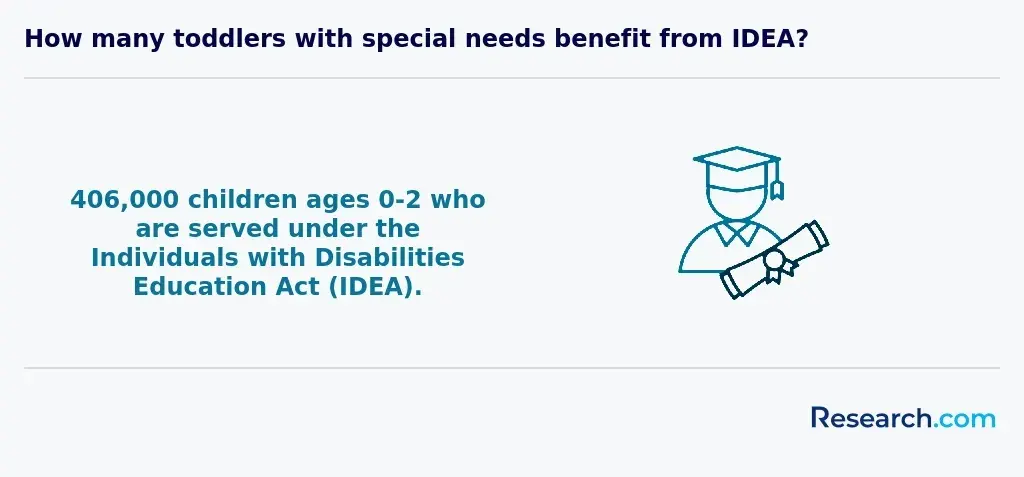
Special education teachers in New Hampshire work within a legal framework shaped by state rules and federal requirements such as the Individuals with Disabilities Education Act (IDEA). These laws affect how students are evaluated, how services are documented, how families participate in decision-making, and how schools provide access to appropriate instruction.
For teachers, the most visible legal responsibility is the Individualized Education Program, or IEP. An IEP is not just a planning document; it is a legally significant agreement that outlines a student’s present levels, goals, services, accommodations, placement, and progress monitoring. Teachers must understand how to implement IEP services consistently and document student progress accurately.
- Certification expectations: New Hampshire requires special education teachers to hold appropriate state certification so they are prepared to serve students with disabilities.
- Highly qualified staffing goals: Local education agencies are expected to recruit and retain qualified personnel who can meet student needs.
- IEP compliance: Teachers must help create, implement, monitor, and revise individualized plans aligned with student needs.
- Inclusive access: Teachers often collaborate with general education staff to support students in appropriate classroom settings.
- Assistive technology: Educators may need to use tools that improve communication, participation, and access to curriculum.
Teachers comparing other state systems should understand that certification language and procedures can differ. For example, Illinois teacher certification follows its own requirements and should not be assumed to match New Hampshire’s process.
What additional qualifications can strengthen a special education career in New Hampshire?
Additional qualifications can help special education teachers move into specialized or leadership-oriented roles. Useful options may include graduate coursework, endorsements, training in early intervention, assistive technology, behavior analysis, autism support, literacy intervention, or transition planning. The best credential is the one that matches your students’ needs and your career goals.
Teachers interested in younger learners may benefit from studying early childhood development and intervention. Exploring online colleges for early childhood education can help educators compare programs that focus on early learning, developmental milestones, and foundational support strategies.
What is the most affordable way to earn a teaching credential in New Hampshire?
The most cost-effective credential route is usually the one that meets New Hampshire certification requirements with the least duplicated coursework, the fewest unnecessary fees, and a realistic completion timeline. Candidates should compare total program cost, not just tuition. Application fees, testing fees, books, travel for field placements, and unpaid student teaching time can all affect affordability.
Prospective teachers can review teaching credential programs in New Hampshire to better understand lower-cost routes. Before enrolling, confirm that the program is state-approved, prepares candidates for required exams, offers placement support, and has transparent completion requirements.
How can graduate education support career growth in special education?
Graduate study can help special education teachers deepen their expertise in assessment, intervention design, child development, research-based instruction, and leadership. A master’s degree may also support movement into advanced district roles, though salary increases and promotion opportunities depend on employer policies and negotiated pay structures.
Educators who want a stronger developmental foundation may compare programs such as child development masters options. The strongest programs connect theory with applied practice, allowing teachers to use research directly in IEP planning, behavior support, family collaboration, and inclusive instruction.
How do special education teachers work with school psychologists in New Hampshire?
Special education teachers and school psychologists often collaborate on evaluations, intervention planning, behavior supports, progress monitoring, and eligibility-related discussions. The teacher brings daily instructional knowledge, while the school psychologist contributes assessment expertise and insight into learning, behavior, and social-emotional factors.
Effective collaboration works best when both professionals share data, define responsibilities, communicate before IEP meetings, and use consistent intervention plans. Teachers interested in this related profession can review school psychologist requirements New Hampshire to understand the preparation pathway for that role.
Can special education teachers move into counseling careers?
Special education teachers often build strong skills in relationship-building, crisis awareness, individualized support, and family communication. Those skills can transfer well into counseling-related fields, but counseling roles usually require additional education, supervised experience, and role-specific credentials.
Teachers interested in mental health or addiction-related support can learn more about how to become a substance abuse counselor in New Hampshire. Before changing fields, compare education requirements, licensure rules, supervision hours, salary expectations, and daily responsibilities.
How can technology improve special education instruction?
Technology can help special education teachers personalize instruction, improve access, collect data, support communication, and monitor progress. Common applications include assistive communication tools, adaptive learning platforms, digital organizers, text-to-speech tools, behavior tracking systems, and family communication platforms.
The key is to choose technology based on student need, not novelty. A tool should support an IEP goal, remove a barrier, improve independence, or help teachers make better instructional decisions. Educators who want to understand technology use earlier in the teaching pipeline may also review preschool teacher requirements in New Hampshire.
Can special education teachers transition into elementary teaching?
Special education teachers often have transferable strengths that are valuable in elementary classrooms, including differentiated instruction, behavior management, progress monitoring, and family communication. However, moving into a general elementary role may require additional licensure, coursework, or testing depending on the teacher’s existing certification.
Educators considering this move should review how to become an elementary school teacher in New Hampshire and compare requirements with their current credentials. The transition may be especially appealing for teachers who enjoy whole-class instruction but want to keep using inclusive teaching strategies.
Can behavior analysis certification expand career options?
Training in behavior analysis can strengthen a special education teacher’s ability to design interventions, interpret behavior data, and support students with significant behavioral needs. It may also open pathways into behavior specialist roles, autism support programs, consulting, or interdisciplinary teams.
Teachers interested in this specialization can review how to become a BCBA in New Hampshire. Before pursuing certification, compare the education requirements, supervised experience expectations, exam preparation, and whether the credential aligns with your intended job setting.
How should special education teachers collaborate with school counselors?
School counselors and special education teachers support different but overlapping parts of student development. Counselors often focus on academic planning, social-emotional support, college and career readiness, and student wellness, while special education teachers focus on specially designed instruction and IEP implementation. Together, they can build more complete support plans.
Strong collaboration includes regular communication, shared concern documentation, coordinated family outreach, and clear referral processes. Teachers who want to understand the counselor pathway can review school counselor requirements in New Hampshire.
What scholarships and grants may help future special education teachers?
Financial aid can make a major difference for aspiring special education teachers, especially because student teaching may reduce the amount of time a candidate can work. Candidates should search for state, institutional, federal, and private scholarship options and ask each program whether education majors or special education candidates qualify for targeted support.
- New Futures Scholars Program: This program offers up to $7,800 to students pursuing education degrees, including special education, with attention to financial need and commitment to teaching in New Hampshire.
- Duthoy Scholarship Program: This scholarship awards $10,000 to candidates who demonstrate commitment to teaching and supporting students with disabilities.
- Underwood-Smith Teaching Scholars Program: This program provides up to $40,000 for students who commit to teaching in high-need areas, including special education.
When evaluating aid, check whether funding is a grant, scholarship, loan, or service-obligation award. Some programs may require recipients to teach in a specific state, subject area, or high-need setting after graduation. Students considering other locations can compare teacher preparation expectations through resources such as Washington teacher preparation programs.
What opportunities exist in New Hampshire private special education schools?
Private special education schools in New Hampshire may serve students with autism spectrum disorders, emotional disturbances, significant learning disabilities, complex behavioral needs, or other specialized support requirements. These schools can offer a more focused environment than a traditional public school placement, though expectations and credential requirements may vary by employer.
Teachers in private special education schools may design individualized instruction, use assistive technology, implement behavior supports, collaborate with therapists, and work in smaller instructional settings. Experienced educators may also pursue roles such as curriculum specialist, program director, behavior support lead, or instructional coach.
| Private School Opportunity | Potential Advantage | Question to Ask Before Applying |
| Specialized classroom teacher | More focused student population and individualized supports | What disability categories and support needs does the school primarily serve? |
| Behavior-focused role | Opportunity to apply intensive intervention strategies | What behavior framework, crisis procedures, and staff training are used? |
| Curriculum or program leadership | Chance to shape instructional design or service delivery | What credentials and years of experience are required for leadership roles? |
| Interdisciplinary team position | Frequent collaboration with therapists, counselors, and specialists | How are teacher responsibilities divided among related service providers? |
Educators interested in nonpublic settings can review how to become a private school teacher in New Hampshire to understand how private school teaching pathways may differ from public school requirements.
What related careers can New Hampshire special education teachers pursue?
Special education teaching can lead to several related careers, especially for educators who enjoy assessment, communication support, therapy-adjacent work, advocacy, or program design. Some roles require substantial additional education and licensure, while others may build more directly on classroom experience.
- Speech-language pathology: Teachers interested in communication and language support may explore becoming a speech-language pathologist, a role focused on assessing and treating communication and swallowing disorders.
- Occupational therapy-related pathways: Educators who enjoy adaptive skills and functional independence may consider OT-related careers, while confirming separate licensure requirements.
- Educational consulting: Experienced teachers may advise schools, families, or organizations on inclusive instruction, accommodations, and intervention planning.
- Disability advocacy: Teachers with strong legal and family communication skills may support policy work, family navigation, or nonprofit services.
- Behavior support roles: Additional training may lead to specialized intervention or behavior analysis-related positions.
How can special education teachers protect work-life balance?
Work-life balance in special education requires deliberate systems. The role can involve teaching, documentation, meetings, progress monitoring, family communication, crisis support, and collaboration with multiple professionals. Without boundaries and workflow strategies, burnout risk can rise quickly.
- Build a documentation routine: Track IEP deadlines, progress data, parent contacts, accommodations, and meeting notes consistently rather than waiting until deadlines approach.
- Use team-based support: Do not solve every problem alone. Work with counselors, psychologists, administrators, paraprofessionals, and general education teachers.
- Ask about caseload before accepting a job: Caseload size, student need level, and support staffing can matter as much as salary.
- Protect planning time: Special education planning often requires adaptation, data review, and coordination, not just lesson preparation.
- Use available wellness resources: Peer mentoring, counseling services, wellness workshops, and professional learning communities can help teachers stay effective long term.
Teachers exploring other classroom paths can compare role expectations through guides such as how to become an English teacher in New Hampshire.
Common Mistakes to Avoid When Becoming a Special Education Teacher in New Hampshire
| Mistake | Why It Can Hurt You | Better Decision |
| Choosing a program without confirming state approval | You may finish coursework that does not lead directly to New Hampshire certification | Ask the program to explain exactly which license or endorsement it prepares you for |
| Focusing only on tuition | Testing fees, field placement costs, books, and lost work time can change the total cost | Compare full cost of attendance and ask about scholarships, grants, and paid school employment options |
| Assuming online programs automatically meet licensure rules | Some online programs may be designed for another state or may not include required clinical placements | Confirm New Hampshire alignment before enrolling |
| Ignoring student teaching logistics | Placement delays can extend your timeline | Ask where placements are available and who arranges them |
| Underestimating the workload | IEPs, meetings, data, and behavior support can overwhelm new teachers | Look for strong mentoring, manageable caseloads, and administrative support |
| Assuming salary outcomes are guaranteed | Pay varies by district, experience, education level, and local funding | Review district salary schedules and benefit packages before accepting an offer |
Questions to Ask Before Choosing a Special Education Program
- Is the program approved or designed to meet New Hampshire special education certification requirements?
- Which licensure exams will I need, and how does the program prepare candidates for them?
- What endorsement area will I be eligible for after completion?
- How are student teaching or practicum placements arranged?
- Can I complete fieldwork near where I live or work?
- What is the total cost, including fees, books, testing, and travel?
- Are scholarships, grants, or service-obligation awards available?
- Does the program support working adults or career changers?
- What support is available for IEP writing, behavior intervention, and classroom management?
- How does the program track graduate licensure and employment outcomes?
Key Insights
- New Hampshire special education teachers generally need approved preparation, supervised teaching experience, licensure exams, background checks, and ongoing renewal every three years.
- The typical path takes four to six years, with a four-year bachelor’s degree, a one-semester student teaching internship, exam preparation time, and optional graduate study lasting one to two additional years.
- New Hampshire’s projected 5.67% growth and approximately 60 annual openings suggest continued need, but hiring conditions can vary by district, grade level, endorsement, and funding.
- The average salary is approximately $45,158 annually, with reported pay ranging from around $38,585 for entry-level teachers to up to $101,378 for the top 10% of earners.
- Career growth can come through roles such as special education coordinator, behavioral specialist, transition specialist, educational consultant, advocate, or related careers such as speech-language pathology.
- The best preparation program is not always the fastest or cheapest. Choose one that is state-aligned, transparent about costs, strong in field placement support, and practical in IEP, behavior, and inclusive instruction training.
- Long-term success depends on more than credentials. Sustainable special education careers require mentoring, realistic caseloads, collaboration, documentation systems, and ongoing professional development.
Related Articles for Nearby States
- 2027 How to Become a Special Education Teacher in Vermont: Requirements & Certification
- 2027 How to Become a Special Education Teacher in Massachusetts: Requirements & Certification
- 2027 How to Become a Special Education Teacher in Maine: Requirements & Certification
- 2027 How to Become a Special Education Teacher in New York: Requirements & Certification
- 2027 How to Become a Special Education Teacher in Connecticut: Requirements & Certification
- 2027 How to Become a Special Education Teacher in Rhode Island: Requirements & Certification
- 2027 How to Become a Special Education Teacher in New Jersey: Requirements & Certification
- 2027 How to Become a Special Education Teacher in Pennsylvania: Requirements & Certification
- 2027 How to Become a Special Education Teacher in Delaware: Requirements & Certification
- 2027 How to Become a Special Education Teacher in Maryland: Requirements & Certification
References:
- Salary.com (2024). Special Education Teacher Salary in New Hampshire. salary.com https://www.salary.com/research/salary/benchmark/special-education-teacher-salary/NH
- Teach Tastic (2024). What Are The 10 Most Important Challenges Facing Special Education Today: Insights from a TeachTastic. teachtasticiep.com https://www.teachtasticiep.com/post/the-top-10-challenges-of-special-education-teachers-teach-tastic
- Parent Information Center on Special Education (2020). RSA 186-C:8. education.nh.gov https://www.education.nh.gov/sites/g/files/ehbemt326/files/inline-documents/2020-04/pic_guide_ed1100.pdf
- Scholarships.com (n.d.). Special Education Scholarships. scholarships.com https://www.scholarships.com/financial-aid/college-scholarships/scholarship-directory/academic-major/special-education
- U.S. Department of Education (2023). 45th Annual Report to Congress on the Implementation of the Individuals with Disabilities Education Act, 2023. https://sites.ed.gov/idea/files/45th-arc-for-idea.pdf
- Kolmar, C. (2024). Special education teacher salary by State: Highest-Paid Special Education Teachers by State [2024]. Zippia. https://www.zippia.com/advice/special-education-teacher-salary-by-state
- O*Net OnLine. (n.d.). New Hampshire employment trends: 25-2058.00 - Special education teachers, secondary school. https://www.onetonline.org/link/localtrends/25-2058.00?st=NH
- O*Net OnLine. (n.d.). New Hampshire employment trends: 25-2057.00 - Special education teachers, middle school. https://www.onetonline.org/link/localtrends/25-2057.00?st=NH
- O*Net OnLine. (n.d.). New Hampshire employment trends: 25-2056.00 - Special education teachers, elementary school. https://www.onetonline.org/link/localtrends/25-2056.00?st=NH
Other Things You Should Know About Becoming a Special Education Teacher in New Hampshire
The New Hampshire State Board of Education issues educator licenses through the New Hampshire Department of Education’s Bureau of Credentialing. Applicants submit licensure materials to that office, which reviews transcript, program, and testing evidence before granting a special education endorsement or certificate.
In 2027, aspiring special education teachers in New Hampshire must first complete a state-approved educator preparation program with a focus on special education. After completing the program, candidates must apply for licensure through the New Hampshire Department of Education, which includes submitting official transcripts, passing required exams, and completing a background check.
In 2027, aspiring special education teachers in New Hampshire must pass the Praxis Core Academic Skills for Educators tests and the Praxis Subject Assessments in Special Education to qualify for certification. These tests evaluate basic skills and subject-specific knowledge necessary for effective teaching.