2027 Best Psychology Schools in Connecticut – Accredited Colleges & Programs

Co-Founder and Chief Data Scientist
Choosing a psychology school in Connecticut is not just a question of which college has the strongest name recognition. The better question is whether a program fits your intended career path, budget, timeline, and licensing goals. A student who wants to become a licensed psychologist will need a very different academic plan than someone preparing for human resources, research assistance, school counseling, applied behavior analysis, forensic work, or a future role as a mental health counselor.
This guide explains how psychology programs in Connecticut compare, what students should know about degree length and cost, which schools stand out in 2027, and how to evaluate whether a program can realistically support your next step. It also covers licensure-related pathways, accelerated online options, postgraduate training, and specialized careers such as school psychology, criminal psychology, substance abuse counseling, marriage and family therapy, and BCBA practice.
One important note about labor data: the source list associated with this article includes a U.S. Bureau of Labor Statistics page for Nevada, which reports 4,410 psychology professionals in Nevada (US BLS, 2025). Students researching Connecticut-specific employment should verify the most recent Connecticut tables directly through BLS and state licensing agencies before making a salary or job-market decision.
Quick Answer: Are Psychology Programs in Connecticut Worth Considering?
Yes, Connecticut can be a strong place to study psychology if you choose a program that matches your career target and licensing requirements. The state offers respected public and private institutions, access to healthcare and education settings, and professional organizations such as the Connecticut Psychological Association (CPA). However, psychology is a broad field. A bachelor’s degree can support entry-level roles or graduate school preparation, but licensed clinical practice usually requires graduate education, supervised experience, and state approval.
Students should compare programs by accreditation, cost, research access, internship or practicum opportunities, faculty expertise, transfer policies, and whether the curriculum prepares them for Connecticut licensure or certification in their intended occupation.
Best Psychology Schools in Connecticut Table of Contents
- Is Connecticut a good place for psychology majors?
- Psychology program length in Connecticut
- Tuition and costs of psychology programs in Connecticut
- Best psychology schools in Connecticut and their programs for 2027
- What to look for in a psychology program in Connecticut
- What career opportunities can an accelerated online psychology degree open in Connecticut?
- What postgraduate and continuing education opportunities are available in Connecticut?
- Navigating licensure and certification in Connecticut
- What are the pathways to specialize in criminal psychology in Connecticut?
- Do psychology programs in Connecticut require strong math skills?
- How can I become a substance abuse counselor in Connecticut?
- What are the career prospects for school psychologists in Connecticut?
- What are the licensure prerequisites for psychology professionals in Connecticut?
- How can I become a BCBA in Connecticut?
- How can I launch my career as a mental health counselor in Connecticut?
- How can I advance my career as a BCBA in Connecticut?
- What are the career opportunities in forensic science in Connecticut?
- What is the fastest route to become a licensed counselor in Connecticut?
- What are the essential steps for securing a Marriage and Family Therapist license in Connecticut?
Is Connecticut a good place for psychology majors?
Connecticut is a good option for psychology students who want access to established universities, healthcare networks, school systems, research opportunities, and professional communities. It is especially appealing for students considering graduate study, clinical training, school-based services, behavioral health, or research-focused careers.
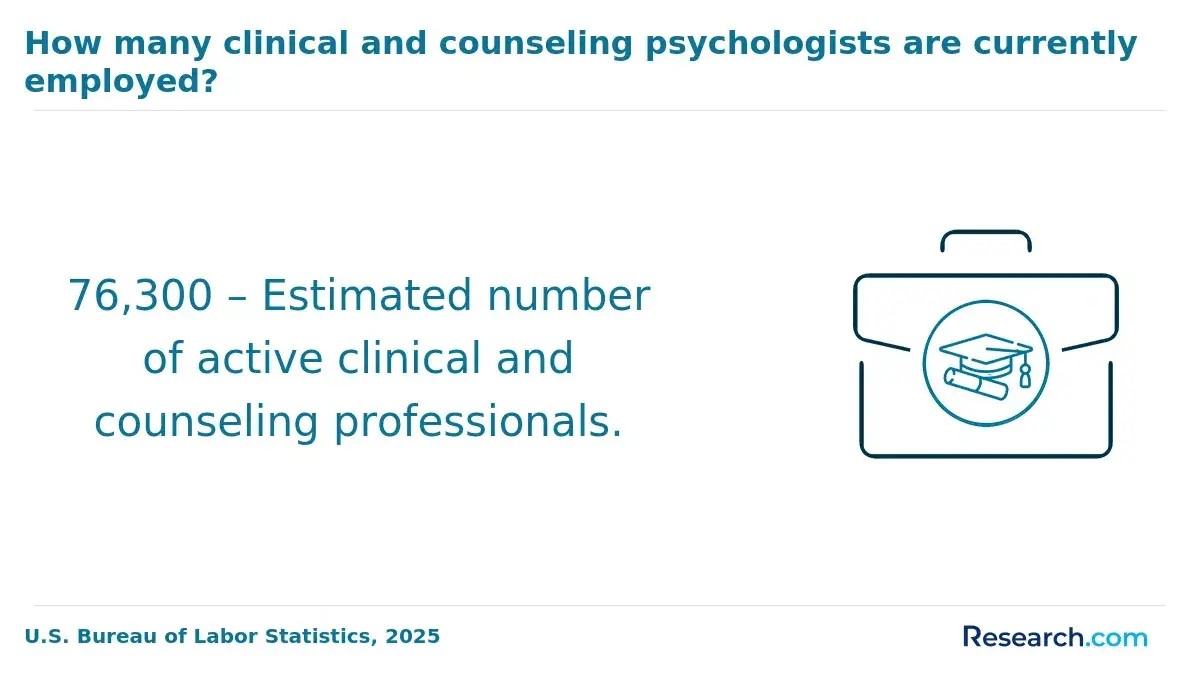
Pay can be competitive for advanced psychology roles, although salaries vary widely by credential, setting, specialty, and experience. Clinical and counseling psychologists in Connecticut earn an average of $118,410, while psychiatrists earn a median salary of $321,520 (US BLS, 2025). A student pursuing forensic psychology, school psychology, counseling, research, or applied behavior analysis should not assume the same earnings across roles because each pathway has different education and licensing requirements.
Connecticut also has a professional support structure that can matter after graduation. Organizations such as the Connecticut Psychological Association provide networking, continuing education, policy updates, and advocacy. These resources are useful for students and early-career professionals who need to understand licensure, supervision, ethics, and changing mental health practice standards.
The field is also being shaped by stronger attention to diversity, equity, and inclusion. In practical terms, this means many programs and employers are paying closer attention to culturally responsive care, access gaps in mental health services, and the need for a workforce prepared to serve varied communities.
| Connecticut psychology study factor | Why it matters | What students should verify |
| Career goal | Psychology degrees lead to different outcomes depending on the level of education and specialization. | Whether the program prepares students for employment, graduate school, licensure, or certification. |
| Local training access | Internships, practicums, research labs, schools, hospitals, and community agencies can shape career readiness. | Placement sites, supervision quality, and whether placements meet licensing expectations. |
| Professional network | Mentorship and association involvement can help students find supervision, continuing education, and job leads. | Faculty connections, alumni outcomes, and access to groups such as CPA. |
| Cost and aid | Psychology careers often require more than one degree, so total education cost matters. | Net price, scholarships, assistantships, transfer credits, and graduate funding options. |
Psychology Program Length in Connecticut
The time needed to complete a psychology program in Connecticut depends on the credential. A bachelor’s degree is usually the starting point for students entering the field, while graduate degrees are typically required for licensed counseling, school psychology, clinical psychology, and advanced research roles. Students should also account for supervised practice, internships, postdoctoral training, and exam preparation when estimating the full timeline to professional practice.
| Education Level | Duration |
| Bachelor's Degree | Four years |
| Master's Degree | Two to three years |
| Doctorate | Four to seven years |
| Postdoctoral Training | One to two years |
A four-year bachelor’s degree may be enough for research assistant, case management, behavioral technician, human resources, social services, or entry-level administrative roles. It is not usually enough for independent clinical practice. Students who want to diagnose or treat clients independently should map the requirements for their target credential before enrolling.
Tuition and Costs of Psychology Programs in Connecticut
Psychology program costs in Connecticut vary by school type, residency status, degree level, housing, fees, books, transportation, and whether the student studies full time or part time. Based on our team’s observations, a bachelor’s degree costs about $36,000 per year, master’s degrees average around $42,000 per year, and doctoral degrees about $60,000 per year. Private schools tend to cost more, with an average tuition of $30,000 per year, while public schools average around $9,000 per year.
Students should look beyond advertised tuition. The more useful number is total cost to completion after scholarships, grants, assistantships, employer support, transfer credits, and living expenses. This is especially important in psychology because many higher-paying or licensed roles require graduate education after the bachelor’s degree.
| Education Level | Average Cost (per year) |
| Bachelor's Degree | $36,000 |
| Master's Degree | $42,000 |
| Doctorate | $60,000 |
| Cost question to ask | Why it matters |
| What is the total estimated cost to graduate? | Per-year tuition does not show the full price of a degree, especially if a program has fees, lab costs, or required summer enrollment. |
| Are internships or practicums paid? | Clinical and school-based training can reduce the time available for paid work. |
| Can transfer credits reduce the timeline? | Transfer-friendly policies can lower both tuition and living costs. |
| Are assistantships available for graduate students? | Funding can significantly change the value of a master’s or doctoral program. |
| Does the program meet licensure requirements? | A cheaper program can become expensive if it does not qualify graduates for the credential they need. |
Best Psychology Schools in Connecticut and Their Programs for 2027
Research.com reviewed available public information to identify notable psychology programs in Connecticut for 2027. The ranking considers factors such as academic profile, enrollment-related indicators, affordability, acceptance rate, accreditation, and program features. Students should use this list as a starting point, not as the only basis for choosing a school. The best program is the one that fits your academic level, specialization, budget, and long-term licensing plan.
1. University of Connecticut
The University of Connecticut offers a Psychological Sciences major through the College of Liberal Arts and Sciences. Students can study areas such as human development, memory, perception, and related psychological science topics. The school offers both BA and BS options. The BA is generally more flexible for students combining psychology with another major, minor, study abroad, or broad liberal arts interests. The BS is more structured and may appeal to students preparing for science-heavy graduate study or medical-related pathways. Undergraduate students can also consider Standard, Research, and Honors tracks, while graduate applicants can explore eight PhD concentrations.
- Program Length: Four years
- Tracks/concentrations: Cognitive Science, Neuroscience, Women’s, Gender, and Sexuality Studies
- Cognitive Science
- Neuroscience
- Women’s, Gender, and Sexuality Studies
- Cost per credit: $2,698 (in-state), $3,642 (out-of-state)
- Required credits to graduate: 120 credits
- Accreditation: New England Commission of Higher Education (NECHE)
2. Quinnipiac University
Quinnipiac University offers a BS in Psychology that emphasizes the scientific study of behavior, mental processes, and applied human development. The program may fit students who want a psychology foundation for counseling-related graduate study, human resources, education, research, or other people-centered fields. Students can build experience through lab courses, fieldwork, and internships, while faculty research includes topics such as cognition and workplace relationships. The school reports a 100% success rate for graduates who secured employment or continued to graduate study within six months of graduation.
- Program Length: Four years
- Tracks/concentrations: Abnormal Psychology, Psychology and the Law, Parenting Science
- Abnormal Psychology
- Psychology and the Law
- Parenting Science
- Cost per year: $73,120
- Required credits to graduate: 120 to 123 credits
- Accreditation: NECHE
3. Wesleyan University
Wesleyan University offers a combined BA/MA pathway in Psychology. After completing BA requirements, eligible students continue as graduate students for two semesters to complete the MA. The program is strongly research-oriented and requires close work with a faculty advisor. Students outside the psychology major may apply if they can demonstrate preparation for advanced psychology research. The MA requires at least six additional credits beyond the BA, includes thesis research and advanced coursework, and expects students to spend at least 20 hours per week on research. The degree concludes with an oral thesis defense.
- Program Length: At least four years
- Tracks/concentrations: Psychology and the Law, Global Mental Health, Cultural Psychology
- Psychology and the Law
- Global Mental Health
- Cultural Psychology
- Cost per year: $89,094 (freshmen), $88,794 (continuing students)
- Required credits to graduate: 38 credits
- Accreditation: NECHE
4. Yale University
Yale University offers psychology study grounded in the scientific examination of the mind, brain, and behavior. Students can explore clinical, cognitive, developmental, neuroscientific, and social psychology through coursework and research. The major is relevant for students considering research, medicine, law, public policy, education, business, or graduate study. Requirements include core coursework, statistics, courses from both social science and natural science perspectives, and a senior requirement involving advanced work and a substantial research project.
- Program Length: At least four years
- Tracks/concentrations: Communicating Psychological Science, Computational Basis of Seeing and Thinking, Neuroscience of Social Interaction
- Communicating Psychological Science
- Computational Basis of Seeing and Thinking
- Neuroscience of Social Interaction
- Cost per year: $52,714
- Required courses to graduate: 12 courses beyond prerequisites
- Accreditation: NECHE
5. Western Connecticut State University
Western Connecticut State University offers a psychology program within a liberal arts framework. The curriculum is designed to give students a structured foundation in psychological concepts while leaving room to explore related academic interests. Students develop communication, quantitative analysis, research interpretation, and writing skills, with attention to critical thinking and evidence-based argumentation. The program may appeal to students seeking a flexible undergraduate psychology foundation at a public institution.
- Program Length: Four years
- Tracks/concentrations: Psychological Statistics, Experimental Psychology, Clinical Counseling
- Psychological Statistics
- Experimental Psychology
- Clinical Counseling
- Cost per term: $6,381
- Required credits to graduate: 121 credits
- Accreditation: NECHE
What To Look For in a Psychology Program in Connecticut
A strong psychology program should do more than offer interesting classes. It should help you build the academic foundation, research ability, practical experience, and credentials required for your next step. Before applying, compare programs using the factors below.
- Accreditation: Confirm that the institution is properly accredited. For doctoral psychology programs, the American Psychological Association (APA) is the key accreditor in the United States. Accreditation affects credit transfer, graduate admission, financial aid eligibility, and licensure readiness.
- Program specialization: Psychology is not one career. A student interested in clinical practice, school psychology, research, counseling, industrial-organizational psychology, or sports psychology should choose coursework and experiences that point toward that field.
- Faculty expertise: Review faculty research areas, publications, labs, and advising availability. Faculty mentors can influence research experience, graduate school applications, and career direction. More than 80% of educators believe that mentors help students improve academic outcomes and gain skills that lead to success.
- Clinical and field training: If you want a counseling, school, clinical, or behavioral health career, ask where students complete practicums, internships, and supervised experiences. Licensure-focused fields require careful tracking of hours, supervisors, and approved settings.
- Research access: Students planning graduate school should look for labs, thesis options, statistics training, conference opportunities, and faculty-led research projects.
- Licensure alignment: If your goal is licensed practice, confirm that the curriculum satisfies the Connecticut State Department of Public Health or the licensing board in your intended state. Students considering social work should review how to become a mental health social worker before assuming a psychology degree is the best route.
- Class size and advising: Smaller classes and accessible faculty can make it easier to get research roles, recommendation letters, and academic support.
- Cost, aid, and format: Compare tuition, fees, housing, financial aid, transfer credits, and graduate funding. Some students may also consider online masters in psychology programs when flexibility or cost is a major concern.
| If your goal is... | Prioritize this in a program | Be careful about this |
| Licensed psychologist | APA-accredited doctoral pathways, research training, clinical practicum, internship placement, postdoctoral planning. | Assuming a bachelor’s or general master’s degree qualifies you for independent practice. |
| Mental health counseling | Graduate counseling curriculum, supervised clinical hours, licensure preparation, practicum sites. | Choosing a general psychology program that does not meet counselor licensure rules. |
| School psychology | School-based assessment training, supervised school placements, state credential alignment. | Overlooking education department or school certification requirements. |
| Research or PhD preparation | Statistics, lab work, thesis options, faculty mentorship, methods courses. | Graduating without research experience or strong recommendation letters. |
| Human resources or business roles | Applied psychology, organizational behavior, data skills, internships, communication training. | Assuming clinical coursework is always necessary for nonclinical roles. |
Common Mistakes When Choosing a Psychology School
- Choosing by reputation alone: A famous school may not be the best fit if it lacks your preferred specialization, training model, or affordability.
- Ignoring licensure rules: Students should verify requirements before enrolling, especially for counseling, clinical psychology, school psychology, MFT, substance abuse counseling, and BCBA-related work.
- Looking only at tuition: Fees, housing, transportation, unpaid fieldwork, and graduate school costs can change the real price of the degree.
- Assuming online programs are automatically accepted: Online coursework can be legitimate, but students must confirm accreditation, supervised placement rules, and state eligibility.
- Waiting too long to get experience: Internships, labs, volunteer work, and practicum exposure can be decisive for graduate admission and entry-level hiring.
- Expecting salary guarantees: Published salary figures describe occupations or regions, not guaranteed outcomes for individual graduates.
What career opportunities can an accelerated online psychology degree open in Connecticut?
An accelerated psychology degree online can help some students finish faster, especially if they have transfer credits or need a flexible schedule. In Connecticut, this may be useful for adults changing careers, working students, military-affiliated learners, or students who want to complete a bachelor’s degree before applying to graduate programs.
Acceleration does not remove licensing requirements. If the target career requires a master’s degree, doctorate, supervised clinical hours, or state examination, an accelerated bachelor’s degree is only one step in the process.
Career paths psychology graduates may consider in Connecticut
- Mental Health Counselor: Graduates who continue into appropriate graduate training may work in clinics, hospitals, community agencies, or private practice settings supporting individuals, couples, families, or groups.
- School Counselor: Students interested in education-based counseling should review state credential requirements and choose programs with relevant school-based preparation.
- Human Resources Specialist: Psychology coursework in motivation, behavior, communication, and workplace dynamics can support HR, training, recruiting, and employee relations roles.
- Social Worker: Some psychology graduates later move toward social work, but clinical social work requires a social work degree and state-specific licensing steps.
| Online accelerated psychology degree is a good fit if... | It may not be the best fit if... |
| You need schedule flexibility while working or caregiving. | You need intensive in-person lab, clinical, or campus research access. |
| You already have transferable credits. | You are starting with few credits and the accelerated pace would affect your grades. |
| Your goal is to complete a bachelor’s degree before graduate school. | You assume the degree alone qualifies you for licensed therapy practice. |
| The program is accredited and transparent about outcomes. | The school is unclear about accreditation, transfer rules, or licensure alignment. |
What postgraduate and continuing education opportunities are available in Connecticut?
Psychology-related careers often require continued education after the first degree. In Connecticut, postgraduate and continuing education can help professionals qualify for licensure, maintain credentials, specialize, or shift into higher-responsibility roles.
- Postgraduate certificate programs: Certificates in areas such as applied behavior analysis, school psychology, and clinical mental health counseling can help graduates build targeted expertise without completing another full degree.
- Specialization training: Graduate-level coursework in forensic psychology, neuropsychology, industrial-organizational psychology, or related fields can strengthen a candidate’s profile for specialized positions.
- Workshops and seminars: Universities, mental health organizations, and professional associations often offer training on clinical methods, ethics, assessment, research updates, and therapeutic techniques.
- Online continuing education: Flexible online coursework can help working professionals meet renewal requirements or explore a field before committing to a full degree. Students researching family therapy can also review what education is needed to become a marriage and family therapist.
- Professional associations: Membership in organizations such as CPA can provide networking, continuing education discounts, policy updates, and access to mentors.
- Postdoctoral fellowships: Advanced clinical, research, or teaching fellowships can support licensure preparation, specialization, and career advancement after doctoral study.
Navigating Licensure and Certification in Connecticut
Licensure is one of the most important issues for psychology students to understand early. Connecticut-regulated roles may require an accredited graduate degree, supervised clinical experience, examinations, background checks, continuing education, and renewal. The exact rules depend on whether the professional is pursuing psychology licensure, counseling licensure, school psychology credentials, marriage and family therapy licensure, substance abuse counseling, or behavior analysis certification.
Students interested in family therapy should review the MFT licensing requirements in Connecticut before choosing a graduate program. The right program should prepare candidates for required coursework, supervised experience, examination expectations, and ethical practice with individuals, couples, and families.
Licensure planning should begin before enrollment, not after graduation. Ask admissions counselors and program directors whether the curriculum is designed for Connecticut requirements, whether out-of-state students face different rules, how supervision is arranged, and what percentage of graduates complete the intended credentialing process.
Explore Psychology Programs in Connecticut
Students comparing psychology programs in Connecticut should start with accreditation, degree level, specialization, cost, and experiential learning. A strong program should make it clear how students move from coursework into research, internships, graduate study, licensure, or employment.
Psychology professionals often work with schools, healthcare providers, community agencies, courts, employers, and families. Studying in Connecticut can help students understand local systems and build connections with organizations that serve the state’s communities.
What are the pathways to specialize in criminal psychology in Connecticut?
Criminal psychology sits at the intersection of psychology, behavior, law, and public safety. In Connecticut, students interested in this field should look for coursework or training in forensic assessment, abnormal behavior, ethics, criminal justice systems, research methods, and legal decision-making. Practical experience can come through internships, forensic settings, law enforcement partnerships, victim services, correctional programs, or court-related agencies.
Because titles and requirements vary, students should distinguish criminal psychology from forensic science, forensic psychology, law enforcement, and clinical practice. A detailed pathway is available in this guide to how to become a criminal psychologist in Connecticut.
Do psychology programs in Connecticut require strong math skills?
Psychology students do not need to be advanced mathematicians, but they should be ready for statistics, research design, data interpretation, and evidence evaluation. These skills are central to psychological science because students must learn how studies are conducted, how results are interpreted, and how claims are tested.
Students who feel anxious about math should review each school’s statistics and research methods requirements before applying. A practical starting point is this overview of psychology degree requirements, especially for students comparing BA, BS, and graduate-level options.
How can I become a substance abuse counselor in Connecticut?
Substance abuse counseling focuses on assessment, treatment planning, relapse prevention, recovery support, and coordination with healthcare and community services. Students interested in this pathway should look for accredited programs, supervised clinical training, addiction counseling coursework, and state-specific credential guidance.
This field can overlap with psychology, counseling, social work, and behavioral health, but it has its own credentialing expectations. Students should review How to become a substance abuse counselor in Connecticut? before selecting a degree or certificate route.
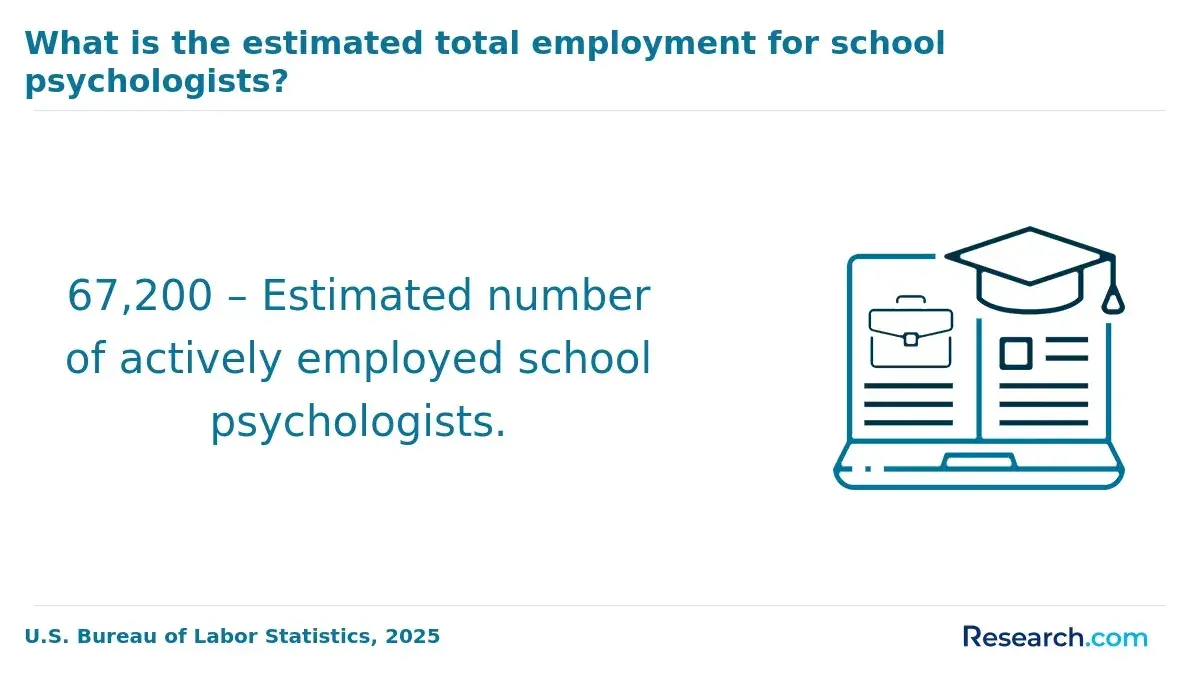
What are the career prospects for school psychologists in Connecticut?
School psychologists support students’ academic, emotional, behavioral, and social development. Their work may include assessment, consultation with teachers, intervention planning, crisis response, family collaboration, and support for students with learning or behavioral needs.
Connecticut school systems continue to emphasize student mental health and early intervention, which makes school psychology an important specialization for students who want to work in educational settings. Candidates should carefully review school psychologist requirements in Connecticut, including education, practicum, internship, certification, and continuing education expectations.
What are the licensure prerequisites for psychology professionals in Connecticut?
Connecticut psychology professionals generally need to meet education, supervised experience, examination, and continuing education standards before practicing in regulated roles. Requirements differ by occupation, so students should not assume that one psychology degree applies equally to counseling, clinical psychology, school psychology, marriage and family therapy, or applied behavior analysis.
Before enrolling, verify whether the program is accredited, whether the curriculum satisfies state rules, how supervised hours are documented, and which exams are required. For a focused overview, review the Connecticut psychology license requirements.
How can I become a BCBA in Connecticut?
Becoming a Board Certified Behavior Analyst requires focused preparation in applied behavior analysis, supervised fieldwork, eligibility review, examination preparation, and continuing professional development. Students should choose programs that combine theory, ethics, assessment, intervention design, data-based decision-making, and supervised practice.
Because BCBA requirements can affect where and how graduates work, candidates should review the full steps to become a BCBA. In Connecticut, BCBAs may work in schools, healthcare settings, autism services, community organizations, or behavioral intervention programs.
How can I launch my career as a mental health counselor in Connecticut?
To become a mental health counselor in Connecticut, students should align their education with state licensure expectations from the beginning. A suitable program should include clinical coursework, supervised practicum or internship experiences, ethical training, assessment, treatment planning, and preparation for required exams.
Students should also seek mentorship through faculty, local mental health agencies, professional associations, and practicum supervisors. For a step-by-step overview, see how to become a mental health counselor in Connecticut.
How can I advance my career as a BCBA in Connecticut?
Career growth for BCBAs often comes from specialized continuing education, leadership experience, supervision responsibilities, advanced intervention skills, and work with specific populations or settings. Connecticut professionals can also benefit from conferences, mentorship, peer consultation, and staying current with ethics and regulatory changes.
Professionals who want to move into senior clinical, supervisory, school-based, or program design roles can use this guide on how to become a BCBA in Connecticut to plan next steps.
What are the career opportunities in forensic science in Connecticut?
Forensic science is related to criminal investigation and legal evidence, but it is not the same as clinical psychology or counseling. Forensic scientists may analyze evidence, support investigations, prepare technical reports, and contribute findings used in legal proceedings. The work often requires strong science preparation, precision, documentation, and laboratory or technical training.
Students interested in this field should review the degrees needed to work in forensic science in Connecticut. Internships, laboratory exposure, and collaboration with forensic or law enforcement agencies can strengthen preparation for this multidisciplinary field.
What is the fastest route to become a licensed counselor in Connecticut?
The fastest route is usually the one that avoids wasted credits, unapproved coursework, and licensing delays. Students should choose an accredited program designed around Connecticut counseling requirements, confirm practicum and internship arrangements early, and maintain careful documentation of supervised experience.
Accelerated coursework can help, but speed should not come at the expense of licensure eligibility or clinical readiness. For detailed planning, review the fastest way to become a counselor in Connecticut.
What are the essential steps for securing a Marriage and Family Therapist license in Connecticut?
Marriage and Family Therapist candidates in Connecticut typically need graduate-level training in systemic therapy, family dynamics, ethics, assessment, and clinical intervention. They must also complete supervised clinical experience and pass required licensure examinations.
Students should verify that their graduate program prepares them for Connecticut’s MFT rules before enrolling. For a focused breakdown of the process, review Connecticut MFT license requirements.
Key Insights
- Program fit matters more than prestige: The right Connecticut psychology school depends on whether you want research, counseling, school psychology, BCBA work, forensic pathways, human resources, or graduate study.
- Licensure planning should start early: Students pursuing regulated roles must confirm accreditation, coursework, supervised hours, examinations, and state requirements before enrolling.
- Costs can compound: A bachelor’s degree costs about $36,000 per year, master’s degrees average around $42,000 per year, and doctoral degrees about $60,000 per year, so students should calculate total cost to completion.
- Salary varies by occupation and credential: Clinical and counseling psychologists in Connecticut earn an average of $118,410, while psychiatrists earn a median salary of $321,520 (US BLS, 2025). A previously cited figure of $112,280 should be checked against the most current occupation-specific source before being used for planning.
- Experience is a deciding factor: Internships, practicums, lab work, thesis projects, and supervised field placements can be just as important as classroom coursework.
- Online and accelerated options can help, but only when accredited: Flexible programs may reduce time barriers, but students must verify transfer rules, state approval, and licensure alignment.
- Connecticut offers multiple psychology-related routes: Students can pursue clinical psychology, counseling, school psychology, applied behavior analysis, criminal psychology, forensic science, substance abuse counseling, MFT work, research, HR, and community mental health roles.
Related Articles for Nearby States
- 2027 Best Psychology Schools in New York – Accredited Colleges & Programs
- 2027 Best Psychology Schools in Rhode Island – Accredited Colleges & Programs
- 2027 Best Psychology Schools in Massachusetts – Accredited Colleges & Programs
- 2027 Best Psychology Schools in New Jersey – Accredited Colleges & Programs
- 2027 Best Psychology Schools in Pennsylvania – Accredited Colleges & Programs
- 2027 Best Psychology Schools in Vermont – Accredited Colleges & Programs
- 2027 Best Psychology Schools in New Hampshire – Accredited Colleges & Programs
- 2027 Best Psychology Schools in Delaware – Accredited Colleges & Programs
- 2027 Best Psychology Schools in Maryland – Accredited Colleges & Programs
- 2027 Best Psychology Schools in Maine – Accredited Colleges & Programs
References:
- American Psychological Association. (2026). How to become a clinical psychologist. https://www.psychology.org/careers/clinical-psychologist/
- American Psychological Association. (2026). Licensing and certification requirements for psychologists. https://www.apa.org/education/licensure
- National Center for Education Statistics. (2025). Integrated Postsecondary Education Data System (IPEDS). https://nces.ed.gov/ipeds/
- National Council of State Boards of Nursing (NC-SBNA). (2026). State licensing boards and requirements. https://www.ncsbn.org/
- National Association of School Psychologists. (n.d.). School psychology training standards and program requirements. https://www.nasponline.org/
- U.S. Bureau of Labor Statistics. (2025). Occupational Employment and Wage Statistics: Psychology Teachers, Postsecondary, Clinical and Counseling Psychologists, School Psychologists, and Psychologists, All Other in Nevada. https://www.bls.gov/oes/current/oes_nv.htm
- U.S. Department of Education. (2025). ERIC – Educational resources related to school and educational psychology. https://eric.ed.gov/
- U.S. Bureau of Labor Statistics. (2025). Field of degree: Psychology. https://www.bls.gov/ooh/field-of-degree/psychology/psychology-field-of-degree.htm
Other Things You Should Know About Best Psychology Schools in Connecticut
Many accredited psychology programs in Connecticut require supervised fieldwork, especially at the undergraduate and master’s levels. A practicum or internship often runs for one semester and may require 100 to 300 supervised hours, plus approval from the program chair or clinical placement coordinator.
Yes, many psychology programs in Connecticut provide robust clinical training opportunities. For instance, Yale University offers diverse practicum experiences through partnerships with local hospitals and clinics, while the University of Connecticut features professional placements as part of its curriculum, ensuring students gain real-world experience.
In 2027, psychology students in Connecticut can explore financial aid through federal grants, scholarships from the Connecticut Psychological Association, and state-specific programs such as the Roberta B. Willis Scholarship. Each option has unique eligibility criteria and application deadlines.
Admission requirements in 2027 typically include a high school diploma with a minimum GPA of 3.0, standardized test scores (SAT or ACT), and letters of recommendation. Some programs may also require a personal statement outlining your interest in psychology and career goals.