2027 Media Arts Salary Trends Report: Are Wages Keeping Up With Tuition and Inflation?

Co-Founder and Chief Data Scientist
A prospective media arts student weighs the decision to enroll amid rising tuition fees and uncertain salary prospects. With education costs surging faster than in past decades, understanding whether a degree offers financial security is crucial. Inflation further complicates this calculation, eroding purchasing power and shaping real income after graduation. Determining the return on investment requires more than comparing sticker prices to starting salaries.
Salary growth, education expenses, and inflation often move at different rates, making surface-level salary figures inadequate for long-term financial planning. Evaluating a media arts degree's value demands a thorough look at how wages track against rising costs and how purchasing power evolves post-graduation. This article examines salary trends, tuition costs, inflation, return on investment, affordability, and factors shaping the lasting economic benefits of earning a media arts degree.
Key Things to Know About Media Arts Salary Trends
- Median starting salaries for media arts graduates in 2024 rose by only 3%, lagging behind tuition hikes exceeding 6% annually, shrinking real net returns on educational investment.
- Inflation-adjusted wage growth over five years remains modest at 1.5% annually, reflecting market saturation and the need for continuous skill updates to sustain employability.
- Long-term earning potential strongly correlates with specialization in emerging digital content technologies, underscoring the importance of targeted program choices over generalized coursework.
- Key Things to Know About Media Arts Salary Trends Key Things to Know About Media Arts Salary Trends
- What Is the Current Salary Outlook for Media Arts Graduates? Salary Outlook
- Are Media Arts Salaries Keeping Up With Inflation? Inflation Impact
- How Do Tuition Costs Compare With Media Arts Salary Growth? Tuition vs Salary
- Does a Media Arts Degree Deliver a Positive Return on Investment? Degree ROI
- Which Industries Offer the Highest Salaries for Media Arts Graduates? Which Industries Offer the Highest Salaries for Media Arts Graduates?
- Which States and Cities Offer the Highest Pay for Media Arts Professionals? Which States and Cities Offer the Highest Pay for Media Arts Professionals?
- How Do Media Arts Salaries Grow Throughout a Career? Career Growth
- How Do Media Arts Salaries Compare With Similar Degrees? Salary Comparison
- How Is Employer Demand Affecting Media Arts Salary Trends? Employer Demand
- How Can Students Maximize Their Lifetime Earnings With a Media Arts Degree? Maximizing Earnings
What Is the Current Salary Outlook for Media Arts Graduates?
Recent data from the U.S. Bureau of Labor Statistics highlights that salaries for media arts-related roles vary widely, with median wages for multimedia artists and animators reaching around $75,000 annually, while graphic designers typically earn closer to $58,000. These figures suggest a moderate increase compared to previous years but also reveal that wage growth has not fully offset inflation and rising living expenses. For example, two graduates holding the same Media Arts degree might experience divergent salary paths: one specializing in UX design in a tech hub may command higher pay and faster career advancement, whereas another focusing on entry-level graphic design in a smaller market might see more modest compensation despite similar qualifications. This disparity underscores how geographic location and chosen specialization heavily influence earning potential.
Considering current salary trends for Media Arts graduates requires looking beyond initial pay. Long-term income growth often depends on skills development, adaptability, and industry demand, particularly in areas like visual effects or interactive media that are projected to expand. However, increasing accessibility to online learning and alternative credentials has broadened the talent pool, placing downward pressure on starting salaries in some sectors. This dynamic calls for careful evaluation of the return on investment in education, especially as inflation and tuition hikes continue to challenge graduates' financial stability. Prospective students should also explore options like the cheapest MBA programs online to complement their creative skills with business acumen, potentially enhancing their long-term marketability and salary trajectories.
Are Media Arts Salaries Keeping Up With Inflation?
Nominal wage increases in media arts salary growth compared to inflation may seem encouraging at first glance, but they do not always reflect true gains in purchasing power. The U.S. Bureau of Labor Statistics reports that median wages in fields like graphic design and digital illustration have risen by about 2% to 3% annually over recent years. However, when factoring in the Consumer Price Index, which has increased by roughly 4% per year, these salary gains fail to keep pace with the rising cost of living. For instance, a recent graduate moving to a metropolitan area with high rent inflation could find their effective earnings reduced despite a modest pay raise, making everyday expenses increasingly difficult to manage.
This disconnect stems from a mix of factors including fierce competition from a growing pool of media arts graduates, many of whom accept lower starting salaries, and the impact of automation on routine creative tasks that limits upward wage pressure. Additionally, geographic disparities play a significant role: regions with escalating living costs rarely offer compensatory salary adjustments for media arts workers, further diminishing real income. Prospective students and career changers evaluating are media arts wages keeping pace with rising costs should also consider the increasing tuition fees for such programs. With average annual increases of 3.5% at public universities, the financial burden from educational debt is rising faster than the wages they might expect after graduation.
Balancing these financial realities requires accessing reliable information from accredited schools online and considering whether the long-term earning potential justifies the upfront and ongoing expenses. While the creative opportunities in media arts remain appealing, students must carefully weigh the economic tradeoffs against a backdrop where salary growth often lags inflation, leading to stagnating or declining real income over time. This nuanced understanding can guide more informed decisions about investing in a media arts degree amid complex market and inflation dynamics.
How Do Tuition Costs Compare With Media Arts Salary Growth?
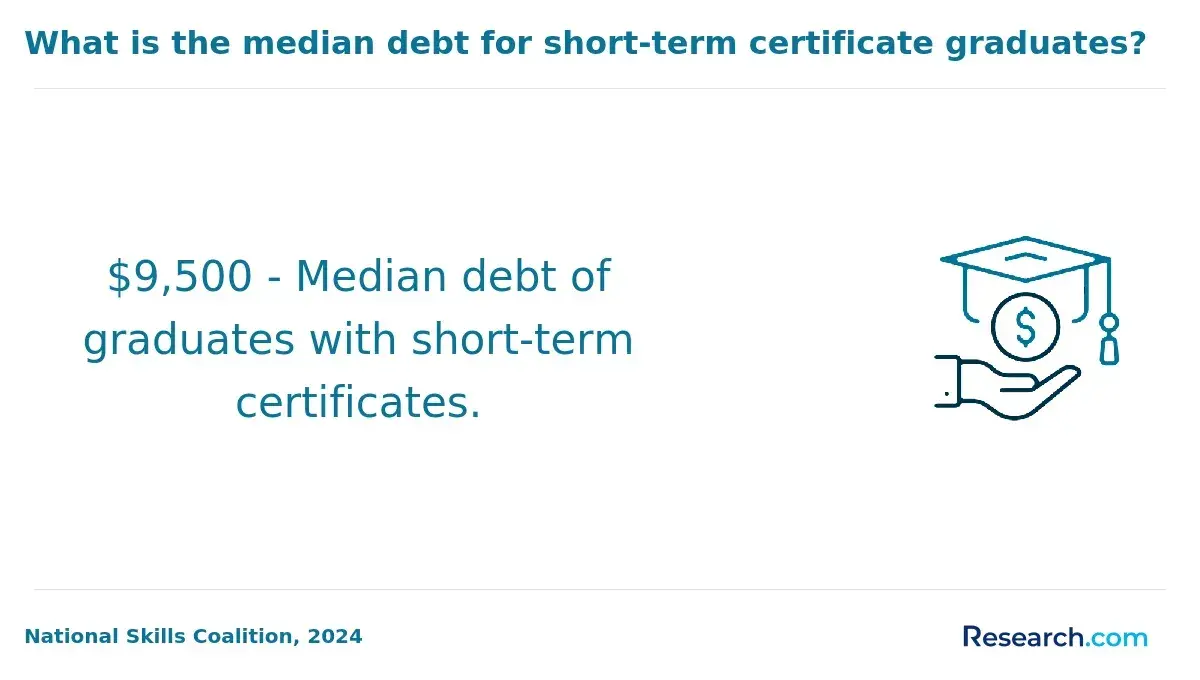
Evaluating the financial value of a Media Arts degree requires more than just examining tuition or salary figures separately-it demands looking at how these two factors move in relation to each other over time. According to the National Center for Education Statistics and the College Board's 2024 data, average tuition at public universities has risen roughly 3.5% annually over the past decade, surpassing inflation. Meanwhile, median early-career salaries for media arts graduates are growing at about 2% per year, with mid-career wages increasing closer to 3%, as reported by the Bureau of Labor Statistics. This widening gap suggests that the cost of education is increasing faster than graduates' earning power, which challenges the traditional assumptions about return on investment in this field.
Consider a recent student who started a media arts degree in 2020 expecting that salary growth would help them manage debt within five years. With tuition hikes outpacing wage gains, the student now faces higher loan balances while early earnings stagnate in real terms amid inflation. This situation contrasts with another graduate who enters the industry earlier through a certificate program, avoiding significant debt but potentially limiting long-term advancement. Such comparisons highlight how individual circumstances, including timing, program type, and economic conditions, critically influence whether tuition costs align reasonably with salary outcomes. Recognizing these nuanced interplays helps students make more informed financial decisions than simply noting average figures alone.
One media arts graduate recalled hesitating before enrolling in a four-year program after learning about escalating tuition rates. Balancing excitement about creative opportunities against mounting financial pressure, they took on part-time work throughout college, only to find that early-career earnings barely kept pace with living expenses and loan repayments. The experience underscored for them how rising educational costs aren't always matched by salary increases, an insight that shaped their decision to pivot toward freelance projects to supplement income while building industry connections. This nuanced perspective reflects the complex financial realities many face after investing in a media arts degree today.
Does a Media Arts Degree Deliver a Positive Return on Investment?
Return on investment in higher education entails weighing the total cost of earning a media arts degree-including tuition, fees, and living expenses-against the long-term financial and professional benefits graduates can expect. For many media arts graduates, initial salaries often appear modest relative to their educational debt, with median starting wages below the national average for bachelor's degrees. However, this early hurdle does not necessarily define the degree's ultimate value; salary growth linked to gaining experience, specialization, and industry-relevant skills frequently leads to improved earning potential over time.
Consider a recent media arts graduate who starts in an entry-level role earning near the median $45,000 annually but leverages internships and networking opportunities gained during college. Over five to seven years, as this individual builds a portfolio and adapts to emerging technologies, salaries may rise beyond $70,000 or more, particularly in high-demand areas like digital content creation or multimedia production. A 2024 report from Georgetown's Center on Education and the Workforce underscores such wage trajectories, demonstrating that while short-term ROI can be delayed, cumulative economic returns often improve markedly with targeted industry engagement.
Several factors influence whether a media arts degree delivers a positive ROI. Graduates from institutions with robust internship programs and industry ties tend to fare better, as practical experience plays a crucial role in overcoming entry-level salary limitations. Inflation and high tuition costs, especially at private colleges, can lengthen the time needed to break even on educational investments, challenging graduates financially. Ongoing skill development aligned with technological advances is essential to remain competitive. Thus, the return on a media arts degree varies widely among individuals and depends heavily on career strategy, economic conditions, and the willingness to pursue continuous learning beyond graduation.
Which Industries Offer the Highest Salaries for Media Arts Graduates?
Media arts graduates face a dynamic job market where salary potential varies significantly across industries. Data from the U.S. Bureau of Labor Statistics and 2024 industry salary reports underline that certain sectors consistently offer above-average wages for professionals with media arts skills. Selecting an industry that aligns with both creative interests and financial goals involves weighing not only pay but also job stability and growth opportunities. For example, a multimedia designer choosing between advertising and government roles may find stark differences in compensation and career trajectory. Here are the industries that generally provide the highest salaries for media arts graduates.
- Technology Sector: This industry leads in compensation due to a high demand for multimedia specialists, graphic designers, and animators who create digital and interactive content. Roles in software development companies, video game studios, and firms focusing on virtual and augmented reality offer some of the most lucrative packages.
- Film and Television Production: Media arts professionals such as video editors, visual effects artists, and producers earn high salaries, especially in media hubs like Hollywood. The expansion of streaming platforms and increasing budgets for original content drive demand and elevate wages.
- Advertising and Marketing: Creative directors, digital marketers, and multimedia designers working in advertising agencies or corporate marketing earn competitive salaries. The rise of social media and influencer marketing has expanded opportunities in this sector, rewarding professionals who blend creativity with analytics.
- Video Game Industry: Specialized skills in animation, 3D modeling, and storytelling are prized here. The constantly growing global gaming market fuels high salaries for developers and designers capable of delivering immersive player experiences.
- Corporate Multimedia Departments: Large companies often have in-house teams focused on digital content creation, training videos, and brand storytelling. These roles tend to offer steady pay combined with benefits, appealing to media arts graduates seeking stability.
- Education and Government: While these sectors usually offer lower median salaries, they provide job security and benefits that some media arts professionals find attractive. Roles may include instructional design, digital content management, and public communications.
According to 2024 reports, technology, entertainment, and advertising remain the highest-paying industries for Media Arts graduate salary by industry in the United States. Prospective students and career changers may also consider pathways to strengthen qualifications-such as combining media arts with business knowledge through an MBA for entrepreneurs-to enhance long-term earning potential and leadership opportunities.
Which States and Cities Offer the Highest Pay for Media Arts Professionals?
Location significantly shapes the earning potential for media arts graduates, with distinctive patterns emerging in salary data from 2024. Top-paying regions typically combine a concentration of industry hubs with robust demand for creative and technical talent. However, prospective media arts professionals must balance these salary advantages against the often steep living expenses in such areas. The following highlights key states and cities where the financial rewards for media arts roles tend to be strongest, alongside relevant context for evaluating each market's tradeoffs.
- California: California dominates media arts compensation due to its dense network of entertainment studios, tech firms, and digital media startups, especially within Los Angeles and the San Francisco Bay Area. Annual salaries here can exceed the national median by 15-20%, driven by film production and interactive content development. Students should consider the high living costs and competitive job market when weighing the benefits of training and working in this state.
- New York City: As a center for advertising, publishing, and broadcast media, New York City rewards media arts professionals with elevated wages. However, the premium pay is frequently offset by the city's expensive housing and living expenses, making it essential to assess whether the salary gains translate into a sustainable lifestyle post-graduation.
- Seattle: Seattle's media arts sector benefits from a thriving gaming industry and innovations in virtual production, creating strong demand for creative tech talent. Though salaries are generally less than California's top markets, the moderate cost of living offers a more balanced equation for students launching careers in media arts.
- Texas Metro Areas: Cities like Austin and Dallas have emerging media arts scenes supported by tech companies and creative agencies. While raw salaries tend to be lower, the significantly reduced cost of living can produce competitive take-home pay and quality of life advantages for graduates choosing these locations.
- Georgia: Atlanta's expanding film and digital media production industries drive upward salary trends for media arts professionals. The region's below-average living costs relative to top-paying coastal cities increase the effective value of salaries earned, making it an attractive option for new entrants to the field.
How Do Media Arts Salaries Grow Throughout a Career?
Entry-level salaries for media arts professionals typically range from $40,000 to $50,000 annually, according to 2024 data from the U.S. Bureau of Labor Statistics. As individuals gain approximately five to fifteen years of experience, salaries generally grow to between $60,000 and $80,000, reflecting skill accumulation, expanded responsibilities, and often supervisory duties. Top-tier roles such as animation directors or lead designers can surpass $85,000, signaling a notable but steady income increase that requires deliberate professional development rather than automatic progression. Geographic location and employer type also influence salary outcomes, underscoring that initial pay raises depend on more than tenure alone.
The divergence in long-term earning trajectories becomes evident when comparing two graduates with identical degrees but different career strategies. One may pursue specialized technical skills or leadership training, steadily advancing into higher-paying positions and reaching six figures within two decades. In contrast, another might remain in mid-level roles, experiencing slower salary growth that plateaus without diversification or managerial duties. Data suggests that mastering emerging digital platforms and acquiring business acumen markedly enhance earning potential. Therefore, salary progression in media arts is largely contingent on proactive skill enhancement and role diversification rather than mere experience accumulation.
One media arts graduate recalls feeling uncertain after five years in a mid-level design role earning under $60,000. Hesitant to leave stable employment, they took evening courses in 3D animation and sought freelance projects to build a portfolio. Within three years, this combination of upskilling and side work led to a leadership role managing multimedia projects and a salary exceeding $90,000. The experience highlighted how deliberate choices beyond initial degree credentials can unlock salary growth against a backdrop of generally slow industry-wide increases.
How Do Media Arts Salaries Compare With Similar Degrees?
Recent data underscores distinct earnings patterns among media arts graduates compared with closely related fields. While median starting salaries for media arts hover around $45,000 to $50,000, they often trail slightly behind similar degrees. However, the long-term outlook shifts as media arts careers benefit from growing sectors such as UX/UI design and multimedia production, helping salaries exceed $65,000 within five years. Prospective students assessing media arts salary comparison with similar degrees should also factor in escalating tuition costs and variable inflation, which influence net career gains. Below is a closer examination of media arts graduate earnings versus related fields.
- Graphic Design: Graphic design graduates typically start with a median salary near $52,000, slightly above media arts entry levels. Careers focus on visual communication and branding, with earnings influenced by agency work and client budgets. The tighter integration of graphic design with marketing may yield steadier early earnings compared to media arts.
- Communication Studies: Initial salaries for communication majors average roughly $54,000. This field opens pathways into corporate communications and public relations, which often pay better upfront. However, media arts professionals can surpass these early earnings through technical skill specialization.
- Digital Media: Digital media shares considerable overlap with media arts, but tends toward more intensive tech and software development roles, pushing median salaries higher in some cases. These positions often require ongoing technical upskilling, which correlates with stronger wage growth.
- Speech Pathology (Non-SLP Majors): Graduates entering accelerated speech pathology programs online may face different earning curves. While not directly comparable, these programs target specialized healthcare roles, typically commanding higher starting salaries but requiring additional certification.
How Is Employer Demand Affecting Media Arts Salary Trends?
Employer demand significantly shapes media arts salary trends by driving competition among organizations seeking qualified candidates. When demand rises, companies increase hiring activity, often adjusting compensation strategies to attract and retain talent with specialized technical skills. For instance, a growing animation studio expanding its digital content production might offer premium wages to professionals skilled in emerging software, while entry-level roles with more generalized skills may see slower wage growth. According to the U.S. Bureau of Labor Statistics' 2024 Employment Projections, media arts occupations are expected to grow about 6% over the next decade, a rate slightly faster than the average for all fields, reflecting steady employer demand impact on media arts salaries.
Several factors influence this employer demand, including industry innovation cycles, technology adoption, and broader economic conditions such as inflation and organizational budgets. Strong employer demand can contribute to faster wage growth for specialized roles, but average salaries often stay stagnant for entry-level positions where supply exceeds demand. Additionally, wage trends are shaped by candidate experience and specialization, which creates disparities within the field. Prospective students and recent graduates must weigh these dynamics carefully alongside rising tuition costs. Those considering media arts degrees should also consider alternatives or complements like a best online human resource management masters degree to enhance adaptability and broaden career opportunities in a shifting job market. Media arts salary trends in response to job market changes highlight the nuanced balance between employer demand and educational investment.
How Can Students Maximize Their Lifetime Earnings With a Media Arts Degree?
Maximizing lifetime earnings with a media arts degree requires a strategic approach that extends beyond merely completing coursework. Data from the U.S. Bureau of Labor Statistics (2024) shows that specialization and practical experience heavily influence salary trajectories. For example, a graduate focusing on user experience design in a city like San Francisco, combined with relevant internships, is more likely to surpass peers financially. Below are key strategies that align with research from top educational and labor organizations to help students enhance their long-term financial outcomes.
- Specialized Skill Development: Concentrate on high-demand niches such as animation or game design. Mastery of advanced software and coding languages differentiates candidates and supports steady wage growth.
- Industry Experience: Pursue internships, freelance work, or cooperative education programs. Real-world projects boost employability and are linked with higher starting salaries, according to Georgetown University research.
- Networking Within Key Sectors: Build connections in entertainment, advertising, and technology industries. Access to these networks often unlocks better-paying roles and career stability.
- Advanced Credentials: Obtain graduate certifications or degrees in specialized media arts fields. According to NCES 2024, such qualifications correlate strongly with increased earnings.
- Strategic Location Choices: Target urban centers like New York or Los Angeles where media arts jobs are concentrated. While cost of living is higher, salary premiums often compensate, enhancing net lifetime earnings.
References
- Are wages keeping up with inflation? | USAFacts https://usafacts.org/answers/are-wages-keeping-up-with-inflation/country/united-states/
- Imagining a Career in Creative & Media Arts https://www.futuresforall.org/post/imagining-a-career-in-creative-media-arts
- Has pay kept up with inflation? | Brookings https://www.brookings.edu/articles/has-pay-kept-up-with-inflation/
- Average Cost of College [2025]: Yearly Tuition + Expenses https://educationdata.org/average-cost-of-college
- Multimedia Artists and Animators: Salary, career path, job outlook, education and more - RaiseMe https://www.raise.me/careers/arts-and-design/multimedia-artists-and-animators/
- Trends https://occupationalcareercluster.wp.txstate.edu/current-projected-trends/
- Media Arts: Potential Careers https://www.mcad.edu/academics/undergraduate/majors/media-arts/media-arts-potential-careers
- Communications, Design & Media Arts Career Pathways — MT High Tech Business Alliance https://www.mthightech.org/communications-design-media-arts-career-pathways
- Six profitable careers you can get with an art school degree https://www.cca.edu/newsroom/6-highest-paying-careers-you-can-get-art-school-degree/
- How wages compare with inflation since 2020: 'It feels likes stagnation because it is,' analyst says https://www.cnbc.com/2026/01/13/how-wages-compare-with-inflation-since-2020.html
Other Things You Should Know About Media Arts
Programs with a heavier focus on technical skills and industry-standard software tend to produce graduates who command higher initial salaries, especially in markets valuing immediate job readiness over experimental creativity. Conversely, programs emphasizing conceptual or experimental media may delay peak earning potential, as graduates often spend more time building portfolios and networks. Prospective students should prioritize programs aligned with their intended career paths; if short-term salary recovery post-graduation is a priority, selecting programs with clear employer partnerships and skill-based training tends to offer more predictable economic benefits.
Higher workloads during study-such as demanding projects, internships, and cross-disciplinary collaborations-can enhance skill acquisition and professional connections that translate into better salary offers. However, intense program demands may limit students' ability to supplement income through part-time work or freelance gigs during school, increasing financial strain. Balancing rigorous training with manageable workload is crucial: opting for programs or schedules that provide both strong industry integration and part-time earning opportunities can improve overall financial resilience without sacrificing skill development.
Because media arts technologies and trends evolve rapidly, employers increasingly expect professionals to engage in lifelong learning beyond their initial degree. This expectation can imply ongoing personal investment in courses, certifications, or workshops, often at additional personal cost. Graduates who proactively seek employer-supported training or integrate flexible learning into their schedules tend to experience steadier wage growth. Prioritizing employers who value and invest in continuous education may offset stagnant base salary trends and improve long-term career earnings.
While a broad portfolio demonstrates versatility and can open multiple job avenues, specialization in a high-demand niche-such as augmented reality or motion graphics-often translates into faster salary growth and stronger negotiating power. However, focusing too narrowly risks obsolescence if market demand shifts. New graduates should weigh their personal strengths and local job market dynamics; a hybrid strategy of developing robust foundational skills paired with targeted specialization areas tends to maximize both employability and income potential over time.