2027 Best Online RN to BSN Programs by Cost, Speed, and Transfer Credit Value

Co-Founder and Chief Data Scientist
Facing stagnant career growth, many registered nurses must decide how to earn a BSN without sacrificing income or time. Accelerated online programs offer flexibility, yet 44% of working adult learners reported struggling to match course pacing with job demands, according to a 2024 National Center for Education Statistics survey.
Transfer credit policies often complicate progress, lengthening completion time and increasing cost. These barriers directly affect employability, as healthcare employers increasingly prefer BSN-prepared nurses for leadership roles and specialty positions. This article evaluates the best online RN to BSN programs by cost, speed, and transfer credit value to help professionals navigate these tradeoffs and select the most efficient path forward.
Key Things You Should Know
- Higher-cost RN to BSN programs often offer accelerated timelines by 25% or more, but total savings diminish as intensive schedules limit part-time work, impacting income streams during study.
- Employers increasingly prefer BSN-prepared nurses with at least 30 transferable credits, linking credit acceptance policies directly to post-graduation job mobility and wage premiums per BLS data.
- State residency restrictions and varying credit recognition create accessibility barriers, inducing candidates from nonresident states to face 15-20% higher tuition, influencing net ROI calculations sharply.
What are the best online RN to BSN programs ranked by cost, speed, and transfer credit?
Choosing the best online RN to BSN programs by cost and speed requires weighing tradeoffs between tuition, duration, and transfer credit limits. Tuition remains the dominant factor; with a median total cost around $17,500, some schools like Western Carolina University offer substantially cheaper options-$2,729 in-state tuition-enabling nurses to mitigate debt while upskilling.
However, lower cost programs may have longer completion times or stricter transfer policies. Program pace directly impacts workforce reentry. Accelerated pathways compress degree requirements into 12 to 18 months, allowing nurses to align BSN completion with employer hiring cycles or regulatory mandates. This speed often comes at the expense of transfer credit flexibility, forcing nurses to retake more courses despite prior education or clinical experience.
Top accredited RN to BSN programs with highest transfer credit value can shorten degree length significantly, which is critical for employed nurses facing imminent credential deadlines or income disruption. Conversely, those in rural or financially constrained situations might prioritize lower tuition over time savings if employer pressure is minimal.
Practical decision-making involves matching program attributes to specific career circumstances. For example, a hospital-employed nurse under a two-year BSN mandate benefits most from programs with generous credit transfers and flexible pacing to minimize lost wages. On the other hand, nurses seeking cost efficiency without urgent timing concerns may accept longer timelines.
For detailed program options balancing these factors, consult BSN completion resources that analyze affordability, speed, and credit transfer policies.
How do I compare tuition, fees, and total cost for online RN to BSN degrees?
Evaluating the true cost for online RN to BSN degrees requires scrutiny beyond published tuition rates, factoring in mandatory fees and program duration. Annual tuition between $1,000 and $3,450 significantly undercuts the national average undergraduate tuition of $22,900, yet schools often tack on $500 to $2,000 in fees for technology or clinical components. Ignoring these fees inflates initial affordability perceptions.
Program length directly shapes cumulative expenses. A four-semester program can nearly double fees compared to a two-semester accelerated option, though accelerated formats may charge more per credit. For working nurses, the choice involves weighing whether the premium cost for faster completion aligns with anticipated employment returns or promotion timing.
Transfer credit policies also affect overall investment and time to degree completion. Schools accepting substantial prior credits enable many students to reduce tuition burden by cutting unnecessary coursework. For instance, a student bringing an associate degree with 60 transferable credits may only need about 30 additional credits, accelerating entry back into the workforce.
Practical cost comparison steps include:
- Requesting detailed tuition and fee breakdowns from each program.
- Calculating total expense by multiplying per-credit cost by required credits.
- Including extra costs such as textbooks and clinical fees.
- Assessing credit transfer policies against your transcripts to estimate true course load and timeline.
Neglecting fees or transfer policies risks underestimating educational investment, potentially delaying graduation and diminishing employer perceptions related to efficiency and financial discipline. Prospective students might also explore BSN to MSN programs as a longer-term pathway. This approach is particularly relevant for those strategically comparing tuition and fees for online RN to BSN degrees to maximize both financial and workforce outcomes.
How fast can I finish an online RN to BSN program, including accelerated options?
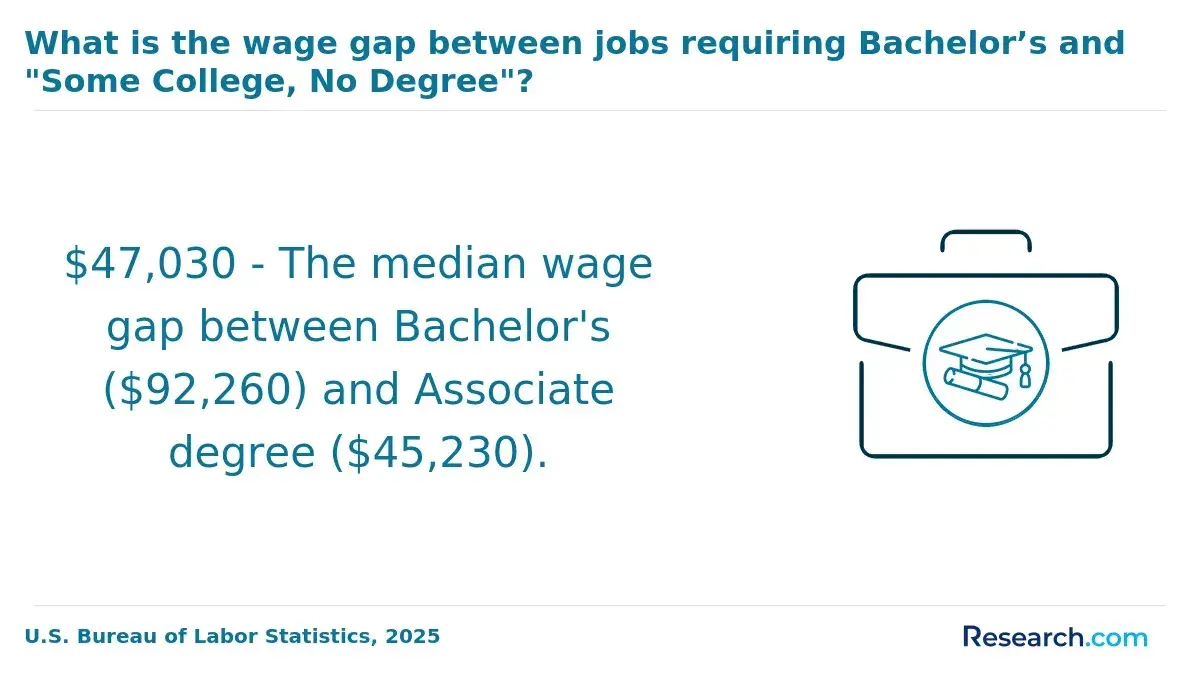
Completion times for accelerated online RN to BSN degree programs in the US vary significantly, with most finishing between 12 and 18 months. The fastest options compress this to six to nine months but demand full-time enrollment and limit flexibility, which can challenge working nurses managing clinical shifts and personal responsibilities.
For instance, a nurse in a critical care setting aiming for rapid promotion might opt for a six-month track despite the intensive workload, while a community health nurse may prefer a more measured 12-month program balancing part-time study with job obligations. Transfer credit policies greatly influence how quickly students finish; programs accepting over 90 credits from prior coursework can substantially cut completion time.
However, early and thorough credit evaluation is essential to avoid delays or unexpected course requirements. Employers generally regard online RN to BSN credentials completed within 18 months as equivalent to traditional degrees, focusing more on clinical competence and licensure maintenance than program format.
Cost differences are notable between online and on-campus programs. According to NCES data summarized by BestColleges (2026), annual tuition and fees average $9,561 for online health professions degrees compared to $16,908 on campus. Accelerated programs tend to have higher tuition rates per credit but may lower total expenses by shortening time-to-degree. Students should also factor in state authorization and clinical practicum logistics.
- Align accelerated offerings with work schedules and personal capacity
- Confirm transfer credit acceptance before enrollment
- Budget for potentially higher tuition intensity during accelerated studies
For those comparing pathways in nursing education cost and duration, exploring the cheapest online nursing programs provides a practical benchmark for balancing time and financial investment.
How do transfer credit and prior learning assessment work for RN to BSN students?
Transfer credit and prior learning assessment critically shape the timeline and expense for completing an RN to BSN degree. Programs accepting up to 90 transfer credits-as noted in College Transitions' review of CCNE-accredited offerings (2025)-can reduce tuition to roughly $10,260 for remaining coursework. This is especially beneficial for RNs with prior community college credits or completed degrees seeking to minimize redundancy.
The benefits of prior learning assessment in RN to BSN programs lie in converting professional nursing experience, certifications, and competency exams into academic credit. For instance, a nurse with extensive critical care experience may bypass foundational clinical classes, accelerating their path without compromising course relevance. However, PLA credit limits vary widely and can constrain how much experience translates into credit.
Administrative hurdles complicate transfer credit policies for online RN to BSN programs, including transcript collection, course equivalency verification, and differing articulation agreements. Nurses working in specialty areas must carefully align their experience with program expectations to maximize PLA value. Automated credit evaluations expedite processing but may overlook nuanced competencies that human review identifies.
Decision factors include remaining credits, cost per credit, and PLA approval likelihood. Accelerated completion under one year is realistic for employed RNs leveraging high transfer credit and PLA, a key advantage given employer emphasis on how quickly a BSN is earned. For those curious how much does a DNP make, earning a timely BSN can be a foundational step toward higher salary tiers and leadership roles.
What accreditation and state authorization should an online RN to BSN program have?
Accreditation by the Commission on Collegiate Nursing Education (CCNE) or the Accreditation Commission for Education in Nursing (ACEN) is a decisive factor that shapes licensure eligibility and employer recognition in online RN to BSN programs. Equally pivotal is state authorization-without approval from the state board of nursing or higher education authority in the student's home state, graduates risk being barred from state licensure exams and relevant employment markets.
For example, a nurse working in Texas who enrolls in an unauthorised program may find their BSN credential invalid for Texas licensure advancement, severely limiting career mobility. Cost variation tied to residency status also impacts program selection. Public institutions frequently charge out-of-state students three to four times more than residents, which can erode the return on investment for those outside authorized states.
The University of Illinois Chicago's flat-rate $330 per credit regardless of residency offers an alternative but remains subject to state authorization restrictions. Critical due diligence steps before enrollment include:
- Verifying CCNE or ACEN accreditation via official registries or program websites.
- Confirming state authorization in the student's residency state through the State Authorization Reciprocity Agreement (SARA) or state agencies.
- Reviewing credit transfer policies to avoid unnecessary repeat coursework.
- Analyzing tuition cost differences between in-state and out-of-state rates in relation to authorization status.
Choosing an RN to BSN program without these considerations can result in wasted time, elevated expenses, and constrained career outcomes.
What are the admissions requirements and prerequisites for online RN to BSN programs?
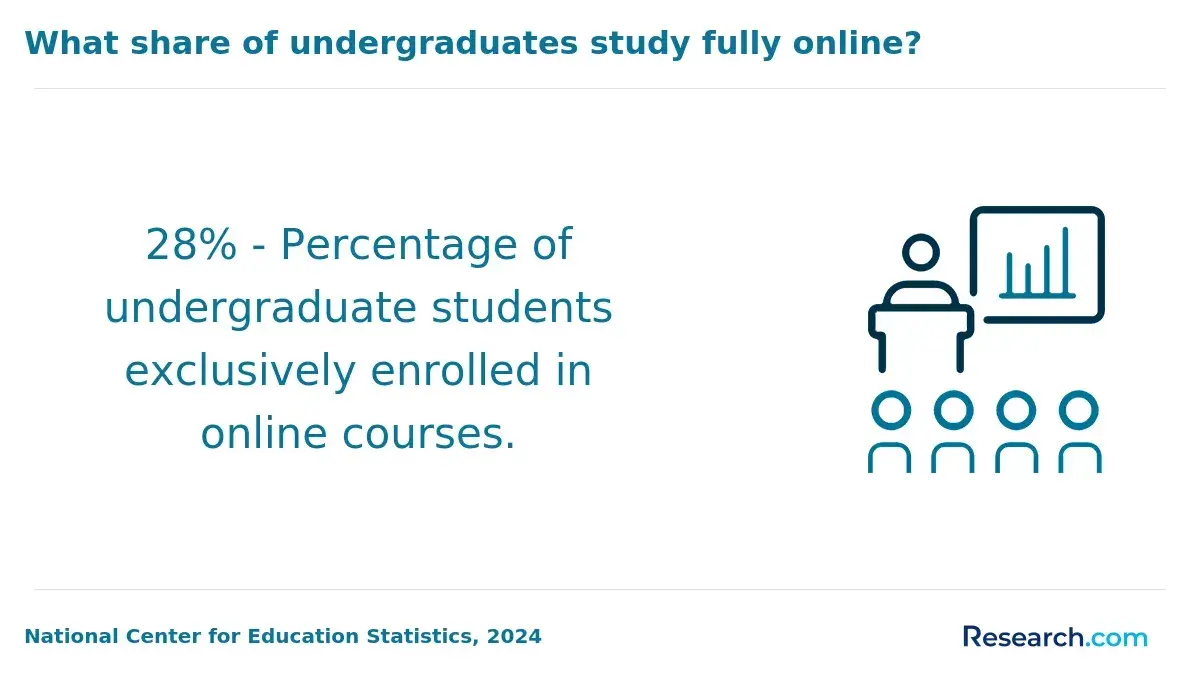
Nurses pursuing online RN to BSN programs confront admission requirements that reflect a balance between demonstrated clinical competence and academic readiness. Holding a current, unrestricted RN license tied to the program's state or clinical site is foundational, alongside an associate degree in nursing or equivalent diploma.
Minimum GPAs typically hover between 2.5 and 3.0, filtering candidates equipped to handle upper-division coursework while also signaling their potential for successful program completion. Healthcare employers' increasing preference for BSN-prepared nurses places pressure on candidates to accumulate clinical experience-usually a minimum of one to two years-before enrolling.
This requirement can notably slow entry for new RNs but aims to ensure that degree completion correlates with proven workplace readiness, directly impacting employability. For working nurses, transfer credit policies significantly influence program length and cost: maximizing credits from prior coursework, certifications, or military training can reduce redundancy and accelerate advancement.
For example, institutions like Western Governors University set tuition by term length, with accelerated pathways enabling completion in about one year and roughly $10,650 in total fees, illustrating direct financial payoff linked to time investment. Candidates should anticipate requirements including standardized essays evaluating their professional intentions, immunization proof, background checks, and drug screenings-components that underscore clinical placement feasibility and regulatory compliance essential for licensure and employment.
How do online RN to BSN programs differ from campus-based options in format and flexibility?
Flexibility remains the defining factor distinguishing online RN to BSN programs from campus-based counterparts, directly influencing employment continuity and degree progression. Nurses juggling irregular shift work and family demands can leverage asynchronous coursework to maintain steady employment-an advantage that sustains both income and clinical experience. Conversely, fixed-class schedules in traditional programs often force students to negotiate time off or extend their education timeline.
Workforce implications extend beyond scheduling; online formats typically facilitate transfer credit acceptance more efficiently. For example, institutions like Chamberlain University capitalize on modular design and comprehensive credit policies to accelerate graduation timelines, benefiting students who prioritize expedited credential attainment without sacrificing employment. However, this structure demands strong self-motivation and reliable technology access.
Practitioners should assess tradeoffs based on personal learning preferences and employer expectations. Employers increasingly value BSN credentials combined with consistent work history, so choosing a program that minimizes work interruption and maximizes credit recognition has tangible career impact. Hybrid approaches can balance flexibility with hands-on practice, addressing the limitations of fully online models for those requiring direct collaboration and patient simulation.
- Online programs suit nurses needing adaptable schedules aligned with variable shifts.
- Campus programs may better serve those prioritizing in-person clinical skill development.
- Transfer credit policies materially affect time and cost efficiency.
What courses, clinicals, and specialization options are typically included in RN to BSN curricula?
RN to BSN programs reshape nursing capabilities by emphasizing clinical judgment, leadership, and data-driven practice, aligning with employer demands for interdisciplinary communication and quality improvement. Core courses such as community health nursing, nursing research, health assessment, and pathophysiology develop skills relevant for managing diverse populations outside acute care.
Clinical practicum hours typically focus on community or public health settings, steering graduates toward roles in population health, case management, and outpatient care rather than hospital bedside nursing. Program selection hinges on specialization options and practical components-gerontology, pediatrics, informatics, and mental health electives allow nurses to pivot strategically into growth sectors.
Those targeting administration or education should prioritize curricula integrating leadership or teaching practicums. Transfer credit policies and cost structures significantly impact duration and affordability; for working RNs, these reduce time away from employment and lower financial strain. For example, Sacred Heart University's $200 per credit tuition reduction exemplifies how accessible transfer policies can ease barriers for returning students.
Outcomes-focused learners must weigh program features that incorporate real-world case analyses and capstone projects, which signal readiness for complex roles and can differentiate candidates in hiring or promotion. Understanding these practical distinctions helps RNs navigate tradeoffs between educational investment and advancing a sustainable nursing career trajectory.
What career outcomes, roles, and advancement opportunities come with a BSN for RNs?
RNs aiming to shift into leadership or specialized clinical roles encounter clear hiring patterns that favor BSN-prepared nurses over those holding only ADN credentials. Positions such as nurse manager, clinical nurse specialist, and quality improvement coordinator increasingly demand comprehensive clinical judgment and policy acumen, skills more consistently developed through RN to BSN programs.
These programs also facilitate entry into public health, community nursing, and healthcare informatics-areas expanding with the healthcare system's emphasis on preventive care and data-driven outcomes. Employers prioritize BSN credentials here due to required competencies in research application and population health management.
Transitioning to graduate-level nursing roles, including nurse practitioner or nurse anesthetist tracks, fundamentally requires BSN completion, linking these degrees directly to greater autonomy and higher wages. Employers typically offer a 10-15% wage premium to BSN-prepared nurses, reflecting wider workforce standards like Magnet® recognition and state-level mandates.
Cost remains a practical barrier, though emerging tuition-free RN to BSN options, such as the University of Rochester's model, reduce financial friction and accelerate role advancement without new debt. Nonetheless, RNs pursuing BSNs must carefully navigate balancing clinical hours with coursework and securing credit transfers to minimize redundant learning and time-to-degree. Prospective students should weigh these operational tradeoffs against tangible workforce benefits when considering whether to pursue an RN to BSN program.
What salary expectations and job outlook should RNs with a BSN degree anticipate?
RNs holding a BSN generally earn about 10-15% more than those with an associate degree, averaging around $80,000 annually, though salaries vary by location, employer, and specialization. This wage premium originates from employers valuing the broader clinical expertise and leadership capabilities that BSN-prepared nurses bring, particularly in metropolitan hospitals that emphasize evidence-based practice and patient management.
The job market supports this investment: RN employment is projected to grow 6% through 2032, outpacing many other fields. Healthcare systems with Magnet or accredited status often prioritize hiring BSN nurses, creating a structural demand that facilitates quicker workforce entry and supports upward mobility into management or specialty roles.
Online RN to BSN programs provide cost advantages, averaging $9,561 per year-about 43% less than traditional on-campus programs. This affordability improves access for working nurses, though accelerated curricula may force a temporary pause in earnings, while part-time options extend degree completion but delay benefits.
Prospective students must weigh practical tradeoffs:
- Immediate income disruption versus faster credential attainment
- Regional employer demand and tuition assistance policies
- Long-term increases in salary and job security
Ultimately, completing a BSN aligns with workforce realities that favor well-rounded clinical training and the capacity to assume broader nursing responsibilities.
Other Things You Should Know About RN to BSN Programs
Yes. Public universities and other online nursing programs must be authorized to serve students in the state where the learner lives, often through NC-SARA or a state nursing board. Some programs cannot place students in practicum sites outside approved states, so authorization should be checked before enrollment.
Most RN to BSN programs set standard curricula regardless of clinical experience, focusing on theory, research, and leadership topics that add new skills rather than duplicating bedside tasks. While some programs offer credit for prior learning or clinical hours, these are limited and rarely reduce total course requirements significantly. Understand that even experienced nurses will face a substantial academic workload centered on expanding knowledge, not just clinical refreshment.
To enroll in a 2027 online RN to BSN program, applicants must have an active RN license and an associate degree in nursing from an accredited institution. Some programs require a minimum GPA and specific coursework in biology or statistics.
References
- RN to BSN Online Program https://www.bsmcon.edu/rn-bsn-online-program
- Most Affordable Online RN to BSN Programs - Find Top Schools for Saving https://www.edumed.org/online-schools/nursing-rn-programs/rn-to-bsn/most-affordable/
- How Much Can I Earn With a BSN? https://www.allnursingschools.com/bsn/salary/
- What Does It Take to Go from RN to BSN? https://www.chamberlain.edu/blog/what-does-it-take-to-go-from-an-rn-to-bsn
- Online Accelerated BSN https://onlinedegrees.elmhurst.edu/programs/accelerated-bsn-online
- Nursing Transfer-of-Credit Waiver Through Prior Learning Assessment https://nightingale.edu/catalog/registration-information/transfer-of-credit/nursing-transfer-of-credit-waiver-through-prior-learning-assessment.html
- How Do Nurses Navigate Career Advancement? | NursingEducation https://nursingeducation.org/insights/career-advancement/
- Cheapest Online RN to BSN Programs - Better Nurse https://betternurse.org/cheapest-rn-to-bsn-online/
- Online RN-to-BSN Program - Purdue University Northwest https://www.pnw.edu/program-finder/nursing-online-rn-to-bsn-bachelors-degree/
- The 61 Fastest Online RN to BSN Programs of 2025 https://www.rntomsn.org/fastest-online-rn-to-bsn-programs/