2027 Media Arts Affordability by State: Where Students Pay the Most and Least

Co-Founder and Chief Data Scientist
Choosing between two media arts programs with a $15,000 annual tuition gap can reshape a student's financial future, especially when out-of-state fees and living costs vary dramatically. For many, the initial promise of low tuition evaporates once housing, transportation, and materials inflate the total price. A 2024 report found students in states with higher public university tuition borrowed 25% more on average, reflecting barriers in financial planning and access.
This disparity influences where students enroll and how sustainable their education debt becomes. This article analyzes media arts affordability across states, guiding students to identify where pursuing this degree offers the best financial value and accessibility.
Key Things to Know About Media Arts Affordability by State
- States with lower published tuition often have significantly higher living costs, meaning that the "cheapest" Media Arts degrees can cost more overall, driving students to weigh total expenses beyond tuition alone.
- In-state tuition discounts improve affordability, but a 2024 study links wider out-of-state fees in some states to reduced enrollment diversity, signaling workforce pipeline challenges for local Media Arts employers.
- Online Media Arts programs reduce relocation costs but tend to limit networking and access to hands-on production facilities, affecting timely skill acquisition critical for employer expectations in creative industries.
- Key Things to Know About Media Arts Affordability by State Key Things to Know About Media Arts Affordability by State
- Which States Have the Most Affordable Media Arts Degree Programs? Most Affordable State Programs
- Which States Have the Highest Media Arts Degree Costs? Highest State Tuition Costs
- How Much Does a Media Arts Degree Cost by State? Degree Costs by State
- Why Does Media Arts Affordability Vary So Much Between States? State Affordability Variations
- How Do In-State and Out-of-State Tuition Rates Affect Media Arts Affordability? In-State vs. Out-of-State Rates
- How Does the Cost of Living Impact Overall Media Arts Affordability by State? Living Costs and Affordability
- Which States Offer the Best Value for a Media Arts Degree? Best Value State Degrees
- What Financial Aid and Scholarship Opportunities Can Reduce Media Arts Costs? What Financial Aid and Scholarship Opportunities Can Reduce Media Arts Costs?
- Are Online Media Arts Degree Programs More Affordable Than On-Campus Options? Are Online Media Arts Degree Programs More Affordable Than On-Campus Options?
- Is a Media Arts Degree Worth the Cost Based on Career Outcomes and ROI? Degree ROI and Outcomes
Which States Have the Most Affordable Media Arts Degree Programs?
State-level financial structures profoundly shape the affordability of media arts degree programs, with tuition policies and public funding models playing pivotal roles. For example, Wyoming's strategic investment in its public university system allows average in-state tuition fees to remain near $5,200, less than two-thirds of the national average, effectively lowering barriers for residents. This dynamic means that students prioritizing cost often find significant savings by enrolling in institutions with robust state funding rather than chasing prestige or program variety. However, out-of-state students face a different calculus, as residency requirements and associated tuition premiums can diminish these affordability advantages, influencing enrollment choices and degree completion planning.
Comparatively, states like New Mexico leverage not only lower tuition but also regional cost-of-living advantages and expanded online course availability, reducing total expenses beyond classroom fees. This combination suits budget-conscious students who may be balancing work, family, or relocation considerations while seeking accessible media arts colleges by state. The availability of need-based financial aid and community college pathways in states such as Mississippi further broadens entry points but comes with tradeoffs, including potentially longer time to degree or limited program options. Recognizing these factors is crucial, as students make informed decisions about where to pursue a media arts degree and evaluate options such as the easiest PhD to get when considering further educational advancement.
Which States Have the Highest Media Arts Degree Costs?
Higher media arts degree costs in certain states primarily reflect a blend of tuition pricing policies, regional living expenses, and the density of specialized institutions. States with limited public funding often shift more financial responsibility to students, especially impacting out-of-state learners who may pay two to three times the in-state tuition. For example, in California, even though public universities cap in-state tuition somewhat, the steep housing and transportation costs in metropolitan areas like Los Angeles push total annual expenses beyond $30,000. These factors create a financial landscape where prospective students must carefully weigh whether the prestige or program offerings justify the burden of elevated costs versus more affordable alternatives in states with lower living expenses or broader community college pathways.
Residency restrictions and the proportion of private versus public institutions also significantly influence cost variability between states. Concentrations of high-tuition private art and technology schools typically inflate averages, as seen in Massachusetts, where demand and institutional prestige drive prices up without corresponding increases in state subsidies. Such patterns highlight a critical tradeoff for budget-conscious students: opting for in-state public options might reduce debt but limit access to high-profile studios or specialized resources, while out-of-state or private enrollments magnify cost pressures with uncertain returns. Data from the National Center for Education Statistics in 2024 underscores this divide, showing that many students underestimate the cumulative impact of ancillary expenses like materials and technology fees, which are integral to media arts programs but vary widely by location.
One media arts student from a Midwestern state recounted grappling with these cost dynamics while choosing between attending a prestigious university in New York and a more affordable in-state program. Although intrigued by New York's greater industry connections, the student hesitated upon discovering that out-of-state tuition nearly doubled the total price, compounded by high living costs and limited financial aid. Exploring online courses and community college credits offered partial relief, but concerns about missing in-person networking opportunities persisted. Ultimately, the decision boiled down to balancing the short-term financial strain with long-term career prospects, illustrating how nuanced affordability evaluations can deeply shape educational pathways in this field.
How Much Does a Media Arts Degree Cost by State?
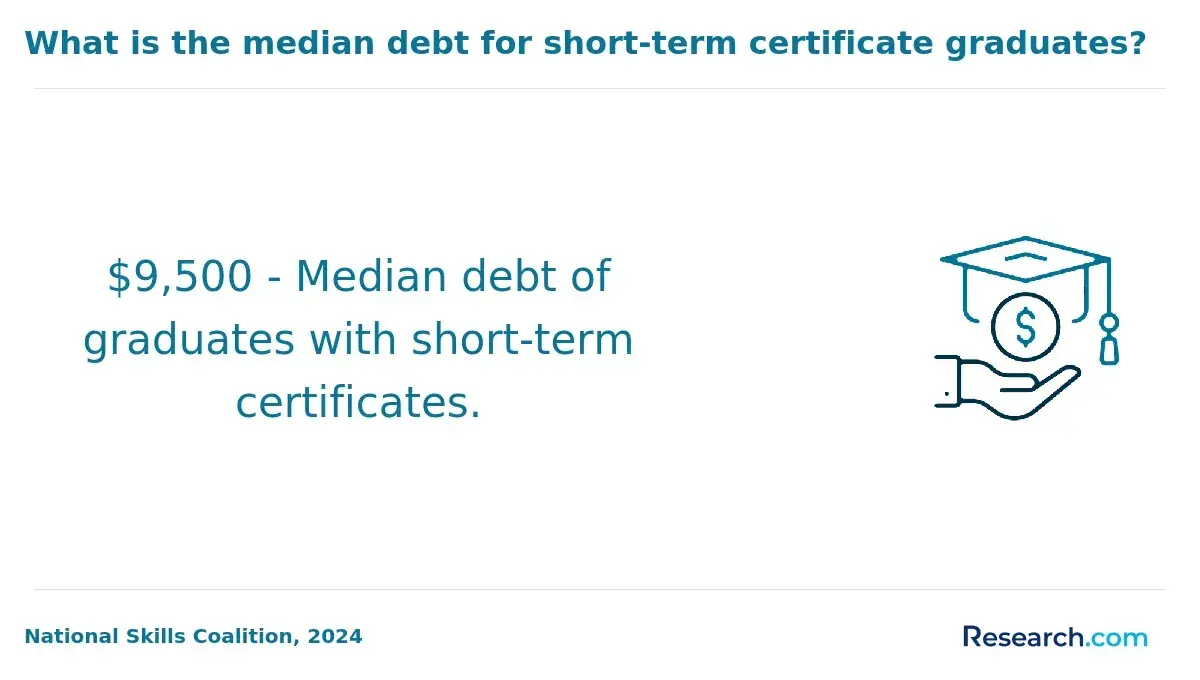
Costs for obtaining a media arts degree fluctuate widely across states due to differences in tuition structures, institutional funding, and living expenses, influencing both accessibility and financial strategy. For example, public universities in states like Wyoming often charge in-state students under $8,000 annually, significantly lowering the upfront expense compared to states such as California or New York, where tuition and regional costs can exceed $50,000 per year for similar programs. This disparity forces prospective students to weigh the immediate savings of attending a lower-tuition institution against potential benefits of studying in regions with concentrated media industries, stronger networking prospects, and perhaps higher living costs.
Policies on residency and institution type further complicate cost calculations. Non-resident students often face tuition multiples two to three times higher than local residents, and private colleges typically double public tuition rates, which can lead to substantially greater debt burdens or deter out-of-state enrollment altogether. These financial contrasts underscore the importance of state funding priorities and institutional support levels, as states with robust education subsidies can alleviate costs for residents but may not extend similar relief to out-of-state or private institution attendees. For many, this means factoring in relocation expenses, or opting for online programs to manage total costs without sacrificing quality or access.
Recent data from the National Center for Education Statistics highlights how these state-level variables translate into an average total cost range from about $25,000 in more affordable regions to over $50,000 where public tuition and living expenses peak. Budget-conscious students must balance lower tuition benefits against program quality and local industry presence to make decisions aligned with long-term career outcomes, particularly as borrowing needs and geographical mobility increasingly affect degree planning in the media arts field.
Why Does Media Arts Affordability Vary So Much Between States?
Disparities in media arts tuition cost differences by state primarily reflect uneven public investment in higher education. States like Wyoming and New Mexico that allocate higher appropriations per full-time student often sustain notably lower tuition rates at public institutions, easing affordability for resident learners. Conversely, states with tighter funding, such as New Hampshire and Vermont, tend to shift budget shortfalls onto students, raising tuition and fees, especially since media arts programs incur substantial costs for specialized equipment and software. These funding gaps influence whether students consider transferring or pursuing online options to mitigate expenses while balancing program quality and hands-on training demands.
Economic and policy factors compound these differences. High cost-of-living regions, including parts of California and New York, pass additional expenses to students through elevated fees and limited housing support, making in-state attendance less financially accessible despite local program prominence. States with stronger resident tuition subsidies and targeted financial aid for creative fields help reduce the net price, shaping enrollment patterns and encouraging local workforce alignment. A 2024 National Center for Education Statistics report highlights how institutional mixes also matter: states dominated by private colleges generally report higher average media arts expenses due to less public subsidy. Prospective students weighing where to invest in media arts credentials must consider these fiscal dynamics alongside regional job market demand and employer expectations for practical experience to optimize long-term educational and financial outcomes.
For learners focused on budget-conscious planning, comparing options across states and institutions-potentially including online pathways such as the cheapest online mechanical engineering degree-can be pivotal. Understanding how state factors affecting Media Arts program affordability interact with local economic conditions, program rigor, and financial aid availability enables better-informed decisions on how to pursue credentials that balance cost with employability and practical skill development.
How Do In-State and Out-of-State Tuition Rates Affect Media Arts Affordability?
Residency status often determines whether students pay in-state or out-of-state tuition, which can drastically alter the financial feasibility of a media arts degree. Data from the National Center for Education Statistics in 2024 indicates that out-of-state tuition at public institutions averages nearly three times the in-state rate-around $27,400 versus $10,100 annually. This disparity influences program selection, as students weighing budget constraints may prioritize in-state schools or explore regional reciprocity agreements, such as the Western Undergraduate Exchange, to reduce costs. However, these agreements vary by location and program, and students must carefully assess eligibility and potential savings against factors like location preferences and the availability of specific media arts specializations. Additionally, efforts to reclassify residency status can sometimes alleviate financial strain but require thorough planning and compliance with state-specific rules.
Private and online media arts programs add complexity by often charging uniform tuition regardless of residency, presenting alternative options for those facing steep public out-of-state fees. Yet, this can mean sacrificing access to on-campus resources or professional networking pivotal for employment in creative industries. State funding policies also shape the landscape, as many grants and scholarships target in-state students, further increasing the economic gap. For budget-conscious learners, these variables necessitate strategic enrollment decisions balancing tuition costs, financial aid access, and post-graduation employability across geographic markets.
A recent graduate shared that relocating for a media arts degree initially seemed like a straightforward choice until tuition bills revealed a threefold increase due to out-of-state classification. Despite attempts to establish residency, procedural delays and documentation requirements prolonged the higher cost period. This financial pressure forced reconsideration of housing and materials budgets and heightened concern about taking on debt versus transferring to an in-state program. Ultimately, the graduate viewed the experience as a cautionary example of how residency status complexities demand early, informed financial planning to avoid unexpected burdens during study.
How Does the Cost of Living Impact Overall Media Arts Affordability by State?
Housing costs dominate the financial realities of pursuing a media arts degree, often eclipsing tuition expenses and reshaping true affordability across states. For example, a student in New York might face 50-60% higher non-tuition expenses, primarily due to steep housing and healthcare prices, compared to peers in Texas. This disparity means even relatively low tuition in high-cost states can translate into greater overall debt and financial strain. Budget-conscious students must therefore evaluate regional living expenses impact on media arts degree costs rather than relying solely on tuition comparisons when crafting their education plans.
Transportation, food, utilities, and local wage factors add further layers to these financial tradeoffs. Urban students in cities like Washington D.C. or San Francisco may incur higher commuting costs but often benefit from public transit alternatives that save on vehicle-related expenses. Conversely, rural areas typically require car ownership, adding fuel and insurance burdens that affect daily budgeting. Living costs also influence decisions about enrolling in hybrid or fully online options, such as 6 week online courses with certificates, enabling some students to lower expenses without sacrificing program access.
Long-term, these cost-of-living and media arts affordability by state considerations shape student loan burdens and post-graduation mobility. Graduates from higher-cost regions may incur more debt, constraining career choices or geographic flexibility after earning their degree. Strategic selection of where and how to pursue media arts education with awareness of multifaceted regional costs helps optimize both immediate finances and future workforce opportunities, aligning educational investments with personal and professional priorities.
Which States Offer the Best Value for a Media Arts Degree?
Evaluating the best value for a media arts degree requires balancing tuition costs with degree completion rates and local employment prospects rather than simply opting for the lowest sticker price. For example, North Carolina combines below-average in-state tuition-about $9,300 per year-with graduation rates near 55%, improving the likelihood of timely degree completion and reducing overall student debt risk. This, paired with emerging creative industry hubs in Raleigh and Charlotte, means students often find more realistic pathways to employment without facing prohibitively high living expenses or debt burdens common in regions like California or New York.
Conversely, states like Florida demonstrate how robust financial aid programs such as the Bright Futures Scholarship can significantly alter net affordability, despite tuition figures that are not the absolute lowest. Students who qualify for such aid benefit from reduced out-of-pocket costs and access to growing media and digital arts sectors in Miami and Orlando, emphasizing how state policies and local job market conditions weigh heavily on actual value. Prospective students must also consider residency rules, institutional support, and anticipated regional salary levels, as these factors collectively shape whether relocating, studying online, or attending in-state offers the most sustainable investment for their media arts education.
What Financial Aid and Scholarship Opportunities Can Reduce Media Arts Costs?
Federal aid programs like the Pell Grant significantly impact media arts affordability, particularly for low- to moderate-income students, with about 35% of recipients enrolled in creative or applied arts according to the U.S. Department of Education's 2024 data. Yet, relying solely on federal grants is often insufficient; state-funded grants play a critical role but vary widely by state. For example, students in New York or California benefit from larger in-state awards, effectively lowering tuition costs, while those in states with limited grant resources might face heavier reliance on institutional scholarships or loans, complicating long-term financial planning.
Institutional scholarships provide additional but highly competitive relief, commonly requiring early applications, demonstrated portfolio quality, and financial need. These awards often cap renewal eligibility, forcing students to consider switching schools or increasing loan dependency if performance or commitment criteria are unmet. Tuition reciprocity arrangements, such as the Midwest Student Exchange Program, offer practical options to reduce out-of-state tuition for media arts students near state borders, though navigating eligibility rules and residency requirements adds complexity to these decisions. Employer-sponsored education benefits offer supplementary support for working students but remain inconsistent and generally insufficient as a standalone funding source.
The intersection of grant eligibility, scholarship availability, and residency-dependent aid policies creates marked disparities that affect where pursuing a media arts degree is financially viable. Families and students must weigh these tradeoffs carefully, aligning financial aid opportunities with institutional offerings and local job market prospects to optimize affordability and return on investment in the creative workforce.
Are Online Media Arts Degree Programs More Affordable Than On-Campus Options?
The affordability of online media arts degree programs compared to on-campus options depends heavily on the interaction between tuition rates, residency policies, and hidden costs. While average online undergraduate tuition can be 20-30% lower than campus equivalents, this advantage diminishes in states where non-resident online fees approach or exceed in-state campus tuition. Students must weigh savings against technology expenses and software licenses critical for media arts coursework, which can add $1,000 to $3,000 annually. Additionally, reduced campus fees and avoided housing costs can be offset by the necessity of occasional travel or access to specialized labs for hands-on projects, complicating total cost calculations for budget-conscious learners comparing online media arts degree affordability across states.
Financial aid eligibility also plays a crucial role in cost differences. Many states limit aid to in-state residents attending physical campuses, restricting online students' access to institutional aid despite similar federal aid qualification. This disparity affects lower-income students disproportionately, as shown in 2024 research by the State Higher Education Executive Officers Association. The practical effect is that some students may find a nominal tuition discount for online study eroded by reduced grant opportunities. Ultimately, employability outcomes rely more on program quality and practical experience than delivery mode, so students should balance cost savings with the need for access to facilities and collaborative opportunities inherent to media arts training.
Those evaluating a media arts degree should also consider opportunity costs, as online formats often allow part-time work or flexible schedules that reduce lost wages. However, programs requiring hands-on work or on-site collaboration may constrain this flexibility. Budget-conscious candidates reviewing cost differences between online and on-campus media arts programs may also find relevant comparative insights in related fields; for example, exploring child psychology master's programs can offer perspective on how funding and affordability nuances manifest across disciplines.
Is a Media Arts Degree Worth the Cost Based on Career Outcomes and ROI?
Cost differences across states and institutions critically shape whether a media arts degree offers sustainable value, especially for budget-conscious students. States like Wyoming and New Mexico, with lower tuition and cost of living, can reduce debt loads and improve career outcomes despite offering somewhat lower salaries. By contrast, higher-cost regions such as California and New York often involve more extended enrollment times and borrowing surpassing $35,000, which can diminish the return on investment. Evaluating career outcomes for media arts graduates by state must therefore consider not only median early-career salaries but also factors such as on-time graduation rates and total debt burden to provide a full picture of affordability versus earning potential.
Beyond tuition, students should weigh opportunity costs, geographic mobility, and program quality when assessing ROI, as employment demand remains concentrated in major media hubs. Graduates outside these areas may face limited job availability and stagnant wages, further complicating financial planning. Additionally, the value of skill diversification enables some to transition into sectors such as tech or education, enhancing long-term earning potential through advanced degrees or industry shifts. For those exploring alternative or complementary career routes, research on what jobs work with animals that pay well may illustrate how cross-disciplinary skills can diversify prospects and income streams for media arts graduates.
Ultimately, affordability alone does not guarantee a positive return on investment for a media arts degree. Consistent on-time completion rates-as seen in states like Iowa and Minnesota where over 65% finish within four years-mitigate debt growth and improve workforce entry. Key tradeoffs include balancing location-based salary ceilings against debt and delay risks, plus potential non-financial benefits such as professional flexibility and upward mobility, all of which factor into whether the degree meets an individual's career and financial goals.
References
- Degree ROI Calculator — See What Your Major Is Actually Worth https://degree-roi.com/
- Four strategies for finding art school scholarships https://www.cca.edu/newsroom/four-strategies-finding-scholarships-art-schools/
- Arts+ Student Financial Aid Application https://www.artsplus.org/programs/financial-aid
- Importance of Cost of Living | Goldwater Institute https://www.goldwaterinstitute.org/cost-of-living/
- Seattle’s cost of living crisis hits the arts hard. Why that matters https://www.seattletimes.com/entertainment/seattles-cost-of-living-crisis-hits-the-arts-hard-why-that-matters/
- Blurred boundaries: Art in the age of social media https://researchoutreach.org/articles/blurred-boundaries-art-age-social-media/
- Media Arts Cultures | External-Funding https://www.mediaartscultures.eu/mediaac/external-funding/
- Art Is Hard, But Housing Is Harder - The FWD - HousingForward Virginia https://housingforwardva.org/news/fwd-245-art-is-hard/
- The College Affordability Gap: Insights and Impact on Families https://encoura.org/resources/wake-up-call/the-college-affordability-gap-insights-and-impact-on-families
- Art School Scholarships 2025: Merit & Financial Aid Guide — Art & Design Portfolios for College Apps https://www.portfoliocoachingnyc.com/blog/scholarships-for-art
Other Things You Should Know About Media Arts
States vary significantly in how they support public higher education, and this impacts media arts tuition rates and fee structures. In states with robust funding, programs often maintain lower sticker prices and fewer supplementary fees, making total educational costs more predictable. Conversely, states with limited public investment may shift costs to students, resulting in higher tuition and unexpected expenses like equipment or lab fees. For prospective students, prioritizing states with stable funding histories can reduce financial uncertainty and improve access to comprehensive hands-on learning opportunities critical in media arts.
Higher program costs do not necessarily guarantee stronger job outcomes or networking benefits in media arts. Some expensive states host prestigious schools but also have saturated markets, increasing competition for internships and entry-level jobs. Meanwhile, moderately priced states with emerging media industries may offer more practical experience and direct employer engagement, leading to better job placement rates. Students should weigh affordability against local industry health, as overpaying in costly states without clear professional entry points can delay return on investment.
Programs with lower costs may lack specialized tracks in growing fields like game design, VR, or motion graphics, potentially limiting workforce readiness. While pursuing a more affordable degree, students should assess whether the curriculum aligns with current employer expectations and technological trends. Investing moderately more in a program offering targeted skill development can enhance employability and career growth. Prioritizing affordability alone risks entering the field without competitive proficiencies, which may extend job searches or require additional training.
Less expensive programs sometimes compensate for lower funding by increasing class sizes or faculty teaching loads, which can affect student access to mentorship and hands-on project time. Media arts demands significant studio practice and individualized feedback, so students in these states may face heavier workloads or struggle to find quality critique opportunities. Investing in states known for balanced affordability and manageable program intensity tends to improve learning outcomes and reduce burnout, offering a more sustainable educational experience.