2027 Are There Any One-Year Online Health Sciences Degree Programs Worth Considering?

Co-Founder and Chief Data Scientist
If you are searching for a one-year online Health Sciences degree, the central question is not simply whether a fast program exists. The more important question is whether a one-year timeline is realistic for your starting point, your career goal, and the type of credential you need. Health Sciences is a broad field that can lead toward healthcare administration, public health, wellness coaching, clinical support, research coordination, graduate study, and other health-related roles, but the right path depends heavily on your prior credits, professional experience, and whether your target career requires licensure or clinical training.
In practice, a true one-year online bachelor’s degree in Health Sciences is uncommon. Many accelerated options are degree-completion programs for students who already have substantial transfer credits, an associate degree, or a healthcare credential. Some one-year options are graduate programs or certificates rather than full undergraduate degrees. That distinction matters because employers, graduate schools, licensing boards, and financial aid offices may treat these credentials differently.
This guide explains what one-year online Health Sciences programs can and cannot offer, who they are best suited for, how admissions and transfer credits usually work, what costs to expect, and how to evaluate quality before enrolling. The goal is to help you avoid misleading “fast degree” claims and choose a program that fits your timeline without weakening your career preparation.
Key Points About One-Year Online Health Sciences Degree Programs
- One-year online Health Sciences degrees offer accelerated, flexible learning tailored for working professionals, differing from traditional programs that typically span two to four years on campus.
- These programs often focus on practical skills and core health topics, enabling quicker entry into roles such as health administration or allied health support.
- Enrollment favors adult learners seeking career advancement; however, accreditation and clinical experience opportunities vary significantly among programs.
Is It Feasible to Finish a Health Sciences Degree in One Year?
Finishing a Health Sciences degree online in one year is feasible only in specific situations. It is generally not realistic for a student starting from zero college credits to complete a full bachelor’s degree in Health Sciences in one year. Most traditional online bachelor’s programs are built around a longer sequence of general education, science, major, and elective requirements and typically require about four years.
A one-year timeline becomes more plausible when the program is designed for degree completion rather than first-time college enrollment. Students who already hold an associate degree, have a large number of transferable credits, or are licensed allied health professionals may be able to apply previous coursework or professional training toward the degree. In some cases, these students can shorten the program substantially, sometimes finishing in less than two years.
The limiting factor is not only the number of credits. Health Sciences programs often require foundational coursework in biology, anatomy, physiology, public health, healthcare systems, ethics, research methods, or data-informed decision-making. Some paths may also include practicums, capstones, research projects, or preparation for professional requirements. Compressing all of that into one year can be difficult unless the student has already completed much of the academic groundwork.
Students should also distinguish among degree levels. Associate-level or certificate-style Health Sciences pathways may sometimes fit into a shorter timeline. Bachelor’s and master’s degrees usually require more depth, more writing and research, and more advanced application of healthcare concepts. A program advertised as “one year” may actually mean one year after transfer credit, one year for full-time students with prerequisites completed, or one year for a graduate credential.
The practical takeaway: a one-year online Health Sciences degree is most realistic for students who are not starting from the beginning. Before applying, ask the school for a written transfer evaluation, a full degree plan, and confirmation of the exact number of credits or courses you must complete to graduate.
Are There Available One-year Online Health Sciences Degree Programs?
Accredited one-year online Health Sciences degree programs in the US are limited, especially at the bachelor’s level. Most online undergraduate Health Sciences degrees take two to four years, depending on transfer credits, enrollment intensity, course availability, and program rules. Students looking for a faster credential may find more realistic options among graduate programs, degree-completion tracks, and focused certificates.
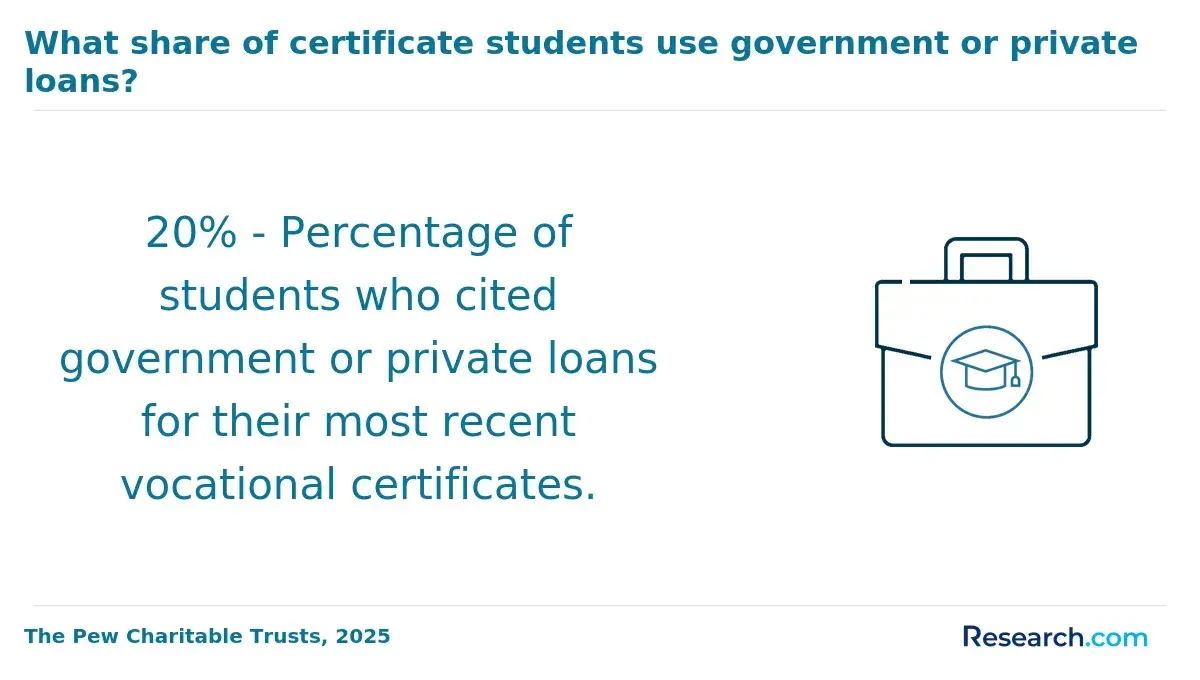
For undergraduate students, the most common accelerated route is not a standalone one-year bachelor’s program. It is a completion pathway for students who already have significant prior college work or a related associate degree. For professionals who want shorter skill-based training, 6 month certificate programs that lead to high paying careers may be worth comparing with a degree program, especially when the goal is a specific credential or career pivot rather than broad academic preparation.
At the graduate level, some online Health Sciences-related programs can be completed in approximately one year by qualified applicants. Examples include:
- University of North Texas Health Science Center - Master of Science in Medical Science: This 100% online master's program is completed by most students in 12 months. The curriculum emphasizes biomedical science and is intended for students preparing for professional schools or health sciences careers. Admission requires a bachelor's degree.
- University of North Texas Health Science Center - Master of Science in Applied Outcomes Research: This fully online, one-year program focuses on health outcomes research, data analysis, and healthcare policy decision-making. Students complete an independent research project as a graduation requirement.
- University of North Texas Health Science Center - Master of Science in Lifestyle Health Sciences & Coaching: This one-year online program includes 15 courses and five Saturday workshops. It is designed around evidence-based lifestyle medicine and prepares graduates for health and wellness coaching credentialing.
Students considering undergraduate Health Sciences degrees at institutions such as the University of Kansas or Ohio State University should expect a longer completion window in most cases. These programs typically cover a broader undergraduate foundation, including healthcare management, policy, patient care, and research concepts. The extra time may be worthwhile for students who need a full bachelor’s degree for advancement, graduate school, or employer requirements.
When comparing options, review the credential type carefully. A one-year master’s program, a bachelor’s degree-completion pathway, and a certificate may all be online and health-related, but they serve different purposes and may not qualify you for the same jobs, graduate programs, or professional credentials.
Why Consider Taking Up One-year Online Health Sciences Programs?
A one-year online Health Sciences program can be a strong fit when speed, flexibility, and career relevance matter, but only if the credential aligns with your goals. These programs are most useful for working adults, healthcare employees, career changers with prior credits, and students who need a faster bridge to graduate study or advancement.
The main advantage is time efficiency. If you already have eligible transfer credits, professional certifications, or a completed undergraduate degree for graduate-level admission, an accelerated format may help you earn a credential without stepping away from work for several years. That can be especially valuable in healthcare settings where employers prefer candidates who can combine academic training with practical experience.
- Faster progress toward advancement: Students with prior credits or healthcare credentials may shorten their time to graduation, sometimes finishing in just one year when the program is built for accelerated completion.
- Flexible online delivery: Many online programs use asynchronous coursework, allowing students to complete lectures, readings, discussions, and assignments around work schedules. This is useful for adult learners, shift workers, and students with family responsibilities.
- Career-relevant skill development: Health Sciences curricula often strengthen knowledge in healthcare systems, data use, evidence-based decision-making, public health, quality improvement, leadership, and communication.
- Pathway to broader roles: A Health Sciences credential may support movement from technical or support roles into administration, coordination, community health, wellness, research support, or preparation for graduate education.
- Potential cost control: A shorter program may reduce tuition exposure and limit costs associated with commuting or relocating, although students should still calculate total tuition, fees, books, and technology expenses.
These benefits are strongest when the program is properly accredited, transparent about transfer credits, and connected to realistic career outcomes. Students should avoid choosing a program based only on speed. A fast credential that does not meet employer expectations, graduate school prerequisites, or professional credentialing requirements may not save time in the long run.
Students who want to build targeted skills alongside or instead of a degree can also compare online certificate programs that pay well. Certificates may be useful when the goal is a specific competency, while a degree may be better for long-term advancement, graduate admission, or roles requiring a bachelor’s or master’s credential.
What Are the Drawbacks of Pursuing One-year Online Health Sciences Programs?
The biggest drawback of a one-year online Health Sciences program is compression. A shorter format can help motivated students finish faster, but it also reduces the margin for slow adjustment, course repeats, schedule conflicts, and deeper exploration of complex topics. Students should be honest about whether they can sustain the pace before enrolling.
Not every program marketed as accelerated is suitable for every learner. Some are intended for students who already know healthcare terminology, have completed science prerequisites, or are comfortable with online learning. A student without that foundation may find the pace overwhelming.
- Heavy weekly workload: Condensing material that may otherwise be spread across a longer program often means overlapping deadlines, frequent readings, group work, exams, projects, and discussion requirements.
- Less time to master foundational science: Subjects such as anatomy, physiology, biology, epidemiology, and statistics can be difficult to absorb quickly. Shallow understanding may become a problem in graduate study or health-related roles.
- Limited networking opportunities: Online accelerated formats may offer fewer informal interactions with classmates, faculty, alumni, and local healthcare employers. Students may need to be intentional about building professional relationships.
- Fewer hands-on experiences: Some online programs are non-clinical and may not include internships, practicums, labs, or patient-facing experiences. This can matter for students seeking roles that value applied experience.
- Work-life strain: A one-year schedule can be difficult to balance with full-time employment, caregiving, night shifts, or unpredictable work hours. Falling behind early can make recovery challenging.
- Risk of choosing speed over fit: A program may be fast but still lack the courses, accreditation, student support, or recognition needed for your intended next step.
To reduce these risks, ask for a sample course schedule, estimate the weekly study commitment, confirm whether courses are asynchronous or live, and speak with an advisor about what happens if you need to slow down. Also check whether the program offers academic advising, tutoring, library access, career support, and technical help throughout the year.
What Are the Eligibility Requirements for One-year Online Health Sciences Programs?
Eligibility requirements depend on the program level. A one-year certificate, an undergraduate degree-completion program, and a master’s program will have different admissions standards. In general, the faster the program, the more likely it is to expect prior academic preparation, healthcare experience, or completed prerequisites.
At the basic level, undergraduate programs usually require a high school diploma or GED. However, one-year completion options commonly go beyond that minimum. They often target students who already have prior college credits, an associate degree, or professional certifications in healthcare fields. Graduate programs require a bachelor’s degree and may also review academic background, professional goals, and readiness for advanced coursework.
- Prior college credits: Many accelerated undergraduate pathways require 60-90 transferable semester credits or an active healthcare certification before a student can realistically finish quickly.
- Prerequisite coursework: Programs may expect completed courses in biology, chemistry, psychology, statistics, or related foundational subjects, often with minimum grade requirements.
- Minimum GPA: Transfer applicants are often expected to show a GPA between 2.5 and 2.9 to demonstrate readiness for upper-division or accelerated coursework.
- Professional experience: Some programs prefer or require healthcare work experience, especially when the curriculum is designed for working adults or credentialed professionals.
- English proficiency: Applicants whose first language is not English may need to provide proof of English language proficiency.
- Background checks and certifications: Programs with clinical, practicum, or patient-facing components may require background checks, immunization records, drug screening, CPR certification, or other compliance documentation.
- Additional assessments: Some schools may use placement exams, interviews, essays, or advising reviews to determine whether an applicant is prepared for an accelerated format.
Do not assume that admission automatically means one-year completion. Before enrolling, request a transfer-credit review and degree audit showing exactly which requirements remain. Also verify whether your state has regulations that affect online enrollment, clinical placements, or professional pathways.
If your main goal is long-term earning potential, compare Health Sciences with other options using resources on majors that make the most money. Salary outcomes vary by role, location, experience, employer, and additional credentials, so use broad major comparisons as a starting point rather than a guarantee.
What Should I Look for in One-year Online Health Sciences Degree Programs?
When evaluating a one-year online Health Sciences program, start with legitimacy and fit. A fast timeline is valuable only if the program is accredited, academically credible, financially manageable, and relevant to your intended career or graduate-school plan.
- Accreditation: Confirm that the institution is accredited by a recognized accrediting agency. Accreditation affects employer recognition, transfer credit, graduate admission, and access to many forms of financial aid.
- Clear credential type: Make sure you know whether the program awards a certificate, associate degree, bachelor’s degree, or master’s degree. These credentials are not interchangeable.
- Transfer-credit policy: Ask how many credits can transfer, what grades are accepted, whether professional certifications earn credit, and whether there is a maximum age limit for science or technical coursework.
- Curriculum alignment: Review required courses against your goals. A student aiming for healthcare administration may need management and policy coursework, while a student preparing for graduate health programs may need stronger science and research preparation.
- Faculty experience: Look for faculty with academic expertise and practical experience in healthcare, public health, research, administration, informatics, or related areas.
- Online course format: Determine whether courses are asynchronous, synchronous, or hybrid. Live sessions may provide structure, while asynchronous formats may better support shift workers and working adults.
- Student support: Prioritize programs with accessible advising, tutoring, library resources, writing support, career services, disability services, and technical support.
- Clinical or applied requirements: If the program includes internships, practicums, labs, or capstones, confirm whether they can be completed in your area and whether they affect the one-year timeline.
- Total cost: Compare tuition, fees, books, technology charges, graduation fees, and any required exams or materials. For affordability research, review the cheapest online schools that accept FAFSA.
- Career and licensure relevance: Health Sciences degrees are often broad and may not qualify graduates for licensed clinical roles by themselves. If your target job requires licensure, certification, or graduate admission, verify requirements before enrolling.
A useful test is to ask the admissions office for three documents: a sample one-year plan, a list of all remaining requirements after transfer evaluation, and the program’s student outcomes or career support information. If the school cannot clearly explain how students finish in one year, treat the timeline as uncertain.
How Much Do One-year Online Health Sciences Degree Programs Typically Cost?
One-year online Health Sciences degree programs in the U.S. typically cost between $8,000 and $20,000 in tuition. Many programs charge by the credit hour, with rates from $300 to $600. The final cost depends on the school, program level, number of required credits, transfer-credit acceptance, residency status, and whether fees are included in the advertised price.
Public institutions often cost less than private institutions, especially for students who qualify for in-state tuition. However, online pricing varies. Some schools charge the same online tuition to all students, while others maintain separate in-state and out-of-state rates. Students should also budget for technology fees, textbooks, digital course materials, assessment charges, background checks, clinical compliance requirements, and graduation fees where applicable.
Compared with a traditional four-year Health Sciences degree, an accelerated online path may reduce total cost if it allows you to use transfer credits and avoid additional years of tuition. Traditional four-year Health Sciences degrees cost approximately $9,750 per year at public schools and $35,248 per year at private institutions. Online study may also reduce commuting, relocation, housing, and campus-related costs, although it does not eliminate all non-tuition expenses.
Before deciding, calculate the cost to completion rather than the cost per credit. A lower per-credit rate may not be the better deal if the program accepts fewer transfer credits or requires more courses. Ask for a written estimate that includes tuition, mandatory fees, expected course materials, and any required clinical or assessment costs.
What Can I Expect From One-year Online Health Sciences Degree Programs?
Students in one-year online Health Sciences programs should expect a focused, fast-paced academic experience. These programs are usually designed for learners who already bring college credits, healthcare experience, or a completed bachelor’s degree for graduate-level study. The pace can be manageable, but it requires consistent weekly work and strong planning from the start.
Coursework may cover healthcare systems, health policy, public health, disease prevention, ethics, leadership, patient care concepts, research methods, quality improvement, wellness, or data-informed healthcare decision-making. Graduate programs may include more advanced analysis, independent research, coaching preparation, or applied projects. Undergraduate completion programs may emphasize broad interdisciplinary knowledge and the transition from technical skills to administrative, community health, or leadership perspectives.
Online delivery often includes readings, recorded lectures, discussion boards, quizzes, papers, projects, presentations, and exams. Some programs use group assignments or applied case studies that mirror real healthcare challenges. If the program includes a capstone, practicum, workshop, or independent research project, that requirement may shape the final months of study.
The main academic challenge is time compression. Students may need to manage multiple courses at once while continuing work or family responsibilities. Success usually depends on setting a weekly study schedule, communicating early with instructors, using advising resources, and avoiding overcommitment during intensive terms.
Students comparing cost and flexibility can also review the cheapest online colleges for working students. Affordability matters, but it should be weighed alongside accreditation, transfer-credit acceptance, student support, and whether the program fits your intended career path.
Are There Financial Aid Options for One-year Online Health Sciences Degree Programs?
Financial aid may be available for one-year online Health Sciences programs, but eligibility depends on the school, accreditation status, program type, enrollment level, and whether the credential qualifies for aid. Students should confirm financial aid eligibility with the institution before applying, especially for certificates, non-degree programs, and accelerated formats.
- Federal and State Aid: Students may qualify for Pell Grants and Direct Loans by completing the FAFSA, depending on financial need, enrollment status, program eligibility, and other federal rules. State grants may also be available for residents attending eligible institutions, though accelerated schedules can affect timing and disbursement.
- Scholarships and Private Grants: Schools, professional associations, foundations, and private organizations may offer merit-based or need-based awards. Some scholarships prioritize students pursuing healthcare, public health, community service, or workforce-shortage areas.
- Employer Tuition Assistance: Healthcare employers may offer tuition reimbursement or tuition assistance for employees pursuing job-related education. Policies often require continued employment, minimum grades, manager approval, or enrollment in an approved program.
Some schools also provide tuition payment plans that spread costs over several months. These plans can help with cash flow, but they are not the same as grants or scholarships because the balance still must be paid.
Before borrowing, compare the total program cost with your likely career benefit. A Health Sciences degree may support advancement, but it does not automatically guarantee a specific salary or job title. Ask the financial aid office for a full aid estimate and ask the academic department how graduates commonly use the credential.
What Health Sciences Graduates Say About Their Online Degree
- Armando: "Completing my one-year online Health Sciences degree was a game-changer for my career, allowing me to step into management roles much faster than I expected. The accelerated format meant I could balance work and study without sacrificing quality, and knowing the average cost was reasonable helped ease my decision. This program truly streamlined my path to advancement."
- Damien: "The competency-based approach in the Health Sciences program really resonated with me; it allowed me to focus on mastering practical skills at my own pace rather than just attending lectures. Reflecting on my journey, the flexibility and real-world applicability prepared me thoroughly for healthcare challenges, making the investment feel truly worthwhile."
- Aiden: "I was impressed by how efficiently the one-year online Health Sciences degree delivered a comprehensive education without compromising depth. The speedy completion helped me enter the workforce sooner while retaining a strong foundation, fitting perfectly with my busy lifestyle. Overall, the program exceeded my expectations in both learning outcomes and cost-effectiveness."
Other Things You Should Know About Pursuing One-Yeas Health Sciences Degrees
Entrants usually need a high school diploma or equivalent and may require prerequisite courses in biology or chemistry. Some programs mandate a minimum GPA or standardized test scores. Verify specific requirements with the chosen institution for 2027 enrollment.
Financial aid for one-year online Health Sciences programs in 2027 can include federal grants, scholarships, and student loans. Eligibility often requires enrollment in an accredited institution and demonstrating financial need through FAFSA, with applications typically due by June 30th.
Accreditation and program reputation are essential for ensuring the quality and credibility of the degree. Accredited programs meet established academic and industry standards, which can impact job prospects and further education opportunities. Reputable programs are recognized for their educational excellence and strong alumni network.
References
- Benefits of Earning a Healthcare Degree Online https://www.ahu.edu/blog/benefits-of-healthcare-degree
- Types of Financial Aid for Online Colleges https://www.umassglobal.edu/blog-news/types-financial-aid-online-colleges
- Online Health Sciences Degrees https://www.affordablecollegesonline.org/degrees/public-health-programs/health-sciences/
- Bachelor of Health Sciences | BSHS | Online Degree https://www.scuhs.edu/bachelors-degrees/bachelor-of-science-in-health-sciences-bshs/
- Online Health Science Degrees with Financial Aid https://www.edumed.org/online-schools/health-science-degrees/financial-aid/
- 7 Reasons to Pursue an Online Degree Program | University of Bridgeport https://www.bridgeport.edu/news/why-high-school-students-are-looking-to-online-degree-programs/
- Online Bachelor’s Degree In Health Sciences | Liberty University https://www.liberty.edu/online/health-sciences/bachelors/health-sciences/
- Bachelor of Science in Health Sciences https://online.uc.edu/undergraduate-degrees/bachelor-of-science-in-health-sciences/admissions/
- Online Tuition-Free Bachelor's Degree in Health Science (BHS) https://www.uopeople.edu/programs/online-bachelors/health-science/
- The Pros and Cons of Online Learning https://www.chamberlain.edu/blog/the-pros-and-cons-of-online-learning