2027 How to Compare Health Sciences Degree Programs Effectively

Co-Founder and Chief Data Scientist
Choosing the right health sciences degree program can be overwhelming, especially when programs vary widely in curriculum focus, clinical opportunities, and flexibility. Many students struggle to determine which options truly prepare them for their intended careers. Recent data shows that employment in health-related fields is projected to grow 16% through 2031, indicating strong demand but also heightened competition.
This article guides prospective students through critical factors such as accreditation, specialization areas, and scheduling options, helping them compare programs effectively to find the best fit for their professional ambitions and personal circumstances.
Key Benefits of Comparing Health Sciences Degree Programs Effectively
- Verify program accreditation by recognized agencies to ensure degree credibility and eligibility for licensure or certifications, critical for employment in the health sector.
- Assess curriculum relevance and specialization alignment with career goals; 45% of health sciences graduates pursue roles requiring specific technical skills.
- Consider total cost versus potential salary outcomes, as median annual wages for health sciences professionals vary widely, impacting return on investment.
What Types of Accreditation Should a Health Sciences Degree Program Have?
Accreditation helps prospective students assess the quality, credibility, and long-term value of health sciences degree programs by ensuring they meet established standards. According to the U.S. Department of Education, students graduating from accredited institutions are significantly more likely to find employment and pursue advanced education.
Understanding accreditation standards for health sciences degree programs is essential for making informed decisions. Key types of accreditation to consider include:
- Regional Accreditation: Covers institutional quality and credit transferability across programs. It is the most widely accepted form and essential for eligibility for federal financial aid and graduate school admissions.
- Specialized Accreditation: Validates specific health sciences curricula and licensure preparation. Agencies like CAAHEP ensure the program meets industry requirements important for professional readiness.
- National Accreditation: Targets career-oriented or technical programs with variable employer recognition. Prospective students should check how it aligns with their licensing goals and financial aid options.
Students seeking flexible options might also explore accredited online pharmacy school programs, which adhere to these accreditation standards. Researching regional accreditation bodies for health sciences degrees remains a critical step in evaluating program legitimacy and long-term benefits.
What Specializations Are Offered in Health Sciences Degree Programs?
Choosing from the range of specializations available in health sciences degree programs allows prospective students to tailor their education to specific career interests and academic goals. This alignment is especially important given that healthcare occupations are projected to grow 13% through 2031, reflecting strong industry demand for specialized expertise.
To help with program comparisons, here are common specializations offered.
- Healthcare Administration: Focuses on healthcare systems, policy, and leadership skills, preparing students for management roles in hospitals and clinics.
- Public Health: Emphasizes community health, epidemiology, and preventive care, suitable for careers in health education and policy development.
- Clinical Research: Develops skills in clinical trial design and regulatory compliance, supporting roles in pharmaceutical research and healthcare innovation.
- Health Informatics: Combines technology and healthcare data management, critical for careers involving electronic health records and data analysis.
Exploring these top health sciences specializations offered can help students decide which path matches their ambitions and strengths. For those interested in advancing quickly, programs focusing on leadership or research may offer valuable opportunities.
Prospective students might also consider related paths by reviewing resources on easy DNP programs to find suitable options with balanced scheduling and academic demands.
How Can You Compare Courses Across Health Sciences Degree Programs?
Comparing courses across health sciences degree programs is essential for prospective students to gauge program rigor, skill development, and alignment with career goals. Research indicates that programs with comprehensive curricula achieve a 15% higher course completion rate, reflecting stronger engagement and retention.
To navigate evaluating health sciences degree program curriculum effectively, consider these key approaches:
- Curriculum Structure: Review required versus elective courses to understand the depth and variety of content offered, which highlights how well the program covers essential skills and knowledge areas.
- Course Descriptions: Analyze detailed course content and learning outcomes to assess workload and ensure the skills taught are applicable to your intended career path within health sciences.
- Credit Hour Requirements: Comparing credit hours reveals program intensity and time commitment, helping you balance academic demands with other responsibilities.
- Hands-On Experience: Check for practical components like labs or internships that enhance skill development and prepare you for real-world applications in health sciences.
- Certification Alignment: Look for courses aligned with professional certifications or licensure prerequisites, ensuring the program supports your career credentials.
- Student Feedback: Consult reviews or course success rates to gauge teaching quality and student satisfaction, providing insight into the learning environment.
In addition, for those budgeting their education, exploring the medical billing and coding online courses cost can be a useful reference point when comparing options across programs.
Flexible scheduling is vital for students comparing health sciences degree programs because it helps balance education with work, family, and other responsibilities. Various formats accommodate different lifestyles and learning preferences, making it easier to choose a program that fits individual needs.
Common scheduling options include:
- Traditional Full-Time: These daytime classes follow a standard academic calendar, offering a structured and immersive learning experience. This format suits students who can dedicate most of their time to studies and prefer in-person interaction.
- Part-Time Enrollment: Designed for students needing a lighter course load, this option spreads classes over a longer period. It reduces daily time demands, enabling better management of professional or personal commitments alongside education.
- Evening and Weekend Classes: Tailored for working adults, these classes run outside regular business hours. This flexibility allows students to maintain employment while progressing through their degree without conflicts.
- Online Learning: By offering asynchronous coursework, online formats give students freedom to access lectures and assignments anytime. This option benefits those requiring maximum schedule control or living far from campus.
- Hybrid Programs: Combining face-to-face and digital learning, hybrid formats provide interaction with instructors and peers alongside convenient, self-paced study. This blend supports diverse learning styles and helps maintain engagement.
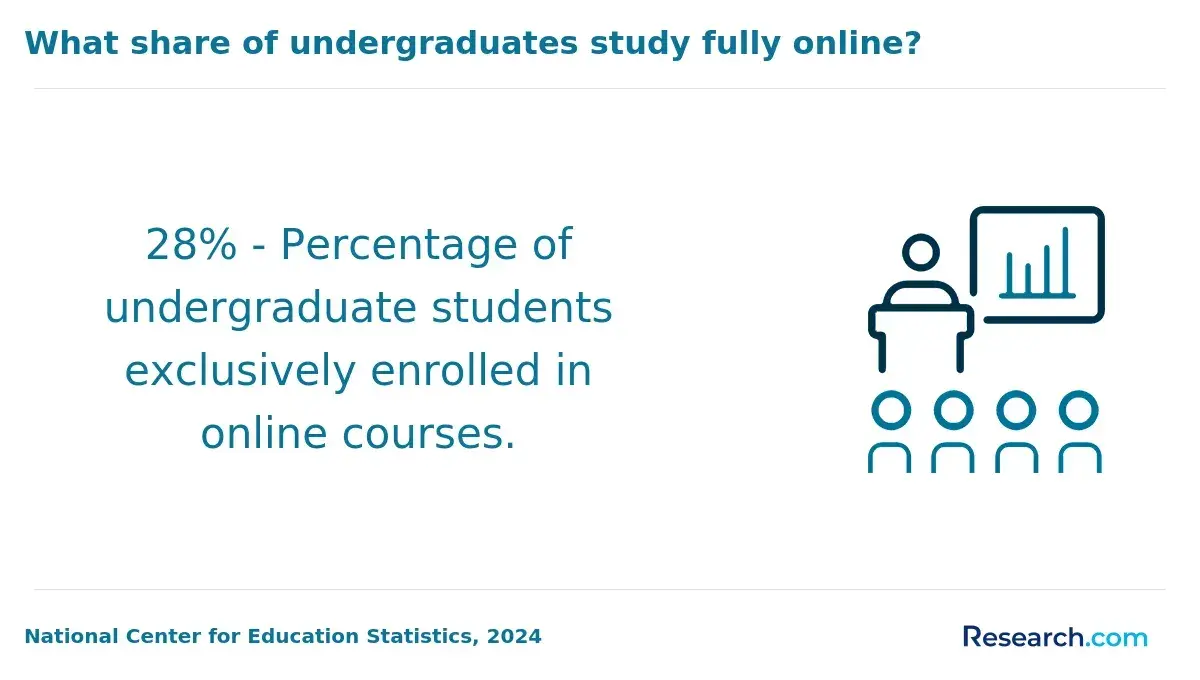
Choosing the right delivery format for health sciences degrees can shape a student's academic success and professional development. Nearly 35% of U.S. college students currently engage in some form of online learning, highlighting how these options continue to evolve.
Below is a breakdown of the unique strengths and limitations of each format.
Online Programs
- Flexible Scheduling: Students can access coursework anytime, easing the balance between studies, jobs, and family commitments.
- Cost Savings: Reduced commuting and housing expenses make these programs more affordable overall.
- Limited Hands-On Practice: Opportunities for real-time clinical experiences and lab work are less frequent, which can affect skill acquisition.
- Reduced Networking: Virtual interactions may limit spontaneous engagement with peers and mentors, impacting professional connections.
Campus-Based Programs
- Direct Practical Experience: Access to labs and clinical environments enhances learning through hands-on application.
- Stronger Community: Face-to-face interactions foster relationships that support mentorship and career networking.
- Restricted Flexibility: Fixed class times and locations may challenge students with demanding schedules.
- Additional Costs: Expenses related to commuting, housing, and campus fees often increase the overall program cost.
When weighing these aspects, a graduate who completed an online health sciences degree shared that the choice was complex. He explained, "I had to evaluate how each program's format fit with my work schedule and family life. The flexibility of online learning was crucial, but I worried about missing out on practical skill development."
He also noted the challenge of self-motivation: "Studying remotely required discipline; sometimes I felt isolated without in-person support." Ultimately, he selected a program that offered occasional hands-on workshops.
"Those sessions helped bridge the gap, and I felt more confident in my clinical abilities." His experience underscores the importance of aligning program delivery with personal circumstances and career goals.
GPA requirements serve as a key benchmark for comparing health sciences degree programs since they reflect academic standards and program competitiveness. Below are important factors that illustrate how GPA criteria can differ across these programs.
- Range of Minimum GPAs: Requirements commonly fall between 2.5 and 3.5 on a 4.0 scale but can vary depending on the institution and specific program focus, showing diverse expectations for academic performance.
- Admissions Flexibility: Many programs use holistic review processes that weigh experience, personal statements, and recommendations alongside GPA, allowing candidates with lower GPA but strong overall profiles to remain viable.
- Specialization Impact: Programs with a research or specialized focus often have higher GPA thresholds to ensure students meet rigorous academic demands and can successfully engage with advanced coursework.
- Policy Differences: Some programs incorporate grade forgiveness, consider improvement trends over time, or evaluate prerequisite coursework separately, all of which influence how GPA is assessed during admissions.
Comparing tuition is essential for students selecting health sciences degree programs, as costs vary widely and directly affect financial planning. According to the National Center for Education Statistics, average undergraduate tuition and fees at public colleges have risen nearly 30% in the past decade, intensifying student debt concerns.
Here are key points to consider when comparing these programs:
- Total Program Cost: Beyond tuition, factor in mandatory fees and expected expenses for books and supplies to understand the true financial commitment.
- Cost Per Credit: Evaluating cost on a per-credit basis clarifies affordability for part-time or full-time enrollment, helping tailor choices to your schedule.
- Additional Fees: Some programs charge lab or technology fees that can substantially add to overall expenses and should be included in comparisons.
- Financial Aid Availability: Research scholarships, grants, and loan options specific to health sciences students to potentially reduce out-of-pocket costs.
- Employer Tuition Benefits: If you're currently employed, check if your employer offers tuition reimbursement programs that can offset program expenses significantly.
- Long-Term Value: Assess how the cost aligns with potential earnings and career growth in the health sciences sector to balance upfront costs with future gains.
When I spoke with a graduate who completed a health sciences degree, she reflected on the complex process of weighing tuition expenses against personal circumstances. "Choosing the program wasn't just about tuition numbers," she explained. "I had to consider hidden fees and whether I could manage part-time classes alongside work."
She also highlighted the relief of finding employer tuition assistance late in her studies, which reduced her financial stress considerably. Her experience reinforced that tuition comparison involves practical budgeting as well as strategic career planning, helping students make confident decisions despite the challenging financial landscape.
Aligning a health sciences degree with licensure requirements is essential for students targeting regulated healthcare careers or considering professional shifts. Over 20% of healthcare jobs in the U.S. require a license, emphasizing the need to select programs that meet these standards.
Key areas to examine when comparing degree options include the following:
- Curriculum Alignment: Coursework should cover all essential subjects mandated by licensing authorities, such as anatomy, physiology, and healthcare ethics, ensuring graduates meet foundational knowledge criteria.
- Accreditation Standards: Degrees from accredited institutions generally satisfy state and national licensing prerequisites, impacting graduates' eligibility for licensure exams and professional recognition.
- State-Specific Requirements: Licensing rules can vary widely between states, with some demanding extra courses or clinical practice hours beyond the degree's baseline curriculum.
- Supervised Experience: Many licenses require a set number of supervised clinical or practicum hours, so programs integrating these opportunities help fulfill practical training mandates.
- Exam Eligibility: Programs should equip students to qualify for and successfully pass relevant licensing exams at the state or national level needed to legally practice their profession.
Career placement rates provide a clear measure of how well health sciences degree programs prepare students for success in the workforce. Programs with top accredited health sciences programs for career success frequently report placement rates exceeding 85% within six months after graduation. These figures highlight the importance of evaluating several core factors that influence graduate employment outcomes.
Consider the following aspects when assessing which health sciences degree programs have the best career placement rates:
- Employer Partnerships: Strong, established collaborations with healthcare organizations facilitate direct job opportunities for graduates. These partnerships often lead to internships and job placements that give students a competitive edge in the job market.
- Internship Pipelines: Practical experience gained through well-developed internship programs helps students build the skills employers demand. Programs that maintain an active pipeline to real-world healthcare settings tend to enhance employability.
- Alumni Outcomes: Tracking graduate success reveals long-term career trajectories and can indicate how well the program supports sustained professional growth. Alumni testimonials and employment statistics are valuable resources for prospective students.
- Program Support Services: Career counseling, resume workshops, and interview preparation can significantly improve placement outcomes. Schools providing comprehensive support services foster student readiness for competitive healthcare roles.
Prospective students interested in finding the health sciences degree programs with highest job placement rates should also explore options that fit their budget and schedule. For those seeking affordable pathways, the cheapest online healthcare administration degree programs offer cost-effective opportunities without compromising on career support.
Requesting detailed graduate employment statistics, visiting campus career centers, or speaking to alumni can provide deeper insight into how effectively a program prepares students for meaningful careers.
Post-graduation salary outcomes are a crucial comparison metric for prospective students as they reflect the financial return on investment in a health sciences degree. The U.S. Bureau of Labor Statistics reported a median annual wage of approximately $68,000 for health sciences-related occupations in 2023, highlighting the competitive earning potential.
Here is how salaries compare across different factors:
- Job Role: Salaries vary widely by position, with entry-level jobs in health administration or public health averaging around $50,000 annually, while specialized roles like clinical research coordinators or health informatics specialists may start between $65,000 and $75,000.
- Industry Impact: Different sectors within the health sciences field offer varying compensation, with private healthcare employers often paying more than public or nonprofit organizations, affecting the average earnings of health sciences graduates by program type.
- Geographic Location: Location strongly influences salary, as graduates working in metropolitan areas or states with high living costs tend to earn more, frequently seeing median salaries above $80,000 to offset regional expenses.
- Experience Level: Salary growth correlates with experience, as professionals with five or more years often surpass $90,000 annually, reflecting increased skills and responsibility.
Comparing these factors helps students identify programs that best align with their career goals and geographic preferences. Prospective students seeking cost-effective educational paths can explore the cheapest BSN to DNP programs for strategic advancement in their health sciences careers.
What Graduates Say About Comparing Health Sciences Degree Programs Effectively
- Claudia: "Before enrolling in the health sciences degree program, I was torn between several career paths, but the affordable tuition, significantly lower than the national average of $22,000 per year, made this program stand out. The cost efficiency allowed me to focus on my studies without overwhelming debt, and now I'm thriving in a healthcare management role. I'm truly grateful for the practical foundation it provided. "
- Glen: "Choosing health sciences was a thoughtful decision influenced heavily by budget constraints. Compared to other health-related degrees that can exceed $30,000 yearly, this program's reasonable cost made it accessible, and completing it has opened doors I hadn't expected, especially in clinical research. Looking back, the investment was worth every penny for the professional growth it sparked. "
- Henry: "I approached the health sciences degree with a professional mindset, carefully weighing the costs against potential career outcomes. With tuition lower than many specialized medical programs, it aligned well with my financial planning. The degree has since been a pivotal asset in advancing my career as a public health analyst, proving that practical education and reasonable cost can go hand in hand. "
Other Things You Should Know About Health Sciences Degrees
A strong health sciences program includes at least 600 supervised clinical hours in many allied health tracks, with some licensure-focused degrees requiring 1,000 hours or more. Check whether placements are arranged through approved sites and counted toward graduation, not just offered as optional shadowing.
Yes, there is considerable variation in practical training components across health sciences programs. Some offer extensive lab work, simulations, or clinical rotations integrated into the curriculum, which are critical for skill development. Understanding the nature and amount of hands-on experience is essential when comparing programs.
- Bachelor of Health Science - FGCU https://www.fgcu.edu/mariebcollege/healthsciences/healthscience-bs
- 2025 Health Services/Allied Health/Health Sciences Tuition https://www.collegetuitioncompare.com/majors/51.0000/health-services-allied-health-health-sciences/
- 6 Reasons to Finish Your Bachelor's Degree on a Physical Campus Versus Online https://www.nuhs.edu/6-reasons-to-finish-your-bachelors-degree-on-a-physical-campus-versus-online/
- Health Science, BS https://catalog.south.edu/preview_program.php
- Health Science BS, (Medical Science Specialization) https://catalog.misericordia.edu/preview_program.php
- Health Sciences (Professional) https://studyoptions.com/what-can-i-study/health-sciences-professional/
- The Pros and Cons of Online Learning https://www.chamberlain.edu/blog/the-pros-and-cons-of-online-learning
- Various questions about choosing an undergrad health science program - General Premed Discussions - Premed 101 Forums https://forums.premed101.com/topic/23111-various-questions-about-choosing-an-undergrad-health-science-program/
- Health Sciences B.S., with Biological Health Sciences Concentration https://catalog.usf.edu/preview_program.php
- What Concentrations Are Offered to Health Sciences Majors? https://www.health-science-degree.com/faq/what-concentrations-are-offered-to-health-sciences-majors/