2027 How Long Does It Take to Earn an Online Substance Abuse Counseling Degree?

Co-Founder and Chief Data Scientist
Choosing an online substance abuse counseling degree is not only a question of which school to attend. It is also a timing decision: how quickly you can finish, when you can complete supervised fieldwork, and how soon the program can move you toward certification, licensure, or employment in your state.
Online programs can make this path more workable for adults who are employed, changing careers, or balancing family responsibilities. The field also has strong labor-market demand. According to the U.S. Bureau of Labor Statistics, employment for substance abuse, behavioral disorder, and mental health counselors is projected to grow 23% from 2021 to 2031. That demand does not eliminate the need to choose carefully, however. Program length, credit requirements, practicum hours, accreditation, transfer-credit policies, and state credential rules can all affect your timeline.
This guide explains how long online substance abuse counseling programs typically take, what can speed up or delay completion, what degree options are available, and how program length may affect cost, career entry, and earnings.
Key Benefits of Online Substance Abuse Counseling Degree
- Most online substance abuse counseling degrees can be completed within 1 to 2 years for associate programs and 3 to 4 years for bachelor's degrees, allowing students to plan their education timeline effectively.
- Flexible scheduling options enable learners to balance coursework with work or personal commitments, often permitting part-time study that extends duration beyond traditional timelines.
- Accelerated online programs may shorten completion time by offering condensed terms or year-round classes, helping students enter the workforce faster while still meeting certification requirements.
What is the Average Completion Time for Online Substance Abuse Counseling Programs?
Most online substance abuse counseling programs take six months to four years, depending on the credential. Short certificate programs are the fastest option, while bachelor’s degrees usually require the longest undergraduate commitment. Master’s programs often take about two to two and a half years for full-time students, especially when practicum or internship requirements are included.
The right timeline depends on your starting point. A student who already has college credits may finish much faster than a first-time college student. A working adult enrolled part time may need longer than the published program length.
| Program type | Typical completion time | Best fit |
| Certificate program | Six months to one year for full-time students | Students seeking focused training, state certification coursework, or career advancement |
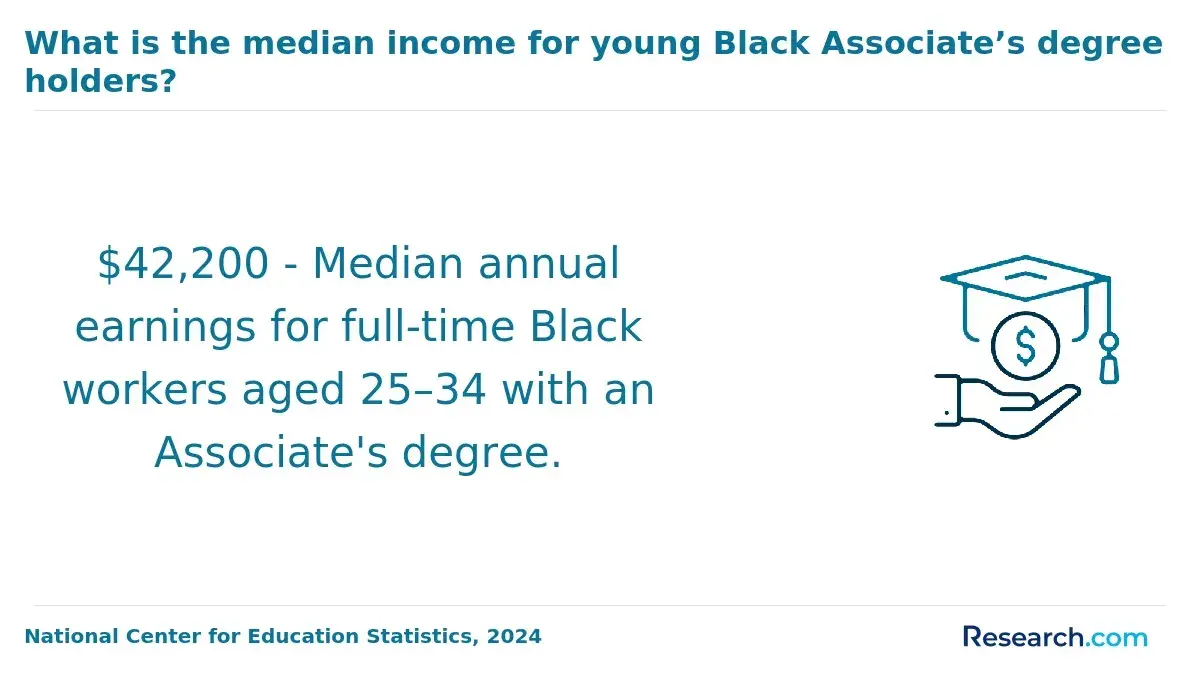
| Associate degree | About two years full time; up to three years part time | Students seeking foundational training or a lower-cost path before a bachelor’s degree |
| Bachelor’s degree | About four years full time; as little as 2.3 years with accelerated formats and transfer credits | Students preparing for entry-level counseling, human services, or further graduate study |
| Master’s degree | Two to two and a half years full time | Students pursuing advanced counseling roles, clinical preparation, or licensure pathways |
- Associate Degree: Online associate degrees in substance abuse counseling usually take about two years for full-time students. They cover introductory counseling skills, addiction concepts, ethics, and human services foundations. Part-time students may need up to three years, particularly if they are working or managing family responsibilities.
- Bachelor's Degree: A full-time online bachelor’s degree commonly takes about four years. Students with transfer credits or those in accelerated programs may finish in as little as 2.3 years. Some bachelor’s programs include an internship, often near the final year, which can affect the exact graduation date.
- Master's Degree: Online master’s programs generally require two to two and a half years for full-time students. The timeline depends heavily on practicum requirements, internship scheduling, and state licensure expectations. Part-time enrollment or breaks between terms can extend the program.
- Certificate Programs: Certificates usually take six months to one year for full-time students. They are often used to build targeted skills, meet state certification coursework, or add an addiction counseling specialization to an existing degree. Students comparing fast education pathways may also review accredited six-month associate degree options to understand how accelerated formats work.
Before enrolling, confirm whether the published completion time includes fieldwork, whether transfer credits are accepted, and whether the curriculum aligns with your state’s counseling credential requirements.
What Factors Can Affect How Long It Takes to Earn an Online Substance Abuse Counseling Degree?
The biggest factors affecting completion time are enrollment status, transfer credits, fieldwork requirements, course scheduling, and state credential rules. Two students in the same online program may graduate at different times if one studies full time and transfers credits while the other studies part time and waits for an approved internship placement.
- Program Format and Enrollment Status: Full-time students usually finish faster because they take more courses per term. Part-time students often need more semesters, but the slower pace may be more realistic for those working, caregiving, or maintaining income while studying.
- Transfer Credits and Prior Learning Assessment: Prior college credits can reduce the number of courses you need to complete. Students who already hold an associate degree may shorten a bachelor’s timeline if their credits apply to major, general education, or elective requirements. Ask the school for an official transfer-credit review before assuming credits will count.
- Course Delivery and Flexibility: Asynchronous courses let students complete weekly work on their own schedules, which can help disciplined learners move efficiently. Synchronous courses require live attendance and may be easier for students who benefit from structure, but fixed meeting times can limit scheduling flexibility.
- Fieldwork or Internship Requirements: Supervised clinical hours, practicums, and internships can become the main timeline bottleneck. Placement availability depends on location, site approval, supervisor qualifications, background checks, and state requirements. Students should ask whether the school helps arrange placements or expects students to find their own.
- Personal and Professional Commitments: Work schedules, family responsibilities, health needs, and financial pressure often determine how many courses a student can realistically take. A slower plan may prevent burnout and reduce the risk of withdrawing from courses.
- Program Curriculum and Credit Requirements: Programs with more credits, added concentrations, or extra licensure coursework may take longer. A longer curriculum is not automatically better; compare it against your state’s credential standards and career goals.
- Student Motivation and Academic Progress: Staying on pace requires consistent course completion. Failed courses, withdrawals, missed fieldwork deadlines, or delayed paperwork can push graduation back. Students comparing educational timelines more broadly may also find it useful to review how doctoral program pacing can vary, although counseling licensure requirements should remain the priority for this field.
A practical way to estimate your timeline is to ask each program for a degree plan based on your intended course load, transfer credits, and state. The published “average” matters less than the schedule the school can document for your situation.
What Are the Different Types of Online Substance Abuse Counseling Programs Available?
Online substance abuse counseling programs are available at the certificate, undergraduate, and graduate levels. The best choice depends on your current education, the role you want, and the credential required in your state. Some programs focus narrowly on addiction counseling, while others combine addiction studies with psychology, human services, or clinical mental health counseling.
- Bachelor's in Substance Abuse Counseling: This degree focuses directly on addiction theory, counseling methods, assessment, ethics, prevention, and recovery support. It can prepare students for entry-level roles and may meet part of the educational pathway for state certification or licensure, depending on the state.
- Bachelor's in Human Services with Substance Abuse Concentration: This option combines broad human services training with addiction-focused coursework. It can be a strong fit for students interested in case management, community outreach, rehabilitation programs, and support services rather than independent clinical counseling.
- Bachelor's in Psychology with Addictions Concentration: This degree emphasizes behavior, mental processes, research, and the psychological dimensions of addiction. It may be useful for students planning graduate study, advocacy, research-oriented work, or roles that require a broader psychology foundation.
- Master's in Addiction Counseling: Graduate programs provide advanced preparation in evidence-based treatment, co-occurring disorders, trauma-informed care, assessment, ethics, and clinical decision-making. Students often choose this route when they need graduate-level training for licensure or advanced practice.
- Master's in Clinical Mental Health Counseling with Addiction Specialization: These programs combine broader mental health counseling preparation with specialized addiction coursework. They typically include practicum and internship experiences and may be appropriate for students who want to work with both substance use disorders and co-occurring mental health conditions.
When comparing program types, do not rely on the degree title alone. Review the curriculum, supervised experience requirements, faculty qualifications, accreditation status, and whether the program meets the educational requirements for the state where you plan to work.
Credit requirements vary by credential level. In general, certificates require the fewest credits, associate and bachelor’s degrees follow standard undergraduate credit patterns, and graduate programs require additional specialized coursework and supervised training.
- Certificate Programs: Graduate certificates usually require about 12 credit hours completed over four courses. Many students finish within one or two semesters, though part-time enrollment can extend the timeline. Certificates are most useful when they match a specific certification, specialization, or continuing education goal.
- Associate degree: Associate programs commonly require around 60 credit hours. Full-time students often complete them in two years, while part-time students may need three or more years. Transfer credits can reduce both the number of remaining credits and the total time to completion.
- Bachelor's degree: Bachelor’s programs typically require 120 credit hours and are designed for completion in four years with full-time study. Part-time students may take six years or longer. Students with prior college coursework should request a transfer evaluation to see how many credits apply.
- Master's degree: Master’s programs usually require between 48 and 60 credit hours. Full-time students often finish in roughly two years, although practicum requirements, internship scheduling, state licensure coursework, and part-time enrollment can change the timeline.
- Doctoral degree: Doctoral programs often require 60 to 90 credit hours beyond a master’s degree. Completion ranges from three to seven years, depending on program structure, enrollment pace, and dissertation demands.
Credit hours are only one part of the workload. In counseling-related programs, field experiences, supervision, documentation, and site approvals can be just as important to your timeline as classroom courses. Ask whether credits for practicum or internship are included in the total and whether supervised hours can be completed near where you live.
A graduate of an online substance abuse counseling degree described the credit load as manageable only after creating a weekly study schedule and communicating early with instructors about practicum expectations. The most difficult part was not a single course, but coordinating assignments, family responsibilities, and supervised hours at the same time. Their experience shows why students should evaluate both the academic calendar and the fieldwork plan before enrolling.
A standard online substance abuse counseling curriculum combines addiction science, counseling practice, ethics, assessment, treatment planning, cultural competence, and supervised experience. The goal is to help students understand substance use disorders and learn how to support clients within professional, legal, and ethical boundaries.
- Introduction to Substance Abuse and Addiction: This course explains the physiological, psychological, social, and community factors involved in substance use disorders. It provides the foundation for later coursework in assessment, treatment, prevention, and counseling practice.
- Pharmacology of Alcohol and Drugs: Students study how substances affect the brain and body, including intoxication, withdrawal, tolerance, and addiction mechanisms. This knowledge helps counselors understand client symptoms, risks, and referral needs.
- Assessment and Diagnosis: Coursework introduces screening tools, diagnostic criteria, intake procedures, and evaluation of co-occurring mental health conditions. These skills are essential for treatment planning and for working appropriately within a counselor’s scope of practice.
- Treatment Planning and Case Management: Students learn how to create individualized treatment plans, set measurable goals, document progress, coordinate referrals, and support clients across stages of recovery.
- Counseling Techniques and Group Therapy: This course develops skills for individual, group, and family counseling. Programs often emphasize evidence-based strategies and communication techniques appropriate for substance use counseling settings.
- Prevention and Relapse Prevention: Students examine prevention models, recovery supports, relapse warning signs, coping strategies, and community education. This training is useful for both direct service and public health-oriented roles.
- Ethics and Professional Responsibility: Ethics courses cover confidentiality, boundaries, informed consent, mandated reporting, documentation, dual relationships, and legal responsibilities specific to counseling and addiction services.
- Special Populations and Cultural Competence: Students learn how addiction and recovery may differ across populations, including adolescents, LGBTQ+ individuals, people with co-occurring disorders, and clients from diverse cultural backgrounds.
- Practicum or Supervised Field Experience: Programs often require hands-on clinical experience, usually between 135 and 255 supervised hours. These experiences help students apply classroom learning and may support certification or licensure preparation.
Students should compare course lists against the requirements in the state where they want to practice. A curriculum may be academically strong but still require additional coursework or supervised hours for a specific credential.
Online substance abuse counseling programs may start once, twice, three times, or several times per year. Start-date flexibility matters because it can affect how quickly you begin, how soon you qualify for fieldwork, and whether you can maintain momentum between courses.
- Traditional academic calendar: Many universities use fall and spring start dates, sometimes with a summer term. This format works well for students who prefer a predictable academic rhythm and longer planning windows for financial aid, transfer credits, and work schedules.
- Multiple annual intakes (e.g., three per year): Some programs, such as those offered by the Hazelden Betty Ford Graduate School, provide three start dates annually, usually in fall, spring, and summer. This can reduce the delay if you miss one admission deadline.
- Monthly or quarterly starts: Some online programs offer more frequent entry points. This can help motivated students begin sooner, but applicants still need time to submit transcripts, complete financial aid steps, and confirm transfer credits.
- Accelerated and year-round schedules: Accelerated programs may offer six or more start dates yearly, shorter course terms, and continuous enrollment. These formats can support faster completion, but they require strong time management and a realistic plan for fieldwork.
Before choosing a start date, ask when core courses are offered, whether courses must be taken in sequence, and when students become eligible for practicum or internship placement. A program with frequent start dates may still have limited windows for required clinical experiences.
An accelerated online substance abuse counseling degree can reduce the timeline by using shorter terms, year-round coursework, transfer credits, or competency-based progression. The actual time saved depends on how many credits you bring in, how many courses you can handle at once, and whether fieldwork can be completed without delays.
- Shorter Course Terms: Accelerated programs often use eight-week terms instead of traditional 16-week terms. This allows students to complete more courses during the year and may reduce a bachelor’s degree timeline from four years to about three to four years.
- Year-Round Enrollment: Programs with several start dates and continuous terms help students avoid long gaps between courses. This format can be useful for students who want to maintain steady progress rather than follow a traditional academic calendar.
- Transfer Credits: Transfer credits can produce the largest time savings. Students with prior college coursework, an associate degree, or eligible prior learning may reduce the number of required courses. Always request an official evaluation before estimating your graduation date.
- Competency-Based Learning: Some programs allow students to progress by demonstrating mastery rather than spending a fixed amount of time in each course. This can benefit self-directed students with relevant experience, but it may not be the right fit for learners who need more instructor structure.
Acceleration has trade-offs. Shorter courses often require more weekly reading, writing, discussion, and exam preparation. Students also need to confirm that an accelerated schedule will not interfere with practicum readiness, internship placement, or state credential requirements.
A graduate of an online accelerated substance abuse counseling degree described the format as intense but motivating. The ability to start courses throughout the year helped prevent long breaks, and the student could apply counseling concepts at work while studying. The main challenge was balancing late-night coursework with full-time employment and family responsibilities, which made planning essential.
Finishing faster can save money, but it is not guaranteed. The savings depend on the school’s tuition model, your course load, transfer credits, fees, financial aid rules, and whether acceleration affects your ability to keep working. A faster program is financially helpful only if the pace is sustainable and does not lead to failed courses, withdrawals, or delayed fieldwork.
- Lower Tuition Costs: Many online substance abuse counseling programs charge tuition per credit, with affordable rates around $365 to $390 each. If transfer credits reduce the number of credits you must complete, your total tuition may decrease. If the program charges by credit, simply taking courses faster may not reduce tuition, though it may reduce time-related expenses.
- Reduced Living Expenses: A shorter program can reduce the number of months you spend managing student-related costs such as housing, meals, transportation, and technology. Online students may already reduce commuting costs, but time in school still carries financial pressure.
- Earlier Entry Into the Workforce: Graduating sooner may allow you to pursue counseling or human services roles earlier. With the median salary for addiction counselors near $50,000, each semester saved can mean additional months of potential earnings and professional experience.
- Less Time Off Work: Many online students continue working while enrolled. If an accelerated format helps you finish without reducing work hours, it may support your finances. If the workload forces you to cut hours, the financial benefit may be smaller.
- Potential for Avoiding Tuition Increases: Some schools raise tuition every year. Completing a program faster may help students avoid future increases, depending on the school’s pricing policies.
Students comparing faster academic routes can also review options to earn an associate degree online quickly. For substance abuse counseling, however, the lowest-cost choice is not always the shortest program. Prioritize programs that are accredited, transparent about fees, and aligned with your state’s credentialing requirements.
Graduates can often begin applying for jobs soon after finishing an online substance abuse counseling degree, but the exact timing depends on state-specific licensing or credential requirements. Some roles may be available with a certificate, associate degree, or bachelor’s degree, while other counseling positions require graduate education, supervised experience, examinations, or formal licensure.
The transition is usually faster for students who complete internships, practicums, or supervised fieldwork before graduation. Many online programs require 200-600 hours of hands-on experience, which can help students build references, understand workplace expectations, and connect with potential employers. Prior experience in human services, recovery support, case management, or community health can also shorten the job-search period.
Given the projected 18% growth in counselor roles through 2032, the employment outlook remains favorable. Still, graduates should prepare early by checking credential requirements, tracking supervised hours, gathering documentation, and identifying employers that hire candidates at their education level. Students exploring advanced online pathways may also compare shorter online doctoral program formats, though doctoral study is not the standard entry route for most substance abuse counseling positions.
Online substance abuse counseling graduates typically earn from $34,000 to over $65,000 annually, depending on experience, role, credentials, employer, and location. Higher pay is more common for professionals with advanced degrees, clinical credentials, supervisory responsibilities, or experience in high-demand regions.
- Entry-Level Roles: Graduates with less than one year of experience usually start near $34,000 per year. Early roles may include counseling support, case management, recovery services, or supervised counseling positions, depending on state rules and employer requirements.
- Early Career Professionals: Counselors with 1-4 years of experience typically earn between $38,000 and $41,000 annually, with hourly wages from about $18.87 to $21.56. Additional certifications, strong field experience, and specialized training can improve advancement opportunities.
- Mid-Career and Specialized Positions: Professionals with 5-9 years of experience or advanced credentials, such as a clinical substance use disorder counselor, may earn from $41,000 up to $70,000. A master’s degree and employment in high-demand regions can support higher earnings.
- Leadership Roles: Professionals with 10 or more years of experience in management or program direction frequently earn between $44,000 and $65,000 or more. These roles may involve supervising staff, managing programs, overseeing compliance, or coordinating treatment services.
- Industry and Geographic Variations: Salaries vary widely by state, city, employer type, and funding model. Areas like California and New Jersey often offer salaries above $65,000, with some metropolitan regions reaching over $80,000. Students should compare local wages with tuition, fees, and living costs before choosing a program.
Salary should be evaluated alongside credential requirements. A faster or cheaper degree may not improve earnings if it does not qualify you for the counseling role or license you intend to pursue.
Here's What Graduates of Online Substance Abuse Counseling Programs Have to Say About Their Degree
Graduate experiences vary by program, state requirements, personal schedule, and career goals. The reflections below highlight common reasons students choose online substance abuse counseling programs: flexibility, practical coursework, and the ability to continue working while preparing for counseling-related roles.
- Helena: "Pursuing my substance abuse counseling degree online gave me the flexibility to balance work, family, and studies without sacrificing any part of my life. The coursework was comprehensive and practical, allowing me to apply what I learned immediately in volunteer roles at local support centers. Completing this program reignited my passion for making a difference in the community, especially helping young adults struggling with addiction. It was challenging at times, but the online format and supportive instructors kept me motivated every step of the way. Now, I'm confidently working as a licensed counselor, making a real impact every day."
- Timothy: "Enrolling in an online substance abuse counseling degree was a turning point in my professional life. The program's focus on evidence-based practices and ethical approaches prepared me thoroughly for certifications and real-world counseling scenarios. I appreciated how the curriculum encouraged critical thinking and personal growth alongside professional skills. This degree propelled my career forward, opening doors to leadership roles within addiction recovery organizations. It's empowering to know that my education allows me to advocate effectively for those in need and influence policy changes in mental health care."
- Yvonne: "As someone who works full-time and has a busy family, earning my substance abuse counseling degree online was the only feasible way for me to advance my goals. The challenges of coordinating schedules were outweighed by the convenience of learning at my own pace and the ability to connect with professors through virtual sessions. Through this program, I've built a strong foundation to support individuals battling addiction, and it's rewarding to witness firsthand the positive changes in clients' lives. This journey also deepened my empathy and resilience, reinforcing my commitment to the field. I'm excited about the future opportunities this degree will bring."
Other Things You Should Know About Online Substance Abuse Counseling Degree Programs
Most online Substance Abuse Counseling degrees require at least 300 supervised internship hours completed in approved mental health facilities. These internships are critical for hands-on experience and are usually spread over the final two semesters of the program in 2027.
Before starting an online Substance Abuse Counseling degree program, prospective students typically need a high school diploma or GED. Some programs may also require prerequisite college-level courses in psychology or human services, depending on the institution's admission criteria for 2027.
- Online degree in Addiction Counseling | Washburn University https://www.washburn.edu/academics/college-schools/applied-studies/departments/human-services/bas-hs-ao.html
- Accelerated Masters in Addiction Counseling https://www.online.colostate.edu/degrees/addictions-counseling-accelerated-masters/
- Addiction Counseling at PCC https://www.pcc.edu/programs/addiction-counseling/
- Substance Abuse Counselor Median Salaries https://www.allpsychologyschools.com/substance-abuse-counseling/salary/
- Best Online Addiction Counseling Degrees 2025 https://www.affordablecollegesonline.org/degrees/counseling-programs/addiction-counseling/
- Substance Abuse Counselor Certificate of Achievement https://catalog.deltacollege.edu/preview_program.php
- Addiction Counseling Certification: Advice for Undergrads https://www.hazeldenbettyford.org/graduate-school-addiction-studies/drug-alcohol-counselor-careers
- Addiction Counseling Online Degree Schools - Addiction Counselor Degree Programs https://beal.edu/programs/addiction-counseling/
- Substance Use Disorders Post-baccalaureate UCERT https://www.metrostate.edu/academics/programs/substance-use-disorders-post
- Exploring Online Addiction Treatment Benefits & Advantages https://www.eleanorhealth.com/blog/online-addiction-treatment-benefits