2027 Online Substance Abuse Counseling Degree Programs Costs: Tuition & Fees

Co-Founder and Chief Data Scientist
Choosing an online substance abuse counseling degree is not only an academic decision; it is a cost, licensure, and career-planning decision. The right program can prepare students for counseling roles in addiction treatment, behavioral health, community services, corrections, and related settings. The wrong choice can leave students with unnecessary debt, missing practicum support, or coursework that does not align with state credentialing requirements.
This guide explains what students should expect to pay for online substance abuse counseling programs, what tuition usually covers, which expenses are easy to overlook, and how online costs compare with campus-based options. It also covers residency pricing, affordable and higher-cost schools, return on investment, and financial aid considerations so prospective students can compare programs with a clearer view of total cost—not just advertised tuition.
Key Points About Online Substance Abuse Counseling Degree Costs
- Average tuition for online substance abuse counseling degrees ranges from $10,000 to $30,000, varying by institution and program length.
- Costs depend on residency status, accreditation, and additional fees like textbooks and technology access.
- Investing in this degree can lead to higher employability and potential for licensure, justifying the tuition expenses.
What Is the Average Cost of an Online Substance Abuse Counseling Degree?
The average tuition for online substance abuse counseling degrees generally falls between $365 and $496 per credit hour. For a four-year bachelor’s program, that can place total tuition from around $49,000 to nearly $78,000, depending on the school, residency rules, credit requirements, and fee structure. Shorter certificate programs are usually less expensive, with some options costing under $5,000 in total tuition.
Cost varies sharply by credential level. A certificate can be a practical choice for students who already hold a degree or need targeted coursework for professional advancement. A bachelor’s degree usually requires a larger investment but may be necessary for broader employment options or for meeting future graduate admissions requirements. Graduate study, including doctoral-level programs, can add another layer of cost; some online institutions may charge roughly $16,000 annually for a PhD in the field.
| Program type | Typical cost pattern stated in available examples | Best fit for |
| Certificate | Often below $2,000 to around $4,750, with some under $5,000 in total tuition | Professionals seeking focused addiction counseling training or supplemental credentials |
| Bachelor’s degree | Commonly $365 to $496 per credit; around $49,000 to nearly $78,000 across a four-year program | Students seeking entry-level preparation, broader undergraduate training, or a pathway to graduate study |
| Graduate program | May cost roughly $16,000 annually at certain online institutions | Students pursuing advanced clinical, supervisory, teaching, or research-oriented preparation |
Public universities such as the University of South Dakota and the University of Cincinnati illustrate the lower-to-mid range for online bachelor’s tuition, charging between $365 and $496 per credit in the examples provided. Private institutions, graduate schools, and specialized addiction studies programs may cost more but can also offer distinctive field placement support, faculty expertise, or professional networks.
Compared with some other social science and healthcare-related disciplines, substance abuse counseling programs can be relatively accessible in price, especially at public universities and through certificate pathways. Still, the published per-credit rate is only the starting point. Students should calculate total credits, mandatory fees, fieldwork costs, licensure preparation, books, and whether transfer credits can reduce the final bill.
What Is Typically Included in the Tuition for an Online Substance Abuse Counseling Degree?
Tuition for an online substance abuse counseling degree usually pays for instruction and access to the academic systems needed to complete courses remotely. It does not always cover every cost required to finish the program, qualify for fieldwork, or pursue licensure after graduation. Students should ask each school for a full cost-of-attendance estimate rather than relying only on the tuition rate.
In most online programs, tuition commonly includes the following:
- Course instruction and faculty access: Tuition covers the core classes, instructor-led learning, grading, feedback, and scheduled opportunities to communicate with faculty.
- Online learning platforms: Students typically receive access to the virtual classroom, discussion boards, assignment portals, recorded lectures, library tools, and other digital course systems.
- Academic support services: Many institutions include online tutoring, advising, writing support, library assistance, mentoring, and career guidance as part of the student experience.
- Internship or practicum coordination: Programs may help students understand field placement requirements, submit paperwork, and coordinate supervised practice experiences required for graduation or licensure preparation.
- Technology support: Helpdesk services are generally available for learning management systems, institutional email, course access, and other online tools.
Several important expenses are often separate from tuition. These can include textbooks, digital course materials, background checks, drug screenings, liability insurance, graduation fees, transcript fees, registration fees, proctoring fees, licensure exam fees, and travel expenses for any required in-person components. Field placement can also create indirect costs if students must reduce work hours, commute to a site, or meet agency onboarding requirements.
Before enrolling, students should request a written list of required and optional fees. They should also ask whether tuition covers practicum oversight, whether the school helps locate placements in the student’s state, and whether the program’s coursework is designed to meet the educational requirements for the credential the student intends to pursue.
What Factors Influence the Cost of Pursuing an Online Substance Abuse Counseling Degree?
The total cost of an online substance abuse counseling degree depends on more than the school’s published tuition rate. Students should compare programs using total program cost, expected time to completion, transfer-credit policies, fieldwork requirements, and licensure alignment. A program that looks inexpensive per credit can become costly if it requires more credits, charges high fees, or does not support local practicum placement.
- Type of school: Public universities often charge lower tuition than private colleges, although online pricing models differ. The University of South Dakota, for example, offers the same tuition rate for all online students regardless of residency, while many institutions charge higher rates for out-of-state learners.
- Residency status: In-state and out-of-state tuition rules can have a major effect on cost. Augusta University charges about $235 per credit hour for in-state students, while out-of-state learners may pay over $820 per credit.
- Credit-hour requirements and program length: Bachelor’s programs typically require around 120 credits, and master’s programs about 60. Because tuition is often charged per credit, programs with more required credits, prerequisites, or limited transfer acceptance usually cost more.
- Fees and technology costs: Online students may still pay technology surcharges, distance learning fees, course fees, clinical placement fees, and sometimes mandatory campus fees. These charges can change the real cost even when tuition appears affordable.
- Student support services and faculty credentials: Programs with extensive advising, practicum support, experienced faculty, licensing guidance, and stronger employer connections may charge higher tuition. The value depends on whether those services help students complete the program and enter the field more efficiently.
- Transfer credit and prior learning policies: Students who bring accepted college credits may reduce both cost and time. However, counseling-related programs may limit transfer credits for specialized, practicum, or upper-division courses.
- Licensure and credential alignment: Substance abuse counseling credentials vary by state. A cheaper program may not be the best financial choice if it does not meet the student’s state education or supervised practice requirements.
Students comparing programs should build a simple budget that includes tuition, fees, books, technology, fieldwork expenses, licensure costs, and income lost because of study or practicum schedules. Those interested in faster pathways can also review the best accelerated associate degree programs to understand how accelerated formats may affect cost and completion time.
Online substance abuse counseling programs are often cheaper than traditional on-campus programs, especially when students can avoid housing, relocation, commuting, parking, and some campus-based service costs. However, online learning is not automatically the lowest-cost option. The best comparison is total cost to completion, not simply online versus campus format.
For the 2025 academic year, the online vs traditional substance abuse counseling tuition comparison shows that top online bachelor’s programs can cost between $8,000 and $15,000 total. Traditional on-campus programs often range from $20,000 to $50,000 or more for in-state students. The difference is partly due to lower overhead in online delivery and partly due to reduced student living and transportation expenses.
| Cost category | Online program | Traditional on-campus program |
| Tuition | May be lower, flat-rate, or residency-neutral depending on the school | Often affected by residency and campus pricing policies |
| Housing and relocation | Usually avoidable | May be required or strongly encouraged depending on the campus |
| Transportation and parking | Usually lower, except for local practicum travel | Often higher because of regular campus attendance |
| Books and materials | May rely more heavily on digital resources | May include print materials, lab fees, or campus-specific costs |
| Fieldwork | May require local placement coordination | May be supported through campus-area partnerships |
Online students should still budget for technology, reliable internet, books, background checks, and travel to practicum sites. Some programs also require synchronous class meetings or in-person intensives, which can affect work schedules and add travel costs.
For many working adults, online programs can be more affordable because they allow students to keep earning while studying. For others, a campus-based program may be worth the added cost if it offers stronger local placement relationships, more direct supervision, or access to a specific state licensing pathway. Students comparing flexible education options may also find the best degrees for older adults online useful when evaluating online study formats.
Yes, some online substance abuse counseling programs charge different tuition for in-state and out-of-state students, while others use a flat online rate for all learners. Residency policy is one of the first pricing details students should verify because it can change the total cost by hundreds or thousands of dollars.
Some public universities use a flat-rate online tuition model. For example, the University of South Dakota sets a uniform rate of $365 per credit for its online addiction counseling program in 2025. Under this model, online students pay the same rate regardless of state residency, which makes budgeting simpler for nonresident students.
Other schools continue to distinguish between resident and nonresident tuition. The University of Cincinnati, for example, charges Ohio residents $600 per credit, while non-residents pay slightly higher at $615. In some cases, the difference is much larger. Students should not assume that an online program eliminates out-of-state charges.
Regional tuition agreements may reduce costs for qualifying students. Programs such as the Midwest Student Exchange or Western Undergraduate Exchange can provide reduced rates for eligible residents of participating states. These agreements are not automatic for every program, so students should confirm eligibility with both the institution and the agreement’s current rules.
When checking residency pricing, students should ask four specific questions: whether online students pay the same rate as campus students, whether out-of-state fees apply, whether regional tuition discounts are accepted, and whether tuition will change if the student moves during the program.
The most affordable online substance abuse counseling degree programs combine reasonable tuition with appropriate accreditation, relevant coursework, practical fieldwork support, and clear licensure guidance. A low price alone is not enough if the program does not help students meet their professional goals.
Based on the examples provided, the following schools stand out for cost-conscious students comparing online addiction counseling options:
- University of South Dakota: The university offers both bachelor’s and master’s degrees with a flat tuition rate of $365 per credit for all online students, regardless of residency. The lack of out-of-state pricing, along with scholarships and military discounts, can make it a strong value for students outside South Dakota as well as residents.
- University of Cincinnati: Its online bachelor’s in substance abuse counseling costs approximately $496 per credit. The program may appeal to students who want a recognized public university option with practical preparation connected to licensure-oriented study.
- Bay Path University: Bay Path’s online master’s in addiction counseling charges $925 per credit. Although this is higher than the public undergraduate examples above, it may be competitive among private graduate programs and includes practicum considerations for advanced students.
Affordability should be evaluated in context. Students should calculate the full program cost, not just the per-credit rate. They should also review transfer policies, graduation requirements, practicum expectations, fees, scholarship availability, and whether the program’s curriculum fits the credentialing requirements in the state where they plan to work.
For students considering graduate study and long-term earning potential, resources on masters programs that make the most money can help place counseling-related education costs in a broader return-on-investment context.
Some online substance abuse counseling programs cost substantially more than the typical public university options. Higher tuition may reflect private-school pricing, a specialized institutional focus, advanced curriculum, extensive student services, faculty expertise, or a strong professional network. It does not automatically mean a better fit for every student.
Examples of higher-cost online substance abuse counseling programs include:
- Indiana Wesleyan University: Offers an online bachelor’s degree in Substance Abuse Counseling with tuition of approximately $28,184 per year, charged equally for both in-state and out-of-state students.
- University of Cincinnati: Provides an online Bachelor of Science in Substance Abuse Counseling with out-of-state tuition costs near $25,057 annually.
- Hazelden Betty Ford Graduate School of Addiction Studies: Known for its specialized online master’s program in Addiction Studies, this program has tuition averaging $33,132 per year, reflecting its advanced curriculum and expert faculty.
Students considering a higher-cost program should ask what they receive for the additional investment. Important questions include whether the program has strong practicum placement support, whether graduates are prepared for the credential the student wants, how much career support is available, and whether employer partnerships or alumni networks provide meaningful value.
A more expensive school can be worthwhile if it shortens time to completion, provides stronger clinical preparation, or improves access to the student’s target career path. It may not be worth the added debt if a lower-cost accredited program meets the same educational and licensing needs. Students exploring advanced academic routes can also compare related options through resources such as the shortest online doctoral programs.
The time it takes to see a return on an online substance abuse counseling degree depends on program cost, debt level, credential level, state licensing requirements, and how quickly the graduate enters paid work. Students who choose lower-cost programs, use financial aid wisely, and continue working while enrolled may see a faster return than students who borrow heavily or need additional coursework after graduation.
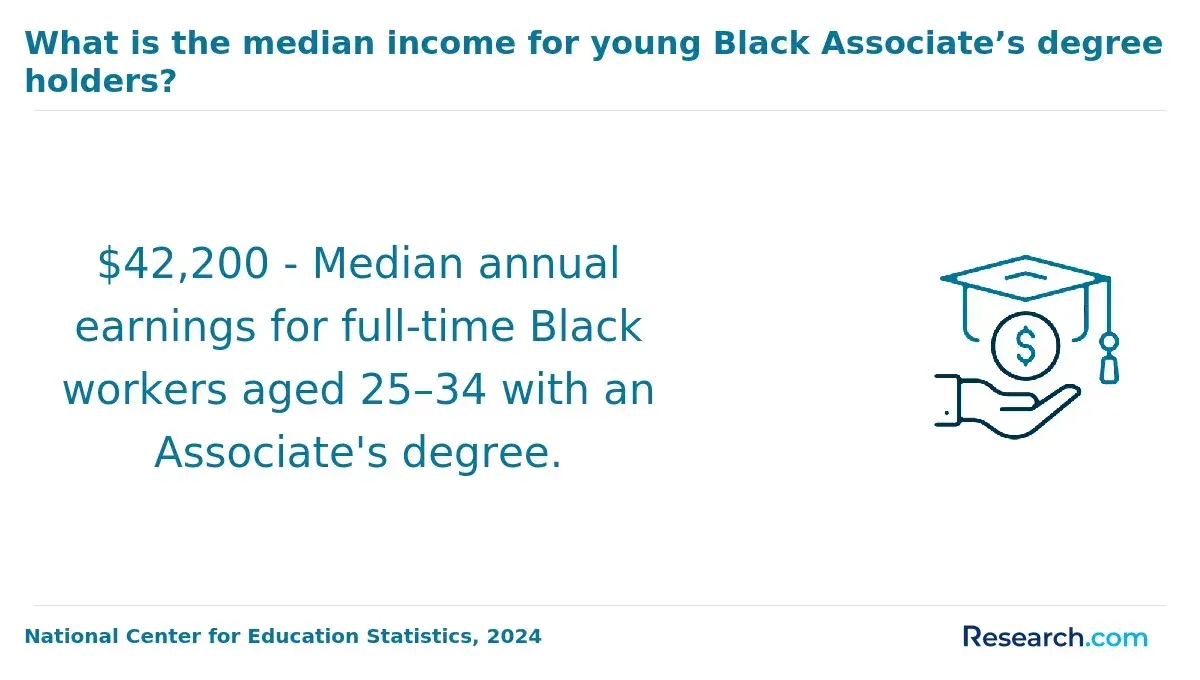
Most graduates begin to see financial benefits within a few years after starting their careers. Those with an associate degree may achieve a return on investment (ROI) as high as 2,100% over a decade because of lower upfront costs and faster workforce entry. Bachelor’s degree holders generally experience a lower but still significant ROI of around 795% over the same period, reflecting higher tuition and a longer time in school.
Entry-level counselors with a bachelor’s degree typically earn between $50,000 and $55,000 annually, with salaries influenced by location, employer type, experience, credential level, and state requirements. Graduates who pursue additional certification, supervised hours, or graduate education may improve long-term opportunities, but those steps can also delay full financial return.
To improve ROI, students should compare total program cost, minimize unnecessary borrowing, apply for scholarships and grants, verify licensure alignment before enrolling, and choose a program with strong completion and field placement support. The fastest path is not always the best path, but avoidable delays and mismatched coursework can make a degree significantly more expensive.
Yes. Online substance abuse counseling students are typically eligible for financial aid if they enroll in an accredited institution and meet the aid program’s requirements. Eligibility depends on factors such as enrollment status, financial need, citizenship or eligible noncitizen status, satisfactory academic progress, and whether the program participates in federal aid.
Students should begin by completing the FAFSA if they plan to use federal student aid. They should also contact the school’s financial aid office and the academic department because counseling, behavioral health, and human services programs may have field-specific scholarships or workforce funding opportunities.
- Federal student aid: Pell Grants and Federal Supplemental Educational Opportunity Grants do not require repayment and may cover a substantial portion of tuition based on financial need, enrollment status, and cost of attendance. Students must complete the FAFSA to apply.
- Substance abuse counseling scholarships for online students: Professional organizations, memorial funds, colleges, and behavioral health groups may offer awards ranging from a few hundred to several thousand dollars. Some are merit-based, some are need-based, and some are designed for students entering addiction counseling or behavioral health careers.
- Employer tuition assistance and loan forgiveness: Students already working in healthcare, social services, corrections, or community agencies may qualify for employer tuition support. After graduation, programs such as the National Health Service Corps Substance Use Disorder Workforce Loan Repayment Program repay parts of federal loans in exchange for service in underserved areas.
Students should confirm whether aid can be used for online courses, part-time enrollment, certificates, practicum fees, or summer terms. They should also avoid assuming that all certificates qualify for federal aid, since eligibility depends on the institution and program structure.
For students comparing education investments across career paths, the best trade school jobs that pay well can provide useful context on alternative training routes and workforce outcomes.
Online substance abuse counseling program costs may increase in the coming years, although the size and timing of increases will vary by institution. Tuition and fees can rise because of inflation, technology investments, faculty and supervision costs, student support services, and expanding demand for behavioral health education.
Demand for qualified professionals in addiction treatment continues to grow as substance use disorders, changes in criminal justice approaches, and expanded healthcare coverage increase the need for trained counselors. Universities are responding by expanding online substance abuse counseling degree and certification programs, including flexible formats, remote coursework, and specialization tracks.
Rising demand can create two opposing effects for students. On one hand, more online options may increase competition among schools and give students more price points to compare. On the other hand, programs that add practicum support, licensure advising, faculty expertise, and specialized coursework may raise tuition or fees to support those services.
Students planning to enroll later should monitor tuition changes, fee schedules, scholarship deadlines, and transfer-credit policies. Those who are ready to start should ask whether tuition is locked for a cohort or subject to annual increases. A clear pricing policy can help students budget more accurately and avoid surprises before graduation.
What Students Say About The Cost of Pursuing Online Substance Abuse Counseling Programs
- Alvin: "Pursuing my Substance Abuse Counseling degree online was a financially smart choice. The cost was manageable compared to traditional programs, and I'm already seeing a clear return on investment through job opportunities and salary growth. This degree has truly transformed my career path and opened doors I didn't expect."
- Jerry: "Reflecting on the expenses I invested in the online Substance Abuse Counseling program, I realize it was worth every dollar. Despite the moderate tuition fees, the flexibility allowed me to balance work and study, which made the financial commitment much easier. I'm confident that this degree will benefit my professional future and personal development."
- Nelson: "The cost of earning an online Substance Abuse Counseling degree surprised me with its affordability relative to the value it provides. With careful budgeting, I was able to complete the program without excessive debt, and I feel equipped to make a difference in the community. This investment is paying off as I continue to advance in my field."
Other Things You Should Know About Substance Abuse Counseling Degree Program Costs
Online programs often add technology, course delivery, and practicum fees on top of tuition. A 3-credit course may carry a $25 to $100 technology fee, and schools may also charge $50 to $300 for application, graduation, or background-check processing.
Yes, financial aid options like federal grants, scholarships, and loans are available for those enrolling in online substance abuse counseling degree programs in 2027. Eligibility may vary based on the institution and student qualifications. Check program-specific details for tailored advice.
- Most Affordable Online Counseling (LPC) Programs for 2025–2026 - Master of Social Work Degrees https://www.mswdegrees.org/degrees/online/most-affordable-counseling-programs/
- Most Affordable Online Substance Abuse Counseling Degrees - Counseling Degrees Online https://www.counselingdegreesonline.org/most-affordable-online-substance-abuse-counseling-degrees
- Associate of Arts in Alcohol & Substance Abuse Counseling https://online.hilbert.edu/online-degree-programs/associates-degrees/alcohol-substance-abuse-counseling/
- Addiction Studies: Comparing Online Vs. In-Person Programs https://sobercollege.com/addiction-blog/addiction-studies-comparing-online-vs-in-person-programs/
- Addiction Studies https://sunyempire.edu/academics/undergraduate-academics/addiction-studies.html
- 10 Most Affordable Master's In Addiction And Recovery - GradSchoolHub.com https://www.gradschoolhub.com/affordable/online/masters/addictions-recovery/
- Online Substance Abuse Degree Concentration https://www.snhu.edu/online-degrees/bachelors/ba-in-human-services/substance-abuse
- Master's in Addiction Counseling - Carlow University - Pittsburgh, PA https://www.carlow.edu/academic-programs/psychology-degrees/masters-addiction-counseling/