2027 Substance Abuse Counseling Degrees Explained: Are They Classified as Professional Degrees?

Co-Founder and Chief Data Scientist
Many prospective students mistakenly believe that substance abuse counseling degrees are automatically classified as professional degrees required for licensure. This misunderstanding can lead to enrolling in programs that do not meet credentialing standards, delaying career progress. According to the U. S. Bureau of Labor Statistics, employment of substance abuse, behavioral disorder, and mental health counselors is projected to grow 22% from 2022 to 2032, much faster than average, emphasizing the need for the right qualifications.
This article, prepared by career planning experts, clarifies the classification of substance abuse counseling degrees and guides readers on selecting programs that align with licensure and career goals.
Key Benefits of Professional Substance Abuse Counseling Degrees
- Professional substance abuse counseling degrees prepare graduates for in-demand roles, with strong opportunities in healthcare, community services, and rehabilitation settings.
- These degrees can lead to higher earning potential by qualifying graduates for licensed and specialized counseling positions.
- They meet educational requirements for licensure and certification, enabling long-term career growth and stability in behavioral health fields.
What Is Considered a Professional Substance Abuse Counseling Degree?
Choosing a professional substance abuse counseling degree program is essential for students focused on licensure and career advancement. Clear knowledge of what qualifies as a professional substance abuse counselor degree helps ensure you select an education pathway designed for clinical practice and industry requirements. Demand for credentialed substance abuse counselors is expected to grow by more than 20% through 2030, underscoring the importance of selecting the right program.
Below are common myths and facts clarifying what defines a professional substance abuse counseling degree.
Degree Validity
- Myth: Any degree related to substance abuse counseling automatically counts as a professional degree.
- Fact: Only degrees specifically designed to prepare students for licensure and clinical practice qualify as professional substance abuse counseling degrees.
Training Focus
- Myth: A degree labeled "addiction studies" or "counseling" guarantees licensure eligibility.
- Fact: Professional programs emphasize applied training, supervised clinical hours, and skills for assessment and treatment necessary for credentialing exams.
Credential Preparation
- Myth: All counseling degrees prepare students for industry-recognized credentials.
- Fact: Professional substance abuse counseling degree programs prioritize preparation for certifications such as Licensed Substance Abuse Counselor (LSAC) or Certified Addiction Counselor (CAC).
When researching your options, also consider cost-effective alternatives like an online AI degree for complementary skills in data analysis and decision-making within counseling contexts.
Who Should Pursue a Professional Substance Abuse Counseling Degree?
Identifying the right candidates for professional substance abuse counseling degree programs is essential for students seeking career-focused, practice-oriented education. These programs emphasize licensure preparation, clinical skills, and direct application in treatment settings. Enrollment in substance abuse counseling programs has increased by more than 15% recently, highlighting a growing demand for qualified counselors amid rising substance use challenges nationwide.
Below is a myth-versus-fact overview to clarify who benefits most from pursuing these degrees.
Prior Experience
- Myth: Only those with prior healthcare experience should pursue a professional substance abuse counseling degree.
- Fact: While healthcare backgrounds can help, these degrees are especially suited for early-career professionals, individuals seeking licensure, those targeting specialized or regulated roles, and career changers committed to helping others.
Licensure Path
- Myth: A substance abuse counseling degree is unnecessary for licensure or regulated roles.
- Fact: Individuals pursuing regulated roles require accredited credentials, and these degree programs provide essential clinical training and licensure preparation for certification.
Career Changers
- Myth: Only professionals already working in addiction recovery should seek this degree.
- Fact: Career changers passionate about addiction recovery work can successfully transition through these programs focused on practical skills and career readiness.
For prospective students concerned about program costs, exploring options among the cheapest CACREP-accredited programs online can provide affordable pathways without compromising accreditation or licensure goals.
What Are the Most Common Professional Substance Abuse Counseling Degree Programs?
Recognizing the variety of professional substance abuse counseling programs enables students to select the one best suited to their career objectives. With employment for substance abuse counselors expected to grow by 22% from 2020 to 2030, demand for trained professionals is rapidly increasing.
Here are the most common degree options available:
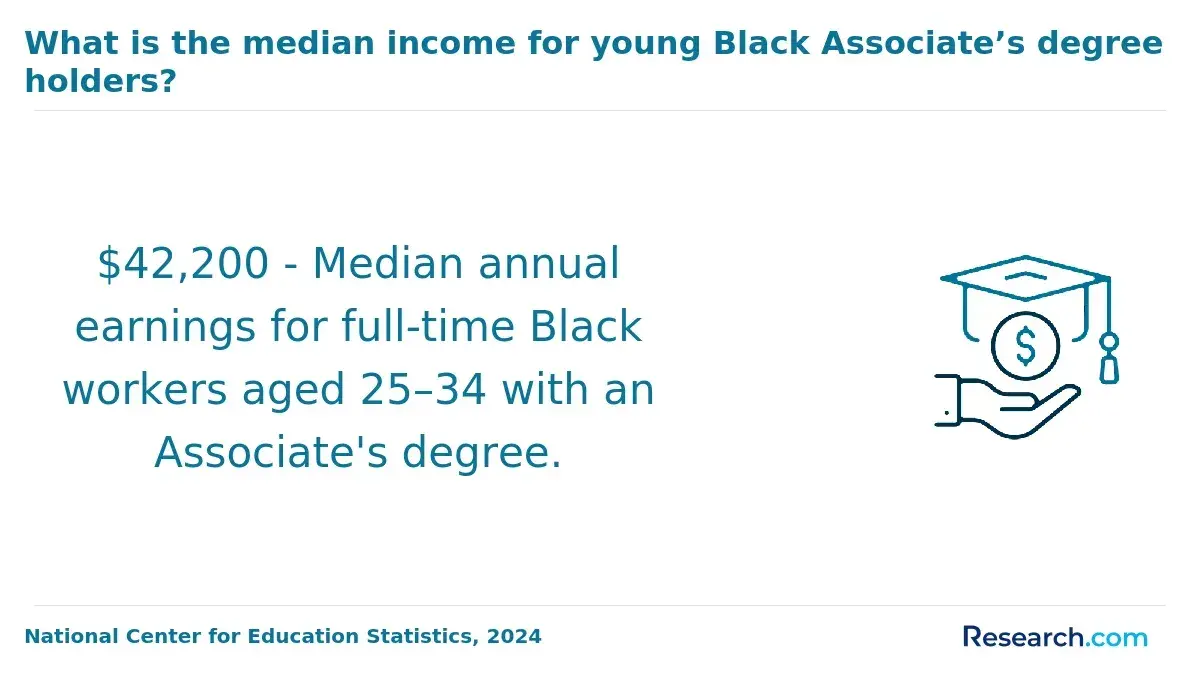
- Associate of Science in Addiction Studies: This program offers foundational knowledge about addiction and basic counseling techniques. It is ideal for those beginning their education in the field or seeking entry-level roles.
- Bachelor of Science in Substance Abuse Counseling: Focused on counseling theories and human behavior, this degree combines classroom learning with supervised clinical practice. It is widely chosen for preparing students for state certification and practical treatment skills.
- Master of Science in Clinical Mental Health Counseling with Addiction Concentration: This advanced program deepens expertise in clinical assessment and evidence-based interventions. It emphasizes comprehensive training needed for licensure and specialized practice in addiction counseling.
Accreditation is a critical factor for students evaluating professional substance abuse counseling degree programs because it directly impacts the quality and recognition of their education. Over 80% of students enrolled in accredited programs report easier access to licensure and employment, underlining the value of selecting properly accredited education. With varied oversight from institutional and programmatic bodies, understanding accreditation's role is essential for making informed decisions.
Below are common myths and facts about accreditation in substance abuse counseling programs.
Accreditation Scope
- Myth: All substance abuse counseling degrees are automatically accredited and recognized as professional degrees.
- Fact: Accreditation is granted by recognized bodies that assess schools institution-wide or specific substance abuse counseling programs. Not all programs have programmatic accreditation, which is important for professional recognition.
Licensure Impact
- Myth: Accreditation does not affect licensure or career options.
- Fact: Many states require graduation from accredited substance abuse counseling programs for licensure, influencing eligibility for counseling roles and federal financial aid.
Accrediting Bodies
- Myth: Any accrediting body suffices for program approval.
- Fact: Only accreditors recognized by the U.S. Department of Education or the Council for Higher Education Accreditation hold authority. Knowledge of key accreditation organizations for substance abuse counseling degrees guides students to valid programs.
Students exploring options might also compare costs and structures with other related graduate degrees. such as an MLIS program, to gauge affordability and career outcomes.
Prospective students must carefully evaluate admission requirements to ensure they meet the expectations for professional substance abuse counseling programs. These standards are designed to identify candidates with the academic background and personal attributes essential for succeeding in demanding coursework and clinical practice. Recent trends indicate a 10% increase in enrollment in behavioral health counseling fields over the last five years, underscoring growing competition and demand.
Below are key admission criteria applicants typically encounter:
- Educational Background: Applicants generally need a high school diploma or equivalent, though many programs prefer or require some college credits or a bachelor's degree. This foundation ensures readiness for rigorous academic content.
- Submission of Transcripts: Official transcripts verify prior academic achievements and help admissions teams assess qualification levels and readiness for advanced study.
- Letters of Recommendation: These endorsements provide insights into candidates' interpersonal skills, work ethic, and suitability for counseling roles, highlighting qualities not evident on paper.
- Personal Statement or Essay: Applicants express motivation and commitment to the field, allowing committees to gauge dedication and alignment with ethical standards essential in substance abuse counseling.
- Relevant Experience: Work or volunteer background in mental health or behavioral settings is often required, preparing students for real-world challenges and ethical decision-making.
- Background Checks: Screening for criminal history ensures candidates meet professional and legal standards required in clinical environments.
For prospective students evaluating professional substance abuse counseling programs, understanding the curriculum and required practical training is crucial. These components ensure that graduates are ready to meet licensure standards and professional expectations. The following outlines common elements found in professional substance abuse counseling degrees.
Key coursework and practical training components typically include:
- Addiction Theories and Psychology: Courses focus on the root causes, psychological impacts, and behavioral patterns of substance use disorders. This foundational knowledge helps students understand client challenges and informs effective treatment strategies.
- Counseling Techniques and Group Therapy: Training covers individual and group counseling methods tailored to addiction recovery. Students develop communication skills and therapeutic approaches essential for client engagement and support.
- Ethics and Legal Standards: Emphasizes the importance of confidentiality, professional conduct, and adherence to laws governing substance abuse treatment. These principles are critical for maintaining trust and meeting regulatory requirements.
- Pharmacology Related to Substance Use: Students learn about the effects of drugs and medications on the brain and body, which supports safe and informed treatment planning.
- Required Practical Training for Substance Abuse Counselors: Supervised internships or practicum placements provide hands-on experience working with clients in clinical or community settings. This experiential learning is vital for building crisis intervention skills and applying ethical standards in real-world scenarios.
The integration of coursework and practical training ensures graduates are competent in assessment, treatment planning, and support strategies. Many programs also prioritize cultural sensitivity and evidence-based methods to enhance client outcomes. Completing these requirements positions students for licensure, certification, and career advancement, often correlating with higher earning potential and professional recognition.
Those interested in accelerated paths might consider exploring an accelerated bachelor's degree option, which can streamline education while maintaining rigorous standards essential for substance abuse counseling roles.
Understanding the cost of professional substance abuse counseling degrees is crucial for prospective students evaluating their options for licensure and career advancement. On average, tuition for these programs ranges from $10,000 to over $30,000 annually, with total expenses potentially surpassing $40,000.
Several factors contribute to the final cost. Below are key expenses associated with substance abuse counseling degree tuition fees and overall affordability:
- Tuition fees: This is the primary expense and varies significantly depending on whether the program is offered by a public or private institution. Additionally, online programs often have different pricing structures compared to on-campus formats.
- Accreditation status: Choosing an accredited program can increase costs but is essential for licensure eligibility and employment prospects. Accreditation also usually allows access to financial aid, which can offset expenses.
- Additional fees: Students should budget for costs beyond tuition, including textbooks, lab supplies, background checks, and licensing exam preparation materials.
- Living expenses: Campus-based programs require consideration of boarding, transportation, and daily necessities, all of which vary widely by location and personal lifestyle.
Financial considerations often influence enrollment since nearly 60% of students in related mental health fields utilize some form of financial aid. To make informed choices, students must weigh these costs against career outcomes and earnings potential. For those exploring alternatives, online certifications can provide cost-effective pathways into the helping professions.
Financial aid eligibility is often a key concern for students exploring substance abuse counseling programs due to diverse program formats and accreditation standards. Nearly 41% of graduate students in substance-related counseling fields have accessed some form of financial aid recently, demonstrating its widespread availability.
Below is a look at common misconceptions and facts about financial support for these degrees.
Federal Aid
- Myth: Professional substance abuse counseling degrees do not qualify for federal financial aid because they are specialized or nontraditional.
- Fact: Most accredited substance abuse counseling programs offered by eligible institutions allow students to access federal loans, grants, and work-study options.
Employer Support
- Myth: Tuition assistance and scholarships from employers are uncommon for those pursuing substance abuse counseling education.
- Fact: Many healthcare and social service employers provide tuition reimbursement, while additional scholarships and public service loan forgiveness programs further support students financially.
Clarifying degree requirements is crucial for students pursuing substance abuse counseling to ensure their education aligns with their career goals. Employment in substance abuse, behavioral disorder, and mental health counseling is expected to grow by 23% between 2022 and 2032, reflecting increased demand for qualified professionals.
Common misconceptions about degree prerequisites can affect career planning; here is a myth-versus-fact overview.
Degree Necessity
- Myth: Every substance abuse counseling role calls for a professional degree.
- Fact: Some entry-level positions, like prevention specialists or case managers, accept associate degrees or certificates instead of professional degrees.
Licensure Requirements
- Myth: Licensure can be obtained without a professional degree in related fields.
- Fact: Most licensure boards require candidates to hold at least a bachelor's or master's degree in counseling, social work, psychology, or a related professional substance abuse counseling program.
Certification Eligibility
- Myth: Certification like Licensed Chemical Dependency Counselor (LCDC) is available without accredited professional degrees.
- Fact: Boards typically mandate that degrees be recognized as professional programs to qualify for certifications, ensuring educational and supervised experience standards are met.
Choosing the right degree type significantly impacts one's ability to pursue specialized, licensed careers in substance abuse counseling and supports long-term professional development.
Assessing the financial advantages of a professional substance abuse counseling degree is essential for students deciding whether to commit time and money to advanced career education. Knowing how these degrees affect salary and job prospects helps inform smarter investment decisions.
Below are common myths and facts clarifying the true impact of these degrees on earning potential and career growth.
Salary Impact
- Myth: A professional substance abuse counseling degree does not significantly increase salary.
- Fact: Earning such a degree usually leads to higher wages compared to entry-level or associate-level credentials by meeting licensure education requirements for better-paid roles.
Career Advancement
- Myth: Degree level does not affect opportunities for promotion.
- Fact: Professionals with advanced degrees are more likely to access supervisory and specialized counseling positions that offer higher compensation and greater job stability.
Role Eligibility
- Myth: Having a professional degree is irrelevant for qualifying for high-paying clinical roles.
- Fact: Licensed counselors holding such degrees meet state and national clinical standards, unlocking well-compensated positions requiring greater responsibility.
Long-Term Earnings
- Myth: Professional degrees do not influence lifetime income or job security.
- Fact: These degrees support sustained career growth, resulting in improved job longevity and cumulative financial gains over time.
Key benefits include higher initial salaries, increased licensure eligibility, better access to advanced positions, and stronger career stability, all supporting the value of investing in a professional substance abuse counseling degree.
What Graduates Say About Their Professional Substance Abuse Counseling Degree
- Rene: "The flexibility of the professional substance abuse counseling degree program was a game-changer for me. Balancing work and study was seamless, which made pursuing this degree a practical decision despite a busy schedule. With the average cost of attendance being manageable, I found that investing in this program significantly accelerated my career growth in the counseling field. "
- Martin: "Choosing to enroll in a professional substance abuse counseling degree program was a thoughtful reflection on my career goals. The program's adaptable format allowed me to continue my job without interruption while deepening my expertise. Considering the reasonable tuition, it was a worthwhile step that profoundly shaped my approach as a counselor. "
- Anne: "Completing the professional substance abuse counseling degree program has definitively elevated my professional standing. The program's flexibility allowed me to tailor my learning to my needs, making the average costs less daunting. This degree opened doors to advanced roles, and I highly recommend it to anyone committed to making a meaningful impact."
Other Things You Should Know About Substance Abuse Counseling Degrees
In 2027, substance abuse counseling degrees are typically not classified as professional degrees. They are generally considered as academic degrees designed to prepare individuals for licensure and practice in the field, focusing on both theoretical knowledge and practical skills necessary for substance abuse counseling.
CACREP accreditation matters most for many counseling jobs, because many states and employers prefer or require it for licensure-track programs. Some schools also hold regional institutional accreditation, which is needed for federal aid and credit transfer. State licensing boards set the final approval rules.
- Masters in Substance Abuse Counseling Programs 2026+ https://www.gradschools.com/masters/counseling-psychology/substance-abuse-counseling
- Busted: Myths About Counselling https://www.learndirect.com/pillar/busted-myths-about-counselling
- 7 Common Addiction Myths You Should Stop Believing https://vcct.ca/debunking-addiction-myths/
- Addictions Training Institute – 6 Reasons to Become a Substance Abuse Counselor https://addictionstraininginstitute.com/6-reasons-to-become-a-substance-abuse-counselor/
- Myths and Facts about Addictions Counseling | Mount Sinai Today https://health.mountsinai.org/blog/addictions-counseling/
- Addiction Treatment Myths vs. Facts https://williamsvillewellness.com/addiction-treatment-myths-vs-facts/
- Graduate Program in Substance Abuse Counseling – UCC https://www.uccaribe.edu/sacp/
- Education, Human Services & Counseling - Degree Requirements https://www.lindsey.edu/academics/majors-and-programs/Human-Services-Counseling/ma-program-require-Human-Counsel.cfm
- Top Five Things to Know About NCC AP https://www.naadac.org/certification-column/posts/top-five-things-to-know-about-ncc-ap
- How Much Can You Make as an Addiction Counselor? https://www.hazeldenbettyford.org/graduate-school-addiction-studies/drug-alcohol-counselor-salary