
2027 Different Types of Forensic Psychology Degrees and Their Salaries

Co-Founder and Chief Data Scientist
Choosing a forensic psychology degree is really a decision about the kind of work you want to do in the justice, legal, correctional, or mental health system. A bachelor’s degree may help you qualify for advocacy, case management, corrections, or research support roles. A master’s degree can open doors to more specialized applied work. A doctorate is usually the path for those who want to become licensed psychologists, conduct forensic evaluations, provide expert testimony, or lead clinical and research work.
The field matters because courts, correctional systems, law enforcement agencies, victim services organizations, and mental health providers increasingly rely on professionals who understand both human behavior and legal processes. However, not every forensic psychology degree leads to the same jobs, salary range, licensure options, or timeline. Program level, accreditation, clinical training, state requirements, and specialization all affect the return on your investment.
This guide explains the main types of forensic psychology degrees, how long they take, what they cost, which specializations are available, how online programs compare with campus-based options, and what jobs and salaries may be realistic at each education level.
Key Points About Different Types of Forensic Psychology Degrees and Their Salaries
- Obtaining a bachelor's degree in forensic psychology typically opens entry-level opportunities such as research assistant or probation officer roles with average salaries around $45,000 per year, reflecting the competitive nature and foundational status of this qualification in the U.S. job market.
- Master's degrees in forensic psychology significantly enhance career prospects, offering roles like forensic psychologist or counselor with median salaries often ranging between $60,000 and $75,000 annually, which demonstrate the value of advanced training and specialization.
- Doctoral degrees in forensic psychology, such as PhDs or PsyDs, provide the highest earning potential and access to clinical positions, expert witness roles, and academic careers with salaries typically exceeding $90,000 per year, indicating strong long-term growth and professional recognition.
What Are the Different Types of Forensic Psychology Degrees Available?
Forensic psychology degrees are available at the undergraduate, graduate, and doctoral levels. The right option depends on whether you want an entry-level justice or social services role, a specialized applied role, or a licensed psychologist career. In general, the higher the degree level, the more independent, clinical, research-intensive, and higher-paying the role can become.
Students should also understand that “forensic psychology” can appear as a full degree, a concentration within psychology, or a set of electives within criminal justice. Those differences matter because employers and licensing boards may evaluate the depth of psychology training, supervised experience, and clinical preparation.
- Bachelor of Science (BS) in Psychology with a Forensic Psychology Concentration: A BS usually emphasizes research methods, statistics, psychological science, criminal behavior, and the legal system. It can be a strong choice for students who want preparation for graduate study or analytical roles involving assessment support, corrections, or research.
- Bachelor of Arts (BA) in Psychology or Criminal Justice with Forensic Psychology Coursework: A BA often includes broader liberal arts, social science, and criminal justice coursework. It may suit students interested in victim advocacy, case management, probation support, legal services, or policy-related work.
- Master of Arts (MA) in Forensic Psychology: An MA typically focuses on applying psychological concepts in legal and correctional settings. Coursework may cover criminal behavior, forensic assessment concepts, ethics, legal processes, and intervention strategies.
- Master of Science (MS) in Forensic Psychology or Forensic Behavioral Science: An MS is often more research- and data-oriented. It may be a better fit for students interested in behavioral analysis, research coordination, program evaluation, crime analysis, or preparation for doctoral study.
- Doctor of Philosophy (PhD) in Forensic Psychology or Clinical Psychology: A PhD is research-driven and commonly combines advanced psychological theory, clinical training, research methods, dissertation work, and supervised practice. It is often appropriate for students interested in research, academia, evaluation work, policy, or licensed psychologist roles where state requirements are met.
- Doctor of Psychology (PsyD) in Forensic Psychology: A PsyD is typically more practice-focused than a PhD. It emphasizes assessment, diagnosis, intervention, supervised clinical experience, and applied work in legal, correctional, or public safety settings.
- JD/PhD or JD/PsyD Dual Programs: Dual programs combine legal education with advanced psychology training. They are intensive and lengthy but may be valuable for students who want deep expertise in law, psychological assessment, forensic research, expert testimony, or interdisciplinary consulting.
A common mistake is choosing a forensic psychology bachelor’s degree while expecting it to qualify for psychologist licensure. In most cases, independent clinical practice and many forensic evaluation roles require doctoral-level training, supervised experience, and state licensure. Students who are still building academic foundations can also review the best accelerated associate degree programs before moving into advanced psychology coursework.
What Specializations Are Available in Forensic Psychology Degrees?
Forensic psychology specializations help students connect their coursework to a specific work setting or population. A concentration will not automatically guarantee a job, but it can make your training more coherent and help you choose internships, research projects, field placements, and electives that support your career goal.
The best specialization depends on whether you prefer direct service, assessment, consulting, law enforcement support, court-related work, technology-related crime, or advocacy. Students planning to pursue licensure should also confirm that specialized coursework does not replace required clinical training, supervised hours, or state licensing requirements.
- Forensic Psychology: Correctional Psychology: Focuses on people in jails, prisons, probation systems, and reentry programs. Students study criminal behavior, rehabilitation, risk factors, counseling concepts, and institutional mental health needs. Common work settings include correctional facilities, community supervision programs, and prison mental health services.
- Forensic Psychology: Police Psychology: Centers on law enforcement support, including officer wellness, stress management, crisis intervention, selection processes, and consultation. This path requires strong judgment, confidentiality, communication skills, and an understanding of public safety culture.
- Forensic Psychology: Victimology: Prepares students to understand trauma, victim services, crisis response, and the effects of crime on individuals and communities. Graduates may work in advocacy organizations, social service agencies, courts, or trauma-informed support roles.
- Forensic Psychology: Family Violence: Examines domestic violence, child abuse, elder abuse, coercive control, family systems, mandated reporting, and intervention models. This specialization is useful for students interested in domestic violence shelters, child protection, family courts, and community agencies.
- Forensic Psychology: Legal Issues: Covers court processes, expert testimony concepts, jury selection, trial consulting, ethics, and the use of psychological knowledge in legal decision-making. It is a strong fit for students interested in consulting, research, or court-adjacent roles.
- Forensic Psychology: Cybercrimes: Looks at criminal behavior involving technology, including cyberstalking or human trafficking. Students may study digital behavior patterns, online victimization, investigative collaboration, and the psychological dimensions of technology-enabled crime.
When comparing specializations, ask three questions: Does it match the population you want to serve? Does it include practical experience or applied projects? Does it support the licensure or graduate education path you may need later? Students who want to strengthen a focused skill area may also compare online certificates that pay well as a supplement to a core degree.
How Long Does It Take to Complete Each Type of Forensic Psychology Degree?
Forensic psychology education can take anywhere from about two years to more than a decade, depending on the credential you pursue and whether you study full time, part time, online, or in an accelerated format. The biggest timeline difference is between non-licensed support roles and licensed psychologist careers, which usually require doctoral education plus supervised experience.
- Associate Degree in Forensic Psychology: Typically takes about two years of full-time study at a community college or vocational school. Part-time enrollment, developmental coursework, or transfer requirements can extend the timeline. This level is usually used as a transfer pathway or preparation for entry-level support work.
- Bachelor's Degree in Forensic Psychology: Usually requires four years of full-time study at a college or university. Students may finish sooner if they transfer credits from an associate degree, take summer courses, or enroll in an accelerated program. A bachelor’s degree is often the minimum credential for many non-clinical roles in criminal justice, advocacy, and social services.
- Master's Degree in Forensic Psychology: Often completed in 1.5 to 3 years, depending on enrollment status, practicum expectations, thesis or capstone requirements, and program format. Some accelerated graduate options can shorten the duration to about one year, but those programs are less common and usually require a heavy course load.
- Doctorate in Forensic Psychology (PhD or PsyD): Typically requires 4 to 7 years to complete, including advanced coursework, research, clinical training, internships, and dissertation work. Some students take longer because of part-time enrollment, dissertation timelines, internship placement, or specialization requirements.
Timeline should be evaluated alongside career requirements. If your target job requires licensure, the degree timeline alone does not tell the full story; you may also need supervised post-degree experience, examinations, and state board approval.
Are There Accelerated Forensic Psychology Degree Programs?
Yes. Accelerated forensic psychology degree programs are designed to shorten the time to graduation by compressing coursework, using year-round terms, accepting transfer credits, or allowing students to apply credits toward more than one credential. Some programs combine bachelor’s and master’s study into a continuous plan that can be completed in as few as five years, compared with the typical six or more years when the degrees are completed separately.
At the undergraduate level, some institutions offer three-year bachelor’s programs by using heavier course loads and summer enrollment. At the graduate level, some master’s programs can be completed in under two years, especially when students enroll continuously and avoid long breaks between terms.
How accelerated programs shorten the timeline
- Overlapping credits: Some bachelor’s-to-master’s pathways let qualified students count selected graduate courses toward both degrees.
- Year-round enrollment: Summer and intensive terms reduce downtime between semesters.
- Transfer credit: Prior college coursework may reduce the number of credits still required.
- Prior learning assessment: Some schools evaluate approved professional, military, or training experience for possible credit.
- Compressed terms: Shorter sessions allow students to complete more courses across the year.
Who should consider an accelerated path?
An accelerated program can be a good fit for students who have strong academic records, clear career goals, reliable study time, and the ability to manage intense deadlines. It may be less practical for students who need to work full time, have major caregiving responsibilities, or want more time for internships, research, networking, or clinical exposure.
Admissions standards are often stricter. Programs may require a solid minimum GPA, usually 3.0 or higher, letters of recommendation, prerequisite coursework, and sometimes personal interviews. Students should also confirm that a faster format does not reduce access to field experience, faculty support, or licensure-relevant preparation.
One graduate of an accelerated forensic psychology degree program described the pace as rewarding but demanding. He said adapting to the schedule required “a lot of mental adjustment” because the program “left very little downtime between semesters.” He valued the year-round coursework but said it forced him to “prioritize studies over social life and even some family time.”
He also noted that overlapping undergraduate and master’s classes meant managing complex assignments and projects at the same time. At points, the workload felt “overwhelming but pushed me to develop better planning skills.” Still, completing the degree early allowed him to “enter the job market sooner and gain practical experience that others were still studying for.”
Are Online Forensic Psychology Degrees as Credible as Traditional Ones?
Online forensic psychology degrees can be credible when they come from properly accredited institutions and include rigorous coursework, qualified faculty, and appropriate experiential requirements. Employers generally care less about whether every class was online and more about the school’s reputation, accreditation, curriculum quality, field experience, and the student’s skills.
Programs at institutions such as Arizona State University, National University, and Maryville University are examples of online options that present structured coursework in areas such as research methods, legal psychology, and ethics. Students may encounter similar credit expectations in online and campus formats, including 120 to 124 credits for bachelor’s degrees and 30 to 36 credits for master’s degrees.
What makes an online program credible?
- Institutional accreditation: Regional accreditation or recognized institutional accreditation is one of the most important quality indicators.
- Relevant curriculum: Courses should cover psychology, research methods, ethics, law and psychology, assessment concepts, and forensic systems.
- Qualified faculty: Faculty with academic training and real forensic, legal, clinical, correctional, or research experience can strengthen the program.
- Applied learning: Capstones, supervised practicum experiences, internships, or field-based projects help students translate coursework into workplace skills.
- Transparent outcomes: Strong programs clearly explain admissions requirements, credit requirements, tuition, transfer policies, and career limitations.
Online learning can be especially useful for working adults, students with family responsibilities, military-affiliated students, and those who do not live near a campus with forensic psychology coursework. However, students who need clinical training should pay close attention to practicum, internship, and state licensure requirements. Some online coursework may be flexible, but supervised clinical components often require approved in-person placements.
Universities such as Southern New Hampshire University and Maryville University report employer recognition for online graduates, but students should still verify whether a specific degree supports their intended role. For licensure-oriented careers, the delivery format is only one factor; state board requirements, supervised hours, examinations, and degree type are often more important.
How Much Does Each Type of Forensic Psychology Degree Typically Cost?
The cost of a forensic psychology degree depends on degree level, public or private status, residency, online format, transfer credits, fees, and financial aid. Students should compare total program cost rather than tuition alone because books, technology fees, transportation, practicum costs, lost work hours, and loan interest can change the real price of a degree.
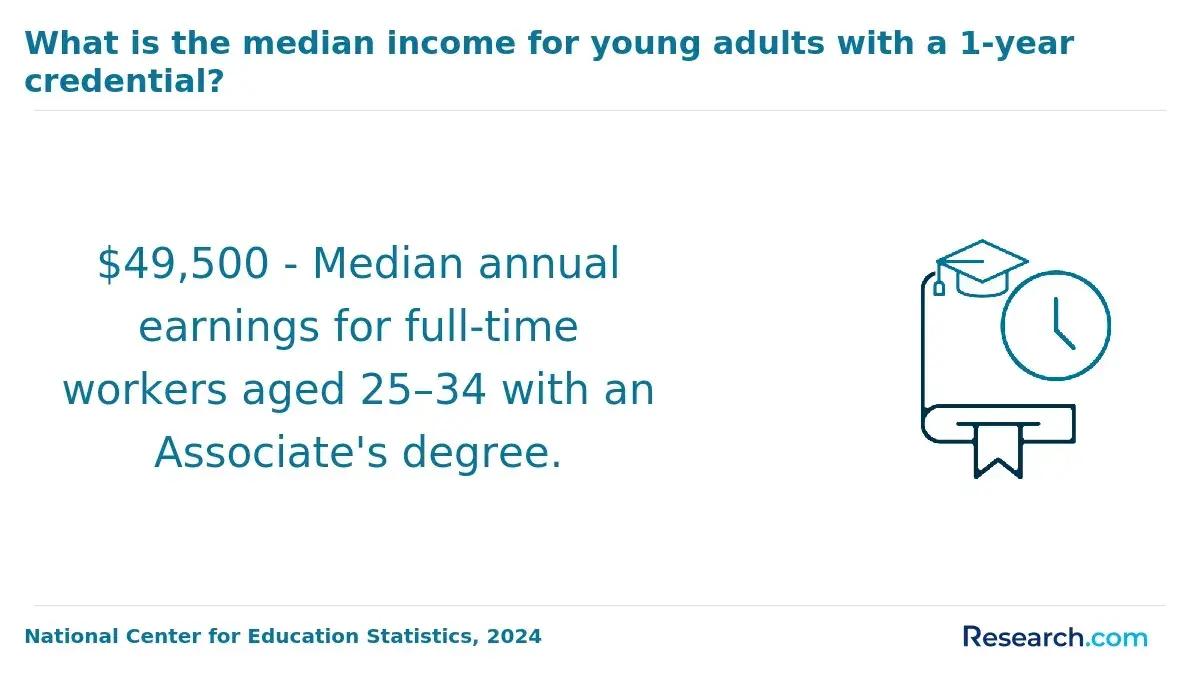
- Associate Degree in Forensic Psychology: Tuition is generally the lowest at this level, typically ranging from $3,000 to $8,000 per year at community colleges and public institutions. Private schools may charge more. Federal Pell Grants, state scholarships, and institutional aid can reduce out-of-pocket costs for eligible students.
- Bachelor's Degree in Forensic Psychology: Costs vary widely. In-state public college tuition averages around $7,687 annually, while out-of-state students may pay $26,401 or more. Private universities often exceed $35,000 per year. Online programs average about $12,000 yearly. Students commonly use federal loans, scholarships, grants, and work-study opportunities.
- Master's in Forensic Psychology: Master’s tuition ranges from $8,829 to $42,270 per year. Public and online programs are often less expensive, and some online options cost between $17,659 and $19,658 total for the entire program. Funding may include federal loans, scholarships, research assistantships, and employer tuition assistance.
- Doctoral Degree in Forensic Psychology: Doctoral programs are typically the most expensive, with annual tuition fees between $15,000 and $45,000 at private institutions. Public universities often charge less, especially for residents. Some doctoral candidates receive teaching assistantships, research assistantships, grants, or tuition waivers.
How to evaluate affordability
Do not judge a program only by sticker price. A higher-tuition program may become affordable if it offers substantial scholarships or assistantships, while a lower-tuition program may cost more than expected if it requires relocation, unpaid fieldwork, or extra semesters. Ask each school for a full cost breakdown and confirm whether aid is renewable.
A graduate of a forensic psychology degree program said financial planning played a major role in her decision. “Scholarships and assistantships really made a difference,” she explained, noting that they helped her avoid excessive debt. She also valued the option to take some courses online because it reduced expenses and allowed her to maintain part-time work.
Looking back, she described the investment as worthwhile because the program offered both affordability and career value. “It wasn't just about saving money,” she reflected, “but making sure the degree gave me the skills and connections to succeed long-term.”
What Jobs Can You Get with Each Type of Forensic Psychology Degree?
The jobs available with a forensic psychology degree depend heavily on degree level. Associate and bachelor’s degrees usually lead to support, advocacy, corrections, research, or case management roles. Master’s degrees can qualify graduates for more specialized positions, although counseling or clinical roles may require state licensure. Doctoral degrees are generally required for licensed forensic psychologist positions, independent evaluations, and many expert witness roles.
- Associate Degree in Forensic Psychology: Possible entry-level roles include corrections officer, administrative assistant in mental health or criminal justice, and psychiatric technician. These positions usually involve supporting licensed or senior professionals in correctional facilities, clinics, community agencies, or public systems. Advancement may be limited without additional education.
- Bachelor's Degree in Forensic Psychology: Graduates may pursue roles such as victim advocate, probation or parole officer, court liaison, non-clinical case manager, research assistant, or crime analyst. Work may involve supporting victims, monitoring offenders, coordinating services, assisting court operations, or analyzing data. According to recent data, a probation officer in the U.S. earns about $60,250 annually as of 2024.
- Master's Degree in Forensic Psychology: A master’s degree may support roles such as forensic mental health counselor, juvenile justice specialist, jury or trial consultant, forensic case manager, and researcher. Some positions require state licensure, especially when the role involves therapy, diagnosis, or clinical services. Salaries typically range from $50,000 to $80,000 per year depending on geography and job specifics. Students comparing graduate options may also review some of the cheapest online master degrees for flexible study paths.
- Doctoral Degree (Ph.D. or Psy.D.) in Forensic Psychology: Doctorate holders may qualify for advanced roles such as licensed forensic psychologist, correctional psychologist, police/public safety psychologist, competency evaluator, expert witness, or university professor. These positions may involve psychological evaluations, clinical services, expert testimony, research, teaching, or consultation. Median salaries typically range from $80,000 to $117,000 annually.
Students should read job postings early, not after graduation. Job descriptions reveal which employers require licensure, supervised experience, government clearance, clinical training, research skills, or experience with specific populations such as juveniles, incarcerated adults, victims of crime, or law enforcement personnel.
How Do Salaries Differ by Forensic Psychology Degree Type?
Salary potential generally rises with education level, but degree type is only one factor. Location, employer, licensure, experience, specialization, union or government pay scales, and whether the role is clinical, research-based, correctional, academic, or consulting-focused can all affect earnings.
- Associate Degree in Forensic Psychology: Salaries are usually between $30,000 and $40,000 annually. These roles are commonly entry-level support positions, and long-term advancement often requires additional education or specialized training.
- Bachelor's Degree in Forensic Psychology: Graduates can expect starting salaries around $44,000 per year. Typical roles include case manager, victim advocate, probation-related positions, and research or administrative support jobs.
- Master's Degree in Forensic Psychology: Professionals with a master’s degree commonly earn about $79,010 on average. This level may support roles such as forensic psychological associate, research coordinator, consultant, or specialized justice-system professional, depending on employer requirements and licensure rules.
- Doctoral Degree (Ph.D. or Psy.D.) in Forensic Psychology: Doctoral graduates who become licensed forensic psychologists typically have the highest salaries, with a median around $117,580. Entry-level licensed psychologists earn between $65,000 and $85,000, while experienced professionals in specialized areas can command over $145,000 annually.
The salary difference between degree levels should be weighed against time and cost. A doctorate may offer the highest ceiling, but it also requires the longest training period. A bachelor’s or master’s degree may lead to earlier workforce entry, but some clinical and evaluation roles will remain unavailable without doctoral preparation and licensure. Students comparing flexible education options can review top ranked online universities while checking whether each program supports their career and salary goals.
Is There High Demand for Forensic Psychology Degree Holders in the Job Market?
Demand for forensic psychology degree holders is positive, but it varies by role, degree level, licensure, and location. Opportunities are often stronger in areas with large court systems, correctional facilities, law enforcement agencies, hospitals, forensic treatment centers, victim services organizations, and public mental health systems. Rural regions may have fewer forensic-specific openings, although broader mental health and criminal justice roles may still exist.
Several trends support demand. Courts, prisons, and law enforcement agencies increasingly need professionals who understand mental health, risk, trauma, competency, rehabilitation, crisis response, and behavioral evidence. Emerging technologies, including digital forensics and data analysis tools, have also expanded the ways psychology-informed professionals can support investigations, jury consulting, and behavioral analysis.
Salaries also vary by specialization and location. Clinical and counseling psychologists earn around $106,850 annually, and jury consultants average about $88,652 nationally. Students exploring early education or career-changing pathways may compare programs at the top vocational colleges online as one possible starting point.
The Bureau of Labor Statistics projects a 7% growth in demand for all psychologists between 2023 and 2033, surpassing the national average for all occupations. Related fields, such as mental health counseling, are expected to grow even faster, up to 19% by 2033.
For students, the practical takeaway is clear: demand is strongest for candidates whose education matches employer requirements. A forensic psychology degree is most marketable when paired with relevant internships, research experience, strong writing skills, knowledge of legal settings, cultural competence, and, when required, licensure.
What Factors Should You Consider When Picking a Type of Forensic Psychology Degree?
The best forensic psychology degree is the one that matches your target job, licensing needs, budget, timeline, and preferred work setting. Before enrolling, work backward from the role you want and verify the minimum credential required. This can prevent costly mistakes, such as earning a degree that does not meet state licensure or employer requirements.
- Career Goals: Entry-level roles in social services, corrections, advocacy, or law enforcement may accept a bachelor’s degree. Clinical psychologist positions, forensic evaluations, and expert witness work often require a doctoral degree, supervised experience, and licensure.
- Licensure Requirements: Most states require a doctoral degree with specialized training and clinical experience for psychologist licensure. If you plan to practice independently, provide therapy, conduct evaluations, or offer court testimony as a psychologist, confirm state board requirements before choosing a program.
- Time Commitment: Degree timelines vary. Bachelor’s degrees typically take four years, master’s degrees about two, and doctorates five to seven years. Part-time study, internships, dissertation work, or licensure steps can extend the total timeline.
- Cost and Financial Aid: Tuition differs widely by school and degree level. For example, bachelor's programs like Liberty University's can cost around $46,980 after scholarships, while other schools may charge between $6,576 and $24,780 per year. Compare grants, scholarships, assistantships, loans, employer benefits, and total debt.
- Program Focus and Flexibility: Look for coursework and field experience tied to your goals, such as forensic assessment, criminal investigation, correctional psychology, victim services, or legal psychology. Online courses, part-time schedules, transfer credits, and accelerated pathways can reduce time or improve flexibility.
- Accreditation and Reputation: Make sure the institution is properly accredited and that the program’s curriculum is respected by employers, graduate schools, or licensing boards relevant to your career path.
- Field Experience: Internships, practica, research labs, and agency partnerships can matter as much as coursework. Forensic psychology is applied work, so practical exposure can improve employability.
A careful program choice should answer four questions: What job will this degree realistically qualify me for? What jobs will still require additional education or licensure? How much will the degree cost after aid? What evidence shows graduates are succeeding in roles similar to the one I want?
What Forensic Psychology Graduates Say About Their Degree and Salary
- : "My bachelor's degree in forensic psychology opened doors I never expected. I started with doubts about where the path would lead, but the practical coursework helped prepare me for entry-level opportunities connected to law enforcement and corrections. The degree also strengthened my empathy and resilience, which became essential when working with people affected by the justice system. It was a stepping stone that shaped my commitment to social justice. —Ana"
- : "As a doctoral graduate in forensic psychology, I gained the depth of training I needed for academia and clinical practice. The research expectations were demanding, but they sharpened my analytical skills and helped establish my credibility. I now value the chance to mentor newer professionals while contributing to studies that improve forensic interventions. The degree became the foundation for long-term professional growth and leadership. —Luna"
- : "Completing my master's degree in forensic psychology changed the direction of my career. The interdisciplinary training helped me stand out in the job market, and I was able to move into a role at a juvenile justice center. I use what I learned every day to support vulnerable youth and contribute to broader change. The degree expanded my options while deepening my commitment to community impact and advocacy. —Jane"
Other Things You Should Know About Forensic Psychology Degree Programs & Salaries
In 2027, a Bachelor's degree in forensic psychology may lead to $40,000-$60,000 annually. A Master's degree can increase the salary to $60,000-$80,000, while a Doctorate in Psychology can yield $90,000-$140,000, depending on experience and location.
By 2027, forensic psychology students should become proficient in data analytics and familiar with using AI tools for psychological assessment. These skills will enhance their ability to interpret behavioral data and improve case evaluation efficiency.
References
- Top Careers in Forensic Psychology: Jobs and Pathways https://www.mobap.edu/news/top-careers-in-forensic-psychology/
- Forensic Psychology Concentration https://www.hamline.edu/academics/undergraduate/psychology/forensic-psychology-concentration
- What Can I Do With a Degree in Forensic Psychology? https://www.forensicscolleges.com/blog/resources/what-can-I-do-with-a-forensic-psychology-degree
- Fastest Accelerated Online Masterâs in Forensic Psychology 2025 | Academic Influence https://academicinfluence.com/rankings/online-degree/fastest-accelerated-masters-forensic-psychology
- Specialty guidelines for forensic psychology https://www.apa.org/practice/guidelines/forensic-psychology
- Department of Forensic Psychology - SWPS University https://english.swps.pl/science-and-research/discover-our-potential/research-centers/84-faculties-and-departments/faculty-of-psychology-in-katowice/departments/32810-department-of-forensic-psychology
- What Forensic Psychology Degrees Offer | All Psychology Schools https://dev.allpsychologyschools.com/degrees/forensic-psychology/
- Forensic psychologist | Explore Careers | National Careers Service https://nationalcareers.service.gov.uk/job-profiles/forensic-psychologist


